Blutree Orthopedic Implants
Blutree Orthopedic Implants
Blutree Orthopedic Implants
The global orthopedic market has witnessed a paradigm shift in the treatment of complex fractures, non-unions, and congenital deformities. Ring Fixators, specifically the Ilizarov apparatus, remain the gold standard for circular external fixation. From a commercial standpoint, the industry is no longer confined to traditional stainless steel rings; it has evolved into a high-tech sector integrating titanium alloys, carbon fiber composites, and AI-driven preoperative planning software.
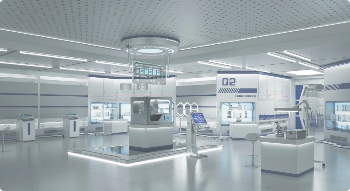
Major manufacturers across the globe are focusing on modularity. Modern factories are now equipped with CNC precision machining and robotic assembly lines to ensure that every threaded rod, nut, and ring meets the rigorous ISO 13485 standards. The demand is particularly high in emerging markets where trauma-related injuries are frequent, and in developed nations where limb-sparing surgeries are becoming more sophisticated.
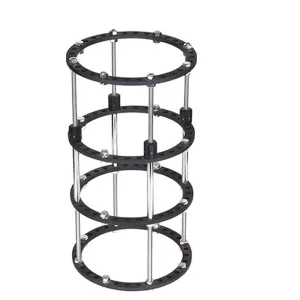
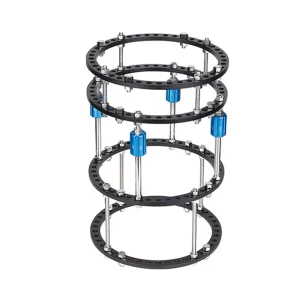
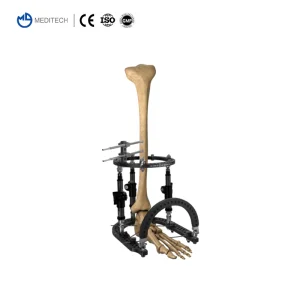
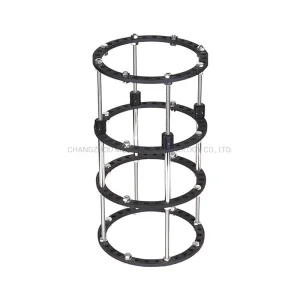
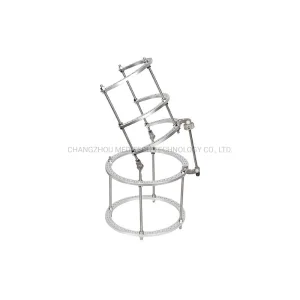
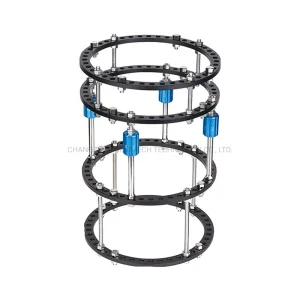
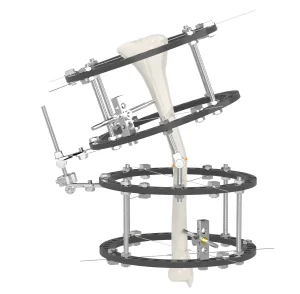
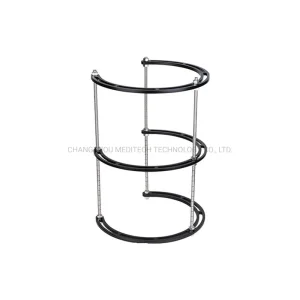
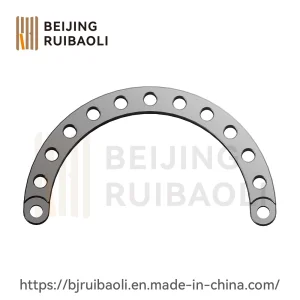
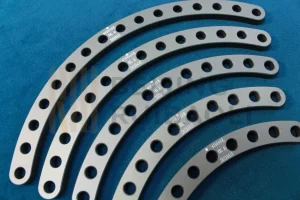
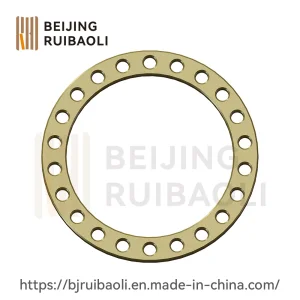
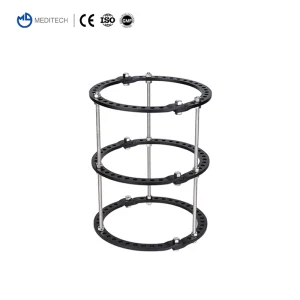
Modern factories are producing modular Ilizarov kits that allow surgeons to assemble unique configurations for pediatric limb lengthening or adult tibia reconstruction in real-time.
Transitioning from heavy stainless steel to Medical-Grade Aluminum Alloy and Carbon Fiber to improve patient mobility and comfort during long-term treatment cycles.
The rise of hexapod-style fixators combined with AI software planning, enabling precise bone deformity correction via daily adjustment schedules sent to the patient's smartphone.
Furthermore, the environmental sustainability of manufacturing is becoming a procurement criterion. Factories that implement eco-friendly anodizing processes for aluminum rings are gaining a competitive edge in European and North American tenders. The global trend is moving toward "Smart Fixation," where sensors embedded in the fixator can monitor bone healing progress and mechanical load distribution.
Who is buying Ilizarov fixators today? The procurement landscape is diverse:
Localized application varies significantly. In India and Southeast Asia, the Ilizarov method is widely used for treating Chronic Osteomyelitis. In Europe, the focus is more on complex articular fractures and deformity corrections using radiolucent materials that don't interfere with X-ray imaging.
As a leading Chinese manufacturer founded in 1999, we offer distinct advantages that align with the global "Value-Based Healthcare" model:
Our competitive edge lies in Supply Chain Integration. Unlike smaller workshops, our facility handles everything from raw material smelting to final sterile packaging. This ensures that a hospital in the United States or a distributor in the Netherlands receives the same high-quality orthopedic implants at a significantly lower cost-to-quality ratio than domestic alternatives. We maintain 3+ overseas offices to provide localized technical support and fast-track logistics.
Founded in 1999, our company is one of the earliest enterprises in China engaged in the research and development of orthopedic implants. Today, we are a global leader in the field.