 Blutree Orthopedic Implants
Blutree Orthopedic Implants
Blutree Orthopedic Implants
Precision-engineered surgical equipment and implants designed to elevate arthroplasty outcomes and surgical safety in regional medical centers.
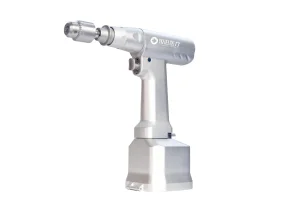
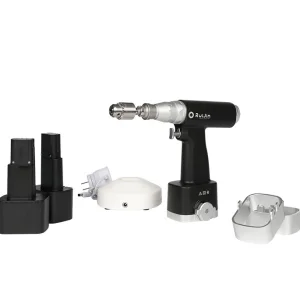
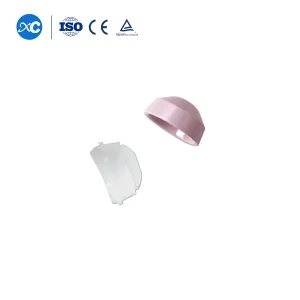
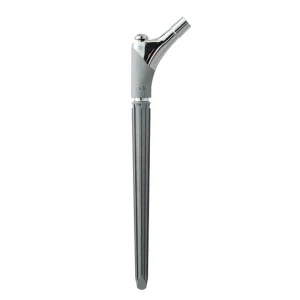
Kaédi, situated along the Senegal River in the Gorgol Region of southern Mauritania, represents a vital hub for healthcare delivery to regional populations. As public health initiatives seek to modernize clinical solutions in Mauritania, the availability of advanced orthopedic implants and high-grade surgical instrumentation has emerged as a top national priority. Traditional regional trauma clinics and community hospitals are increasingly transitioning from basic emergency fracture care to complex arthroplasty procedures, specifically Total Hip Replacement (THR).
In Kaédi, joint disorders stem from a combination of clinical factors. High agricultural and manual labor demands subject the population to significant musculoskeletal stress, leading to early-onset osteoarthritis. Additionally, delayed treatment of pediatric developmental hip dysplasia and trauma related to localized traffic or work-related accidents contribute to a high percentage of patients requiring primary and revision total hip surgeries. However, sourcing reliable, clinically proven, and cost-effective implants and electrical bone saws has historically been a major logistical constraint for hospitals in this region.
By partnering with established orthopedic implant manufacturers, regional distributors in Kaédi can bypass intermediate trading markup, acquiring certified implants directly from cutting-edge manufacturing facilities in China. This ensures a consistent supply of biocompatible materials such as titanium alloy (Ti-Alloy) cementless systems, CoCrMo femoral heads, and ultra-high-molecular-weight polyethylene (UHMWPE) liners that meet stringent international regulatory frameworks like CE and ISO 13485.
Founded in 1999, our manufacturing partner is one of the earliest enterprises in China dedicated to the research, development, and international export of high-grade orthopedic implants and instrumentation.
Note: Over 3 overseas corporate offices have been established in key geographical hubs, including the United States and the Netherlands, ensuring rapid technical support, regulatory compliance coordination, and seamless cross-border supply chains.
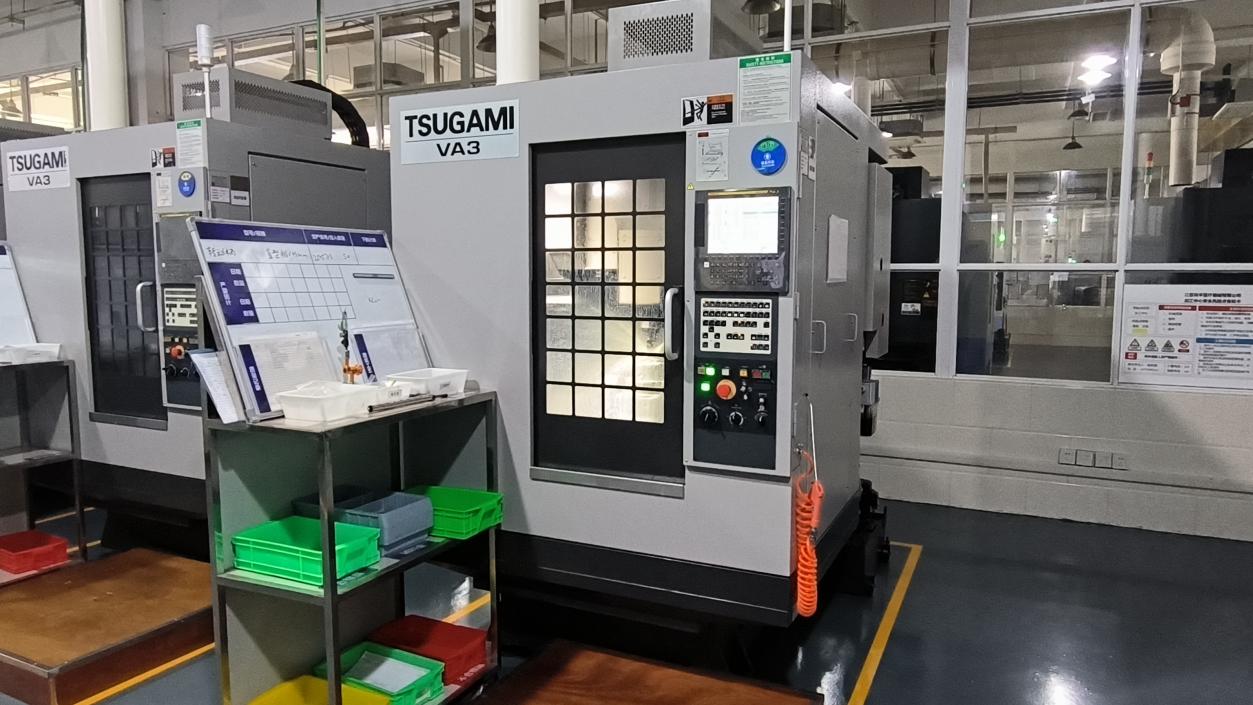
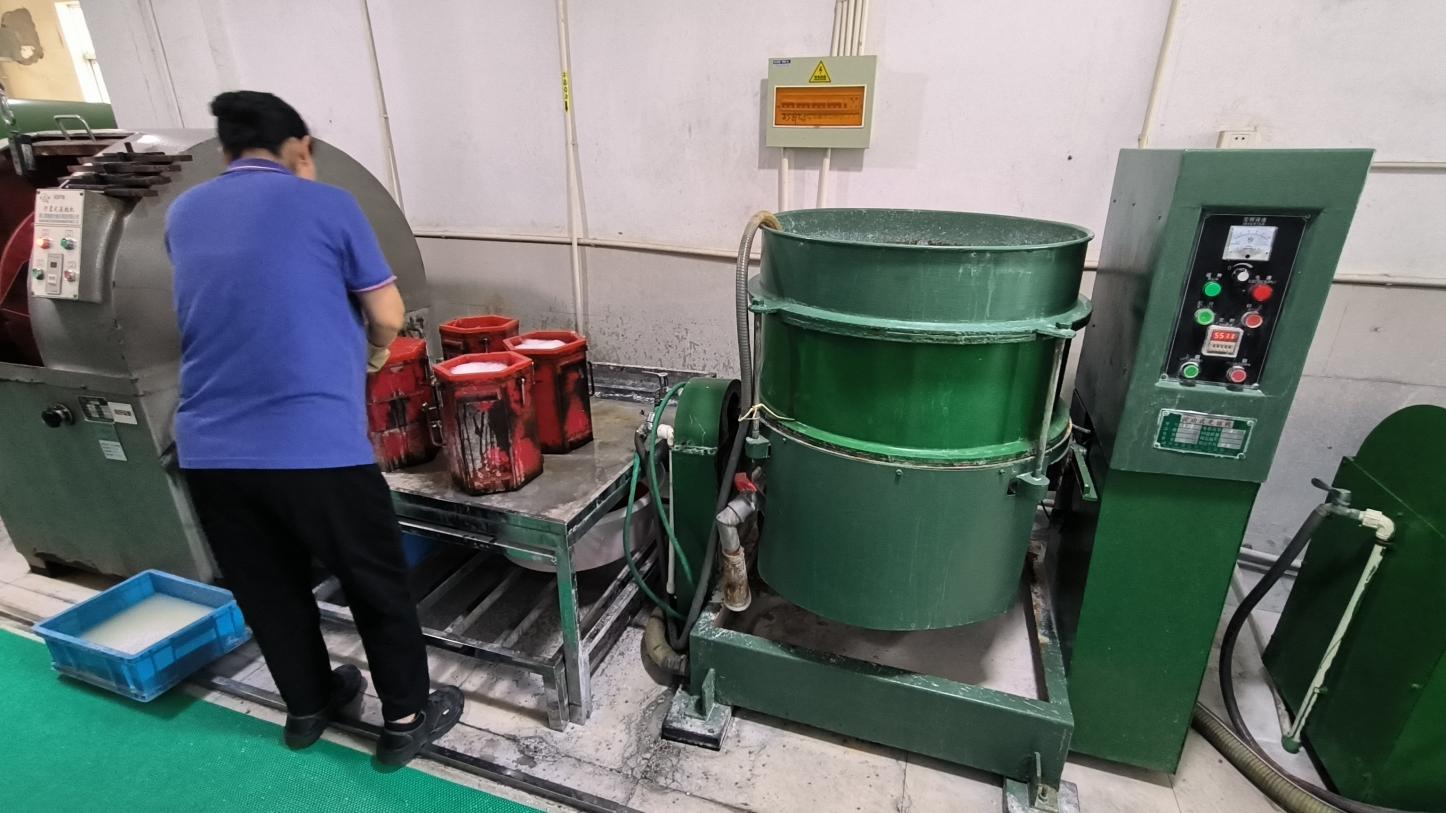
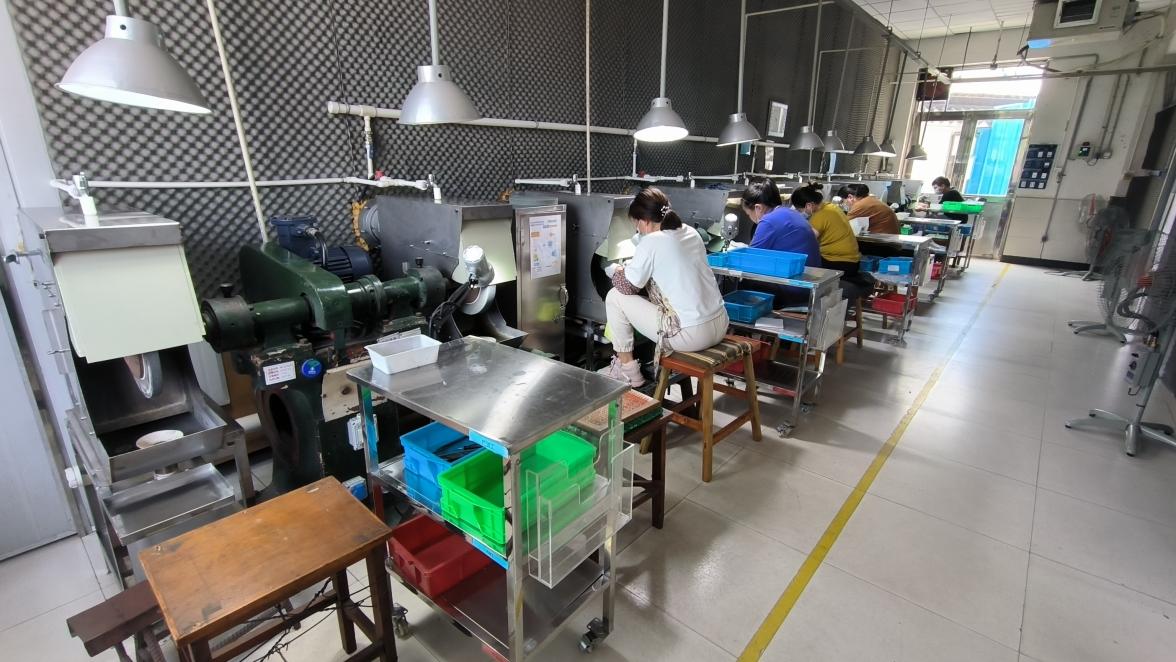
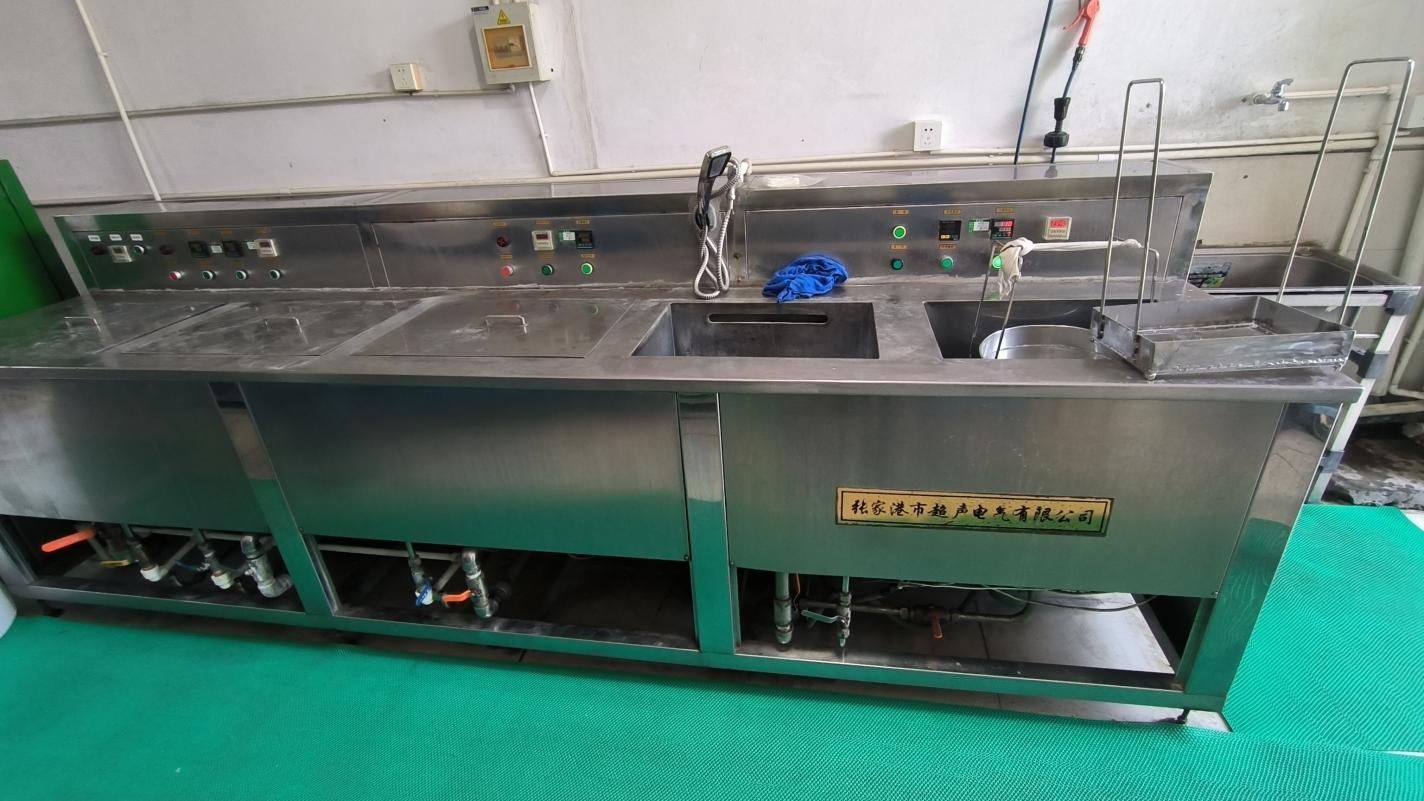
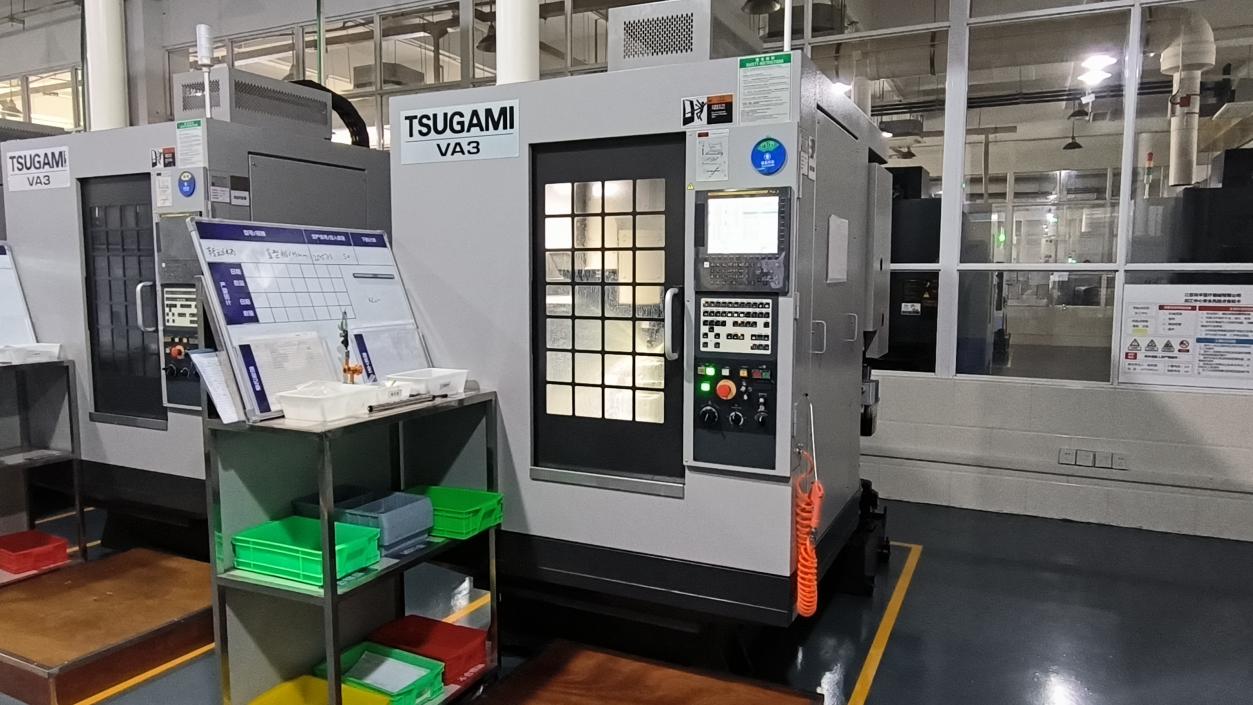
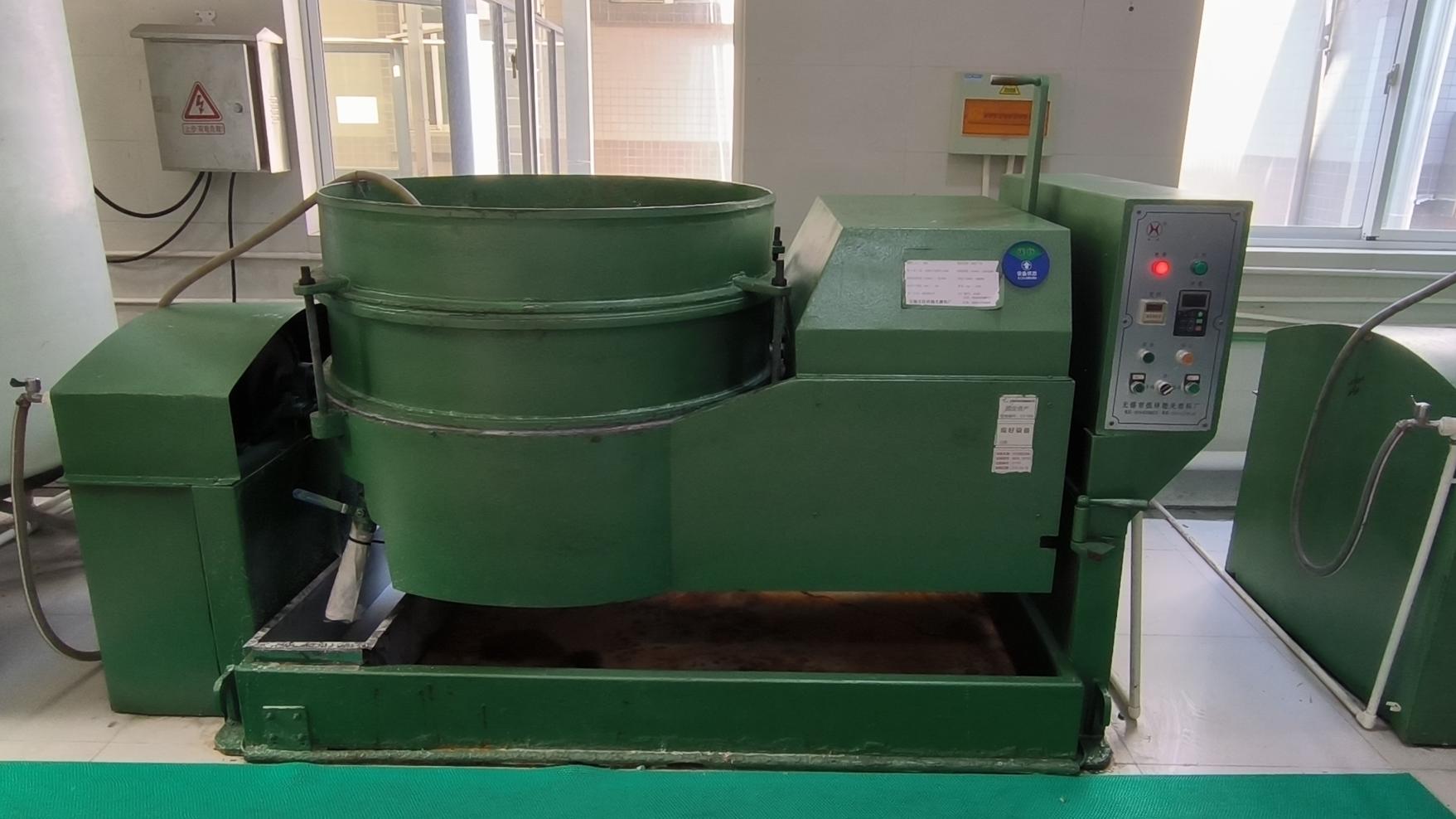
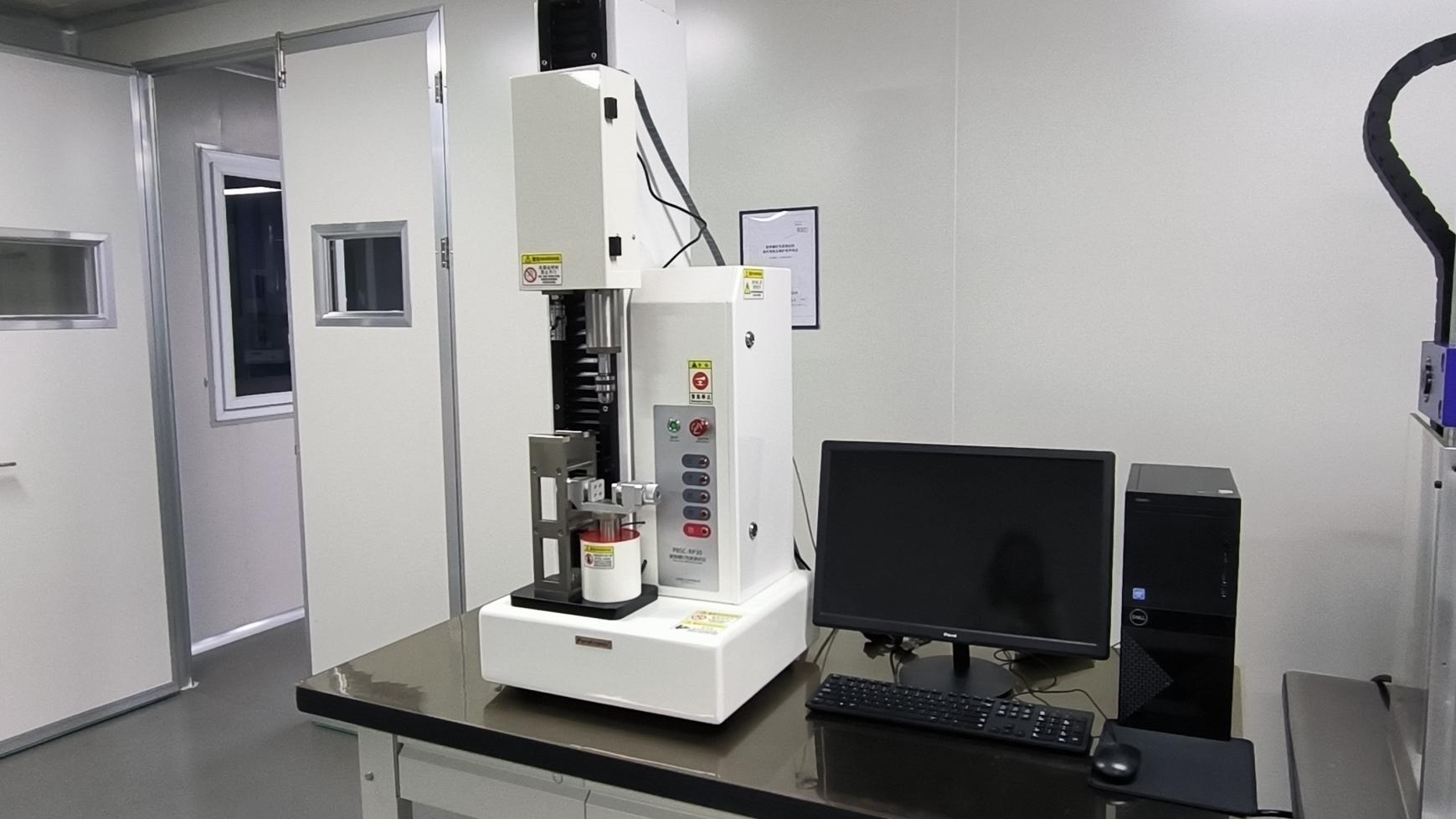
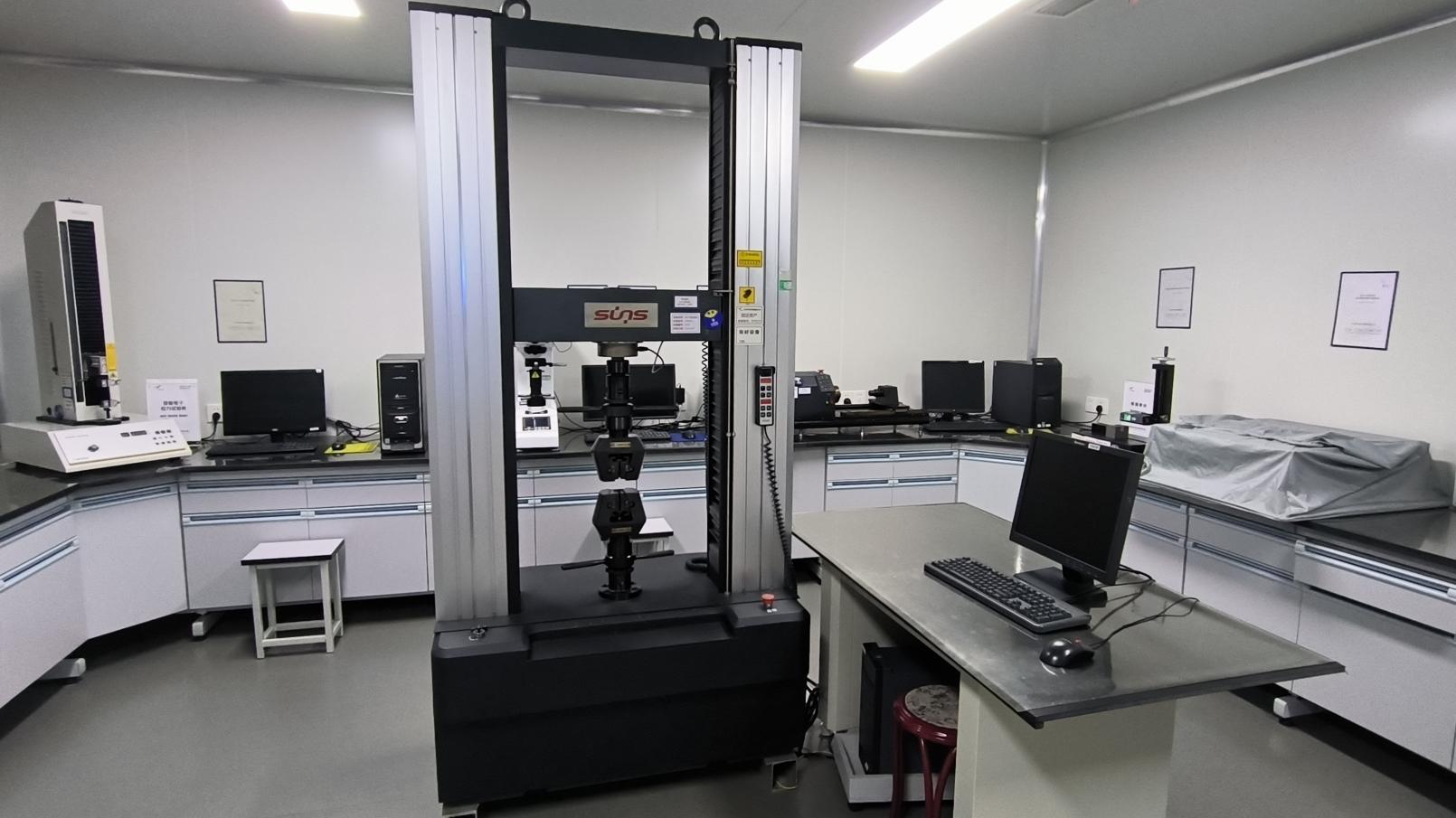
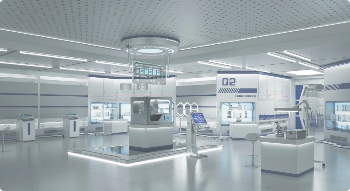
Our facility features fully integrated mechanical production lines, utilizing high-precision machinery, multi-stage surface polishing systems, and rigorous mechanical and biocompatibility testing suites. Below is a detailed view of the actual industrial methods employed in our partner's manufacturing centers.
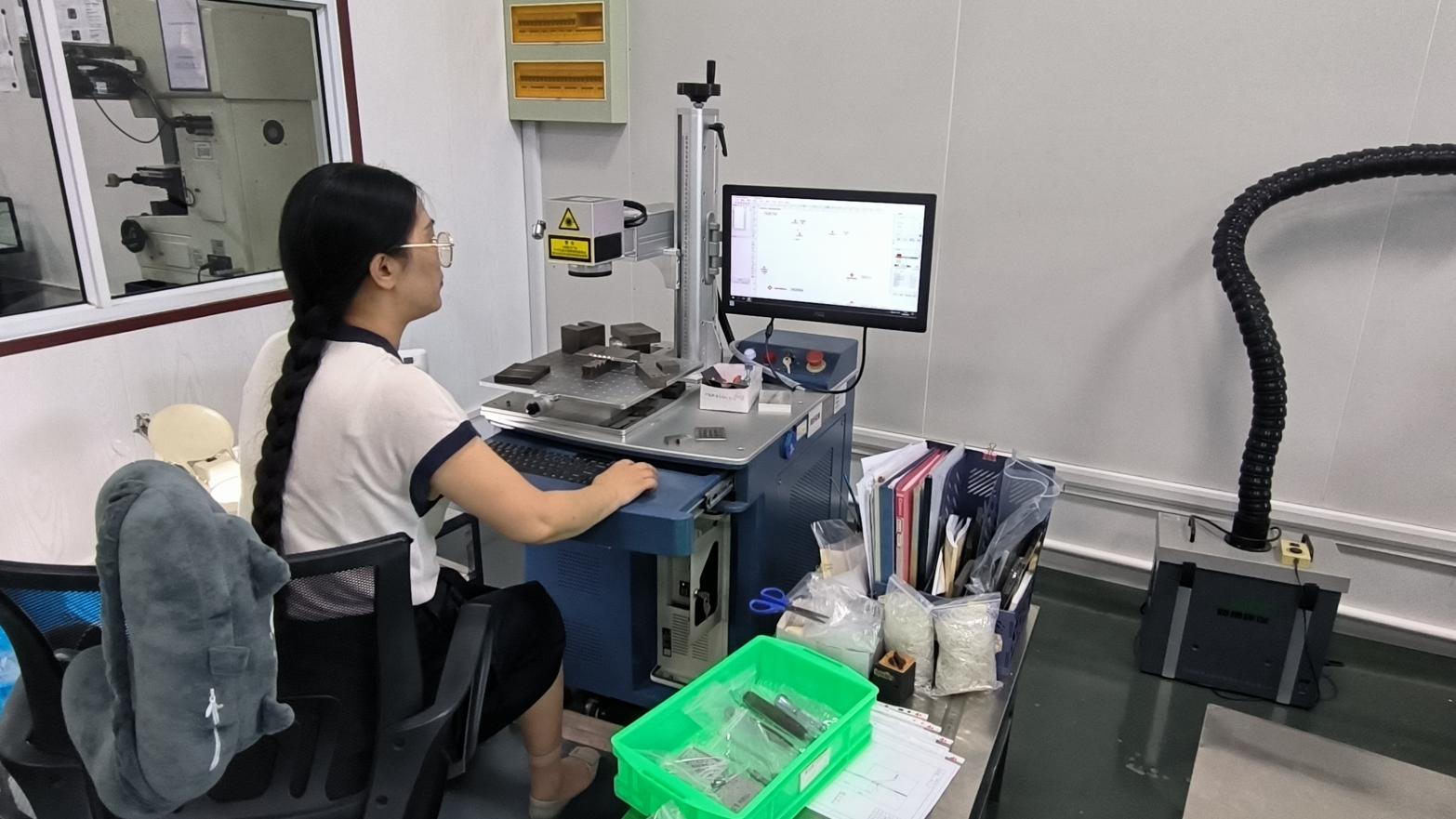
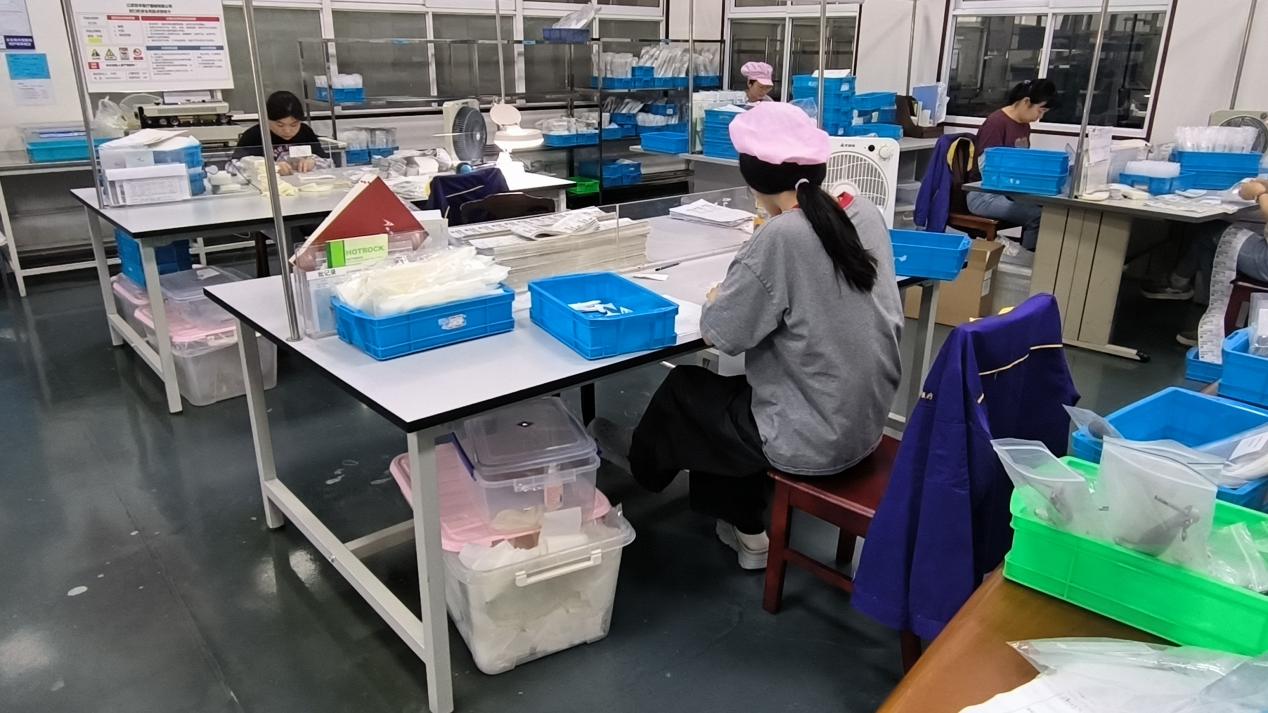
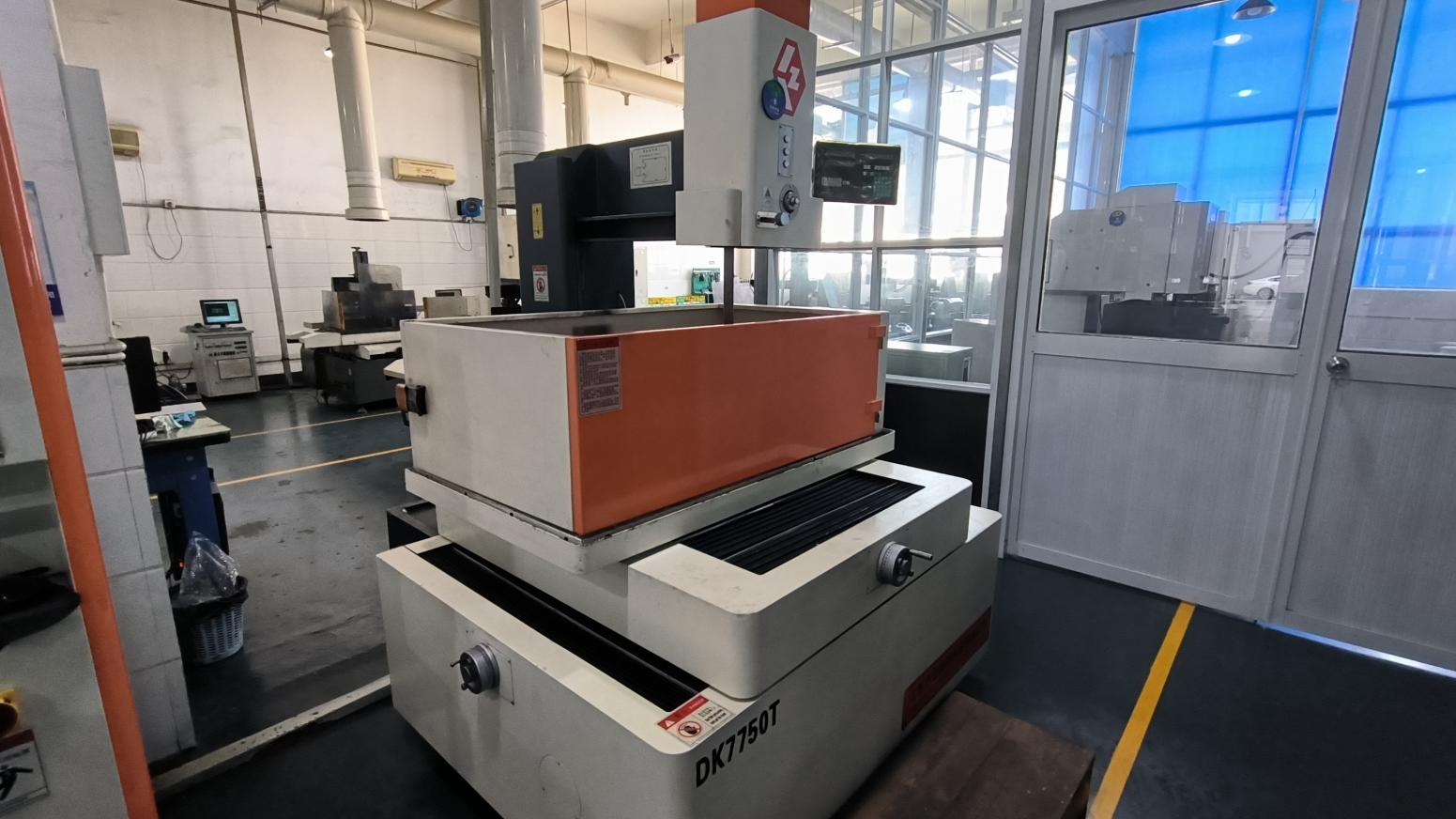
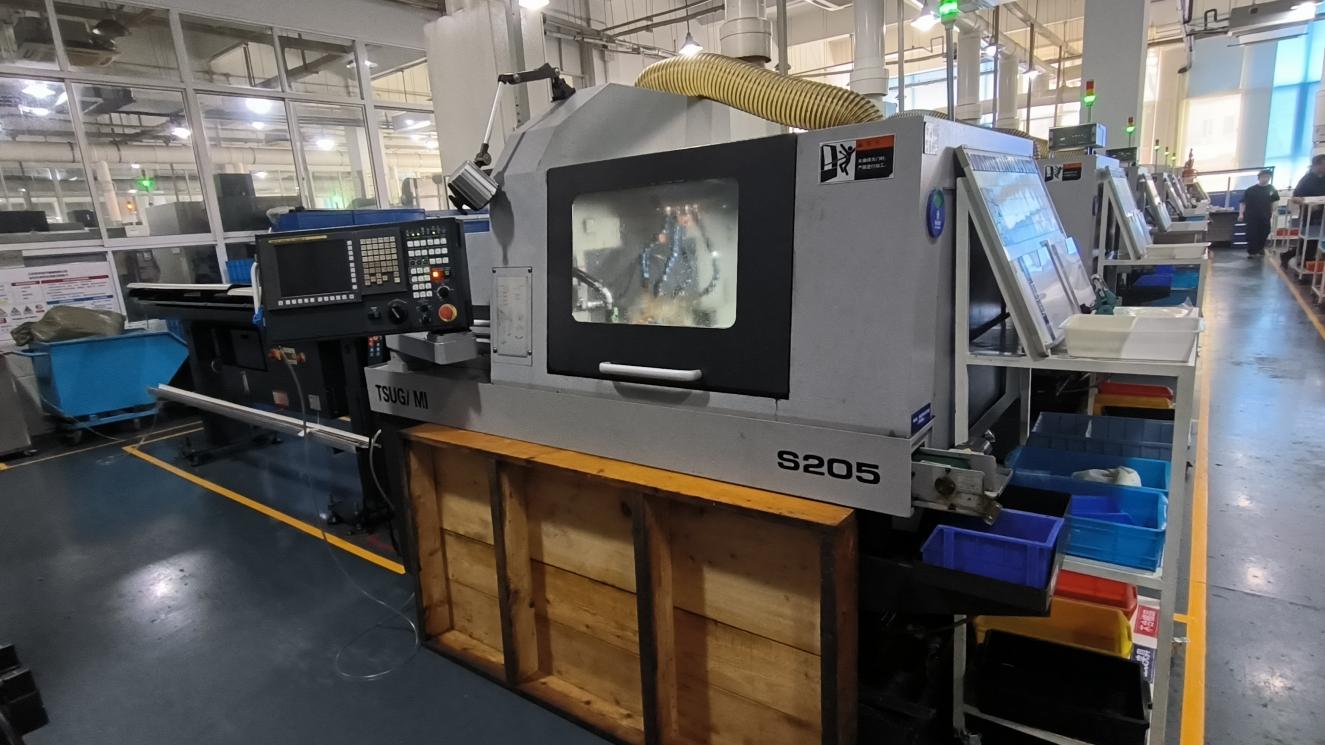
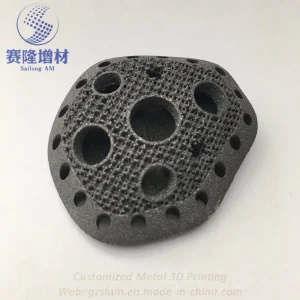
The global orthopedic implant sector is witnessing a major paradigm shift. For many years, cemented hip implants were the primary choice in developing health systems due to basic manufacturing techniques and perceived cost benefits. Today, however, the industry is transitioning rapidly toward Cementless Total Hip Arthroplasty (THA), utilizing porous titanium coatings and 3D-printed metal textures. This shift is driven by the clinical need for biological fixation, which promotes long-term bone ingrowth and significantly reduces the incidence of aseptic loosening—a key issue in younger, active patients across regions like Mauritania.
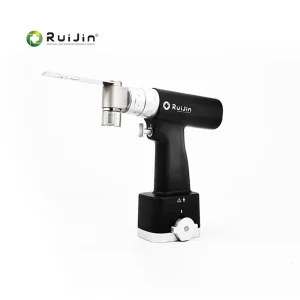
Furthermore, precision surgical power tools have evolved from pneumatic driven lines to battery-powered micro-electronic systems. Modern surgeons in Kaédi require high-speed oscillating saws and orthopedic drills with lightweight, high-energy-density lithium-ion batteries. This reduces surgeon fatigue and shortens operating times, reducing risks of intraoperative infection. A well-designed, reliable power tool system is as critical to a successful outcome as the implant itself.
We utilize medical-grade titanium alloy (Ti6Al4V) which mimics the elastic modulus of human bone, minimizing stress shielding and ensuring long-lasting orthopedic stability.
Rough plasma spray or vacuum sintering of titanium beads creates a microporous interface, stimulating osteoblasts to deposit new bone matrix directly onto the implant surface.
Pairing cobalt-chromium (CoCr) or ceramic heads with highly cross-linked polyethylene (XLPE) inserts reduces wear debris generation, preventing localized osteolysis.
How our partner guarantees clinical reliability, maintaining structural integrity across every production batch.
Only verified titanium, CoCr, and UHMWPE lots with mill test certificates and chemical analysis sheets are loaded into our production queues.
Implements and drills are machined via highly accurate CNC mills. Tumbling machines run continuously to eliminate micro-burrs and establish smooth transitions.
Every batch undergoes tensile deformation assays, durable fatigue testing, and high-pressure load simulations to ensure zero catastrophic failure risks.
Ultrasonic washing eliminates lipids and processing debris. Implants are packaged in ISO Class 5 cleanrooms before gas sterilization and sealing.
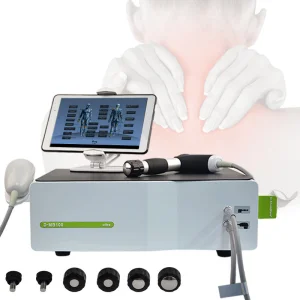
From advanced knee arthroplasty kits to diagnostic shockwave generators, hospital geodetic total station batteries, and clinical vacuum power backups.
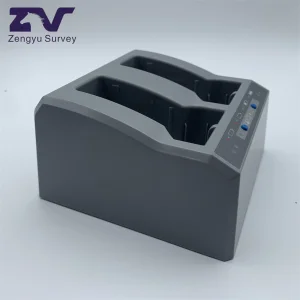
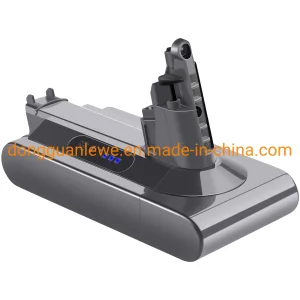
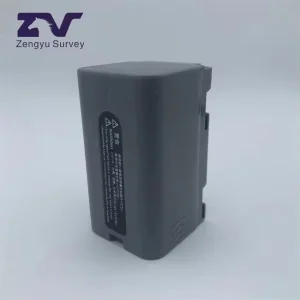
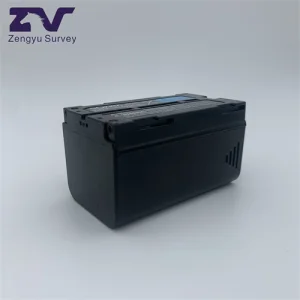
To support healthcare expansion projects in the Gorgol region, we offer comprehensive lifecycle support. This includes providing high-performance replacement batteries (such as the BDC72 and BDC-58 series) for surveying total stations used in the construction and design of new hospital wards. We also supply medical maintenance facility power packs (like Dyson V10 replacement batteries) to ensure continuous operation of cleanroom vacuum sanitizers.
Clear answers regarding material safety, custom registration support, and import logistics for buyers in Mauritania.
Our cementless femoral stems and acetabular cups are manufactured using certified Ti-6Al-4V titanium alloy conforming to ASTM F136 / ISO 5832-3 standards. For the articulating bearing surfaces, we utilize high-precision Cobalt-Chromium-Molybdenum (Co-Cr-Mo) alloy femoral heads (ISO 5832-12) paired with highly cross-linked ultra-high-molecular-weight polyethylene (UHMWPE) inserts to minimize friction and wear.
Yes. We have obtained local medical device registrations in over 60 countries. Our regulatory affairs team provides a complete dossier pack, including CE certificates (Directive 93/42/EEC or MDR 2017/745), ISO 13485 quality system certificates, Certificate of Free Sale (CFS), and technical testing protocols (tensile strength, fatigue tests, and biocompatibility studies) required by the Mauritanian Ministry of Health.
Standard manufactured batches are dispatched from our factory within 30 to 45 days of order confirmation. The standard shipping route is sea freight to Nouakchott Port (Port Autonome de Nouakchott), followed by secure inland road transit directly to Kaédi via Route de l'Espoir. All shipments are packed in heavy-duty export cartons with humidity indicators to prevent moisture damage during sea transport.
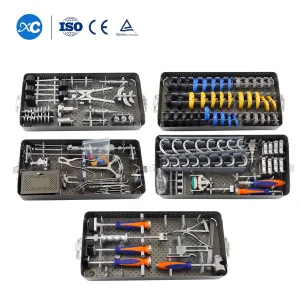
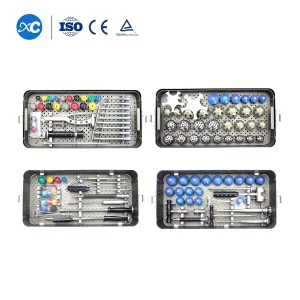
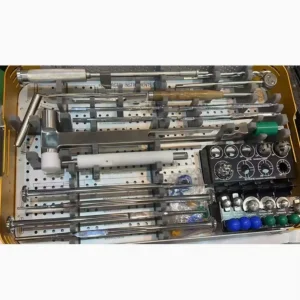
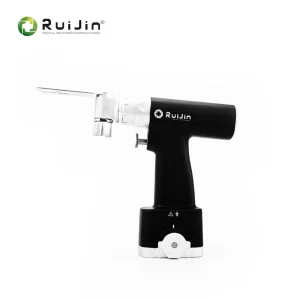
Yes, we provide fully customized, autoclavable orthopedic surgical instrument sets that include trial prostheses, reamers, broaches, stem inserters, and cup impactors. Additionally, we manufacture high-capacity electric oscillating saws and bone drills with dual battery packs, designed to maintain operating room uptime. These tools support double autoclaving and are fully compatible with our THR implant geometries.
Our cementless stems are coated with Plasma-Sprayed Titanium (TPS) or double-layer Hydroxyapatite (HA) coating. This creates a high surface roughness (Ra value 4.0-7.0 µm) with interconnected porosity between 30% and 50%. This structure promotes optimal osteointegration, preventing migration under cyclic physiological loads. Quality validation is verified through ASTM F1147 tensile bond strength tests.
Whether you are a public hospital director in Gorgol, a private orthopedics clinic purchasing coordinator, or a regional Mauritanian distributor—we offer direct OEM manufacturing pricing, custom packaging, and complete technical support documentation.