 Blutree Orthopedic Implants
Blutree Orthopedic Implants
Blutree Orthopedic Implants
Optimized for Immediate Deployment in Kabul and Regional Trauma Centers
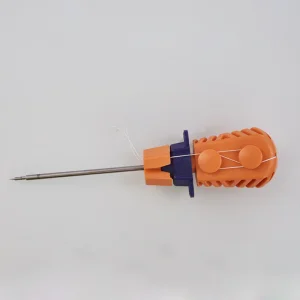
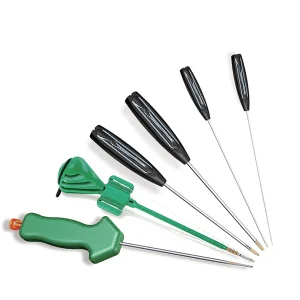
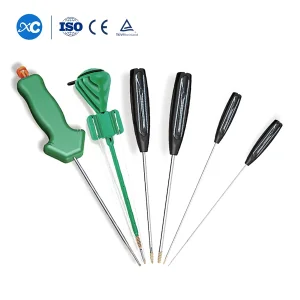
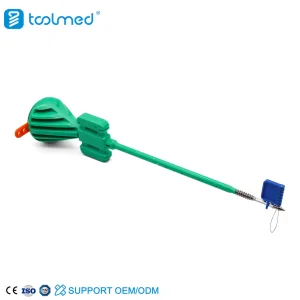
Reconstructive orthopedic and sports medicine therapies in developing territories face a distinct set of operational and supply-chain challenges. In the Afghanistan market, the requirements for clinical implants—specifically suture anchors utilized in arthroscopic rotator cuff repairs, labrum reattachment, and ligament reconstructions—extend beyond basic biocompatibility. Procuring agencies, hospitals, and non-governmental medical organizations need implants that combine extreme structural durability with cost-effective instrumentation, simplified surgical workflows, and high tolerance for complex trauma presentations.
Founded in 1999, our organization is a pioneer in the research, development, and manufacturing of high-grade orthopedic implants. Over the last two decades, we have established a global footprint that spans over 160 countries and regions. Armed with 214 CE-certified products and local registration in more than 60 countries, we possess the clinical experience and logistics capacity required to supply, certify, and support orthopedic teams operating within the Afghan medical ecosystem.
The Afghan healthcare system is undergoing a transition phase, with a growing demand for specialized surgical equipment. While primary medical centers have historically prioritized life-saving interventions, secondary and tertiary orthopedic care is increasingly expanding. Local private hospitals and public teaching clinics are building capacities for arthroscopic surgery, reducing the need for patients to travel abroad for joint reconstructions.
Unlike highly saturated Western markets where sports medicine focuses heavily on recreational athletic injuries, the demand for suture anchors in Afghanistan is dual-natured:
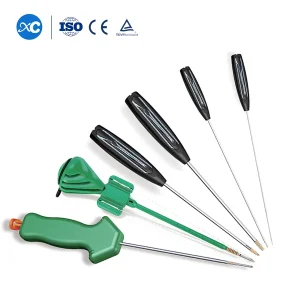
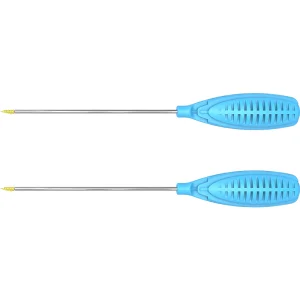
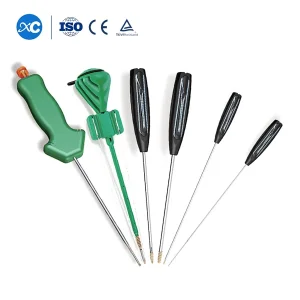
Supply chains targeting Afghan clinical centers must account for limitations in sterile storage, power consistency for autoclave systems, and surgical training programs. By providing comprehensive instrumentation sets alongside our suture anchors, we ensure that surgical units can execute arthroscopic procedures using reusable, high-durability tooling that reduces total procedure costs.
As an established global supplier, our manufacturing practices adhere to the most stringent international quality frameworks, ensuring that every implant delivered to Afghanistan matches the clinical safety of those used in Western Europe or the United States.
Our operations include more than three overseas branch offices located in medical hubs like the United States and the Netherlands. By maintaining localized representative networks, we manage to streamline shipping routes and clearance systems into landlocked regions, including Central and South Asia. Our strategic alignment with global OEM brands highlights our capacity to manufacture custom configurations that accommodate the technical preferences of visiting humanitarian surgeons and local specialists in Afghanistan.
Modern suture anchors are classified by their material composition, each exhibiting unique clinical benefits suited for specific bone qualities and anatomic locations.
PEEK is a high-performance thermoplastic that offers mechanical characteristics highly similar to human cortical bone. It provides excellent biocompatibility and is completely radiolucent, meaning it does not interfere with post-operative MRI or CT imaging. This is crucial for long-term patient monitoring in complex reconstructions. Furthermore, PEEK is highly resistant to degradation, offering stable ligament tensioning over extended healing periods.
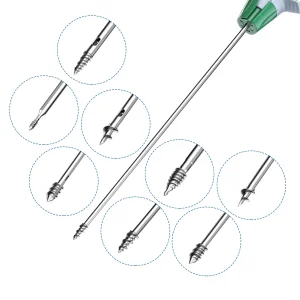
Our Titanium suture anchors are fabricated using medical-grade Ti-6Al-4V ELI. Known for its high strength-to-weight ratio and superior fatigue resistance, titanium anchors are optimal for high-load areas where bone mineral density may be compromised. These anchors feature aggressive thread patterns designed for reliable self-tapping insertion and immediate mechanical fixation.
| Parameter | PEEK Anchors | Titanium Anchors | Clinical Indication |
|---|---|---|---|
| Radiolucency | 100% Transparent (No artifact) | Radiopaque (Visible on X-ray) | Post-op MRI monitoring |
| Elastic Modulus | ~3.6 GPa (Close to bone) | ~110 GPa (Rigid) | Stress-shielding mitigation |
| Pull-Out Strength | High (Depends on bone quality) | Excellent (Self-tapping threads) | Osteopenic bone fixation |
Every anchor is machined, polished, and tested inside our ISO-certified cleanrooms.
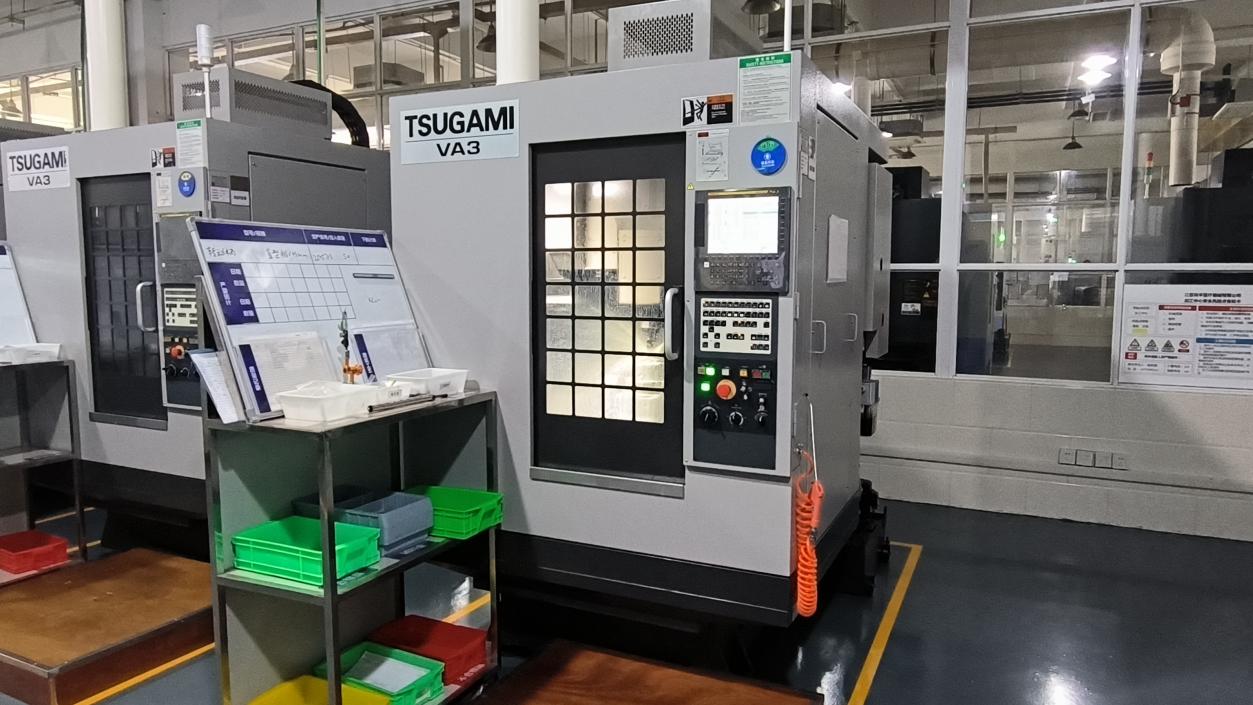
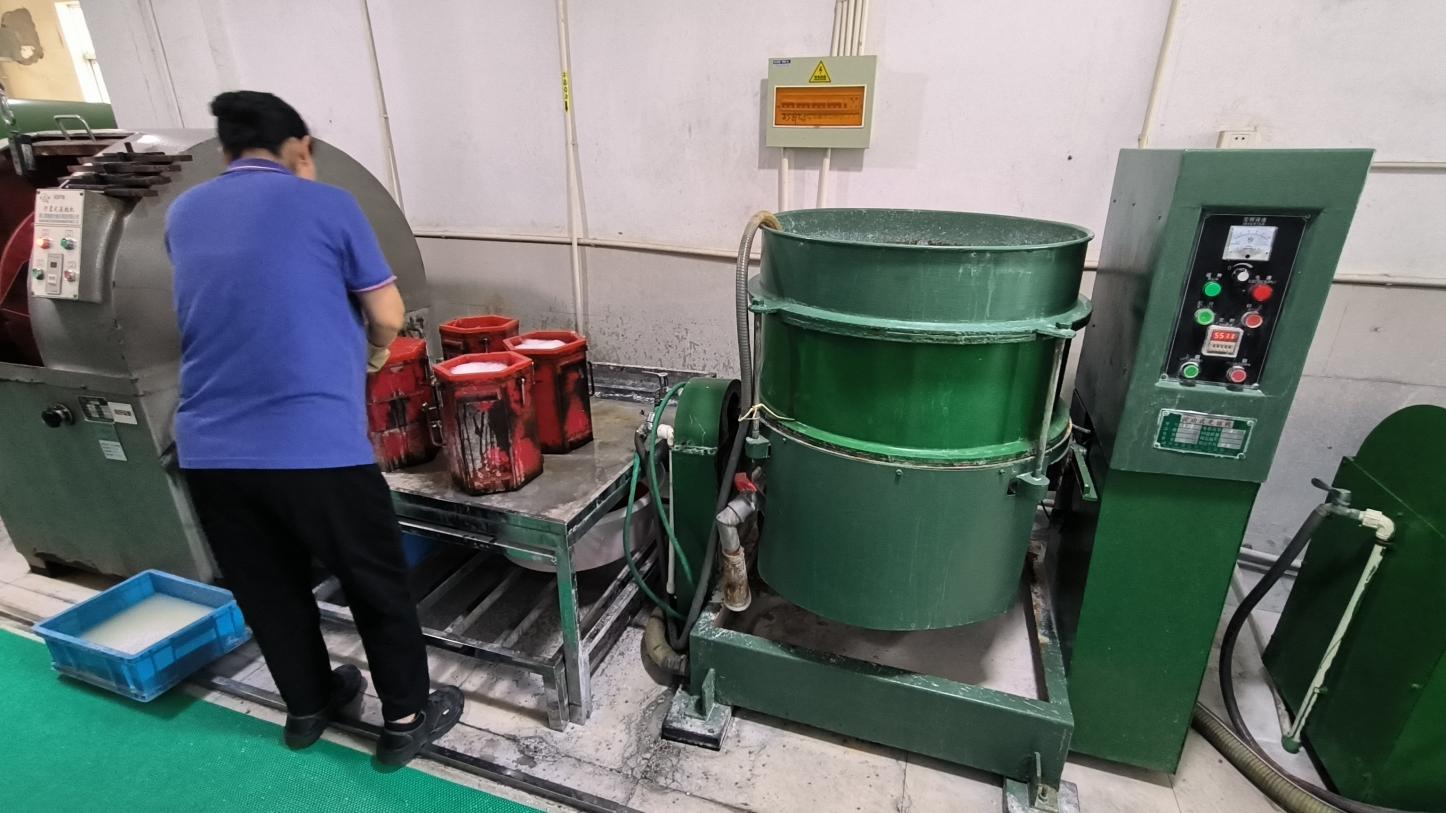
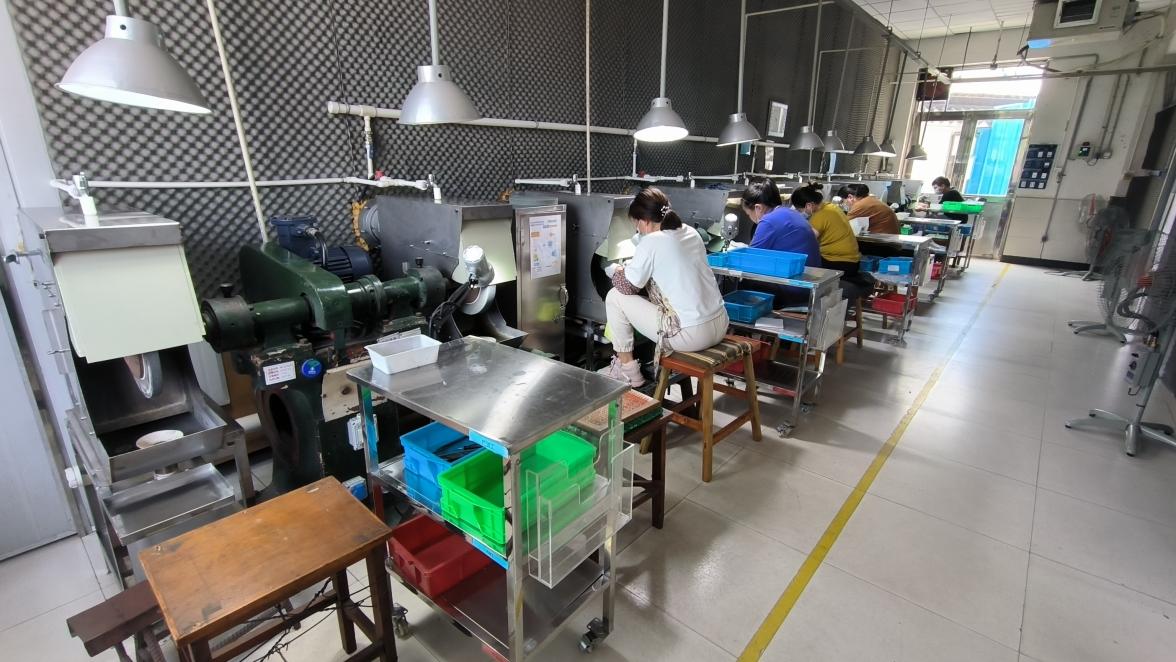
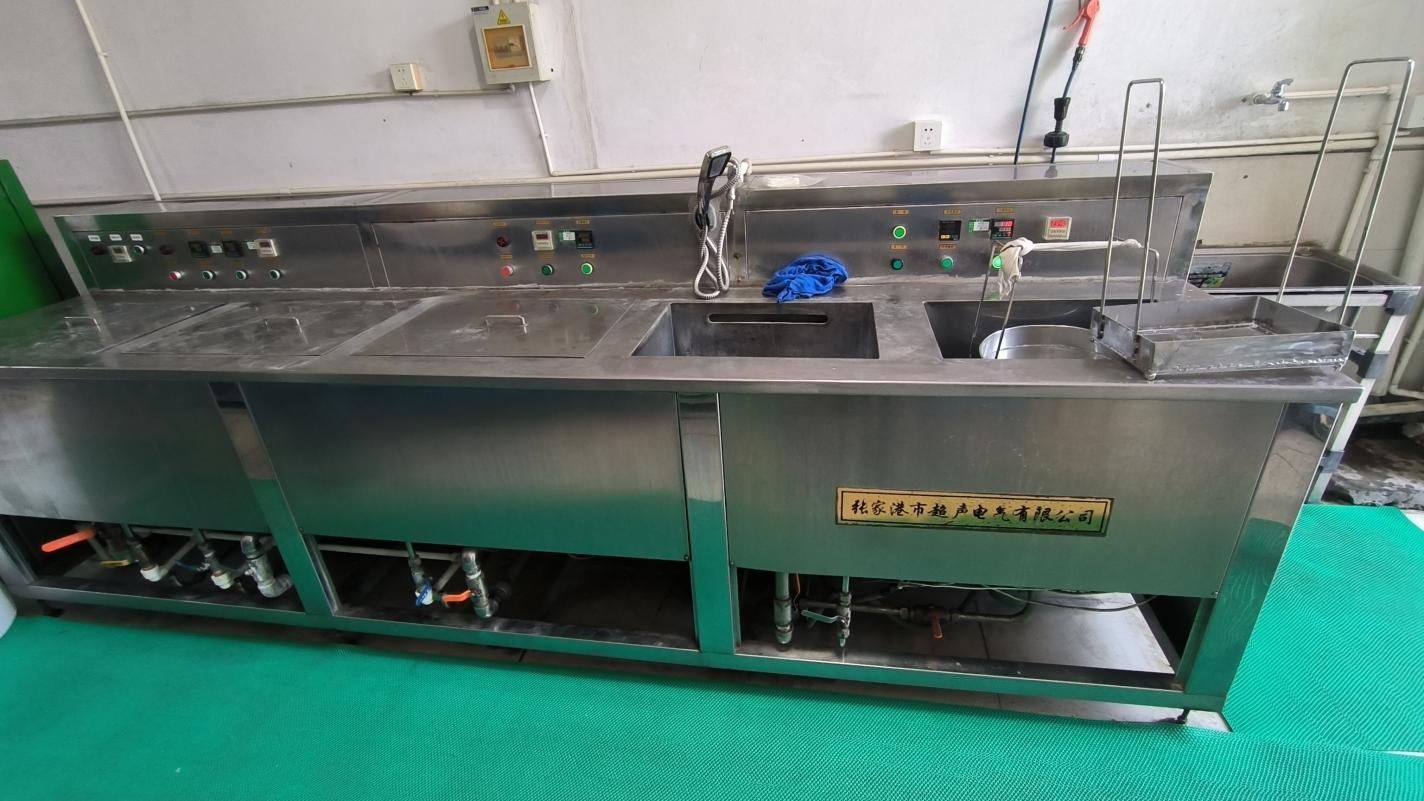
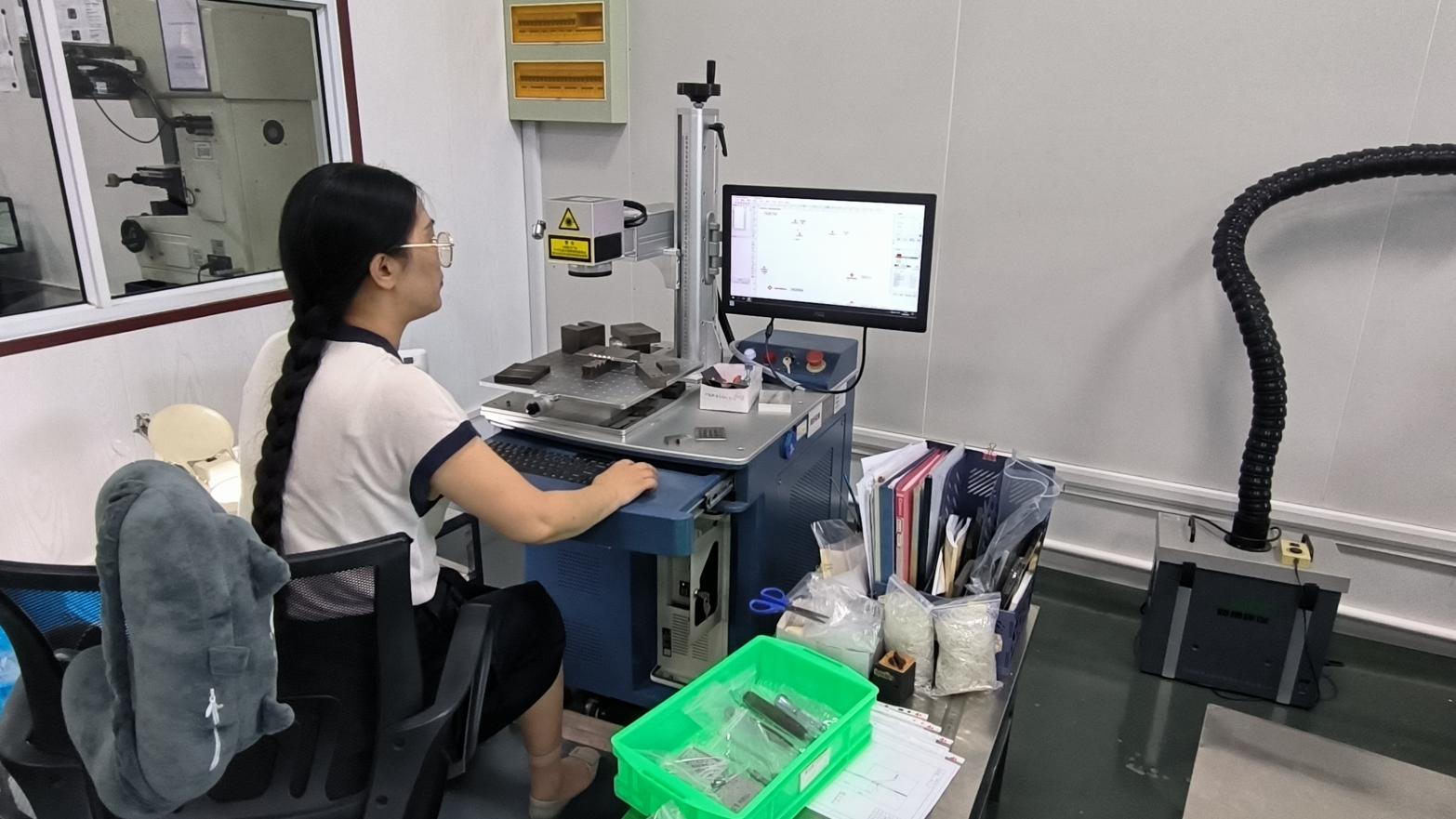
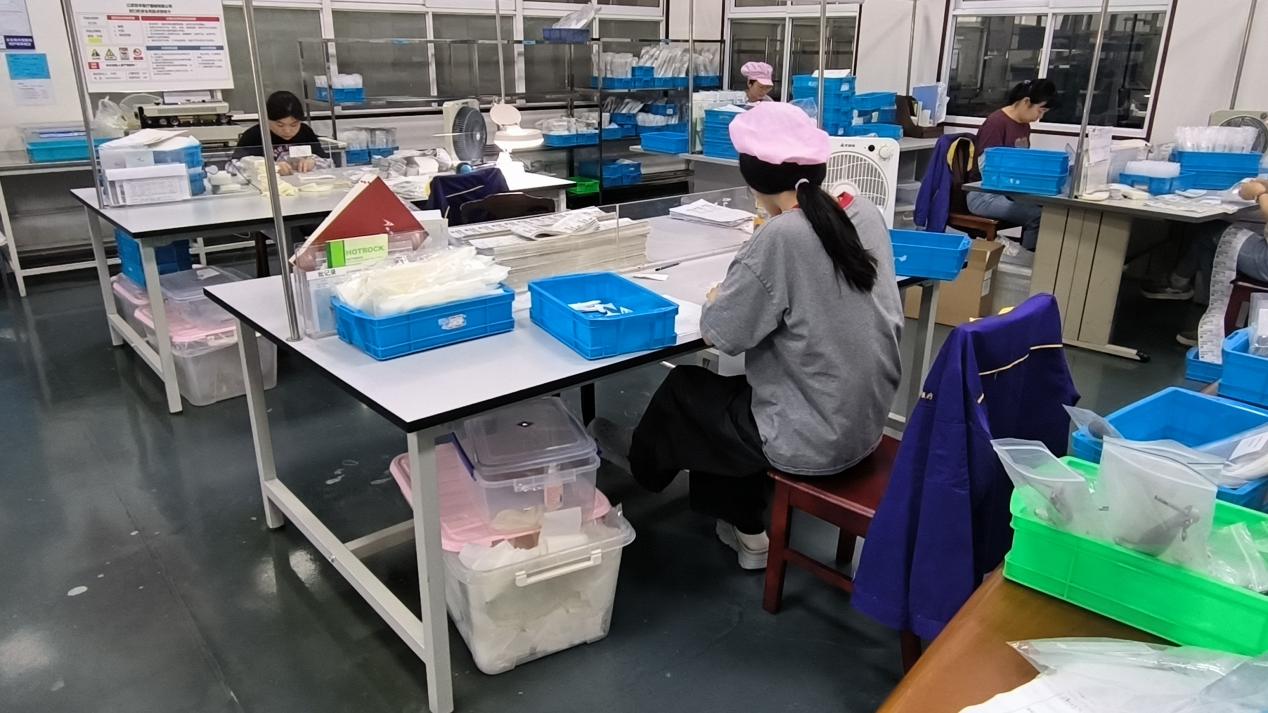
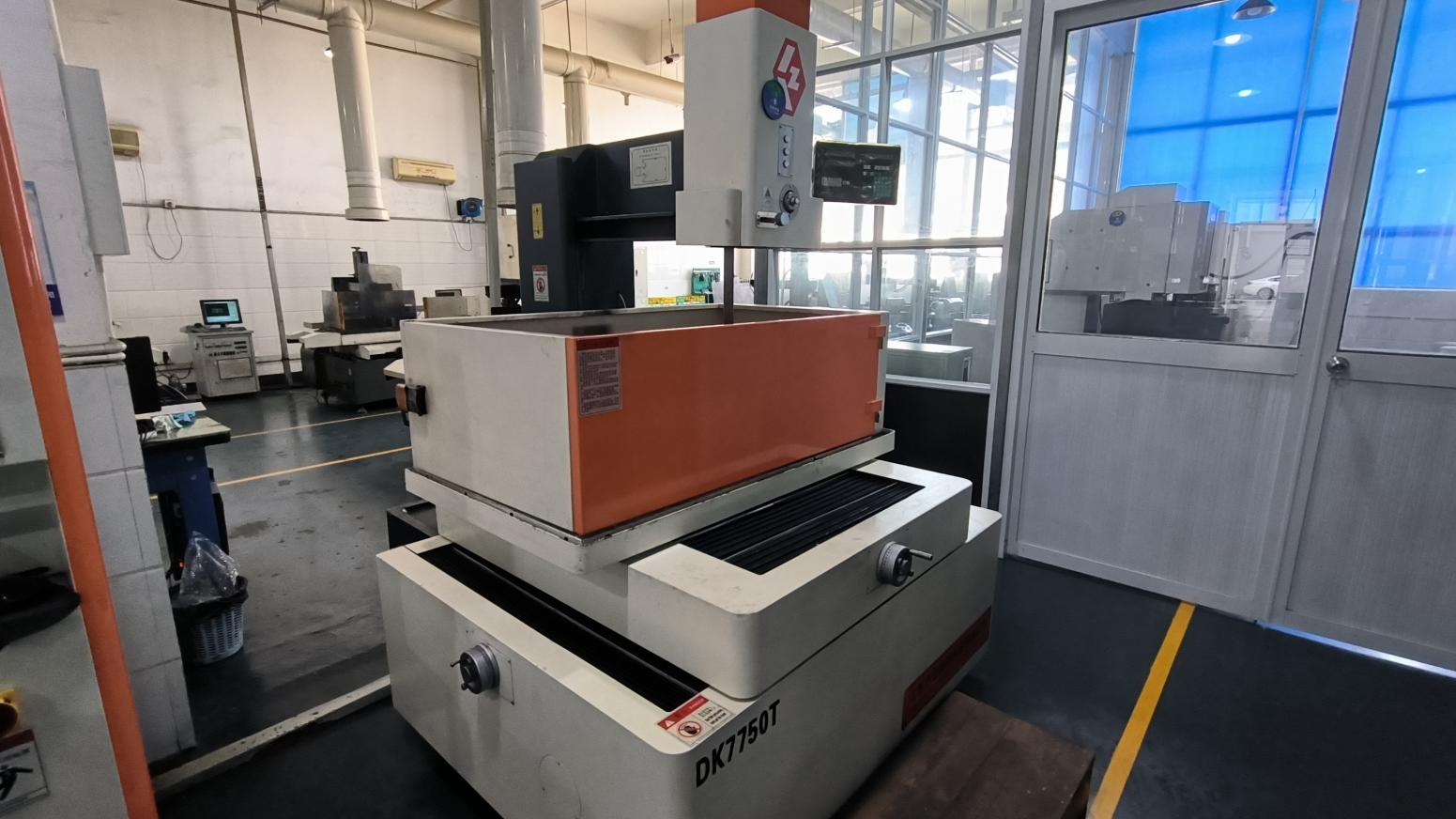
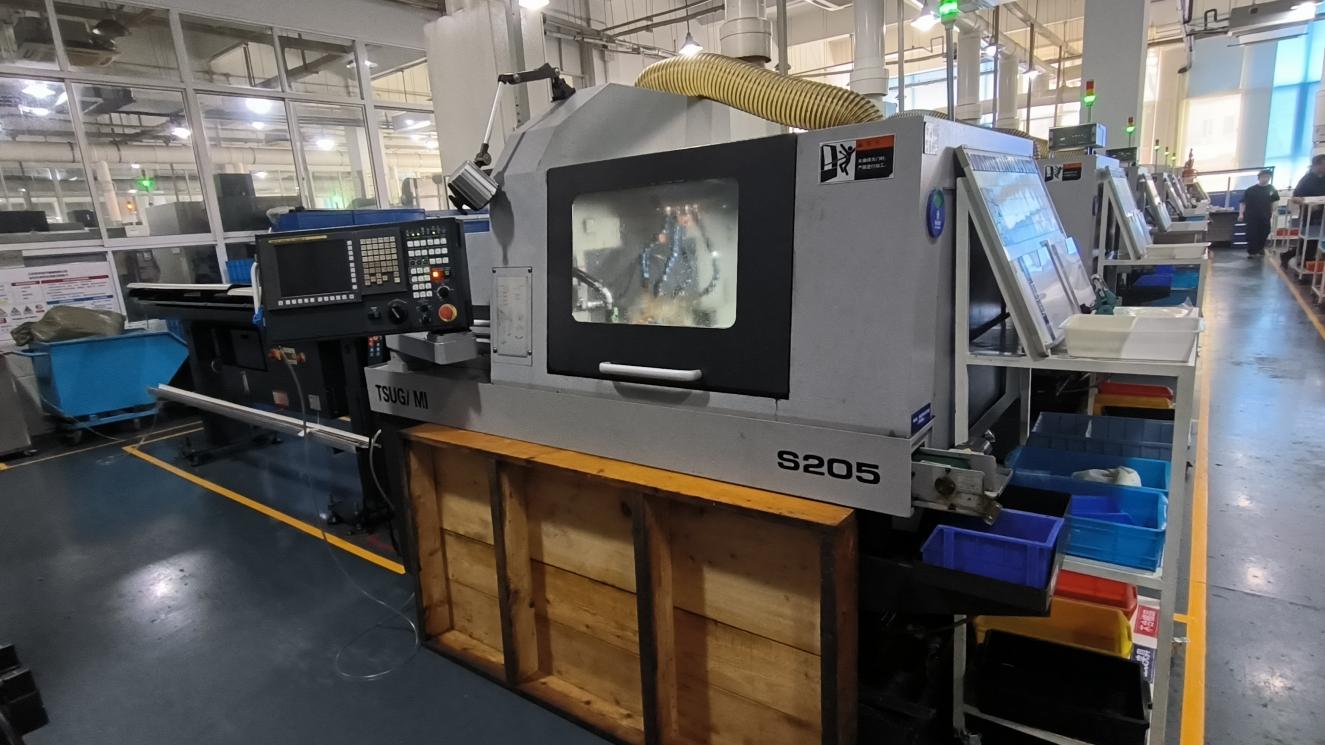
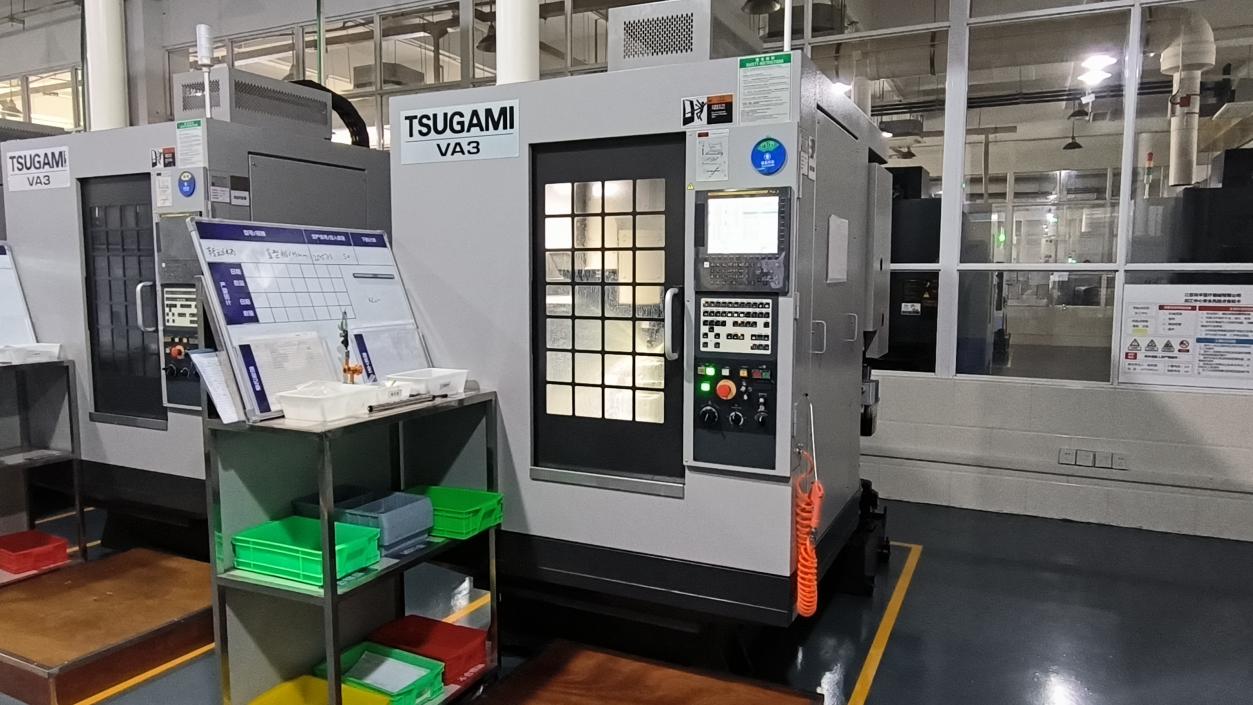
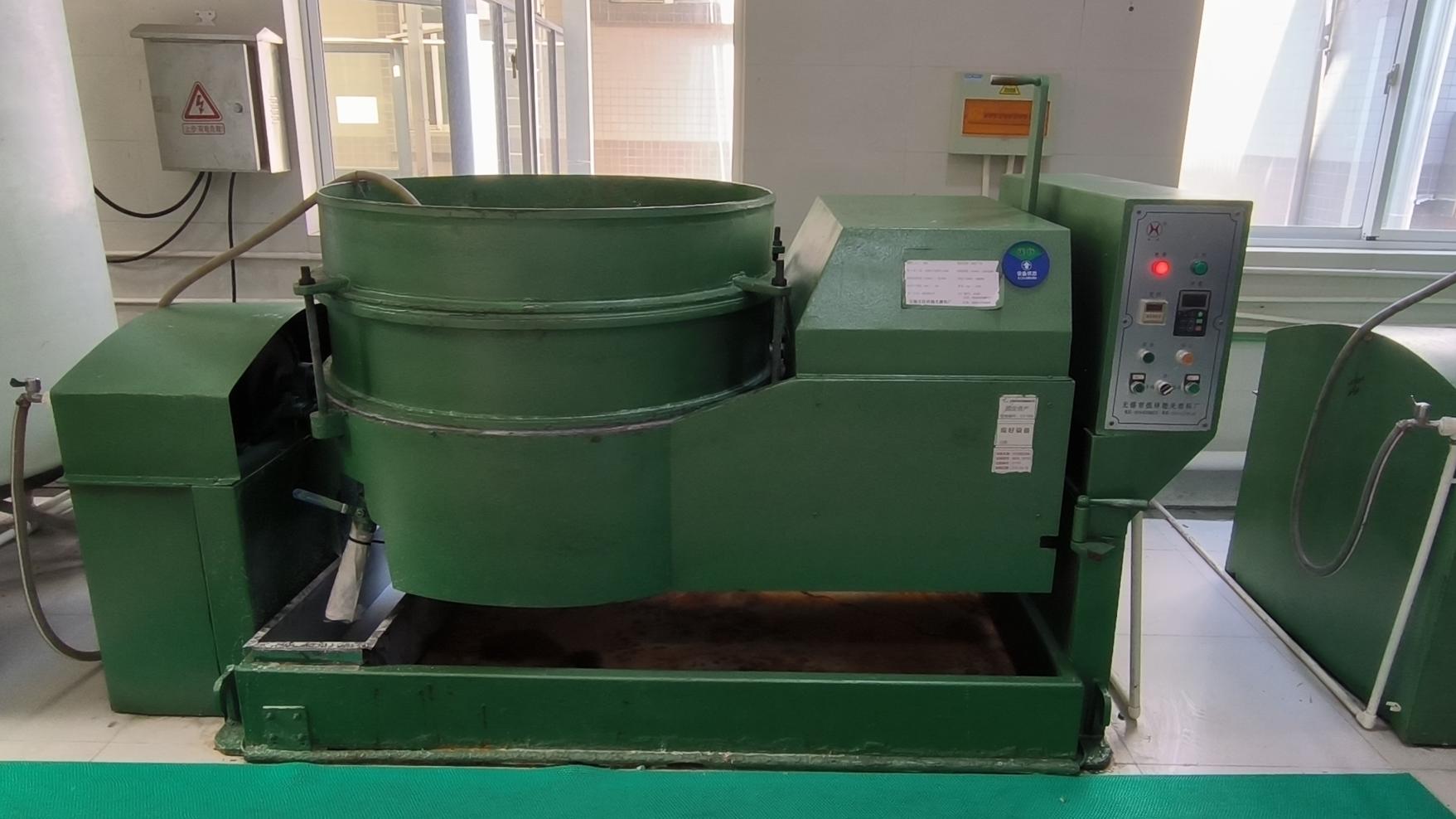
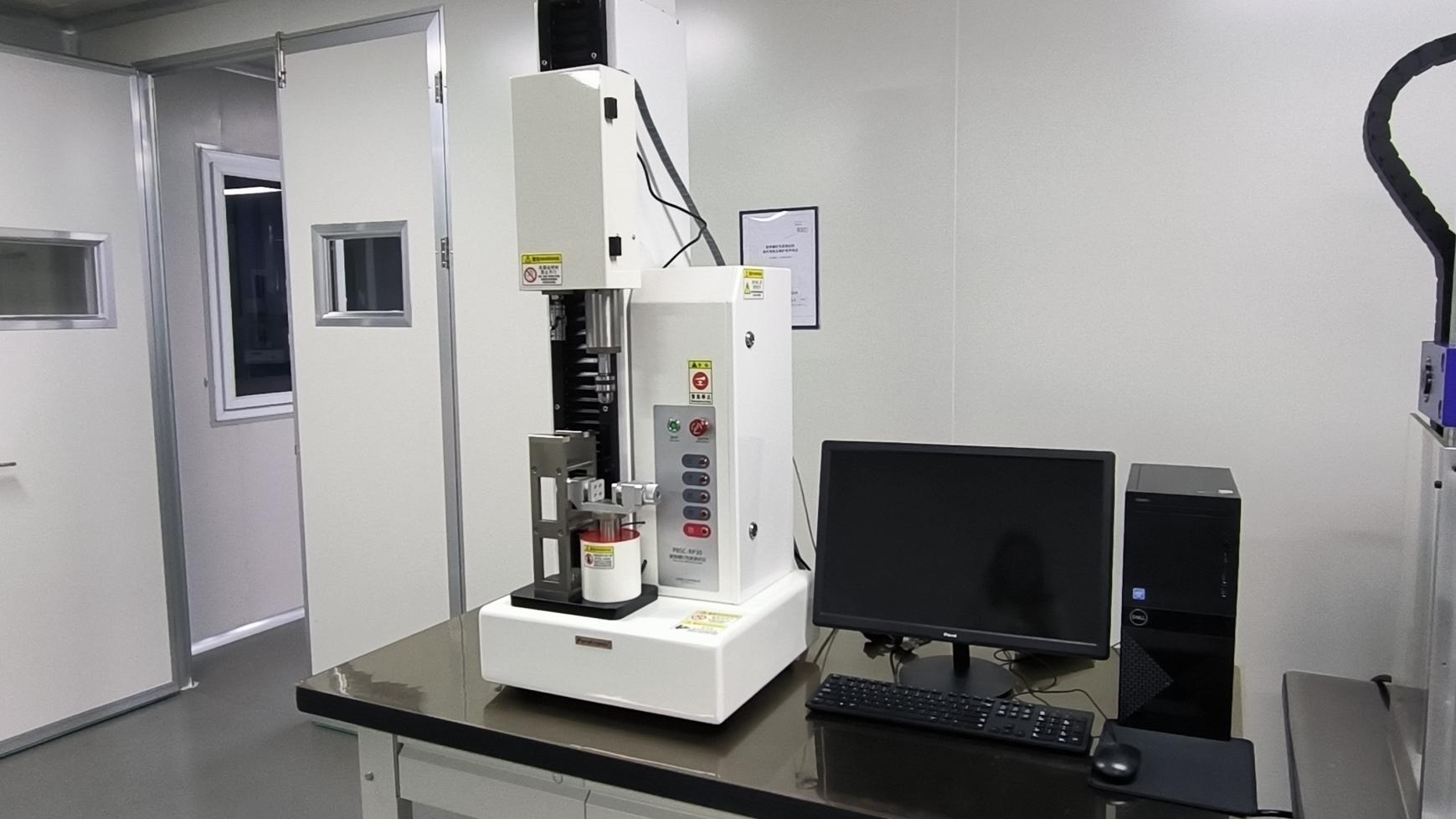
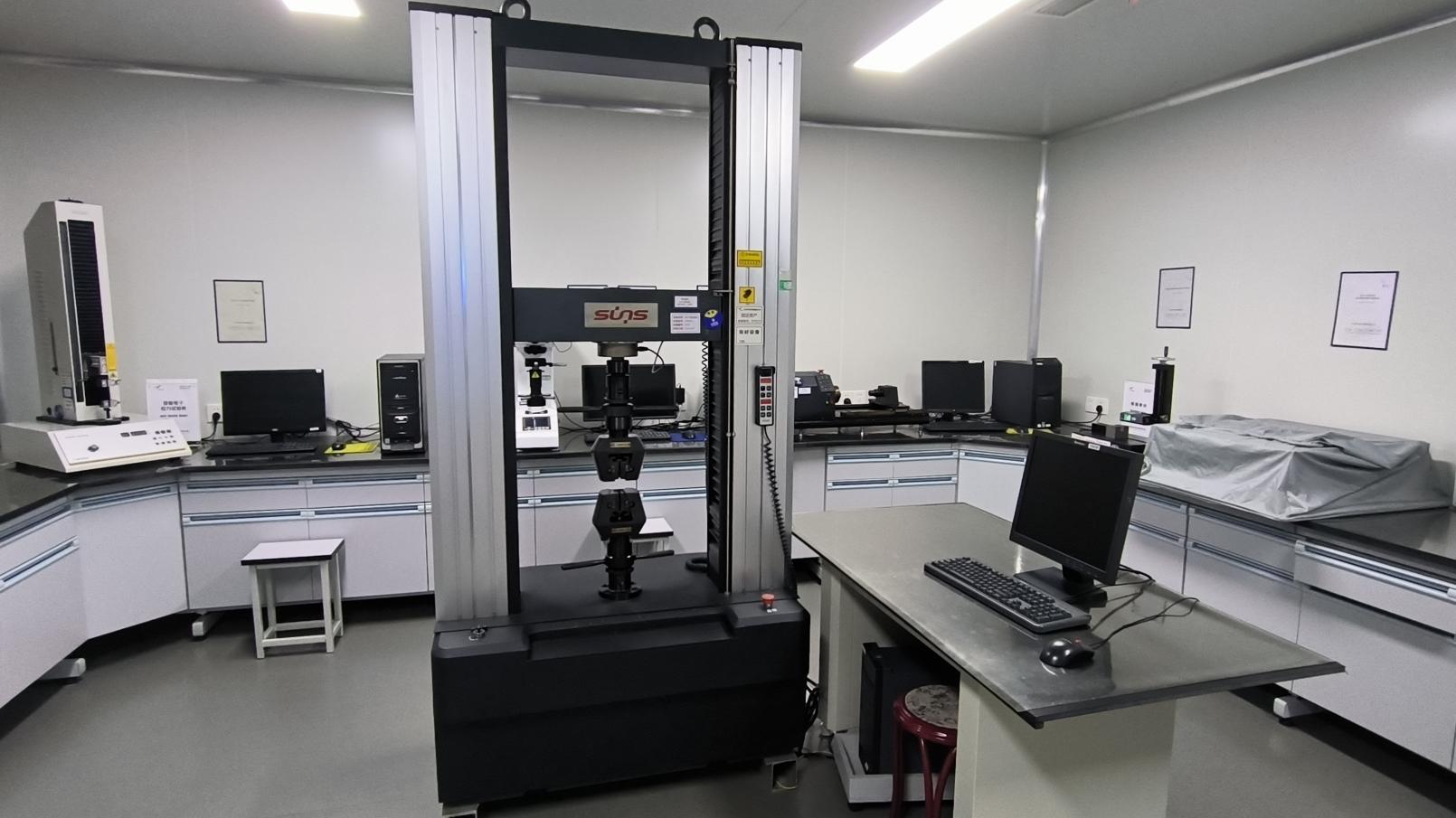
Our manufacturing line integrates multi-axis CNC Swiss machining, precision slitting, vibratory finishing, and class 10,000 cleanroom packaging. Every production batch of suture anchors undergoes comprehensive tensile testing, pressure resilience validation, and physical dimension checks to guarantee zero failures in clinical use.
Request Factory Inspection ReportsIn the context of typical surgeries conducted at regional hospitals in Kabul, Herat, and Kandahar, selecting the appropriate suture anchor determines the long-term success of the reconstruction. Below are the primary clinical indications optimized for the Afghan medical environment:
Chronic shoulder pain and acute tears are highly prevalent among agricultural workers and physical laborers in Afghanistan. Our PEEK Knotless Suture Anchors provide an ideal solution for rotator cuff tendon reattachment. Minimizing knots reduces friction within the subacromial space, reducing post-operative complications and simplifying the procedure for orthopedic surgeons.
Knee instability due to sports or trauma significantly impacts patient mobility. The Metal Arthroscopy Suture Anchors and PEEK combinations are designed to anchor graft materials with high tension stability. These implants prevent slippage during early mobilization phases, which is crucial for patients residing in remote areas with limited access to physiotherapy.
Lateral ankle instability requires reliable anchors with high pull-out resistance. Our small-diameter PEEK knot-free suture anchors allow for precise positioning even in restricted anatomical areas, preserving bone structure and promoting fast soft-tissue healing.
The clinical safety of our suture anchors relies on their structural and mechanical design:
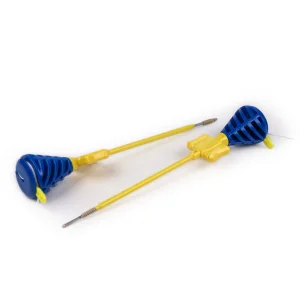
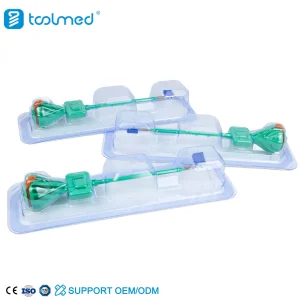
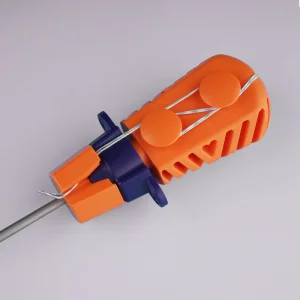
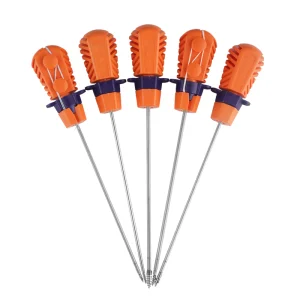
Diverse Material Configurations and Specialized Instrument Sets for Global Procurement
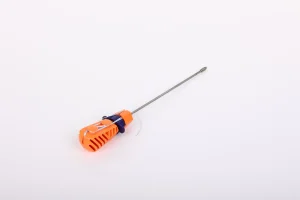
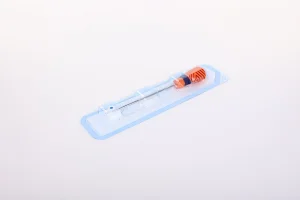
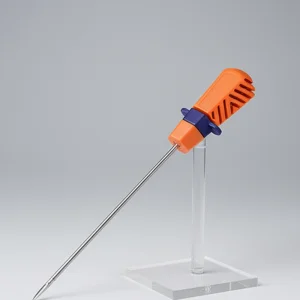
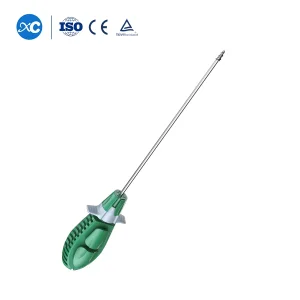
Navigating the medical device market in Afghanistan requires an experienced partner capable of managing complex logistics routes and local regulatory compliance.
Our suture anchors and orthopedic implants are certified to international regulatory frameworks, including CE certifications and ISO 13485 standards. We compile and provide comprehensive Technical Files and Certificates of Analysis (COA) to facilitate registration processes with the Ministry of Public Health (MoPH) in Kabul.
To maintain uninterrupted medical supplies, we utilize multiple transport networks:
To ensure optimal clinical outcomes, we offer virtual training resources, detailed surgical technique manuals, and clinical support to hospital teams throughout Afghanistan. Our technical representatives are available to guide clinical personnel through appropriate instrument care, sterilization cycles, and correct insertion methods.
Access high-quality suture anchors, specialized surgical instruments, and reliable supply routes for the Afghanistan market. Contact our technical team today to request samples, compliance documentation, or quotes.