Blutree Orthopedic Implants
Blutree Orthopedic Implants
Blutree Orthopedic Implants
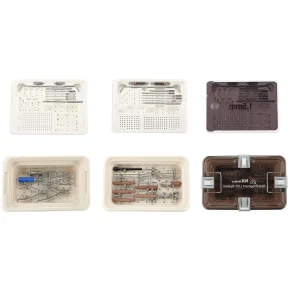
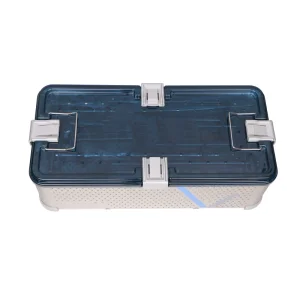
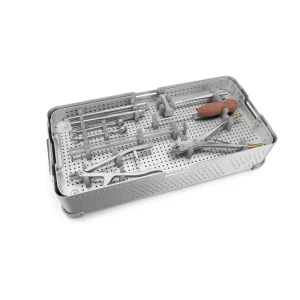
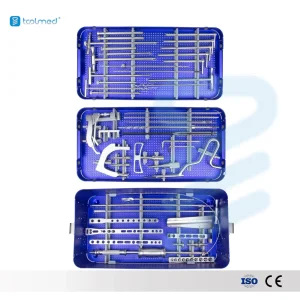
Premium orthopedic instrument kits configured for specialized hospital requirements in the Lisbon Metropolitan Area, supporting precise bone-preserving hip and knee interventions.
Analyzing key structural shifts, procurement mechanisms, and clinical considerations driving revision hip and knee surgery demands within the ARS Lisboa e Vale do Tejo.
Portugal has one of Europe’s oldest populations, with over 22% of citizens aged 65 or older. Joint wear and long-standing primary implants are now failing, fueling an increase in complex revision procedures within Lisbon's municipal hospitals.
The Lisbon metropolitan market is divided between public SNS facilities like Centro Hospitalar Universitário Lisboa Central and private giants (CUF, Luz Saúde, Lusíadas). Both sectors require implants that balance cost-efficiency with high outcomes data.
Medical devices marketed in Lisbon must register through Infarmed. Manufacturers must supply complete documentation, including biocompatibility reports, PMCF data under EU MDR, and verified traceability systems.
Revision joint arthroplasty represents a major clinical challenge. The dynamic demographics of Lisbon demand orthopedic products that address severe structural issues like femoral osteolysis, Paprosky Class II/III bone defects, and implant migration. Successful revision systems must offer a modular philosophy that allows surgeons to reconstruct varying patient anatomies while preserving remaining bone stock.
Lisbon’s major hospitals, including Santa Maria Hospital and Curry Cabral Hospital, perform high volumes of revision surgeries annually. The key clinical imperatives for these centers are primary structural stability, biocompatible materials to prevent aseptic loosening, and simplified surgical instrumentation to minimize operating room time. Our revision knee and hip components are designed with these exact considerations in mind.
To reduce wear debris and osteolysis, modern revision arthroplasty relies on highly cross-linked, ultra-high-molecular-weight polyethylene (UHMWPE) and advanced titanium alloys (Ti-6Al-4V). The surface topography of the implant plays a critical role in secondary biological fixation; options like plasma-sprayed titanium coatings and hydroxyapatite (HA) assist in osseointegration, even in poor bone environments.
| System Type | Material Engineering | Fixation & Surface Features | Indication / Anatomy Profile |
|---|---|---|---|
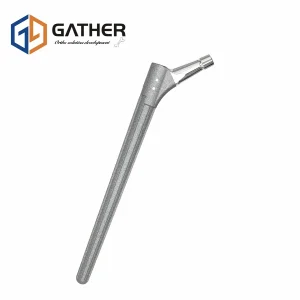
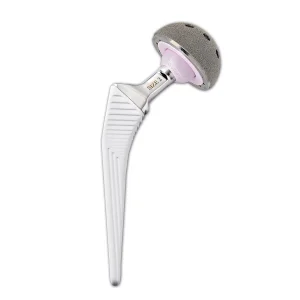
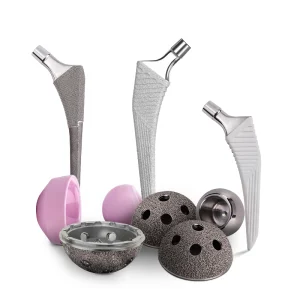
| Modular Femoral Stems | Ti-6Al-4V ELI (ISO 5832-3) | Tapered spline design, grit-blasted or HA coated | Severe femoral bone loss, mismatch of diaphyseal/metaphyseal dimensions |
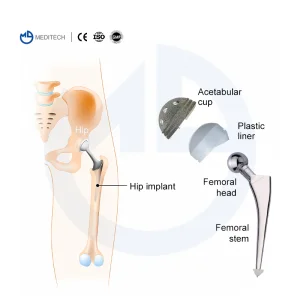
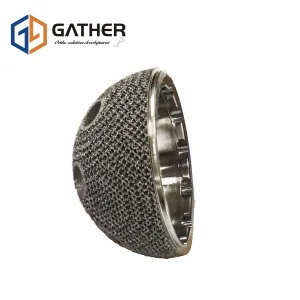
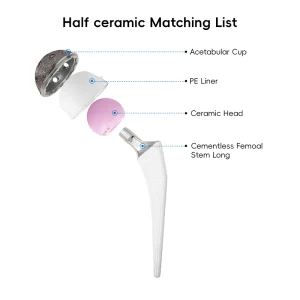
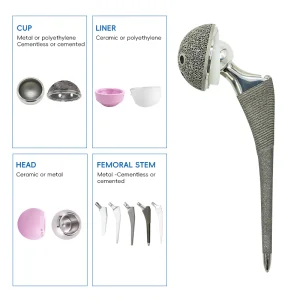
| Revision Acetabular Cups | UHMWPE Inserts & Titanium Shells | Multi-hole configuration, porous titanium coating | Aseptic cup loosening, Paprosky Type II & III defects |
| Constrained Knee Systems | Co-Cr-Mo Alloy & Cross-linked PE | Modular stems, customizable distal/posterior augmentation wedges | Severe collateral ligament insufficiency, joint instability |
As a leading orthopedic medical manufacturer, we offer comprehensive services from bulk contract manufacturing (OEM) to bespoke, private-label branding for distribution networks across Europe. We focus on securing predictable delivery times for critical knee and hip systems. With more than 100 OEM partners worldwide, our processes are optimized for compliance, cost management, and reliable delivery.
Our facility uses automated machining, precision verification systems, and ISO Class 7 cleanrooms to manufacture CE-marked implants for export to the Lisbon and wider European markets.
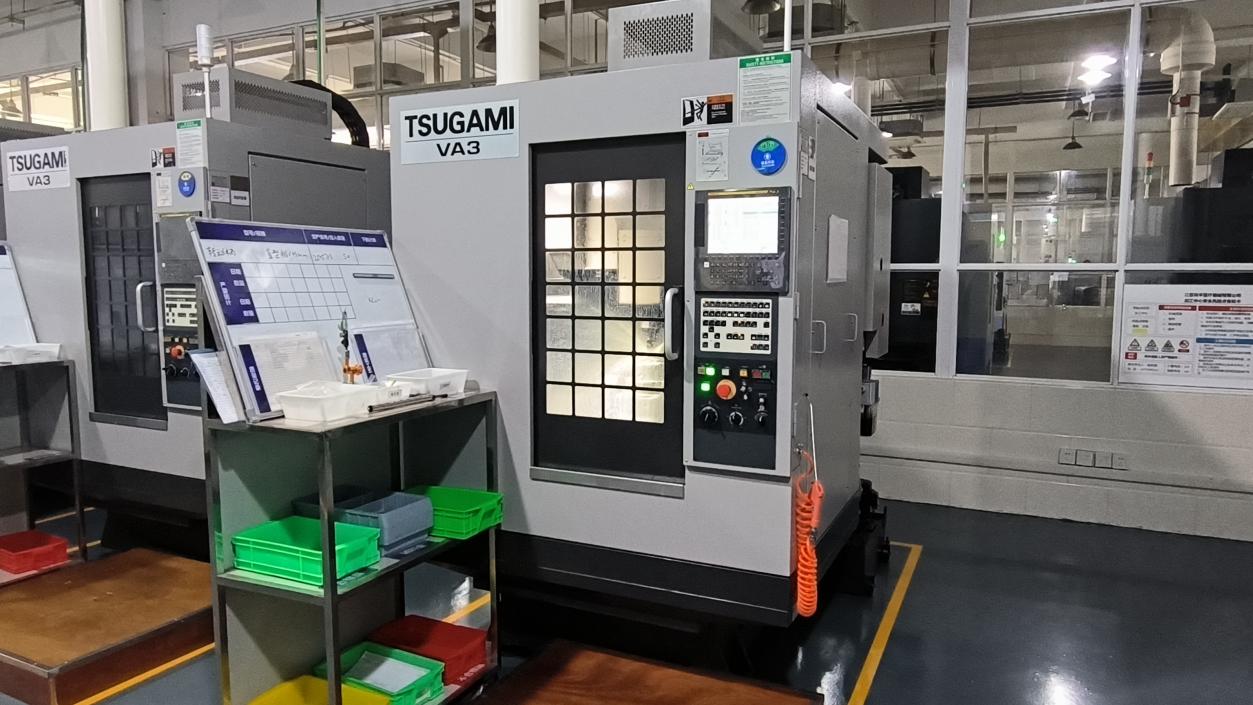
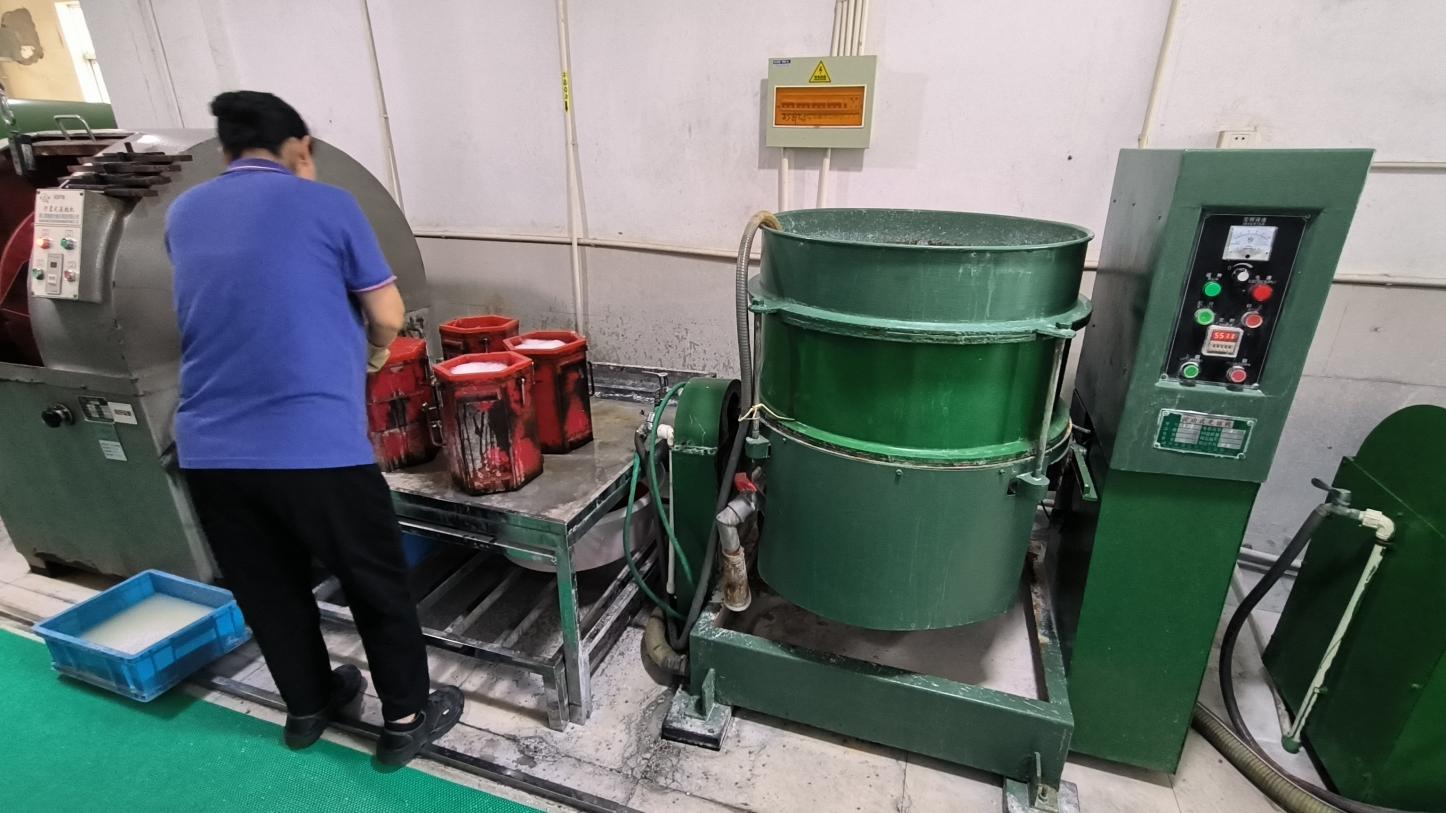
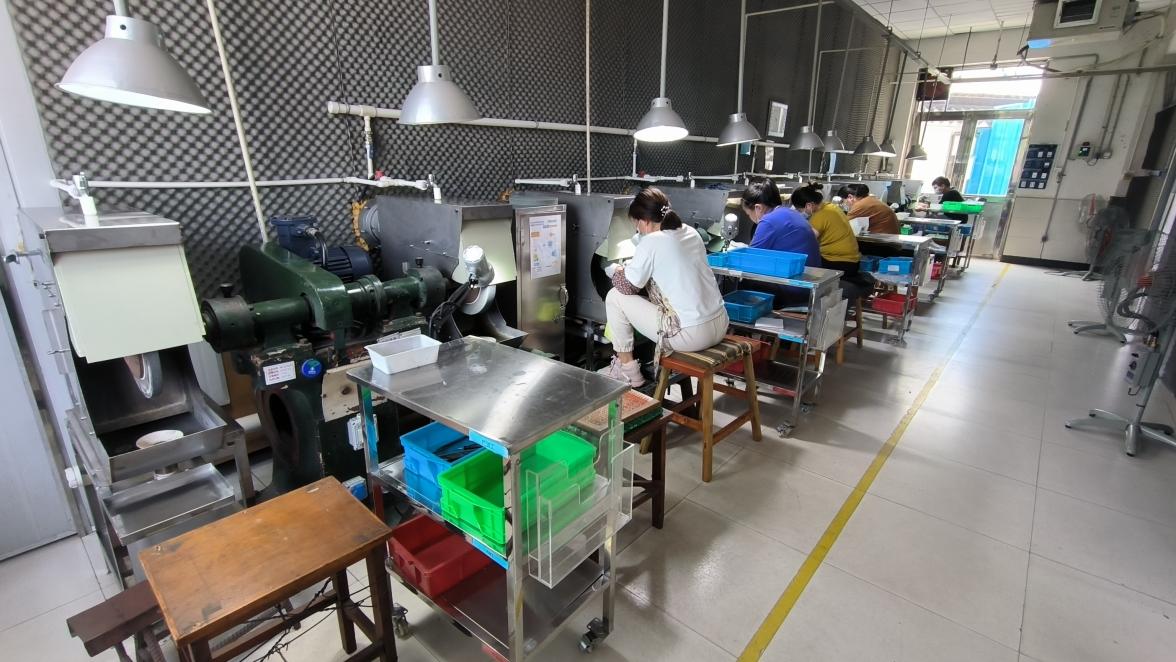
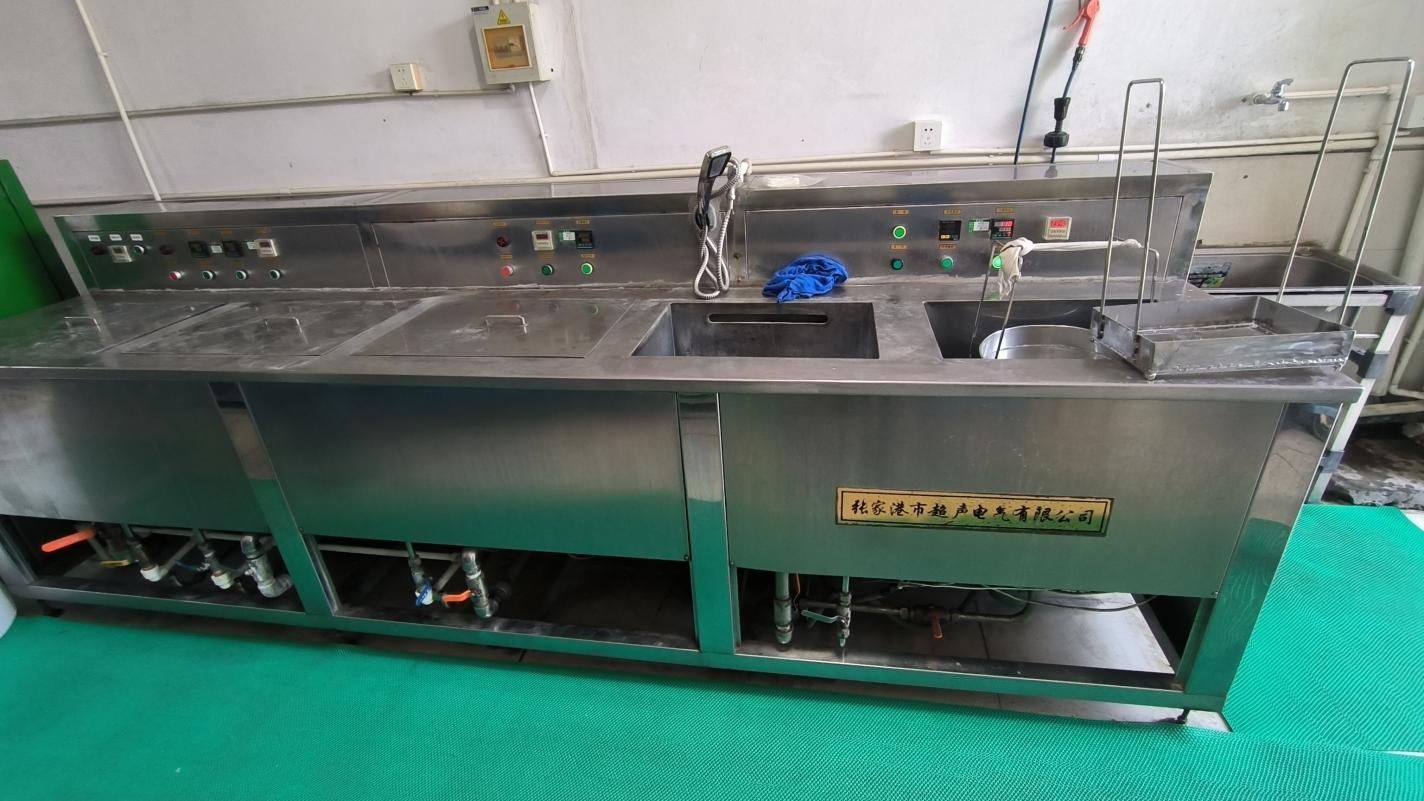
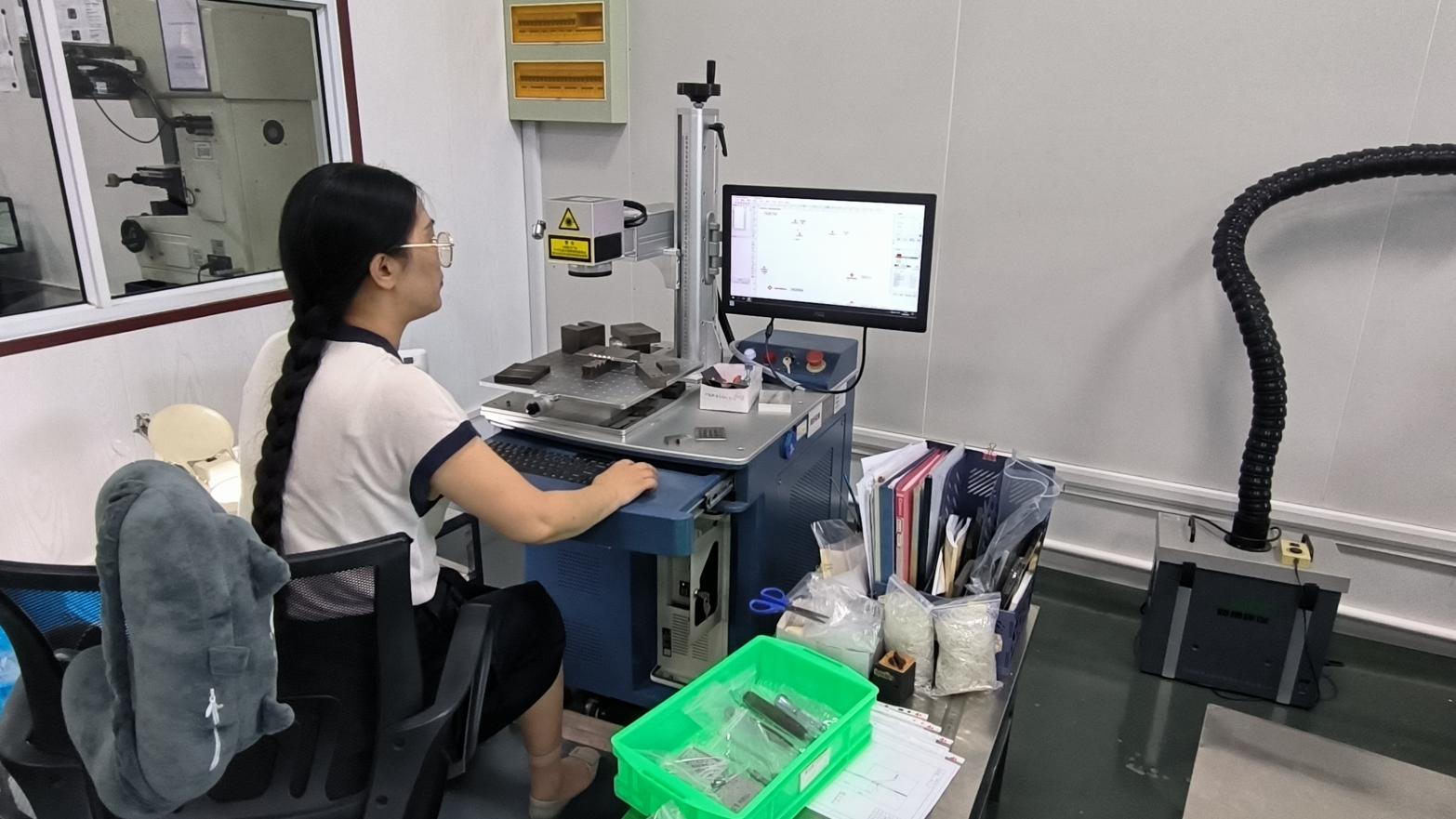
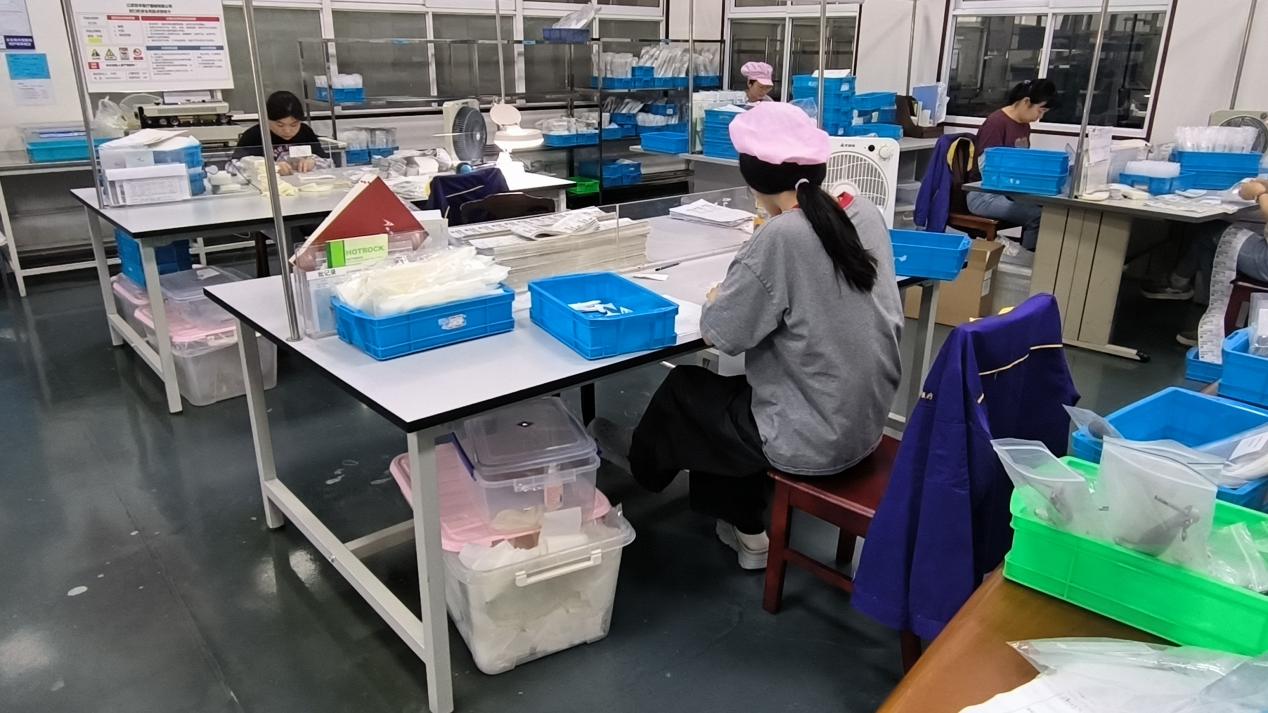
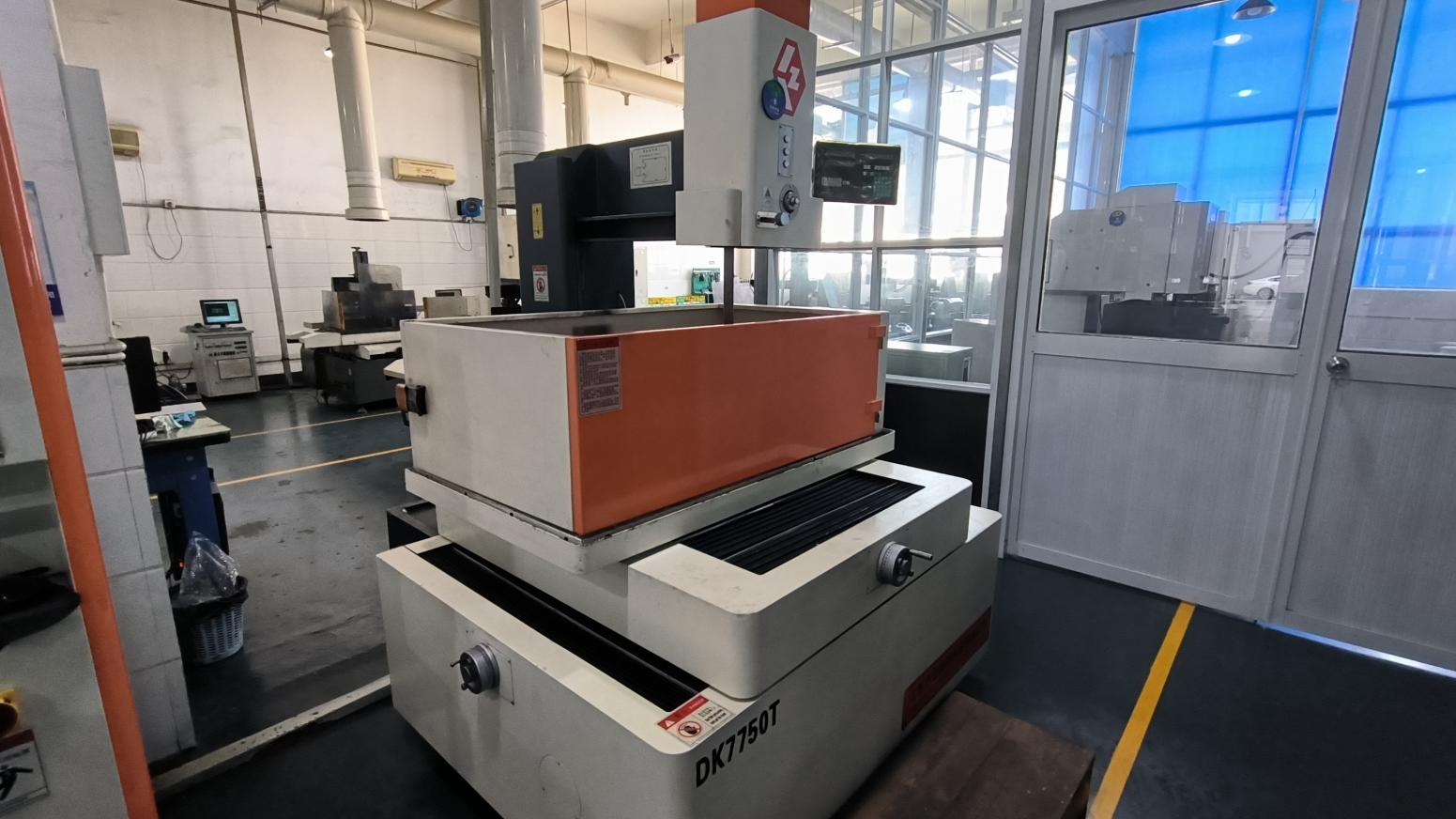
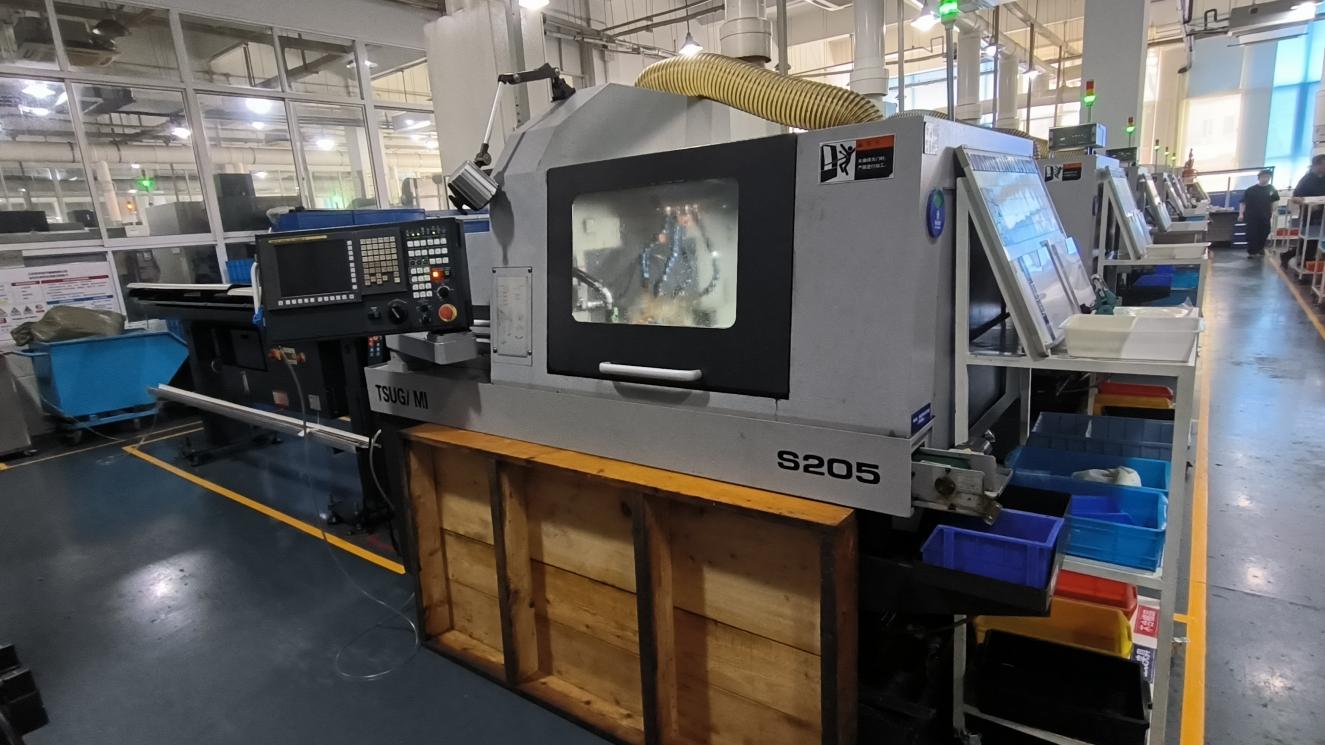
Our verification processes test fatigue performance, tensile limitations, and long-term durability to maintain safety standards.
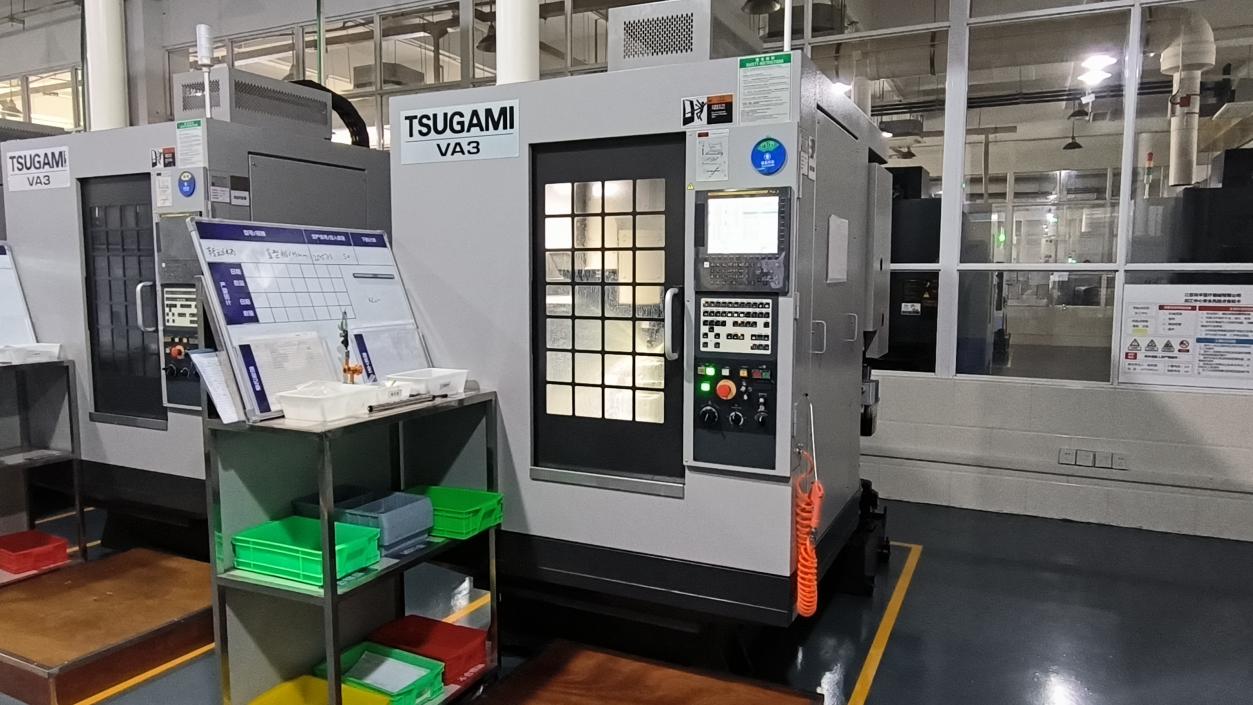
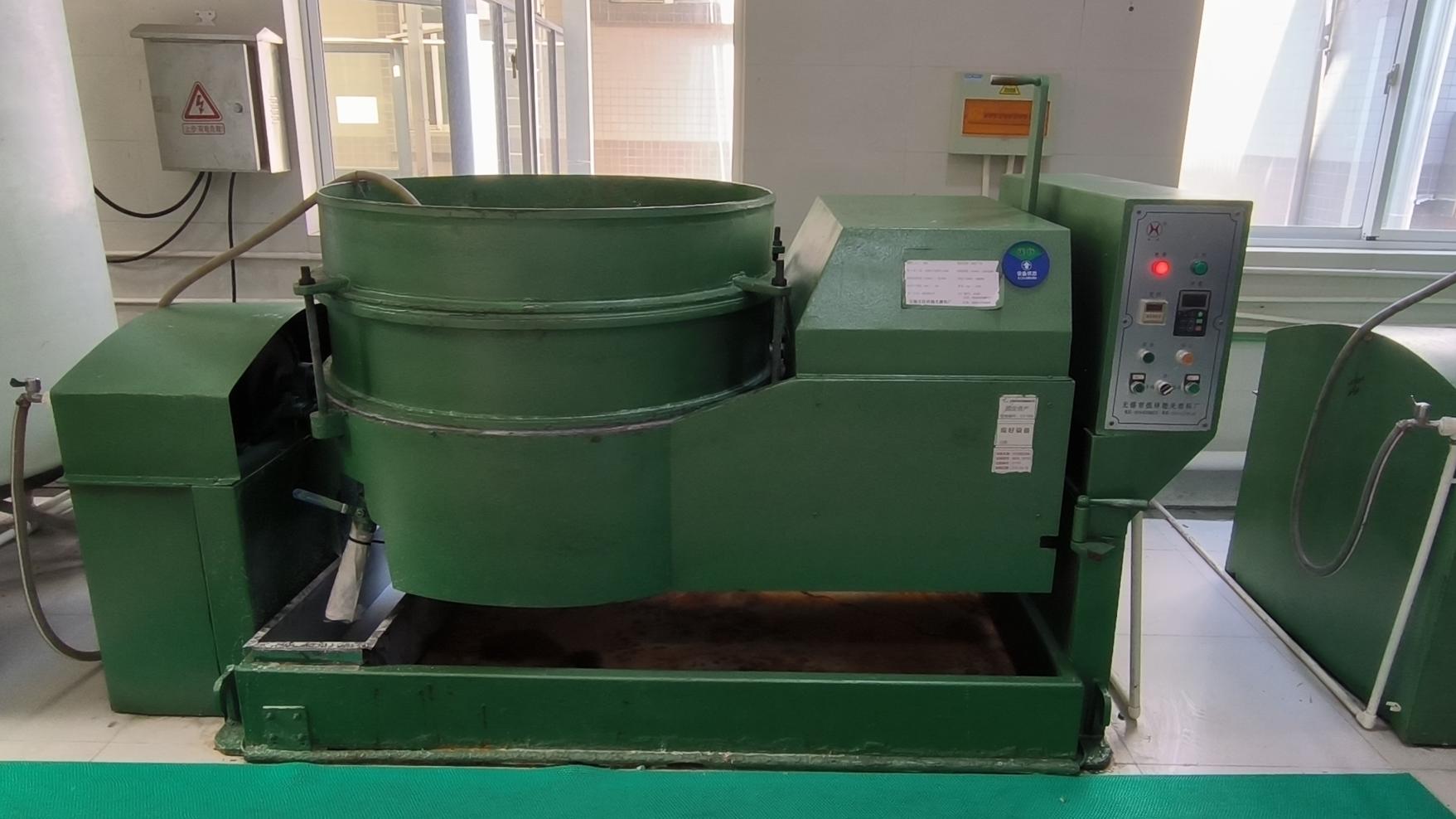
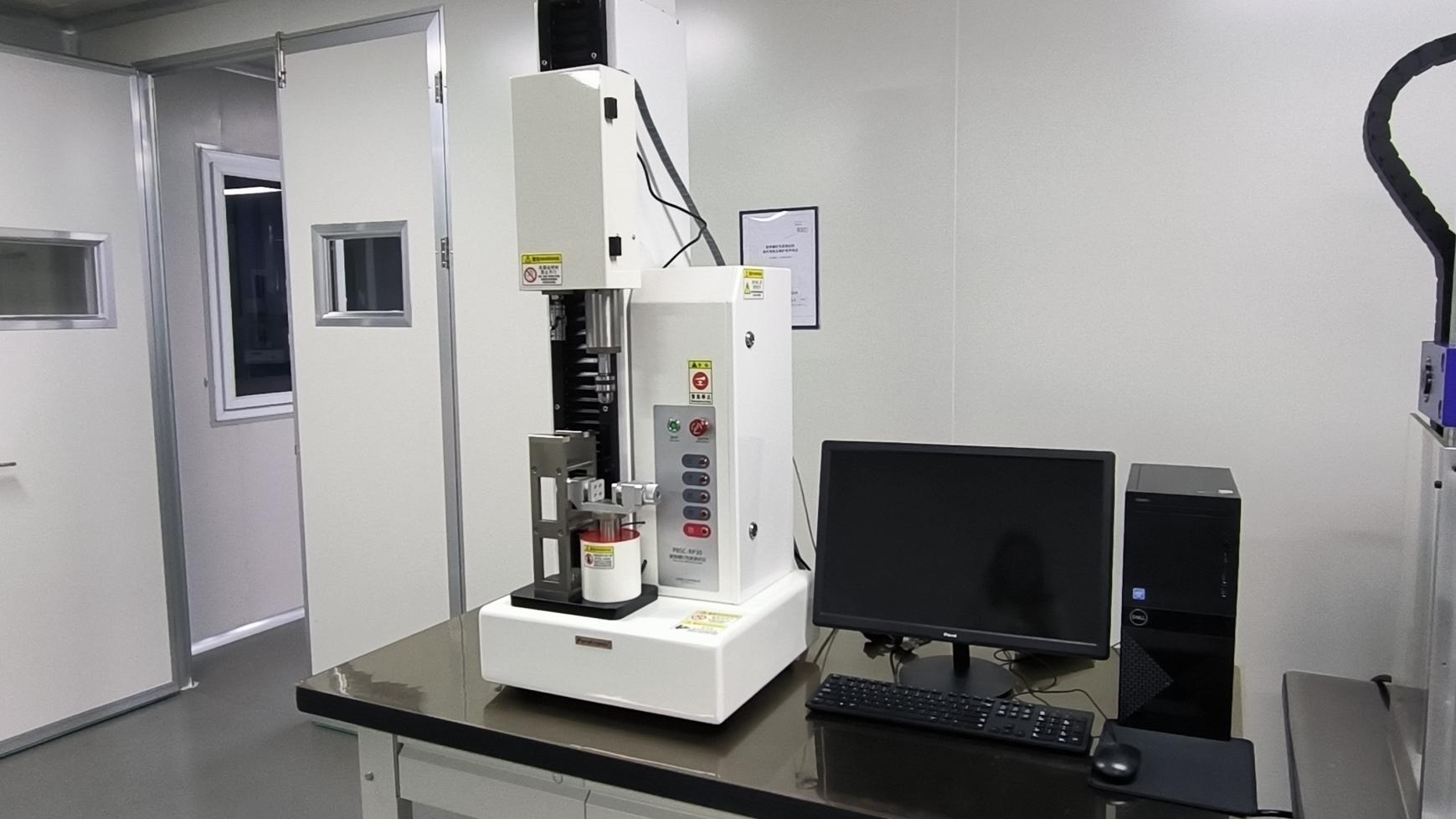
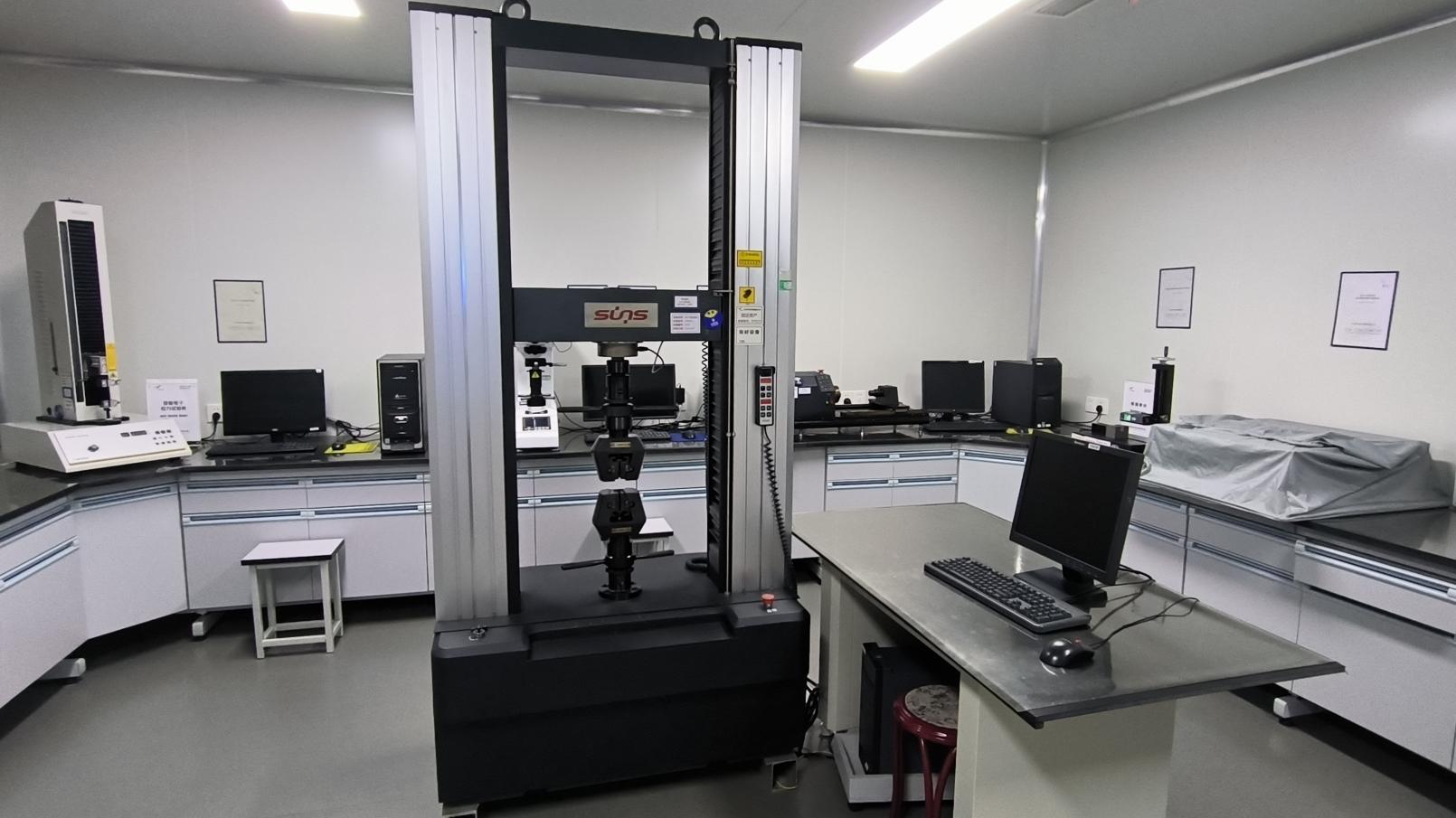
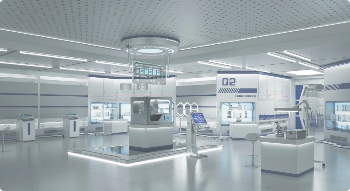
Comprehensive orthopedics design, development, and cleanroom production lines.
Ensuring compliance with medical device standards and logistics frameworks within the European Union.
Our orthopedic implants hold CE certifications. We supply the required Post-Market Clinical Follow-up (PMCF) documentation, clinical evaluation reports, and risk assessments to simplify local registration in Portugal.
Every hip and knee component features an individual UDI laser-marked code, ensuring compatibility with Portuguese hospital inventory systems and regional tracking systems.
We provide localized regulatory files, sterilization validation documentation, and support for OEM partners and distributors bidding on municipal healthcare tenders in Lisbon.
Future orthopedic implant designs are moving toward increased customization. We are investing in additive manufacturing (3D printing) to produce porous titanium structures that mimic human bone. This technology allows for custom revision implants configured for specific bone loss patterns. Our future technical updates will feature these porous materials alongside navigation-ready instrumentation options for clinical use in Lisbon.
Our complete catalog of CE-marked implants and instrumentation systems engineered for Lisbon's public and private surgical centers.
Answering key logistical, technical, and regulatory questions from Portuguese hospital purchasing boards and regional medical distributors.