 Blutree Orthopedic Implants
Blutree Orthopedic Implants
Blutree Orthopedic Implants
CE-certified precision surgical kits configured for complex revision joint operations in Podgorica, Risan, and across Montenegro.
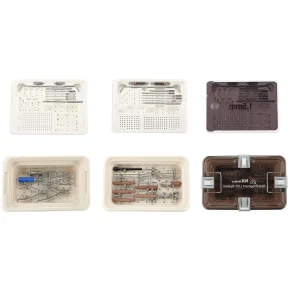
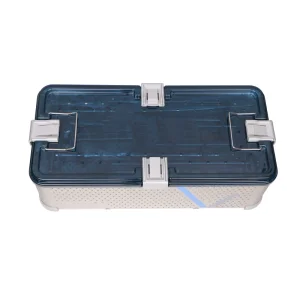
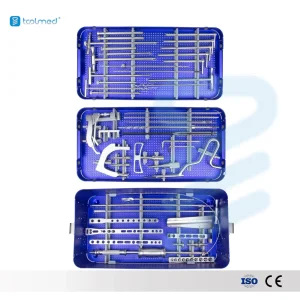
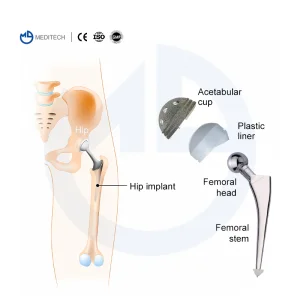
In recent years, the clinical healthcare system of Montenegro has undergone a structural modernization program. Key institutions, including the Clinical Centre of Montenegro (Klinički Centar Crne Gore - KCCG) in Podgorica and the specialized "Vaso Ćuković" Special Hospital for Orthopedics, Neurosurgery, and Neurology in Risan, face a growing demand for advanced joint reconstruction solutions. The confluence of an aging domestic demographic, rising obesity rates, and the active lifestyle of the coastal tourist populations has led to an inevitable surge in both primary total hip and knee arthroplasties (THA/TKA). As these primary implantations mature over a 15-to-25-year cycle, the clinical burden of revision surgeries—necessitated by aseptic loosening, periprosthetic joint infection (PJI), structural bone loss, and osteolysis—has increased exponentially.
Montenegro's unique position as a candidate country for the European Union dictates strict compliance with harmonized European standards. Hospital procurement processes, regulated by the Montenegro Ministry of Health (Ministarstvo Zdravlja) and executed via centralized tenders (Montefarm), demand strict adherence to CE mark guidelines under the European Medical Devices Regulation (EU MDR 2017/745). Standard clinical solutions are no longer sufficient; orthopedic surgeons require modular, highly adaptable, and bio-compatible revision implants capable of addressing complex bone defects classified under the Paprosky (for hip) and AORI (Anderson Orthopaedic Research Institute, for knee) grading systems.
"Clinical success in revision arthroplasty relies on achieving three fundamental pillars: anatomical alignment reconstruction, biological fixation, and long-term mechanical stability. Meeting these standards requires high-performance implant geometries and robust tribological pairings."
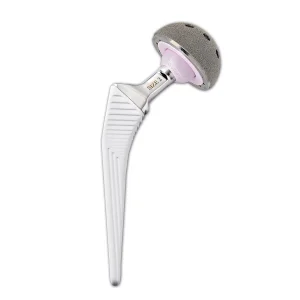
The global orthopedic sector is experiencing rapid technological evolution. In the domain of revision hip reconstruction, the shift from traditional monoblock stems to modular cementless systems has revolutionized how surgeons manage proximal-distal mismatch. Contemporary revision hip systems utilize advanced titanium alloys (specifically Ti6Al4V ELI conforming to ASTM F136) to balance modulus of elasticity with structural yield strength, minimizing the risk of stress shielding.
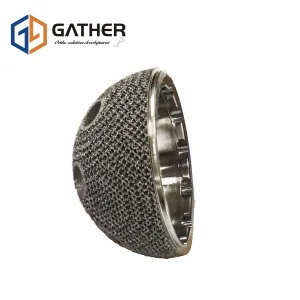
Furthermore, surface topography modifications—such as 3D-printed trabecular titanium, highly porous plasma-sprayed coatings, and titanium plasma spray (TPS)—facilitate excellent osteointegration, transforming structural stability from mechanical friction to true biological fixation. In revision knee arthroplasty, the focus rests on modularity, enabling the incorporation of tibial and femoral augments, metaphyseal cones, sleeves, and offset couplers. These components bypass compromised bone stock to transfer mechanical loads to stable zones, such as the diaphysis, ensuring long-term construct integrity.
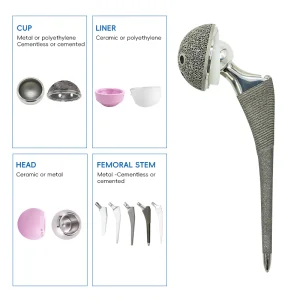
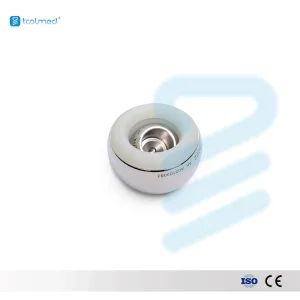
To prevent the recurrence of aseptic loosening, modern revision systems employ highly cross-linked polyethylene (XLPE) enriched with natural antioxidants like Vitamin E. This chemical formulation prevents the in vivo oxidation of the bearing liner, maintaining high toughness and structural integrity while reducing the generation of sub-micron wear debris. When paired with high-performance ceramic (Biolox Delta) or cobalt-chromium-chromium-molybdenum (CoCrMo) heads, these advanced polymer matrices reduce osteolytic inflammatory cascades, protecting the patient's remaining bone bed from wear-induced degradation.
Delivering high-caliber surgical systems and implants under stringent quality control protocols for over two decades.
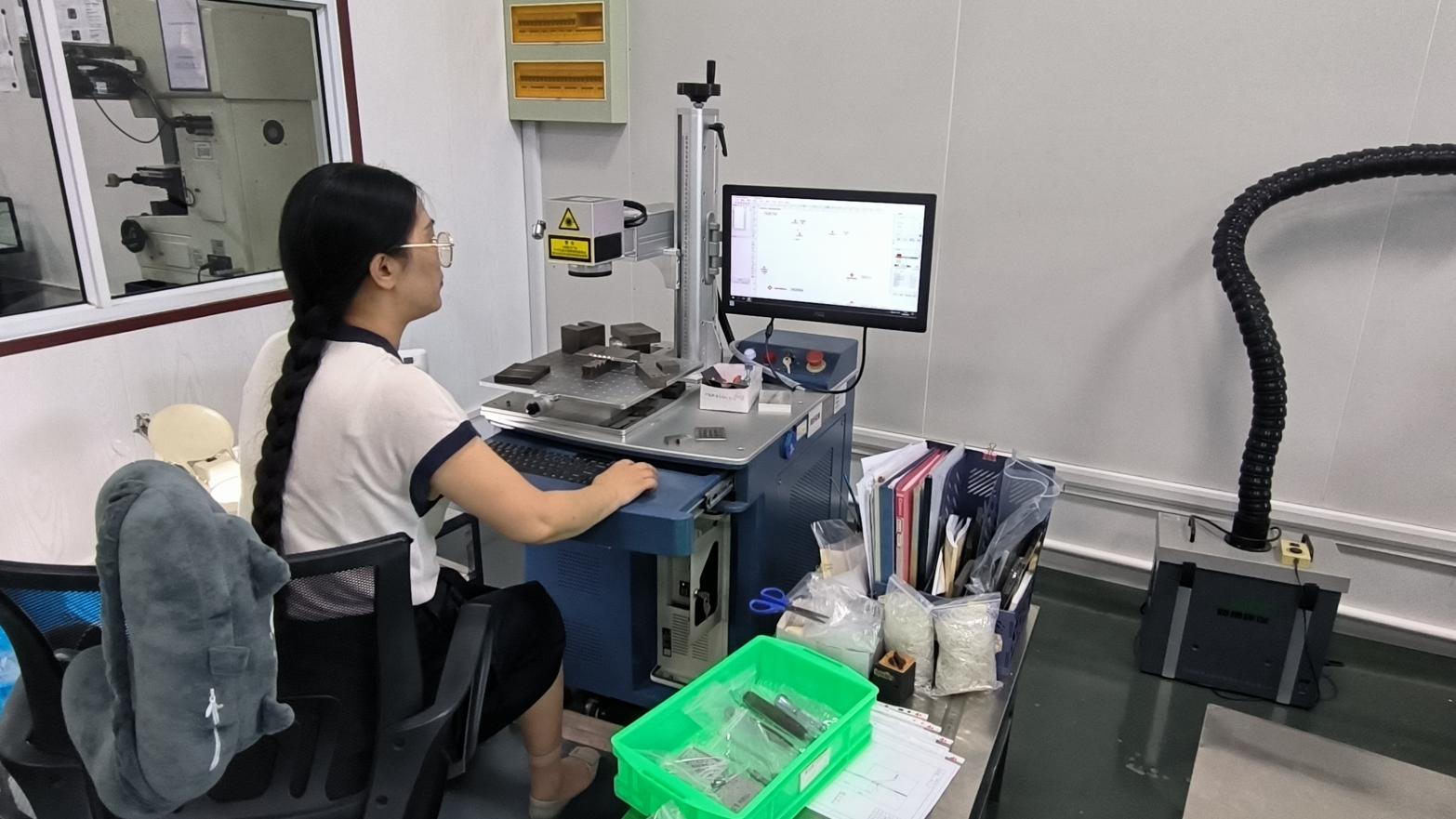
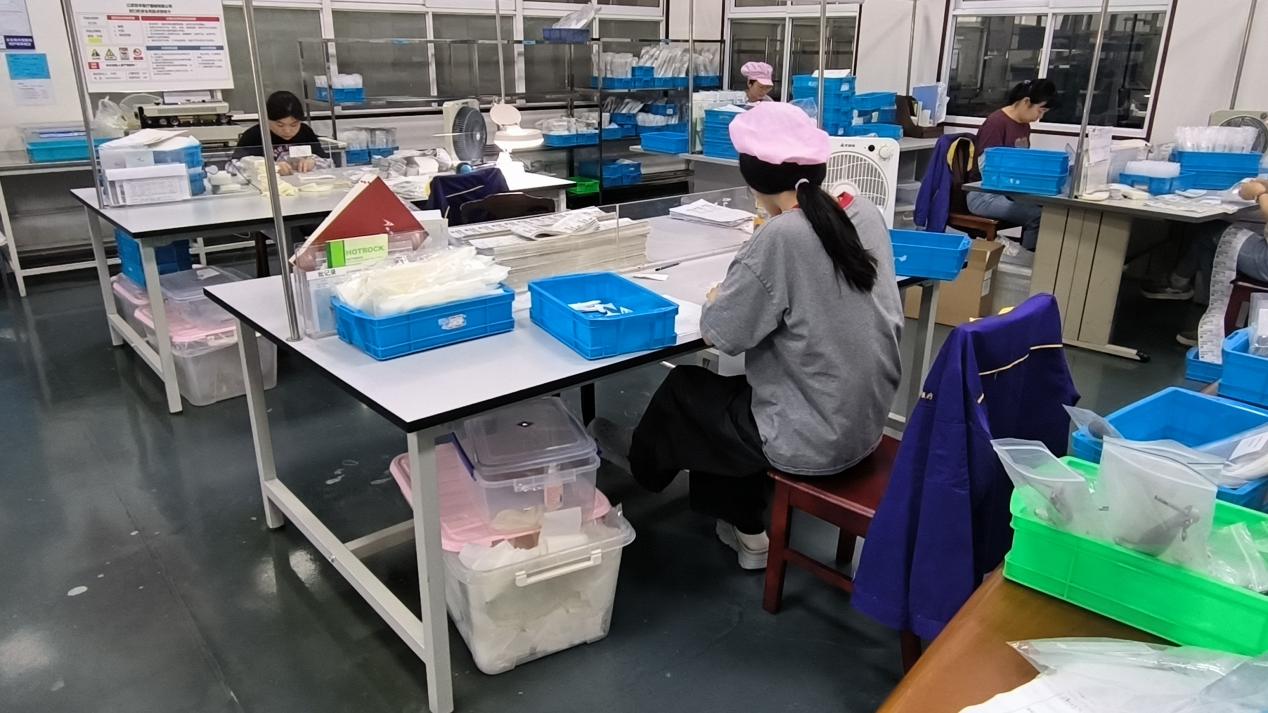
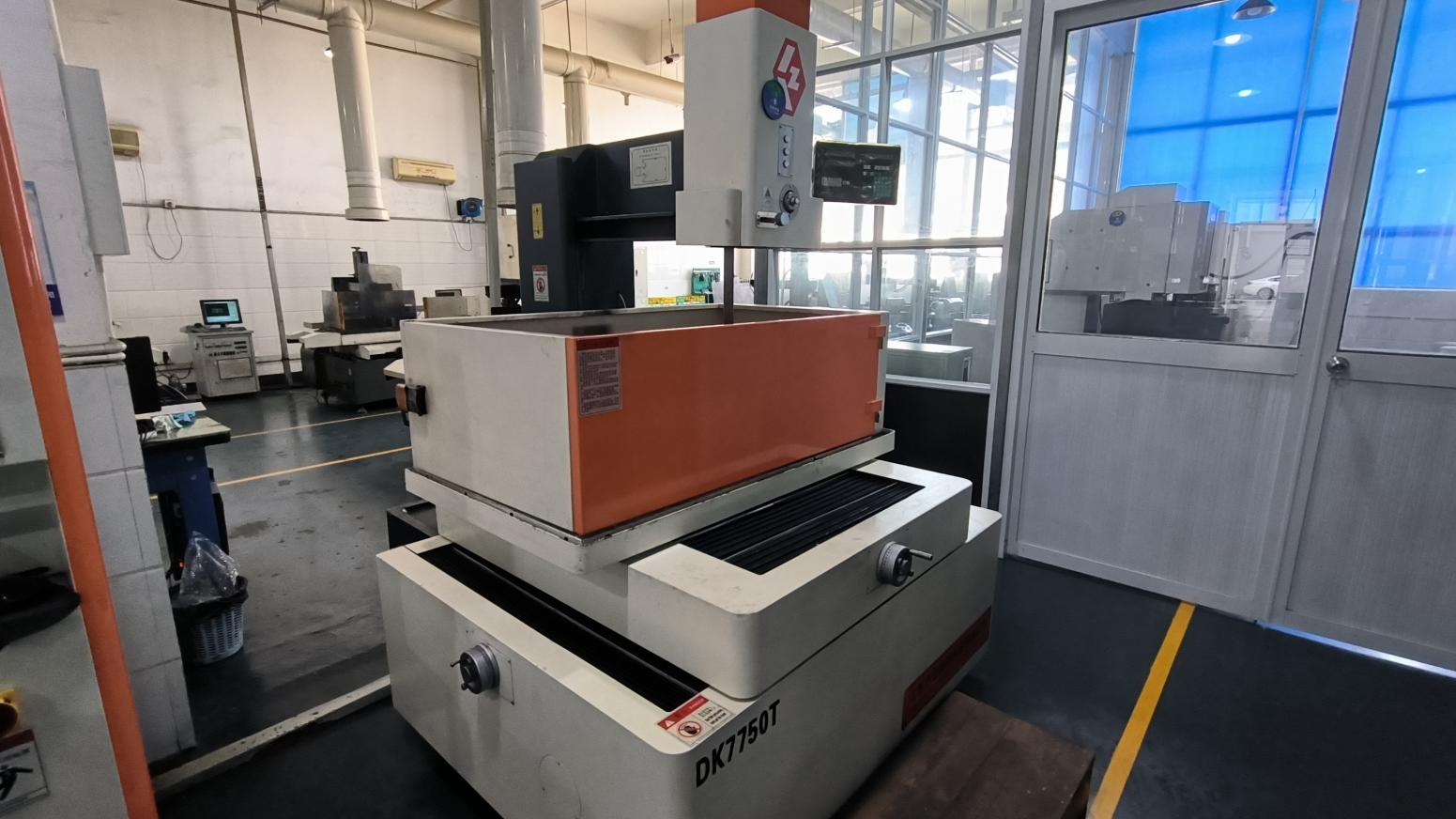
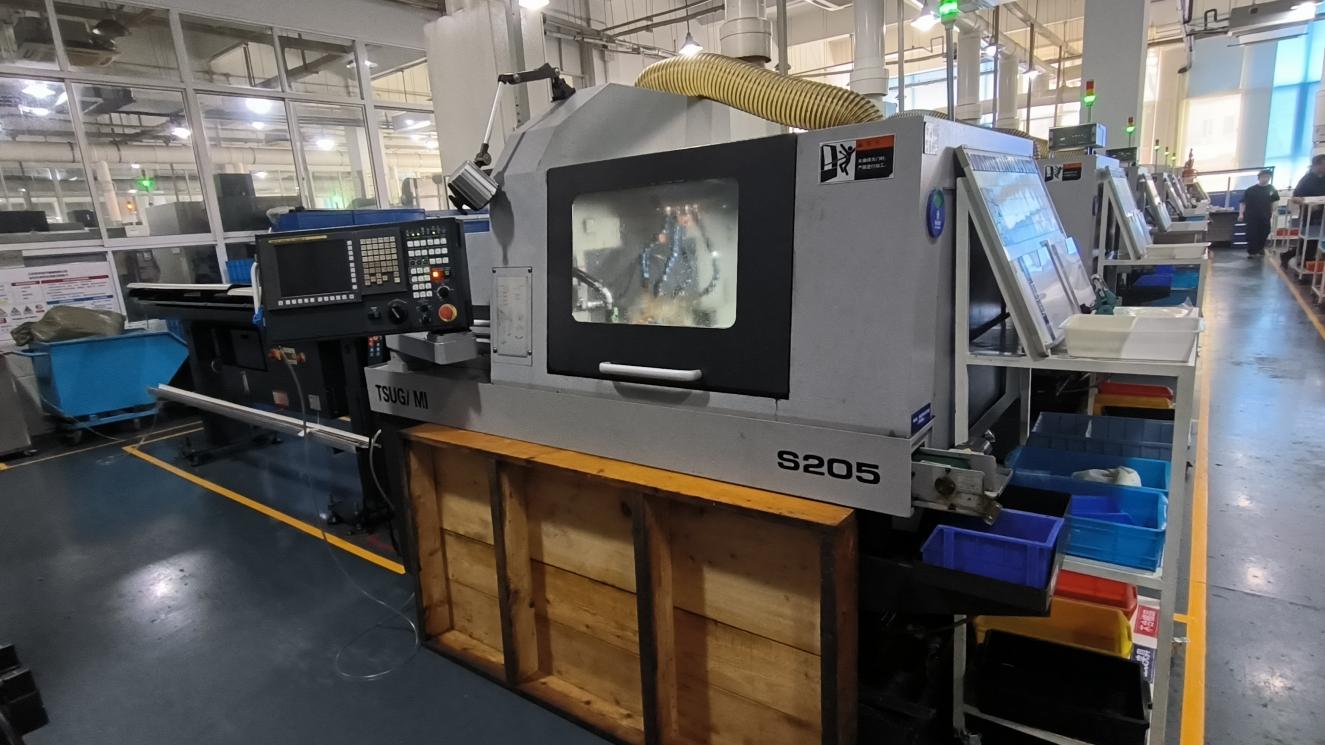
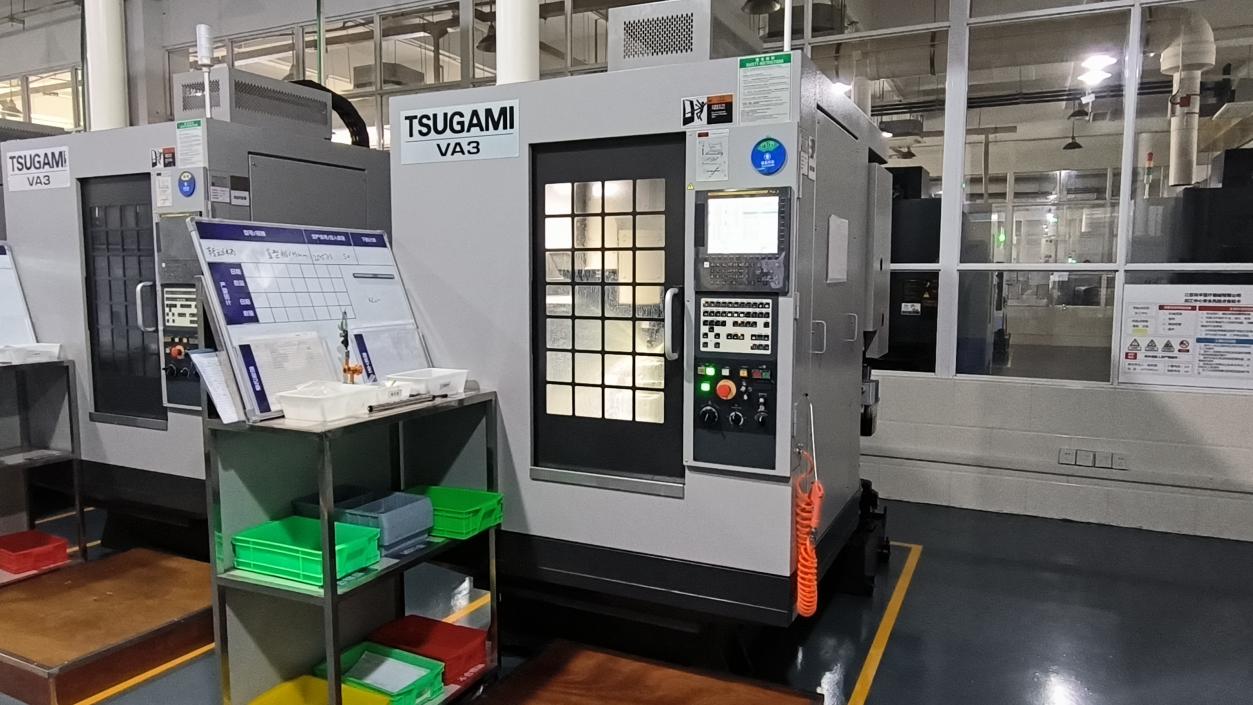
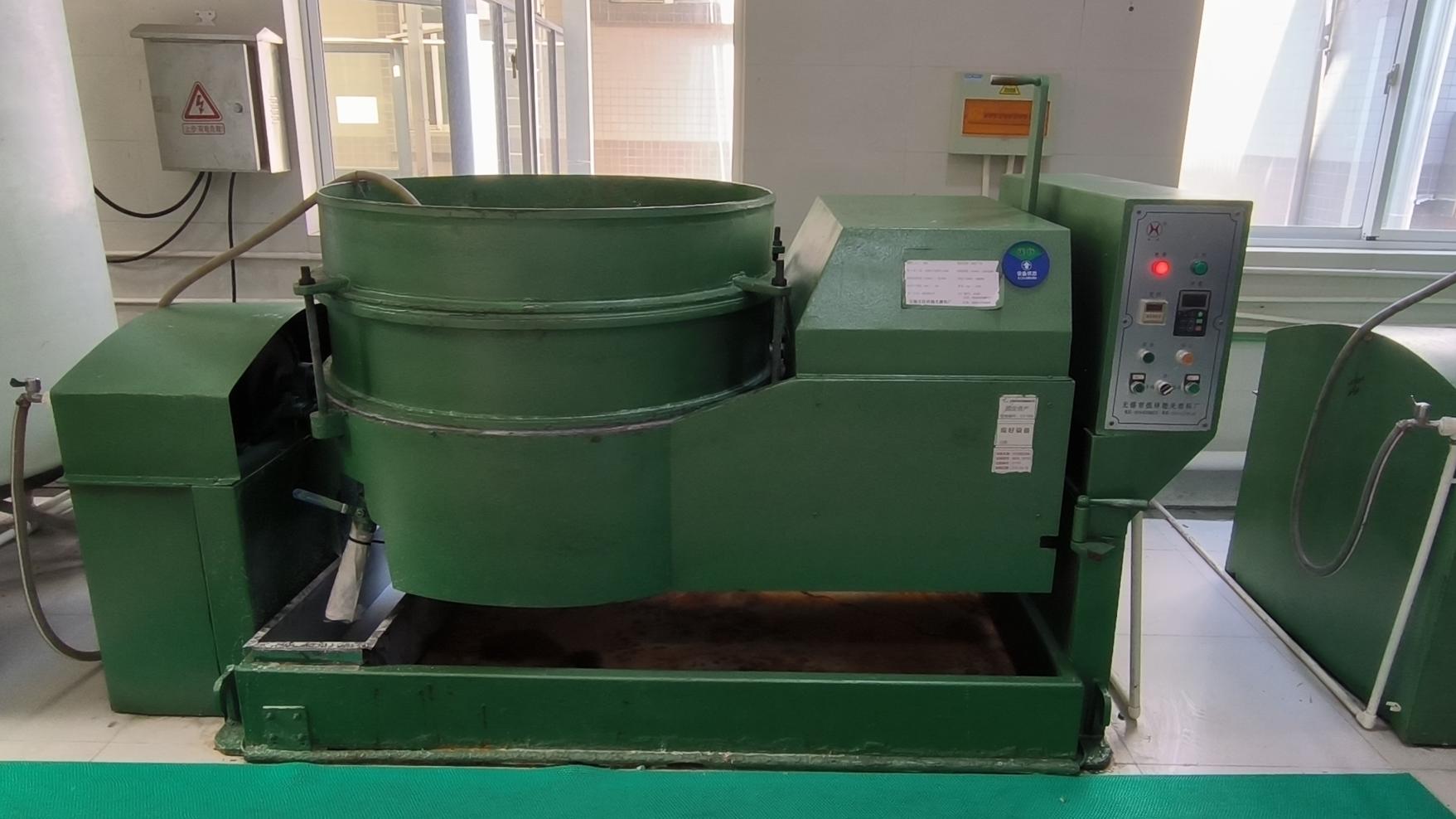
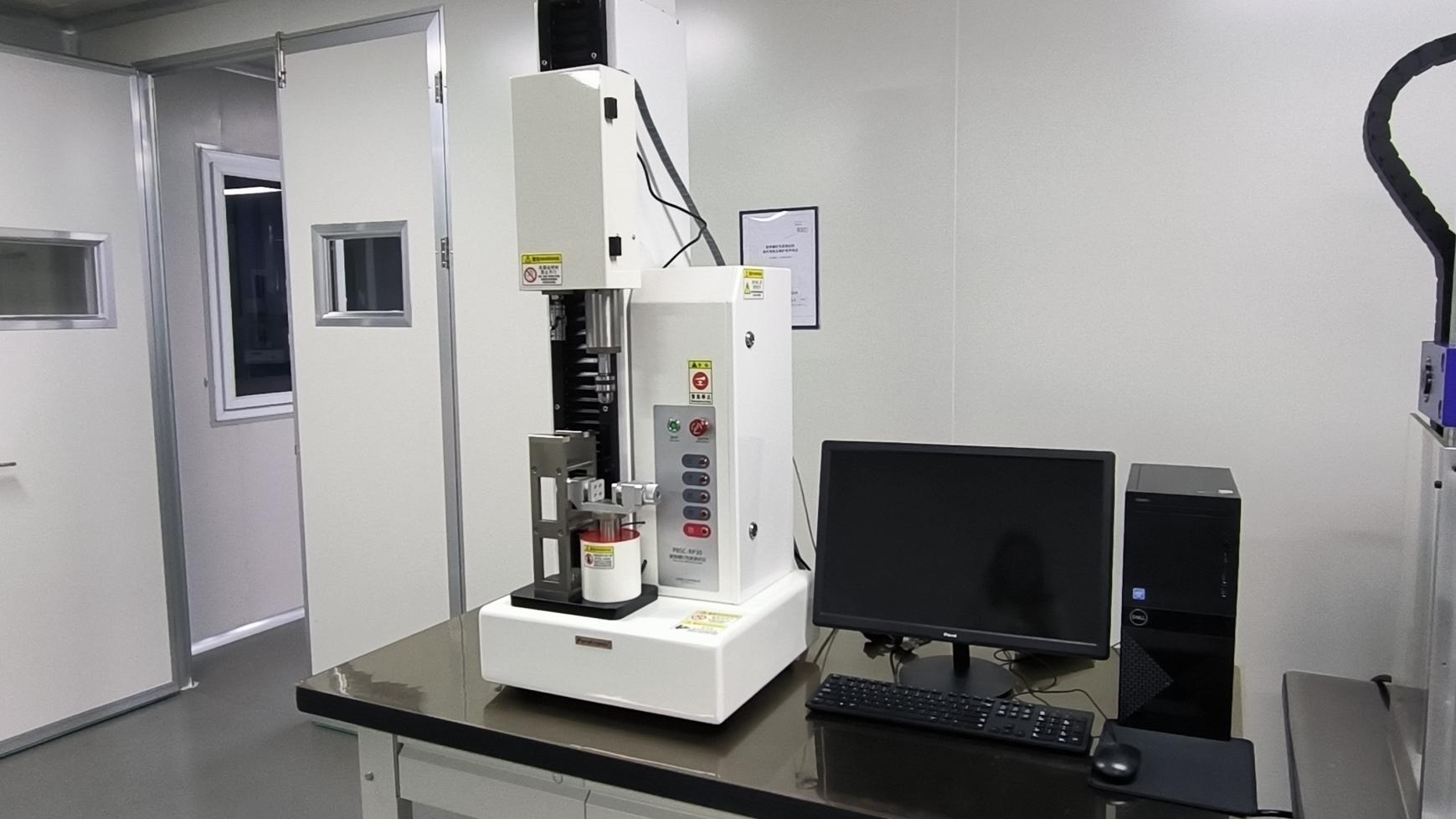
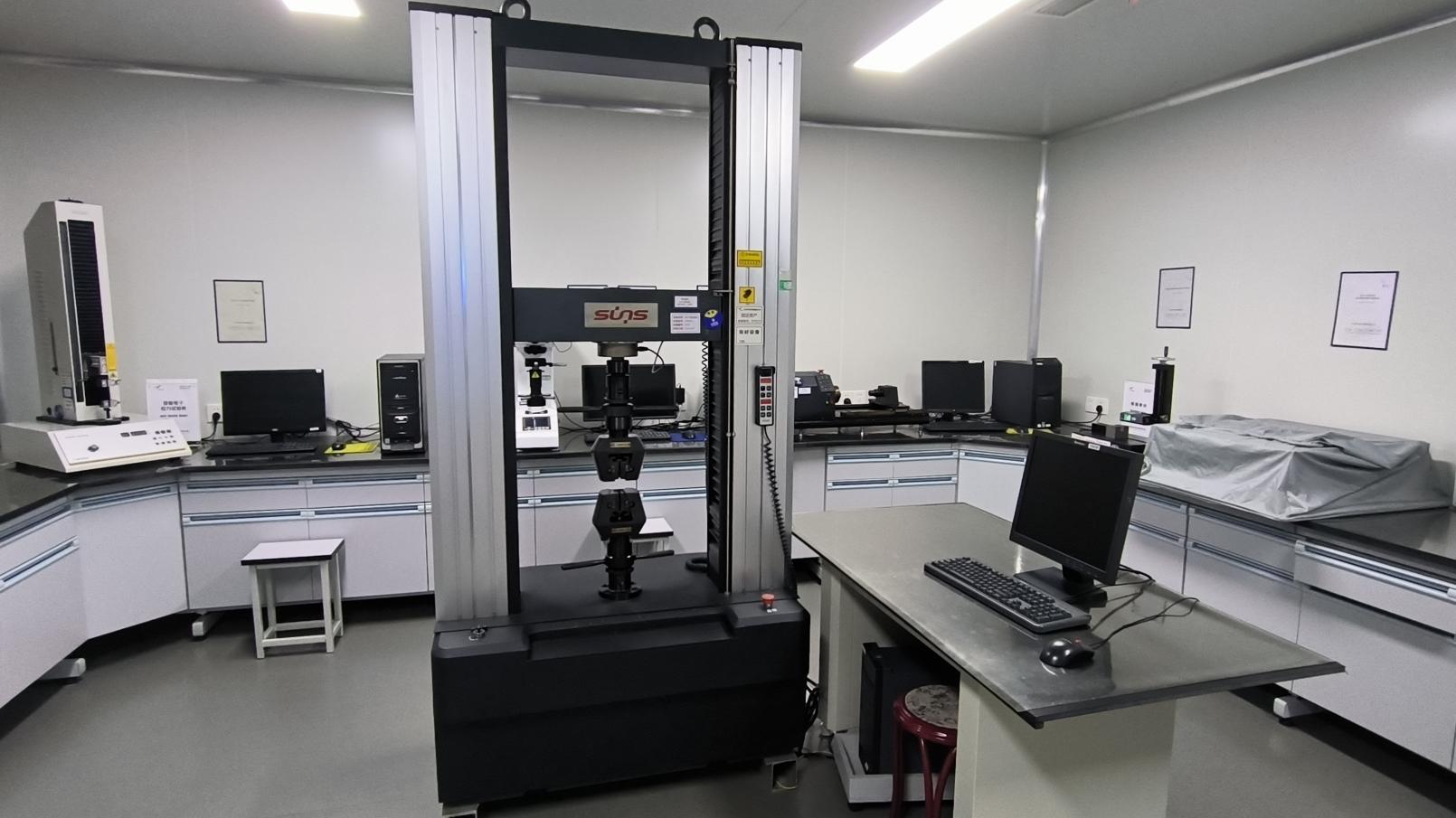
Our manufacturing facility operates under an ISO 13485-certified quality management system designed specifically for high-risk medical implants. Spanning from precision multi-axis CNC milling centers to specialized metallurgical finishing chambers, our production pipeline ensures micron-level structural accuracy for every implant. By employing advanced metal-cutting machines, robotic grinding machinery, and ISO Class 7 cleanrooms for sterile packaging, we maintain the quality demanded by leading clinical organizations in Montenegro and the wider European Union.
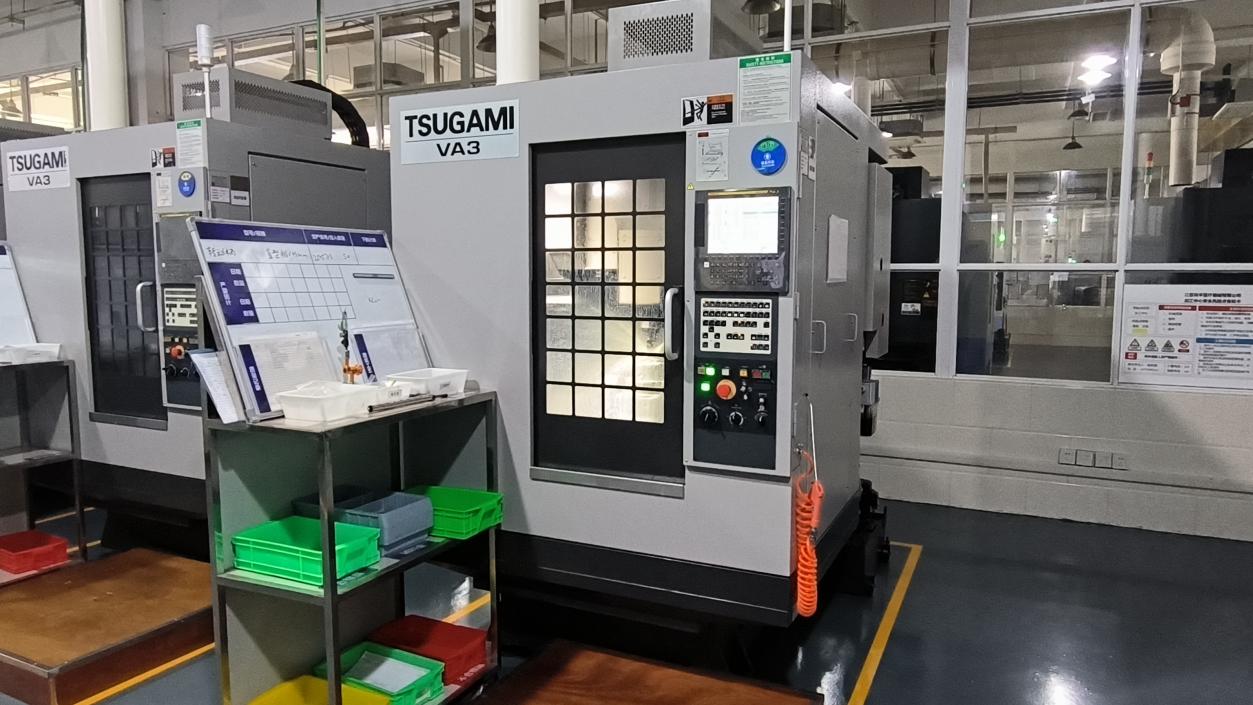
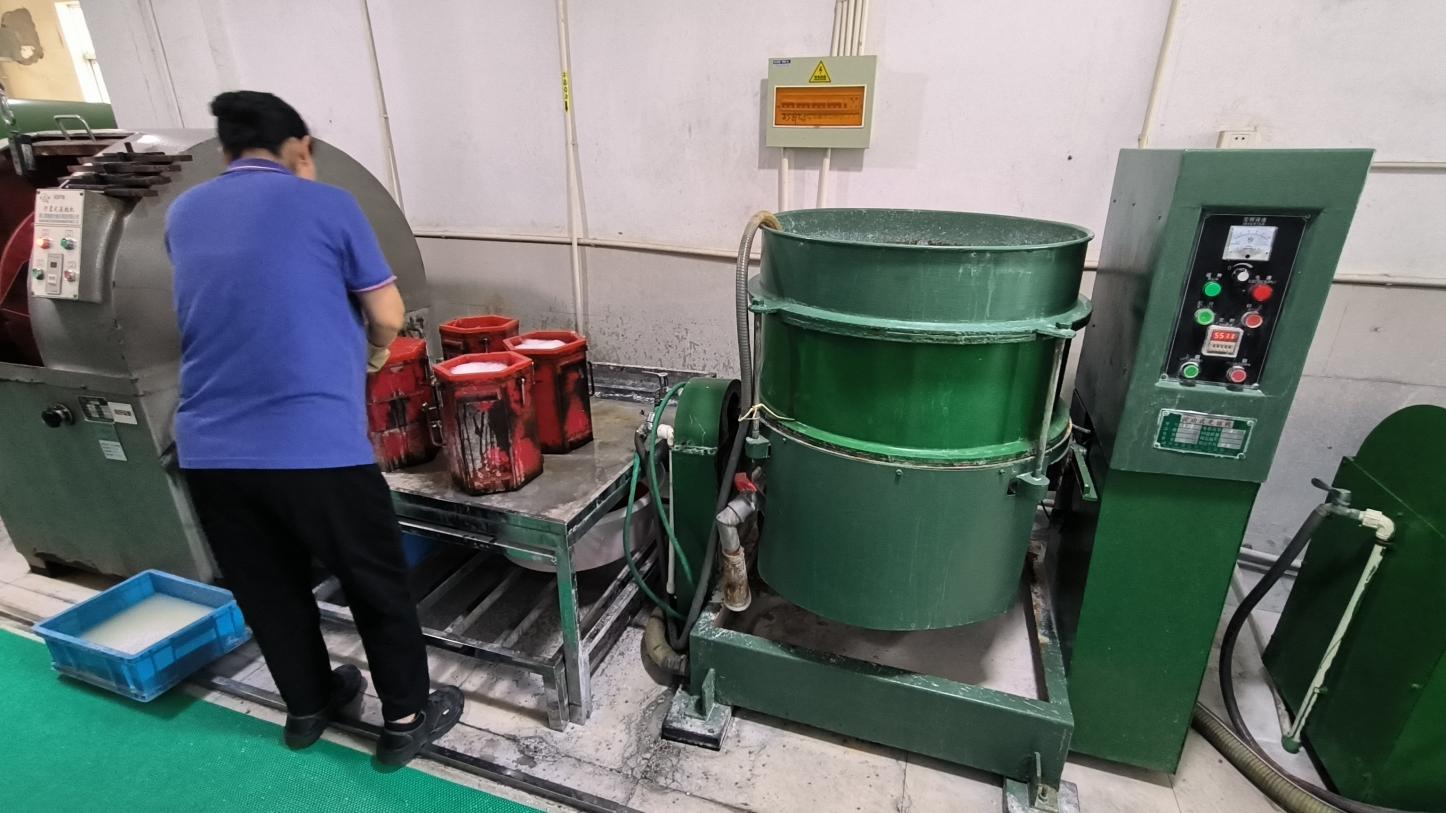
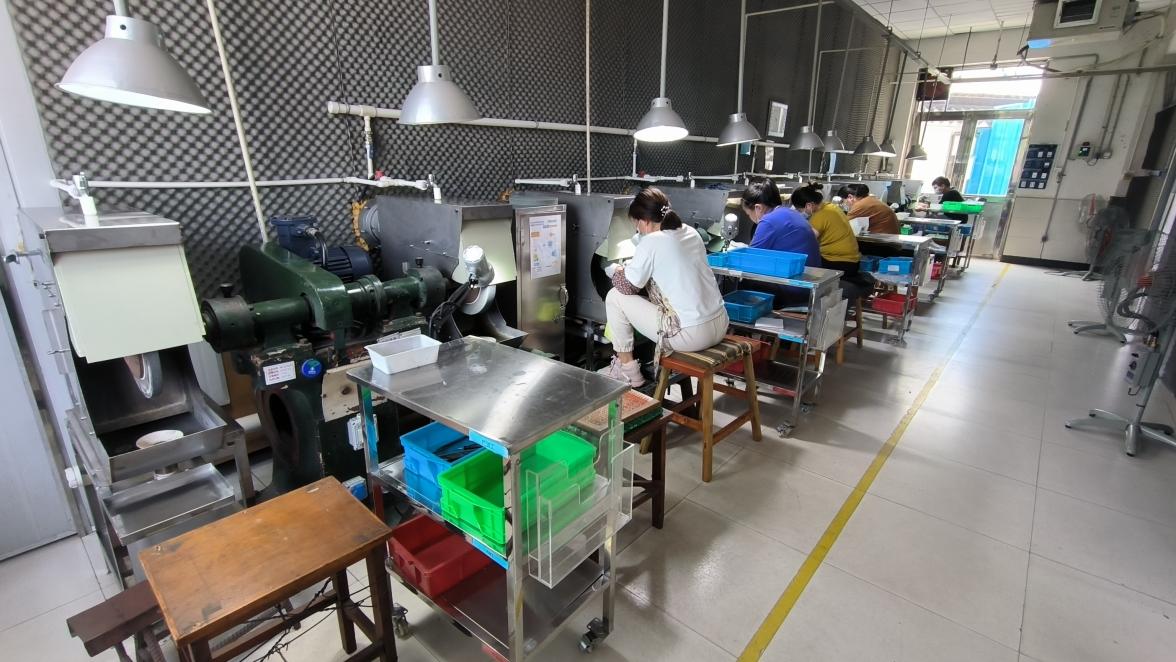
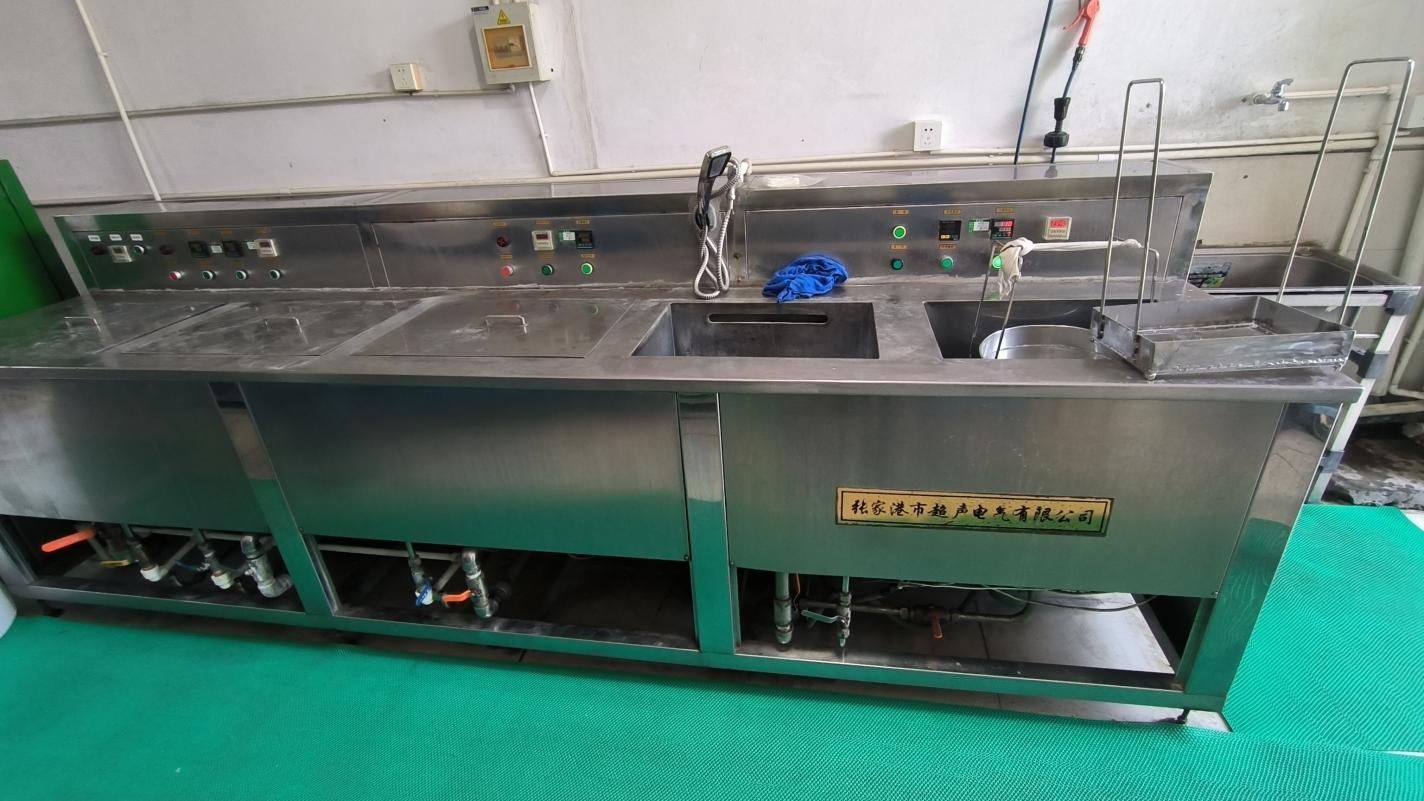
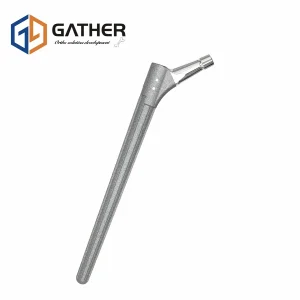
Orthopedic revision surgery demands component geometries that accommodate anatomical variance. For femoral bone loss, our system relies on modular tapered distal stems, which allow independent sizing of proximal and distal zones. By separating metaphyseal filling from diaphyseal fixation, surgeons can adjust rotation and offset to match the patient's individual anatomy.
In knee revisions, addressing joint line height is critical to ensuring stable knee kinematics throughout flexion and extension. Our modular systems provide various thickness configurations for distal and posterior femoral augments, allowing precise alignment of the joint line relative to anatomical landmarks, such as the epicondylar line or fibular head.
Precision-engineered hip and knee revision systems certified for Montenegro's public healthcare tender standards.
Addressing technical, material, and regulatory inquiries from orthopedic surgeons, procurement leads, and distributors in Montenegro.
Equip your healthcare facility or distribution network in Montenegro with high-performance orthopedic systems. Contact our clinical technical team for specifications, regulatory documents, and pricing structures.
Send Inquiry Now