Blutree Orthopedic Implants
Blutree Orthopedic Implants
Blutree Orthopedic Implants
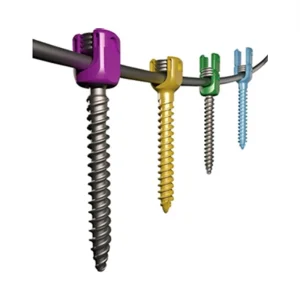
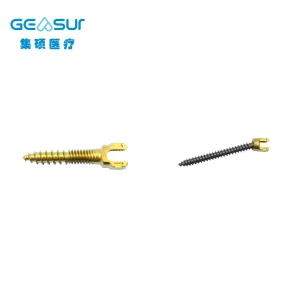
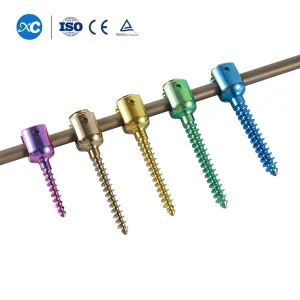
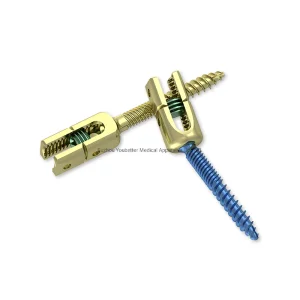
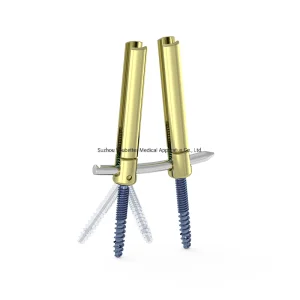
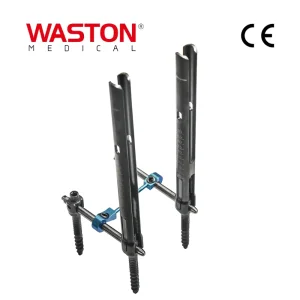
Japan stands at the global forefront of orthopedic innovation, particularly in the field of spinal health. As one of the world's fastest-aging societies, the demand for high-quality Pedicle Screw Systems has transitioned from a niche surgical requirement to a critical component of geriatric healthcare. In Japan, pedicle screw manufacturers and suppliers are not just providing hardware; they are integrating biomechanical engineering with patient-centric design to address complex spinal pathologies such as lumbar spinal stenosis, degenerative scoliosis, and osteoporotic vertebral fractures.
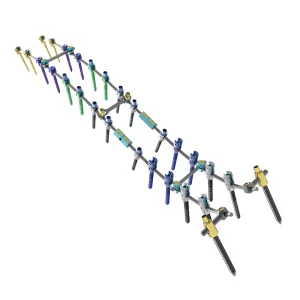
The Japanese industrial landscape for medical devices is characterized by rigorous standards set by the Pharmaceuticals and Medical Devices Agency (PMDA). Any supplier operating in the Tokyo or Osaka medical hubs understands that precision is non-negotiable. Our pedicle screw systems are engineered to meet these exacting Japanese quality benchmarks, offering surgeons the reliability needed for long-segment fixations and minimally invasive procedures that are increasingly preferred in Japanese hospitals.
One of the most significant trends in the Japanese orthopedic sector is the adoption of robotic-assisted surgery and AI-driven preoperative planning. Modern Japanese orthopedic clinics in cities like Nagoya and Fukuoka are integrating 3D navigation systems with pedicle screw placement. This synergy reduces radiation exposure and enhances the accuracy of screw insertion, which is vital when dealing with the smaller pedicle morphologies often found in Asian populations. Our systems are fully compatible with current surgical navigation platforms, ensuring a seamless interface between digital planning and physical implant.
In the context of Japan's "Society 5.0" initiative, healthcare localization means adapting technology to specific demographic needs. The application of pedicle screw systems in Japan involves several key localized scenarios:
When Japanese procurement departments evaluate suppliers, material biocompatibility and fatigue strength are paramount. Most pedicle screw systems utilized in Japan leverage Grade 5 Titanium Alloy (Ti6Al4V) due to its excellent strength-to-weight ratio and MRI compatibility. However, for high-stress applications, the introduction of Cobalt-Chrome-Molybdenum (CoCrMo) rods is becoming a standard for Japanese spine centers involved in complex reconstruction.
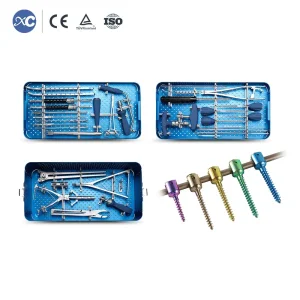
Our manufacturing process utilizes advanced Swiss-type CNC machining to ensure that every thread, tulip, and locking cap meets micron-level tolerances. This level of precision is essential for the "Zero-Defect" culture prevalent in Japanese manufacturing (Monozukuri), ensuring that surgeons in Japan can trust the tactile feedback of every screw they drive.
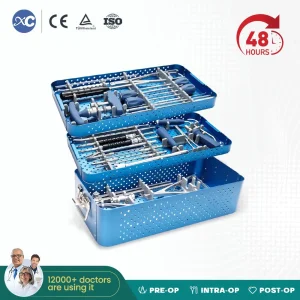
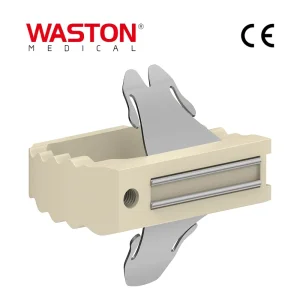
A rising trend in the Japanese medical market is the move toward Disposable Surgical Instrument Sets. Hospitals in Japan are increasingly focused on reducing the risk of cross-contamination and optimizing the logistics of sterilization. By providing pre-sterilized, single-use pedicle screw kits, manufacturers can help Japanese clinics lower their overhead costs and improve operating room turnover. Our range of disposable Neulen Laminoplasty and spinal fixation systems addresses this exact market shift, offering a sterile, ready-to-use solution for every procedure.
Furthermore, the global supply chain for spinal implants is becoming more integrated. While Japan has strong domestic players, there is a significant reliance on high-quality OEM/ODM partners who can provide customized solutions that fit the unique anatomical needs of the local population. As a supplier with global reach, we understand the importance of tailoring our products for the Japanese orthopedic market, ensuring that our instrumentation handles feel "right" in the hands of a Japanese surgeon.
Navigating the Japanese market requires more than just good products; it requires a commitment to transparency and clinical excellence. All our spinal products are CE-certified and manufactured in facilities that exceed ISO 13485 standards. For our partners in Japan, this means a reliable supply of implants that have been tested through rigorous mechanical fatigue protocols, simulating years of spinal movement to ensure long-term patient safety.
Whether you are a distributor in Tokyo, a hospital administrator in Osaka, or a surgeon in Sapporo, choosing the right pedicle screw system manufacturer is a decision that impacts patient outcomes directly. Our commitment to innovation, material excellence, and localized support makes us a preferred choice for spinal fixation solutions in Japan and beyond.
Founded in 1999, our company is one of the earliest enterprises in China engaged in the research and development of orthopedic implants. We have evolved into a leading global force, serving surgeons and patients in the most demanding medical markets, including Japan and the EU.
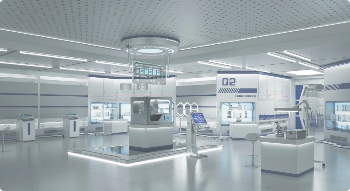
Specializing in Critical Care & Orthopedic Intervention
LEPU Medical Quality Standards
More than 3 overseas offices have been established in countries such as the United States and the Netherlands to support our global distribution network, including direct support for the Japan region.
Choosing a supplier for Pedicle Screw Systems in Japan requires a balance of innovative design and historical reliability. Our systems are not just products; they are the result of decades of clinical feedback and engineering refinement. From the bustling surgical theaters of Tokyo to the specialized rehabilitation clinics in Osaka, our hardware provides the stability and versatility that Japanese medical professionals demand.
As the orthopedic industry in Japan continues to evolve toward more intelligent and less invasive solutions, we remain committed to being your most trusted partner. Our pedicle screw systems represent the pinnacle of spinal fixation technology, designed to restore mobility and improve the quality of life for patients across Japan.