 Blutree Orthopedic Implants
Blutree Orthopedic Implants
Blutree Orthopedic Implants
Engineered for absolute spinal stabilization, our premium medical-grade implant sets meet the rigorous clinical criteria of Chittagong's top-tier surgical facilities.
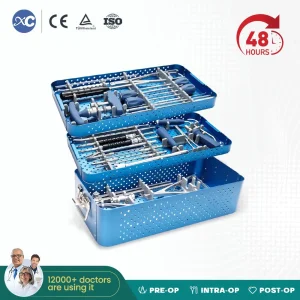
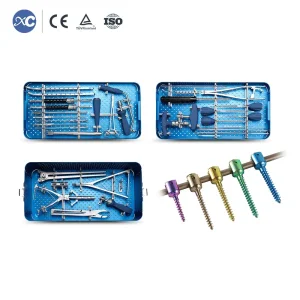
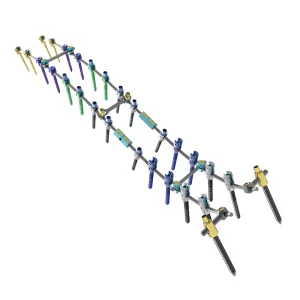
The Chittagong metropolitan region, functioning as Bangladesh's primary economic engine and port gateway, is undergoing an unprecedented modernization of its tertiary healthcare services. Local medical authorities, including the Chittagong Medical College Hospital (CMCH) and modern private multi-specialty clinics, are seeing a dramatic surge in demand for complex neurosurgical and orthopedic spine operations. Among the primary clinical challenges driving this surge are traumatic spinal injuries resulting from construction accidents, severe road collisions, and chronic degenerative spinal disorders related to demographic shifts.
To address these complex clinical needs, surgeons in Chittagong are increasingly shifting from older, conservative treatments to advanced posterior spinal fixation. The implementation of high-performance Pedicle Screw Systems has become the gold standard for restoring mechanical stability, achieving rigid fusion, and correcting coronal or sagittal spinal deformities. For manufacturers and international supply chain managers, the Chittagong market represents an active growth node requiring highly durable titanium (Ti6Al4V ELI) and Cobalt-Chromium-Molybdenum (CoCrMo) implant configurations designed to withstand immense biomechanical stress.
The local clinical profile in Chittagong presents a high volume of advanced spinal tuberculosis (Pott's disease) and untreated traumatic fractures. These conditions require implants with superior pull-out strength, micro-grooved thread designs, and specialized low-profile connector options to reduce soft-tissue irritation post-surgery.
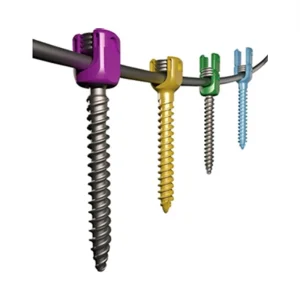
Modern spinal instrumentation focuses heavily on optimizing load distribution between the vertebral column and the implant system. Rigid pedicle screw systems provide absolute stabilization, which is essential for correcting acute trauma, degenerative disc disease, and spondylolisthesis. Our systems utilize dual-outer-diameter thread geometry, enhancing bone purchasing power while ensuring reliable torque transmission even in osteoporotic bone structures frequently observed in elderly patients across South Asia.
Simultaneously, dynamic stabilization systems represent an evolving clinical frontier. By introducing a degree of controlled micro-motion through flexible rods or specialized polyaxial connectors, dynamic systems minimize the risk of adjacent segment disease (ASD)—a common failure mode after long-segment spinal fusion. Our manufacturing pipeline integrates both systems, offering medical distributors in Chittagong an extensive catalog that ranges from standard monoaxial and polyaxial pedicle screws to fenestrated cement-augmented options designed specifically for low bone mineral density applications.
The rapid expansion of private tertiary healthcare facilities in Chittagong has transformed the local procurement landscape. Historically dependent on centralized distribution out of Dhaka, major surgical teams in Chittagong are now building direct-to-manufacturer procurement models. This shift ensures consistent stock levels, prevents surgical cancellations, and eliminates the risk of counterfeit or sub-standard implants entering the sterile surgical field.
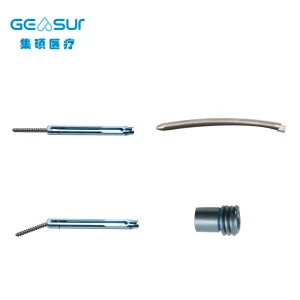
Furthermore, local hospitals are investing heavily in advanced intraoperative imaging, such as C-arm systems and navigational software. This digital leap increases the demand for minimally invasive surgery (MIS) systems, including cannulated axial-rotation pedicle screws. These specialized screws allow for precise, guide-wire-directed placement, reducing surgical blood loss, shortening patient hospital stays, and lowering post-operative infection rates—critical metrics for evaluating hospital efficiency in Bangladesh's competitive healthcare market.
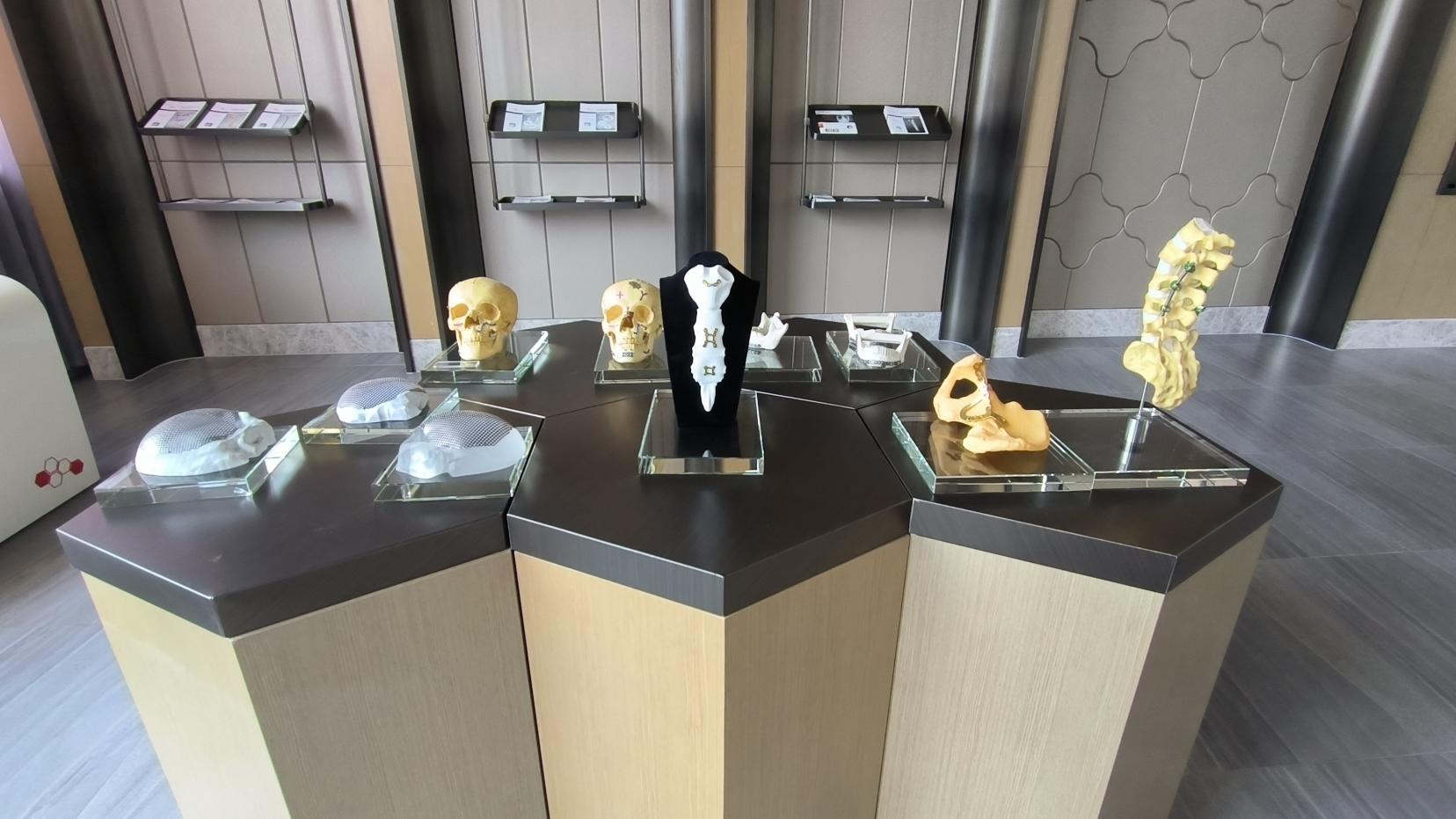
Established in 1999, our company stands as a pioneer in China’s orthopedic implant industry, combining strict quality assurance systems with a robust global logistics footprint.
In the medical device industry, quality control is not merely a parameter; it is a clinical obligation. For international hospital networks and procurement coordinators in Chittagong, sourcing orthopedic implants requires strict adherence to global regulatory frameworks. A competent supplier must provide documentation validating compliance with ISO 13485 (Medical Devices Quality Management Systems), CE marking for the European Union market, and, where applicable, FDA clearance. These certifications serve as an objective guarantee of biocompatibility, structural integrity, and cleanroom packaging sterility.
Furthermore, raw material traceability is a cornerstone of E-E-A-T (Expertise, Authoritativeness, and Trustworthiness) principles in modern manufacturing. Every batch of titanium alloy, cobalt-chromium, or ultra-high-molecular-weight polyethylene (UHMWPE) must trace back to its origin with metallurgical certificates. This ensures that the implants will not suffer from fatigue failure, metallosis, or adverse immune reactions once placed inside the patient's body.
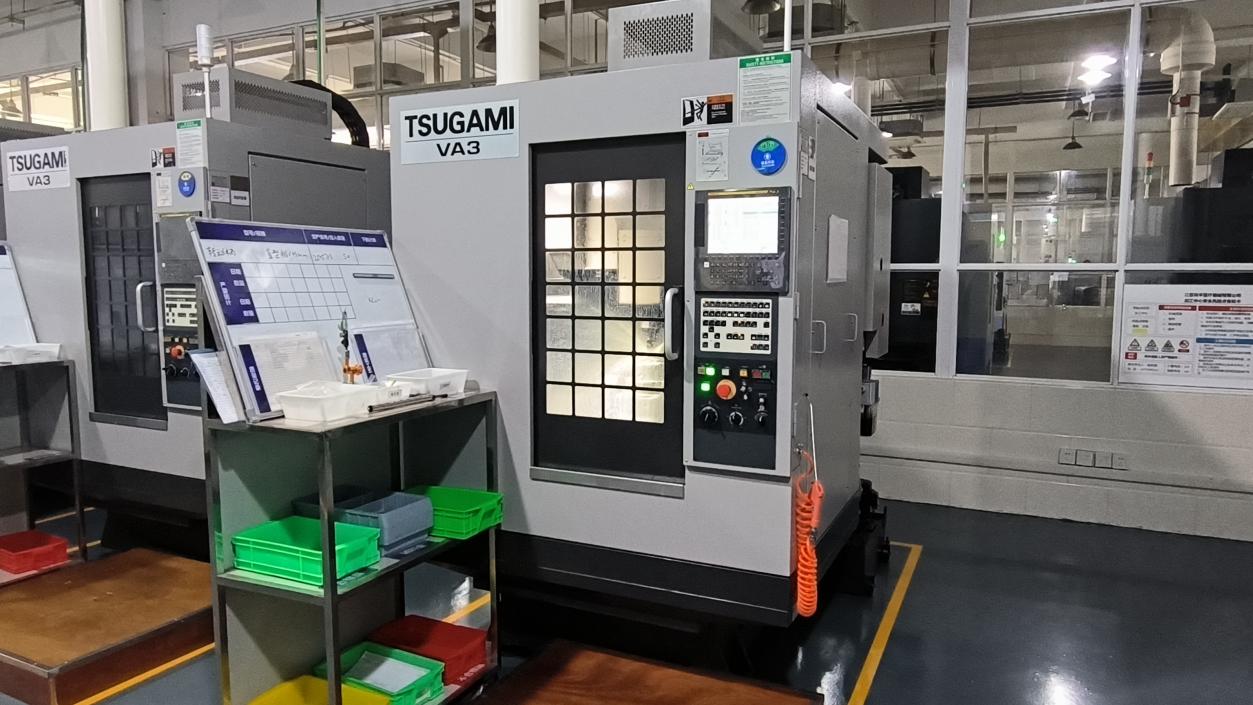
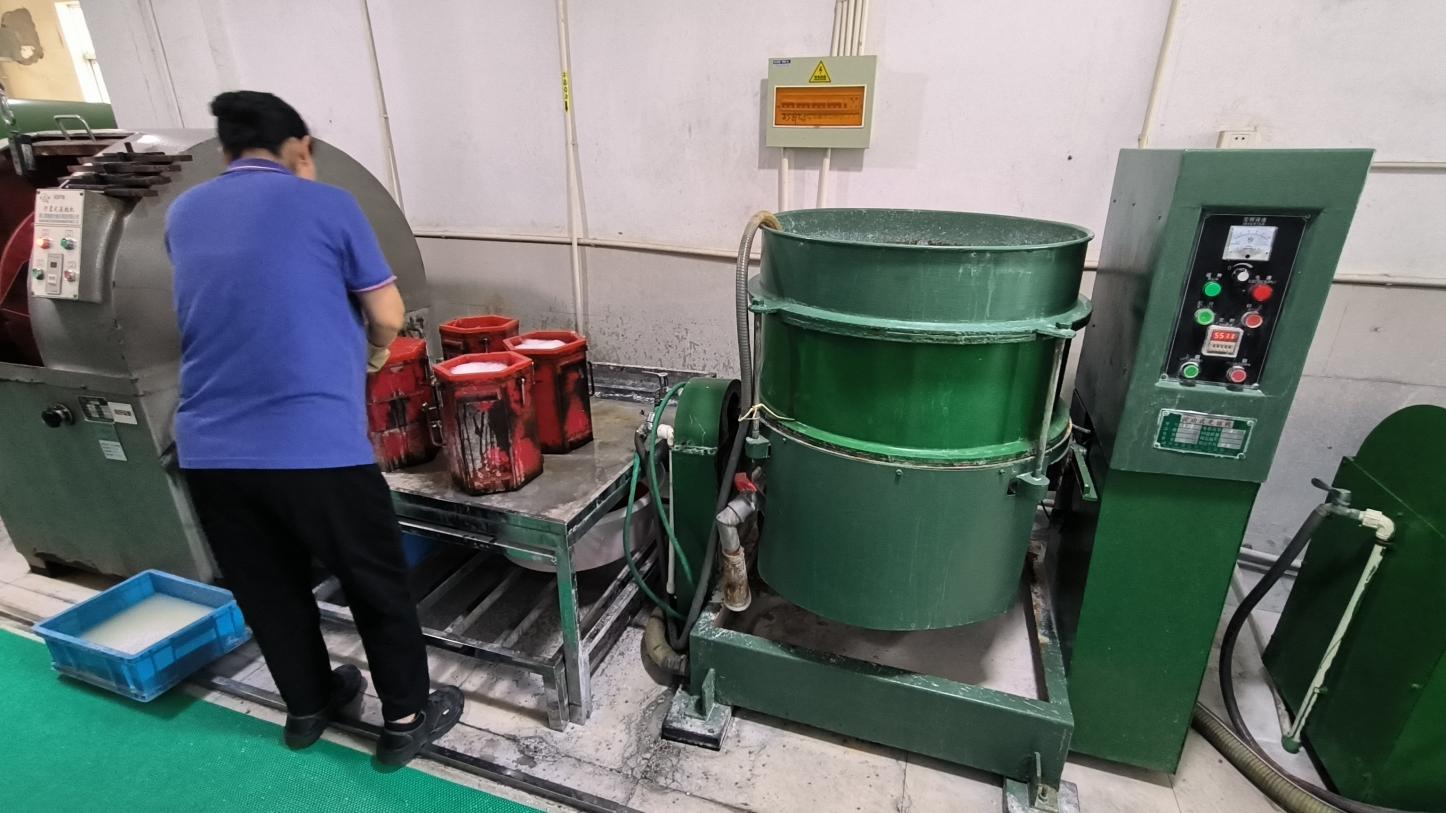
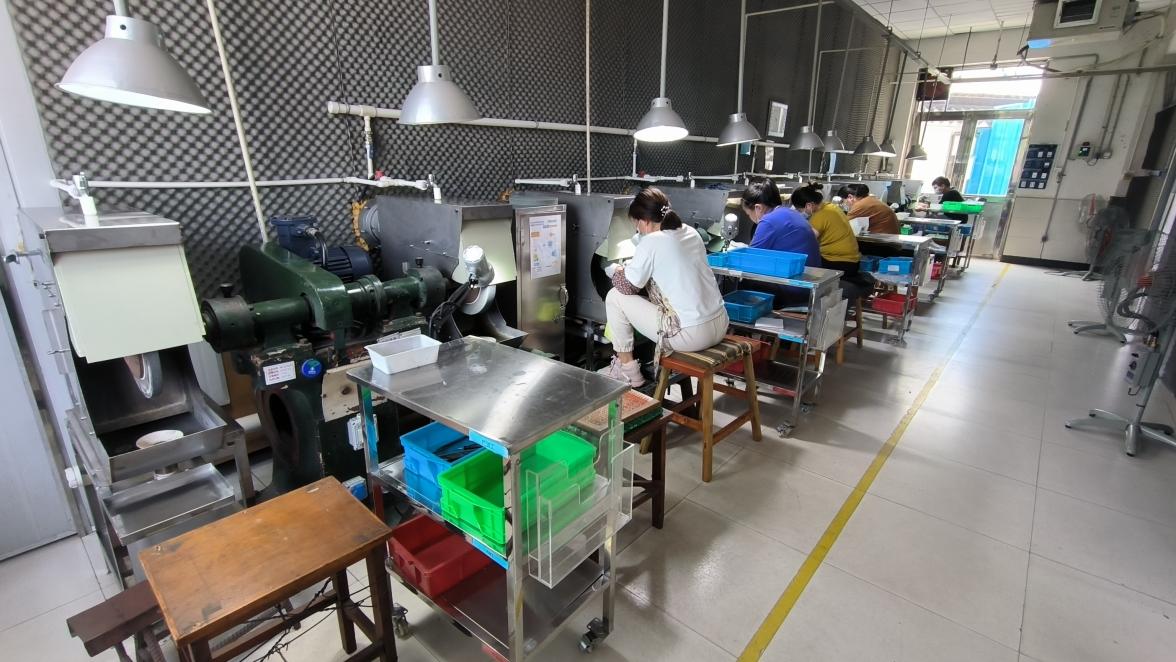
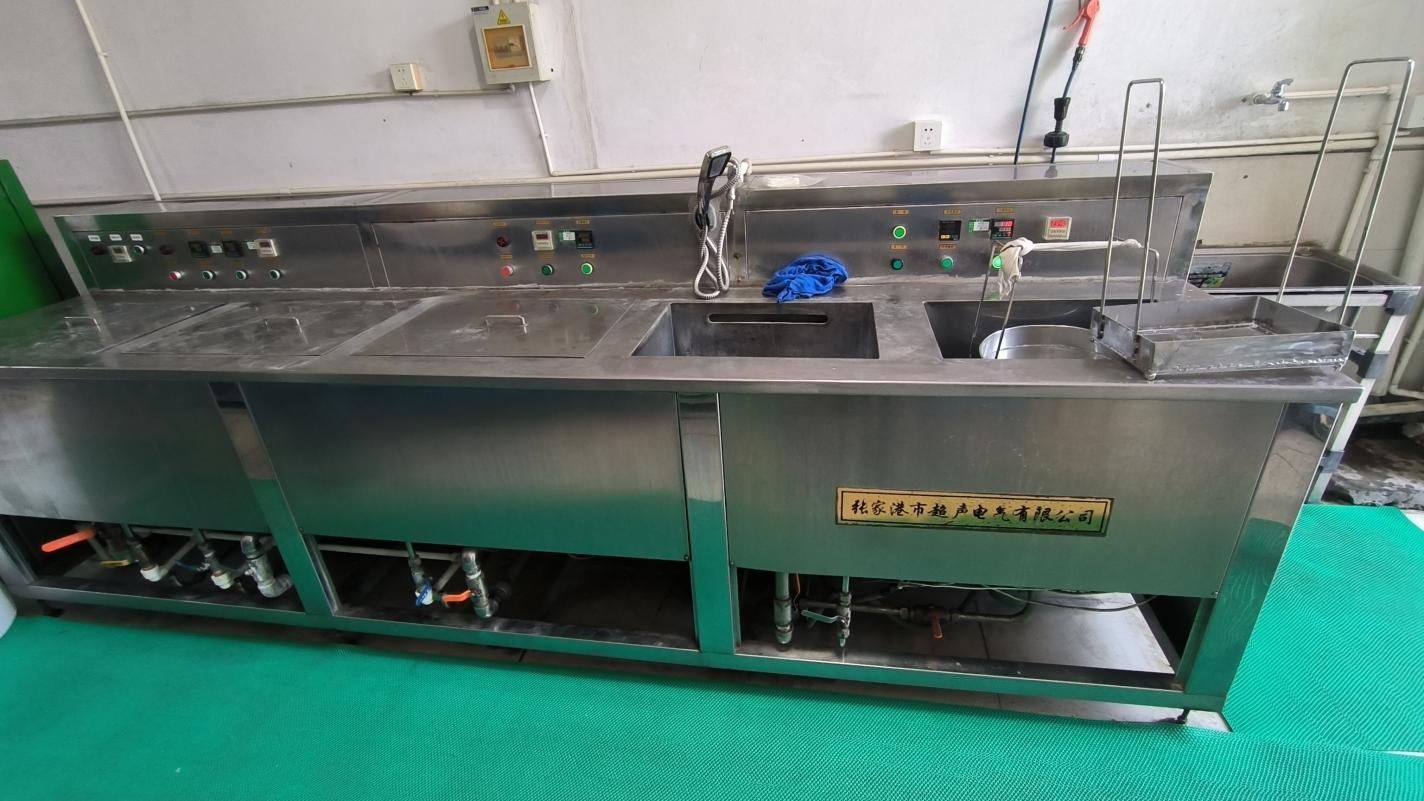
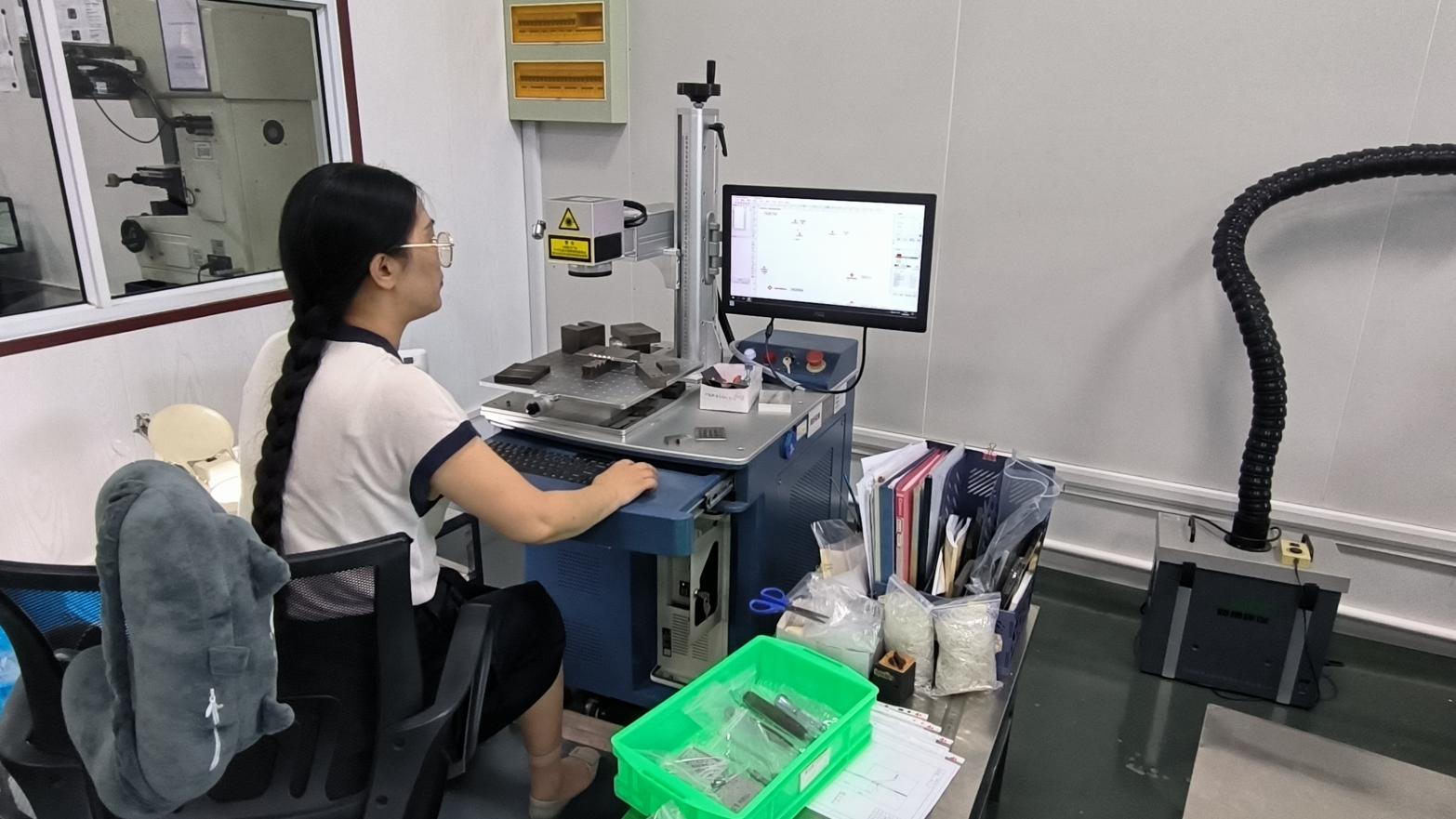
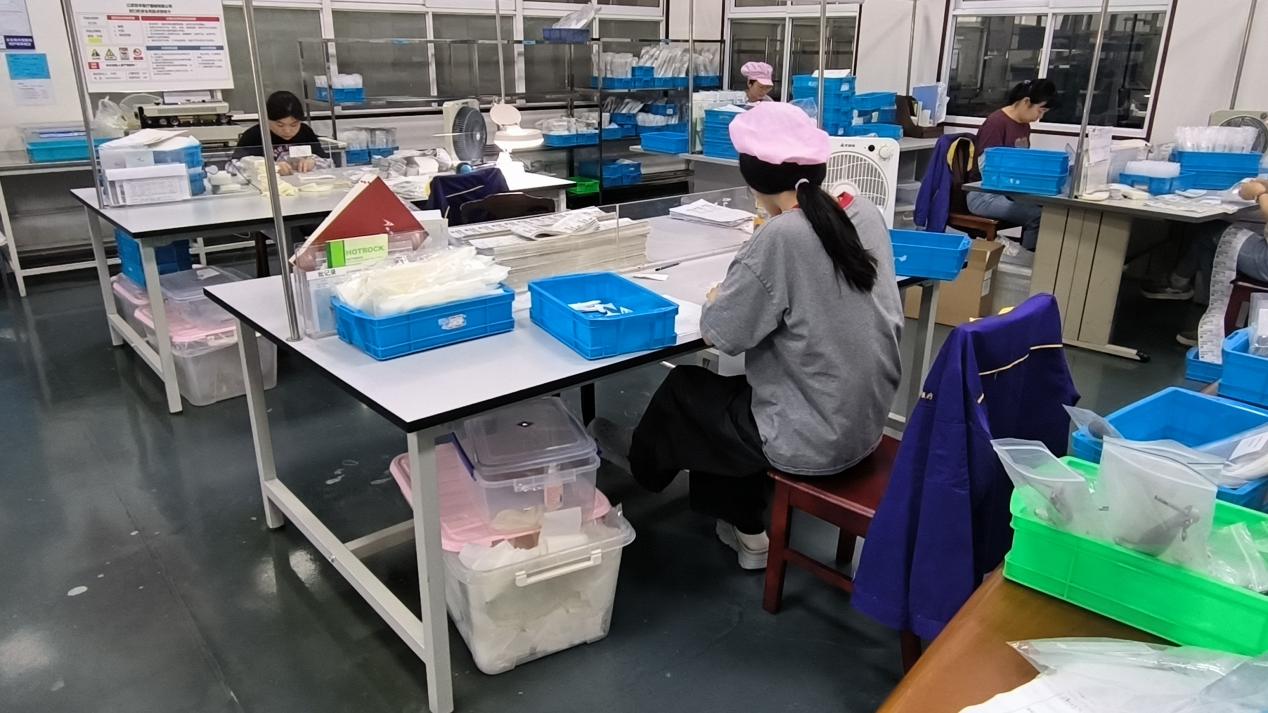
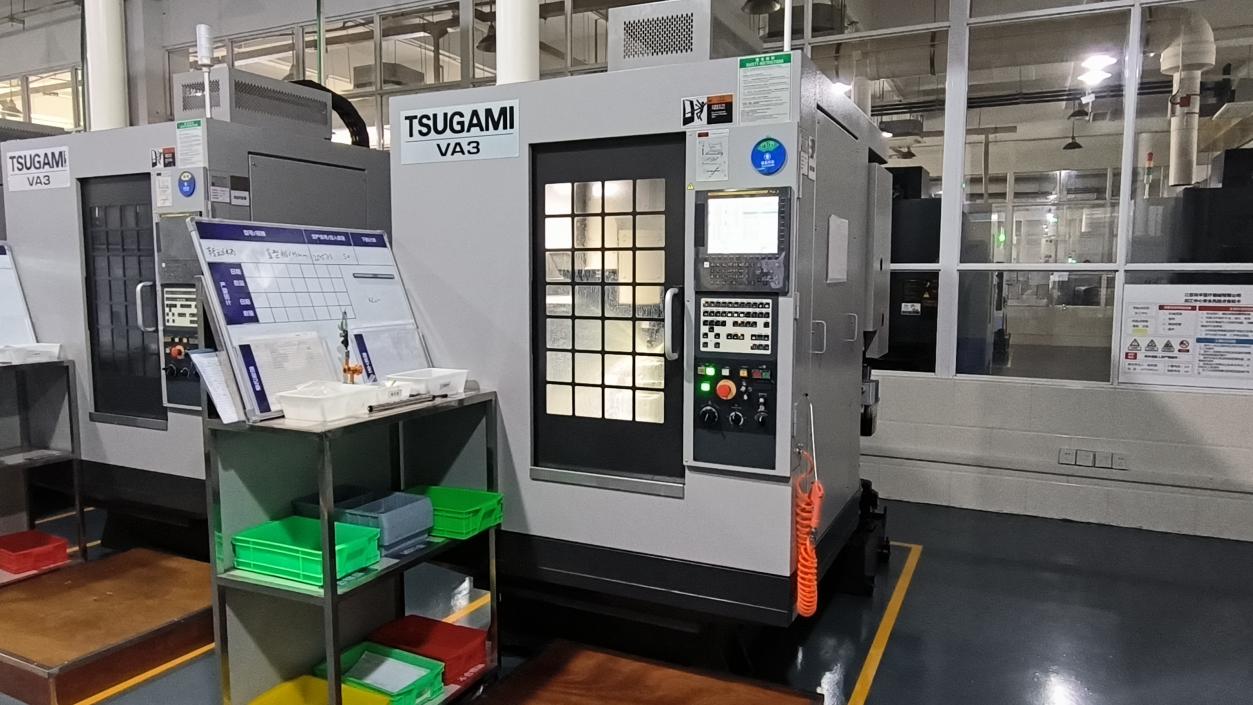
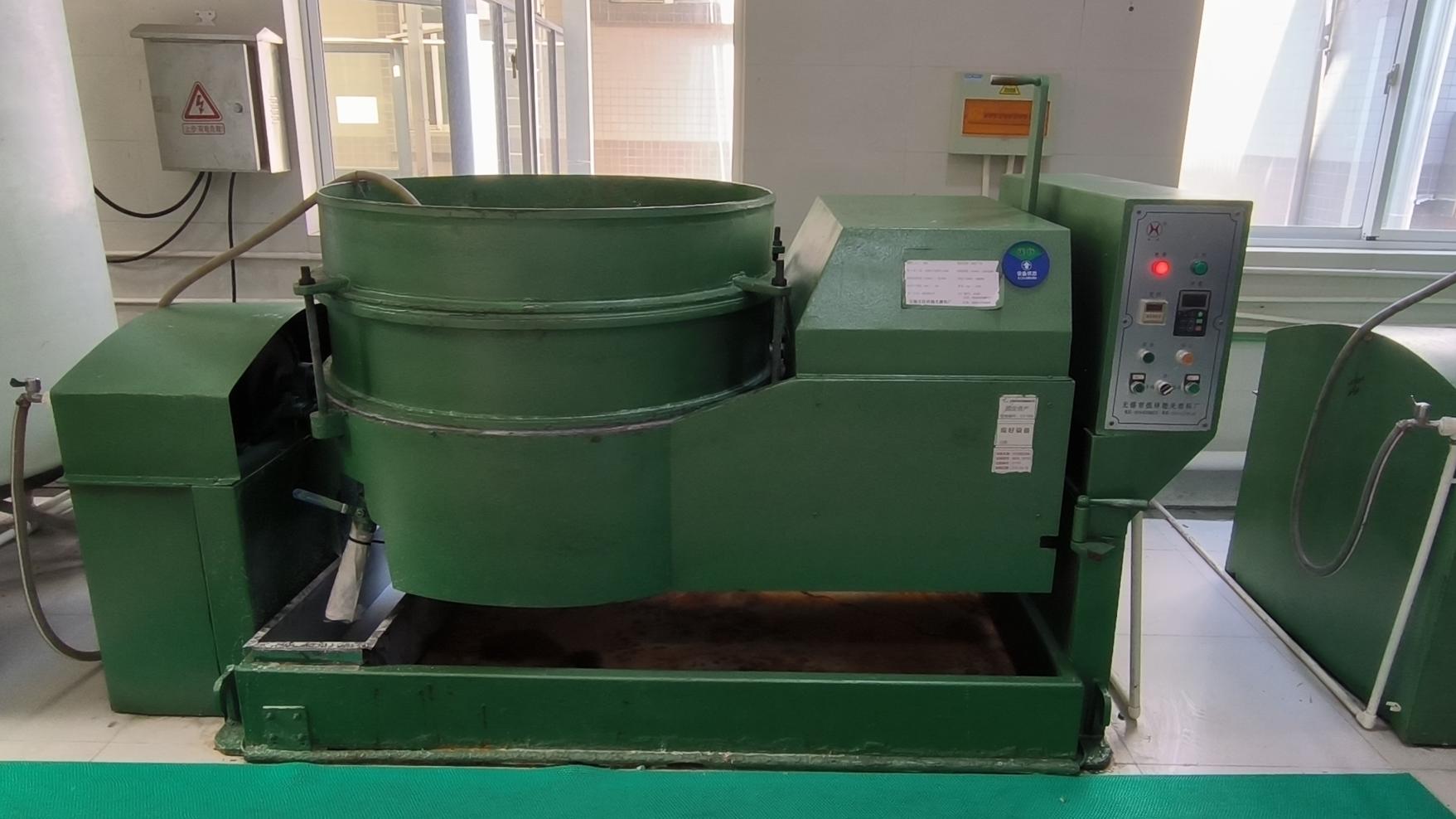
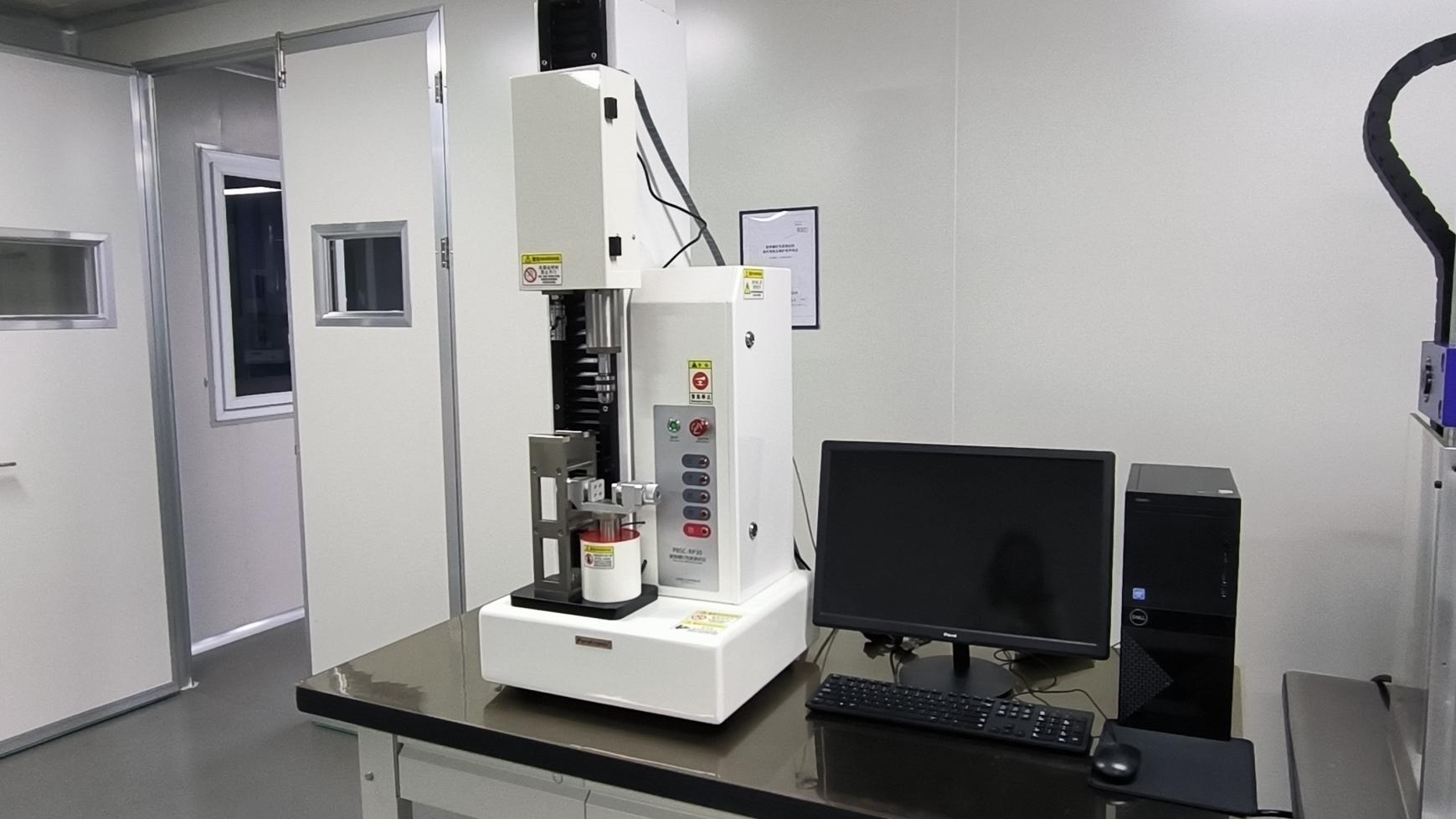
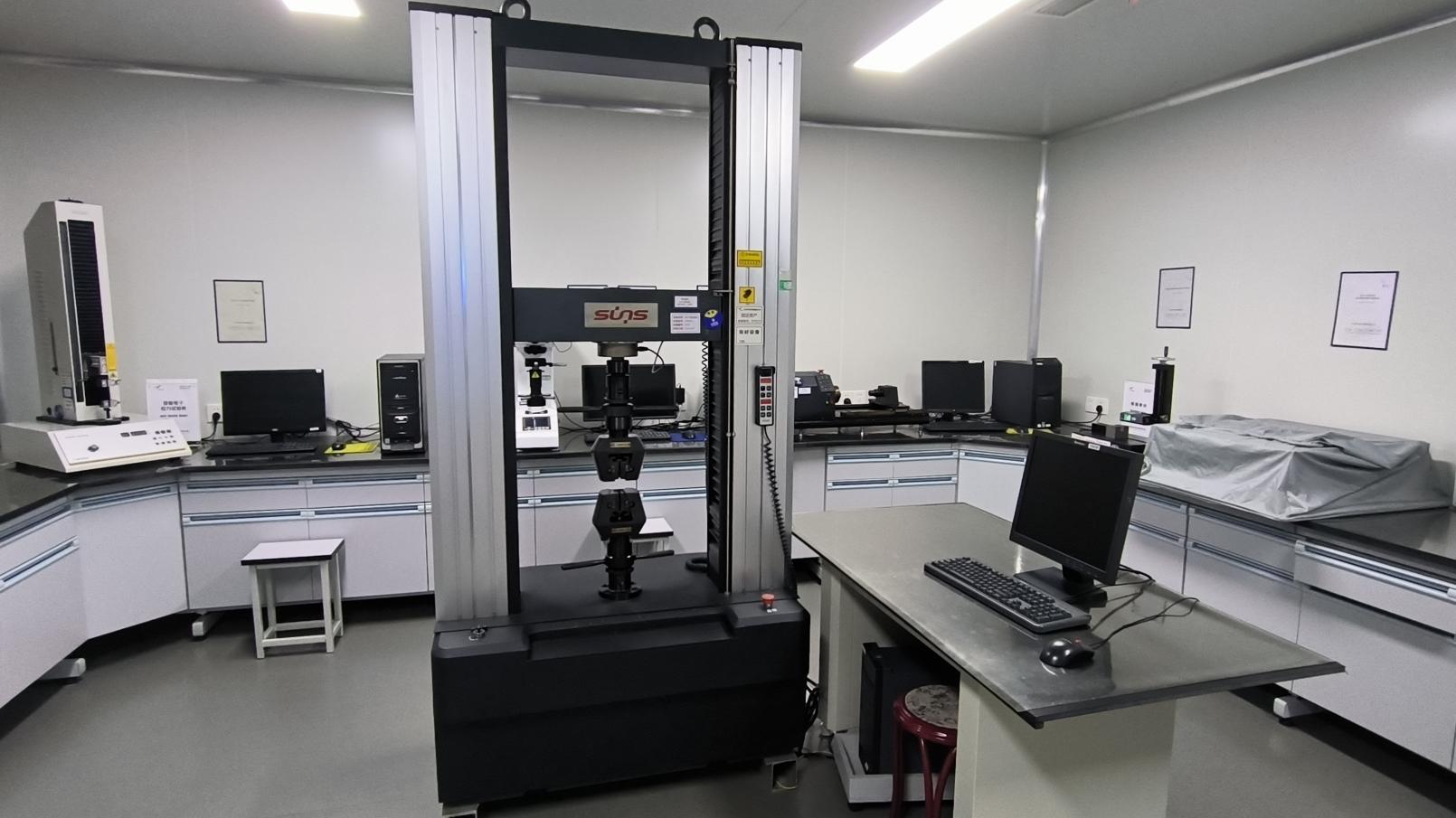
In the hyper-specialized domain of orthopedic implant fabrication, traditional manufacturing processes no longer suffice. China's Factory 4.0 paradigm leverages automated precision machining, IoT-enabled environmental control systems, and continuous real-time quality inspection to deliver high-performance surgical equipment. Our manufacturing plant operates with advanced machinery designed to meet the micro-tolerances required for perfect spinal hardware performance.
By coupling Swiss-type multi-axis CNC machines with automated tumbling, polishing, and chemical passivation lines, we ensure that every pedicle screw boasts smooth threads, low friction coefficients, and high resistance to wear. Below is an overview of our state-of-the-art machinery fleet, which underpins our resilient supply chain and allows us to handle high-volume OEM orders seamlessly.
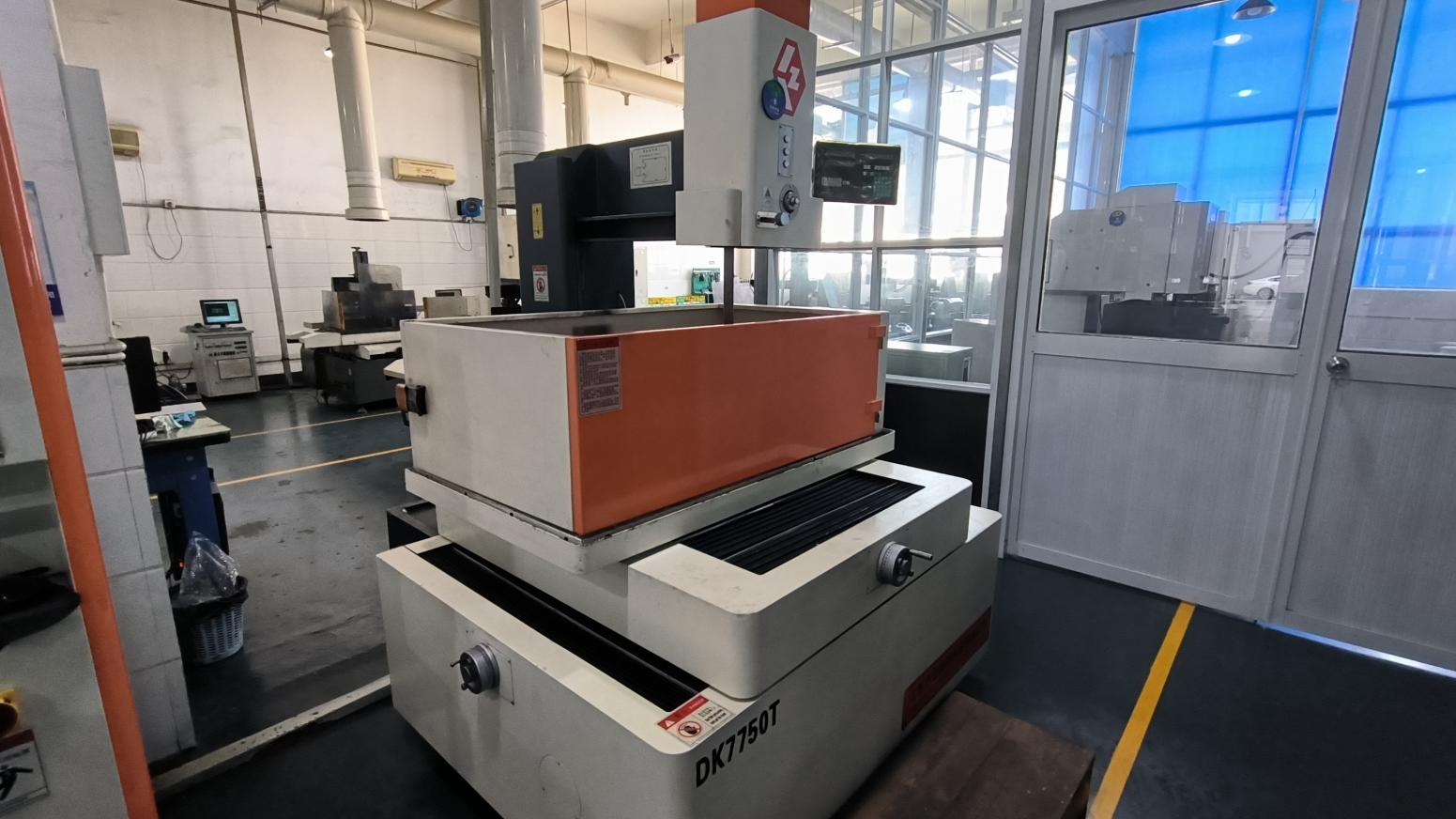
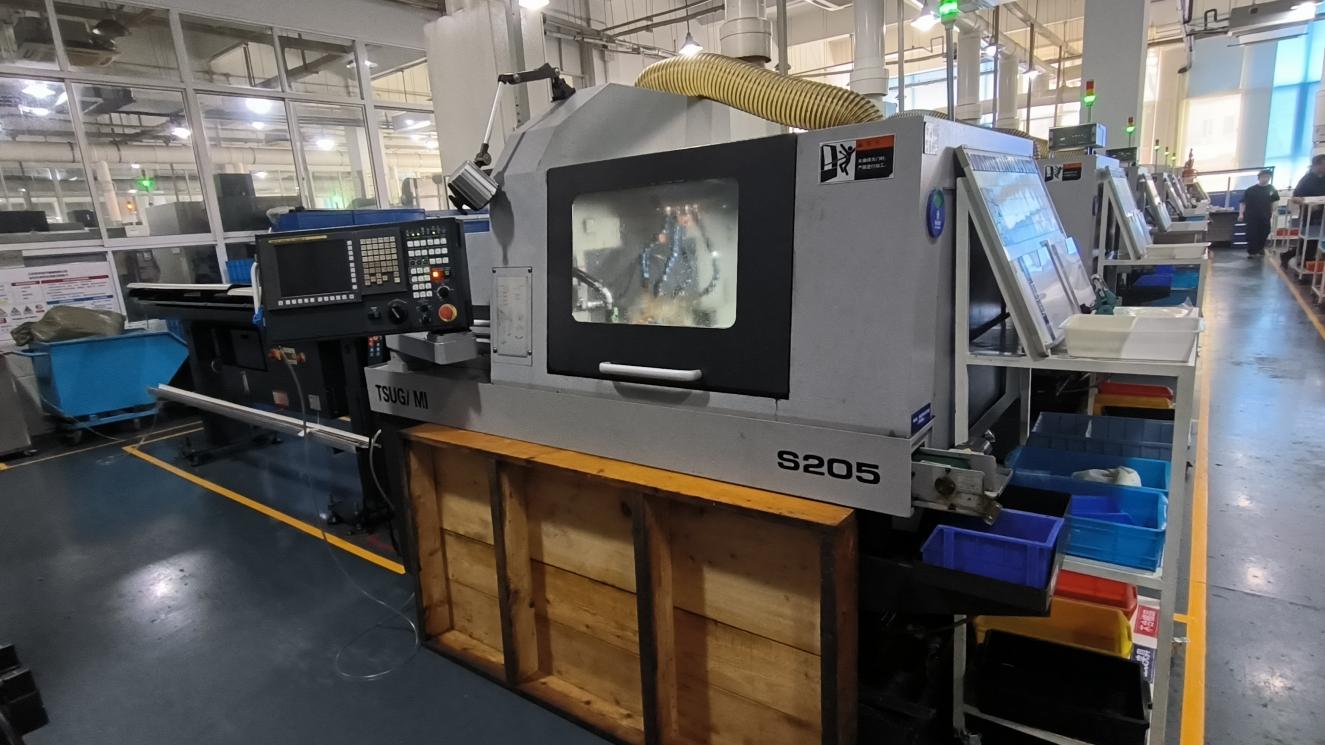
Within the clinical landscape of Bangladesh, the demands placed on spinal implants are unique. High levels of manual labor, dense urban traffic, and late-stage clinical presentations mean that patients receiving spinal fusions often present with severe structural degeneration or highly unstable fractures. Implants must perform reliably under higher static and dynamic forces than typically expected in less physically active populations.
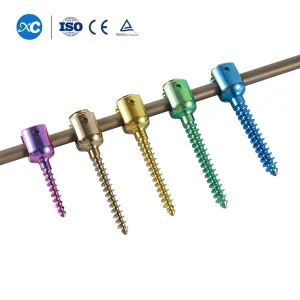
Consequently, our localized spinal stabilization systems emphasize reinforced titanium rods and multi-axial pedicle screws with an extended range of motion (up to 60 degrees). This flexibility allows neurosurgeons at Chittagong Medical College to comfortably navigate complex patient anatomies, achieving anatomical alignment without inducing stress risers in the adjacent healthy segments of the spinal column.
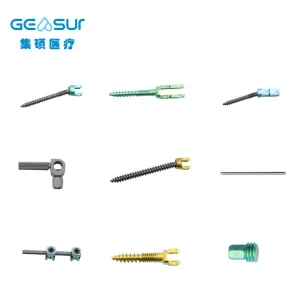
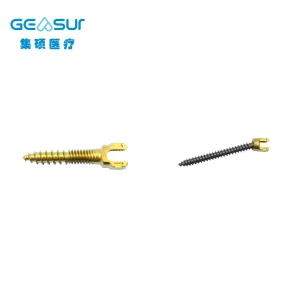
Explore our complete range of certified spinal implants, connectors, and specialized orthopaedic instrument sets designed to support modern surgical protocols.
Answers to common clinical, mechanical, and logistical questions for hospital procurers in Chittagong.