Blutree Orthopedic Implants
Blutree Orthopedic Implants
Blutree Orthopedic Implants
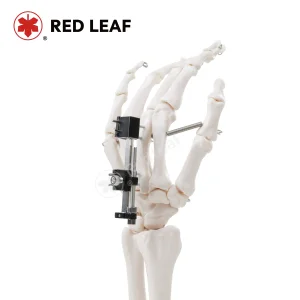
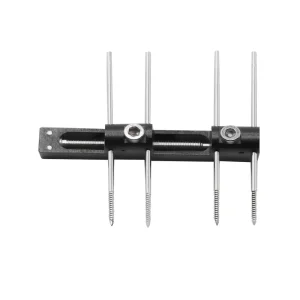
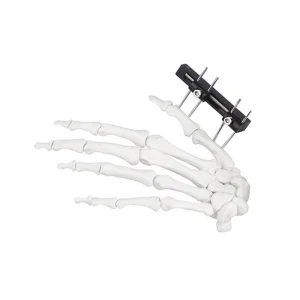
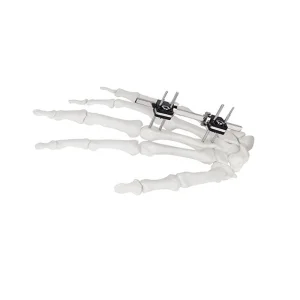
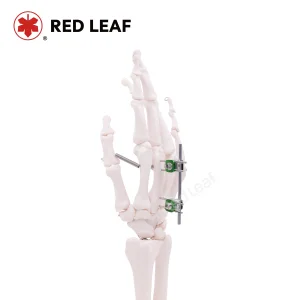
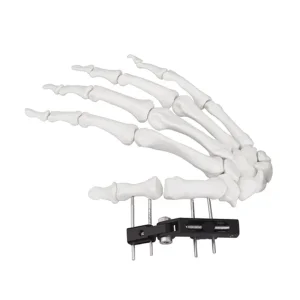
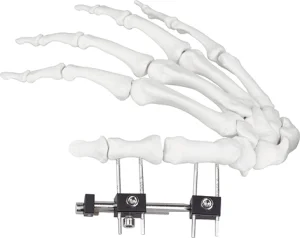
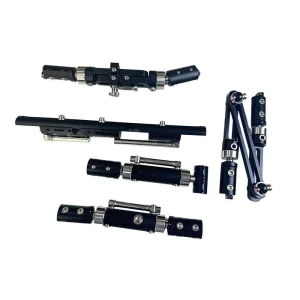
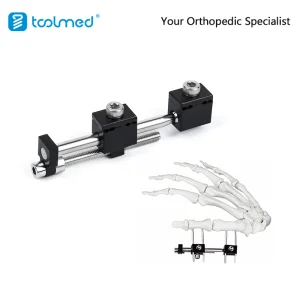
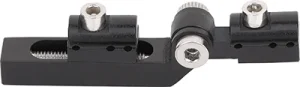
High-precision mini external fixation systems designed for the complex anatomy of phalanges and metacarpals.
Toronto has emerged as a global powerhouse for medical device manufacturing, particularly in the niche field of orthopedic trauma systems. As the largest city in Canada and a central node in the Ontario MedTech corridor, Toronto offers a unique synergy between academic research, advanced manufacturing, and clinical excellence. The development of Mini External Fixators (Hand/Foot) in this region reflects a broader trend toward precision engineering and minimally invasive surgical techniques.
Current commercial trends in Toronto indicate a shift towards modularity and biocompatibility. Modern factories are now integrating AI-driven design processes to simulate stress distribution on mini-rails and pins before they ever reach the operating room. This technological leap ensures that patients in the Greater Toronto Area (GTA) and beyond receive implants that are not only durable but also tailored to the specific biomechanical needs of small bone fractures.
The orthopedic industry in Toronto is currently witnessing a revolution in material science. The transition from stainless steel to high-grade Titanium alloys (Ti6Al4V) has allowed for lighter, more MRI-compatible mini external fixators. These devices are crucial for treating complex hand injuries where soft tissue preservation is paramount.
Furthermore, the integration of 3D printing—or additive manufacturing—within Toronto's industrial zones (like Mississauga and Vaughan) allows for the rapid prototyping of custom fixator clamps. This agility enables manufacturers to respond to the needs of trauma surgeons who require specialized instruments for rare deformities or severe blast injuries. The "Mini" aspect of these fixators is deceptive; while small in size, the engineering behind the unilateral mini-rail or the universal compression extension types involves complex mechanics to allow for controlled distraction and compression.
Founded in 1999, our manufacturing partners represent the pinnacle of orthopedic R&D, bridging the gap between Chinese production efficiency and North American clinical standards.
In the high-intensity environment of Toronto's Level 1 Trauma Centers, the Mini External Fixator is often the first line of defense for open fractures of the metacarpals or phalanges. Unlike internal plating, which may require extensive surgical exposure, mini fixators allow for "damage control" orthopedics. This is particularly vital in Toronto's diverse climate, where winter-related slips and industrial accidents frequently result in complex hand and foot trauma.
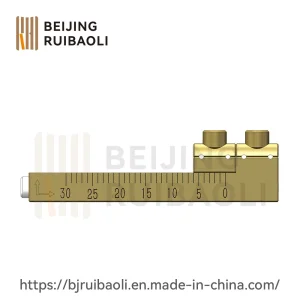
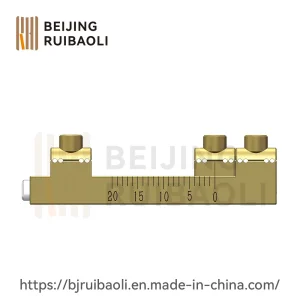
Another emerging application in the Ontario medical scene is the use of mini fixators in pediatric orthopedics and for the correction of small bone deformities. The precision of the Mini Rail 20mm and 30mm systems allows for gradual lengthening (distraction osteogenesis), a technique pioneered and refined in many Canadian teaching hospitals. This specialized application requires a factory that understands both the surgical requirements and the stringent Health Canada regulatory framework.
Manufacturing in Toronto isn't just about the product; it's about the process. Local factories are increasingly adopting green manufacturing protocols, reducing waste in the production of surgical-grade instruments. Our partnership with over 100 global OEM partners ensures that the insights gained from Toronto's rigorous clinical trials are integrated into the mass production of our mini external fixation systems. From the initial forging of the titanium rod to the final sterilization packaging, every step is scrutinized to meet the ISO 13485 standards expected by Toronto's healthcare procurement officers.
Founded in 1999, the company is one of the earliest enterprises in China engaged in the research and development of orthopedic implants. It has now become a leading global provider, with more than 3 overseas offices in the United States and the Netherlands, ensuring a robust supply chain for the Toronto market.
Explore our full range of orthopedic instruments, from veterinary solutions to specialized human trauma systems, all available for the Toronto medical community.
Choosing a Mini External Fixator manufacturer with a strong footprint in Toronto ensures that local hospitals and clinics have uninterrupted access to critical surgical supplies. The proximity to Pearson International Airport and the integrated rail networks means that "just-in-time" delivery of orthopedic kits is a reality for the Ontario healthcare system. This is especially crucial for emergency surgeries where a specific size of the Mini Fragment External Fixator is required immediately.
Our commitment to the Toronto market is reflected in our localized support and training programs. We understand that a surgical instrument is only as good as the surgeon's familiarity with it. By hosting workshops and seminars in the GTA, we ensure that the latest techniques in unilateral fixation and palm fixation are disseminated among Canada's next generation of orthopedic residents.
Looking ahead, the next generation of mini fixators being developed in labs across Toronto will likely feature integrated sensors. These "smart fixators" could potentially track the progress of bone healing and transmit data to surgeons at hospitals like Mt. Sinai. While still in the developmental phase, Toronto’s AI and software engineering expertise makes it the ideal location to lead this digital transformation in orthopedics. By combining mechanical excellence with digital innovation, we are not just fixing bones; we are reinventing the recovery process.
Whether you are a procurement officer for a major hospital network or a private surgical clinic in Ontario, our range of orthopedic trauma finger external fixators and metacarpal systems offers the reliability, precision, and clinical backing required for modern medical practice. We invite you to explore our factory-direct solutions and experience the quality that has made us a leader in over 160 countries.