Blutree Orthopedic Implants
Blutree Orthopedic Implants
Blutree Orthopedic Implants
Advanced anatomically pre-contoured locking plate systems engineered for complex extremity reconstruction in DR Congo trauma facilities.
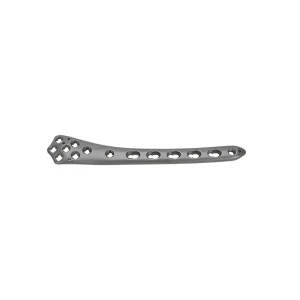
The Democratic Republic of the Congo (DR Congo), characterized by rapid urbanization and extensive heavy industrial mining regions (particularly across the Lualaba and Haut-Katanga provinces), faces significant trauma challenges. Kinshasa, Lubumbashi, and Goma experience substantial numbers of high-energy skeletal traumas arising from road traffic incidents, mining operations, and general construction activity. Addressing these complex musculoskeletal fractures requires high-quality, reliable internal fixation solutions.
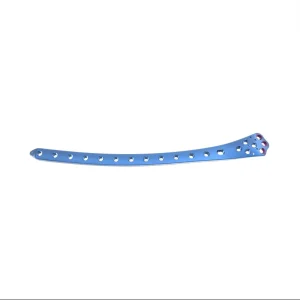
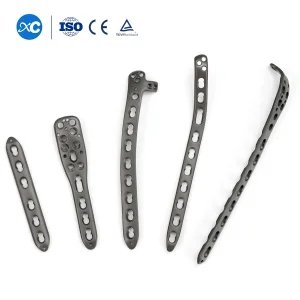
Historically, the reliance on basic, non-locking compression plates resulted in high rates of mechanical failure, malunion, and chronic osteomyelitis under compromised postoperative load-bearing environments. Our Variable Angle Locking Plates and Screws (LCP System) represent a major technical upgrade. Offering superior angular stability and dynamic compression capabilities, these implants perform effectively even in osteoporotic bone or complex comminuted articular fractures, supporting successful outcomes for patients across DR Congo.
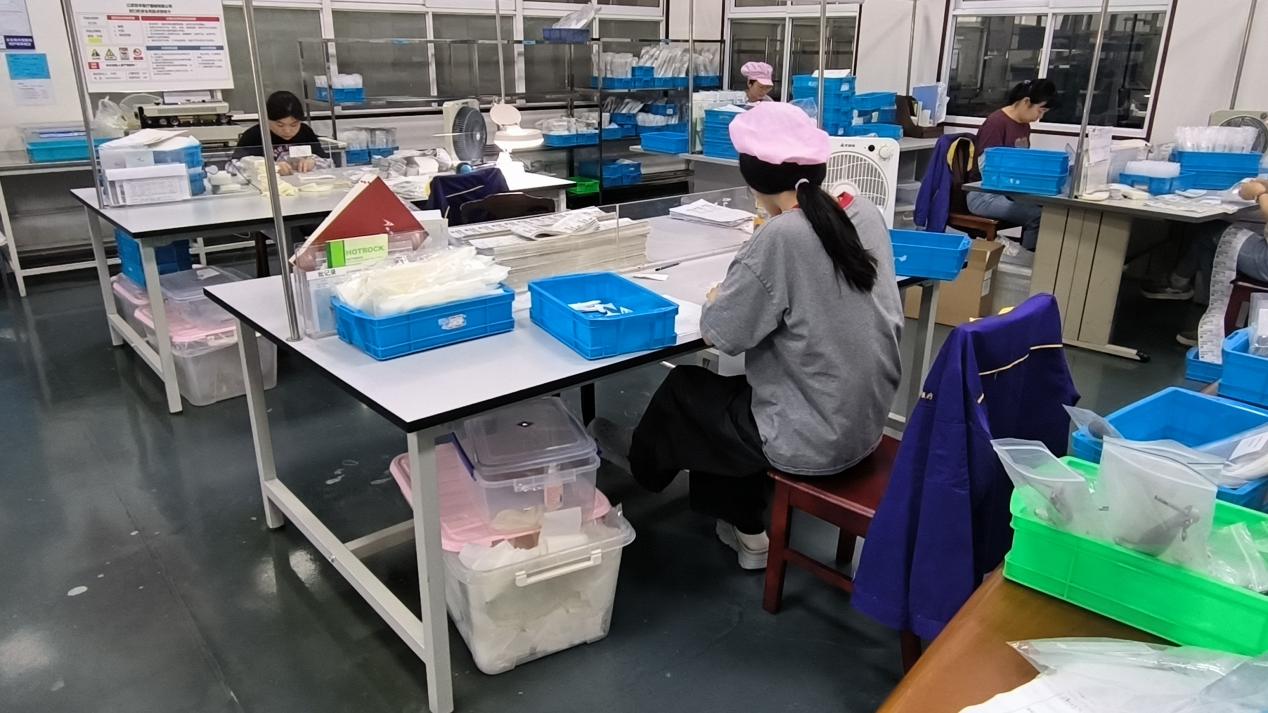
We have engineered our packaging and sterilization protective barriers specifically to withstand the equatorial humidity and shipping configurations common to Central Africa, ensuring that imports arriving via the Port of Matadi or Ndjili Airport remain completely sterile and vacuum-sealed until surgical use.
For over two decades, our factory has refined its production of clinical-grade orthopedic implants. Holding 214 CE certificates and complying fully with ISO 13485 quality systems, we utilize only premium medical-grade Titanium Alloy (Ti-6Al-4V ELI) and implant-grade Stainless Steel (316L). By control-milling our locking plates to exact anatomical tolerances, we reduce the need for intraoperative plate contouring, which preserves the structural integrity of the metal and shortens operating times in high-pressure trauma theaters.
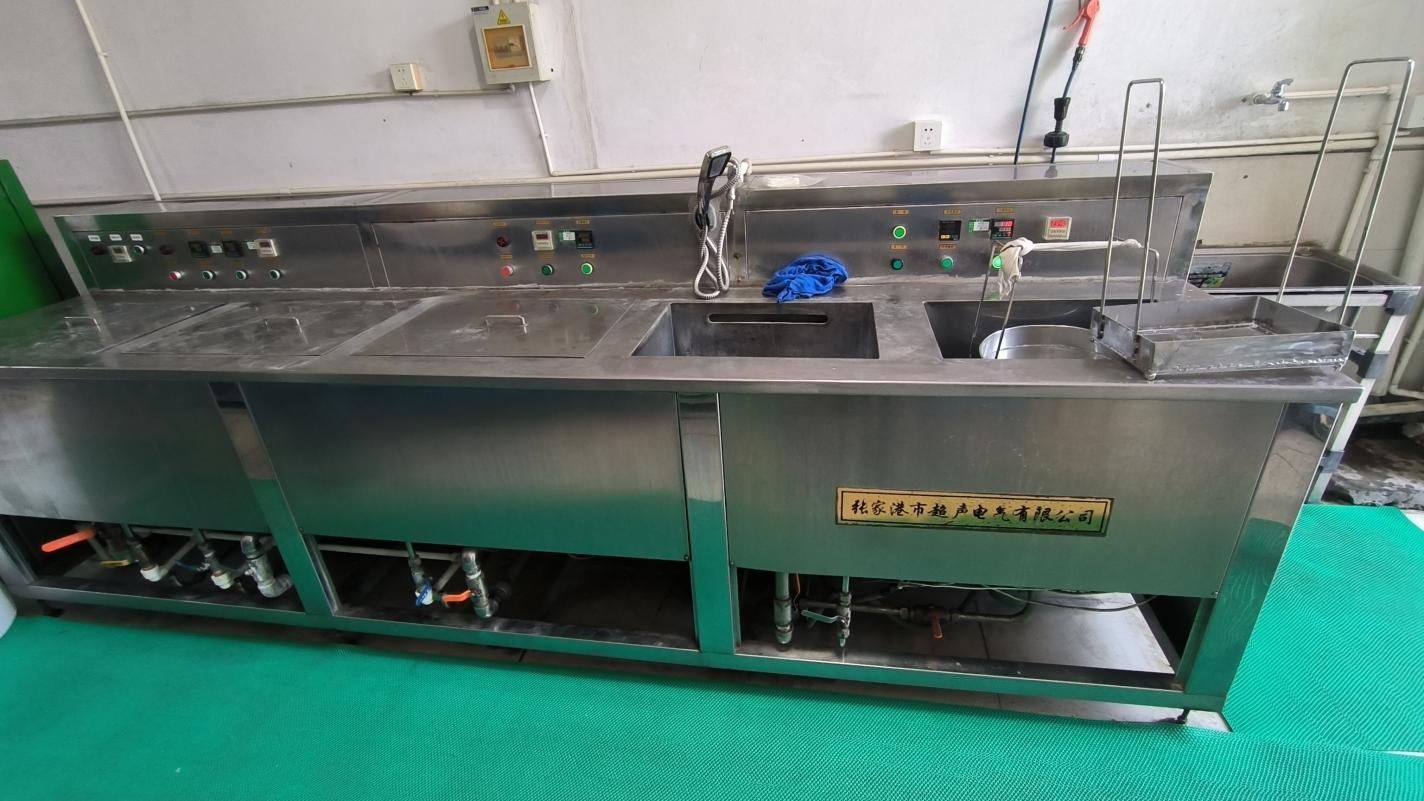
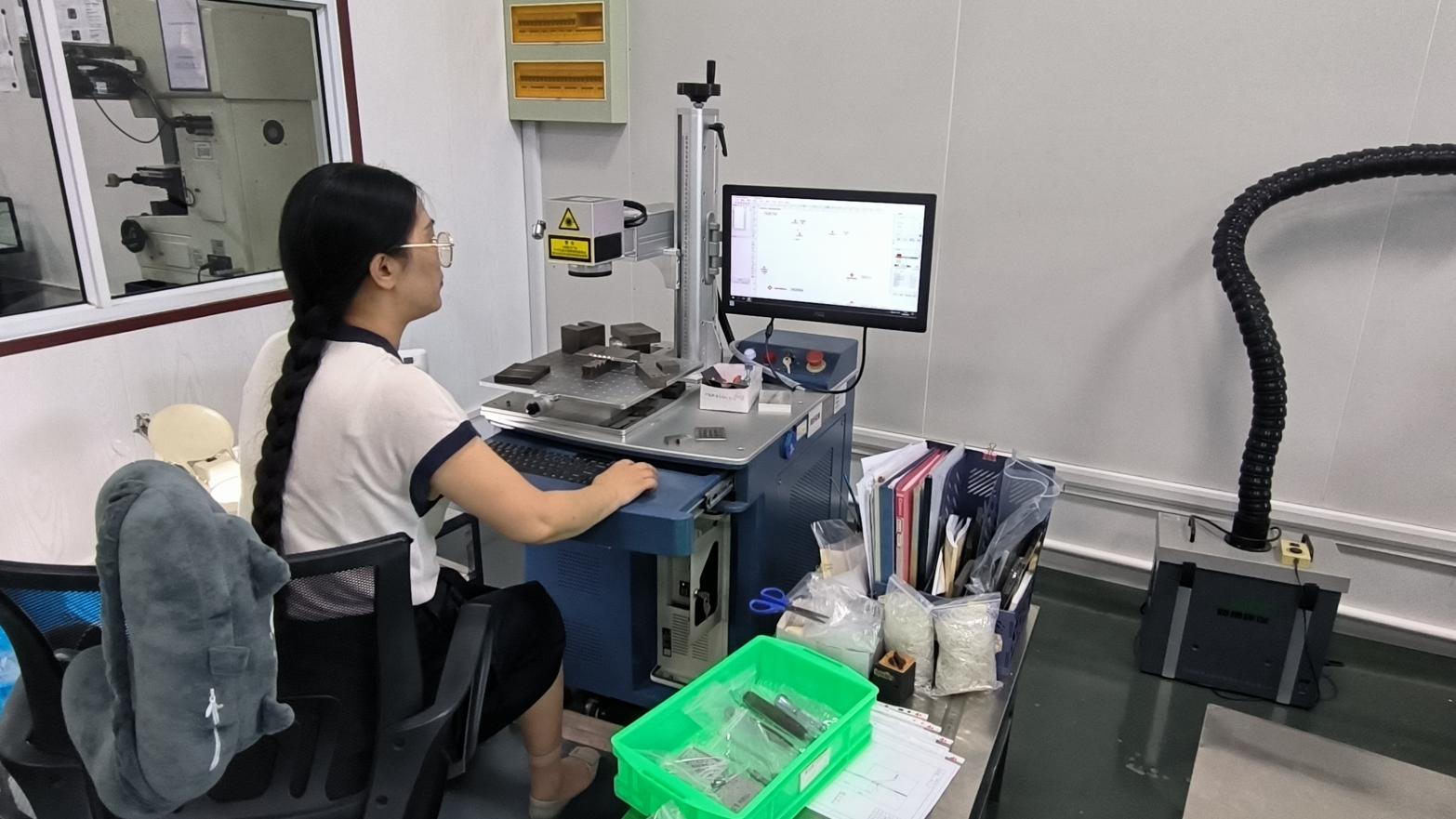
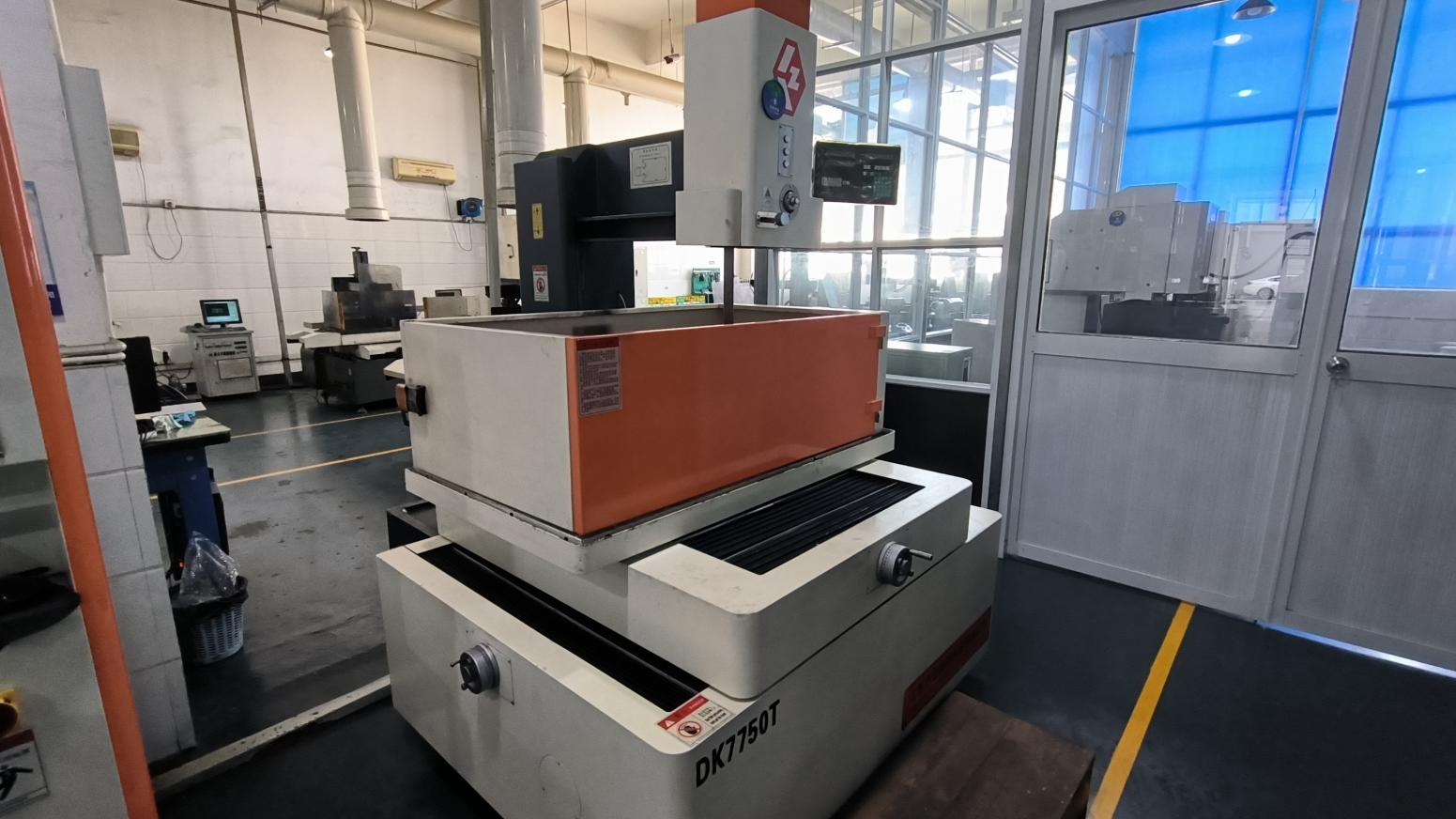
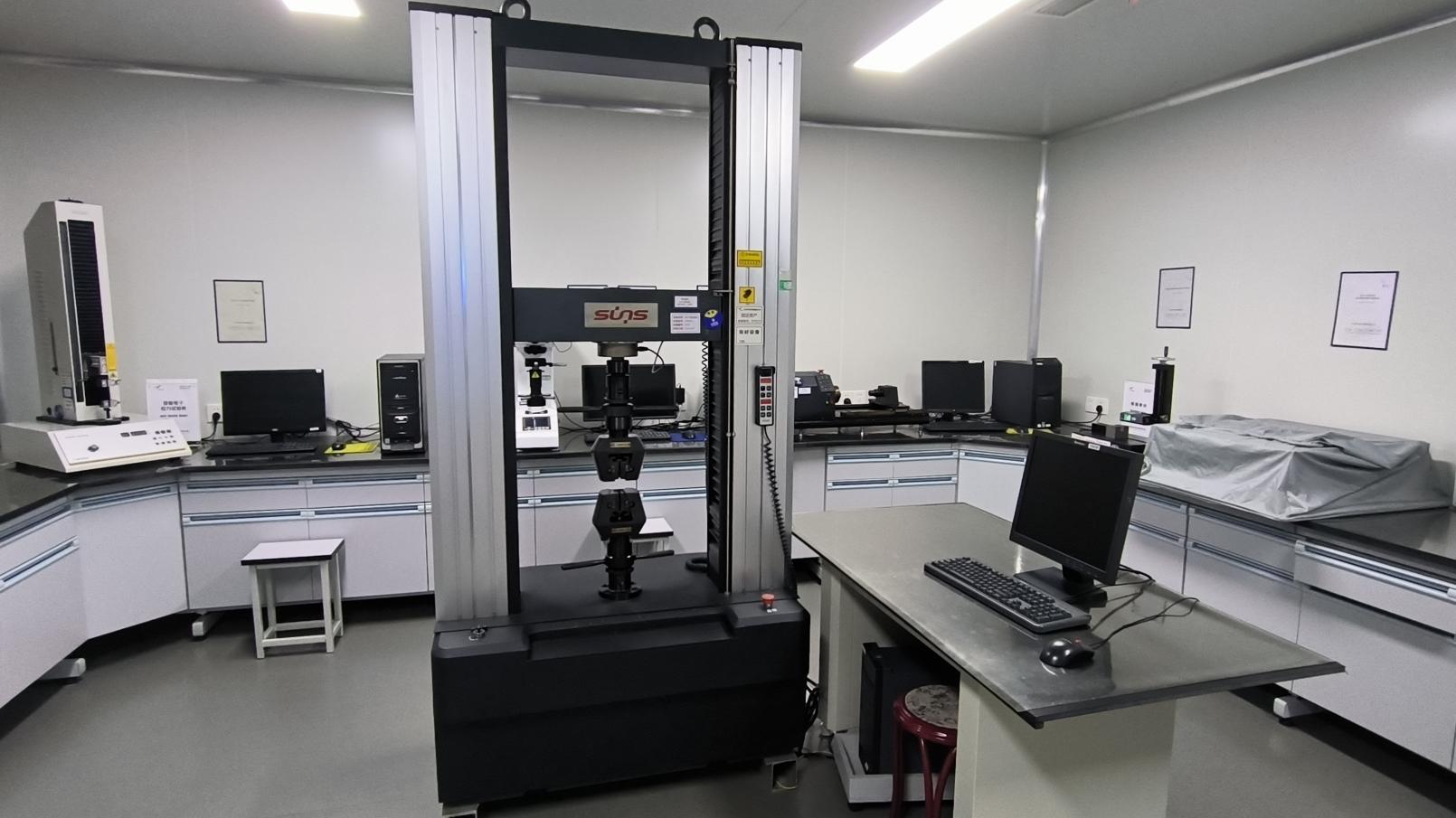
Our integrated facility utilizes precision CNC machining, multi-axial wire cutting, and rigorous tensile testing to deliver implants that match global healthcare standards.
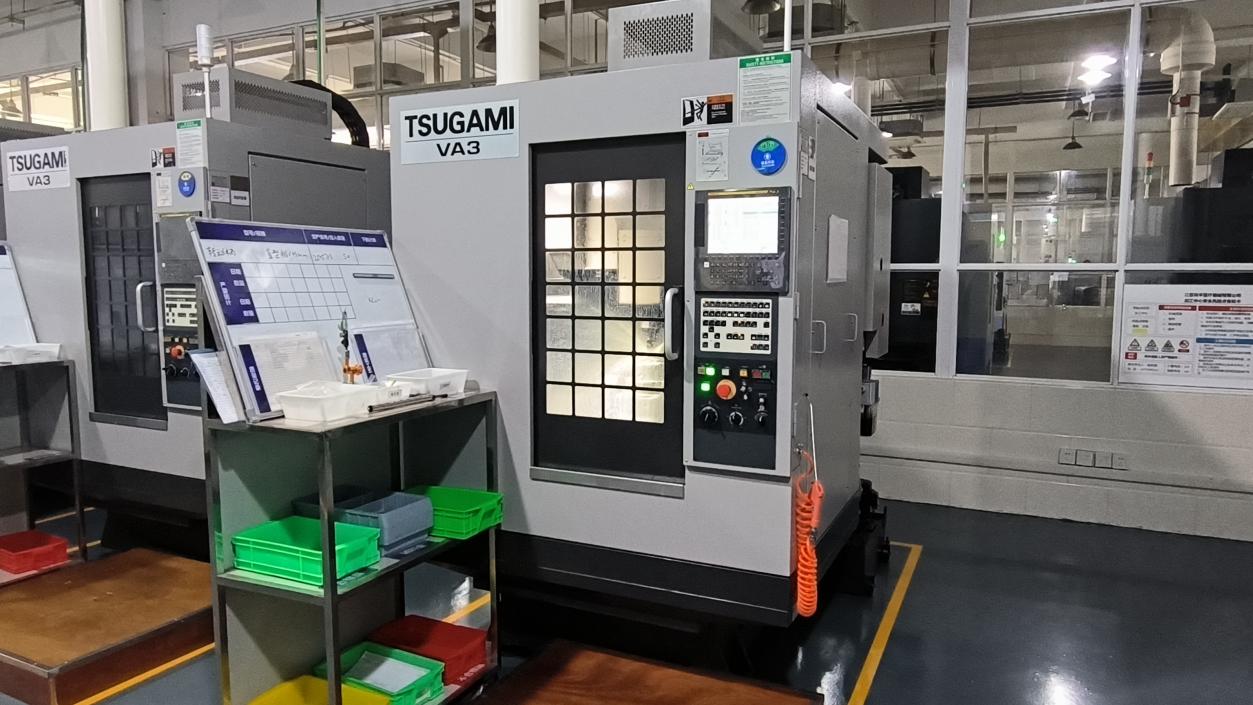
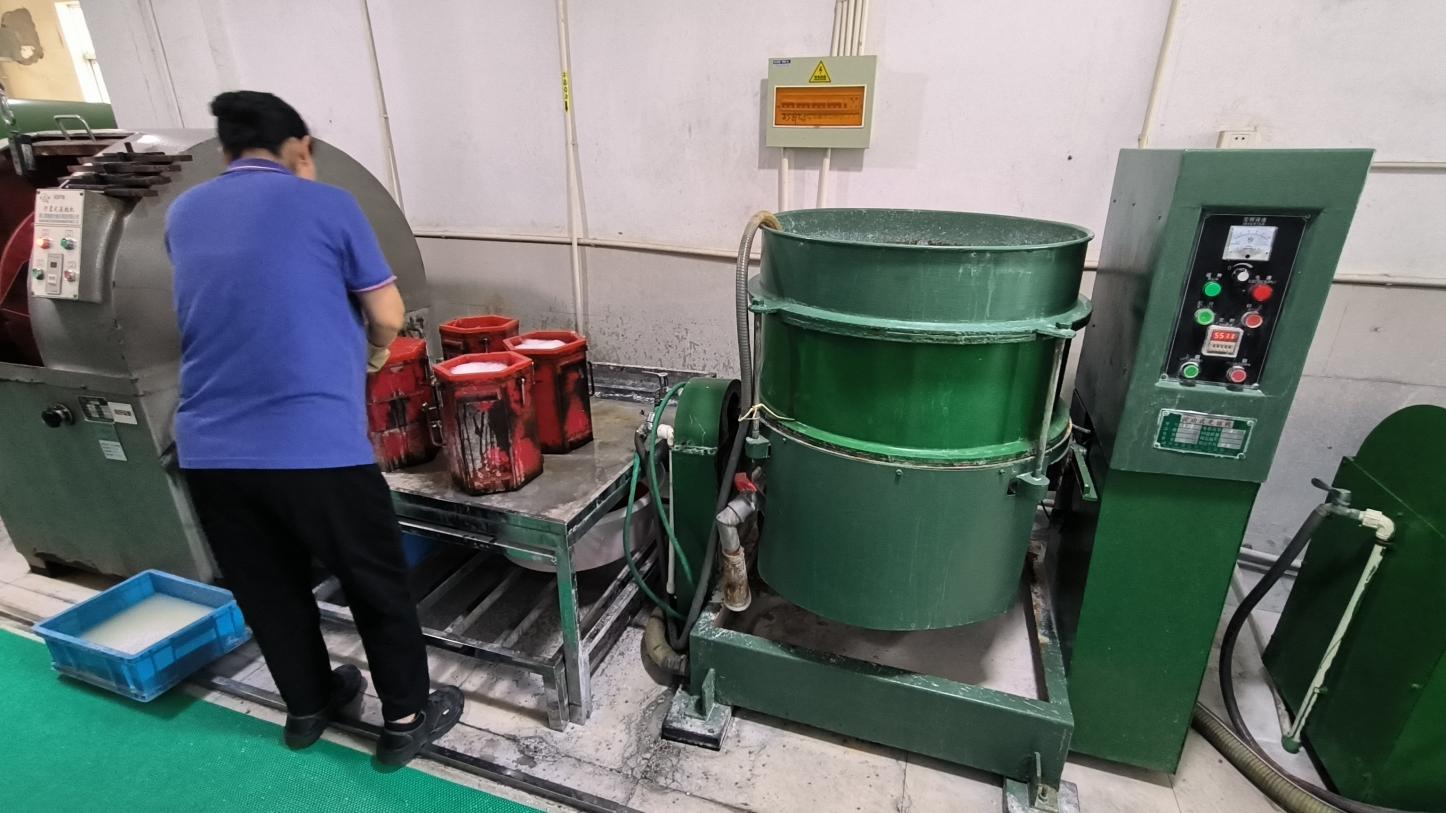
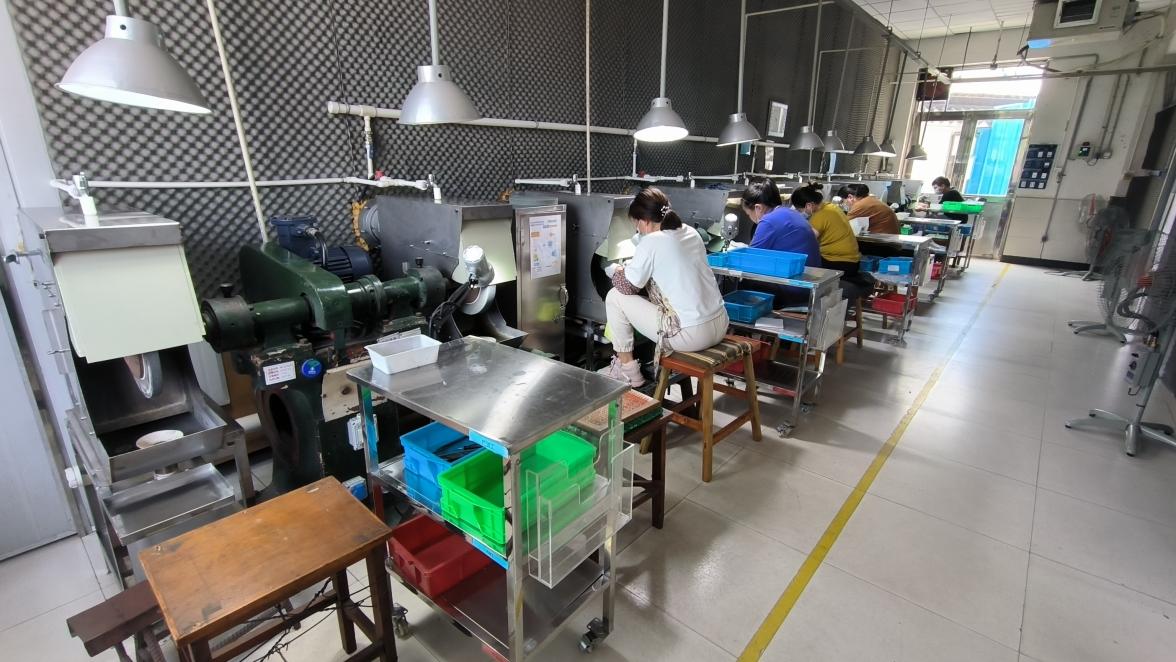
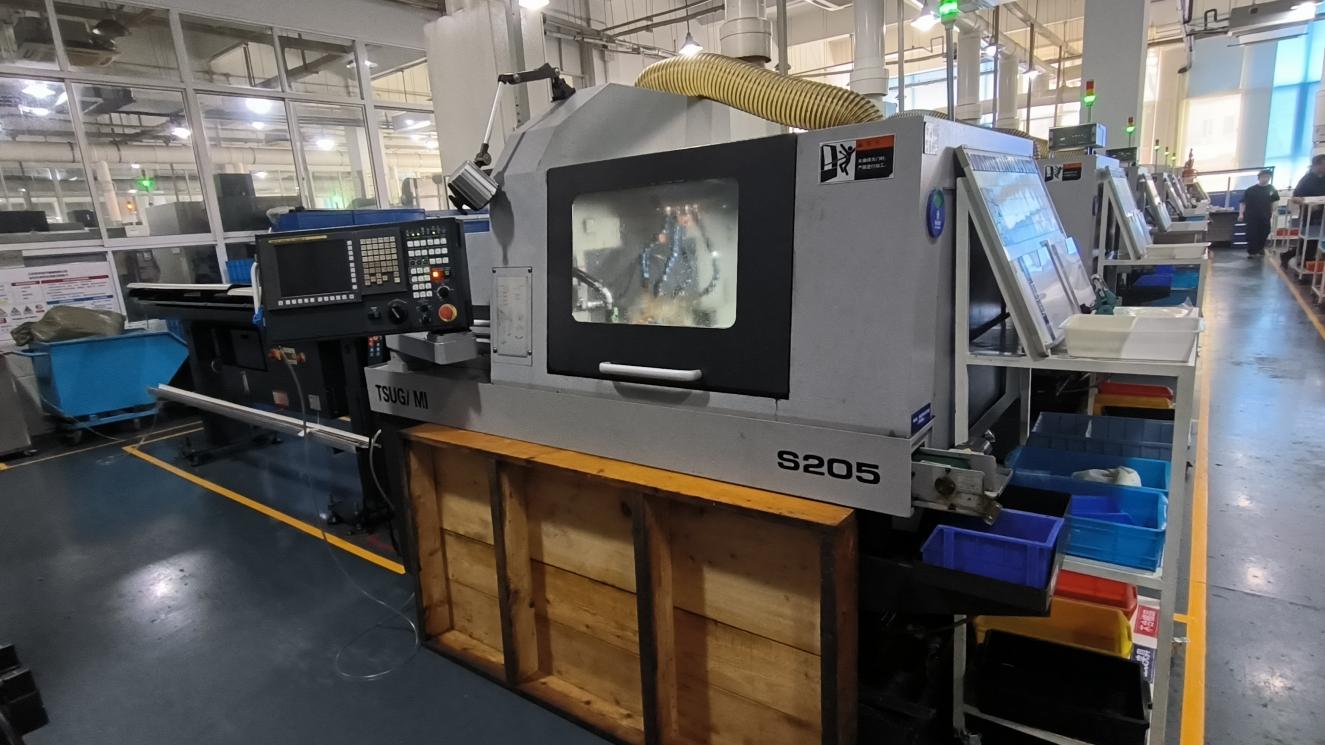
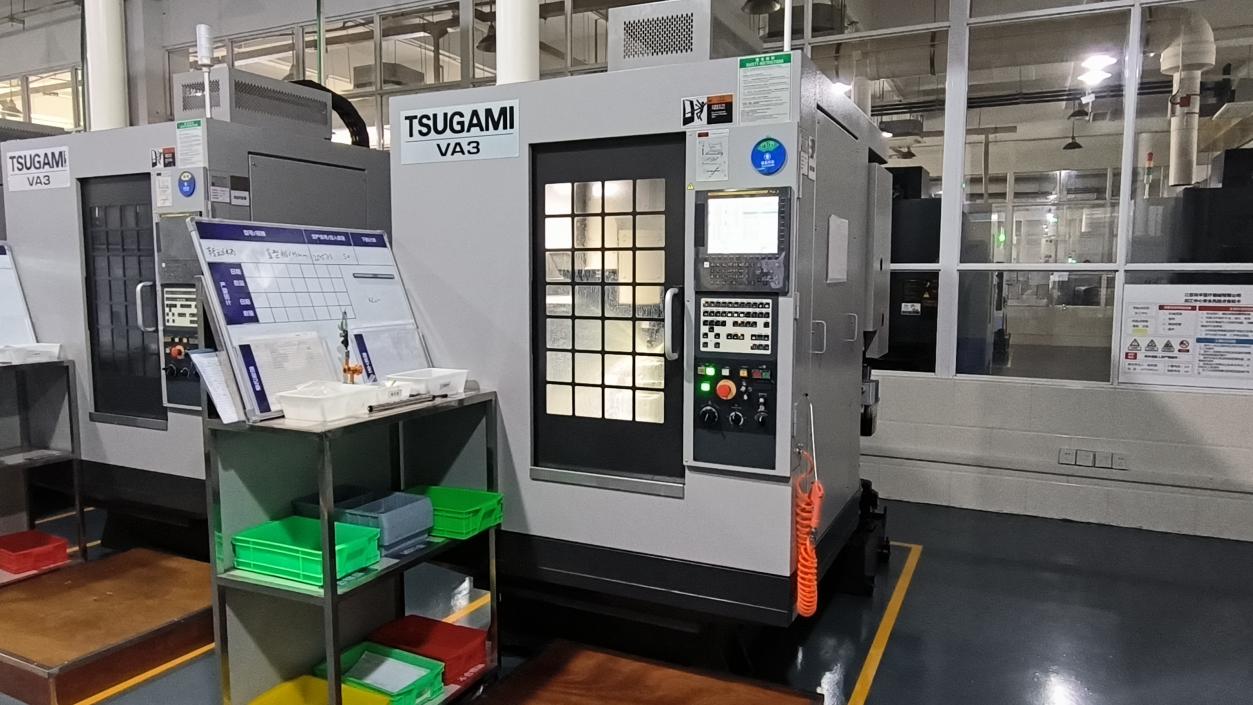
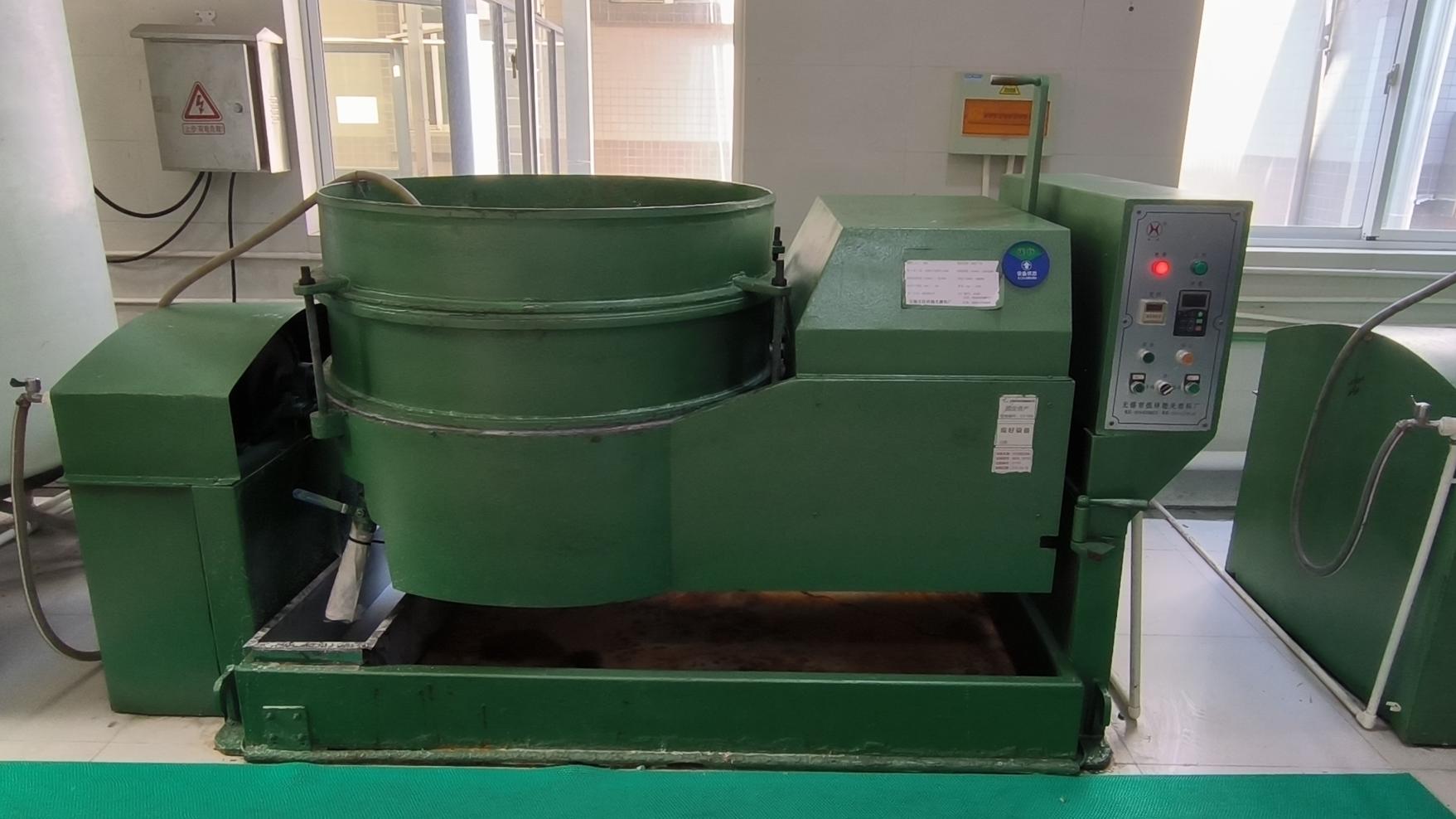
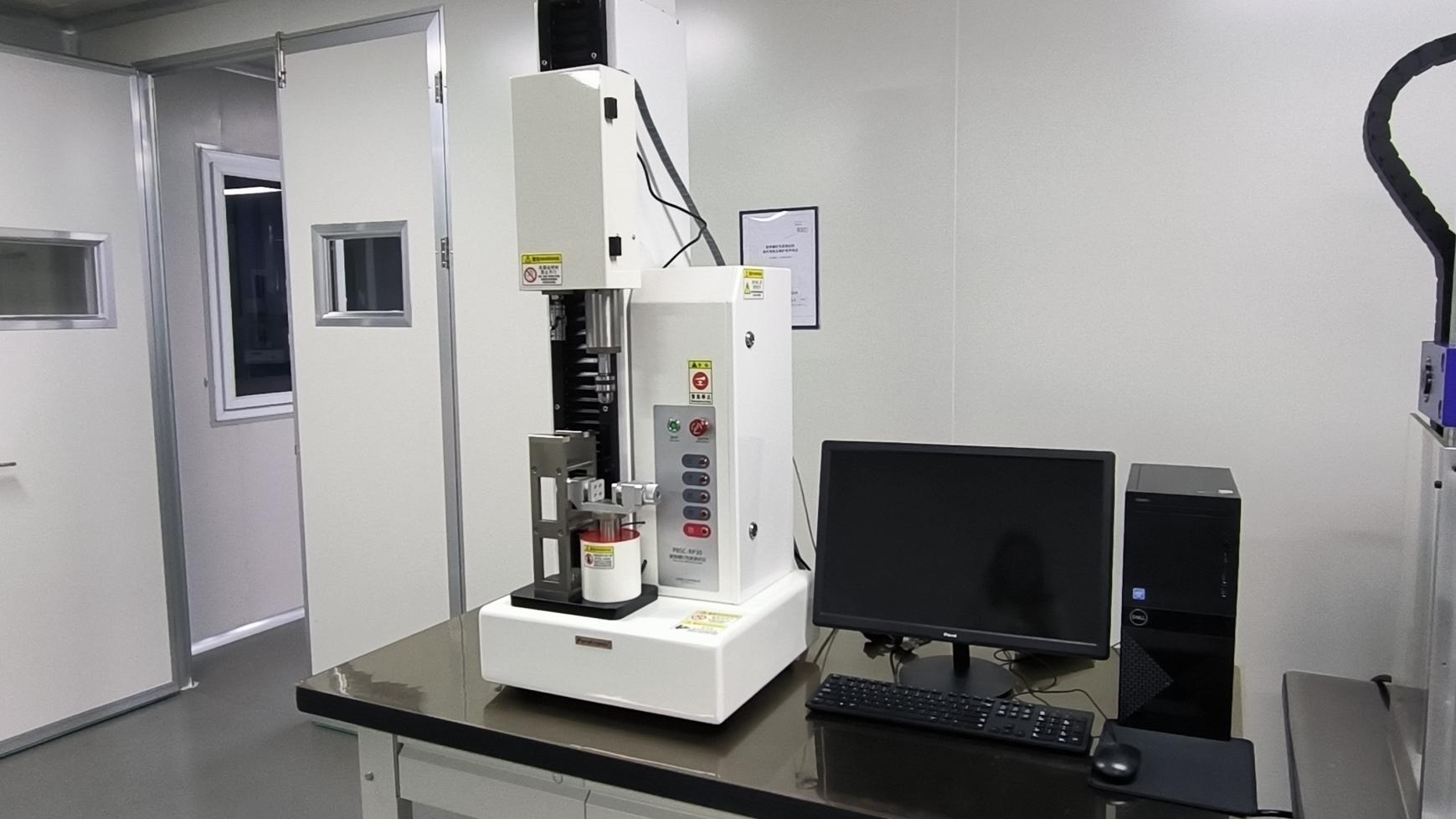
The global orthopedic fixation industry is experiencing a paradigm shift from rigid stabilization towards load-sharing biological fixation. High-tech locking plate designs incorporate Combi-Holes that accept either standard dynamic compression screws or threaded locking screws. This flexibility allows surgeons to combine compression and angular stability as needed. Modern variable-angle technology further permits up to a 15-degree cone of deviation, enabling targeted fixation of specific fragments without compromising plate strength.
Modern designs support Minimally Invasive Plate Osteosynthesis (MIPO). The plate sits off the periosteum, protecting vital local blood supply to aid faster bone healing.
Anodized Type II surfaces increase corrosion protection, prevent tissue adhesion, and reduce metallic ion release into surrounding tissue.
Plates are pre-contoured based on clinical CT databases of human skeletons, reducing the need for intraoperative bending and saving valuable surgical time.
For the DR Congo healthcare sector, incorporating these technologies supports improved post-surgical recovery profiles and helps decrease long-term complication rates. Our commitment to supplying high-integrity locking plates allows local medical centers to offer advanced trauma care options directly to their patient communities.
A comprehensive portfolio of anatomical locking plates, specialized osteotomy systems, and instrumentation kits configured for DR Congo distribution networks.
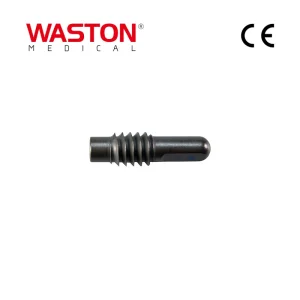
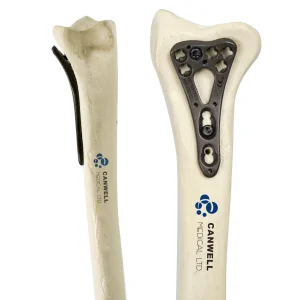
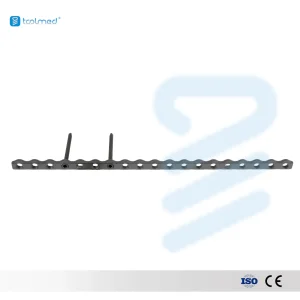
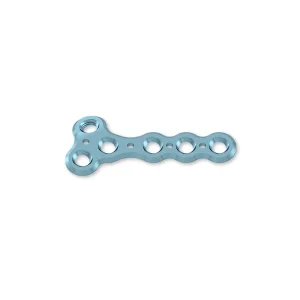
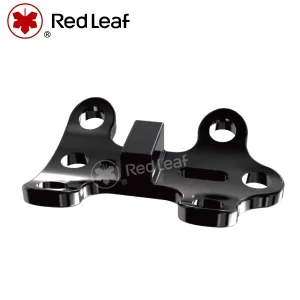
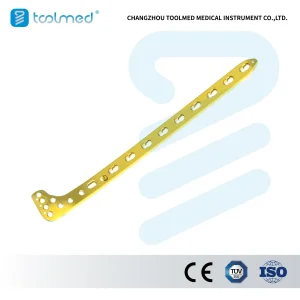
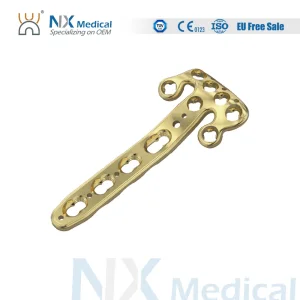
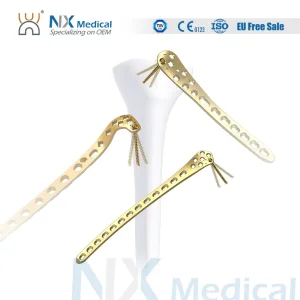
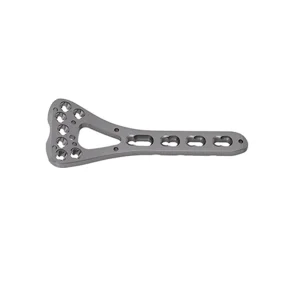
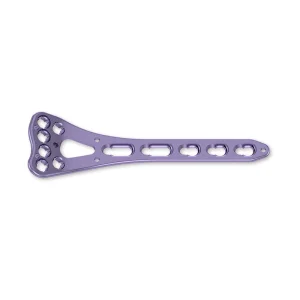
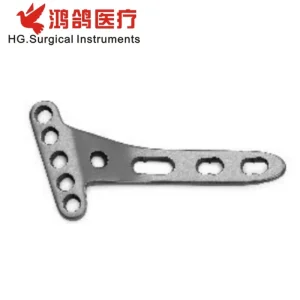
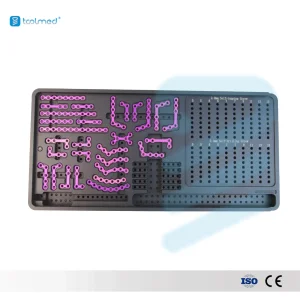
To support high-quality clinical performance in DR Congo, our implants are designed to address the challenges of localized corrosion and mechanical stress. Using advanced multi-axial testing machines, we subject all locking plates to fatigue analysis simulating long-term skeletal loading. This design approach is key to minimizing post-operative complications and ensuring long-term construct stability.
Depending on the clinical requirements of the fracture, surgeons in DR Congo can select either Titanium (Ti) or Stainless Steel (316L) constructs. Titanium features a lower elastic modulus, matching human bone more closely and reducing stress shielding, which helps lower the risk of refracture after implant removal. Additionally, titanium has high biocompatibility and forms a stable oxide layer that minimizes local inflammatory responses. Stainless steel, on the other hand, provides increased shear strength and mechanical stiffness, making it suitable for certain high-load femoral and tibial diaphyseal applications.
| Feature Parameter | Titanium LCP Implants (Ti-6Al-4V ELI) | Stainless Steel LCP (316LVM) |
|---|---|---|
| Modulus of Elasticity | ~ 110 GPa (closer to cortical bone) | ~ 200 GPa (rigid fixation) |
| MRI Compatibility | Highly compatible (minimal artifacts) | Moderate artifact generation |
| Biocompatibility & Corrosion | Excellent (passive TiO2 protective film) | Good (highly passivated surface layer) |
| Indication Preference | Articular fractures, low bone density | High load weight-bearing bone segments |
Delivering medical devices to destinations like Lubumbashi or Goma requires efficient logistics management. Our export division oversees the entire documentation process, providing certified certificates of analysis, detailed packing lists, and sterilization logs. We maintain relationships with major cargo routes to facilitate clearance through the Port of Matadi and Ndjili International Airport, supporting steady product availability for local healthcare distributors and hospital networks across the region.
Technical guidance for surgeons, hospital procurement managers, and medical distributors operating in DR Congo.
Every locking plate and screw package contains a unique trace batch identifier corresponding to raw material mill sheets and quality inspection reports. We supply full CE certification documentation and compliance papers with every shipment for customs validation in DR Congo.
We supply complete implant instrument sets corresponding to our plate configurations. These include customized drill bits, taps, screwdrivers, plate benders, and sterilization containers designed to withstand repeat autoclave processing cycles.
They should not be mixed within the same construct to avoid galvanic corrosion. In high load-bearing lower limb cases, surgeons often choose Stainless Steel for stiffness, whereas Titanium is typically selected for pediatric, articular, or osteoporotic applications to minimize stress shielding.
Our international logistics team manages freight configurations, utilizing air freight via Ndjili International Airport for urgent orders, and secure sea routing via the Port of Matadi. We work closely with local clearing agents to facilitate efficient customs entry.
Get in touch with our technical sales division to request a comprehensive catalog, obtain sample certificates, and receive custom pricing options configured for your hospital distribution network in DR Congo.
Send Inquiry Now