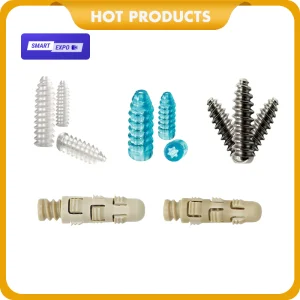
Blutree Orthopedic Implants
Blutree Orthopedic Implants
Blutree Orthopedic Implants
Engineered for high pull-out strength, reliable insertion torque, and biocompatibility in orthopedic reconstruction procedures.
Banfora, the capital of the Cascades Region in Burkina Faso, is undergoing a pivotal transformation in its healthcare delivery networks. Historically dependent on centralized medical hubs in Bobo-Dioulasso and Ouagadougou for complex surgical interventions, regional initiatives are actively boosting the capacity of local facilities like the Regional Hospital Center of Banfora (CHR de Banfora). As traumatology wards experience a rise in admissions, the supply of high-grade surgical consumables, particularly orthopaedic implants and fixation elements, has emerged as a cornerstone of local medical strategy.
The region’s economic foundation—driven by intense agro-industrial activities such as sugarcane cultivation, sugar refining, and cotton processing—exposes its workforce to unique physical risk factors. Heavy machinery operation and localized transport reliance on two-wheeled vehicles contribute to high rates of musculoskeletal trauma and ligamentous ruptures. To restore patient mobility and minimize long-term vocational disability, modern sports medicine interventions—specifically anterior and posterior cruciate ligament (ACL/PCL) reconstructions—are becoming standard surgical targets in West Africa.
"Delivering reliable, bio-compatible, and high-tensile interference screws directly to Banfora’s healthcare practitioners addresses a critical supply chain disparity, raising regional surgical success rates and reducing the necessity for outbound patient transfers."
Logistical bottlenecks in Sub-Saharan Africa often lead to surgical delays, compromised device integrity, and lack of standardized implant sizing. Importing medical devices into landlocked Burkina Faso requires a combination of strict compliance documentation, regional West African Economic and Monetary Union (UEMOA) registrations, and temperature-controlled, sterile logistics management.
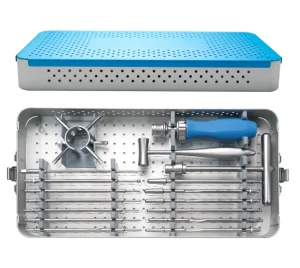
As a global exporter with over two decades of localized logistics experience, we resolve these challenges. We provide complete batch traceability, moisture-barrier sterile packaging, and prompt air-freight corridors to minimize lead times. Furthermore, our surgical kits include matched driver instruments, ensuring that orthopedic surgeons in Banfora are fully equipped to achieve optimal insertional torque without compromising implant or graft integrity.
All devices are serialized and backed by extensive sterilization verification dossiers, matching international standards.
Analyzing the biochemical properties and biomechanics that drive long-term clinical efficacy in soft tissue-to-bone fixation.
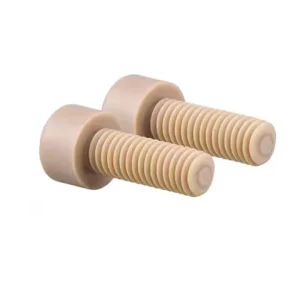
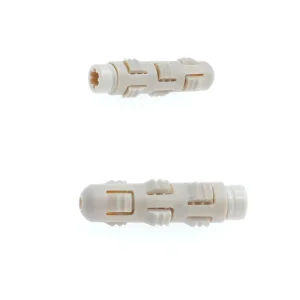
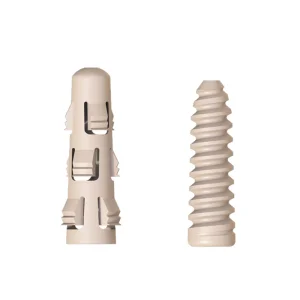
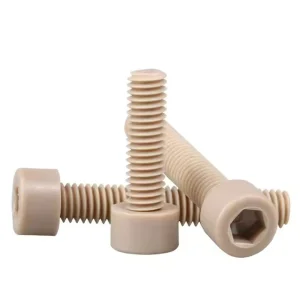
PEEK exhibits an elastic modulus (approx. 3.6 GPa) closely matching human cortical bone, which minimizes stress shielding. It maintains excellent biostability, high tensile fatigue limits, and produces zero imaging artifacts in MRI scans, allowing precise post-operative assessments.
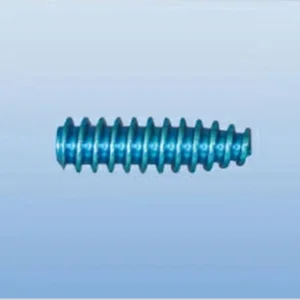
Formulated from Poly-L-lactic Acid blended with Hydroxyapatite, these screws undergo controlled hydrolysis in vivo. The HA additive acts as a buffer to local pH drops and provides an osteoconductive scaffold that encourages native bone replacement and limits osteolysis.
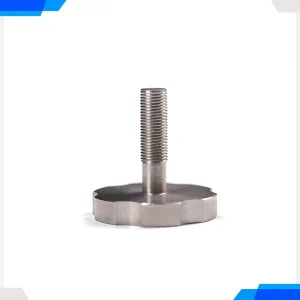
Optimized for laboratory instrumentation and specialized orthopedic imaging zones (such as MRI suites), our non-magnetic alloys and polymers prevent signal distortion and guarantee physical stability under extreme electromagnetic fields.
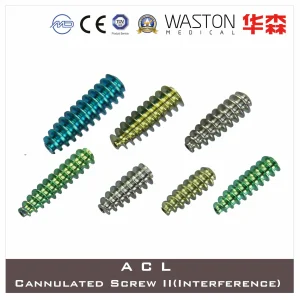
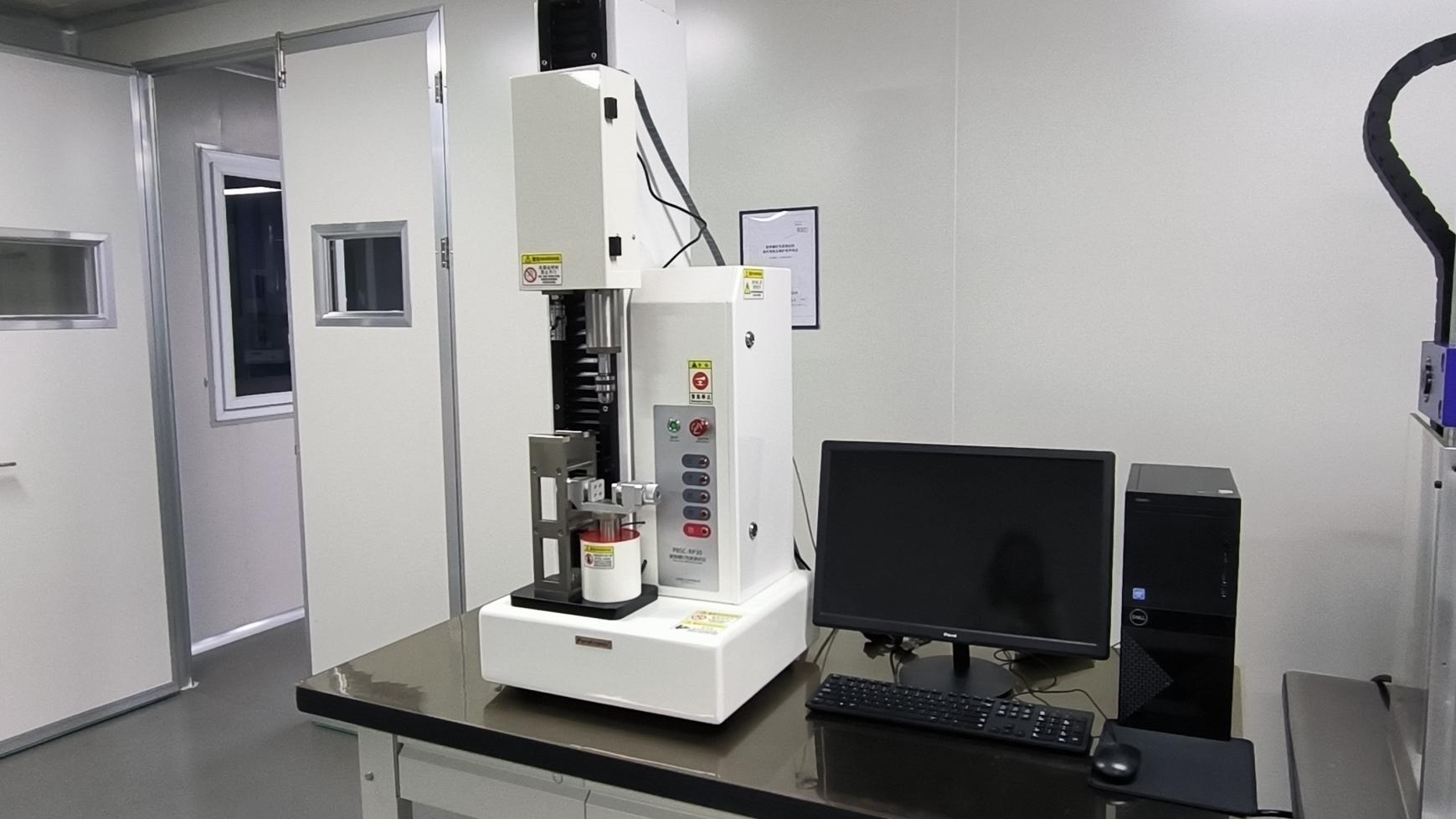
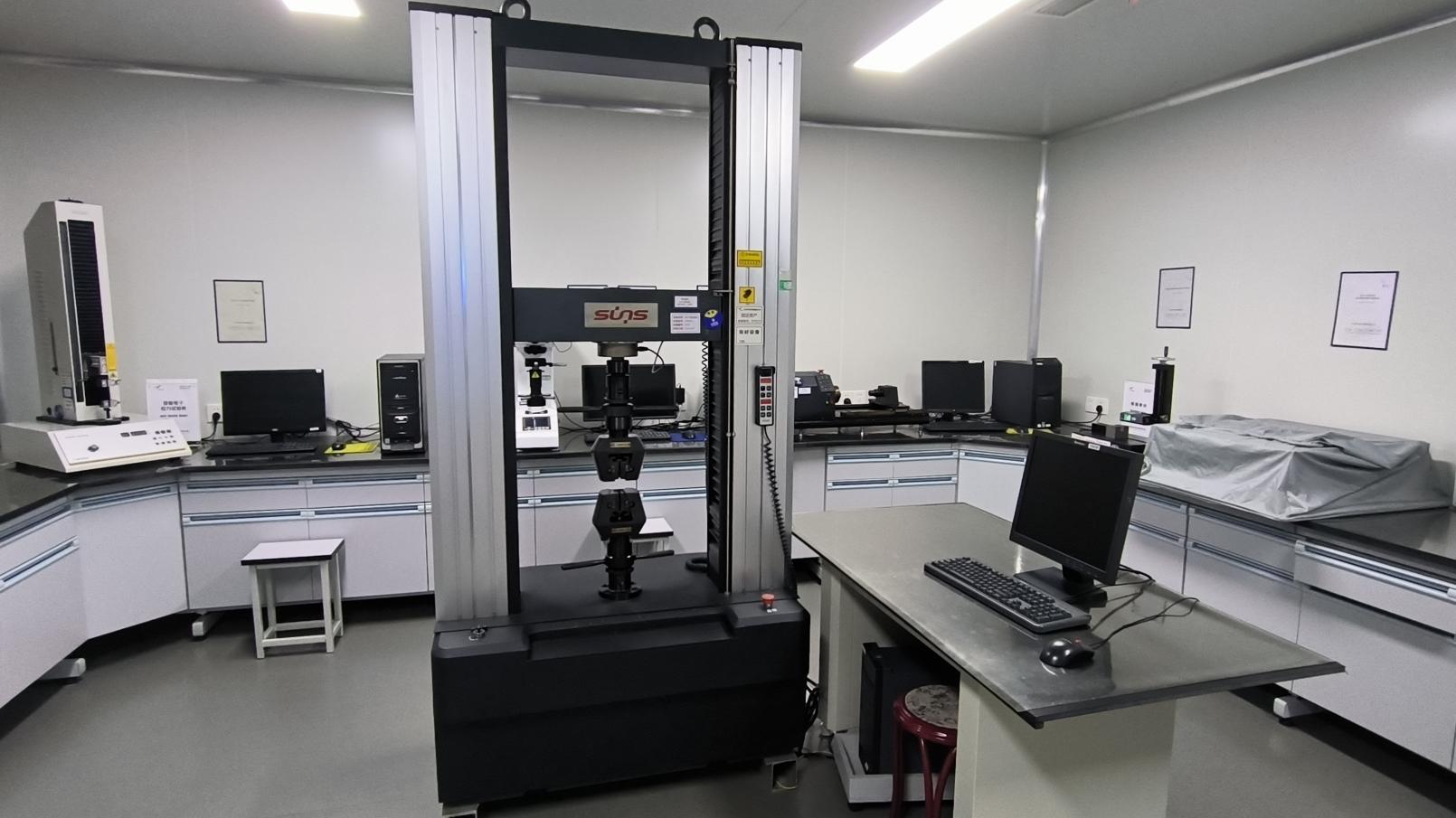
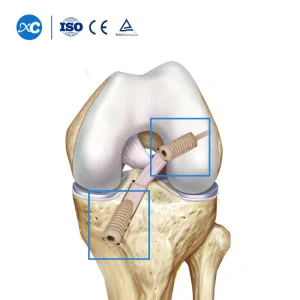
The primary objective of an interference screw is to achieve rigid fixation of the graft within the femoral and tibial tunnels until biological healing (osteointegration) is complete. Failure modes typically occur at the graft-implant interface during the early post-operative mobilization phase. Our screw geometries feature rounded thread profiles to avoid graft laceration, combined with optimized pitches that distribute shear stresses evenly along the bone tunnel wall. Extensive pull-out testing confirms that our design handles load cycles far exceeding normal physiological parameters, giving patients in the Cascades Region reliable surgical recovery profiles.
Founded in 1999, we have established our presence as a globally recognized manufacturer of precision orthopedic implants.
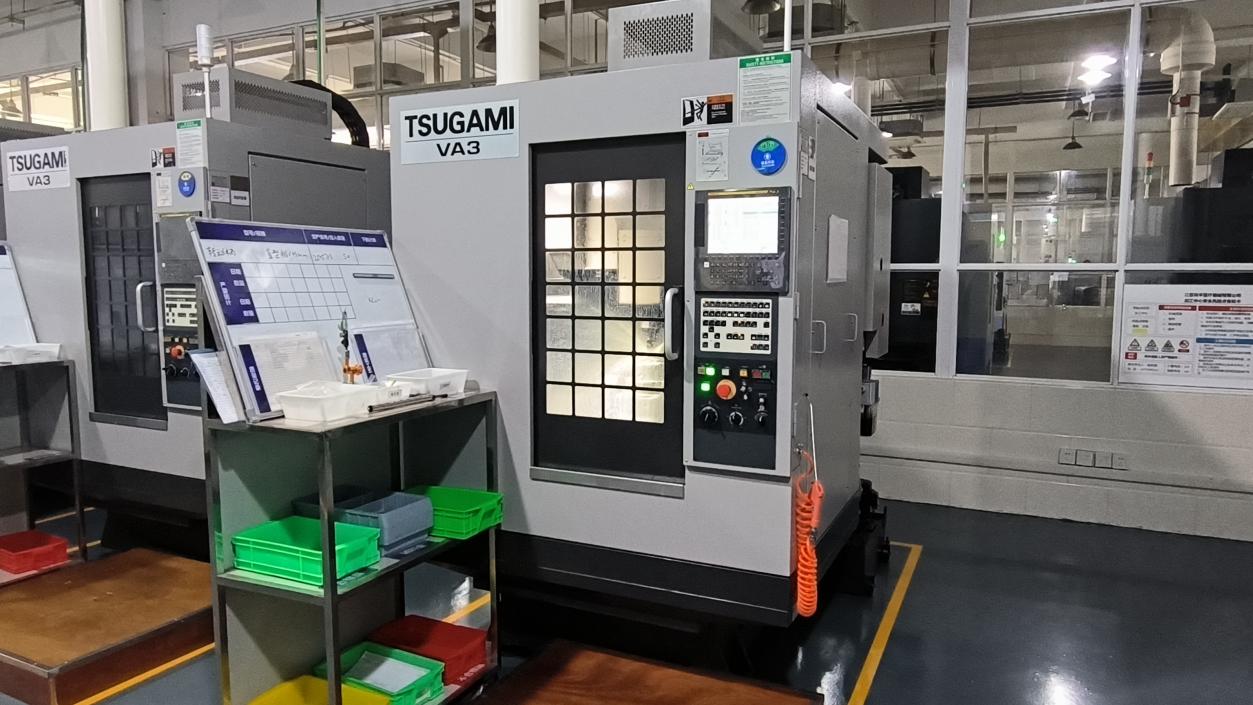
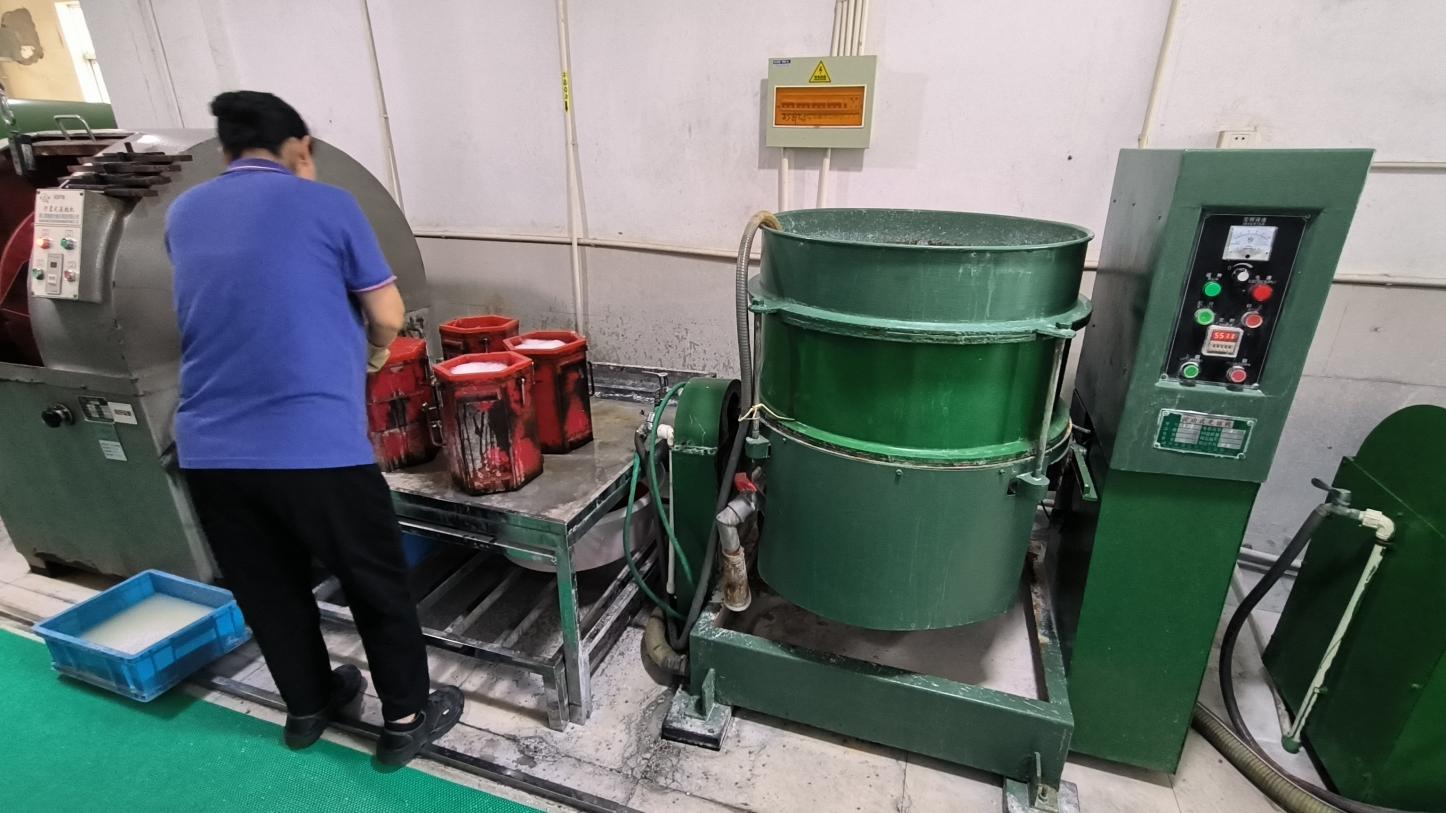
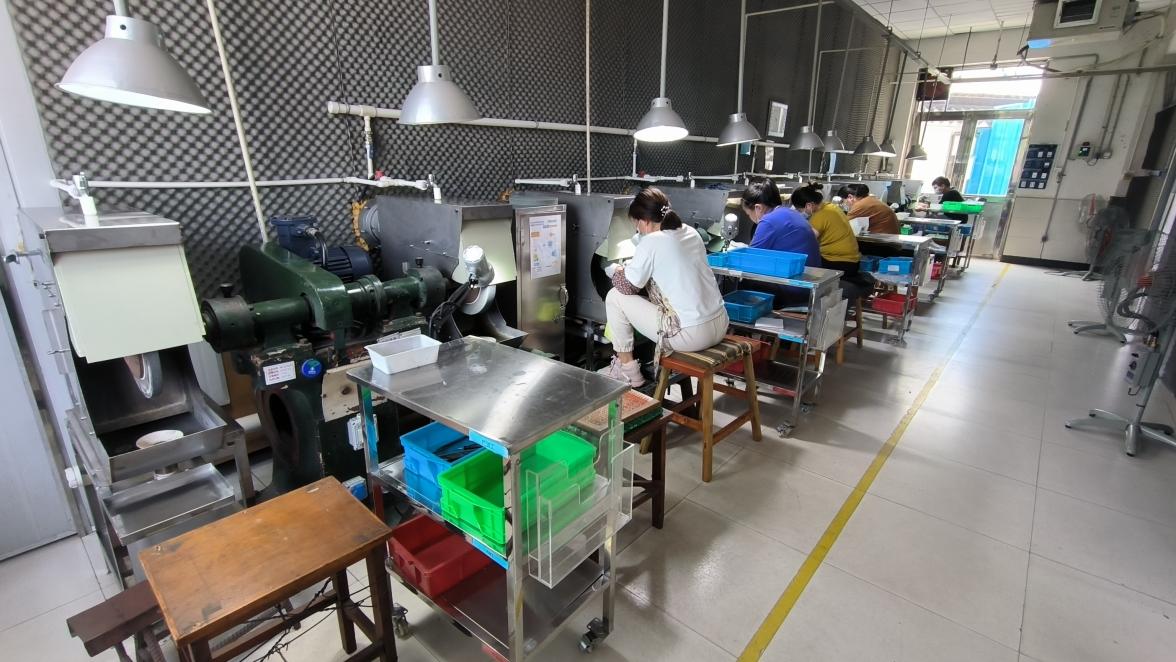
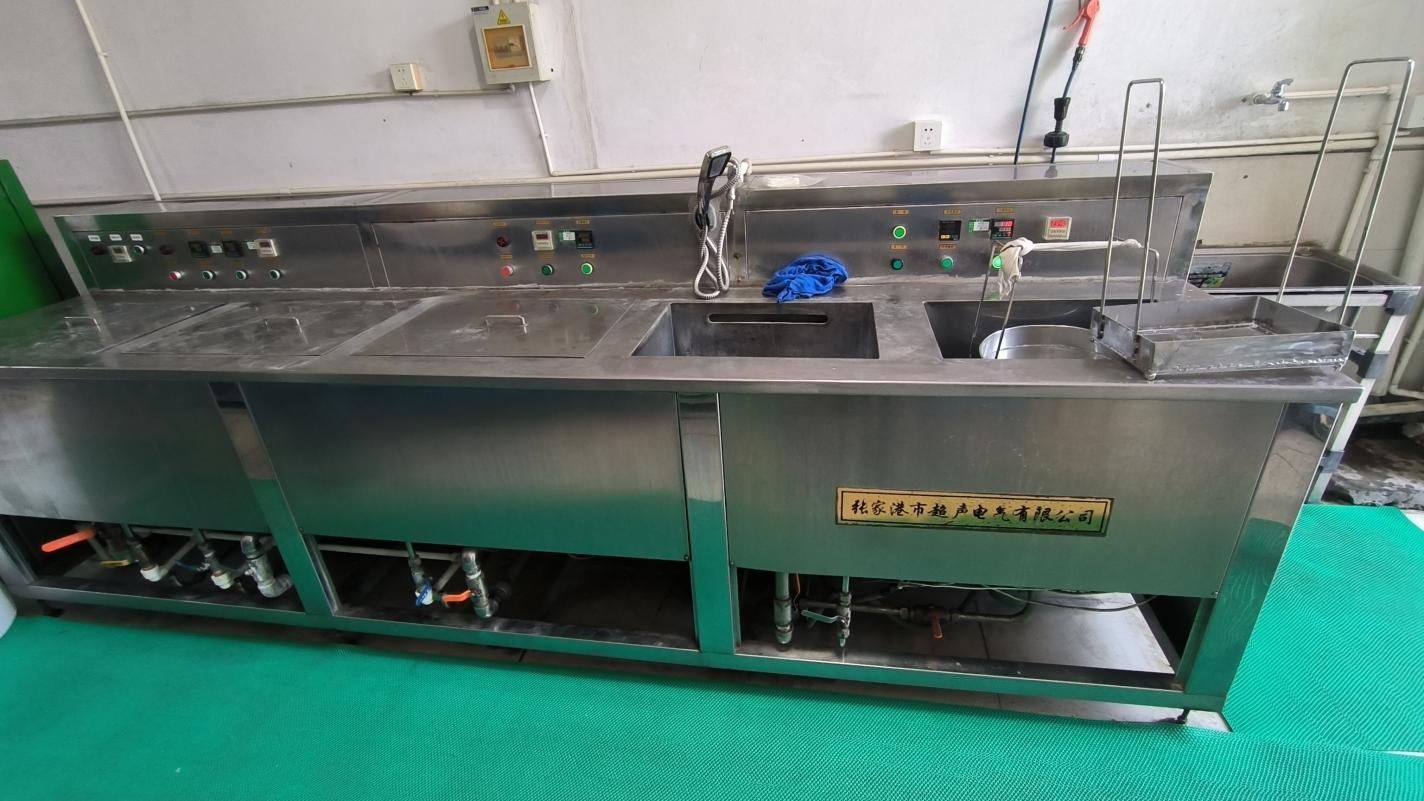
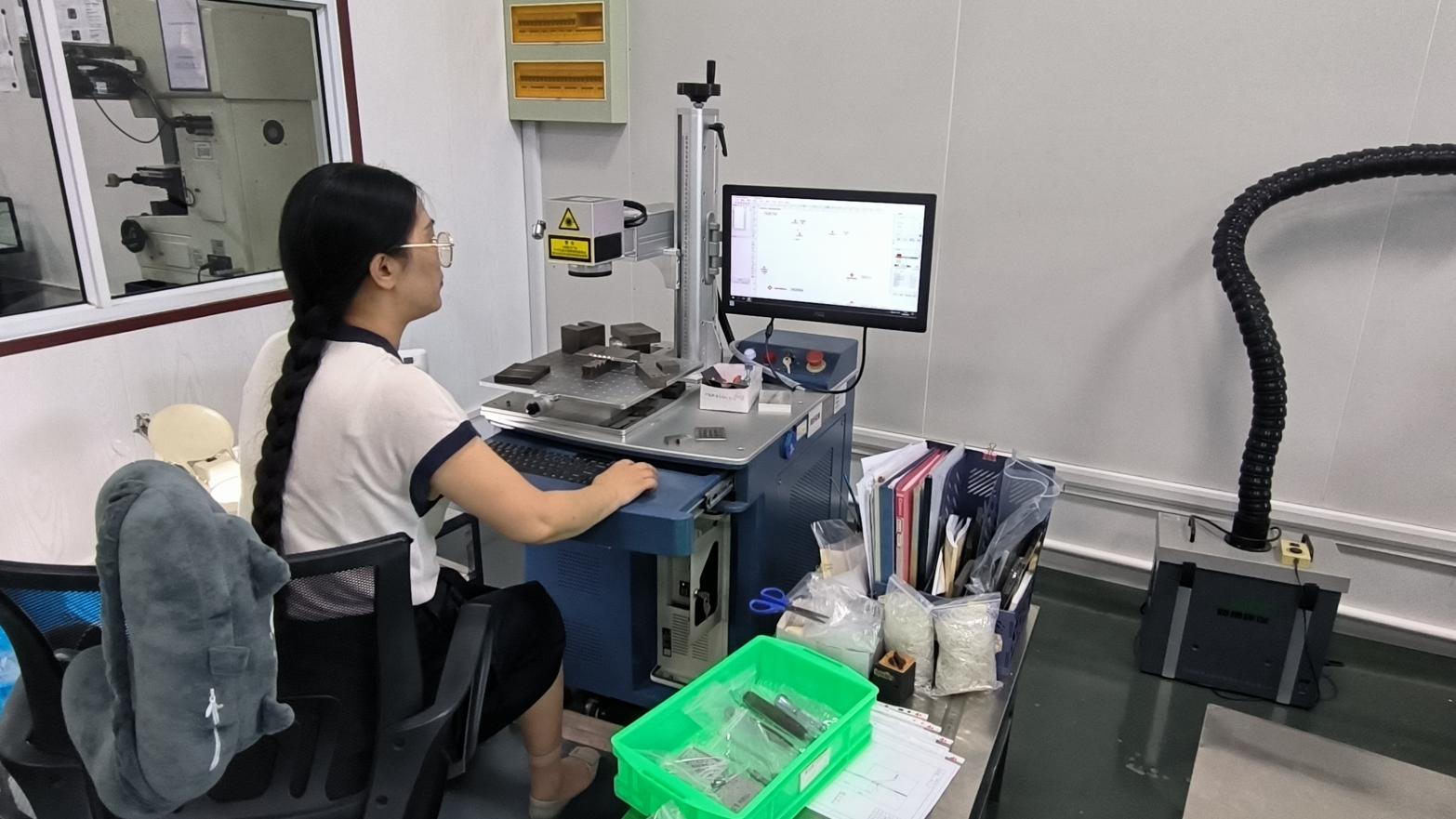
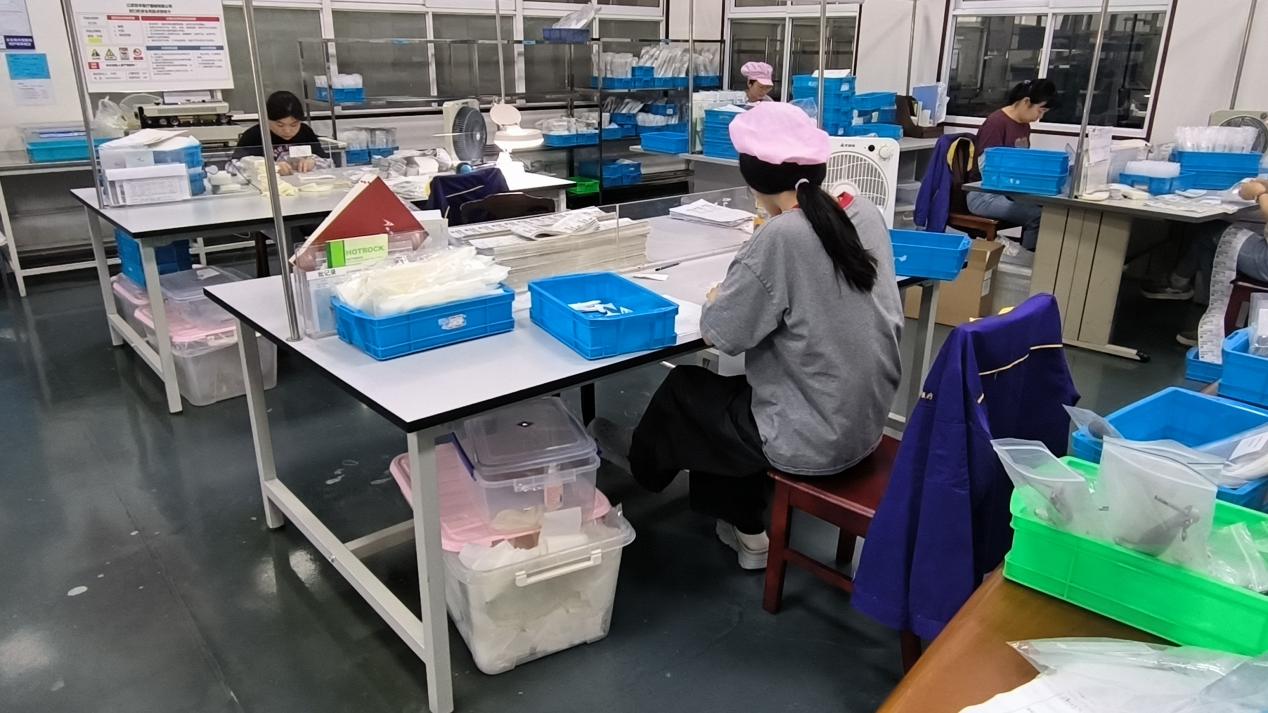
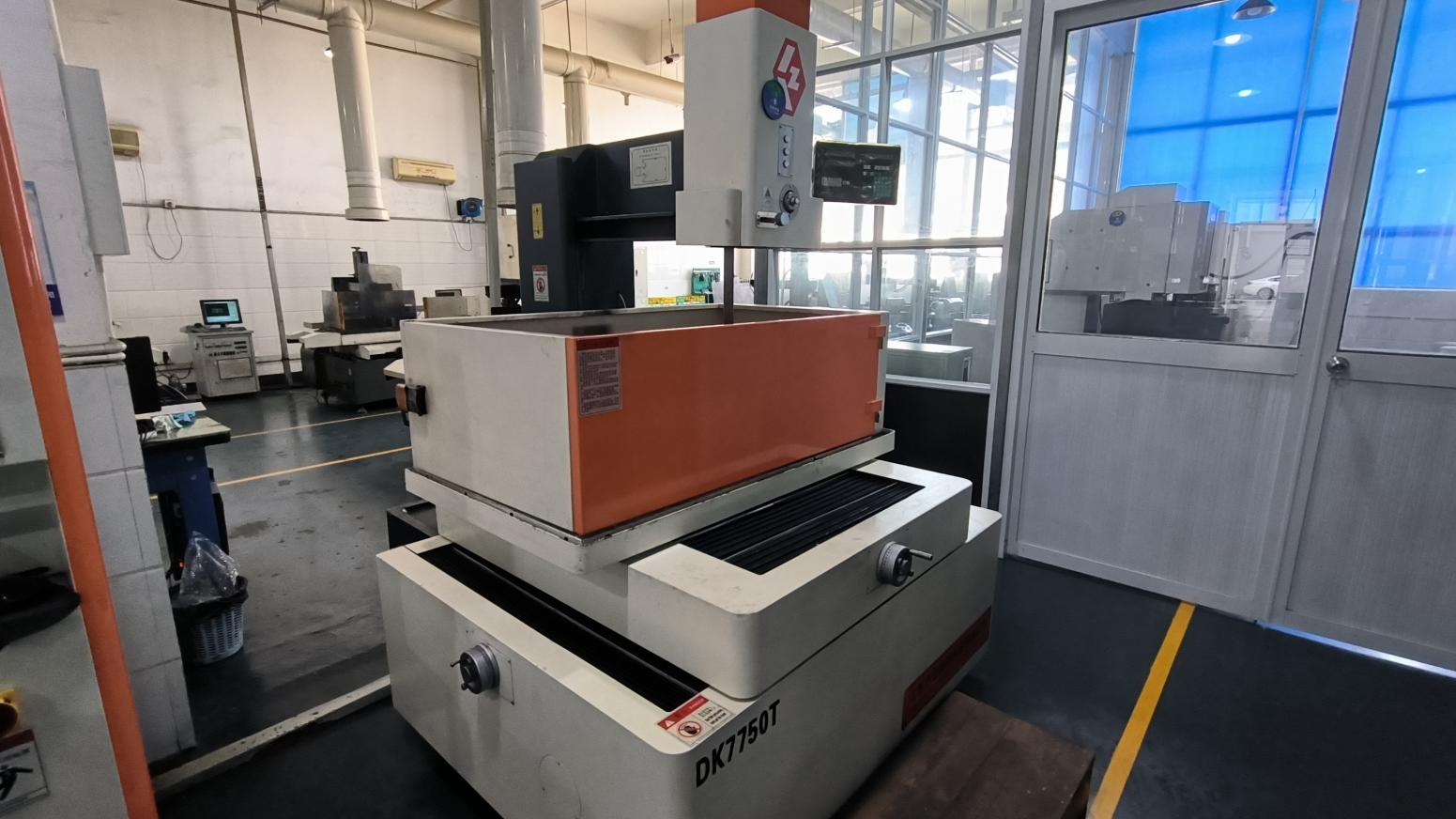
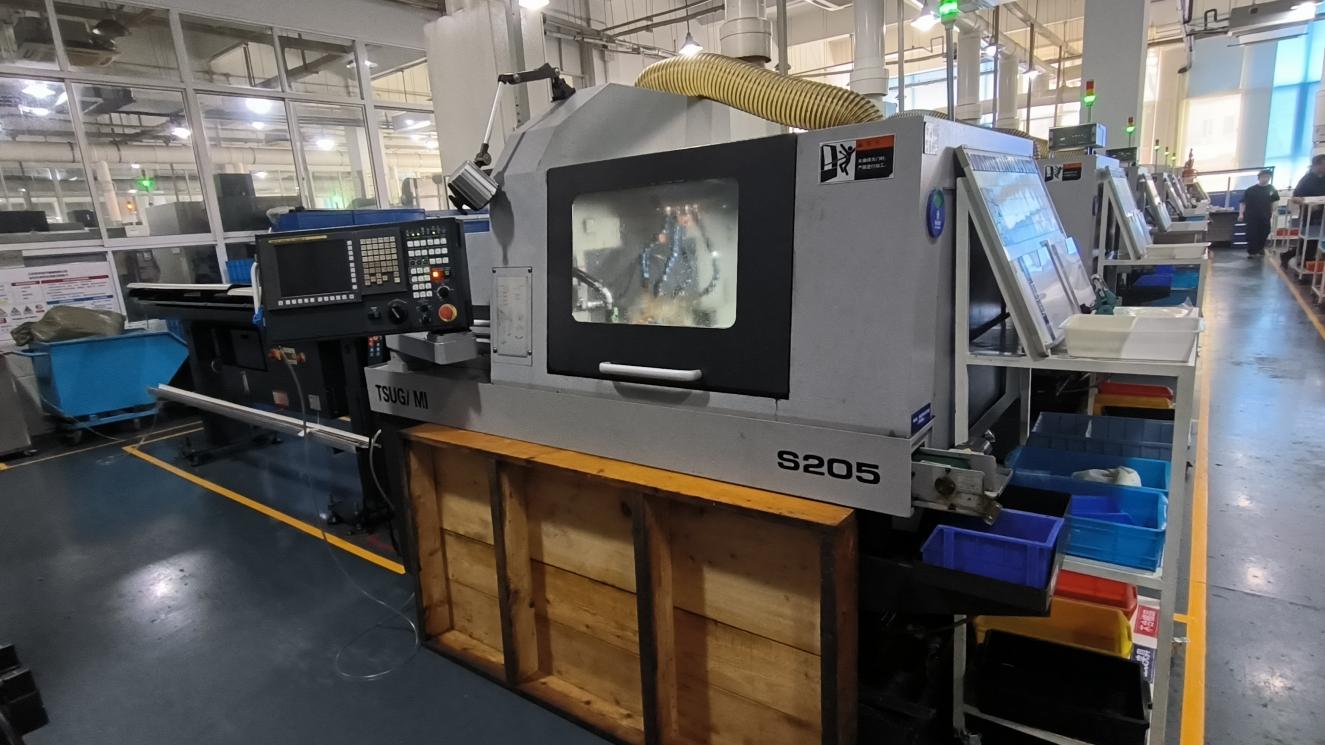
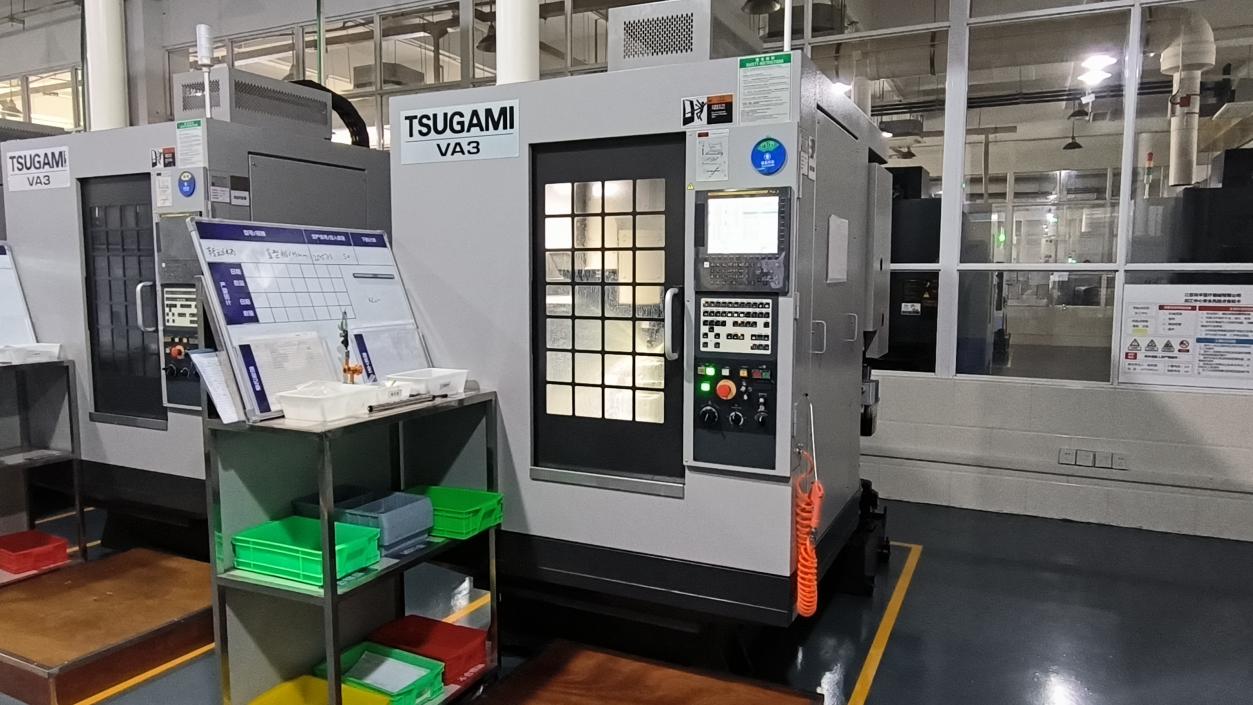
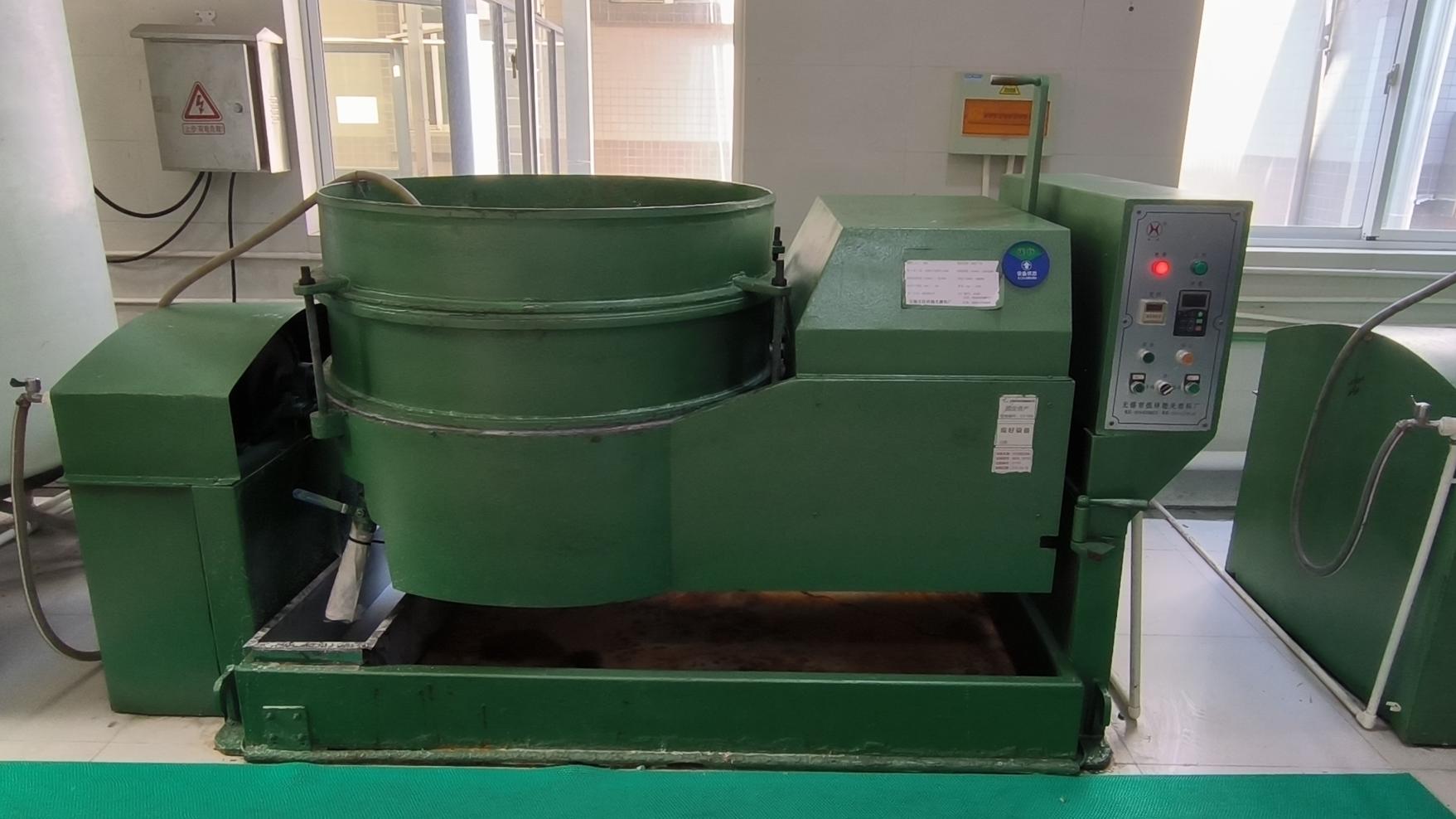
Our manufacturing plants leverage advanced CNC machining centers and multi-axis lathe operations to realize complex screw geometries with tolerances of less than 5 microns. All implants are processed in Class 100,000 cleanrooms and subjected to validated ultrasonic wash cycles to remove manufacturing residues.
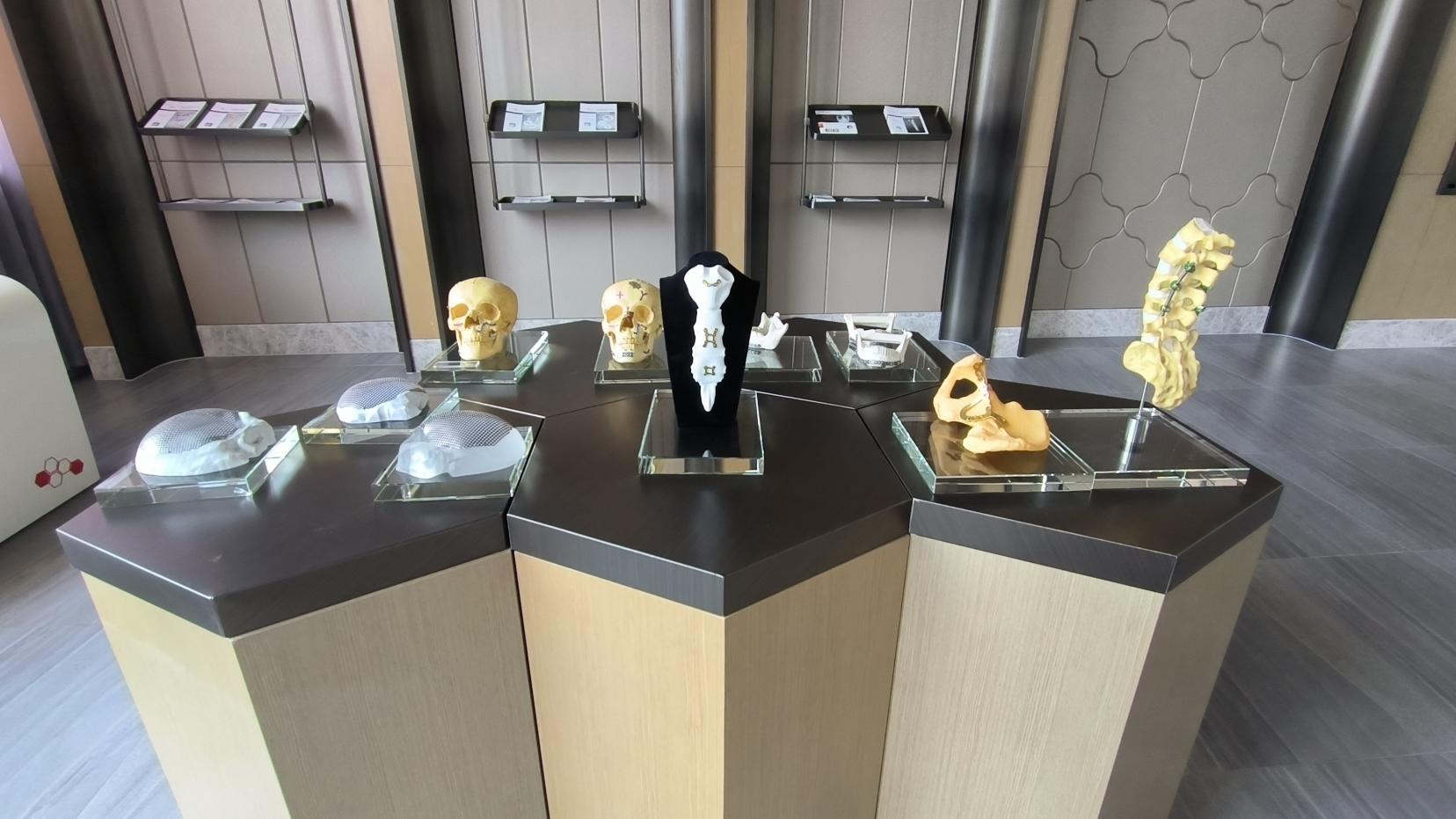
Sustainable orthopaedic supply chains require more than product delivery. We provide custom procurement solutions for medical distributors and ministries of health across French-speaking West Africa (Burkina Faso, Mali, Senegal, Côte d'Ivoire). This includes sterile system containment configurations, customized instrumentation starter sets, and surgical team training modules.
By working with local biomedical engineers in Banfora, we help standardize sterilization protocols for surgical instruments. Our reusable driver configurations reduce local autoclave cycles, ensuring our surgical instruments remain reliable over long service lifetimes.
The future of surgical reconstruction targets active tissue regeneration. We are actively researching bioceramics and bio-composite compounds that optimize the mechanical support phase while actively facilitating remodeling.
Furthermore, we are preparing next-generation magnesium-alloy biodegradable screws. These implants offer titanium-like tensile profiles but degrade completely, leaving only natural bone behind. This eliminates the need for secondary implant removal procedures, helping patients in remote areas avoid additional hospitalizations.
Complete surgical inventory optimized for bone tunnel fixation, laboratory instrument calibration, and medical imaging installations.
Expert answers regarding our quality certifications, material selection, and delivery channels for the West African orthopedic sector.