Blutree Orthopedic Implants
Blutree Orthopedic Implants
Blutree Orthopedic Implants
Explore our precision-engineered implant portfolios designed to meet the strict regulatory guidelines of global reconstructive surgery and sports medicine.

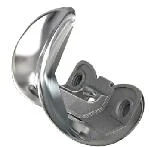
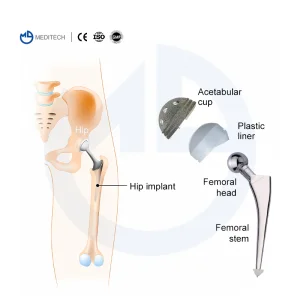
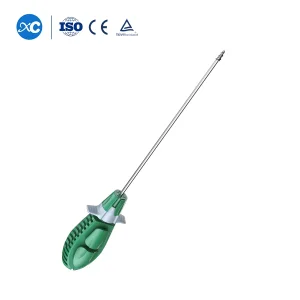
An executive guide on tissue expansion dynamics, clinical safety margins, and engineering standards for global medical buyers.
Modern tissue expanders utilize high-grade medical silicone shells optimized for mechanical memory and elongation thresholds. The elastic performance must maintain pressure stability under consistent saline infusions without micro-fracturing the polymer matrix.
Our products feature ultra-low permeability barriers to prevent chemical leakage and micro-diffusion, minimizing host-tissue encapsulation and foreign body response (FBR).
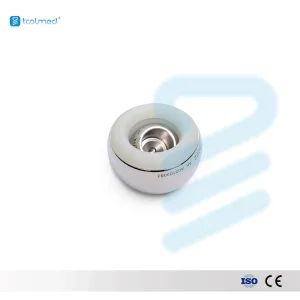
Procuring tissue expanders requires cross-examination of shell thickness, magnetic vs. non-magnetic injection ports, and anatomical contours. Standard formats include:
Each expander unit undergoes validation protocols including ethylene oxide (EO) sterilization, double-barrier medical packaging to maintain sterility up to 5 years, and extensive shear testing of the valve-dome bonding interface.
We ensure compliance with ISO 10993 standards for systemic toxicity, mutagenicity, and implant safety.
How Chinese manufacturing integrates high-precision metallurgy, polymer processing, and global logistics efficiency to deliver reliable implant solutions.
The concentration of medical-grade raw material refiners, state-of-the-art tooling hubs, and class 10,000 cleanrooms in China allows us to optimize manufacturing cycles by up to 40% compared to Western competitors.
From raw biocompatible titanium for orthopedic plates to premium elastomeric silicones, our supply chain ensures unbroken continuity of care.
Our QA team uses automated non-contact measurement systems, high-magnification optical comparators, and automated tensile stress testers. This mechanical testing prevents catastrophic failure under stress-relaxation cycles during long-term tissue stretching.
We adopt green manufacturing processes, minimizing chemical residues and utilizing closed-loop solvent recovery lines for cleaning surgical implants, aligning with global ESG procurement protocols.
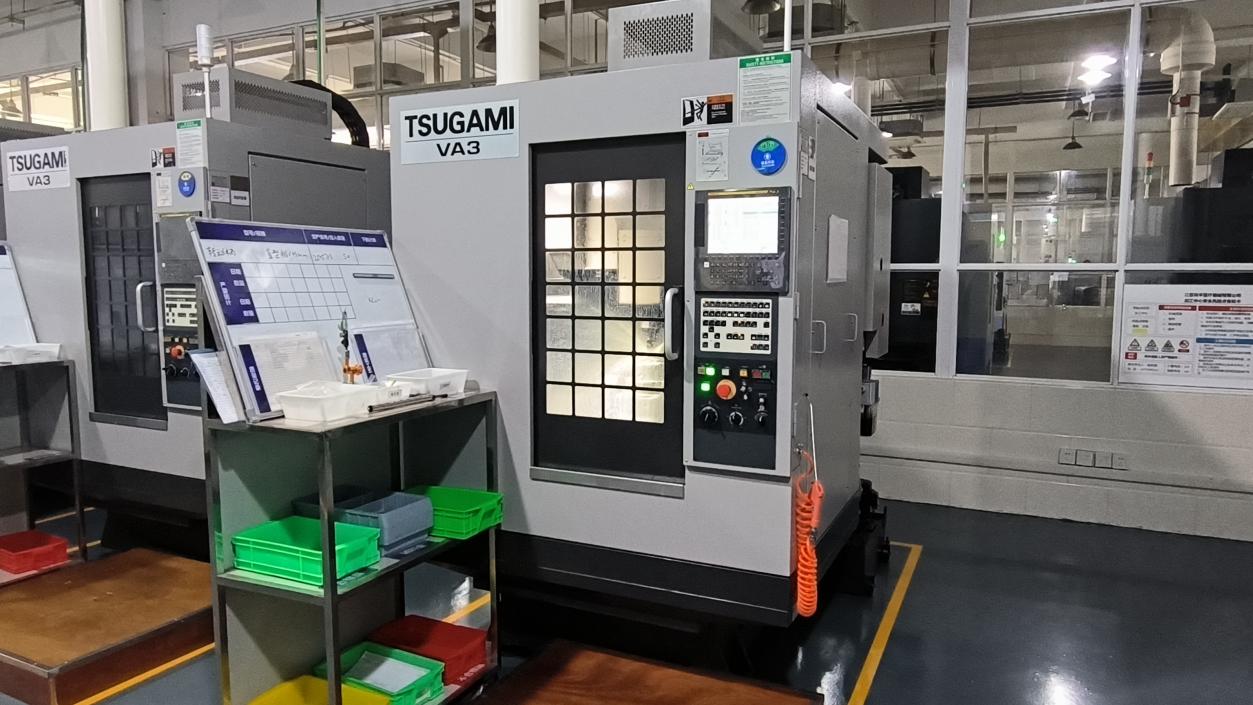
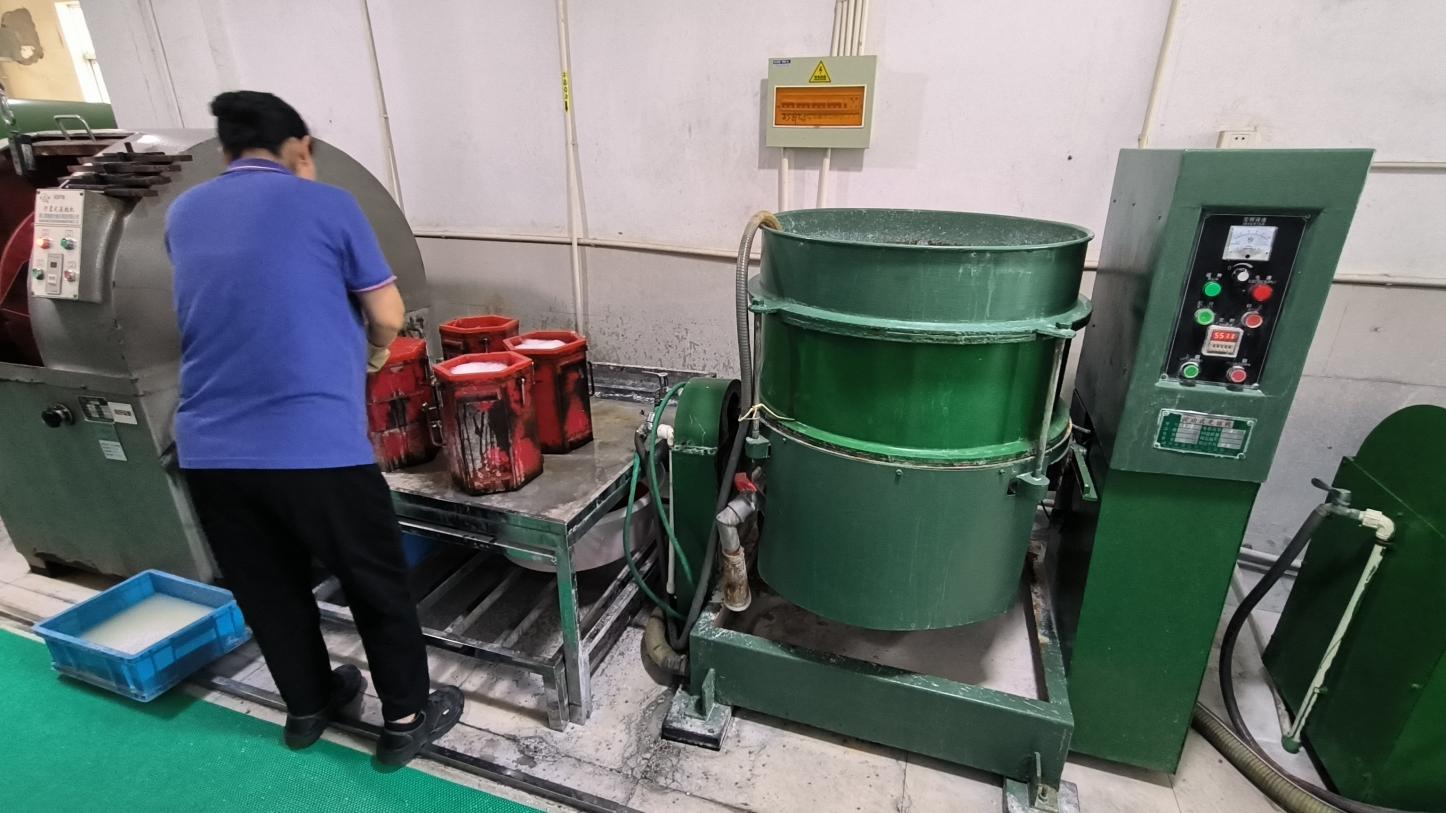
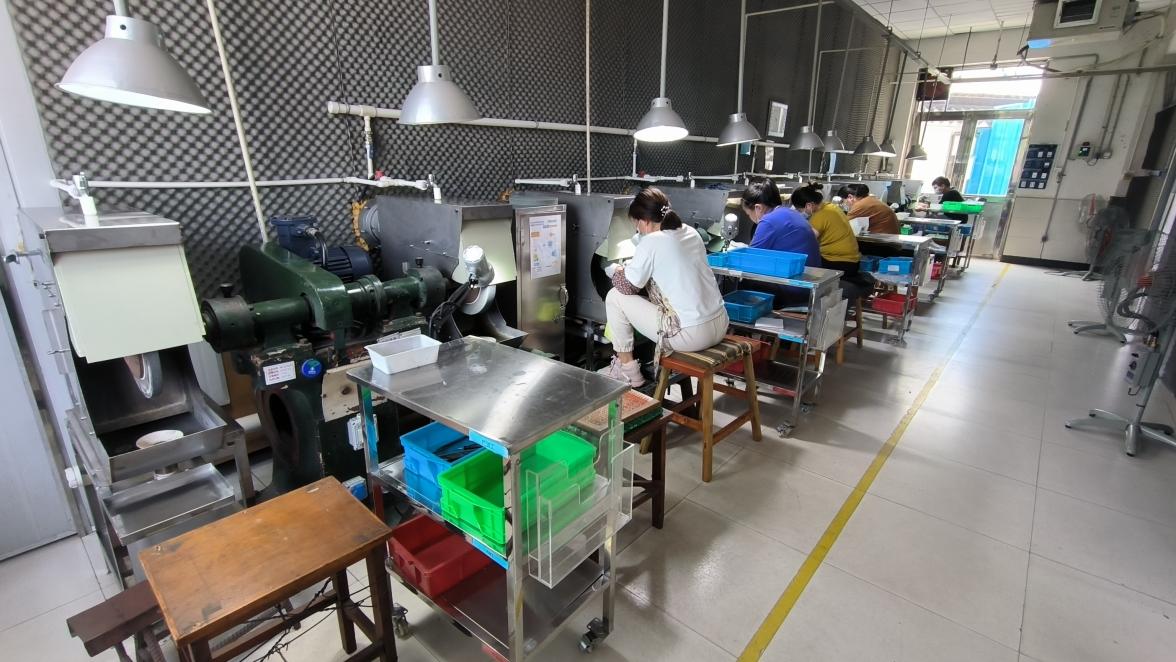
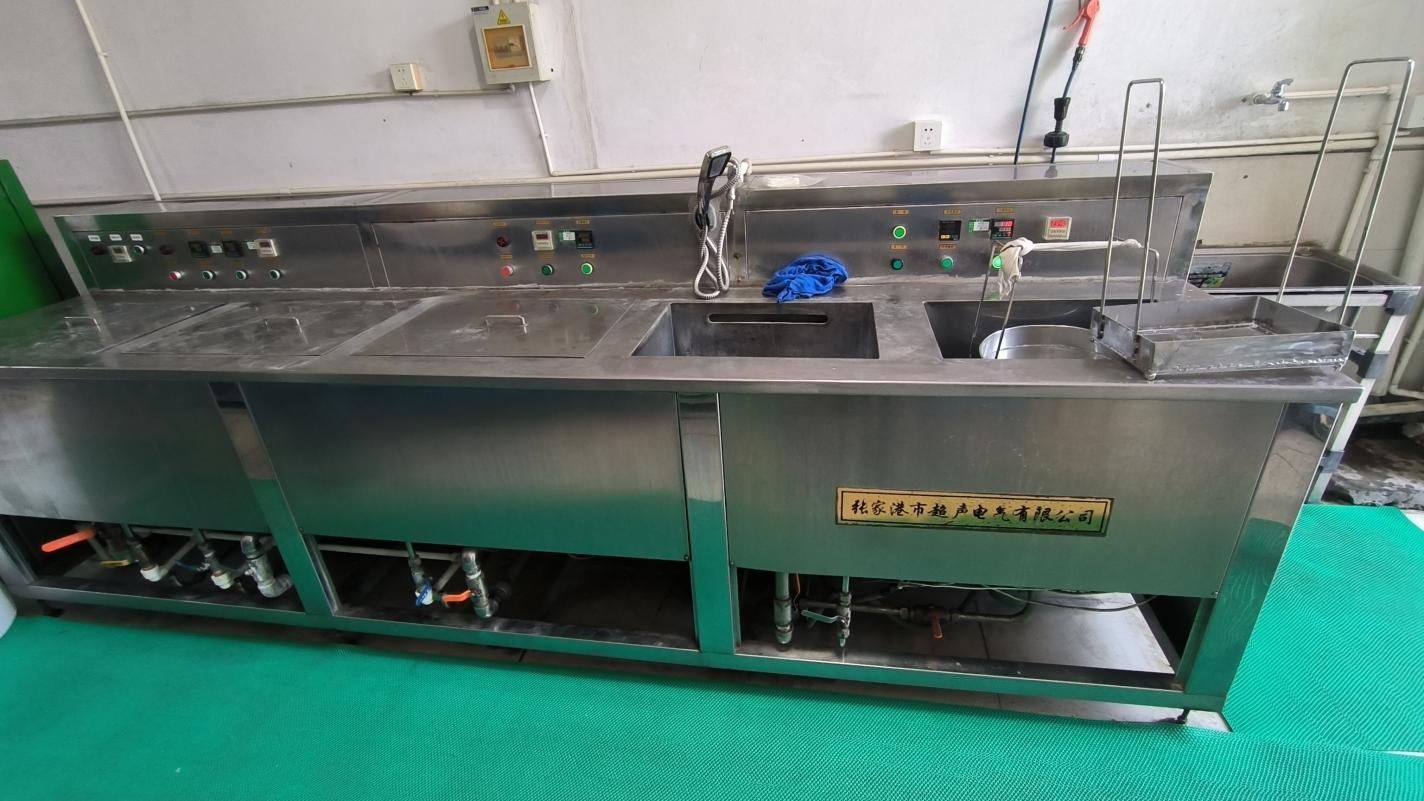
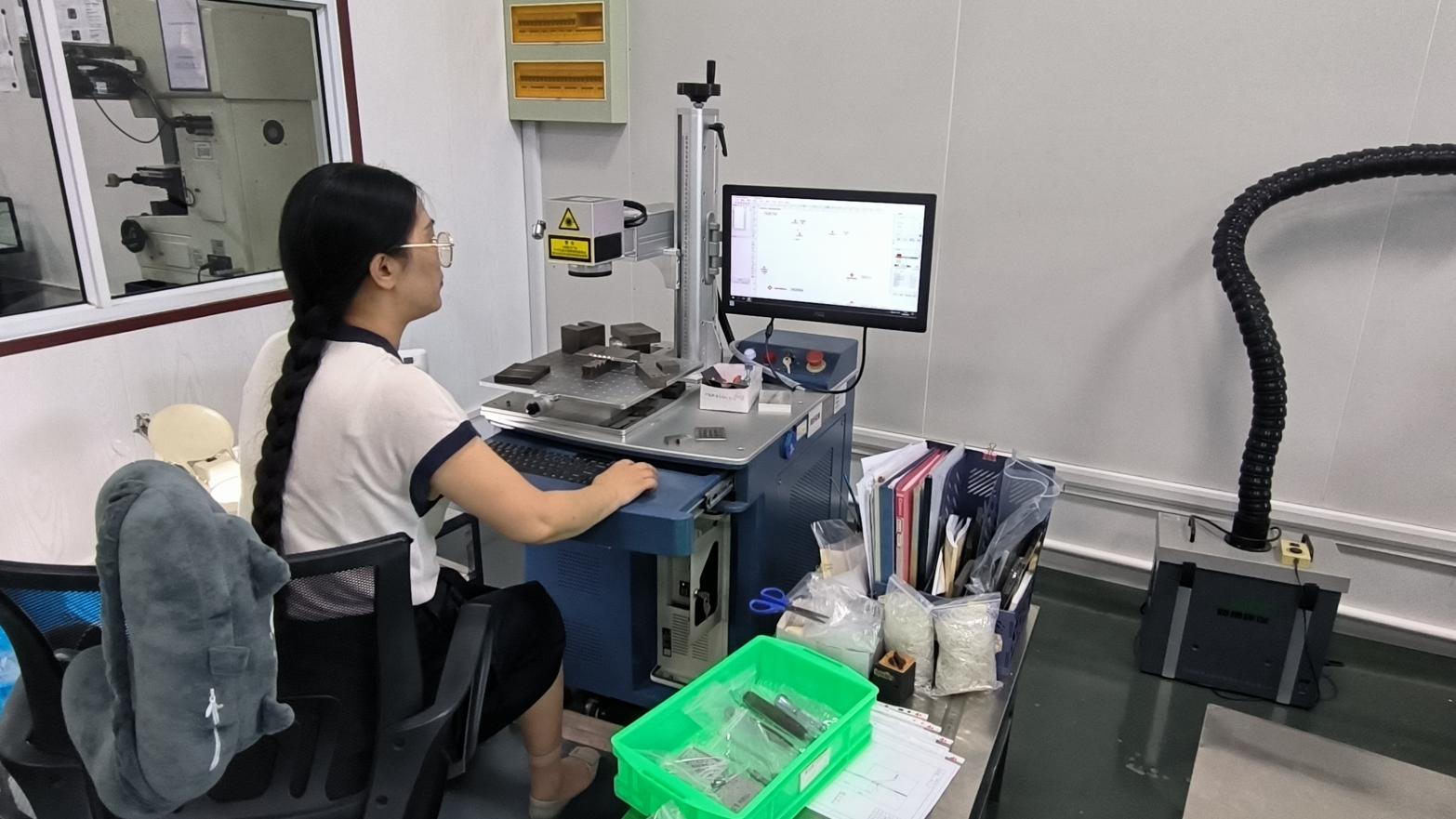
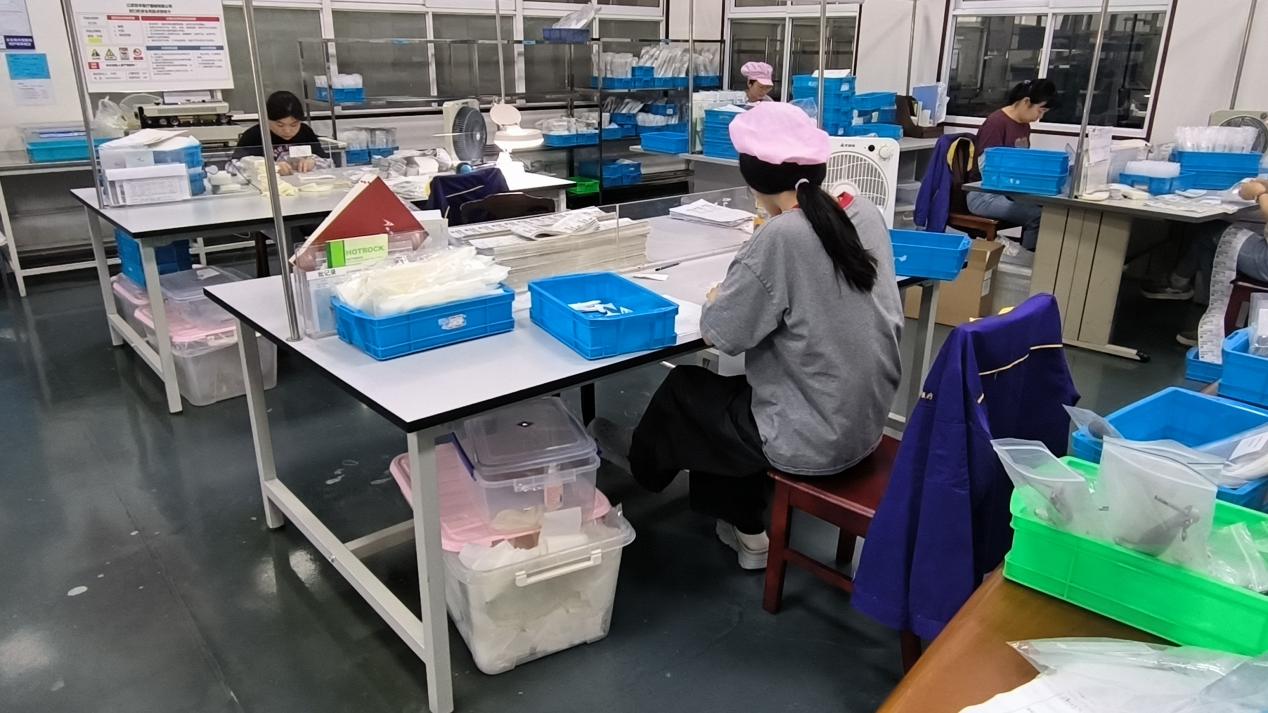
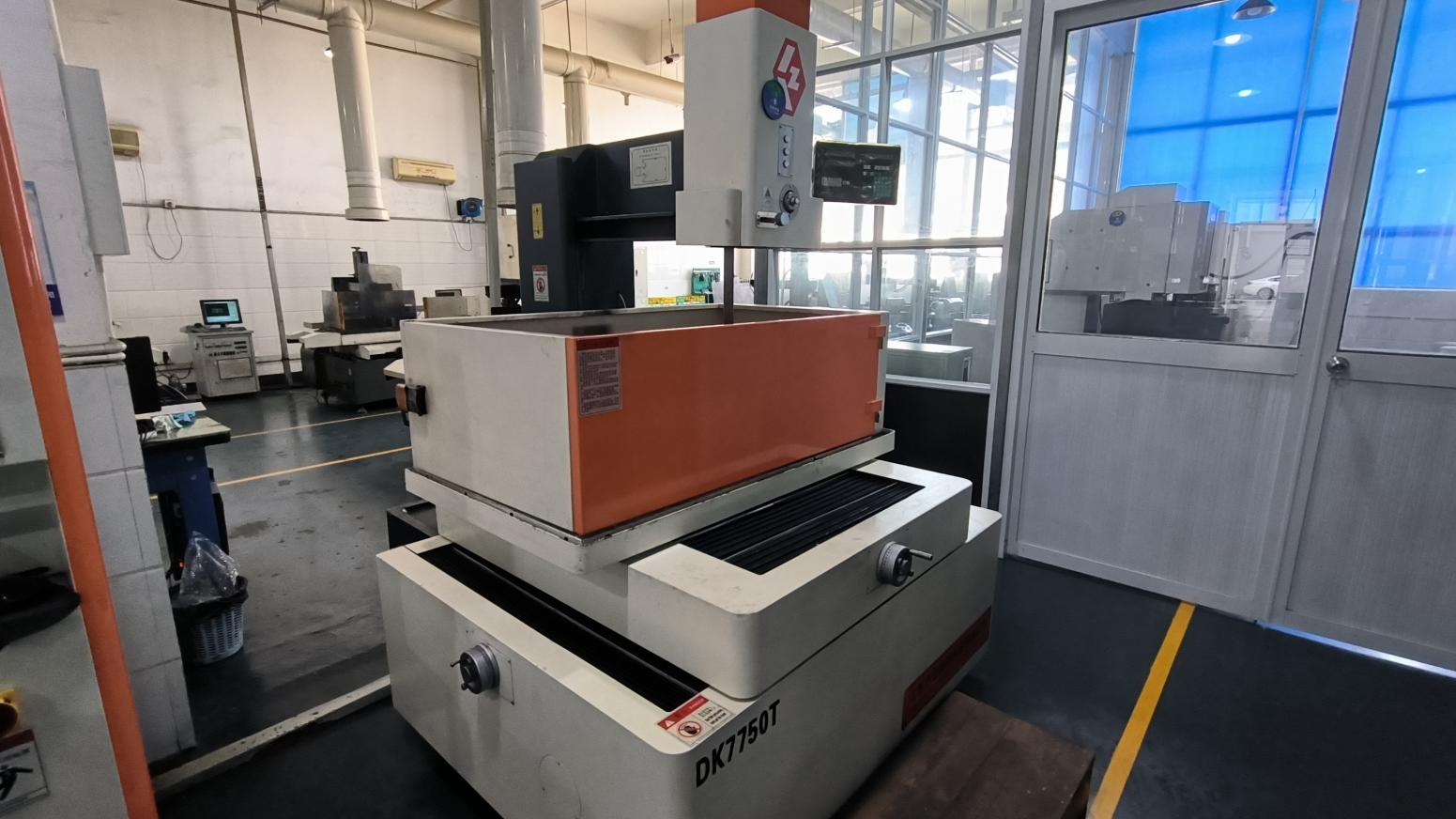
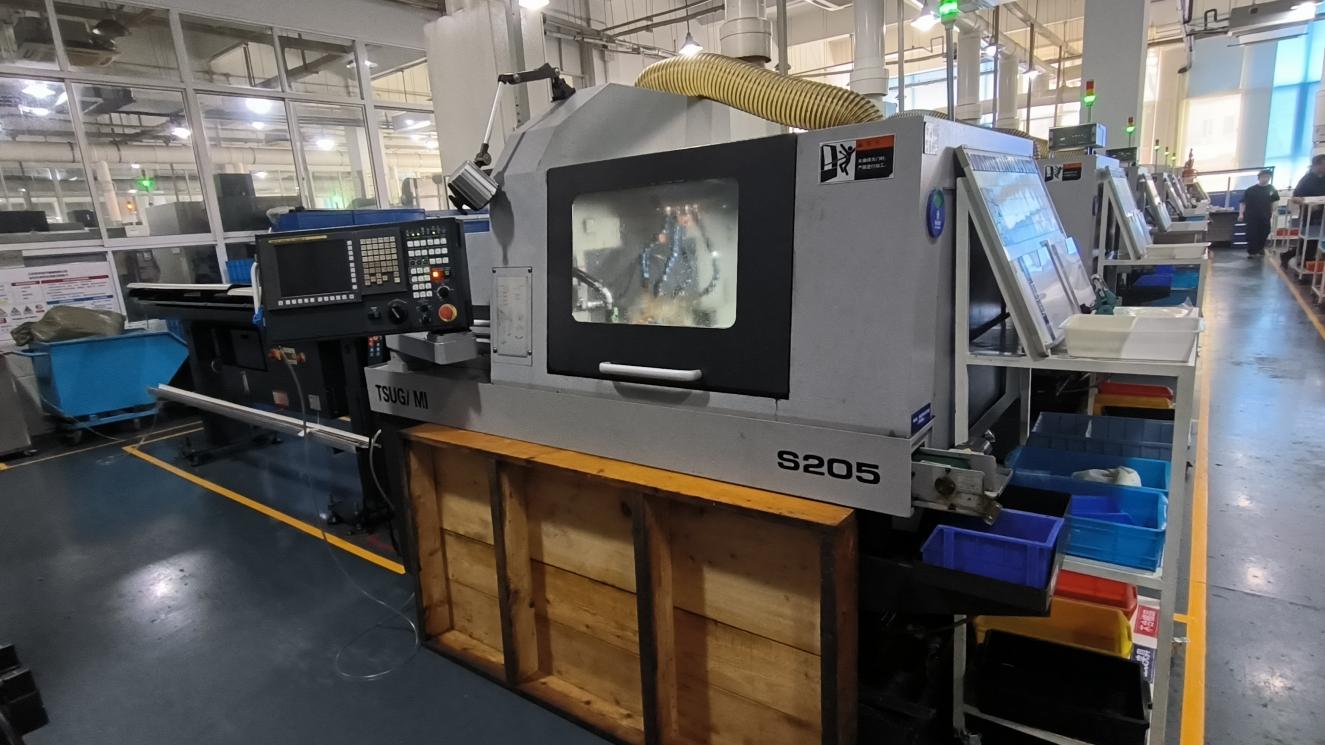
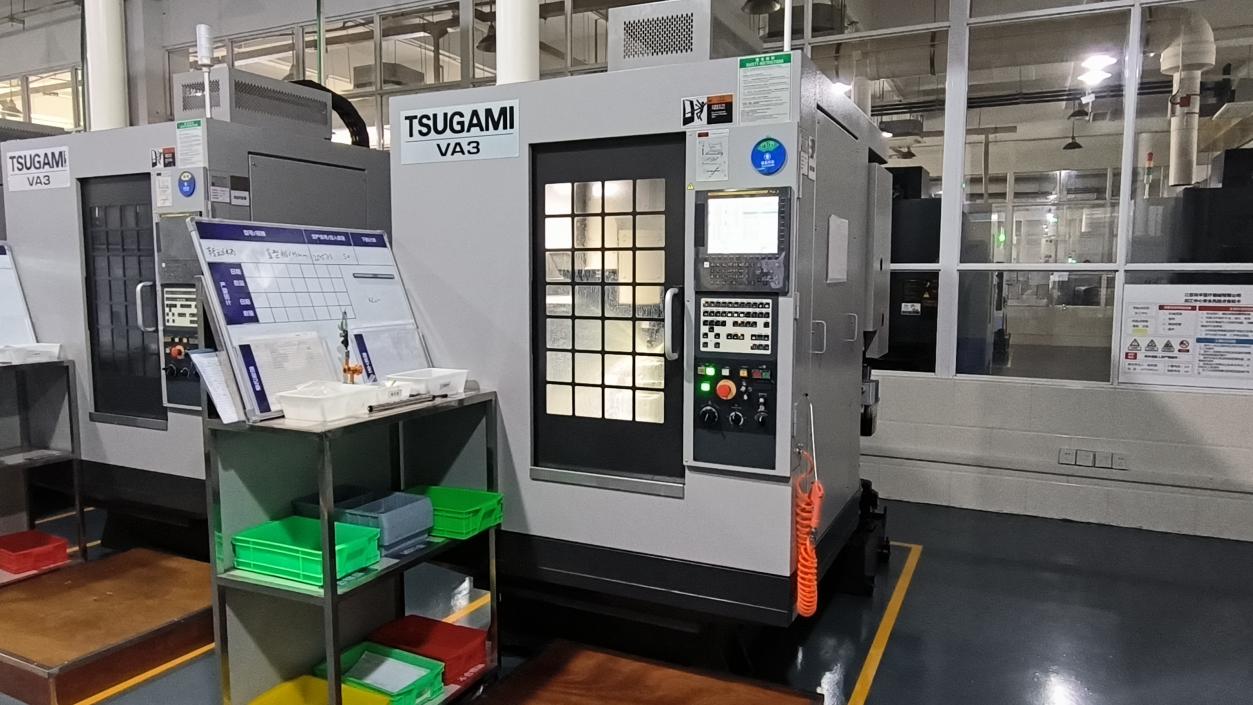
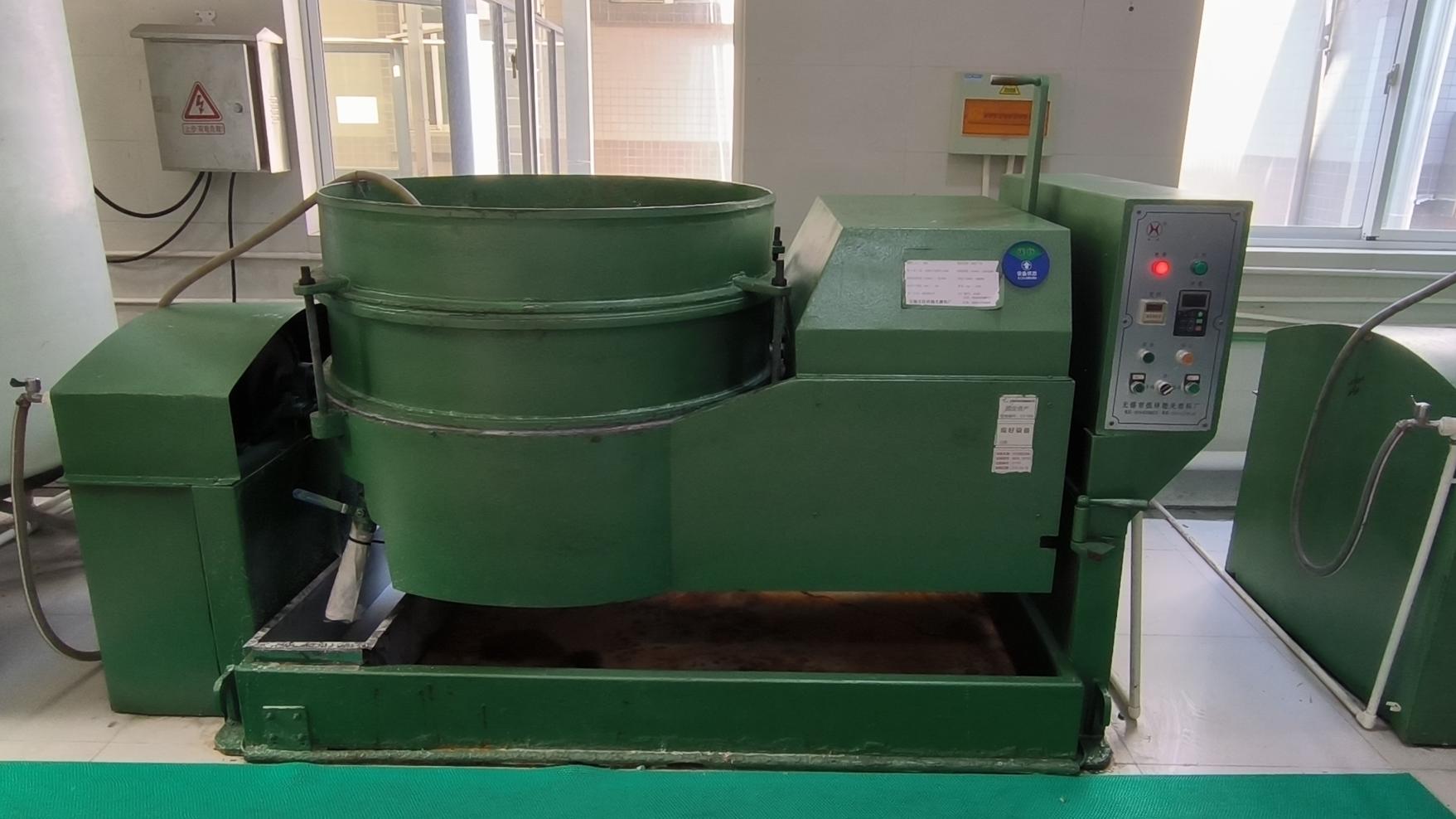
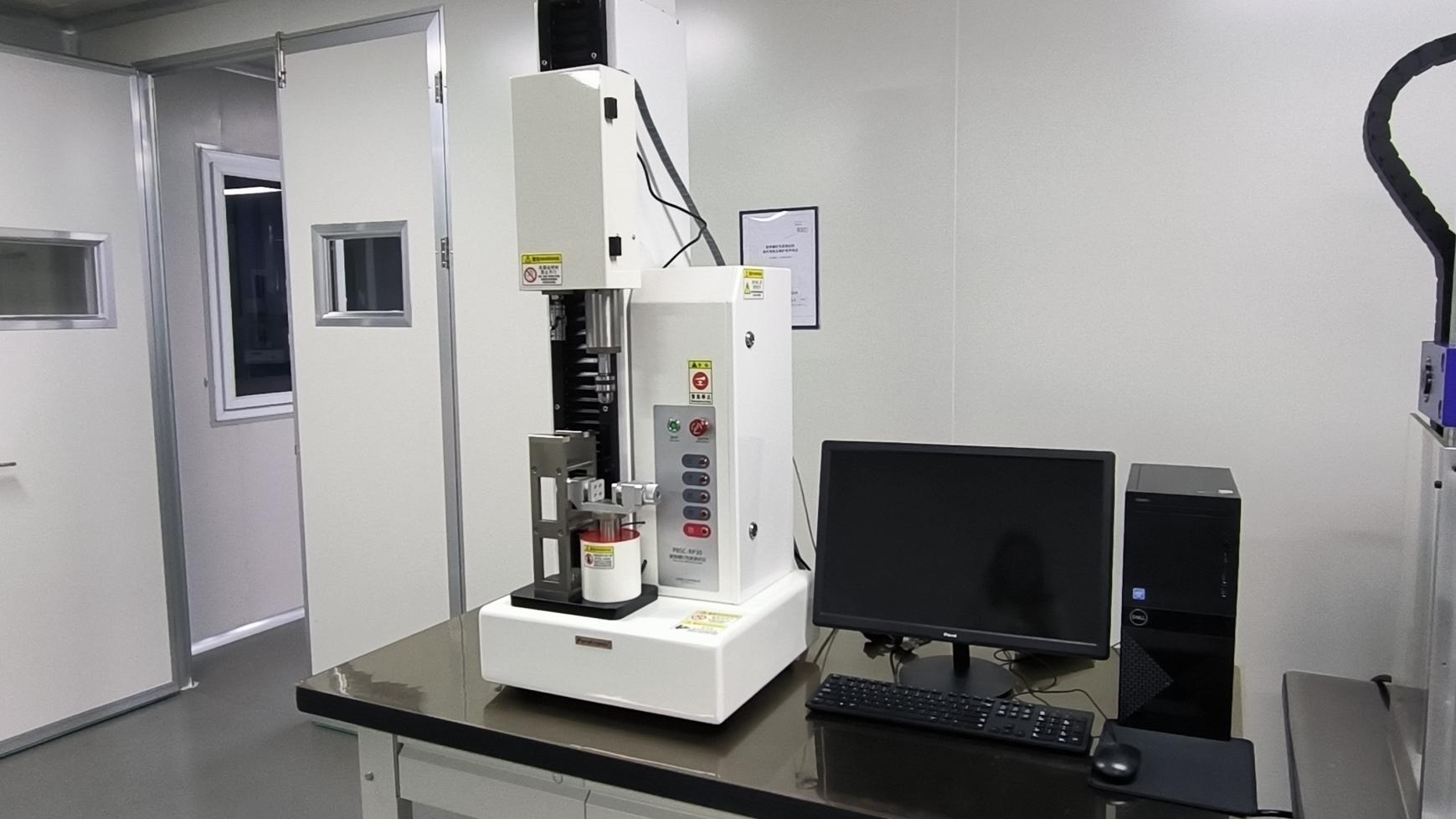
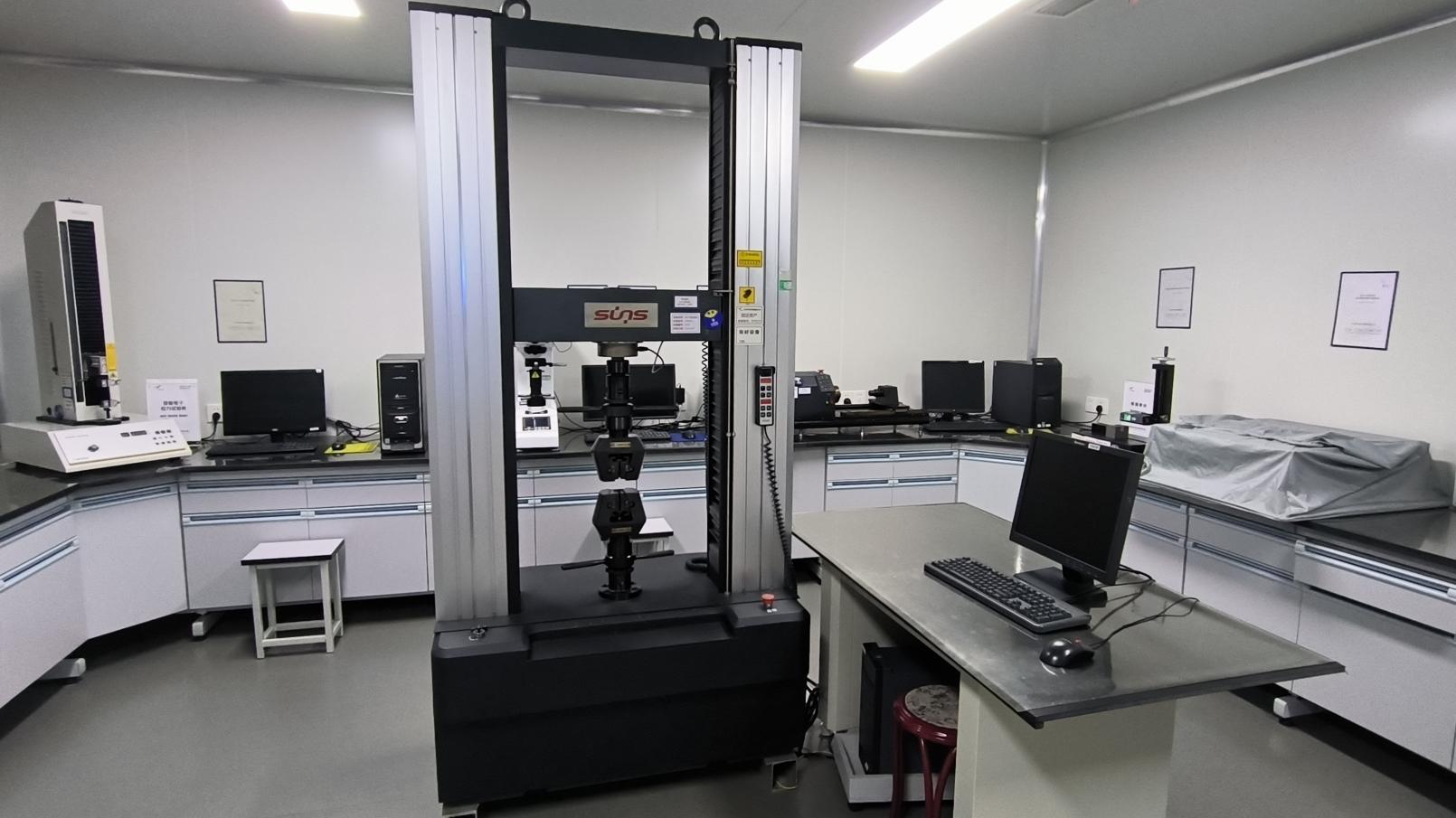
Key metrics that procurement directors must review to ensure contract compliance and reduce medical supply chain vulnerabilities.
We offer robust OEM/ODM setups with specialized tooling capabilities to manufacture non-standard geometry profiles. Our engineering team converts custom clinical CAD files into silicone-injected prototypes within 14 business days, optimizing workflow speeds.
By utilizing automated injection molding and multi-cavity press tools, we reduce labor input per unit. These savings are passed down to medical distributors, allowing them to remain competitive in national healthcare tenders.
With physical corporate hubs in the United States and the Netherlands, we streamline import declarations, customs clearance, and local compliance verification, bridging international logistical barriers.
Different clinical challenges demand unique material profiles and expansion timelines. Below is how our portfolio meets surgical needs.
Reconstruction demands highly cohesive medical silicone gel/saline expanders. The anatomical base shape must match the chest wall contours, offering directional expansion in the lower pole to create a natural breast shape.
Integrates with suture loops to secure the implant position and prevent migration.
Severe contracture release requires rectangular or crescent-shaped tissue expanders. Placing these devices under adjacent healthy skin allows surgeons to harvest autologous tissue flaps with matching texture, hair distribution, and pigmentation.
Pediatric applications (e.g., giant congenital nevi, microtia) demand miniature expander designs with remote injection ports. Our small-footprint models allow skin expansion in tight anatomical spaces with minimal physical discomfort.
A forward-looking analysis of emerging trends that are transforming reconstructive surgery pipelines.
Next-generation systems use hydrogel technology to absorb body fluids at a predetermined rate, eliminating the need for periodic transcutaneous needle injections. This reduces infection risk and patient visits.
Engineered micro- and nano-textures on silicone shells encourage controlled tissue attachment, preventing capsule contracture and device displacement while facilitating easy removal during final reconstruction.
Integrating smart sensor elements allows real-time pressure monitoring within the expander dome, helping clinicians optimize expansion velocity and identify tissue ischemia risks early.
Crucial technical answers regarding regulatory compliances, shipping terms, custom configurations, and clinical safety thresholds.
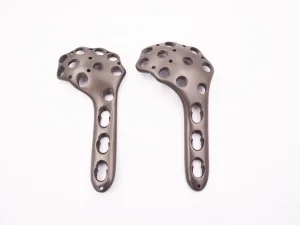
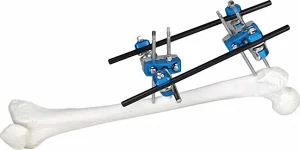
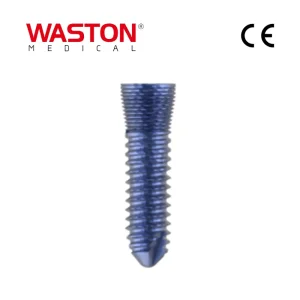
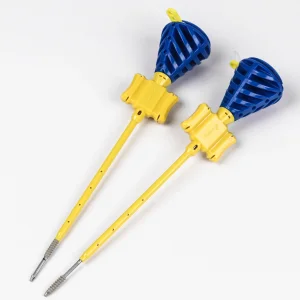
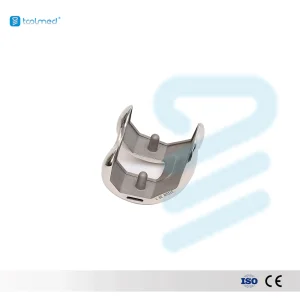
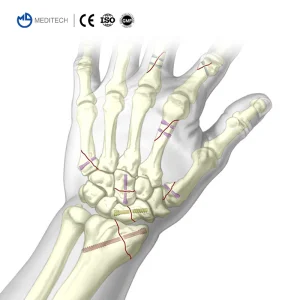
Browse our range of titanium and polymer-based orthopedic implants and external fixator kits, manufactured under the same strict cleanroom and testing guidelines.