Blutree Orthopedic Implants
Blutree Orthopedic Implants
Blutree Orthopedic Implants
Explore our flagship industrial and medical-grade plating systems engineered with state-of-the-art titanium anodization, micro-arc oxidation (MAO), and advanced hot-dip zinc-aluminum alloy surface treatments.
Founded in 1999, the company is one of the earliest pioneering enterprises in China engaged in the research, development, and ultra-precision manufacturing of orthopedic implants, trauma fixation plates, and high-durability surface plating systems. Over two decades of technical evolution has established our position as an authoritative supplier operating under rigorous ISO 13485 and CE quality standards.
In modern industrial manufacturing and biomedical engineering, the term Plating Systems encompasses both ultra-precise surgical internal/external bone fixation plates and industrial structural surface plating solutions (such as Magnesium-Aluminum-Zinc hot-dip zinc plating). China's leading manufacturing ecosystems have undergone a fundamental paradigm shift from low-cost mass production to high-entropy, precision-controlled micro-metallurgy.
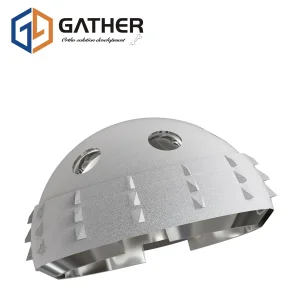
To meet the stringent requirements of clinical biomechanics and extreme outdoor environmental endurance, top-tier Chinese manufacturers utilize advanced anodization Type II and Type III (hard anodization) for Titanium alloy implants (Ti-6Al-4V ELI), alongside micro-arc oxidation (MAO). These electro-chemical processes build a dense ceramic oxide layer ($TiO_2$) that increases surface hardness up to 500-800 HV, minimizes fretting corrosion, and drastically reduces ion leaching into physiological tissues.
Micro-arc oxidation forms an integrated nanostructured ceramic film on orthopedic plates, enhancing bone cell adhesion (osteointegration) and fatigue failure tolerance under dynamic biomechanical loads.
For structural plating systems, Zinc-Aluminum-Magnesium coatings offer self-healing edge corrosion protection, exceeding traditional hot-dip galvanizing durability by 5 to 10 times in salt spray testing.
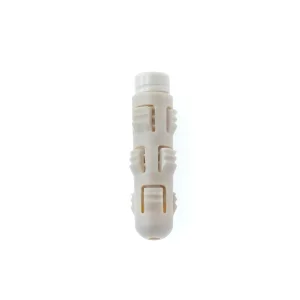
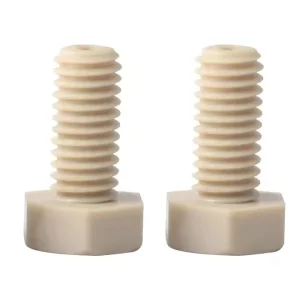
Polyether ether ketone (PEEK) radiolucent implants and knot-free anchors combine elastic modulus matching natural human bone (3.5 GPa) with zero artifact imaging under X-ray/MRI scans.
| Plating System Category | Substrate Material | Surface Treatment Technology | Corrosion/Fatigue Resistance | Primary Application Domain |
|---|---|---|---|---|
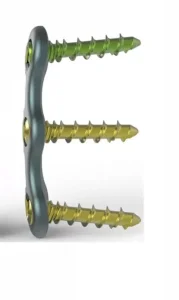
| Trauma & Variable Angle Plates | Titanium Alloy (Ti-6Al-4V Grade 5) | Type II Anodization / Electrochemical Polishing | >10 million dynamic stress cycles at 300 MPa | Orthopedic Trauma Fixation (Femur, Patella, Tibia) |
| Spine Fixation Plating | Commercially Pure Titanium (CP Ti Grade 4) | Color Anodizing & Passivation | ISO 10993 Biocompatibility Certified | Anterior Cervical & Lumbar Spinal Stabilization |
| Soft Tissue Repair Anchor | PEEK / Bioabsorbable PLLA | Precision Micro-Machining / Cleanroom Molding | High Pull-Out Force (>350 N) | ACL Reconstruction, Shoulder & Ankle Repair |
| Structural Photovoltaic Plating | High-Yield Structural Steel | Mg-Al-Zn Hot-Dip Plating (3% Mg, 11% Al) | 3000+ Hours Salt Spray Test (ASTM B117) | Ground Solar Mounting Structures & Heavy Infrastructure |
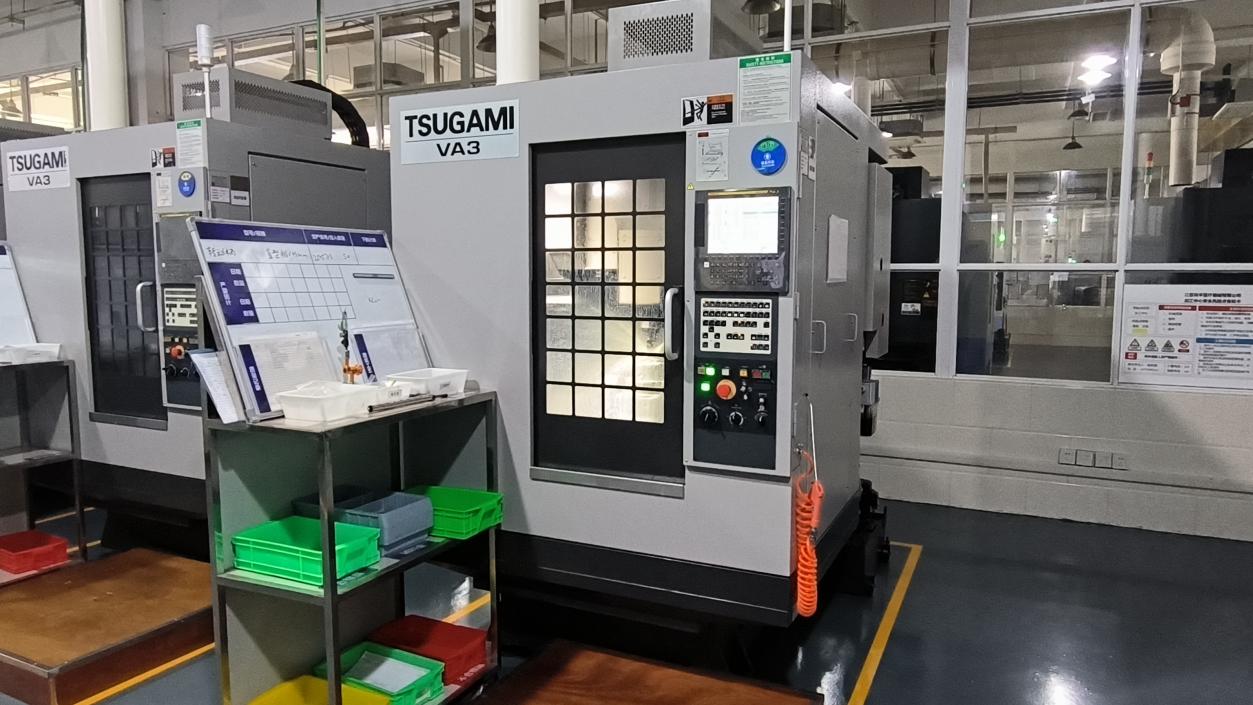
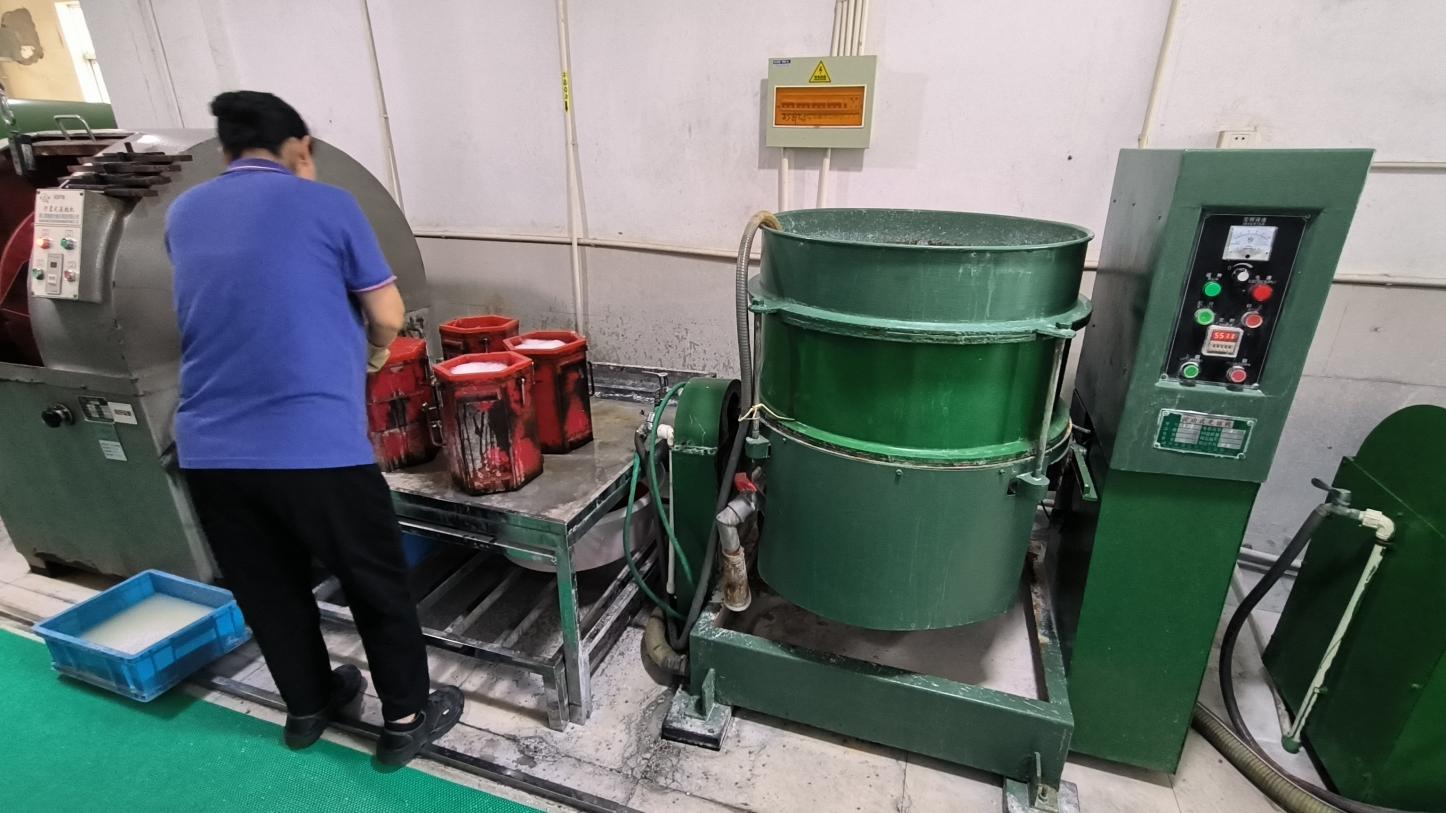
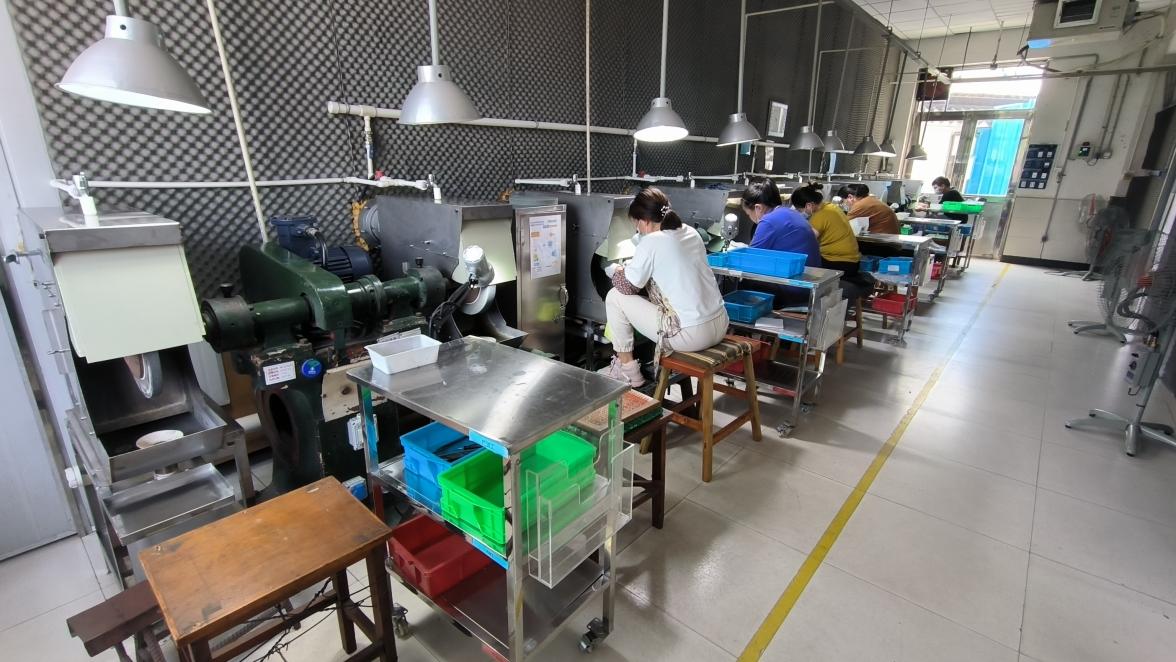
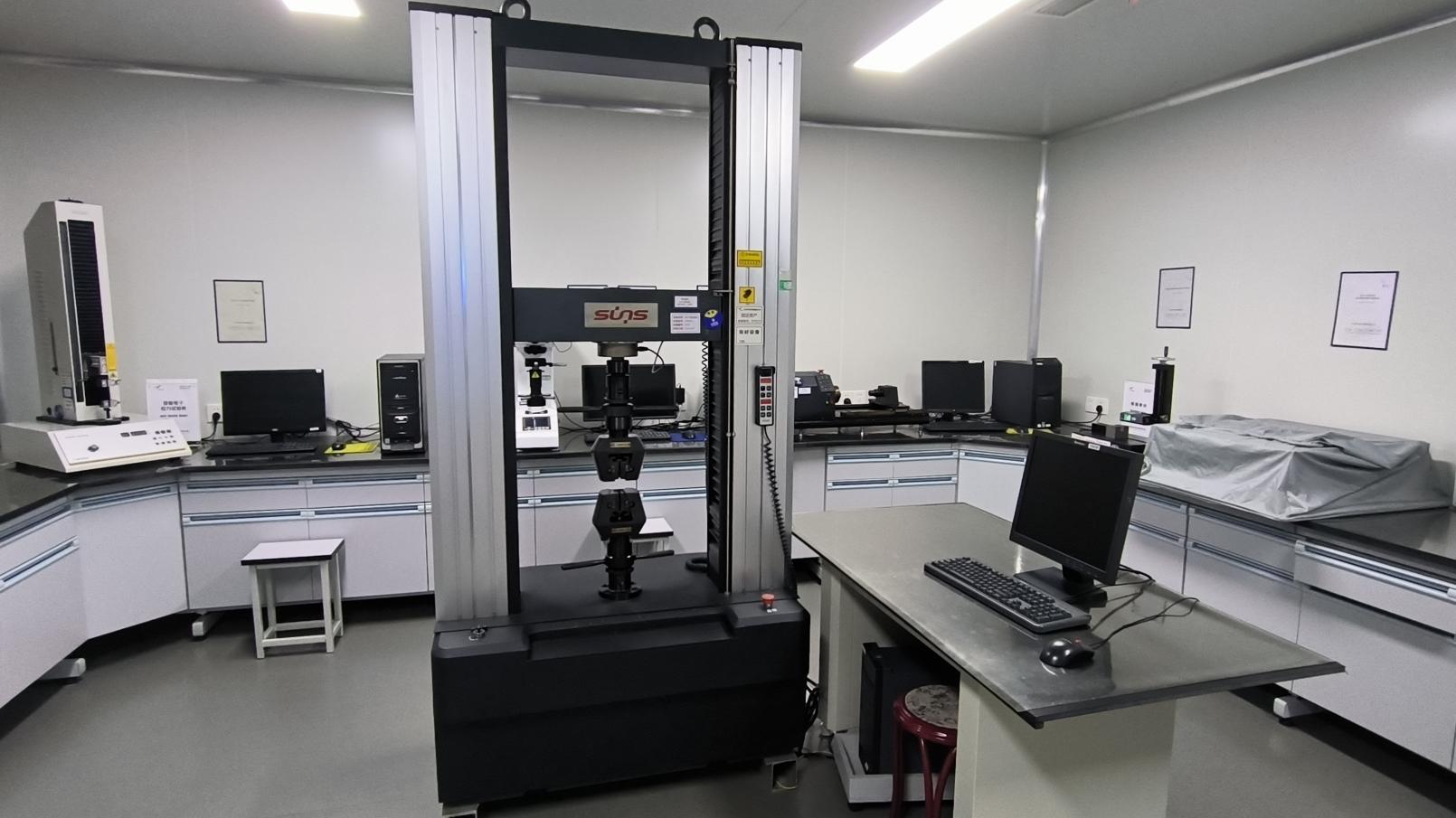
To maintain total quality control across our supply chain, our production plants integrate multi-axis CNC machining, automated wire-cutting, high-precision tumbling, passivation washing, and cleanroom packaging. Every lot undergoes rigorous mechanical destructive testing including tensile, pressure, and endurance fatigue evaluation.
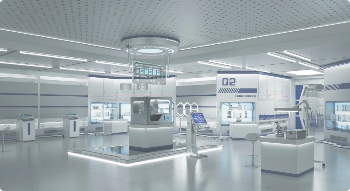

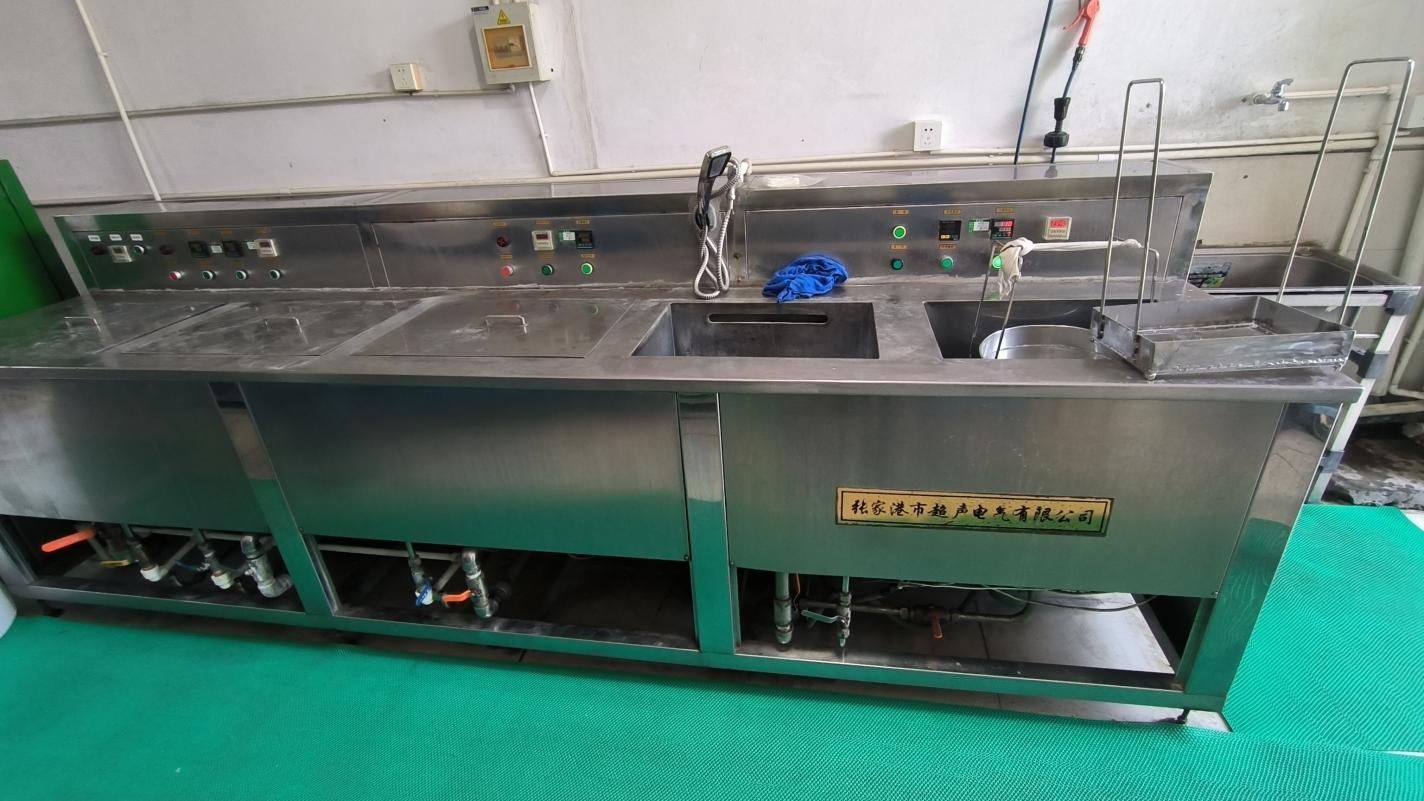
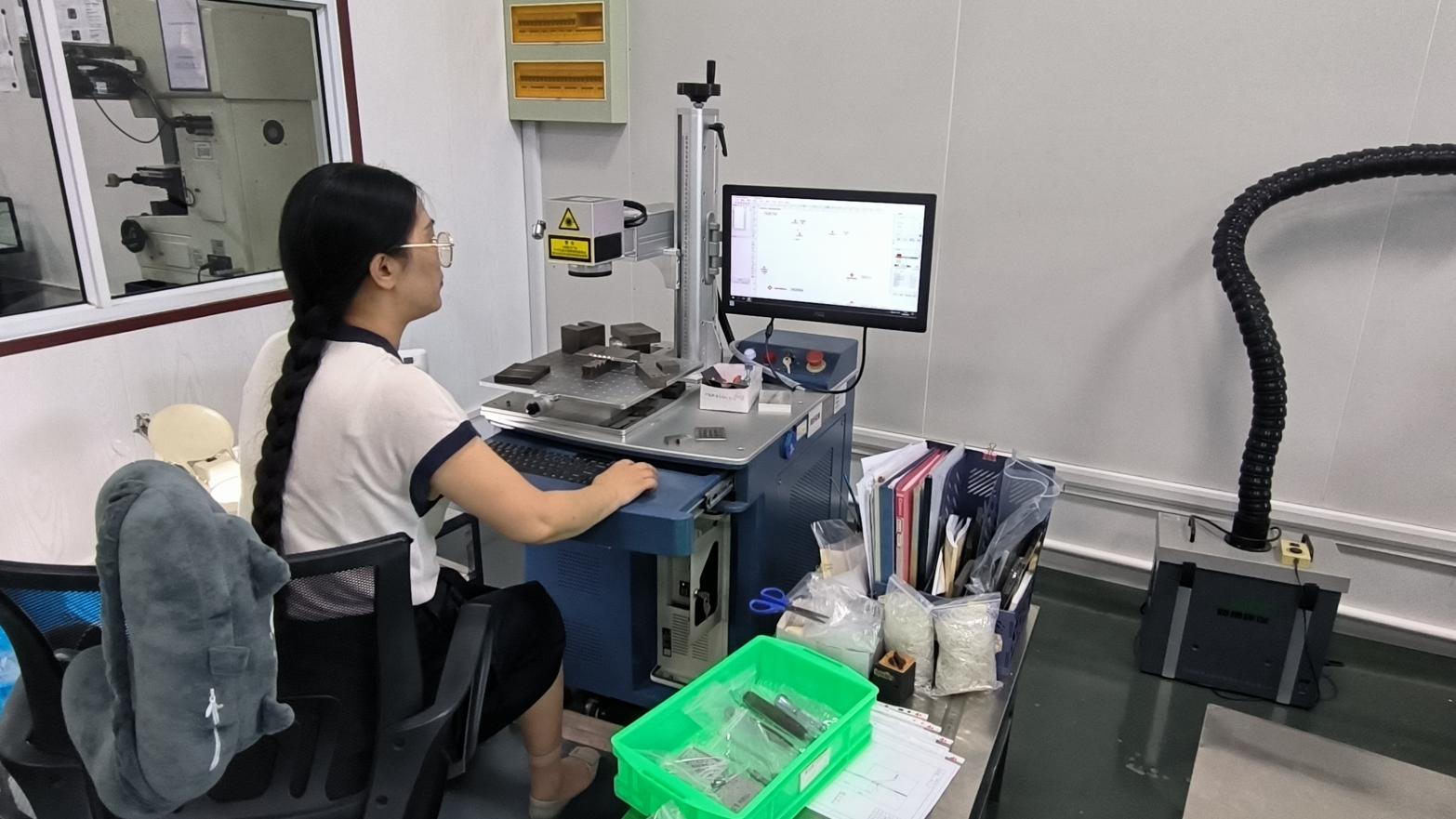
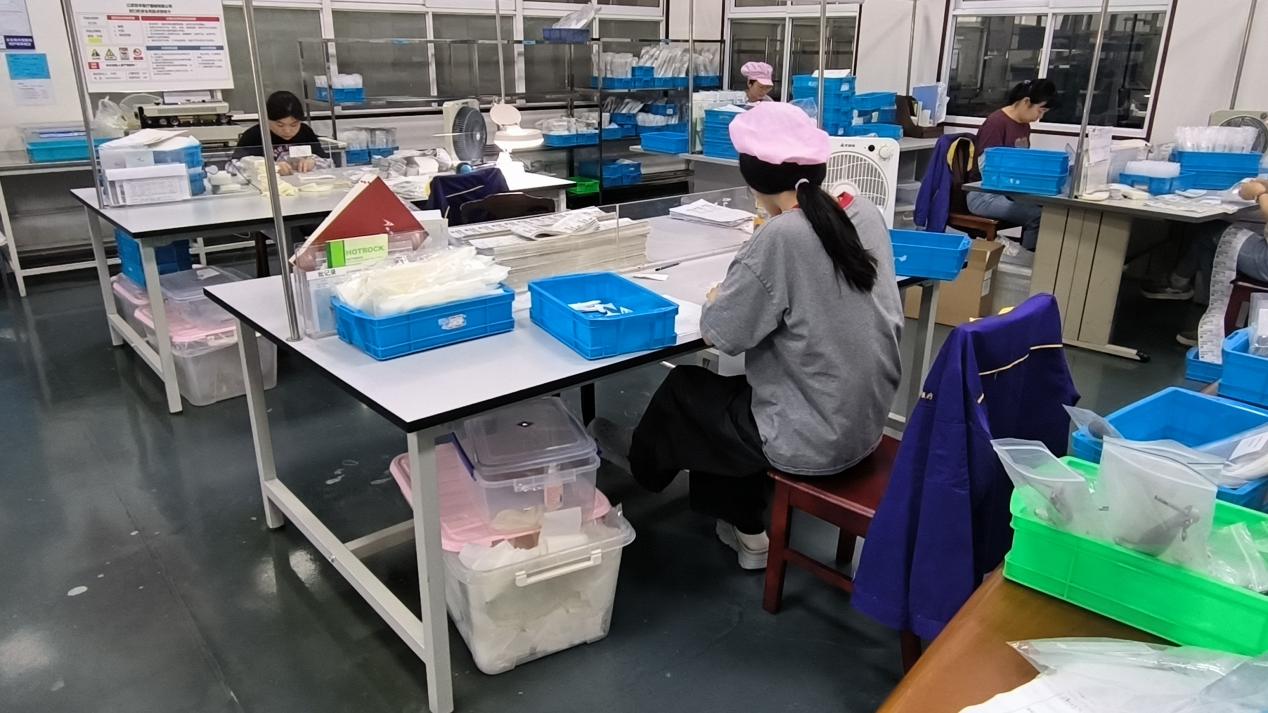
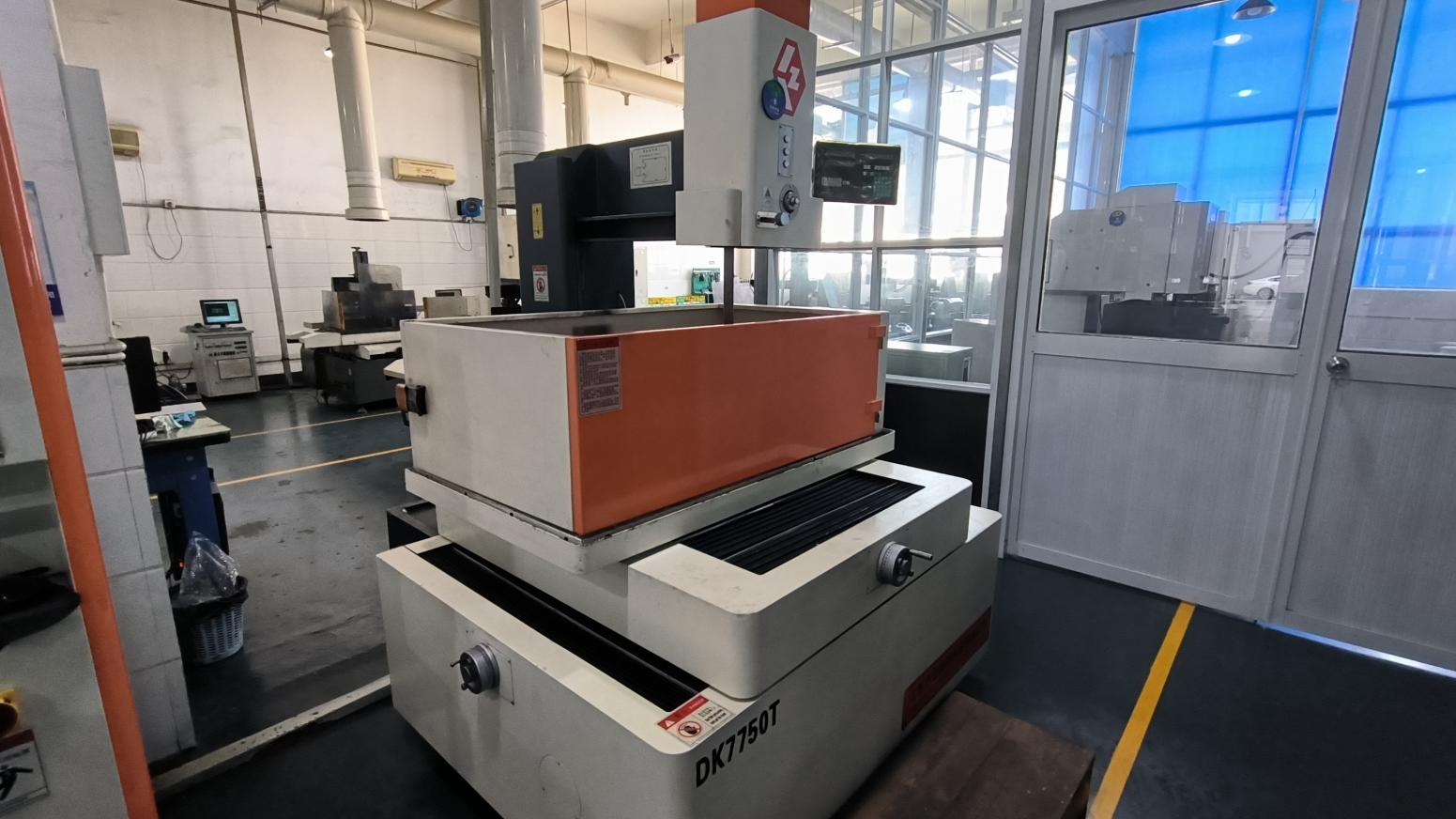
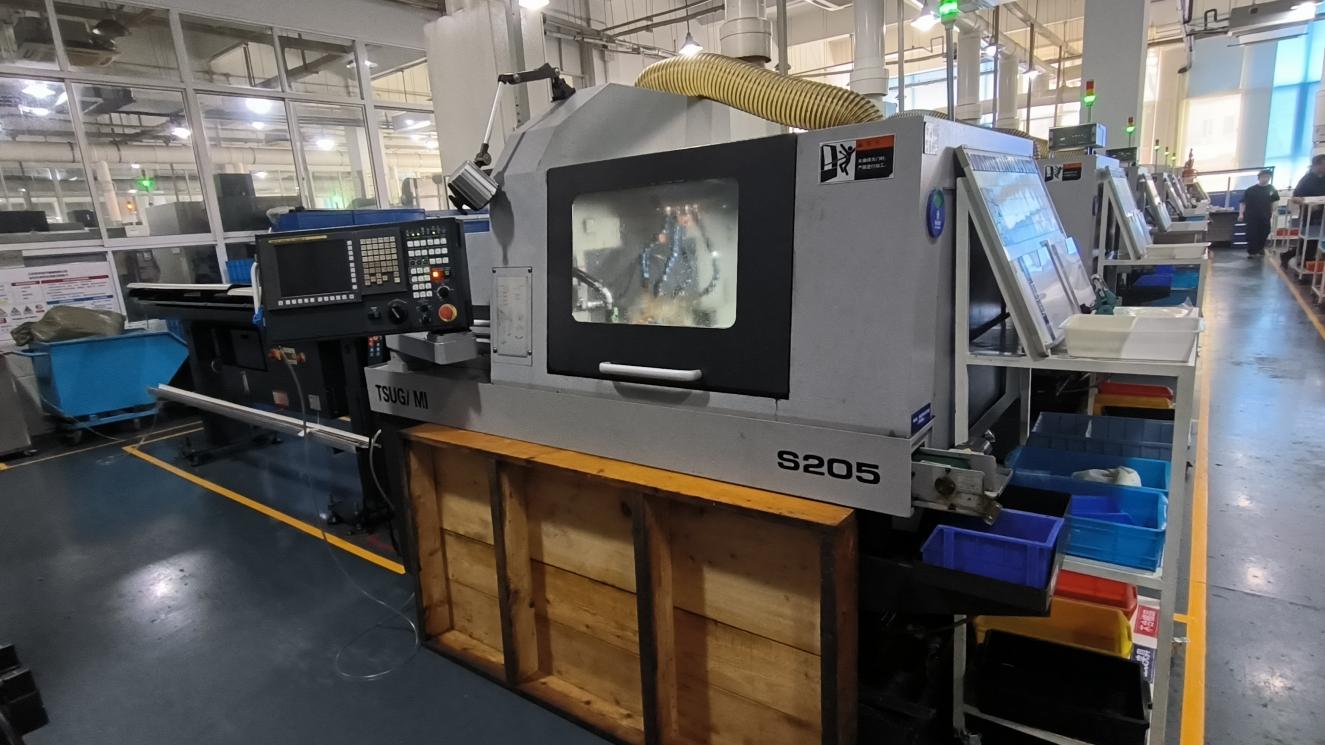
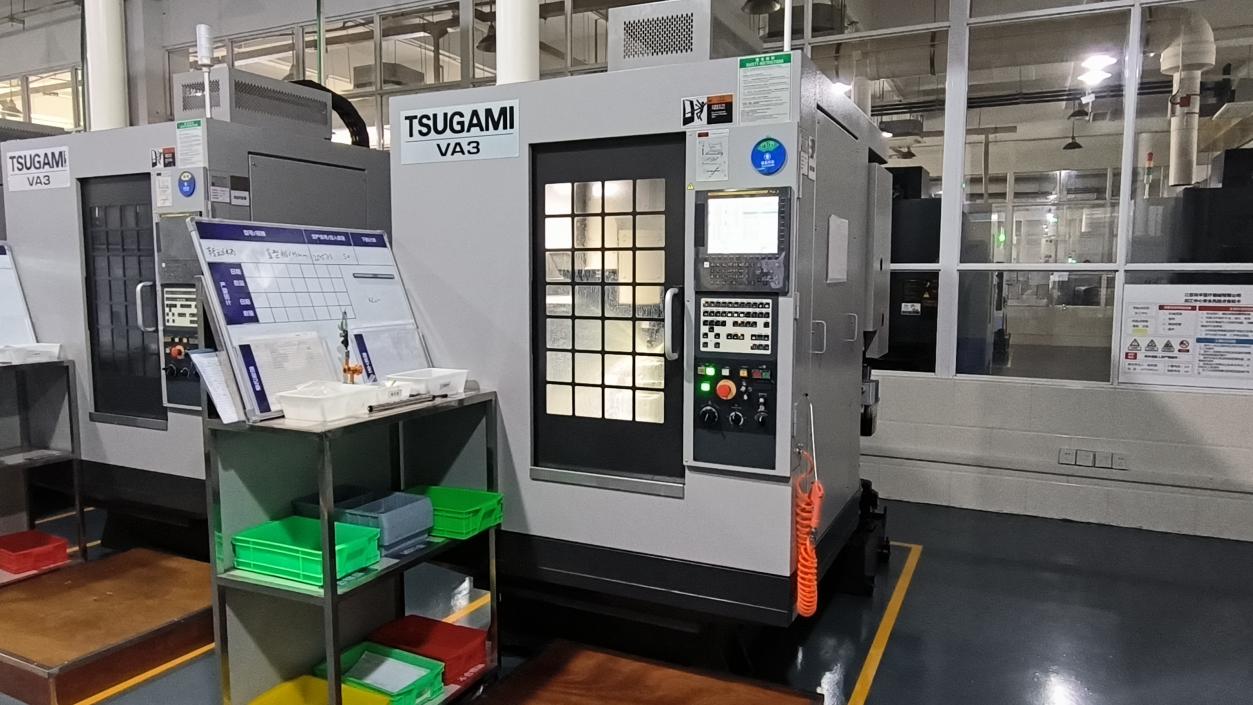
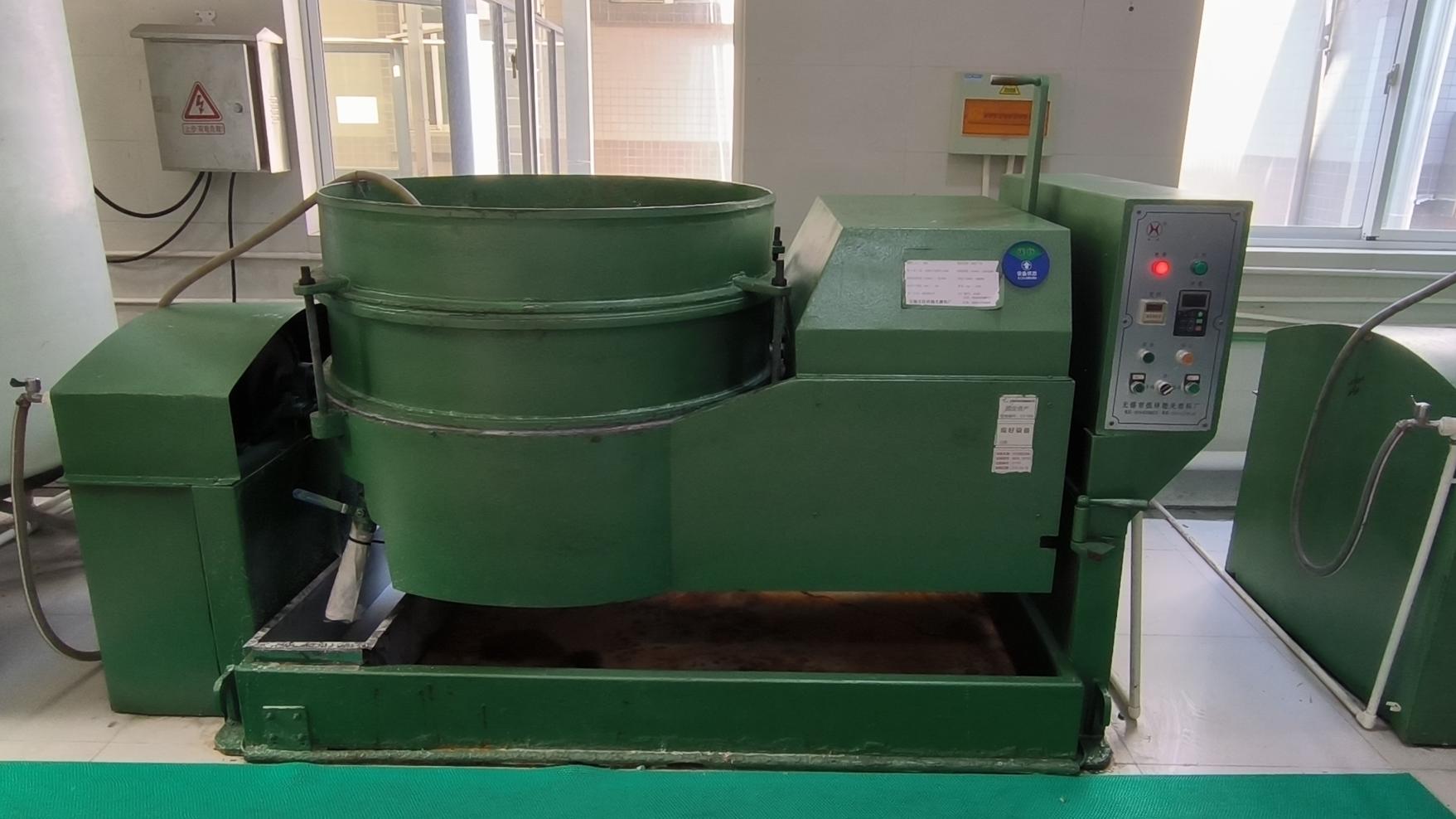
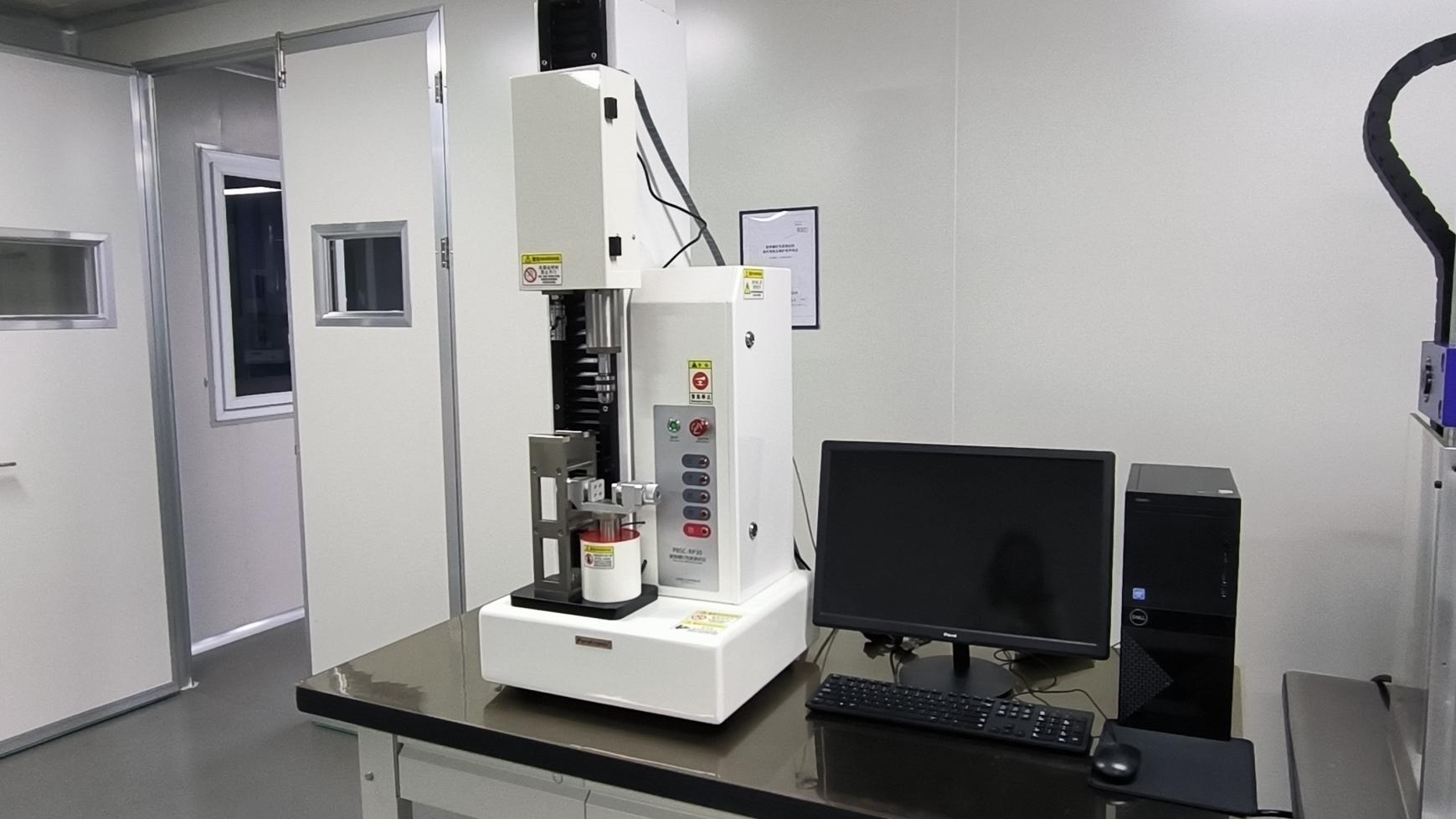
Sourcing plating systems and orthopedic trauma implants from China requires a multi-dimensional evaluation of manufacturing capabilities, international regulatory compliance, and total cost of ownership (TCO). Procurement teams from medical device distributors, hospital networks, and engineering contractors must align their supplier selection criteria with key performance indicators.
Ensure manufacturers possess active ISO 13485:2016 quality management system certification and CE MDR (EU 2017/745) certificates. In our operations, over 214 product models maintain CE registration with local market registrations in 60+ countries.
Demand full material test reports (MTR) verifying compliance with ASTM F136 / ISO 5832-3 for Titanium Grade 5 (Ti-6Al-4V ELI) and PEEK OPTIMA standards to guarantee biocompatibility and mechanical strength.
Modern locking plate systems rely on thread-locking mechanisms with micron-level tolerances ($\pm 0.005 \text{ mm}$). 5-axis CNC machining centers prevent cross-threading and internal stress concentrators during surgical screw insertion.
Our integrated manufacturing lines cater to diverse high-stakes sectors, ranging from complex reconstructive orthopedic surgeries to heavy-duty renewable energy structures.
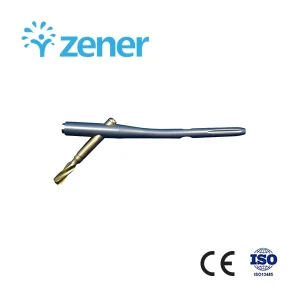
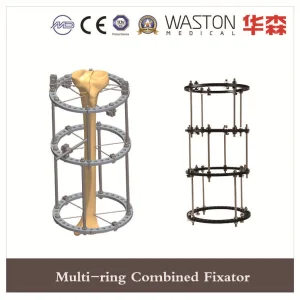
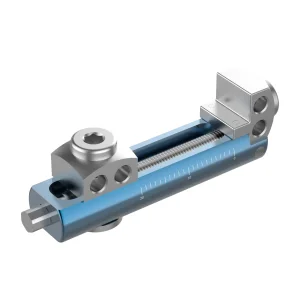
Including Ilizarov external fixators, mini external fixators for phalanges/metacarpals, and variable-angle patella locking plates. These systems provide rigid anatomical stabilization, accommodating complex comminuted fractures and bone lengthening procedures.
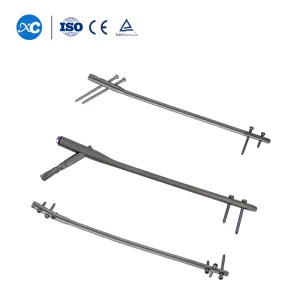
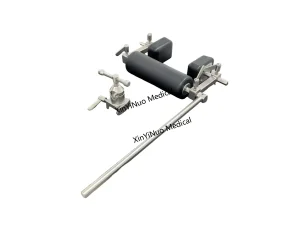
Anterior cervical plate fixation systems engineered with low-profile contouring to minimize dysphagia risk post-surgery, paired with specialized knee prosthesis positioners and intramedullary nails (PFNA Gamma) for rapid patient mobilization.
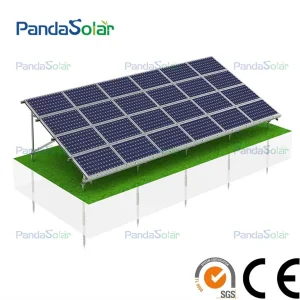
Advanced Magnesium-Aluminum-Zinc structural plating ground systems engineered to resist aggressive soil salinity, acidic rain, and coastal spray without requiring secondary post-fabrication galvanizing.
The next decade will redefine precision plating systems through smart sensor integration, bio-interactive coatings, and additive manufacturing. China's leading factories are investing heavily in R&D to bridge the gap between static mechanical implants and dynamic physiological systems.
Embedding micro-piezoelectric strain gauges inside load-bearing plates to measure micro-motion and bone union progress in real time via wireless telemetry.
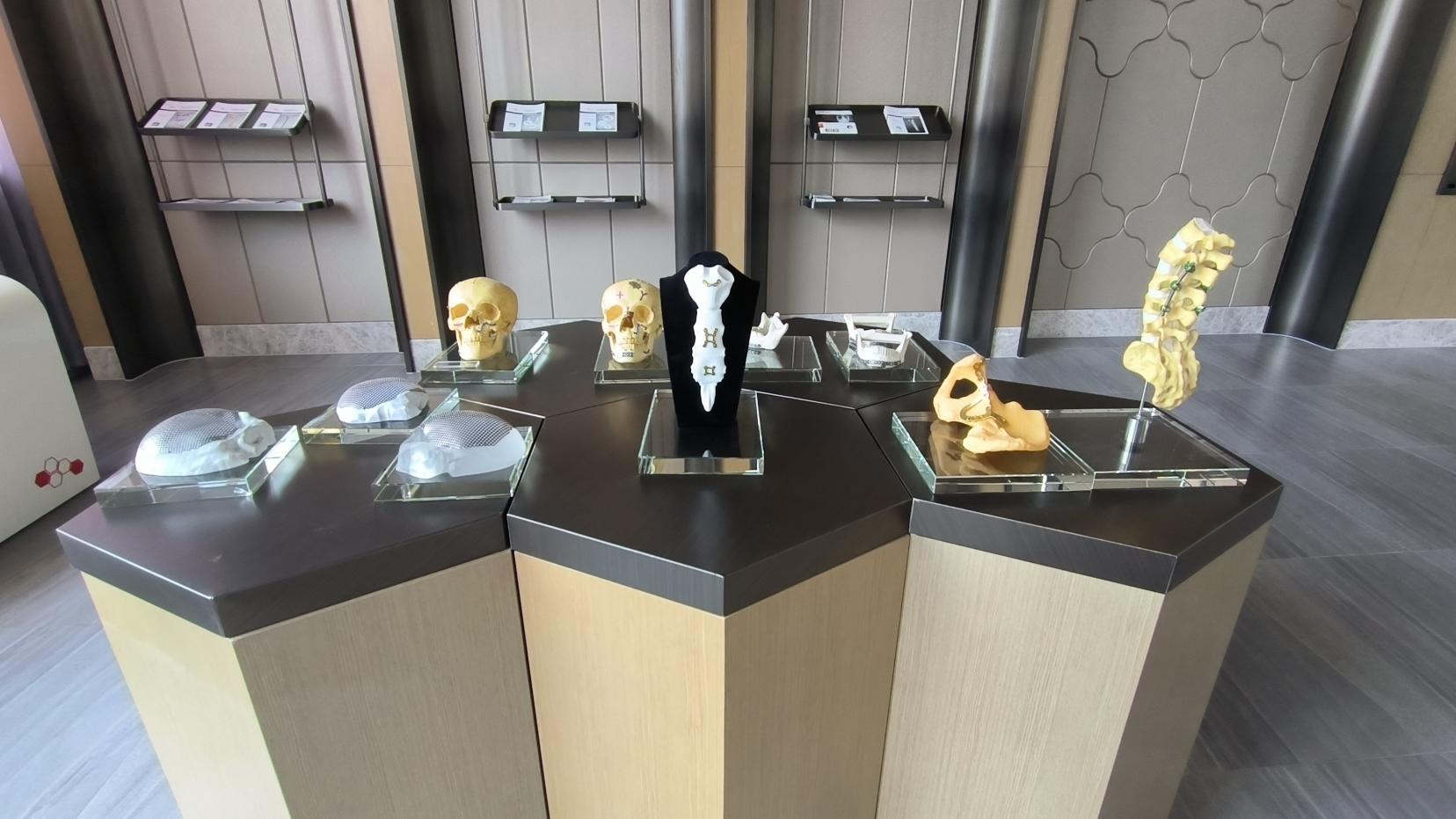
Combining CT scan data with direct metal laser sintering (DMLS) to produce customized anatomical plates with trabecular porous structures that stimulate direct bone ingrowth.
Developing silver-nanoparticle and copper-doped anodized surfaces that eliminate post-operative surgical site infections (SSI) while gradually eluting growth factors.
Explore our secondary catalog of orthopedic trauma implants, sports medicine repair devices, high-durability fasteners, and electronic accessories.