Blutree Orthopedic Implants
Blutree Orthopedic Implants
Blutree Orthopedic Implants
Explore our leading precision-engineered medical hardware and orthopedic instrumentation systems exported worldwide.
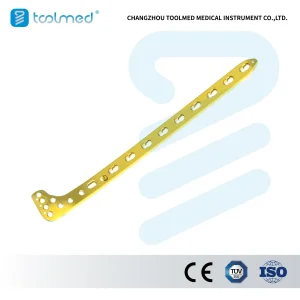
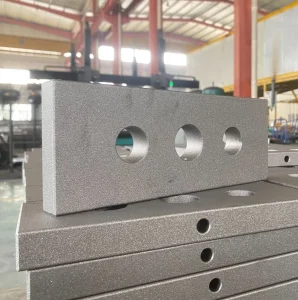
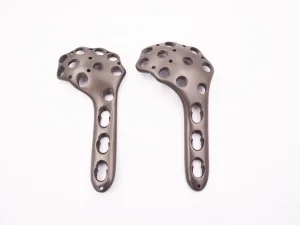
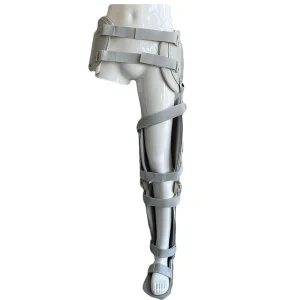
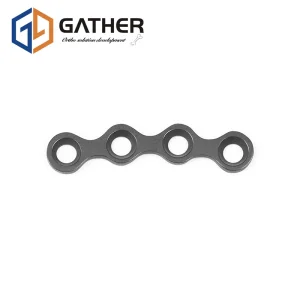
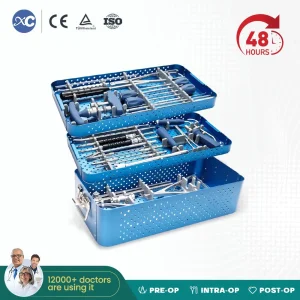
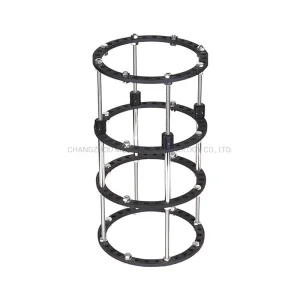
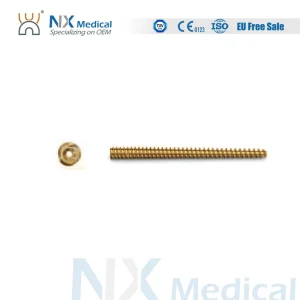
Analysis of global clinical standards, biomechanical requirements, and the supply ecosystem for ligament reconstruction.
Posterior Cruciate Ligament (PCL) injuries, though less frequent than Anterior Cruciate Ligament (ACL) tears, represent a significant clinical challenge in sports medicine and high-impact trauma orthopedics. Biomechanical studies indicate that the PCL is the primary stabilizer against posterior tibial translation and a secondary stabilizer against rotational tibial displacement. Successful surgical reconstruction of the PCL relies heavily on the quality, structural stability, and biocompatibility of PCL fixation devices.
Globally, the demand for advanced PCL reconstruction implants—such as adjustable loop suspensory fixation, interference screws (both titanium and bioabsorbable), and supplementary tibial backing staples—is surging. The market is driven by an aging yet active global population, advancements in arthroscopic minimally invasive surgery, and expanding healthcare infrastructures in emerging markets. Surgeons demand devices that offer immediate post-operative graft security, minimal micro-motion, and optimal biological integration interfaces to avoid early graft failure.
In PCL reconstruction, choosing between suspensory cortical fixation (e.g., adjustable loop buttons) and aperture fixation (e.g., cannulated interference screws) is vital. Suspended loop devices distribute stress load dynamically over the femoral cortex, while interference screws secure the graft at the joint line, maximizing graft-to-bone contact. Our design philosophy incorporates titanium alloys (Ti-6Al-4V ELI) that maximize mechanical tensile threshold values while maintaining high fatigue limits.
Orthopedic implant manufacturing requires strict adherence to international quality standards. Since our inception in 1999, we have prioritized regulatory certifications and structural validation to become a trusted global partner.
Medical device production demands high repeatability and minimal dimensional variation. By utilizing state-of-the-art material processing alongside strict quality control, we ensure that clinical failure rates are kept to near-zero. Our orthopedic implants undergo comprehensive mechanical stress testing to simulate lifetime cycles of physical stress, protecting patient health.
Behind every implant lies a zero-defect manufacturing process, utilizing precision tooling, automated washing, and robust mechanical testing systems.
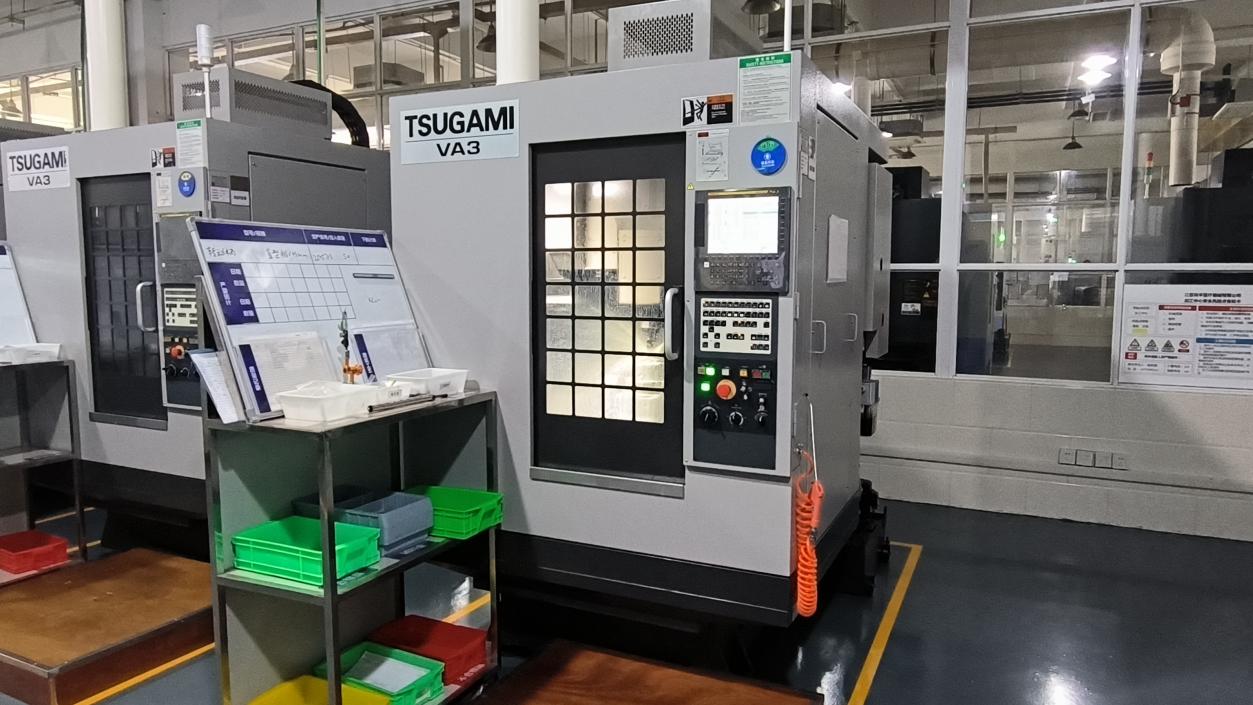
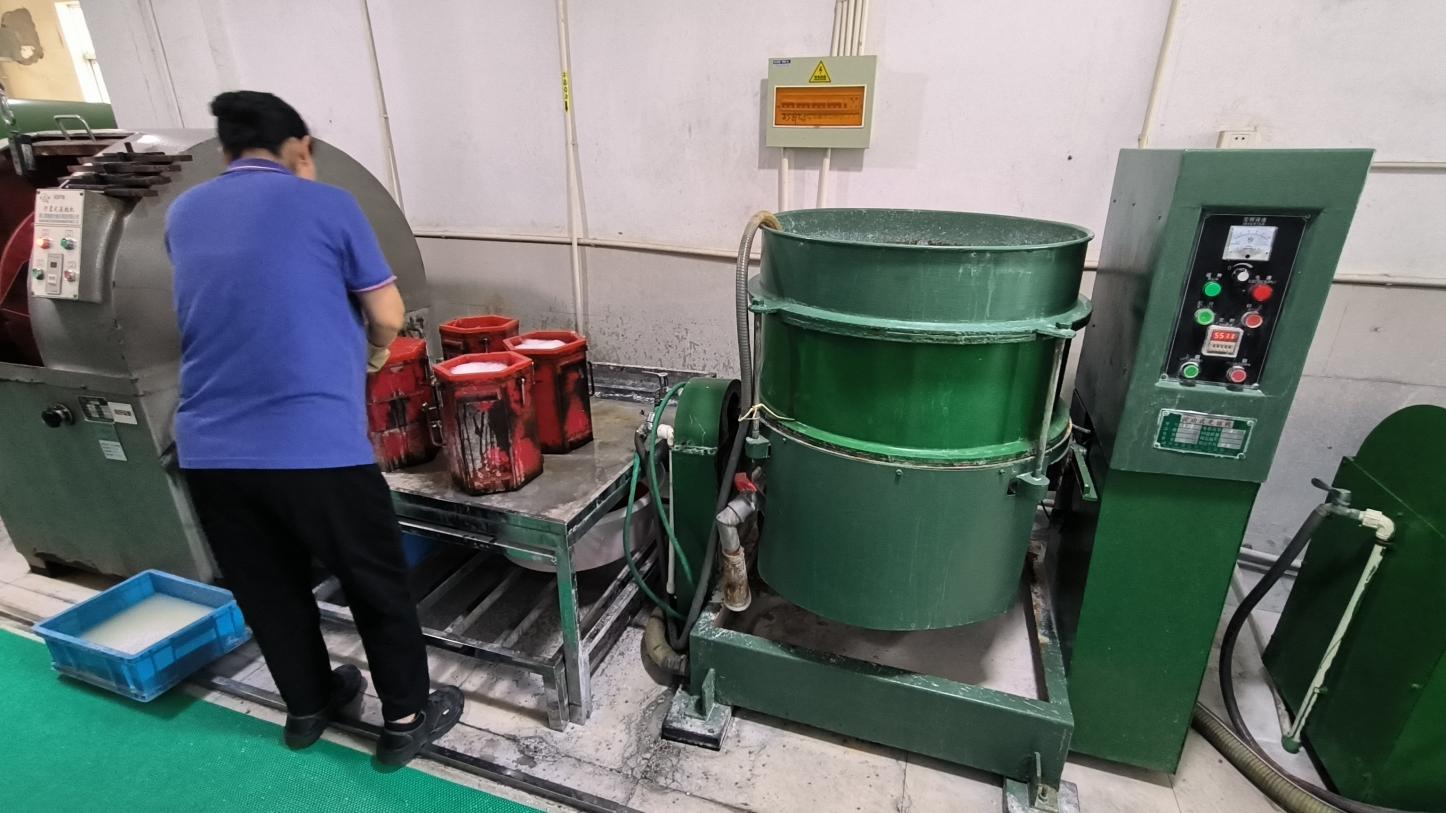
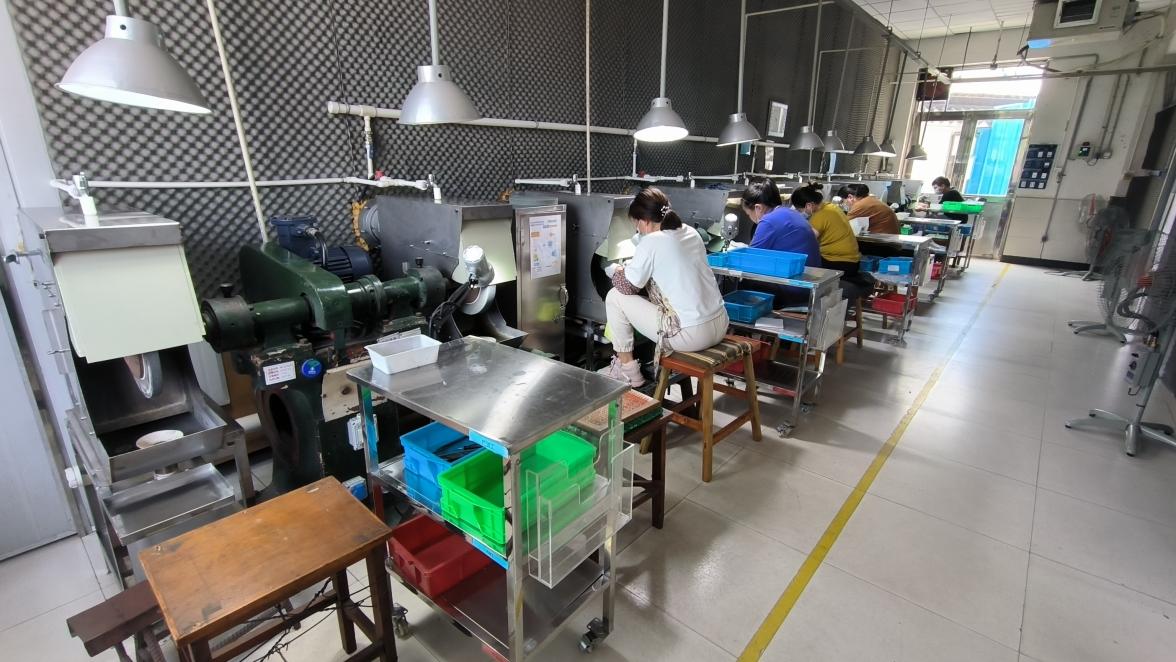
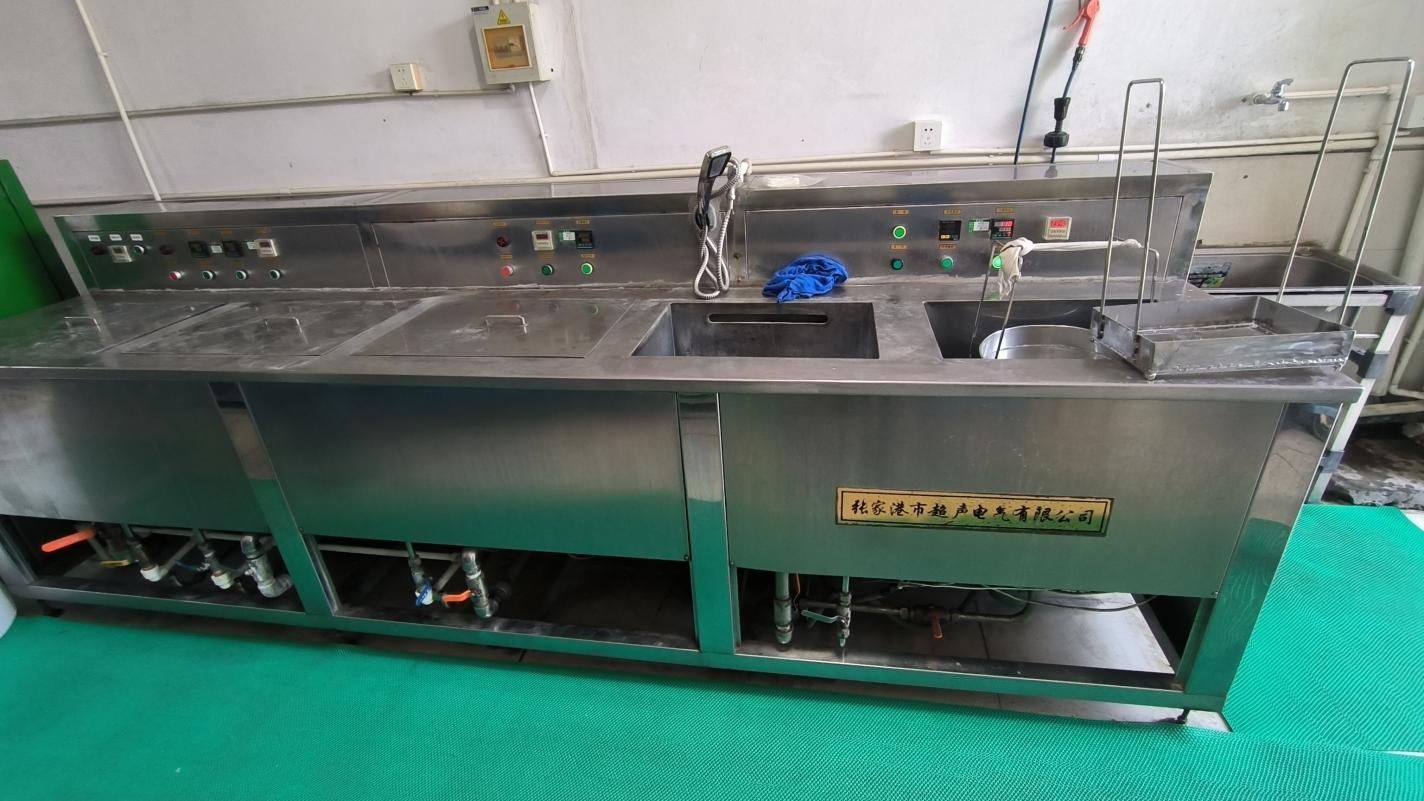
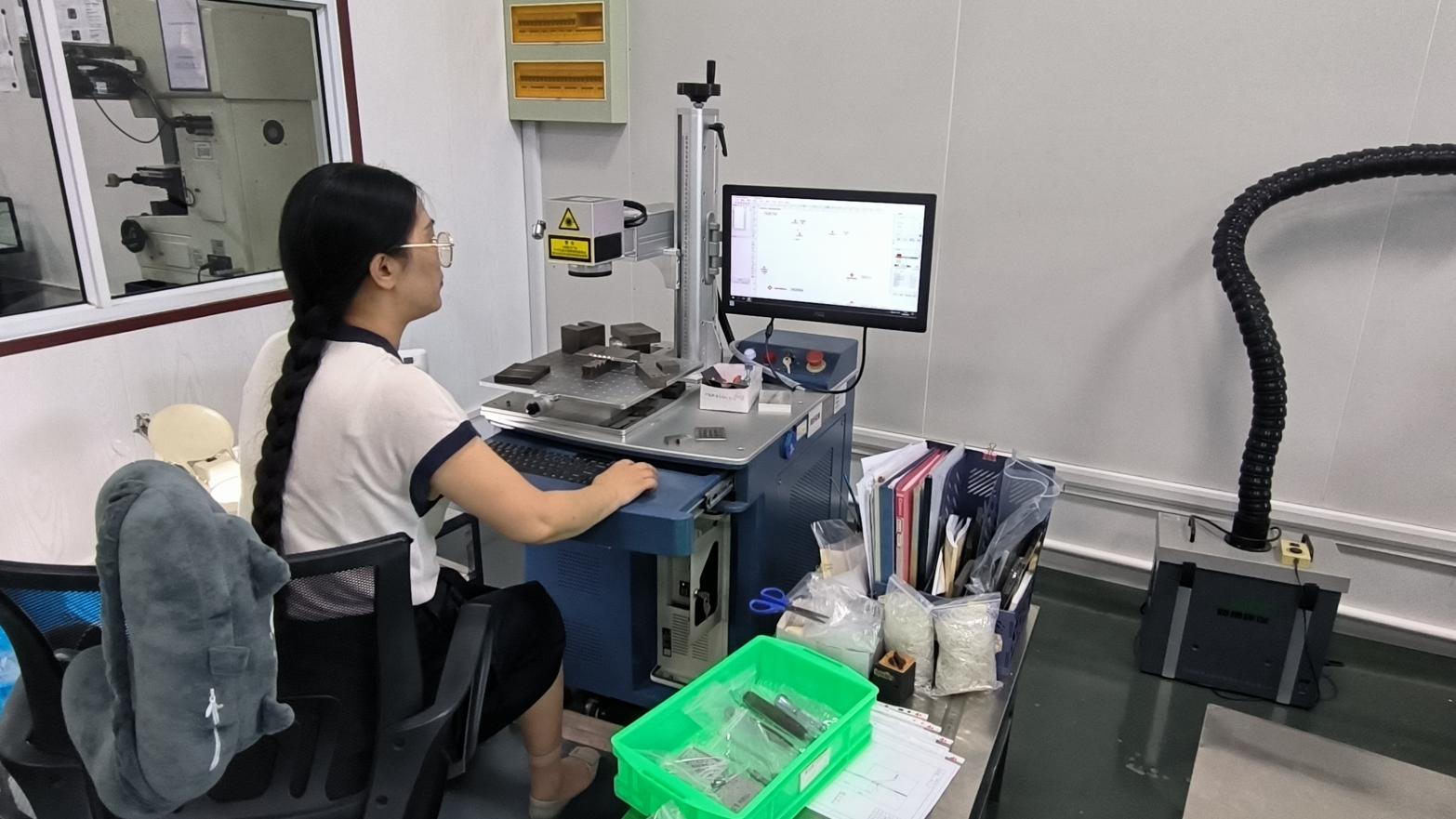
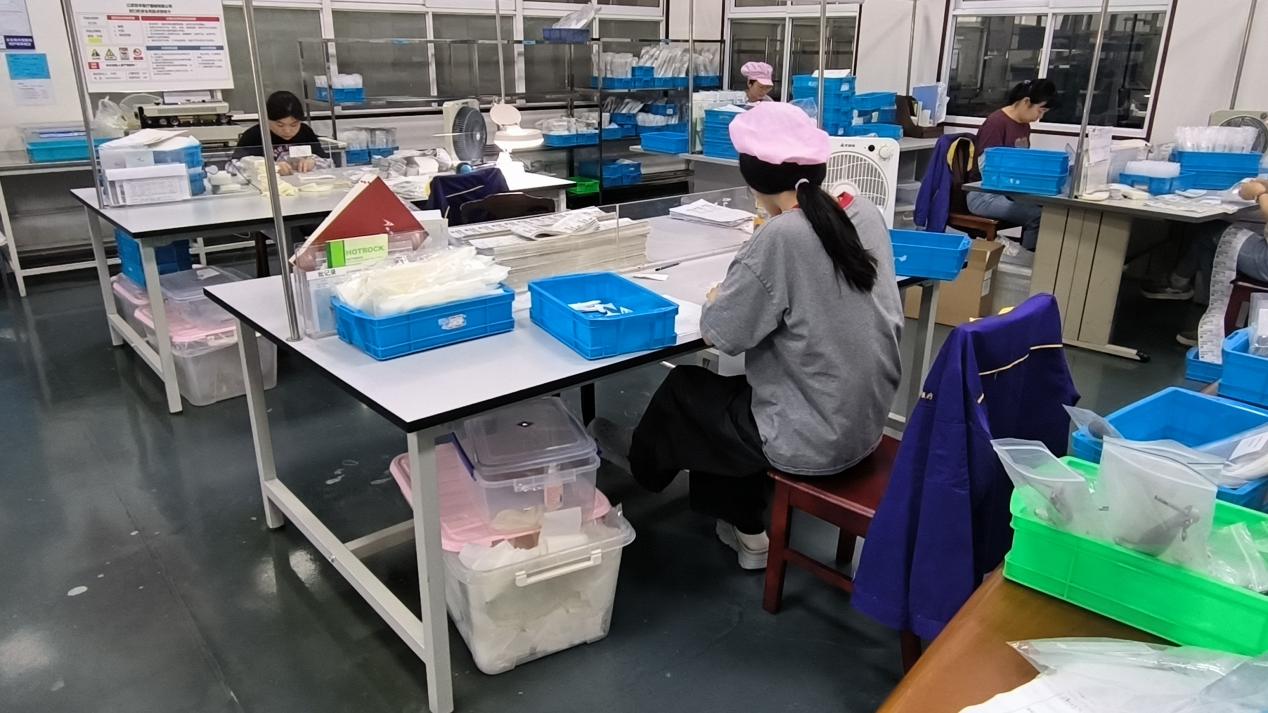
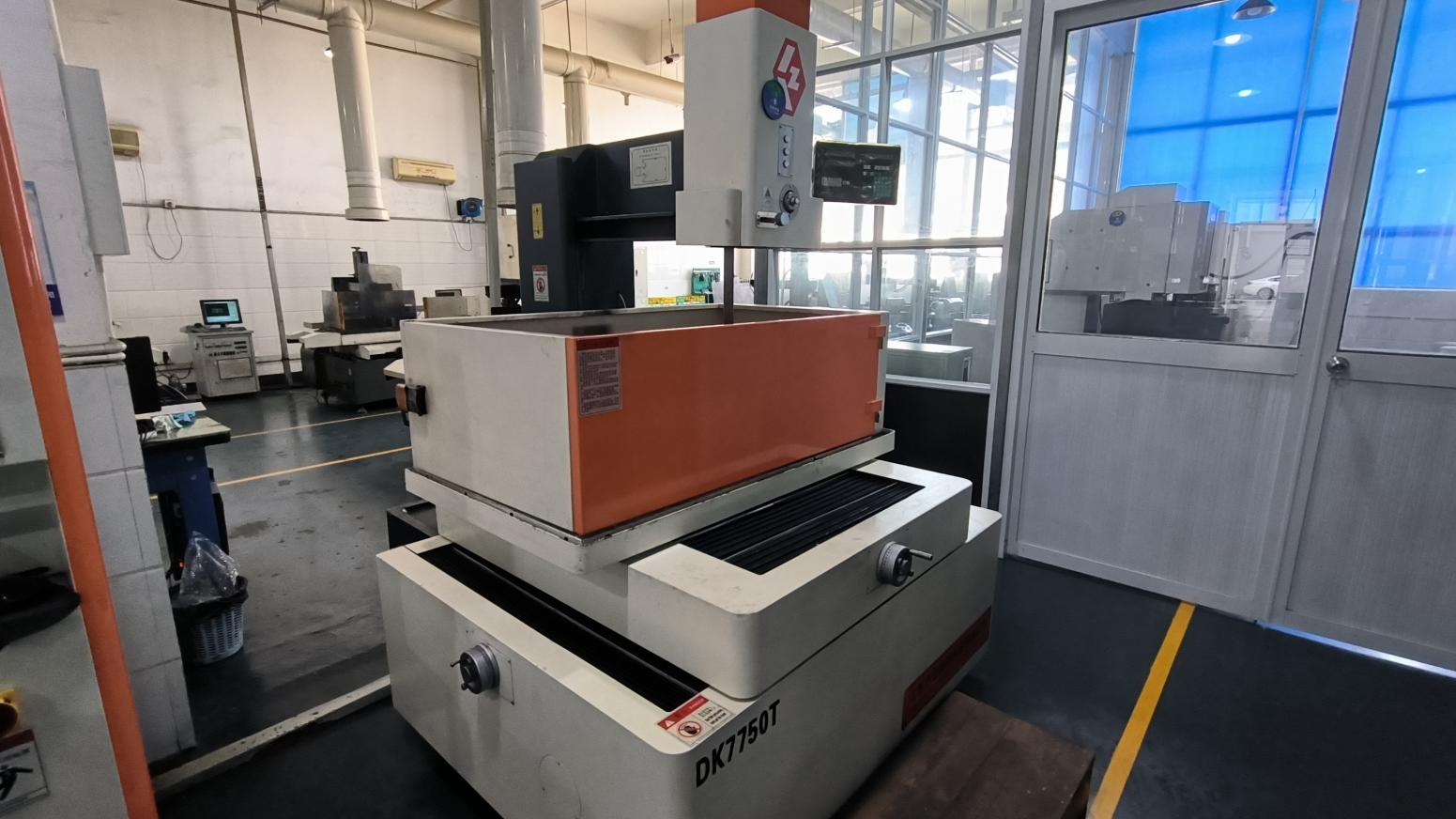
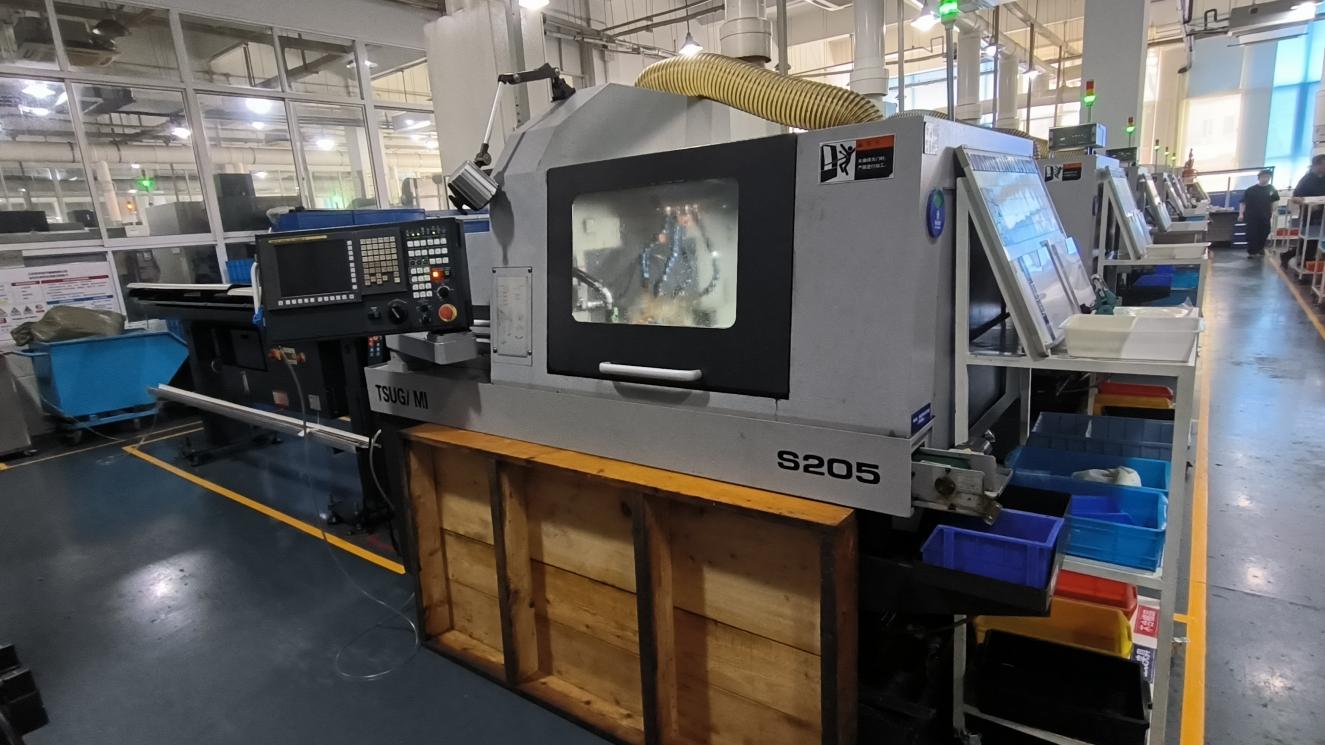
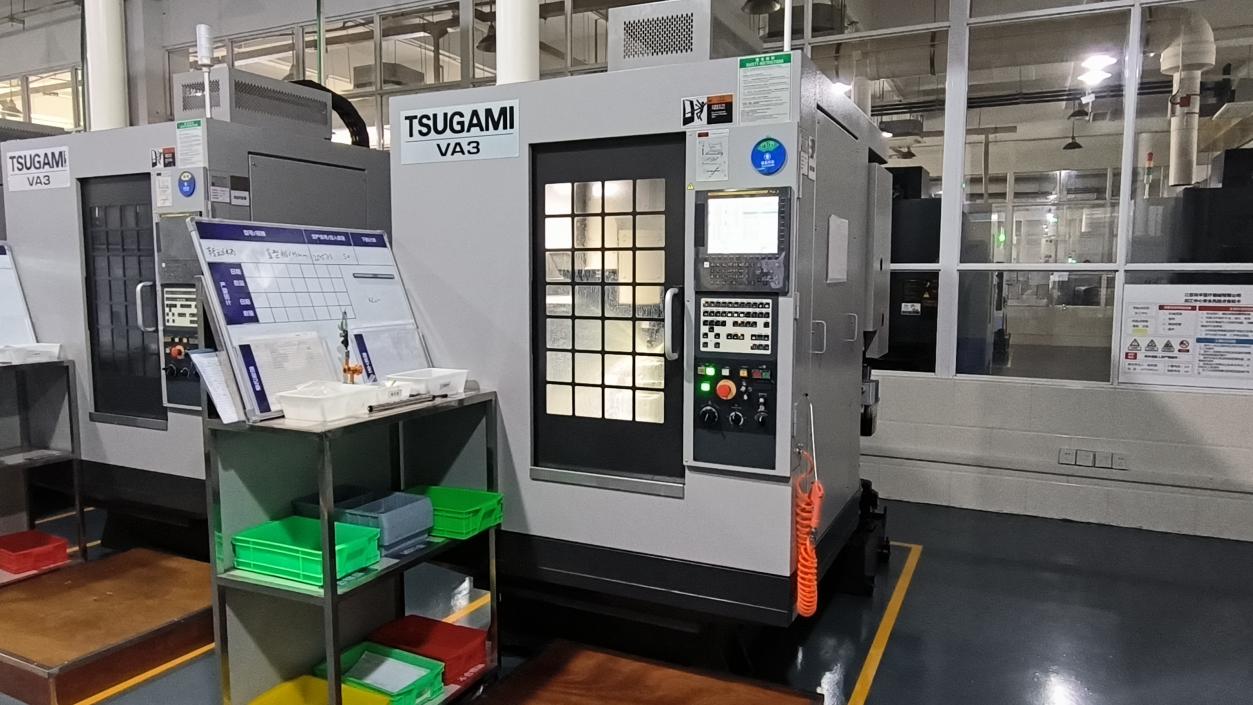
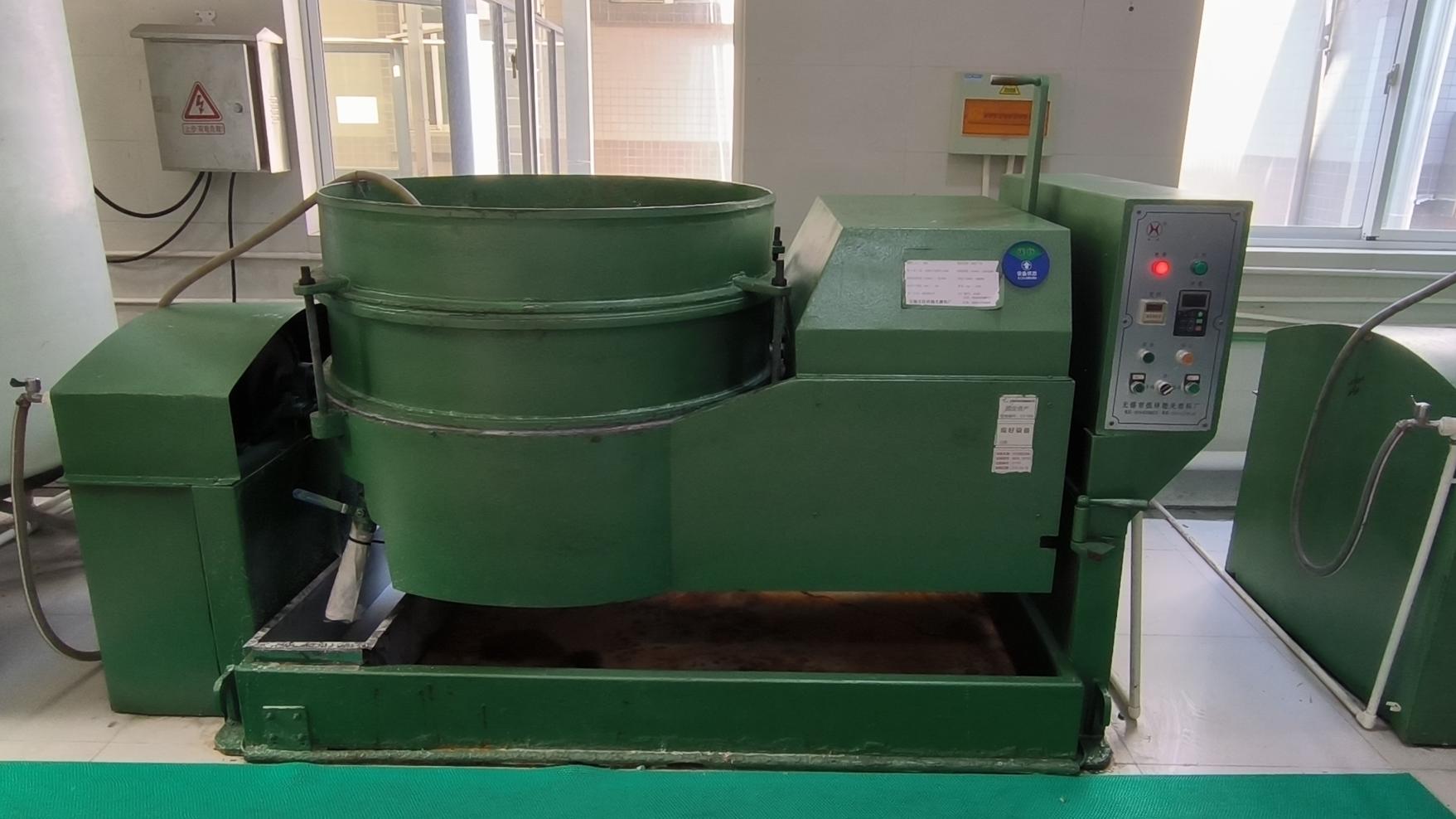
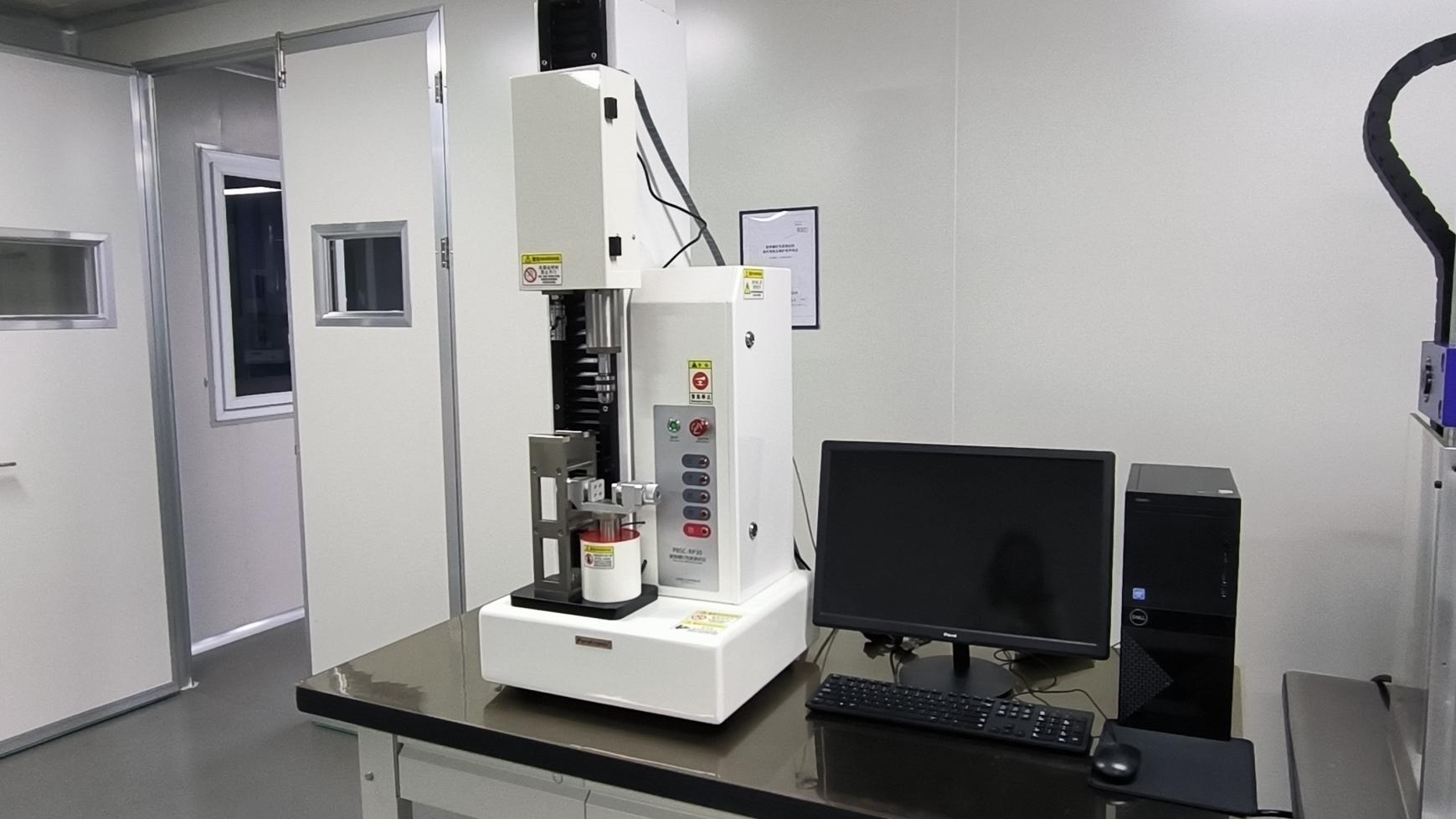
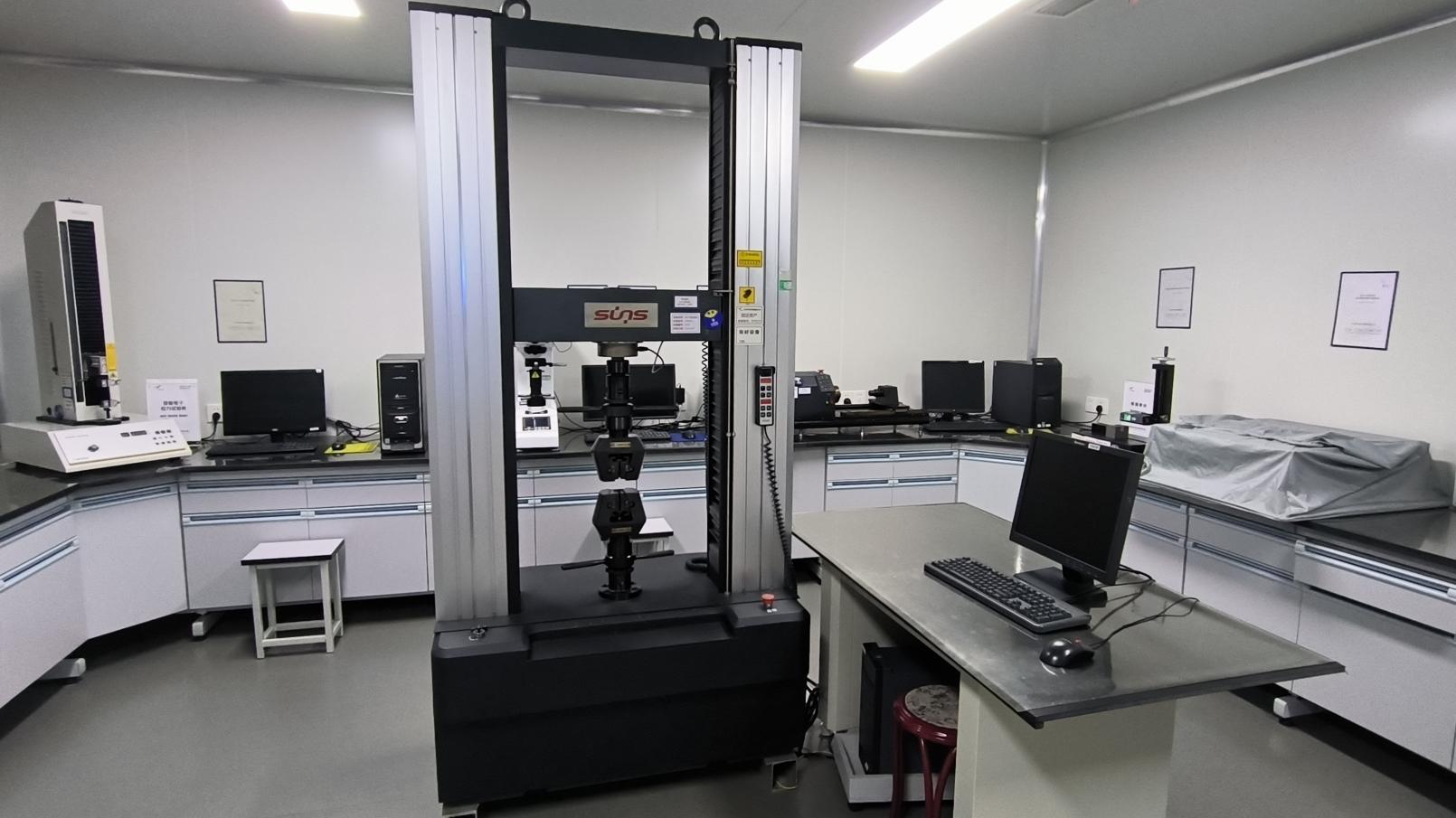
Over the past two decades, China has evolved from a basic component manufacturer to a leading innovator in surgical implants and precision instrumentation. The efficiency of Chinese orthopedic device manufacturing centers on two major factors: comprehensive supply chain integration and localized high-tech infrastructure.
We coordinate raw material sourcing, automated machining, surface treatment, quality testing, and sterile barrier packaging within single geographic hubs. By sourcing medical-grade titanium bars, PEEK polymer formulations, and cobalt-chrome alloys from certified premium suppliers, we reduce material lead times by up to 40% compared to Western competitors.
Additionally, the integration of advanced CNC machining centers, wire-cutting machines, and slitting equipment with multi-axis capabilities allows us to switch production runs quickly. This agility makes us an ideal partner for large global OEM batches and small-volume custom implants alike. High-efficiency automated polishing and ultrasonic cleaning processes ensure that implants exit the cleanroom with low endotoxin levels, ready for sterilization and surgical application.
Patient anatomy, surgical habits, and clinical preferences vary across regions. In European and North American markets, surgeons favor adjustable loop suspensory fixation, which fits variable graft tunnels without requiring complex length calculations. Conversely, emerging markets often combine interference screws and tibial staples to balance costs with mechanical stability.
To address these diverse needs, we design PCL fixation systems for modularity. Our designs feature:
Aperture Screws with Rounded Thread Profiles: These threads protect soft-tissue grafts (such as semitendinosus and gracilis tendons) from lacerations during insertion, ensuring high compression along the bone tunnel.
Low-Profile Cortical Buttons: With a thickness of only 1.2 to 1.5mm, these buttons sit flush against the cortex, reducing soft-tissue irritation in thin or active patients.
Advanced Titanium Surface Passivation: Anodization steps create a bio-inert titanium dioxide layer that promotes osseointegration and prevents metal ion release, ensuring long-term biocompatibility.
When sourcing PCL and general orthopedic implants, global procurement directors must evaluate technical parameters beyond simple cost per unit. Important check-points include:
1. Material Integrity: Titanium implants must comply with ASTM F136 or ISO 5832-3 standards. Bioabsorbable materials like PLLA-HA must show controlled degradation kinetics to avoid osteolytic tissue responses.
2. Pull-out Strength Metrics: Suspended loops must handle cyclic loads (over 100,000 cycles at 50-250 N force) with residual displacement under 1.5mm.
3. Comprehensive Sterility: Implants must be packaged in ISO Class 7/Class 10,000 cleanrooms using validated sterile barriers (e.g., DuPont Tyvek) to guarantee a sterile life of 5 years.
The orthopedic industry is adopting biological enhancements and smart material integrations. Research is focused on:
Bio-Active Composites: Designing interference screws that release calcium phosphate minerals over time to accelerate graft-to-bone healing.
Primary Suture Tape Augmentation: Adding ultra-high molecular weight polyethylene (UHMWPE) braided sutures to PCL grafts to provide initial mechanical protection, allowing for earlier physical rehabilitation.
Patient-Specific Guides (PSG): Designing surgical guides using preoperative 3D CT scans to map out optimal femoral and tibial tunnel locations, helping to avoid misaligned reconstruction.
Get professional insights regarding regulatory compliance, manufacturing technology, and logistics capabilities.
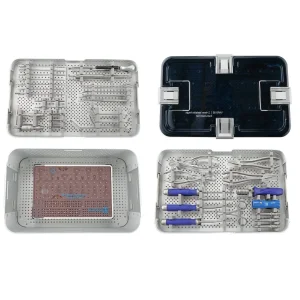
Browse our precision-manufactured prosthetics and comprehensive orthopedic surgical tool kits for hospitals and trauma clinics.