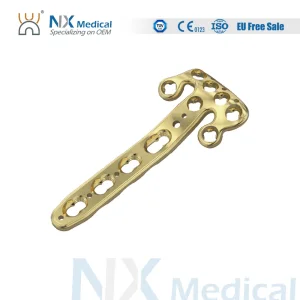
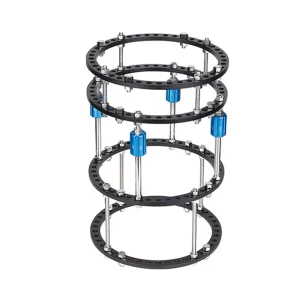
Blutree Orthopedic Implants
Blutree Orthopedic Implants
Blutree Orthopedic Implants
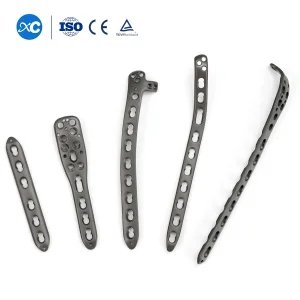
In the rapidly evolving landscape of orthopedic surgery, joint-preserving procedures such as high tibial osteotomy (HTO) and distal femoral osteotomy (DFO) have emerged as primary methodologies to treat unicompartmental osteoarthritis and complex limb deformities. Central to the success of these joint-preserving techniques is the mechanical and biological stability of the implant system. Modern osteotomy plates serve not only as load-bearing structures but as mechanical regulators that guide precise bone healing and early mobilization.
As a global leader established in 1999, our organization stands at the vanguard of research, development, and manufacturing of high-quality trauma, spinal, and reconstructive implants. With the complex surgical landscape demanding stricter biomechanical parameters and tighter regulatory frameworks, choosing the right manufacturer is paramount for healthcare networks, orthotics distributors, and OEM buyers worldwide. This document details the engineering specifications, global sourcing protocols, manufacturing workflows, and future outlook of osteotomy plating systems produced in China.
Osteotomy correction changes the alignment of long bones to reduce stress on worn cartilage. This displacement places extreme stress on the bone-implant interface. To prevent nonunion, hardware failure, or correction loss, manufacturers must adhere to rigorous mechanical engineering parameters:
Did you know? Dynamic fatigue testing in accordance with ASTM F382 ensures that every plate configuration is subjected to over 1,000,000 load cycles at biological loads to simulate daily activities during the bone-healing process.
Procurement teams at major healthcare systems, purchasing groups (GPOs), and multinational orthopedic brands face systemic pain points: supply chain instability, unpredictable lead times, fluctuating quality control, and shifting regulatory barriers (such as the EU Medical Device Regulation transition). Sourcing from a top-tier Chinese manufacturer with established export infrastructures offers strategic advantages:
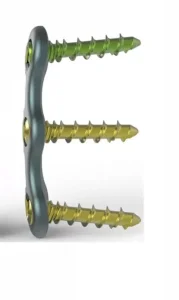
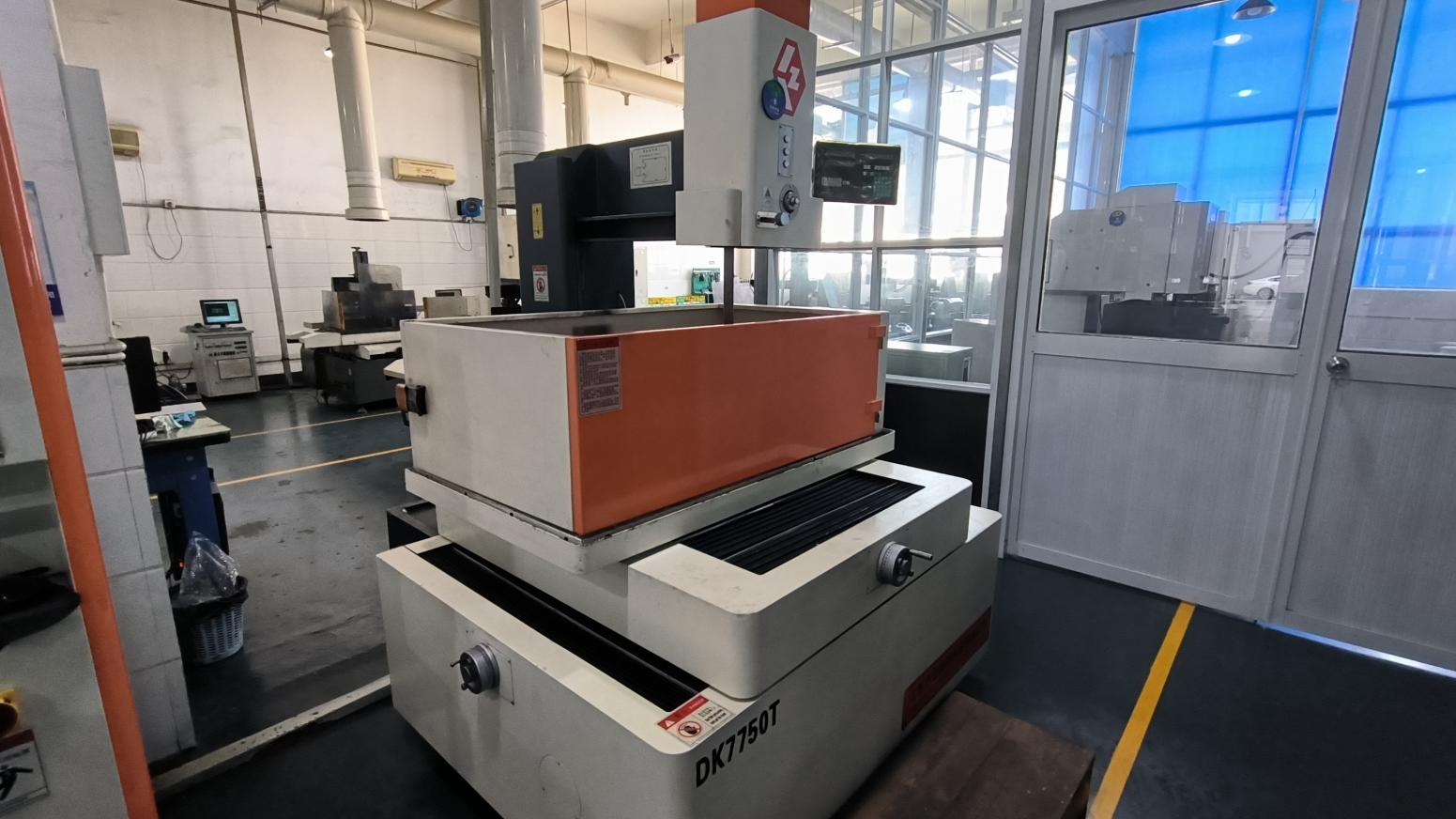
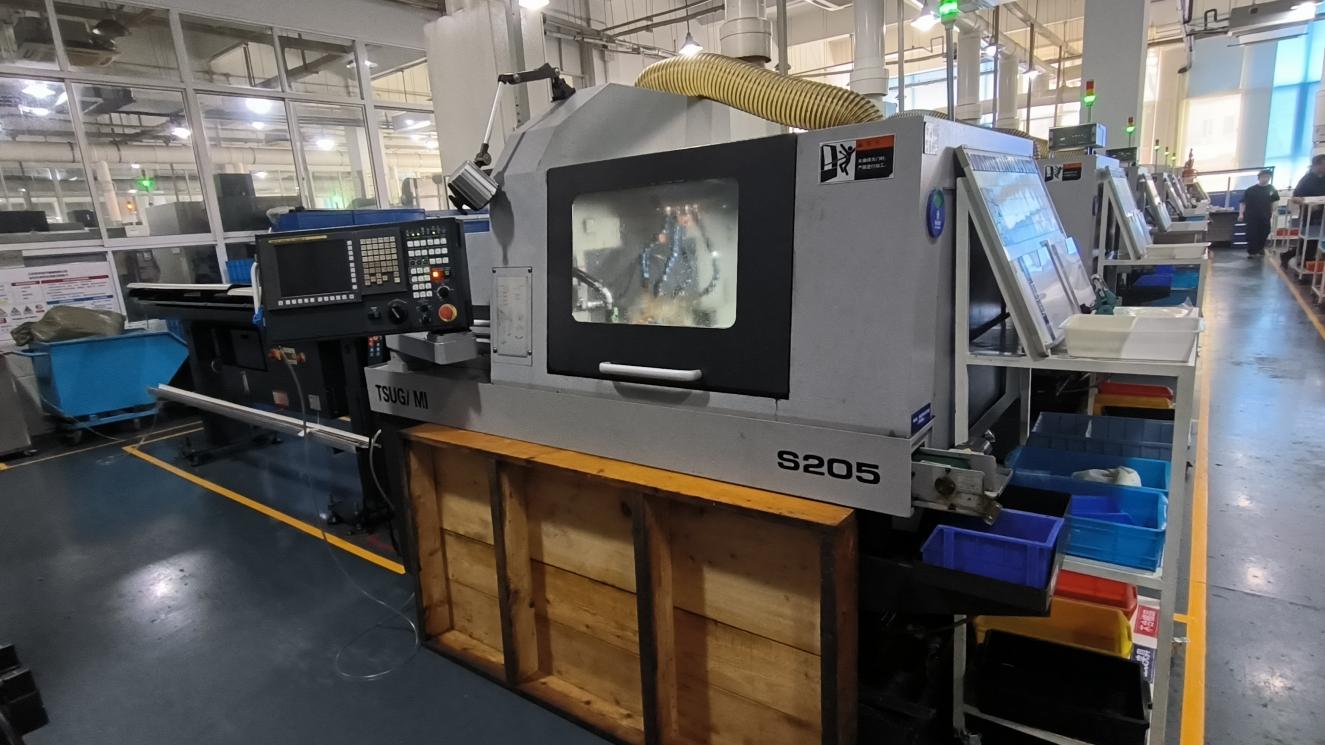
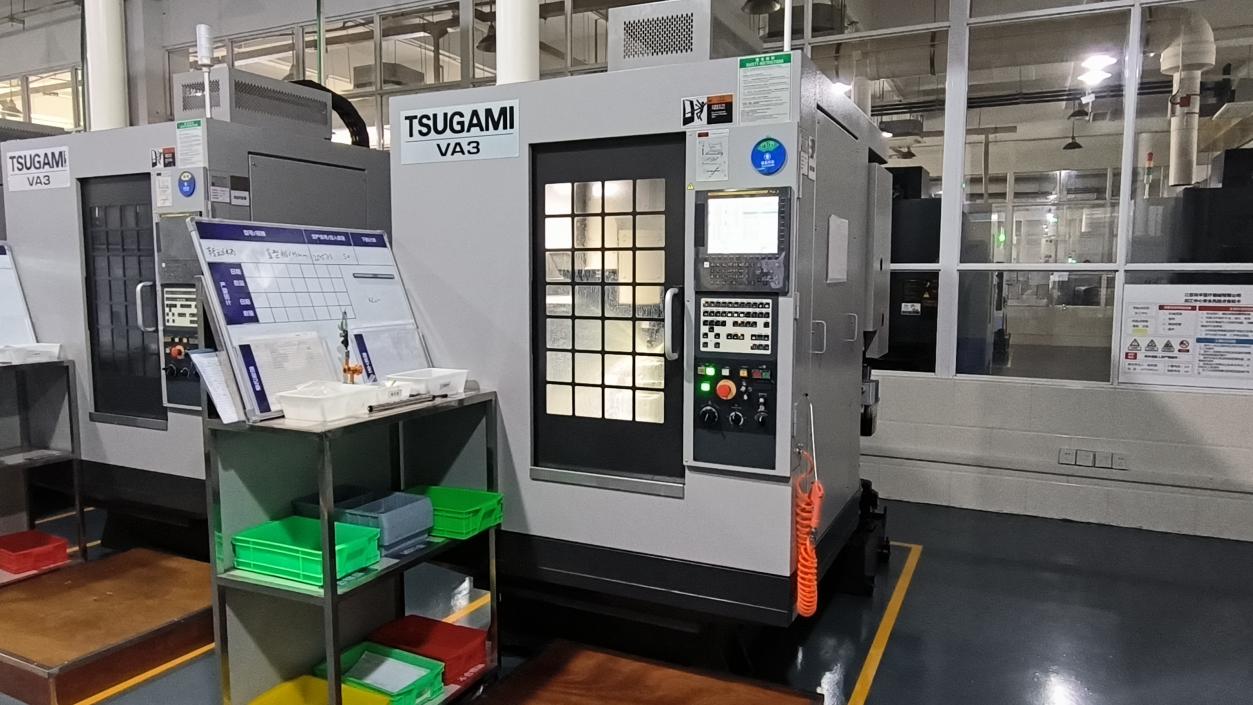
Unreliable thickness deviations or finish defects can render entire implant batches unusable. By utilizing fully automated multi-axis CNC machines and automated optical inspection systems, our defect rates are kept below 15 parts per million (PPM). This guarantees that every locking screw threads smoothly into its corresponding plate pocket.
High-quality manufacturing in China delivers cost-efficiency without sacrificing material integrity. Through vertically integrated processing (from raw bar stock processing to sterile packaging), we pass substantial savings to distributors, helping them maximize performance margins in highly cost-sensitive diagnostic related group (DRG) hospital environments.
With regional offices in major economic zones (including the Netherlands and the USA), logistics are managed with clear communication and fast custom clearances. This allows us to serve healthcare networks and distributors in over 160 countries.
To consistently produce high-performance medical implants, manufacturing facilities must feature cleanroom conditions, high-end production equipment, and advanced testing instrumentation. Below is our comprehensive production workflow:
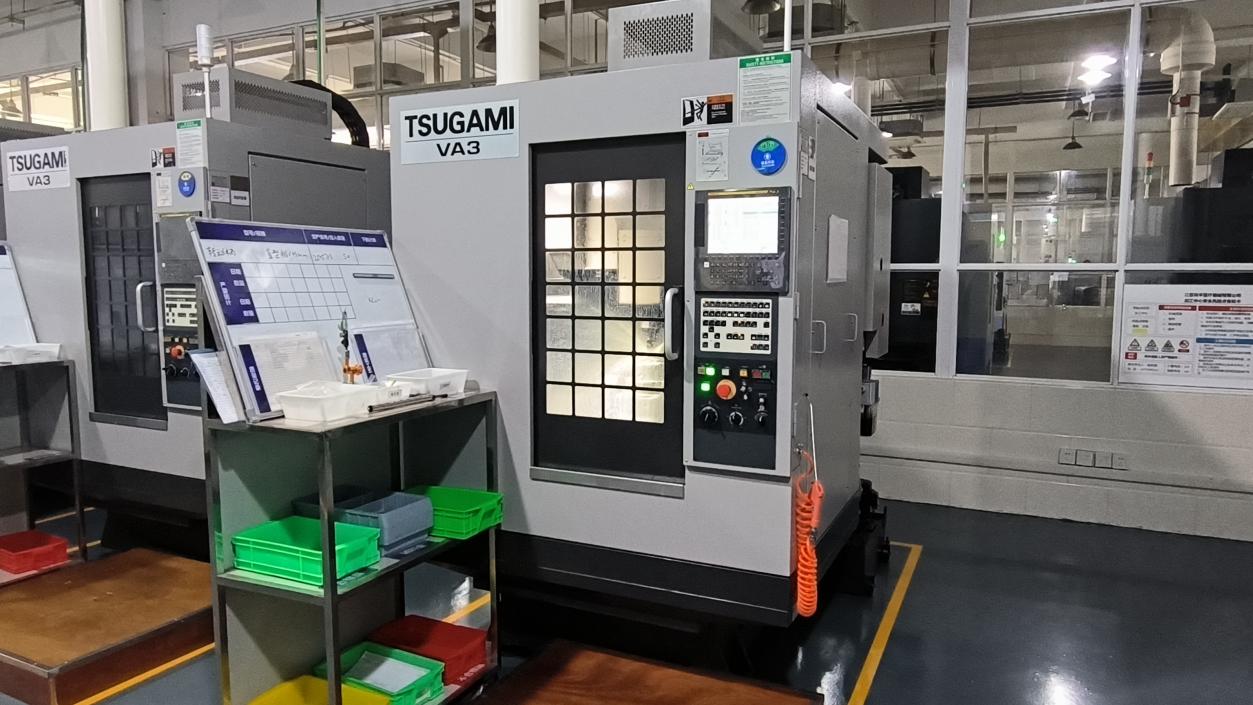 CNC Machining
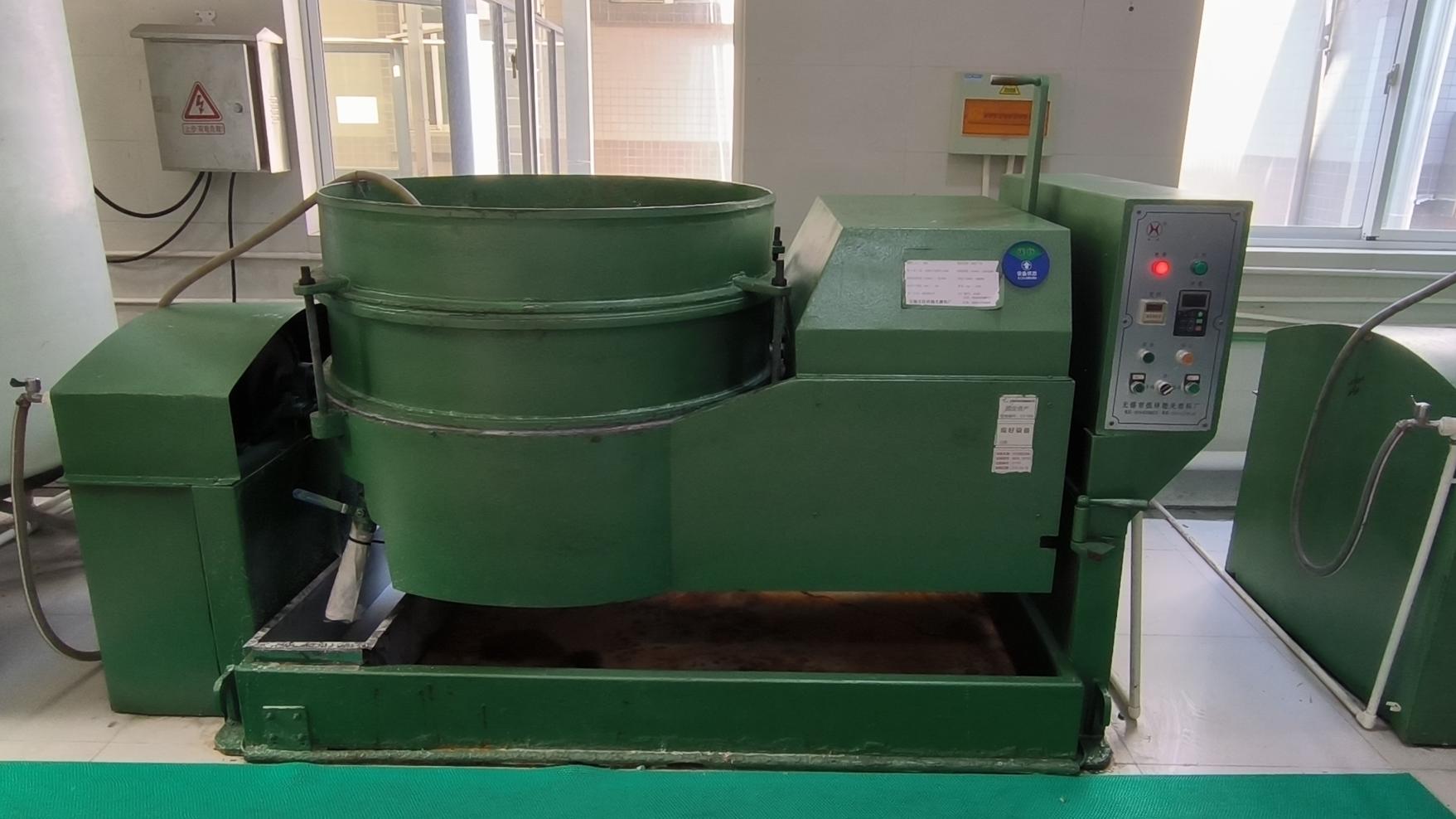
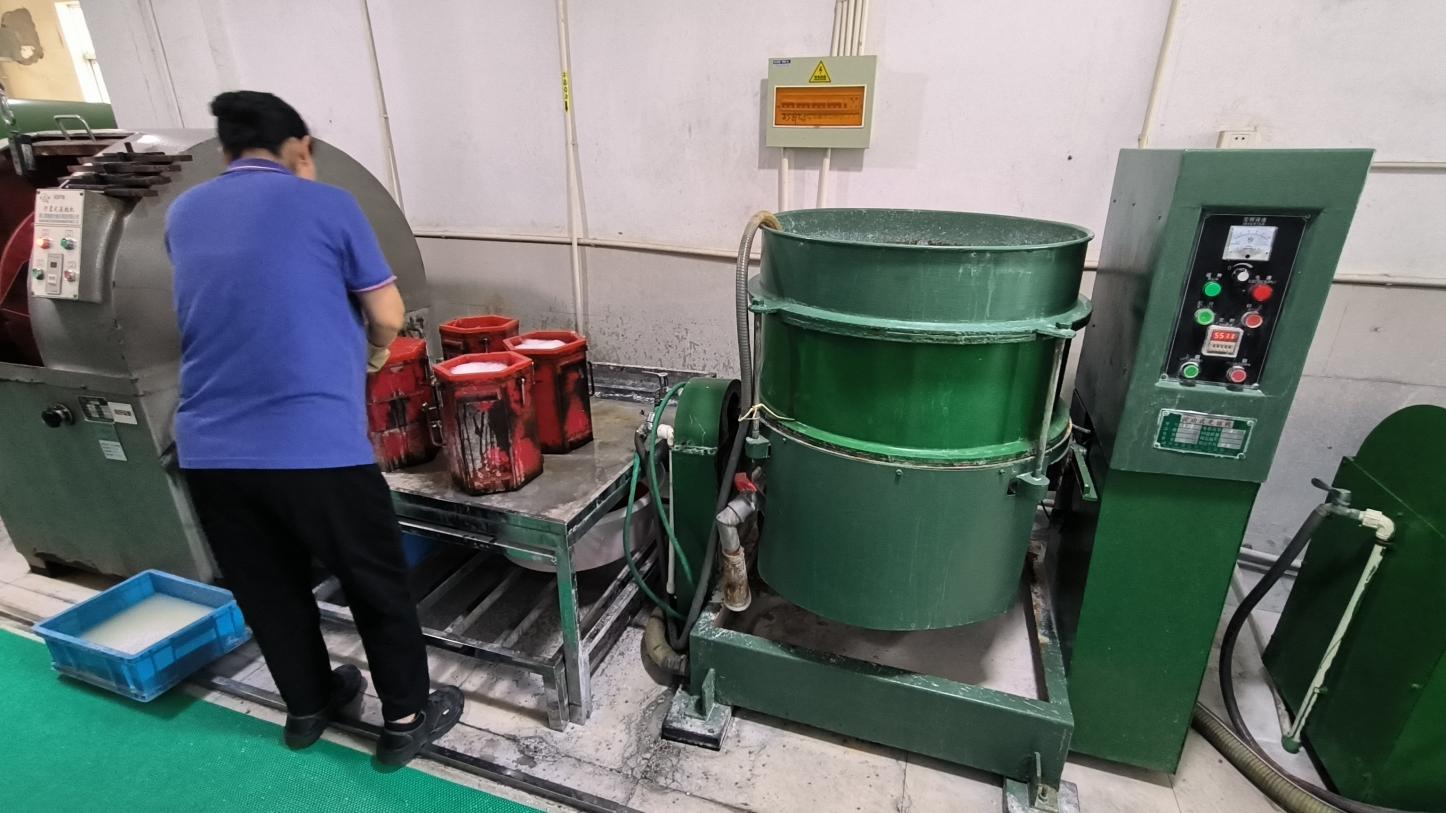 Tumbling
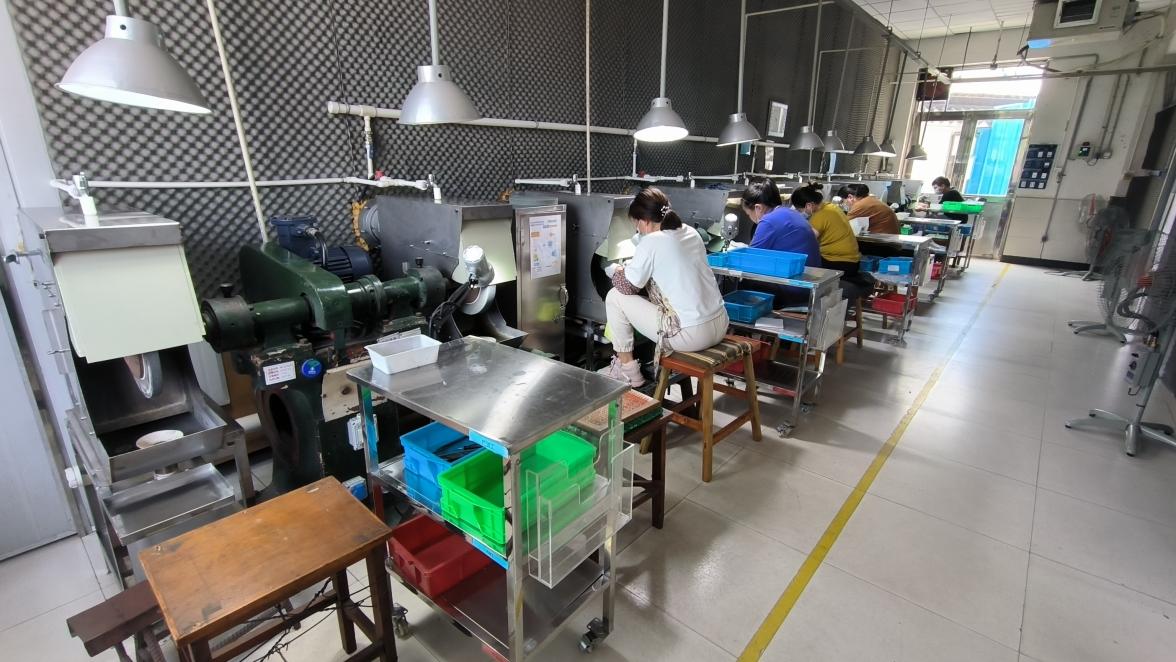 Polishing
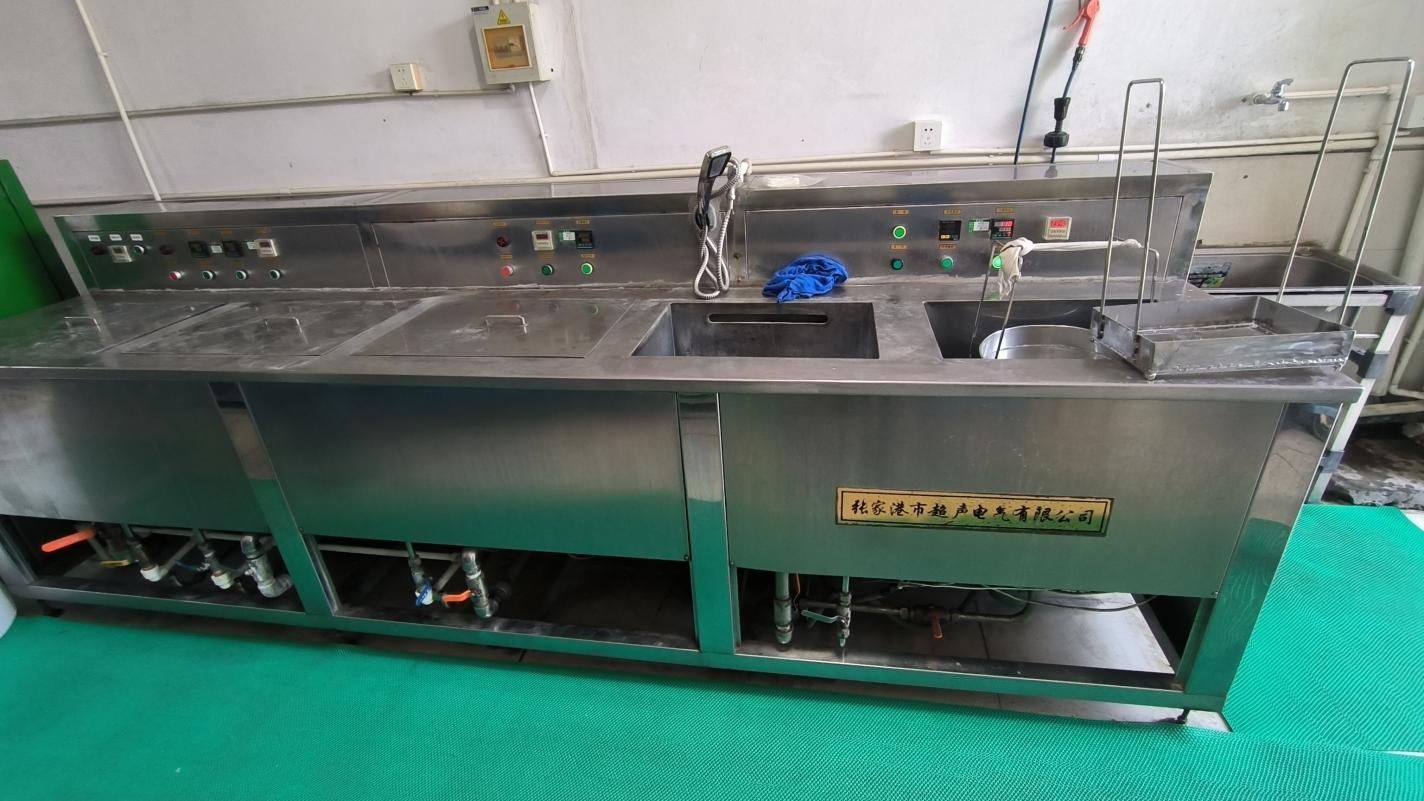 Washing
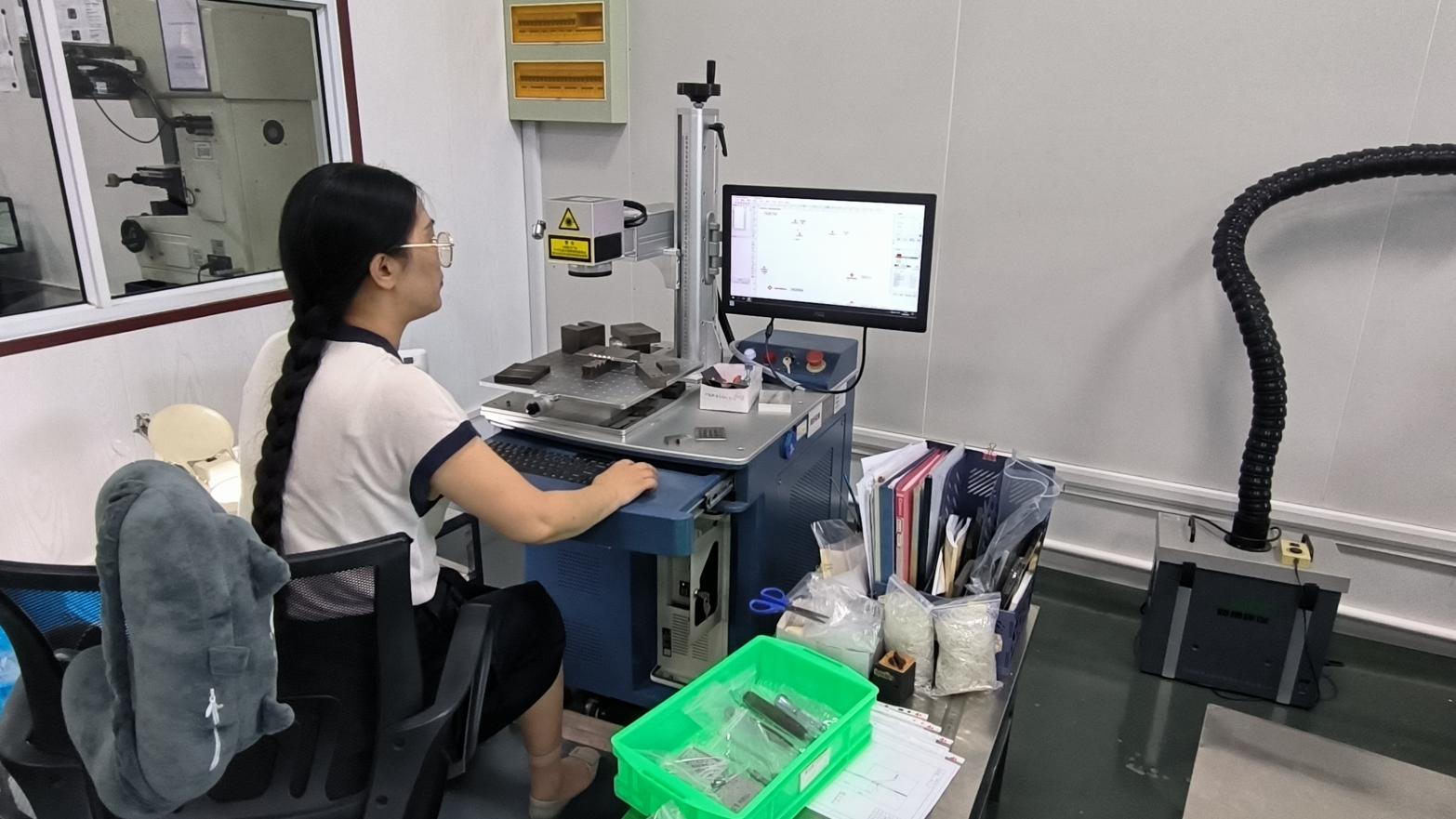 Checking
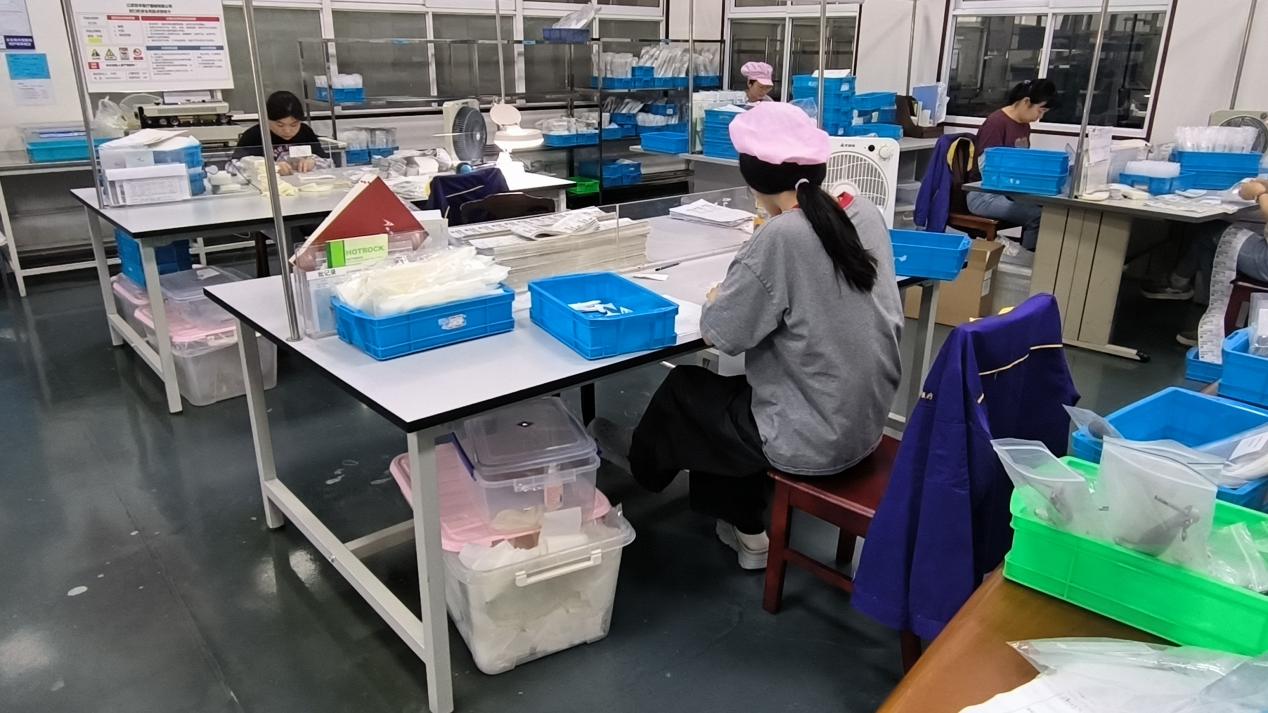 Packing
Each phase of production is monitored by skilled quality assurance specialists. High-speed multi-axis mills carve the plates from medical titanium blanks. This is followed by centrifugal tumbling and manual polishing to eliminate surface micro-irregularities that could cause local tissue irritation. Chemical cleaning in cleanrooms (Class 100,000 / ISO 8) ensures trace residues are removed before final sterile packaging.
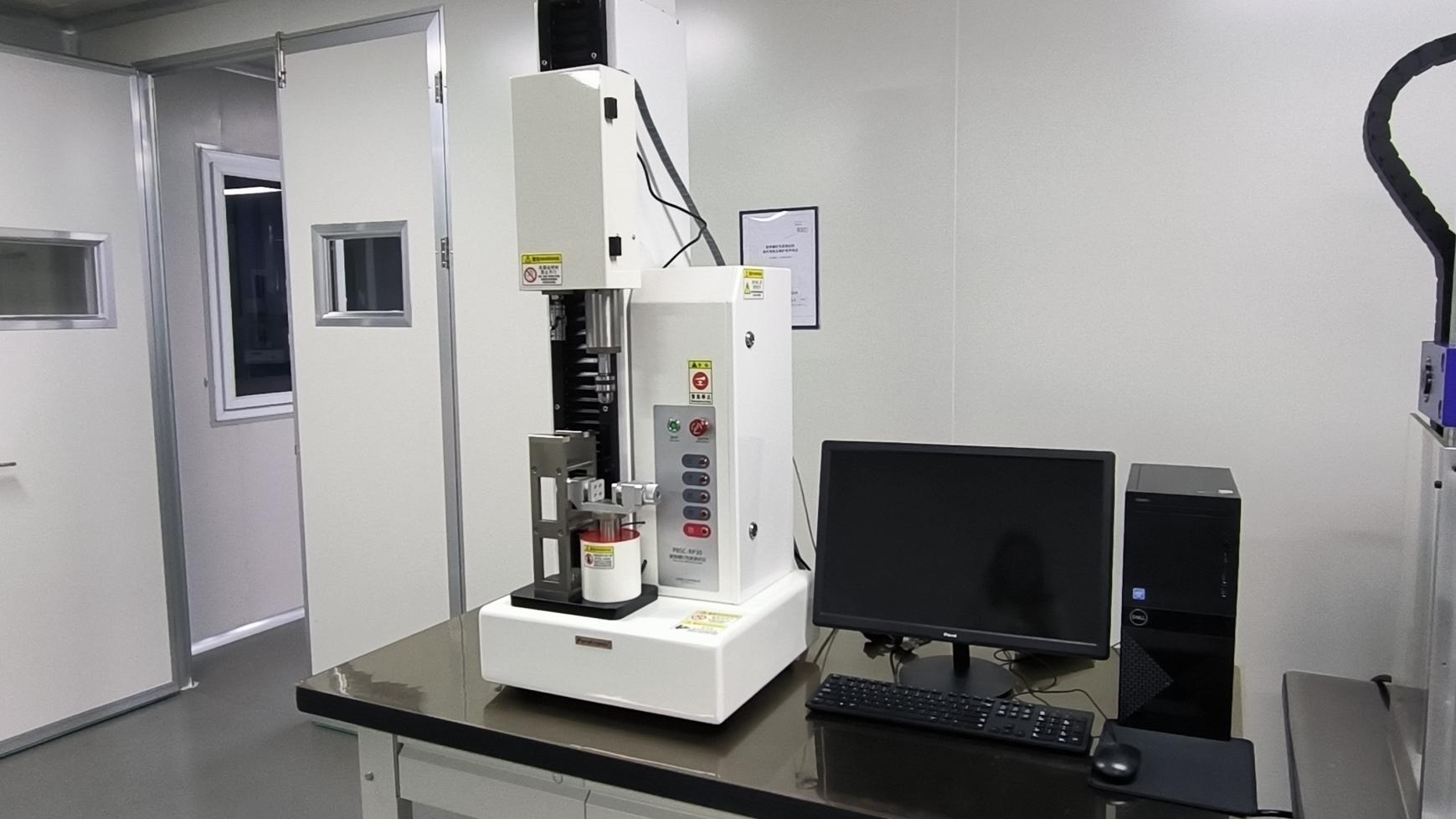
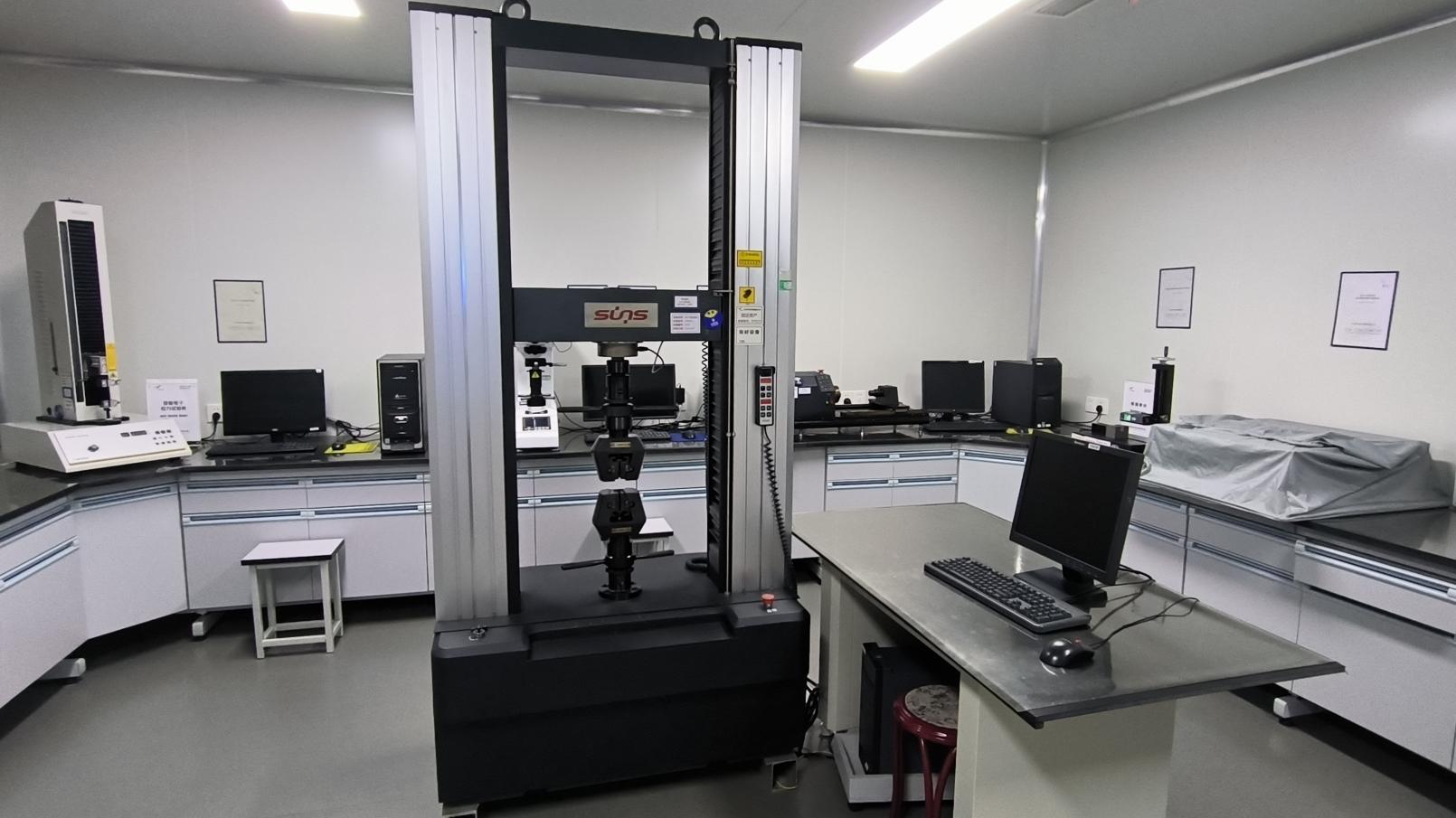
Our dedicated physical testing laboratories ensure that batch integrity meets or exceeds ASTM and ISO standards for tensile strength, torsional yield, and fatigue resistance:
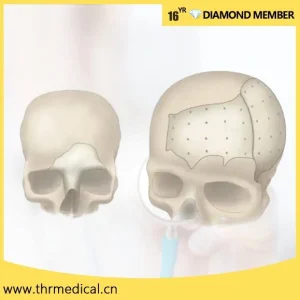
The orthopedics industry is moving beyond generic off-the-shelf plating systems toward patient-specific solutions. Our technical roadmap highlights this evolution:
Entering new international healthcare markets requires navigating complex regulatory landscapes. With registrations established in over 60 countries and 214 products CE-marked, we support our partners with comprehensive regulatory documentation: