Blutree Orthopedic Implants
Blutree Orthopedic Implants
Blutree Orthopedic Implants
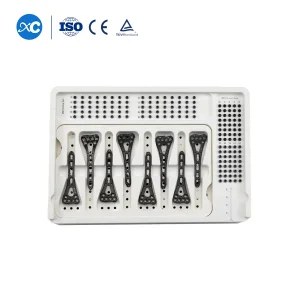
Explore our leading selection of precision titanium locking plates, spinal fixation screws, trauma repair products, and specialized equipment.
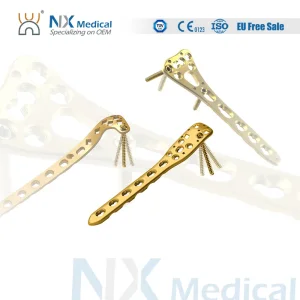
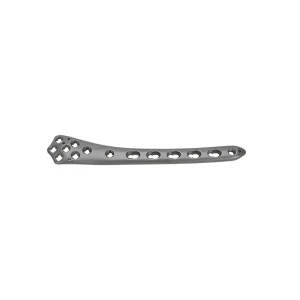
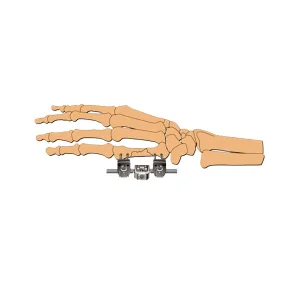

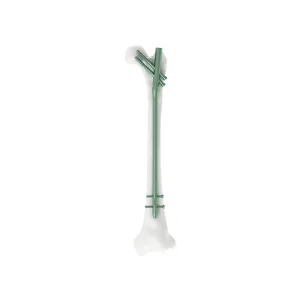
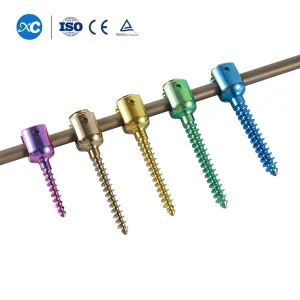
In the modern clinical landscape, the requirements for orthotic and orthopedic implants have transitioned from standardized fitment to precision-engineered, bio-compatible solutions. Global procurement officers face the challenge of balancing structural integrity with cost efficiency. As a leading developer established in 1999, we design high-strength bone plates, external fixators, and pedicle systems that comply with global regulatory frameworks.
Through the integration of medical-grade pure titanium and Ti-6Al-4V ELI alloys, our manufacturing processes prioritize osseointegration, high fatigue limits, and physiological compatibility. Our deep vertical supply chain integration allows us to deliver certified medical devices to hospitals, distribution networks, and OEM partners across 160+ countries.
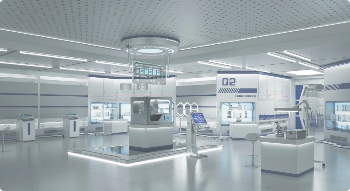
We provide the structural foundations for recovery. Our integrated manufacturing hub in China delivers custom OEM tooling, high-precision CNC machining, and verified biological cleanliness.
From raw medical-grade titanium ingots to sterile packaging, our processes are optimized for precision, traceability, and biomechanical compliance.
Our machining centers employ advanced five-axis links to carve complex anatomical structures out of solid titanium. This ensures tight tolerances (±0.01mm) for radius plates and femoral stems, preventing intraoperative alignment errors.
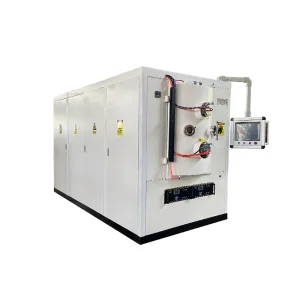
We operate in-house PVD Multi-Arc Ion Plating systems. By applying bio-inert Titanium Nitride (TiN) layers, we significantly reduce friction coefficients, minimize particle wear in joint prostheses, and promote soft tissue integration.
Equipped with specialized tensile, compression, fatigue, and durable testing machines. We subject all batches of pedicle screws and intramedullary nails to stress cycle simulation, confirming structural integrity under load.
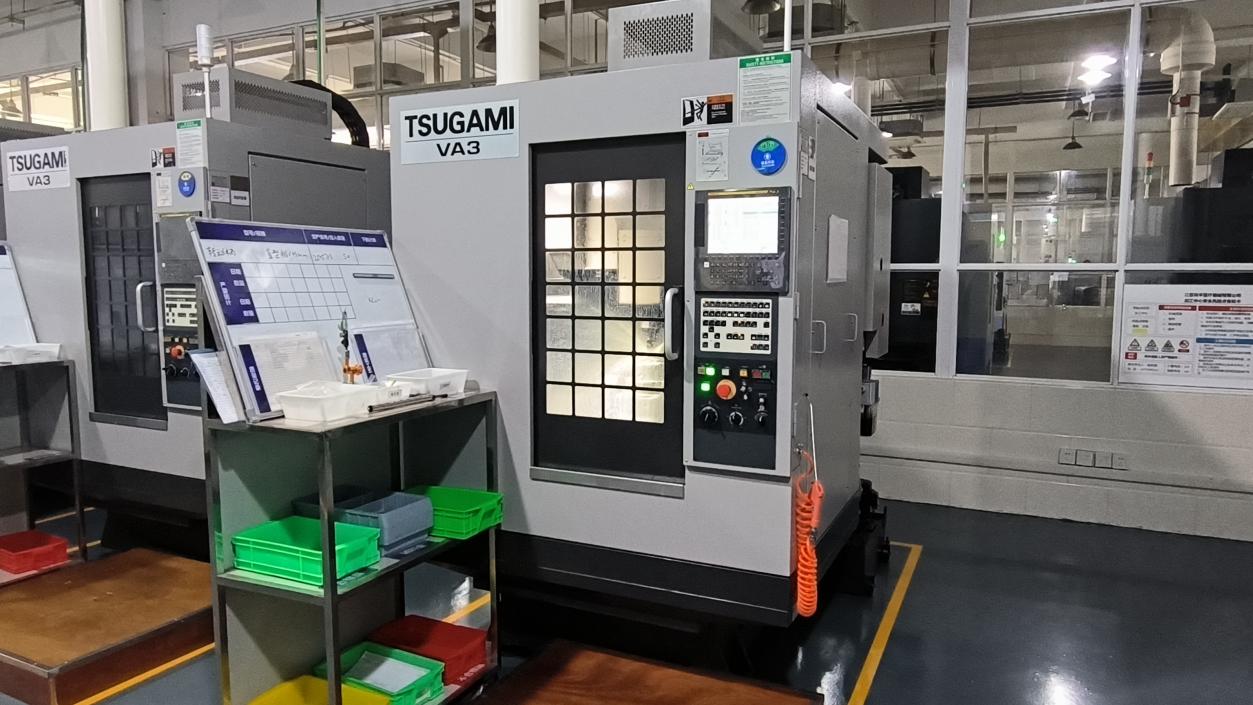
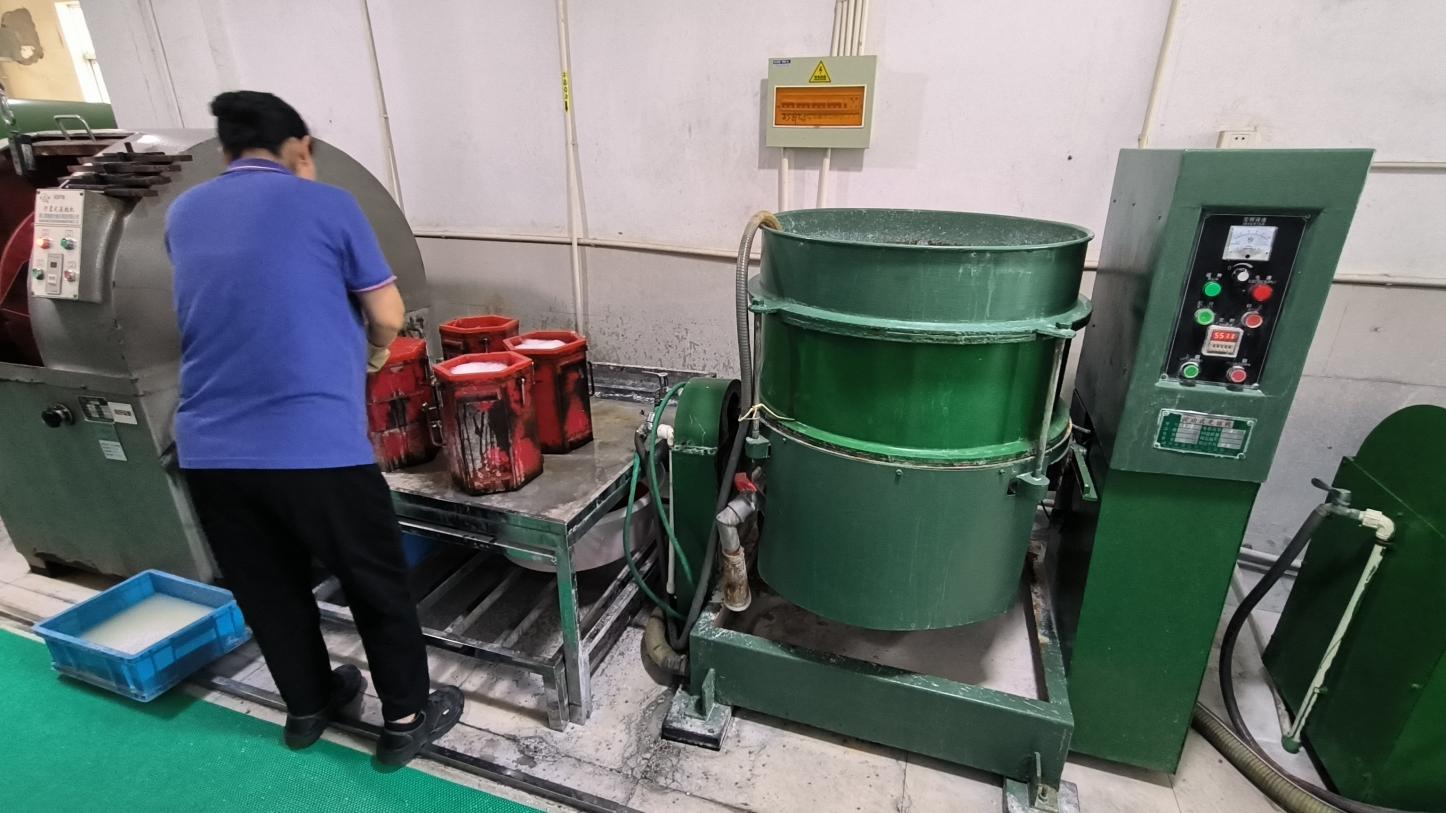
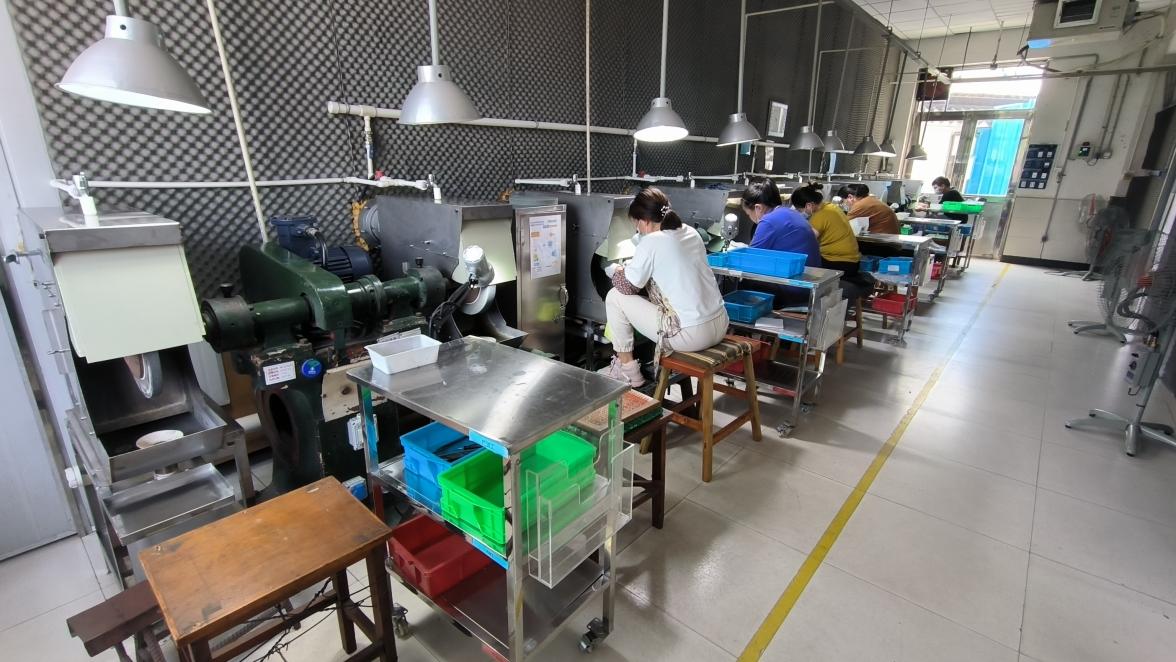
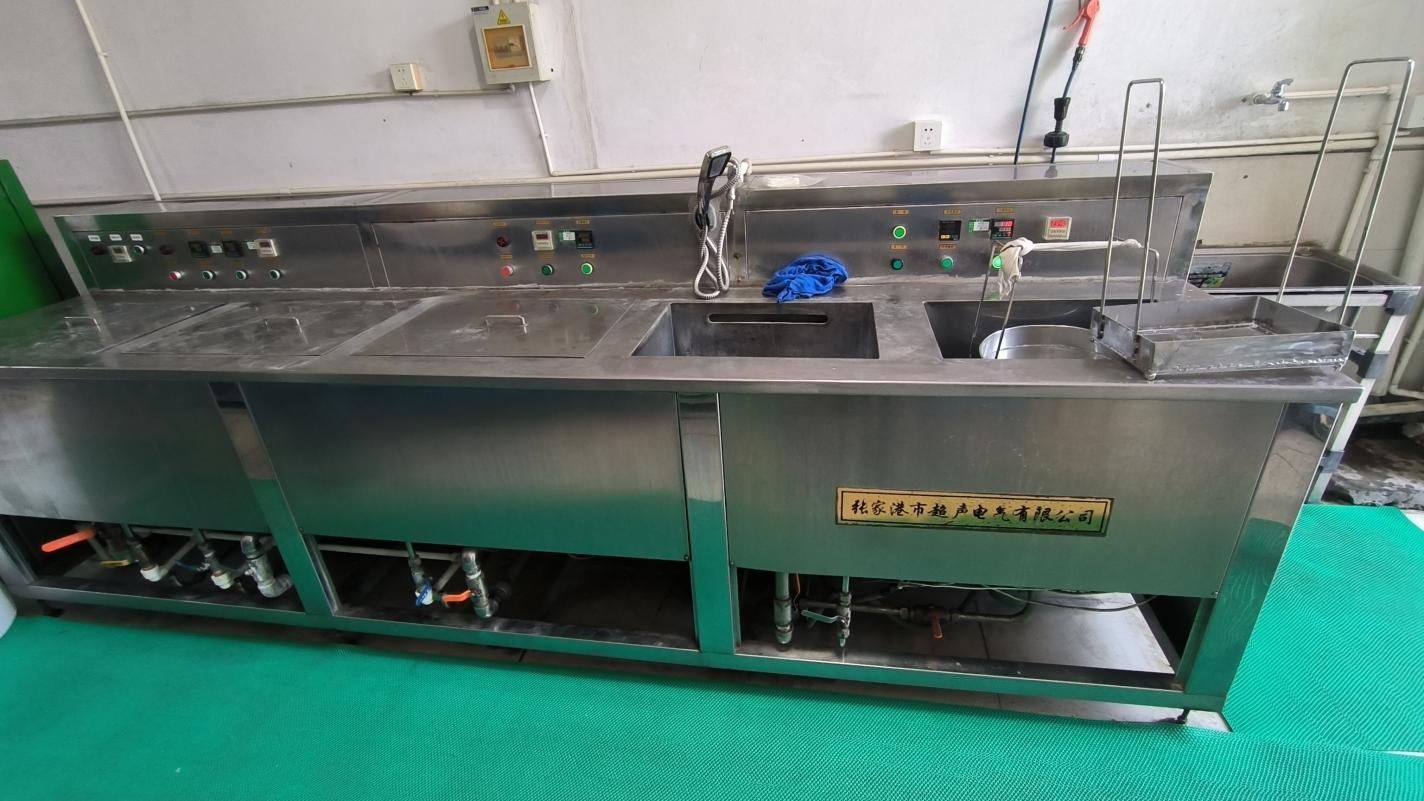
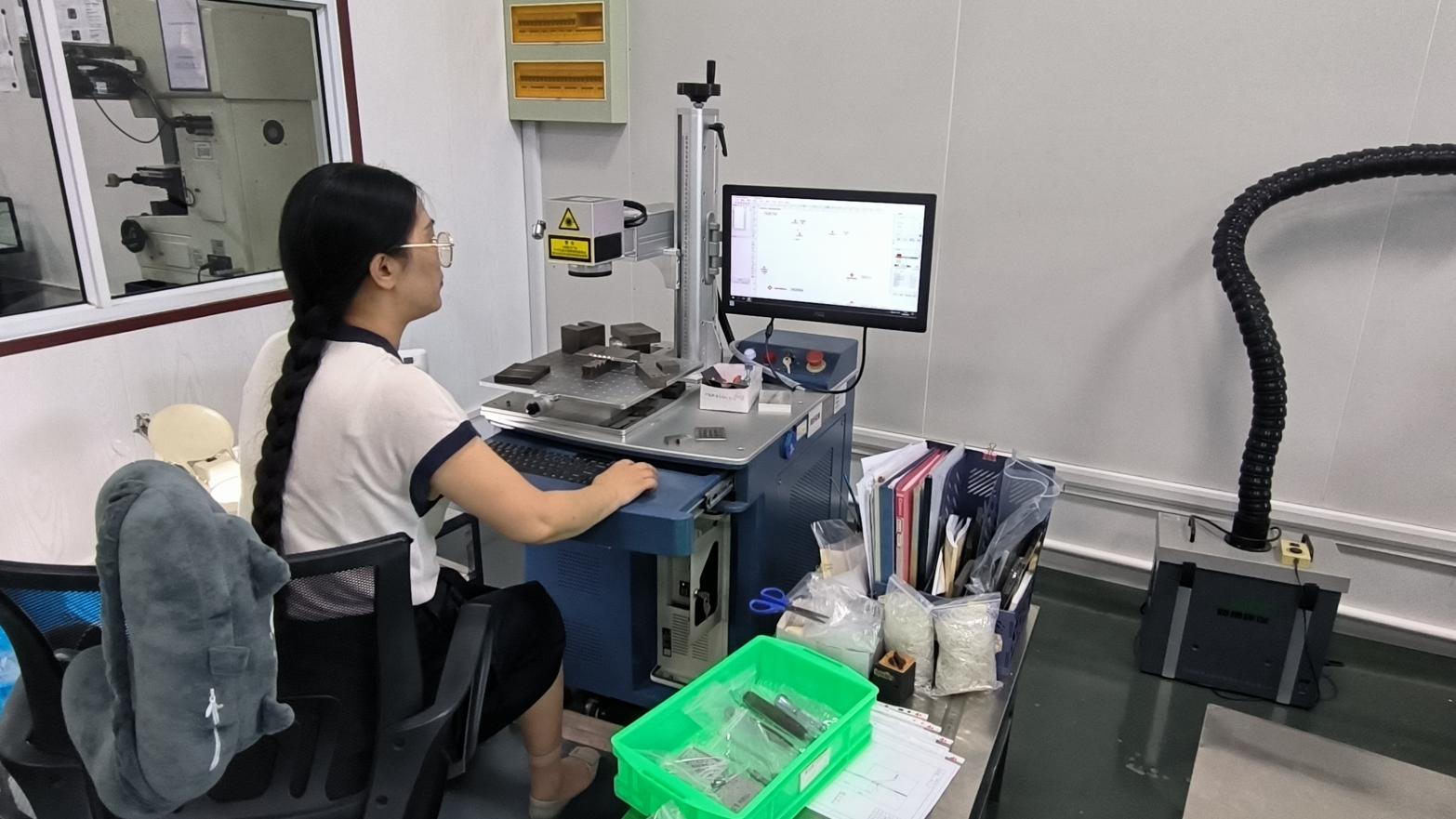
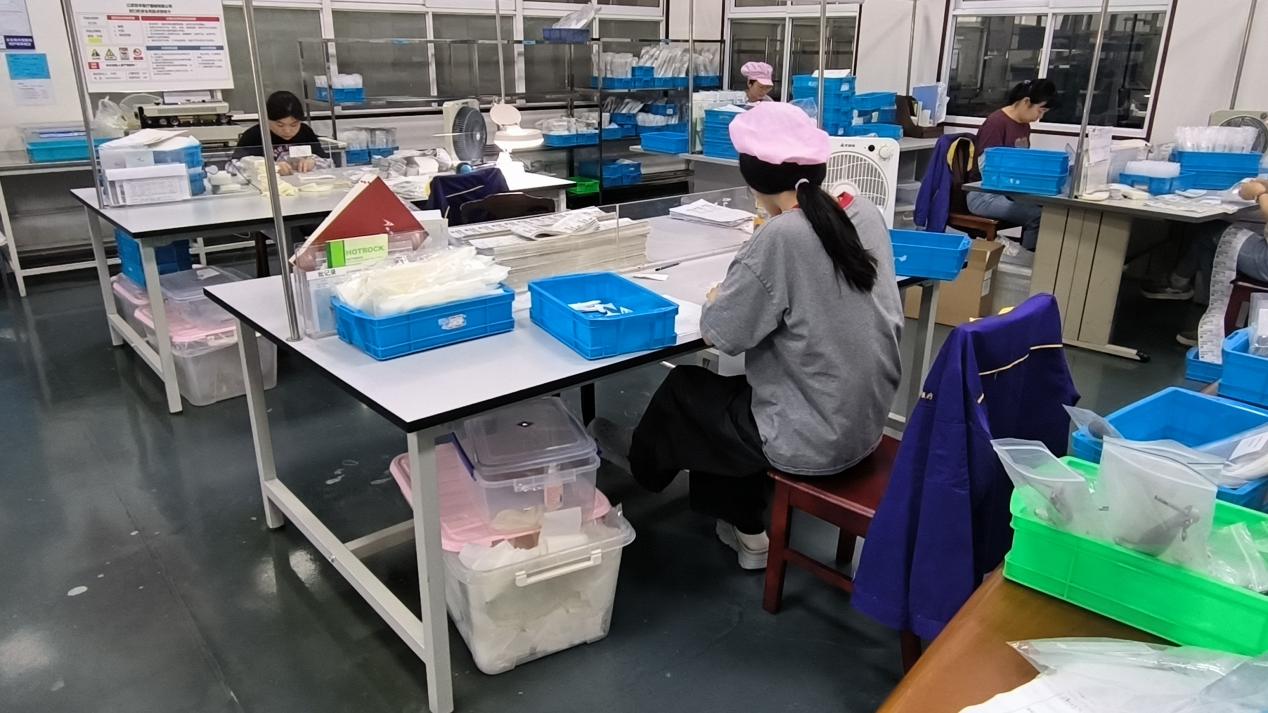
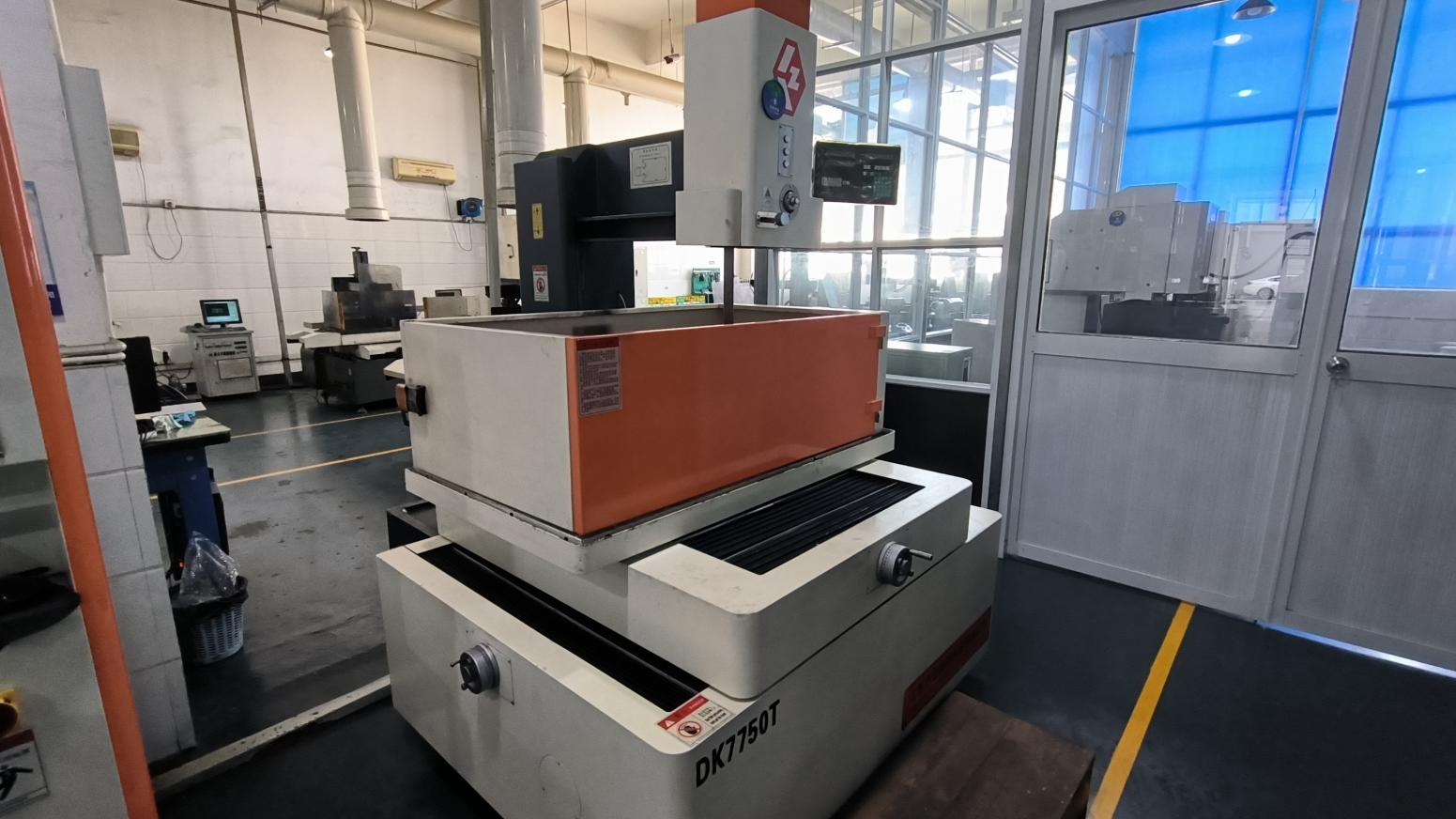
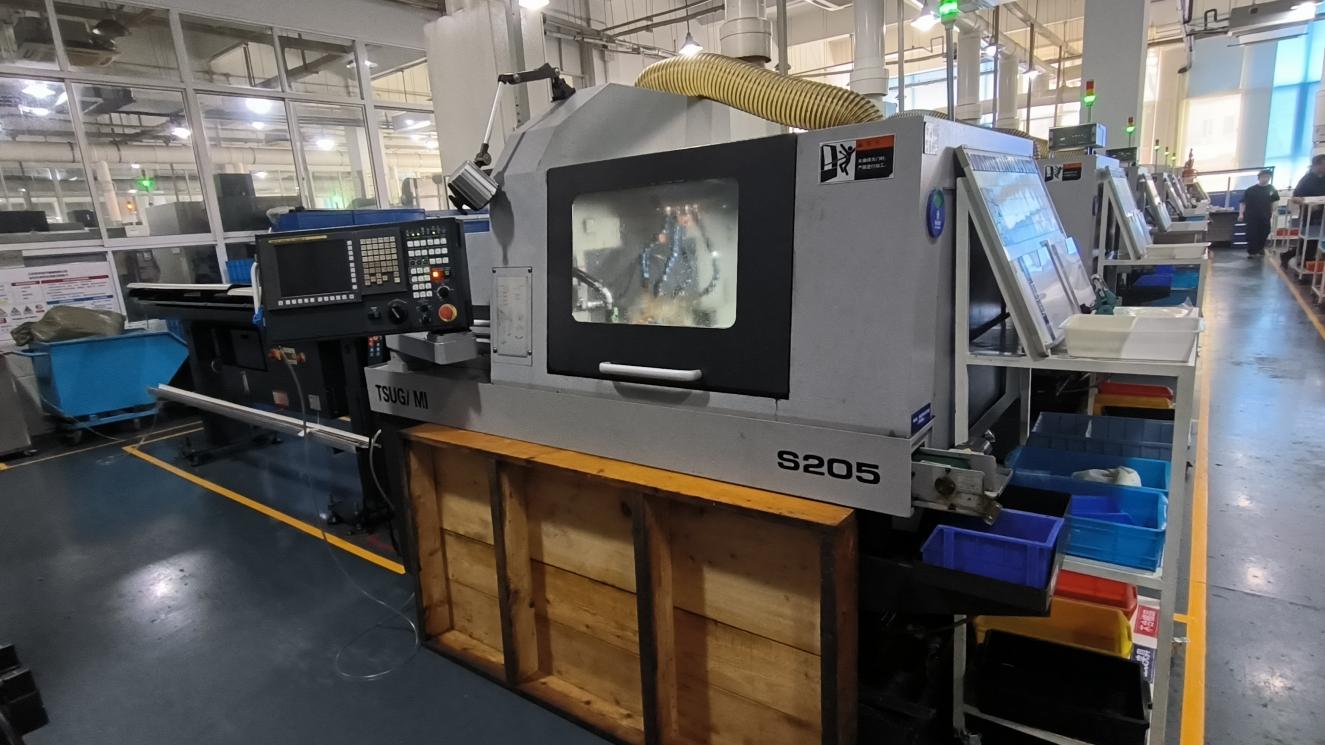
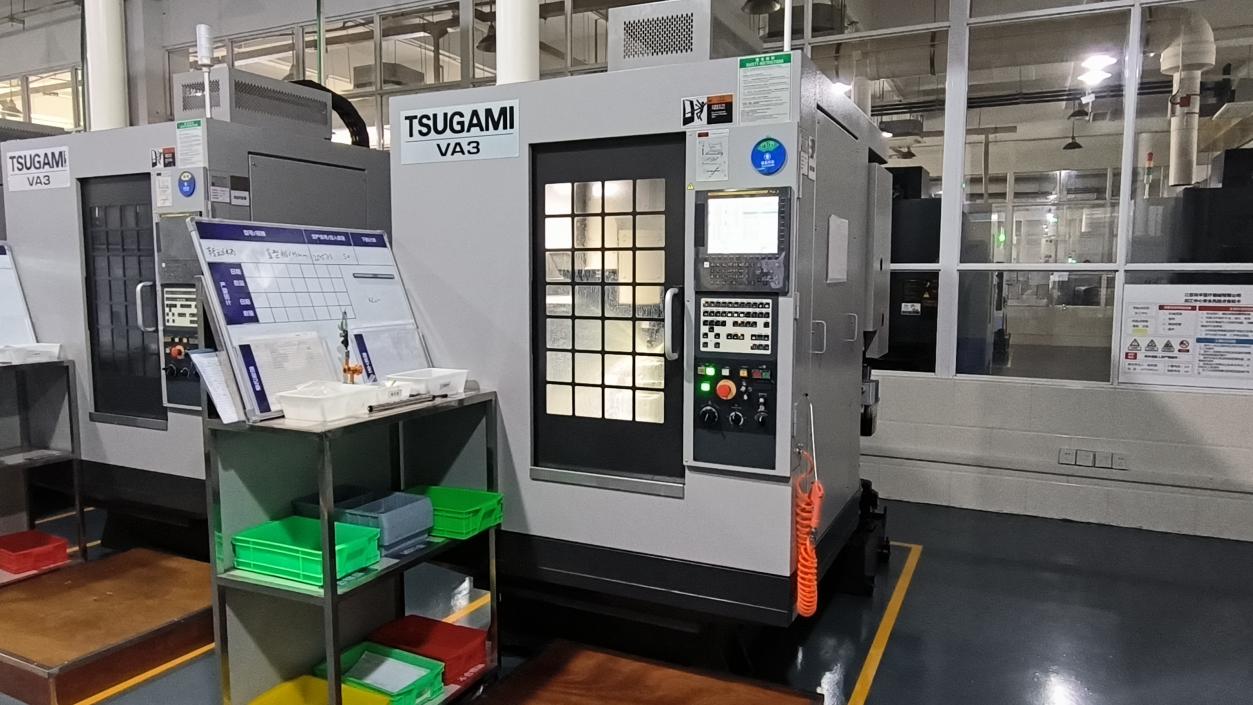
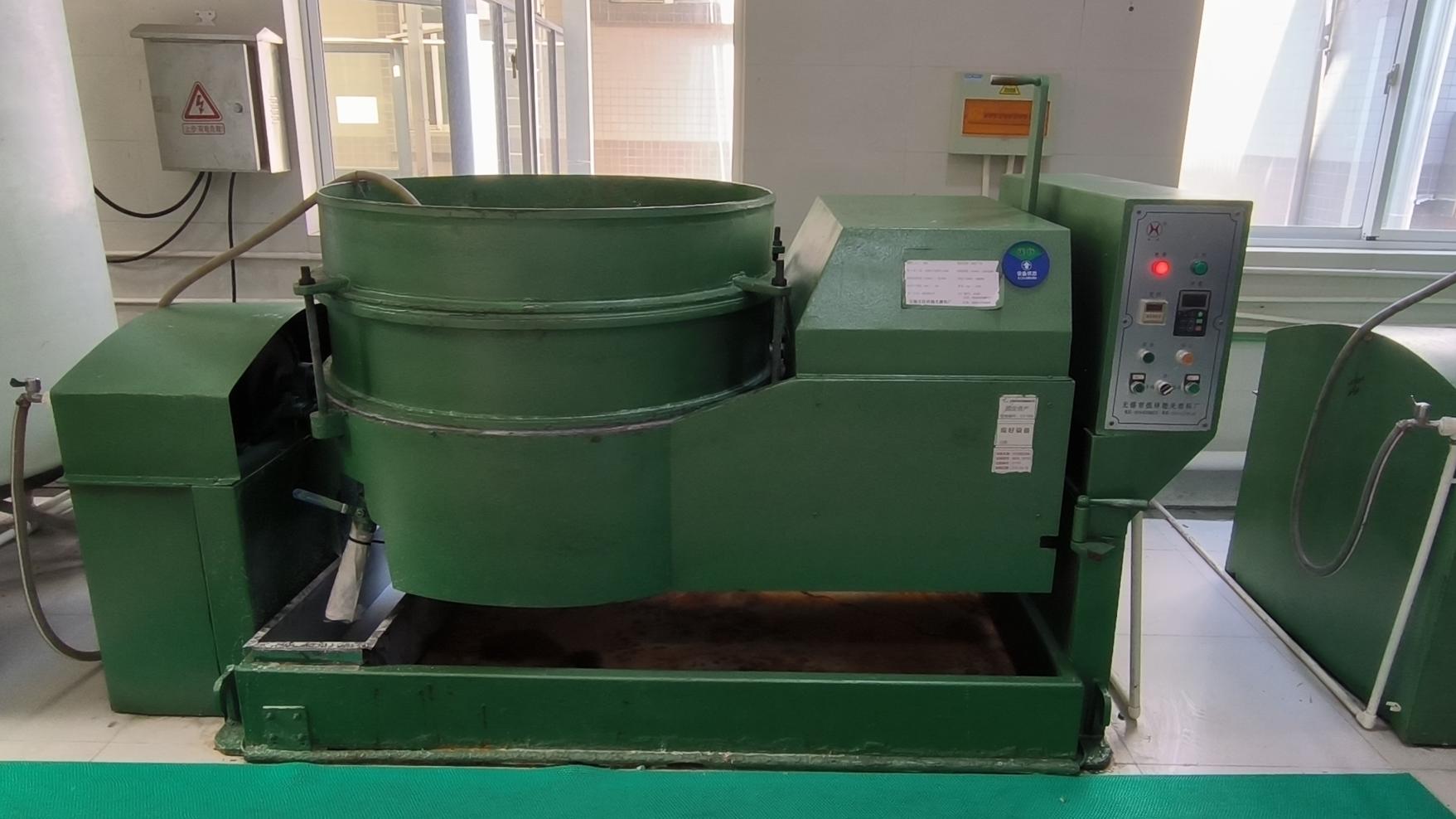
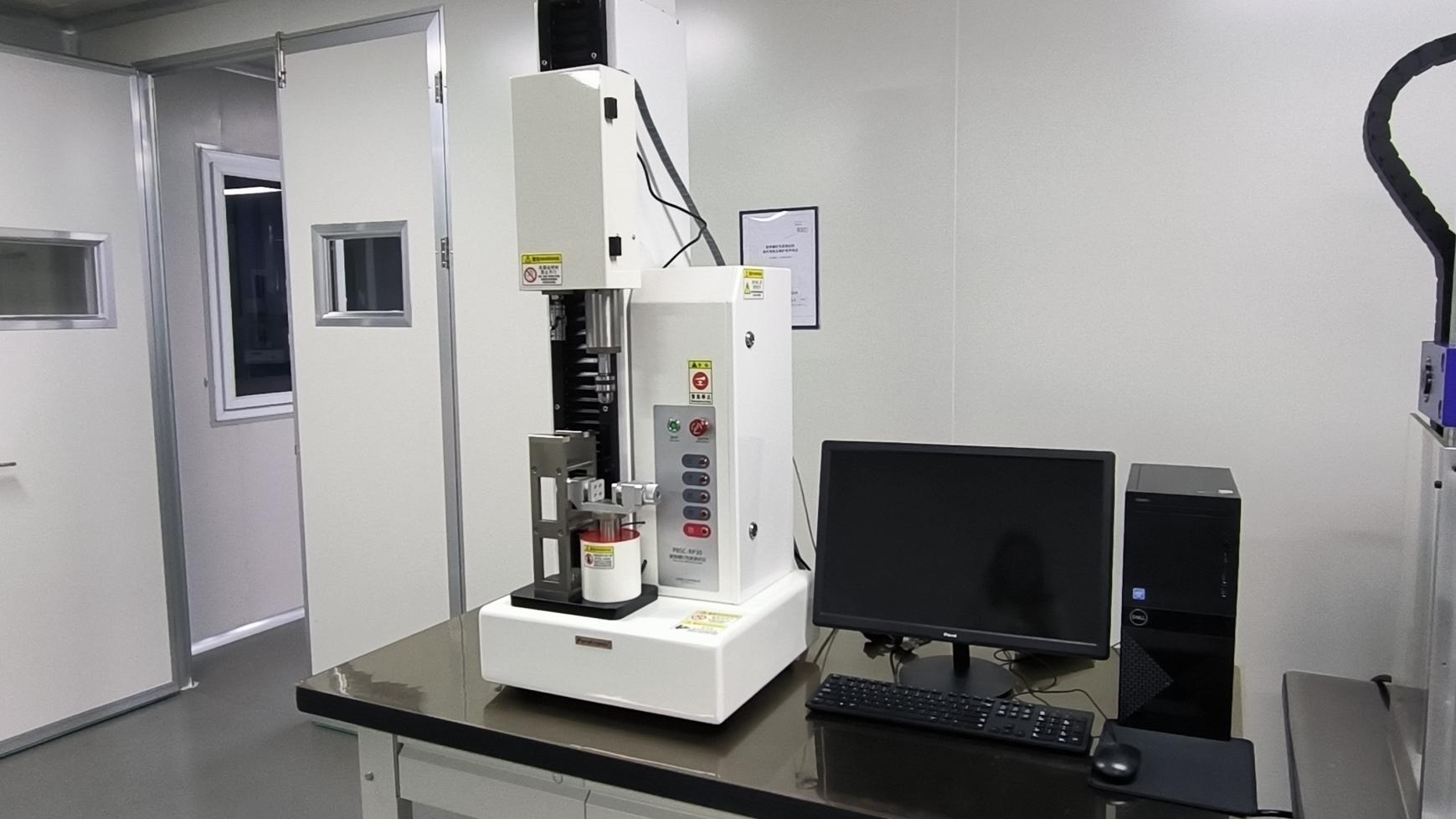
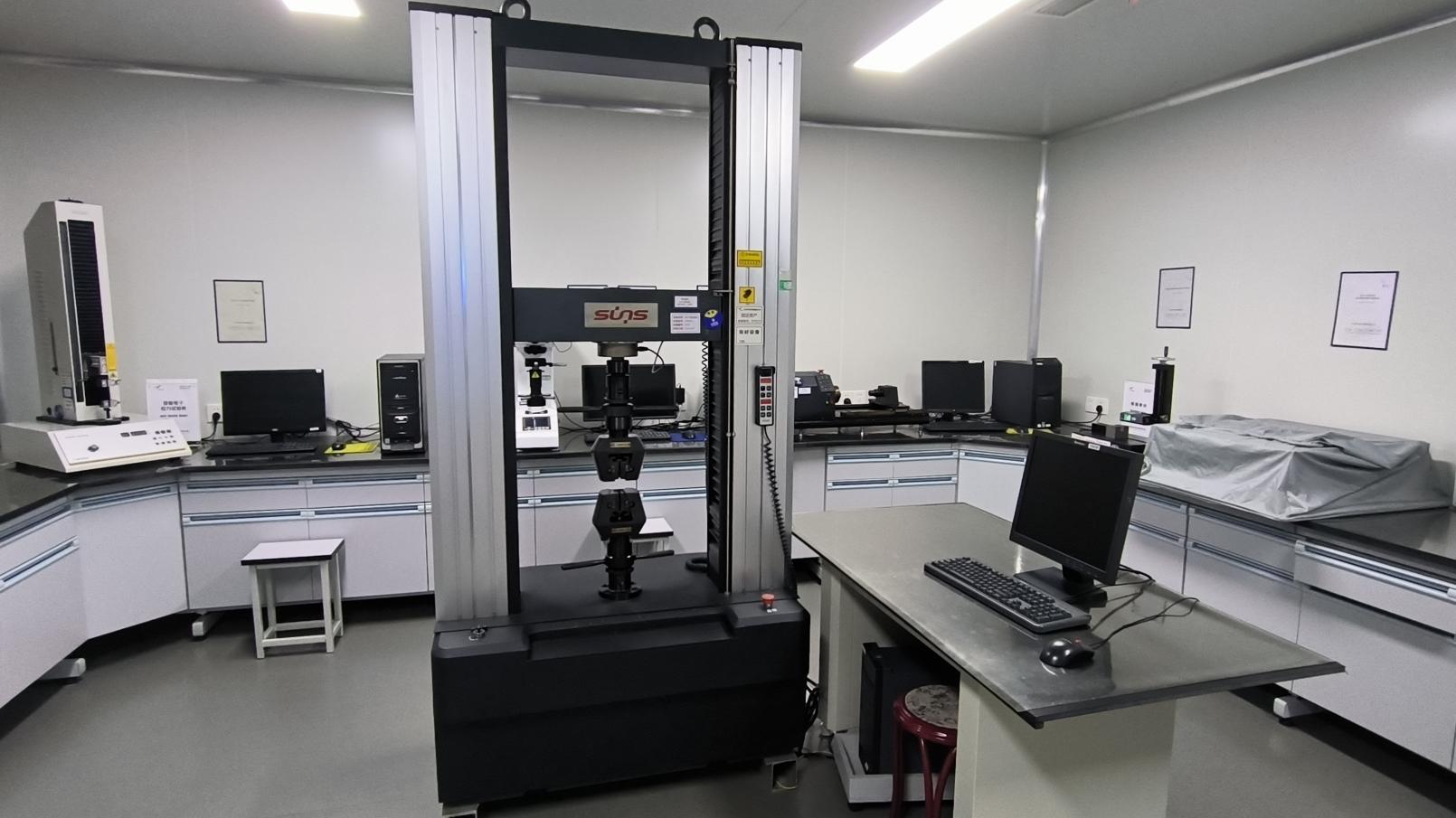
The manufacturing of medical-grade implants and support frameworks requires robust supply chains. Chinese factories have transitioned from basic manufacturing sites to advanced engineering centers. The combination of centralized raw-material refining, high-volume machining capabilities, and specialized testing ecosystems creates a competitive framework for global medical brands.
By using medical-grade titanium alloy bars in localized raw production hubs, we reduce material acquisition timelines and secure bulk-discount advantages. Our automated high-speed milling machines handle custom product orders without sacrificing throughput speeds. Through integration with advanced testing methods (such as coordinate measuring machines and non-destructive dye penetrant tests), we ensure that orthopedic trauma products meet or exceed the performance parameters of Western counterparts at a optimized price point.
Exporting orthopedic implants to highly regulated markets like Europe, North America, and Latin America requires strict compliance with local regulatory guidelines. We have established localized registration pipelines and local offices in key hubs like the United States and the Netherlands. This allows us to offer clinical and regulatory assistance directly to our distributors.
Under the revised EU Medical Device Regulation (MDR 2017/745), traceability, clinical validation, and risk management must be documented in detail. Our team supports our buyers by providing complete technical documentation, material certificates, bio-compatibility reports (ISO 10993), and sterilization validation studies. The 214 CE certificates held by our products show our commitment to global healthcare standards.
The future of orthotics and orthopedic implants is defined by personalization, active biology, and biomechanical optimization. Dynamic locking systems represent a significant improvement over static fracture fixation. These systems allow micro-motions under load, stimulating osteoblasts and accelerating bone healing.
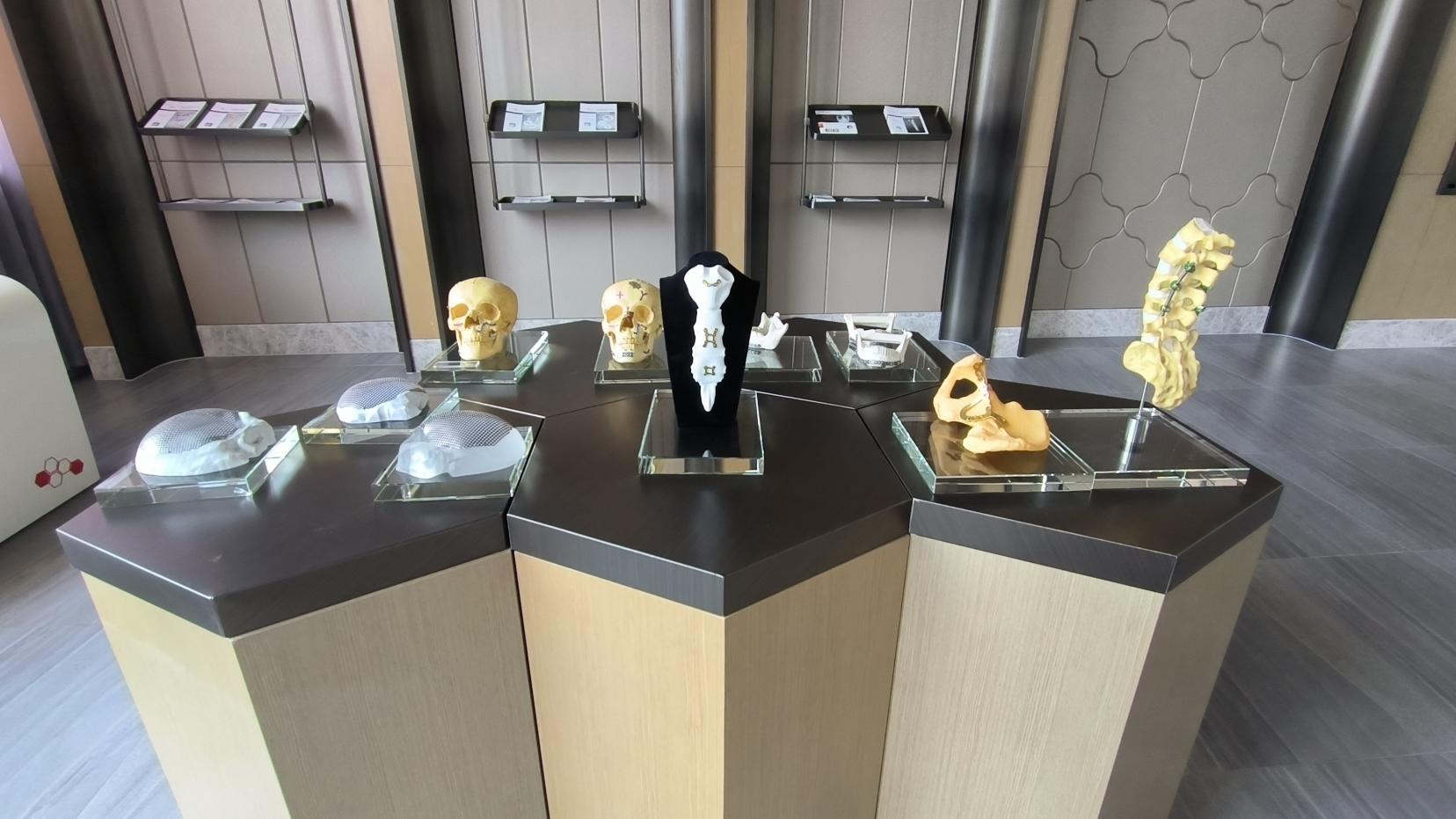
We are actively researching porous titanium surfaces generated via PVD and 3D printing technologies. These surfaces mimic the trabecular structure of natural bone, encouraging osseointegration and lowering the rate of implant loosening. In spinal care, the transition to polyaxial pedicle screws gives surgeons more flexibility, reducing stress concentration on adjacent spinal levels.
Answers to critical questions regarding compliance, material testing, OEM options, and global shipping.
Our trauma plates, locking compression plates (LCP), and screws are manufactured using surgical-grade Pure Titanium (Grades 2 and 4) or Titanium Alloy (Ti-6Al-4V ELI / ASTM F136). These materials provide an optimal balance of bio-compatibility, corrosion resistance, and high mechanical fatigue strength to support reliable fracture healing.
Our facility operates under an ISO 13485-certified quality system. We maintain complete material traceability from the raw ingot stage to the finished product. Testing protocols include dimensional checks using automated coordinate measuring machines (CMM), surface roughness profiling, and mechanical testing (tensile, bending, and fatigue analysis). Currently, 214 of our orthopedic products carry CE certification.
Yes. We work with over 100 OEM partners worldwide. Our engineering team uses computer-aided design (CAD) and manufacturing software to turn your customized designs into functional prototypes. We support custom sizing, specialized plating profiles, instrument design, and branded packaging to meet localized healthcare demands.
Our international branch offices provide local regulatory assistance, facilitate faster technical communications, and coordinate localized logistics. They serve as responsive contact points for handling contract negotiations, managing regional registration files, and coordinating after-sales technical training for medical distributors.
We supply products in both sterile and non-sterile configurations depending on customer needs. Sterile products are processed in our cleanroom environments and sterilized via Ethylene Oxide (EO) or Gamma radiation, packaged in protective double-barrier medical pouches. Non-sterile implants are cleaned, packed, and designed to be autoclaved at the hospital before clinical use.
For standard catalog products (such as radius locking plates or pedicle screws), orders can ship within 15–30 days. Custom OEM orders or large contract volumes generally require 45–60 days, which covers production setup, CNC programming, surface treatments, packaging, and regulatory validation steps.
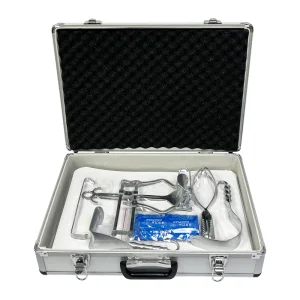
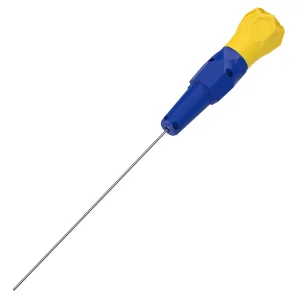
Discover our comprehensive collection of joint replacement systems, suture anchors, structural brackets, and specialized instrument sets.