Blutree Orthopedic Implants
Blutree Orthopedic Implants
Blutree Orthopedic Implants
Explore our elite portfolio of high-grade surgical instruments, orthopedic implants, and specialty components designed to elevate clinical outcomes and meet rigorous global healthcare standards.
Delivering high-reliability orthopedic solutions designed for international procurement, hospital supply chains, and large-scale OEM partnerships.
Founded in 1999, our enterprise stands as one of the pioneer research, development, and manufacturing complexes for orthopedic implants and instrument sets in China. Over more than two decades of dedicated industrial focus, we have evolved into a market-leading global exporter, integrating precision engineering, clinical safety verification, and streamlined international logistics pipelines.
As modern healthcare institutions transition toward value-based purchasing, the demand for top-tier, cost-effective orthopedic instruments has escalated. We address this demand by providing high-precision toolsets that ensure surgical repeatability, structural durability, and absolute biocompatibility. By maintaining direct control over our entire supply chain, we deliver high-performance surgical instrumentation that meets the rigorous demands of orthopedic surgeons worldwide.
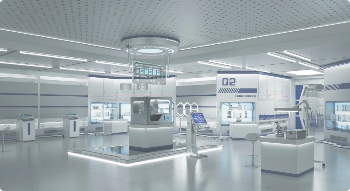
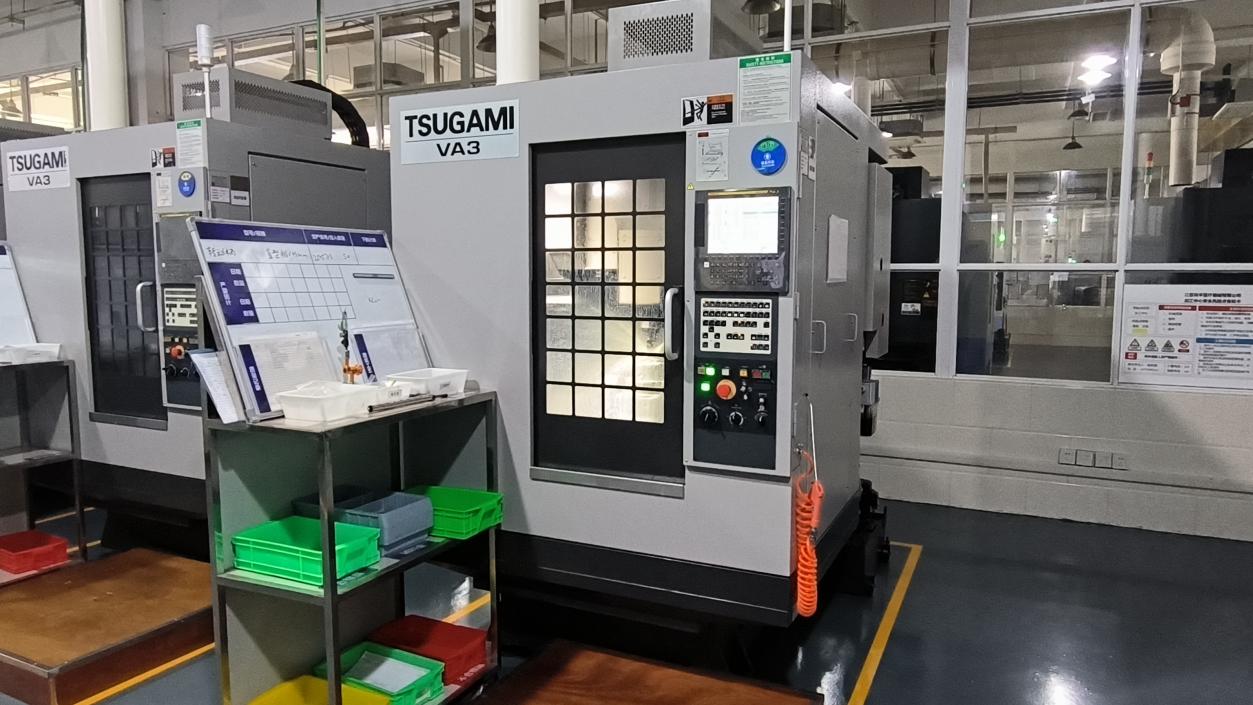
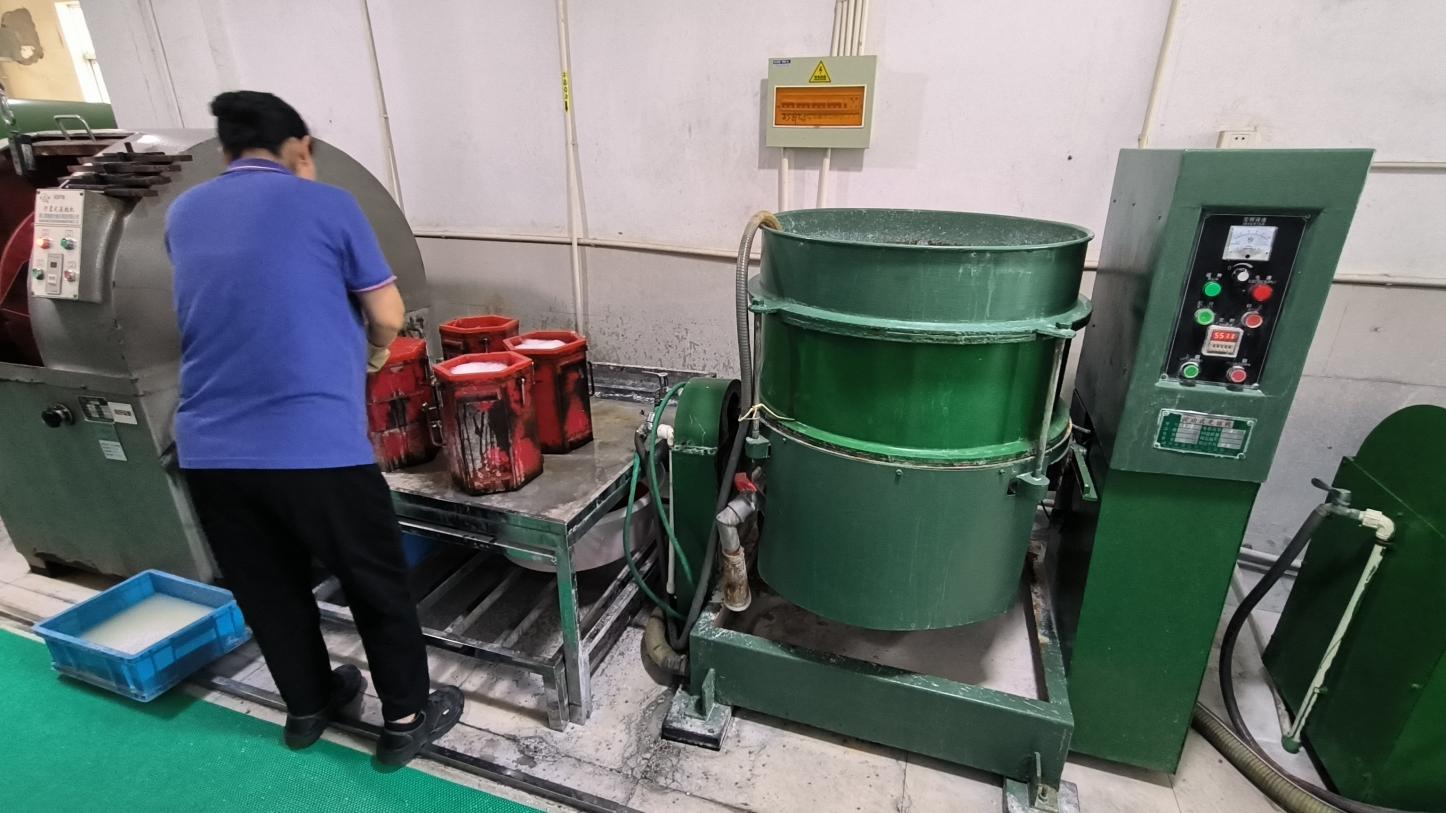
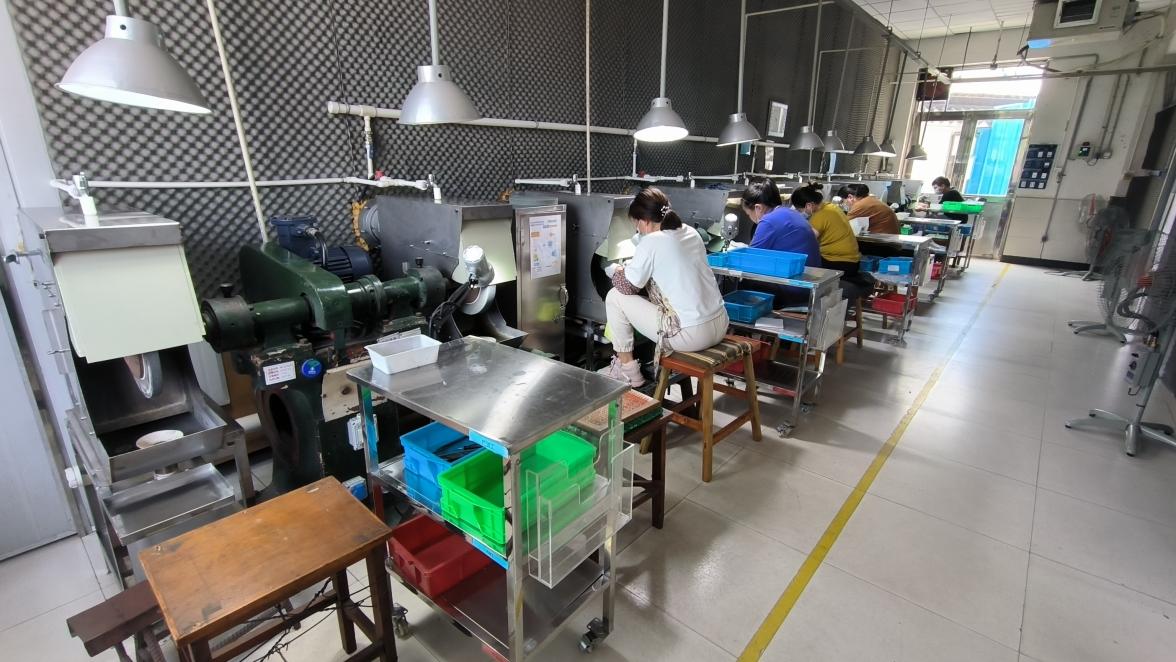
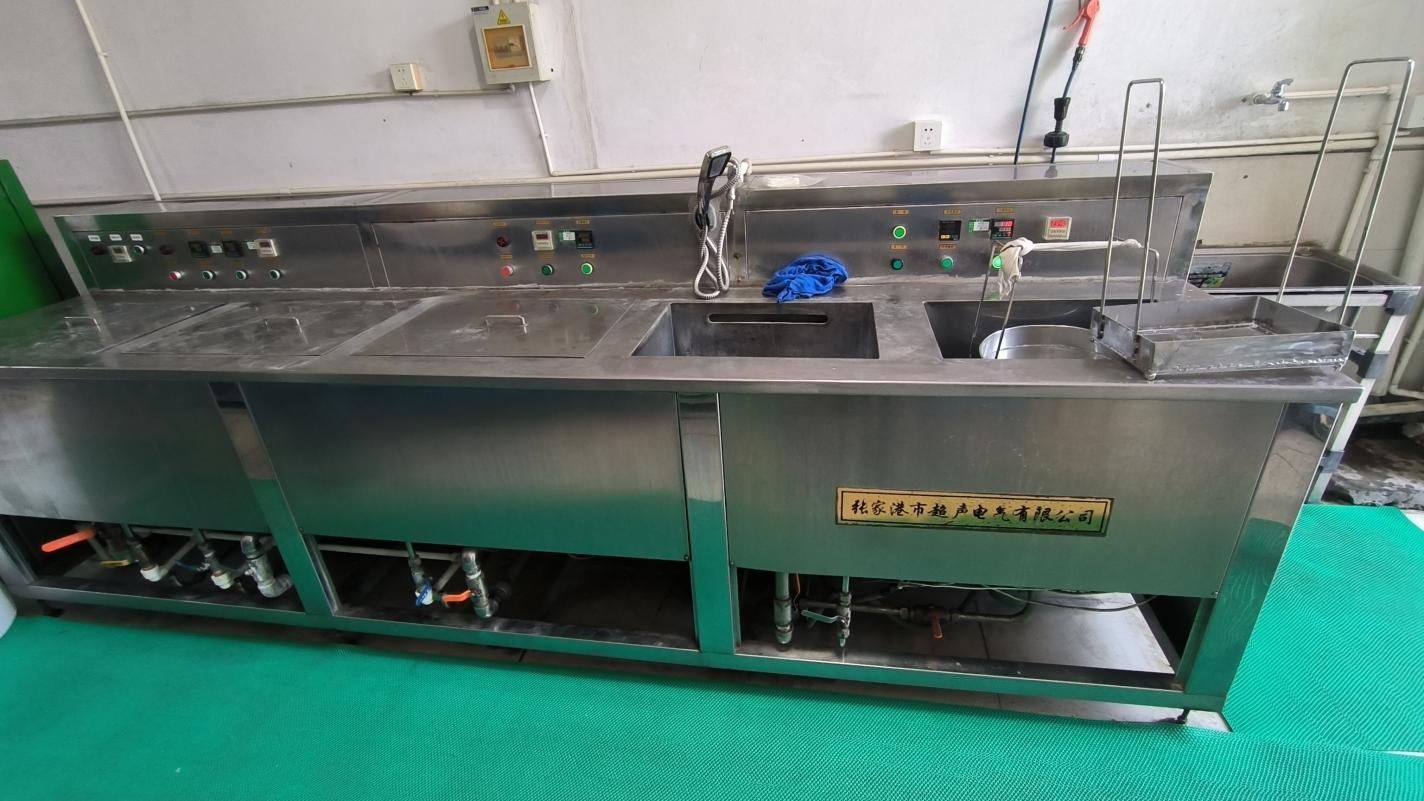
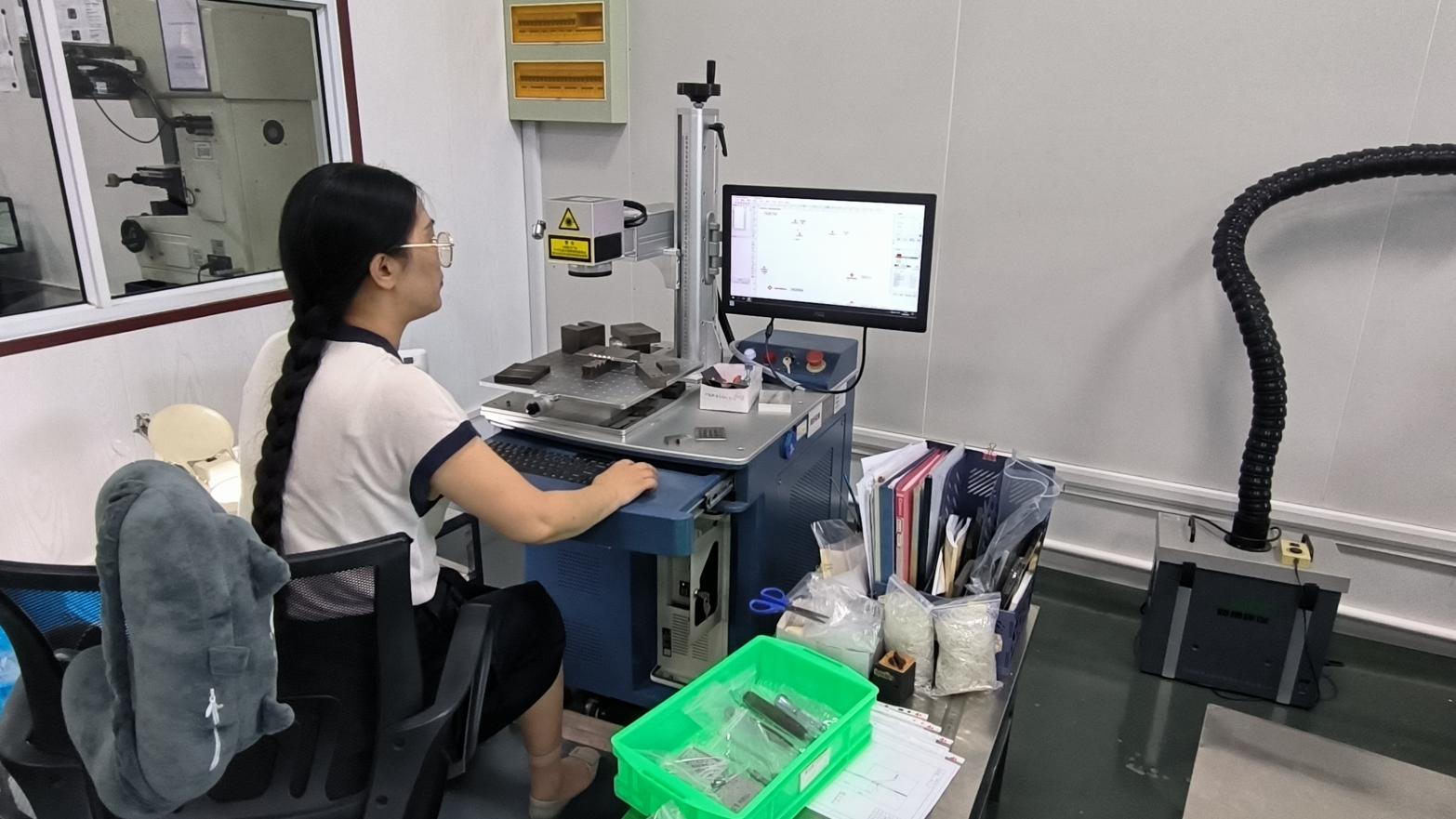
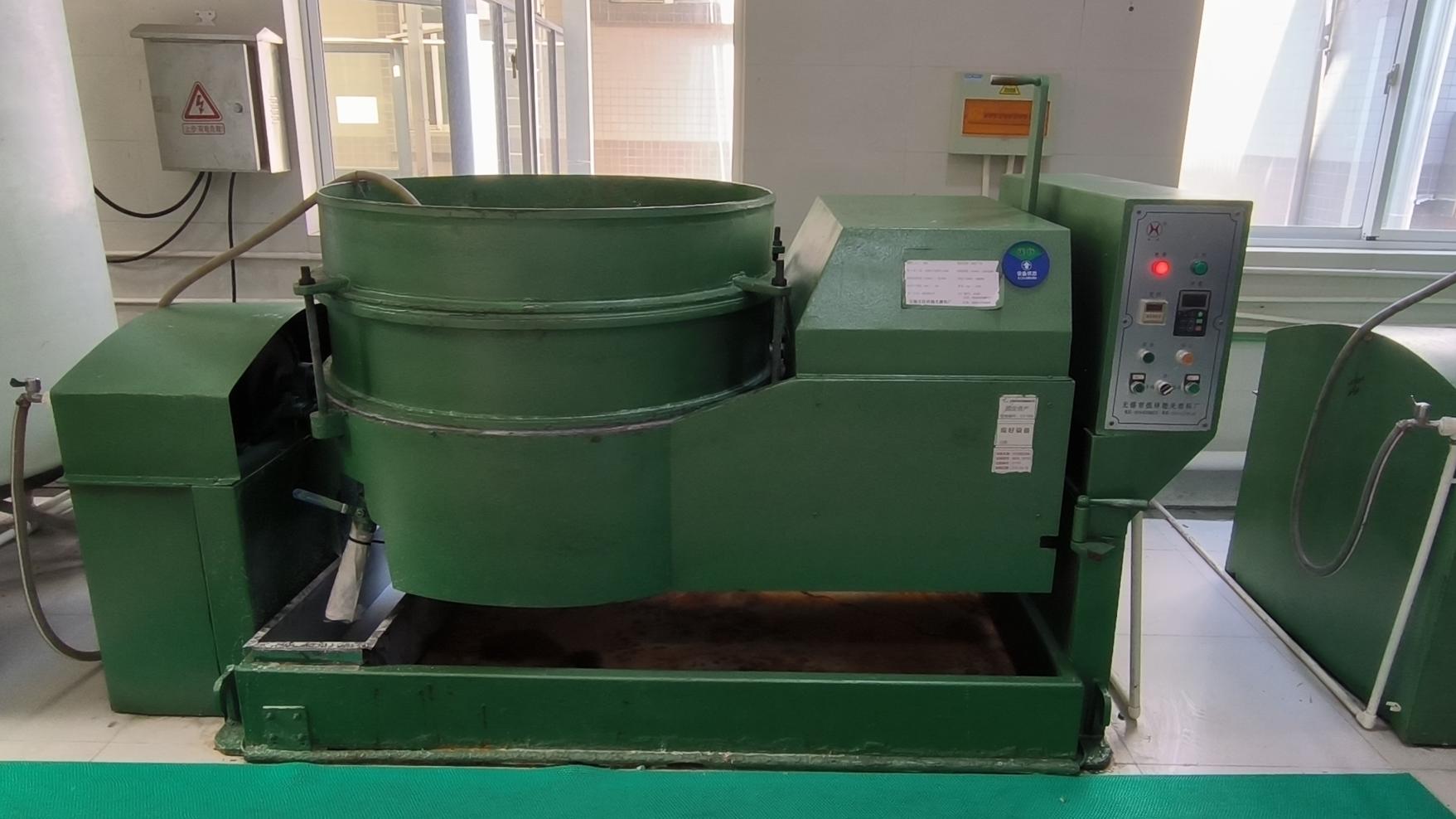
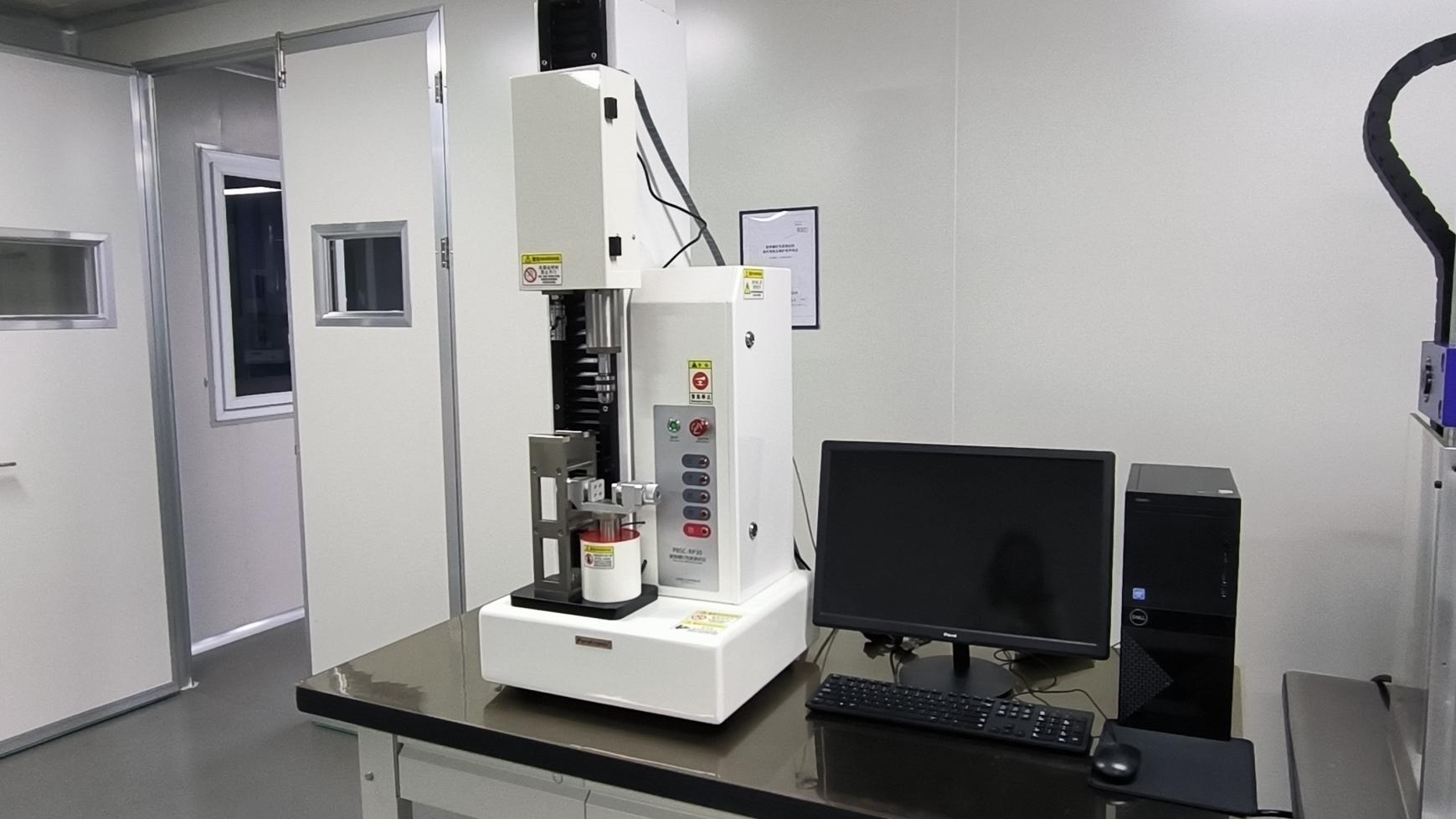
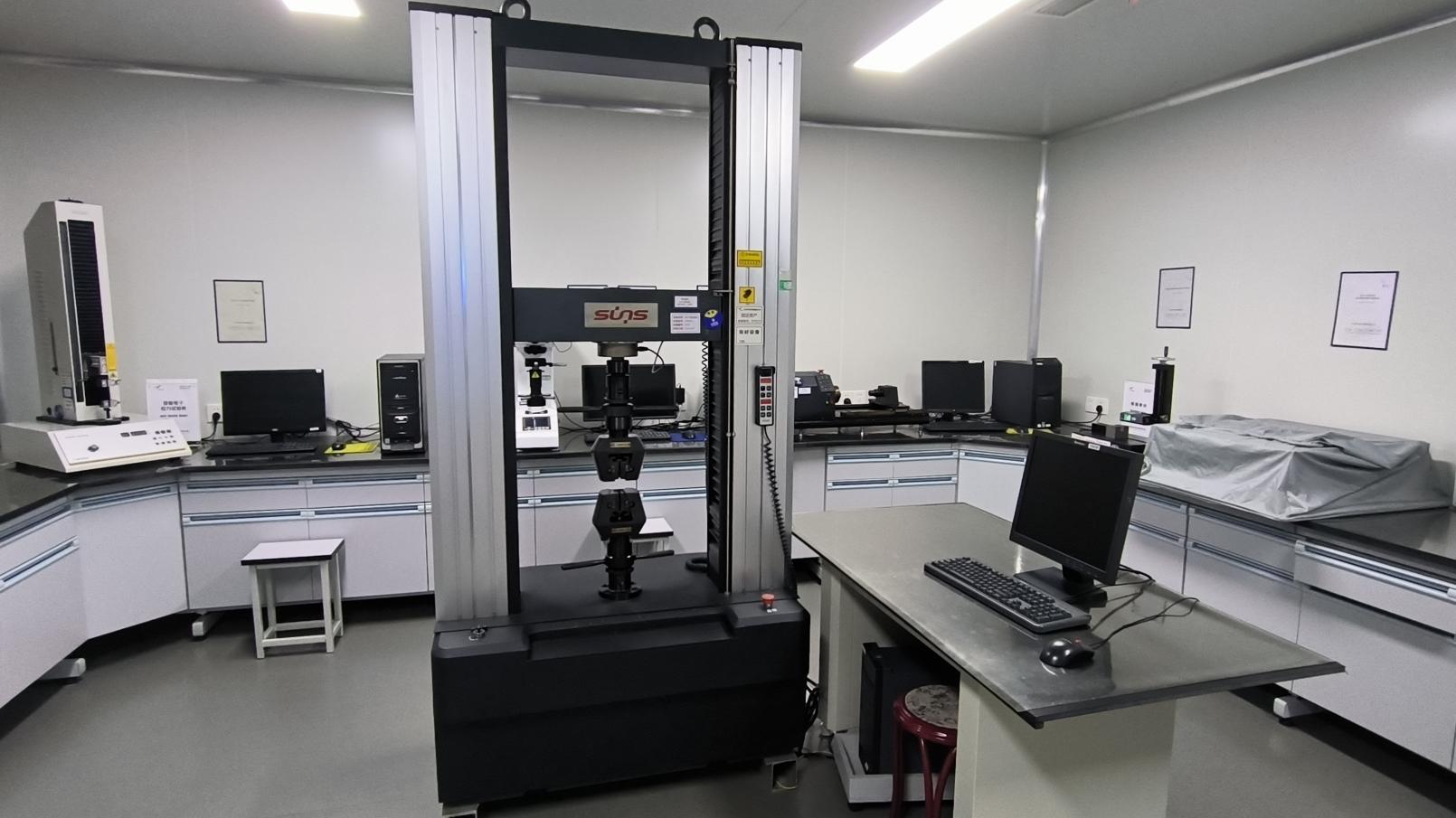
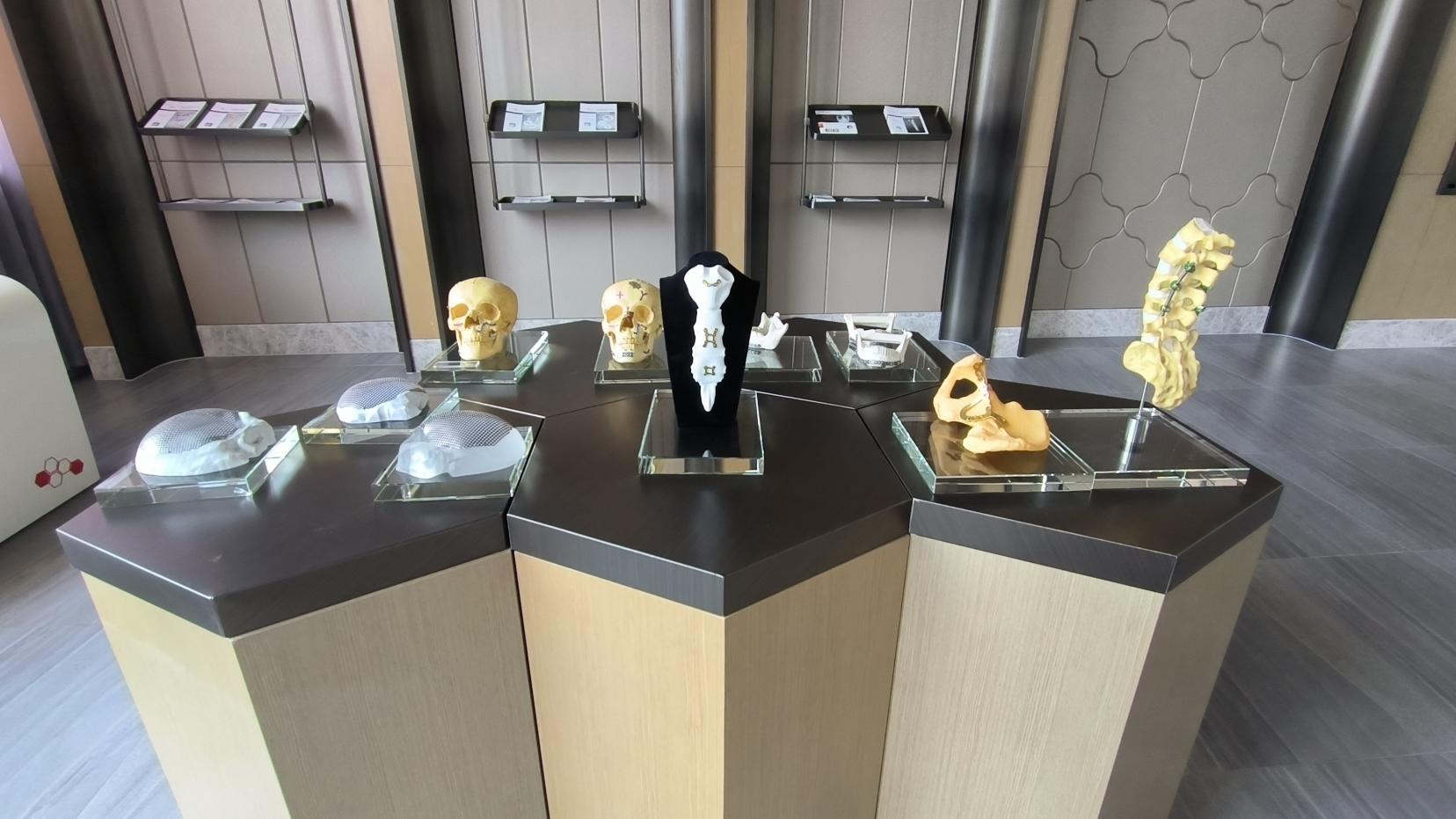
An inside look at our state-of-the-art production floors, advanced machining technology, and comprehensive testing laboratories.
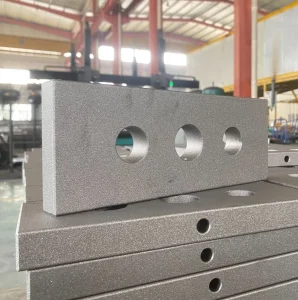
The manufacture of orthopedic implants and surgical instruments requires rigorous mechanical tolerances and material purity. Our facilities leverage advanced 5-axis CNC machining, precision tumbling, automated polishing, and class-10,000 cleanroom washing systems to produce components that meet international clinical standards.

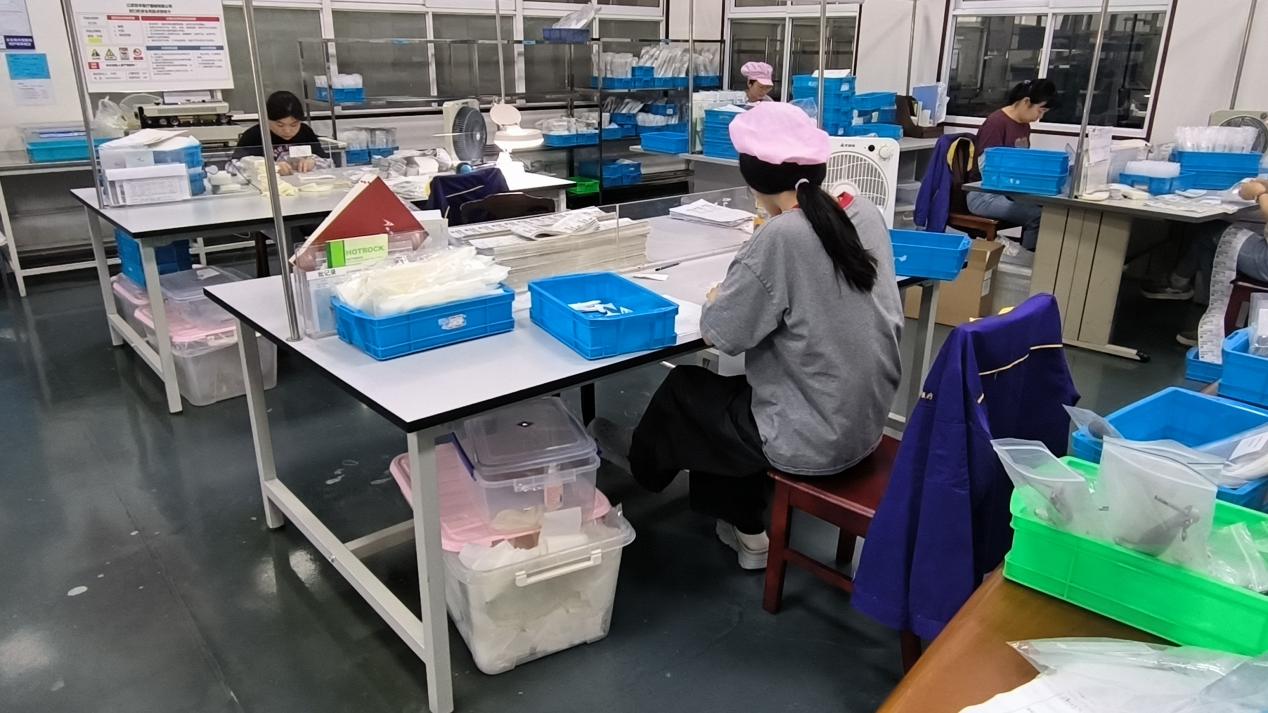
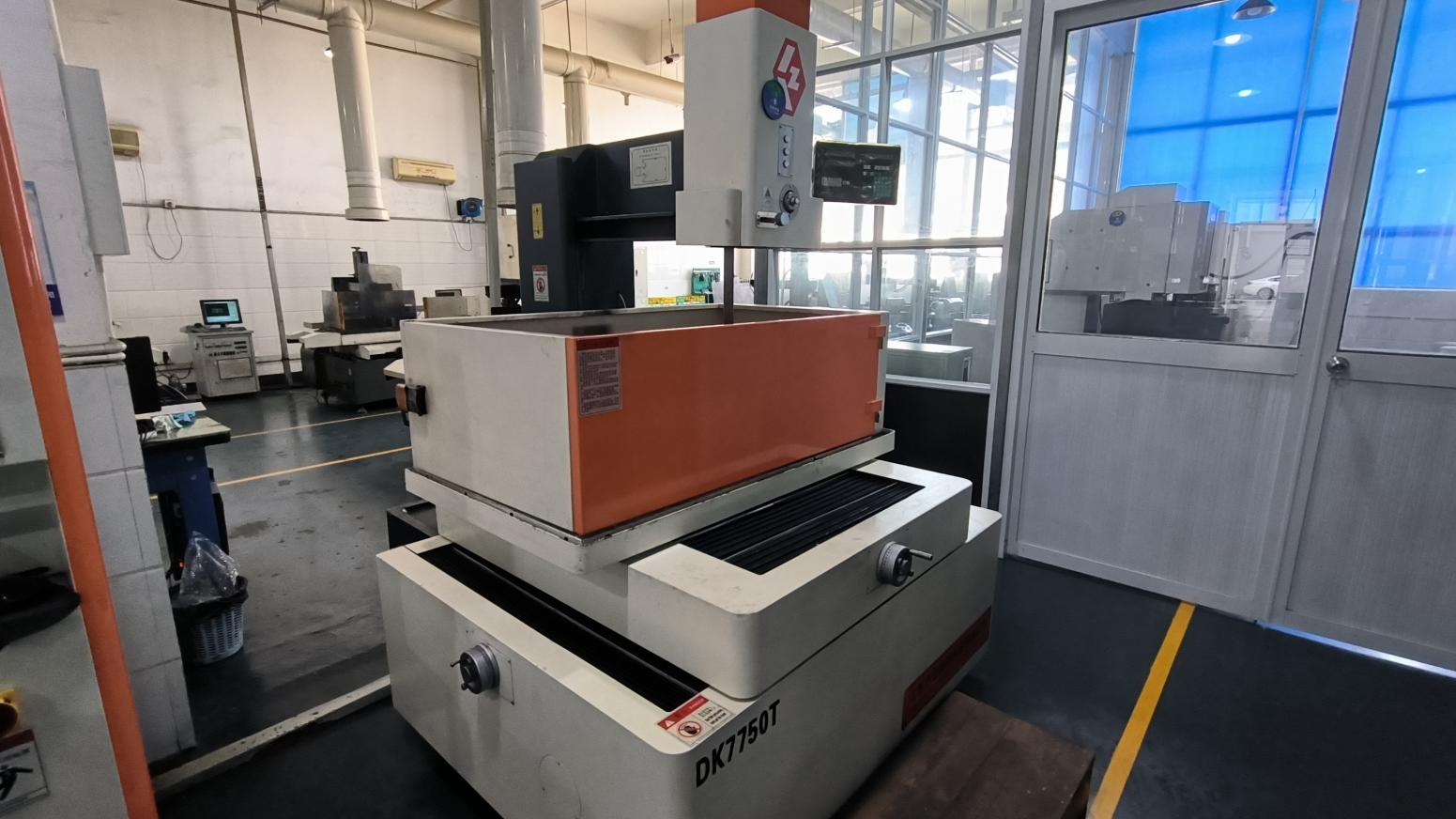
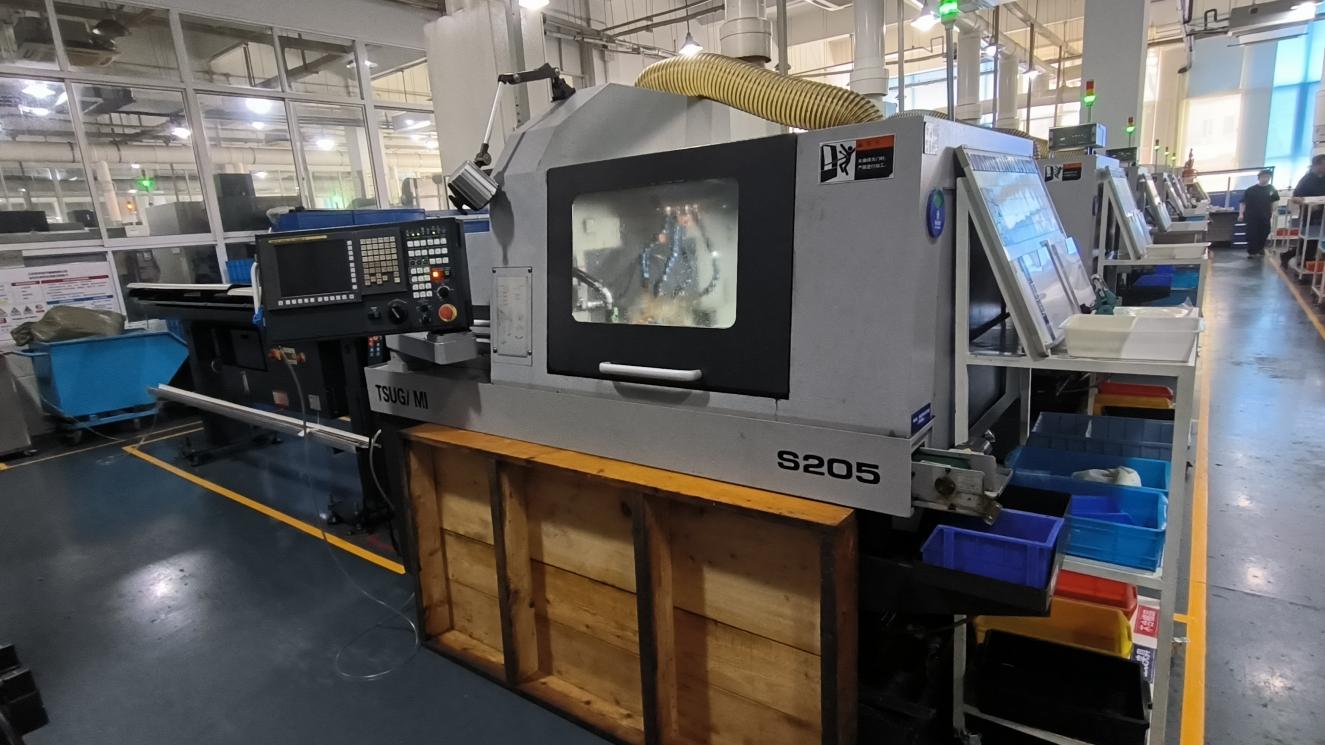
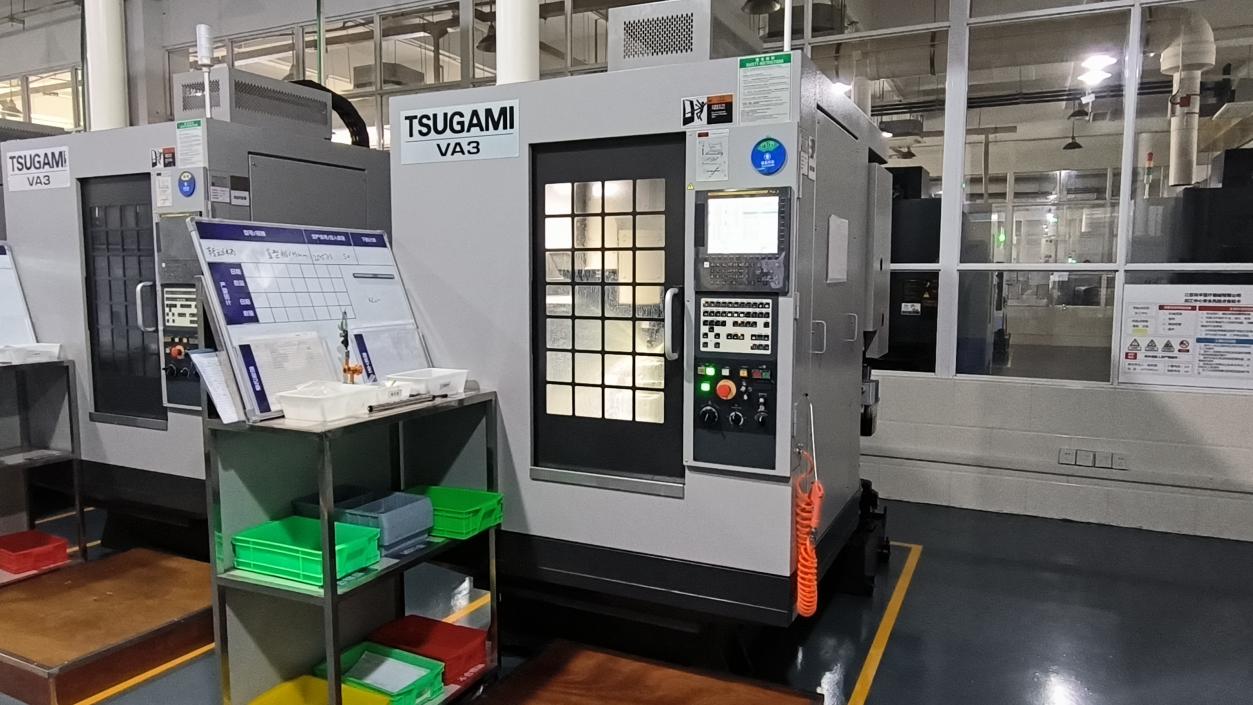
Why global healthcare providers and medical device OEMs partner with premium Chinese manufacturers for Class II and Class III orthopedic products.
The cornerstone of premium orthopedic implant and instrument manufacturing is raw material integrity. High-tier Chinese manufacturers operate within industrial clusters located in provinces like Jiangsu and Shaanxi (Baoji Titanium Valley). This proximity enables direct sourcing of medical-grade Titanium alloys (Ti-6Al-4V ELI conforming to ASTM F136), Cobalt-Chromium-Molybdenum (Co-Cr-Mo), and Ultra-High-Molecular-Weight Polyethylene (UHMWPE).
By bypassing multiple intermediate brokers, factories maintain strict material traceability. Certified testing guarantees that incoming raw stock undergoes microstructural analysis, ultrasonic defect detection, and tensile verification before entering the CNC machining process. This structure minimizes raw material variance, ensuring consistent results for critical applications like spinal fusion cages and joint replacement components.
Modern medical manufacturing requires heavy capital investment. High-volume Chinese factories achieve cost efficiency through vertical integration. From multi-axis Swiss-type lathe machining and wire electrical discharge machining (EDM) to advanced surface modification systems (like titanium anodizing or magnetron sputtering coating), the entire workflow occurs in-house.
This integration eliminates transit-related contamination risks and reduces production lead times. By grouping processes like laser marking, passivation, ultrasonic cleaning, and sterile barrier packaging in one facility, manufacturers reduce overhead while maintaining strict process control over critical variables such as surface roughness (Ra) and biological burden limits.
Navigating FDA 510(k), CE MDR (EU) 2017/745, and international registration pathways for safe, compliant product deployment.
Exporting medical devices requires compliance with regional regulatory frameworks. Leading manufacturers establish dedicated regulatory affairs departments to support customers through national registrations. With local registrations secured in over 60 countries and active operations in key hubs like the United States and the Netherlands, compliance teams facilitate rapid market entry.
We provide comprehensive documentation support to global distributors. Our assistance packages include:
• Material Test Certificates (EN 10204 3.1)
• Gamma/EtO Sterilization Validation Reports (ISO 11137 / ISO 11135)
• Biocompatibility Dossiers (ISO 10993 series)
• Usability Engineering File (IEC 62366)
• Cleanroom Environmental Monitoring Records
Understanding the evolution of orthopedic instrumentation: customizable sets, robotic integration, and sustainability.
To combat hospital-acquired infections (HAIs) and reduce sterilization costs, healthcare facilities increasingly select single-use surgical instrument kits. Manufacturers respond by configuring sterile-packed, ready-to-use sets that deliver high-precision performance while eliminating reprocessing cycle costs.
Orthopedic procedures are incorporating digital technologies like robotic surgical platforms and navigation systems. Modern instrument sets feature optical arrays, registration markers, and specialized end-effectors designed to interface with robotic platforms for knee, hip, and spinal systems.
Implant surfaces receive advanced coatings to promote osseointegration. Using vacuum magnetron sputtering and plasma spraying, manufacturers apply titanium and hydroxyapatite (HA) coatings onto PEEK and titanium structures, improving long-term implant stability and reducing revision rates.
How specific instrument designs translate to operational efficiency and patient safety in actual clinical environments.
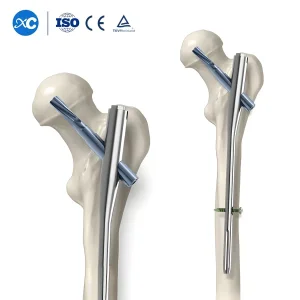
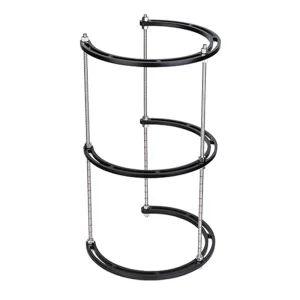
In emergency trauma contexts, surgeons require reliable, adaptable instrumentation. Instrument sets for trauma systems (like our Gama Interlocking PFNA Intramedullary Nails and Ilizarov Ring External Fixators) are configured for fast assembly, intuitive size identification, and reliable mechanical locking. Design details like quick-coupling drill sleeves and color-coded guides reduce prep time and support efficient workflow in high-pressure trauma centers.
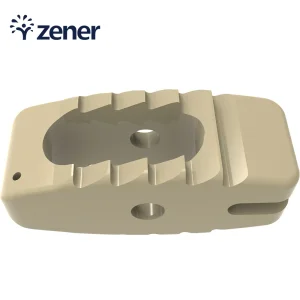
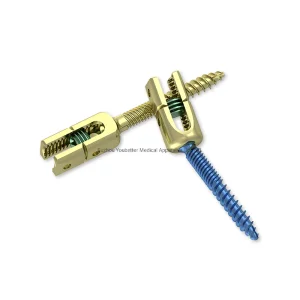
Spinal procedures demand high precision to protect adjacent neurological structures. Specialized instrument sets for pedicle screw systems and PEEK lumbar cages feature ergonomic screw inserters, depth-calibrated trials, and low-profile retraction systems. These tools give surgeons tactile feedback and visibility, supporting consistent placement in minimally invasive transforaminal lumbar interbody fusion (TLIF) and posterior lumbar interbody fusion (PLIF) approaches.
Total knee and hip replacements rely on precise bone cuts to ensure implant alignment and longevity. Arthroplasty toolkits include high-accuracy cutting guides, femoral trials, tibial alignment guides, and patellar templates. High-grade stainless steel construction resists wear from repeated sterilization, preserving structural integrity over multiple clinical uses.
Answering key regulatory, technical, and operational questions for global procurement managers.
Browse the remaining selection of our specialized product portfolio, ranging from external fixation systems to high-performance mechanical assemblies.