Blutree Orthopedic Implants
Blutree Orthopedic Implants
Blutree Orthopedic Implants
The Occipitocervical Fixation System represents a critical pinnacle in orthopedic and neurosurgical technology. Designed to provide stabilization for the craniovertebral junction (CVJ), these systems are indispensable in treating complex conditions such as atlantoaxial instability, degenerative diseases, neoplastic lesions, and high-impact traumatic fractures. Globally, the demand for these systems is skyrocketing, driven by an aging population susceptible to spinal degeneration and a rising incidence of high-velocity traffic accidents.
In the current industrial context, the market is shifting from standardized mass production to highly customized OEM/ODM solutions. Surgeons now demand implants that offer greater anatomical compatibility and lower profiles to reduce postoperative discomfort. Modern manufacturers are integrating AI-driven design parameters to create systems that can be adjusted intraoperatively with extreme precision. As a global hub for medical device manufacturing, China has emerged as a leading force, offering a balance between cutting-edge material science and cost-efficient production scales.

Utilizing high-grade Titanium alloys (Ti6Al4V ELI), our fixation systems ensure maximum biocompatibility and fatigue resistance. The integration of cannulated technology allows for minimally invasive approaches, reducing surgical trauma and accelerating patient recovery times. As an OEM/ODM factory, we provide specific surface treatments such as HA (Hydroxyapatite) coating to enhance osseointegration, ensuring long-term stability in the most demanding occipitocervical procedures.
1. Digital & Robotic Navigation: The integration of Occipitocervical systems with intraoperative navigation is a game-changer. Manufacturers are now designing hardware that is "navigation-ready," featuring markers and geometry optimized for robotic arm placement.
2. Biomechanical Optimization: New trends focus on "dynamic stabilization," where the system provides enough rigidity for healing while mimicking natural micromotions to prevent adjacent segment disease (ASD).
3. Additive Manufacturing (3D Printing): 3D-printed titanium structures are allowing for porous scaffolds that encourage bone ingrowth directly into the implant, particularly for occipital plates where bone thickness varies significantly.
4. Globalization of Quality Standards: The gap between "Western" and "Eastern" manufacturing quality has closed. Chinese factories now routinely hold CE and FDA registrations, competing directly with European and American counterparts on technical merit.
Global procurement specialists for hospital groups and medical distributors are increasingly looking for strategic OEM partners who can provide comprehensive "One-Stop" services—from initial CAD design to sterile packaging. In North America and Europe, the focus is on value-based healthcare, demanding high-quality implants that reduce the "total cost of care" by minimizing re-operation rates.
In emerging markets like Southeast Asia and Latin America, the scenario often involves the need for versatile systems that can handle a wide variety of anatomical sizes, given the diverse patient demographics. Our Occipitocervical systems are designed with modularity in mind, allowing a single set of instruments to address multiple surgical scenarios, which is a key advantage for hospitals looking to optimize their inventory and sterilization costs.
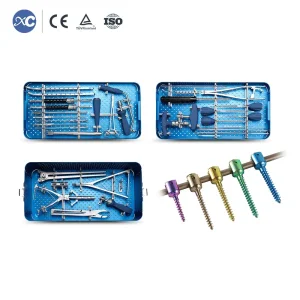
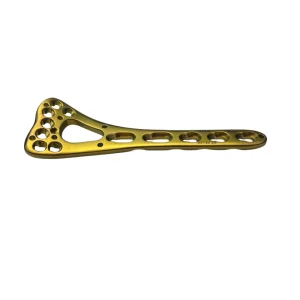
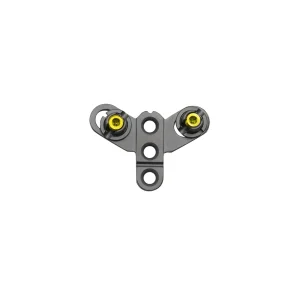
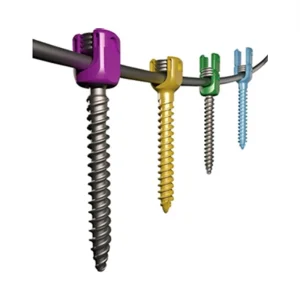
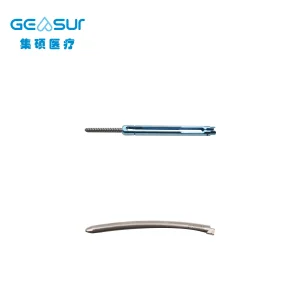
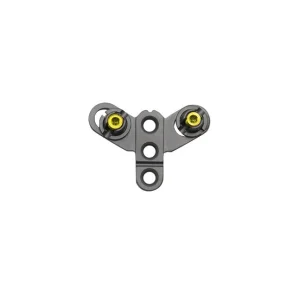
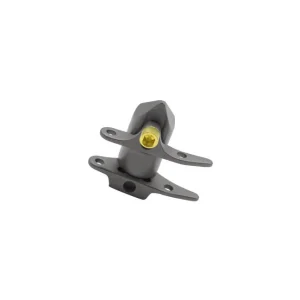
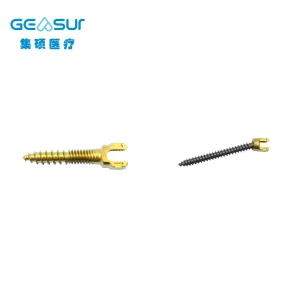
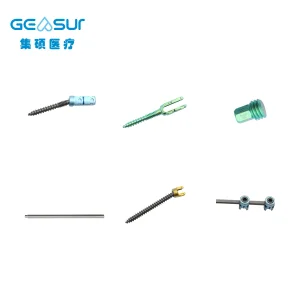
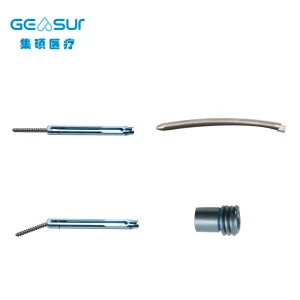
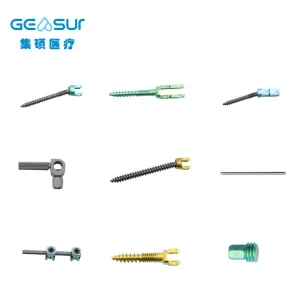
Our Occipitocervical Fixation System includes a variety of occipital plates, rod-to-rod connectors, and polyaxial screws. The Domino Connector, specifically, allows for seamless transitions between different rod diameters, giving surgeons the flexibility to bridge from the heavy-duty occipital stabilization to the more delicate cervical fixation without compromising structural integrity.
Founded in 1999, our company has stood at the forefront of China's medical device revolution. Choosing us as your manufacturing partner provides several key advantages:
Founded in 1999, the company is one of the earliest enterprises in China engaged in the research and development of orthopedic implants, and has now become one of the leading companies in the industry, with products exported overseas.
Sales channels cover more than 160 countries and regions. Local registration has been obtained in more than 60 countries and regions. More than 3 overseas offices have been established in countries such as the United States and the Netherlands. More than 100 global OEM partners. Currently, 214 products have obtained CE certification.