Blutree Orthopedic Implants
Blutree Orthopedic Implants
Blutree Orthopedic Implants
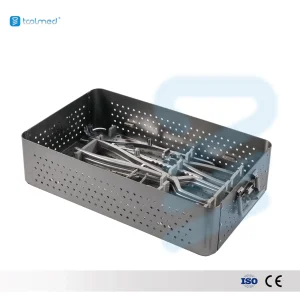
Explore our flagship high-precision medical implants and specialized surgical instrument suites engineered for global healthcare networks.
Founded in 1999, we are among the pioneer enterprises in China specialized in the R&D and precision fabrication of medical implants, offering reliable solutions worldwide.
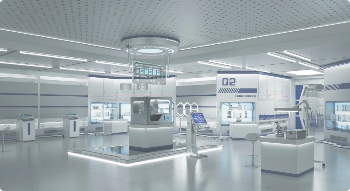
The global clinical space is witnessing a paradigm shift in abdominal wall reconstruction. Hernia repairs represent one of the most common surgical interventions performed worldwide, with over 20 million operations conducted annually. The reliance on high-quality implantable biomaterials has transformed this discipline from tension-prone anatomical closures to robust, tension-free reinforcements using synthetic, composite, and biologic meshes.
As a leading Chinese medical manufacturer and exporter, we leverage our deep metallurgic and polymer engineering expertise to address complex biomechanical requirements. Modern hernia meshes must exhibit precise tensile strength, optimal elasticity, and customized porosity to promote native tissue ingrowth while minimizing the risk of chronic pain, infection, or recurrence.
Understanding the material sciences behind hernia mesh construction is critical for clinical success. Procurement directors and medical distributors must prioritize mesh configurations based on weight, pore distribution, and degradation profiles:
The clinical gold standard for non-absorbable synthetic mesh. Features a hydrophobic nature that resists bacterial colonization. Our monofilament PP meshes are engineered to limit the foreign body reaction while preserving structural integrity over the patient's lifetime.
Traditional heavyweight meshes (>80 g/m²) provide massive mechanical support but can lead to restrictive scar tissue plates. Modern lightweight variations (<35 g/m²) feature larger pores (>1.5mm), improving abdominal compliance and postoperative patient comfort.
Intended for intraperitoneal placement. These meshes fuse a structural polypropylene layer with an absorbable anti-adhesive barrier (such as collagen or hydrogel) to prevent the visceral organs from sticking to the synthetic mesh framework during the initial healing phase.
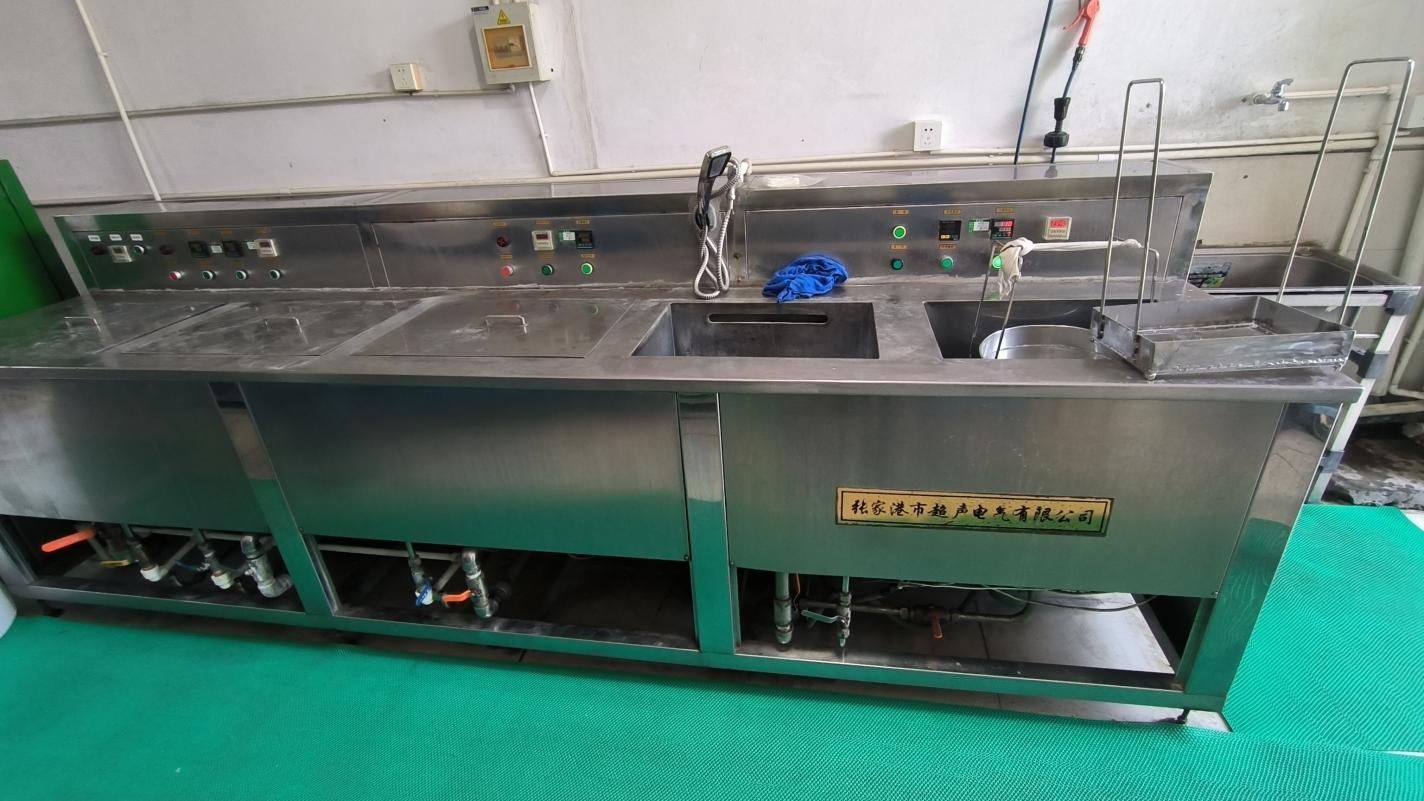
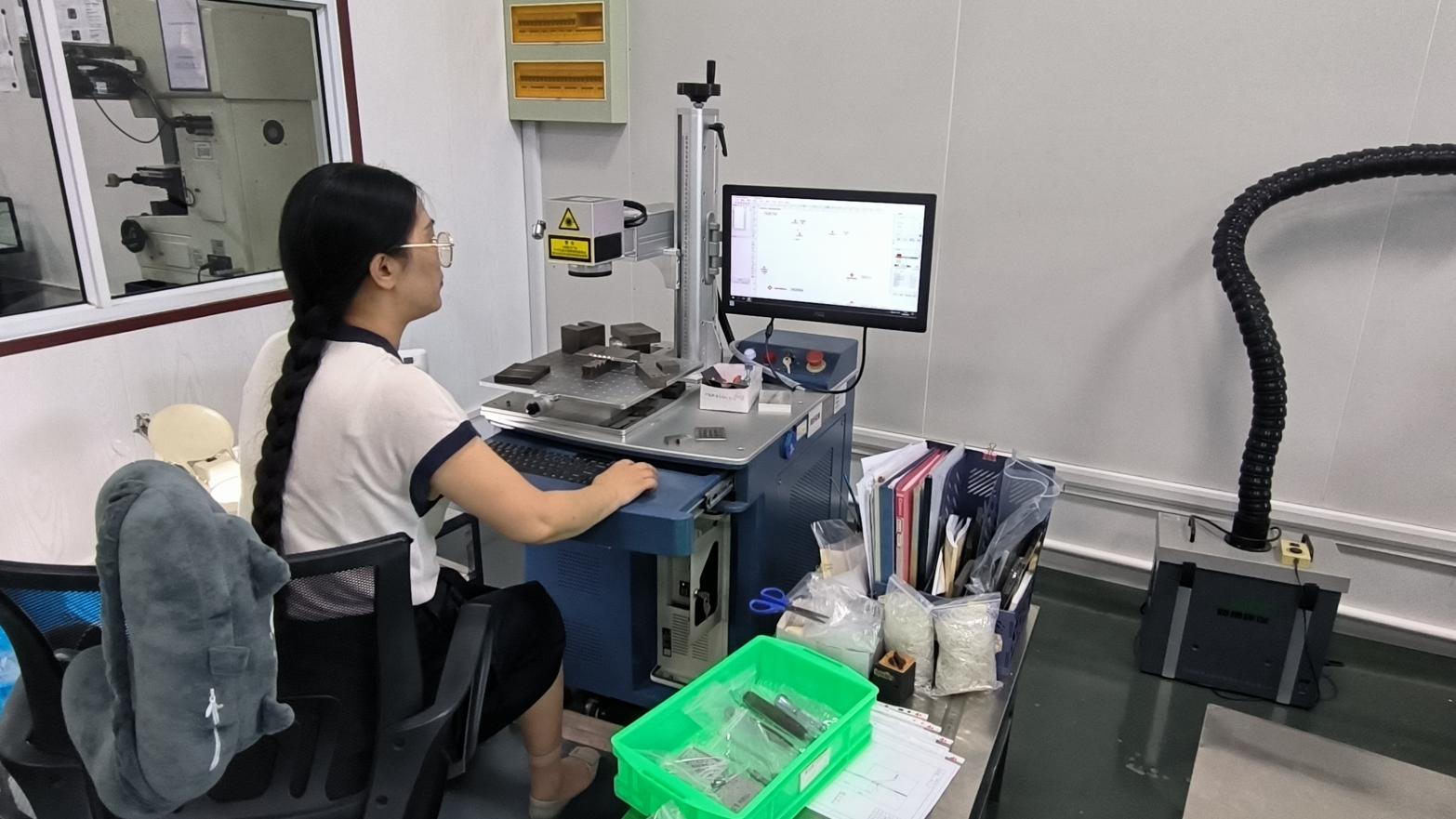
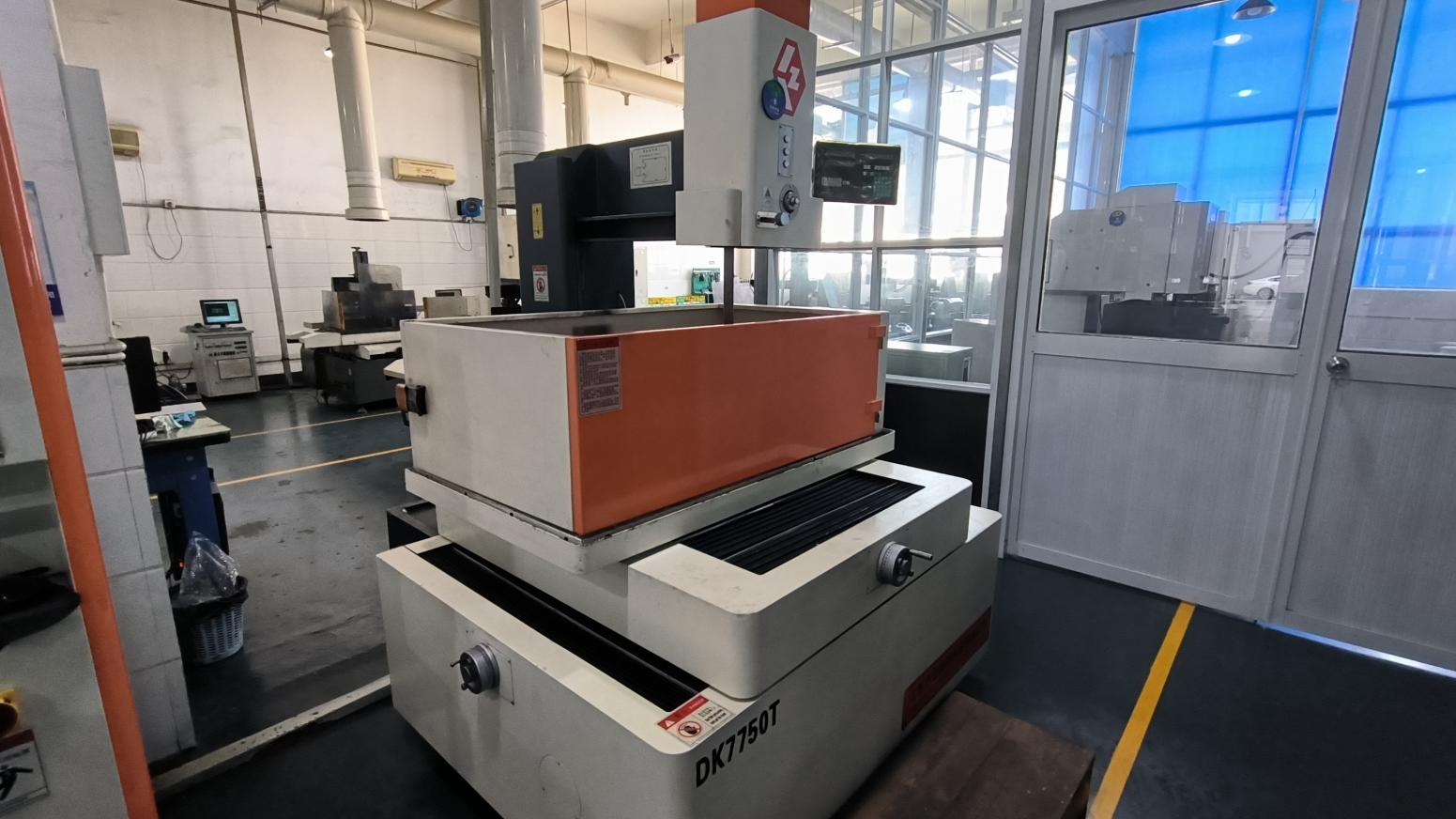
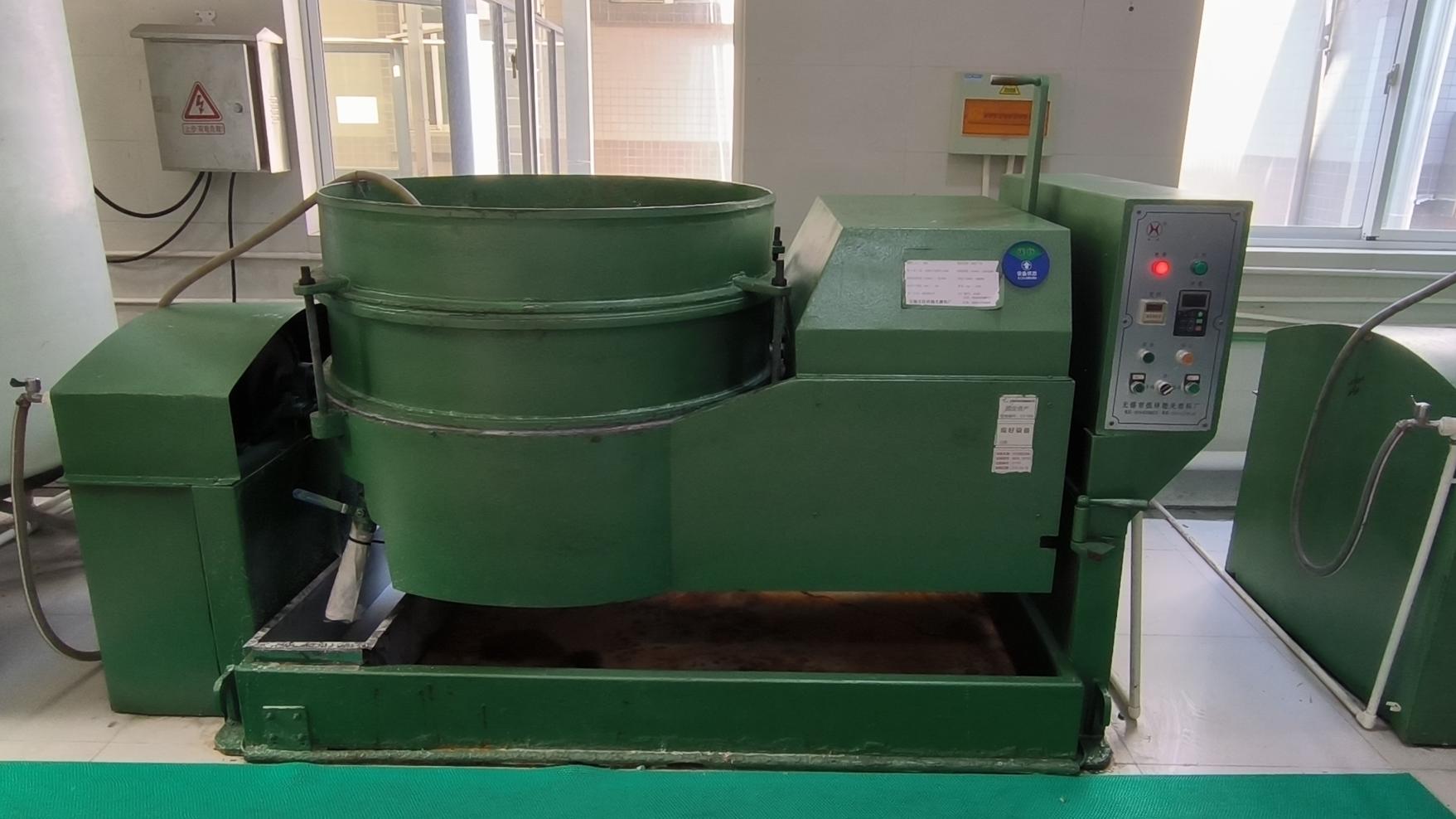
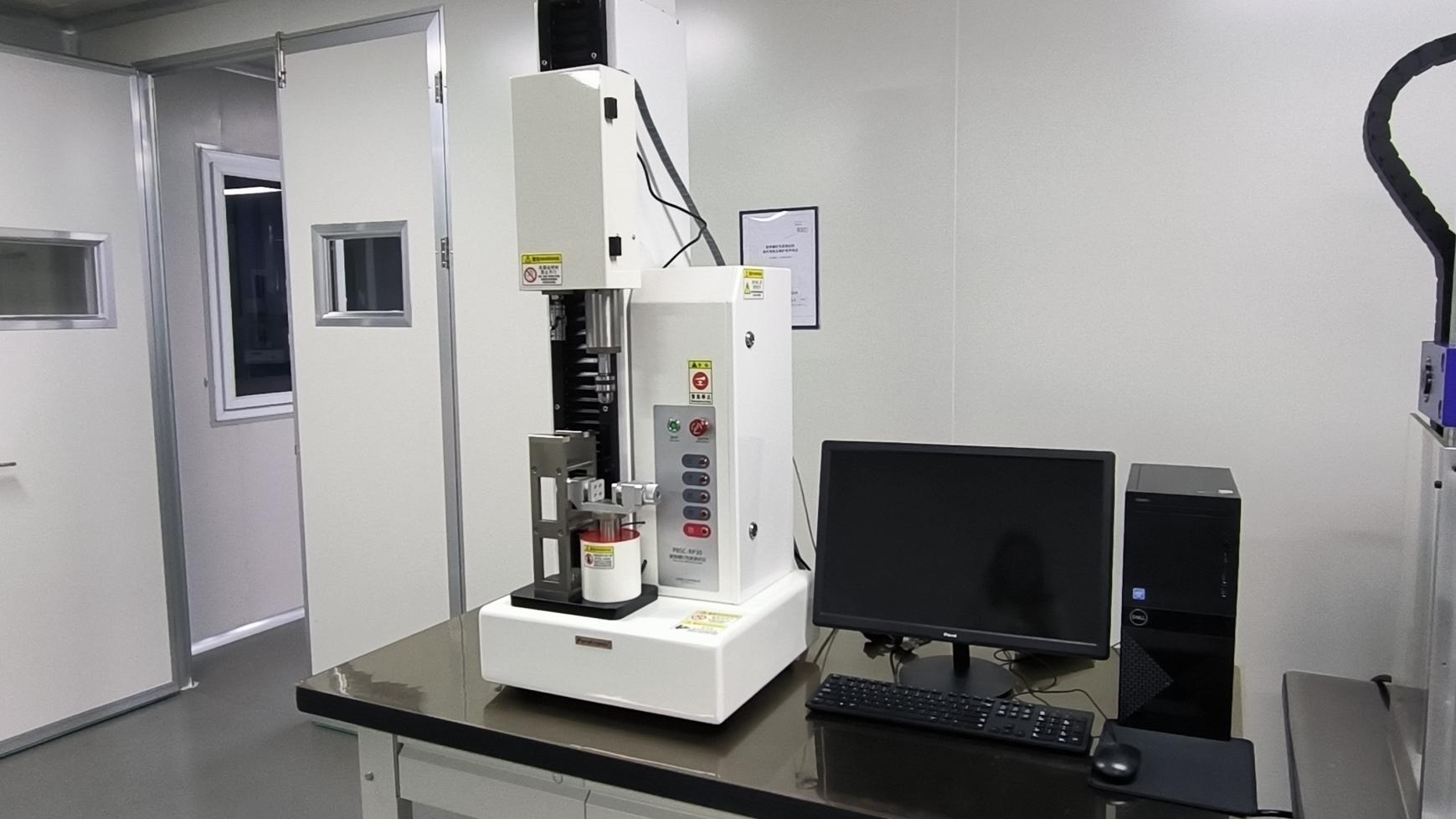
Operating a vertically integrated supply chain, we control every step from polymer extrusion and precision metallic component machining to terminal sterilization and biomechanical verification.
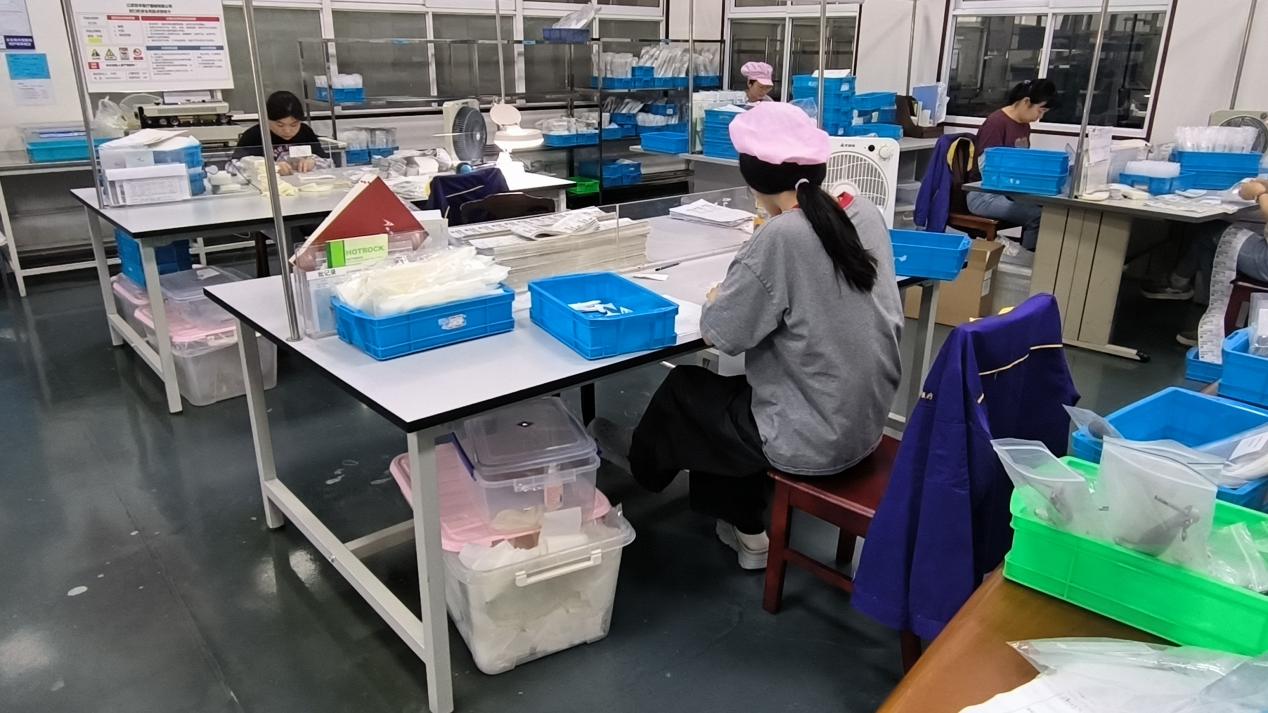
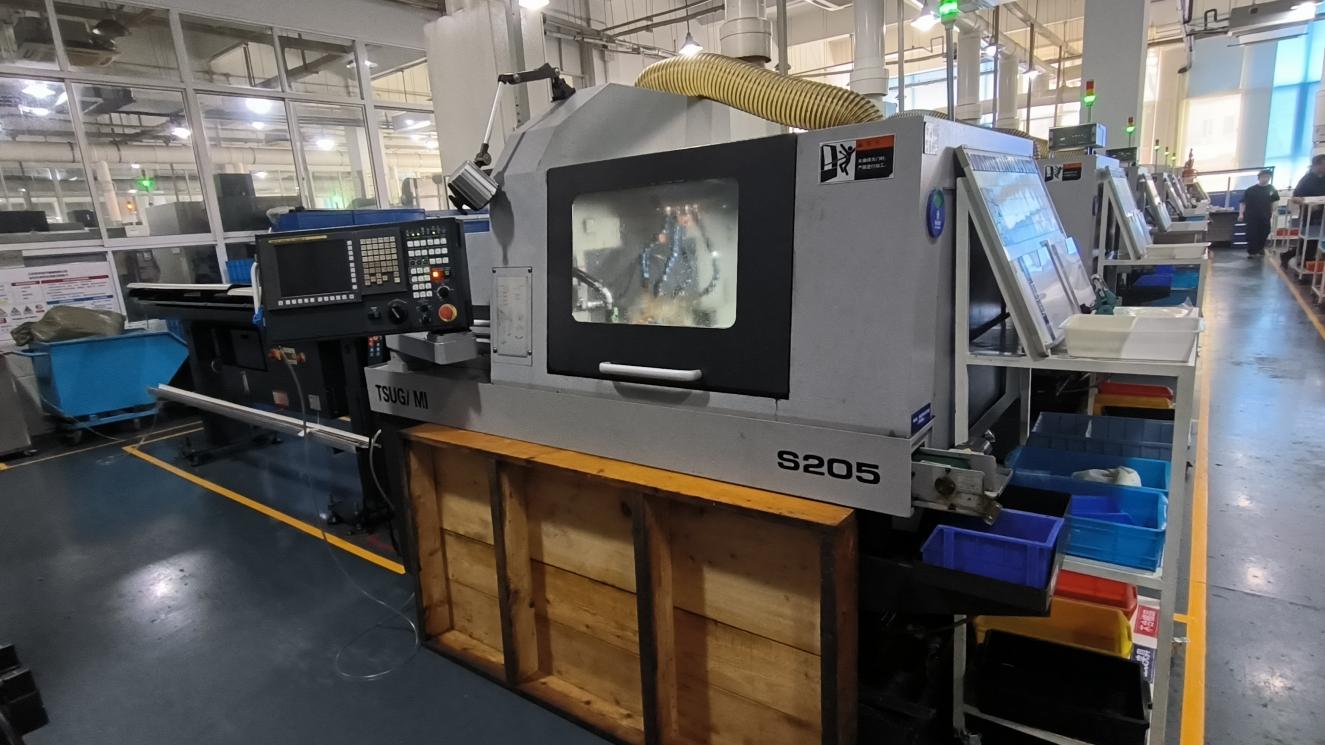
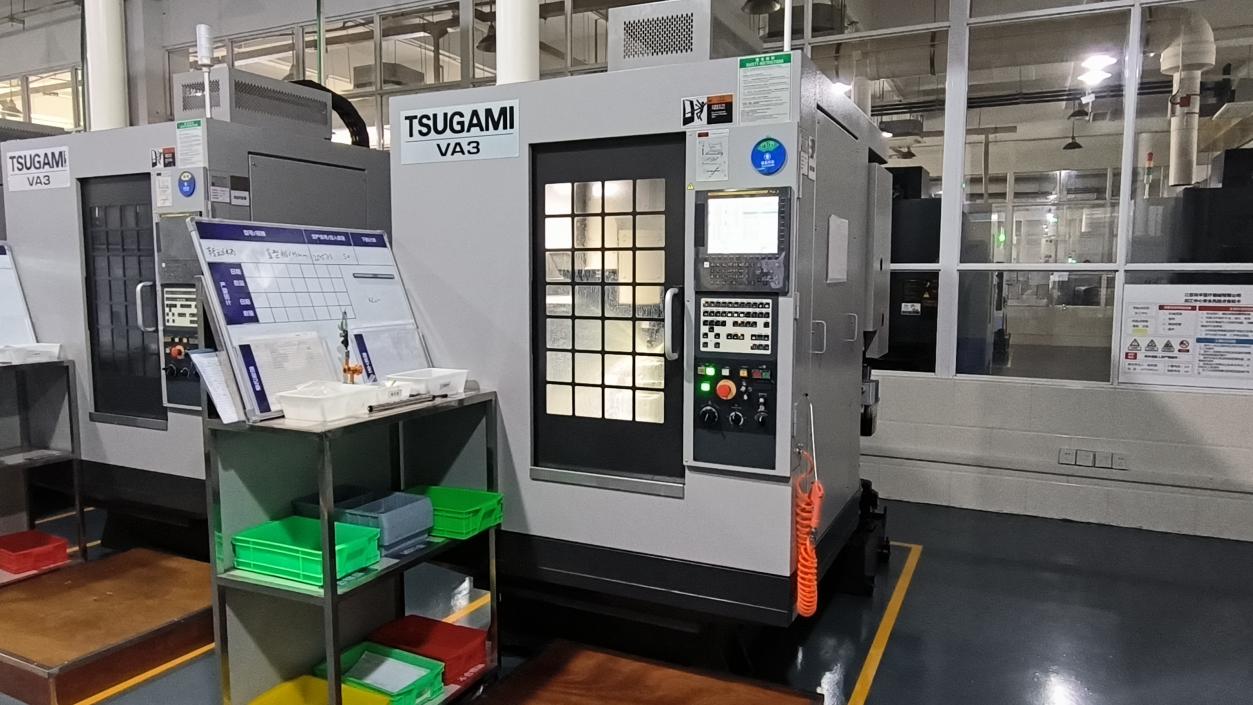
Our facility operates Class 100,000 cleanrooms certified under ISO 13485 protocols. Utilizing German-built warp knitting machines and precision Swiss CNC machining units, we achieve exceptional dimensional repeatability. Whether fabricating delicate non-absorbable polymer meshes or ultra-resilient titanium implant fixtures, the underlying philosophy remains identical: zero defect toleration.
To ensure perfect integration with soft tissue structures, the raw fibers undergo rigorous thermal treatment and scouring cycles. This eliminates chemical sizing agents and minimizes pyrogenic response upon implantation.

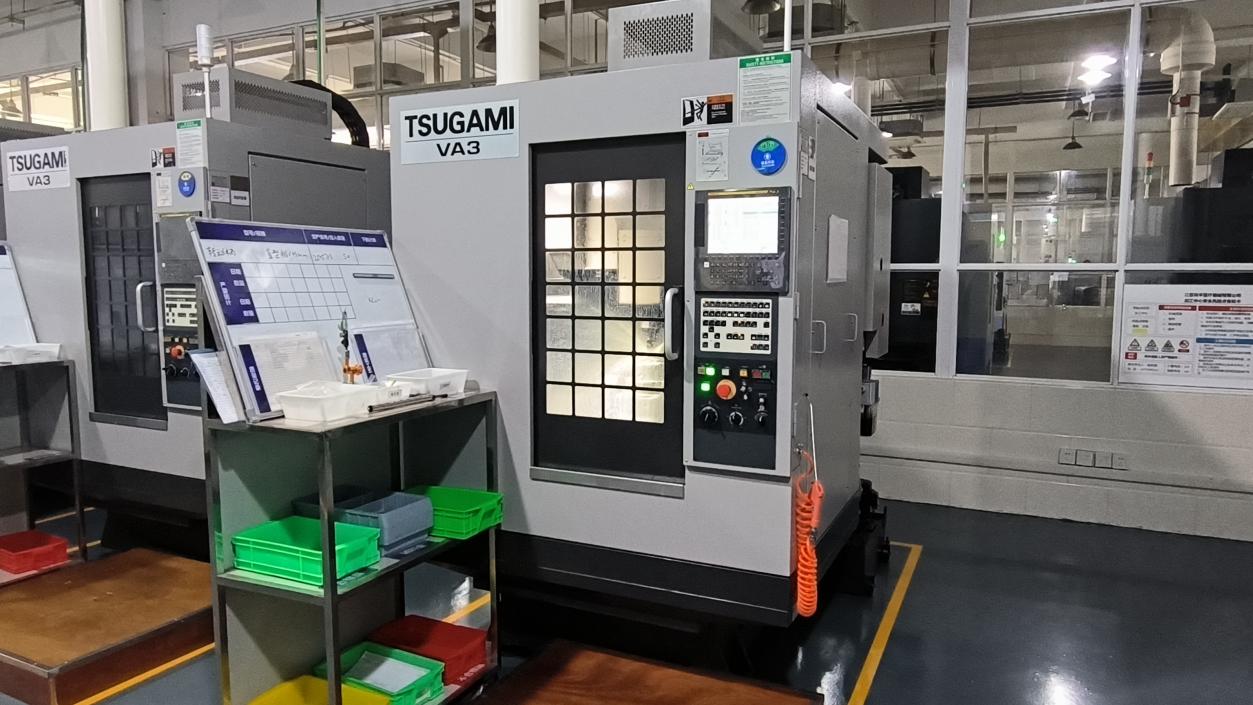
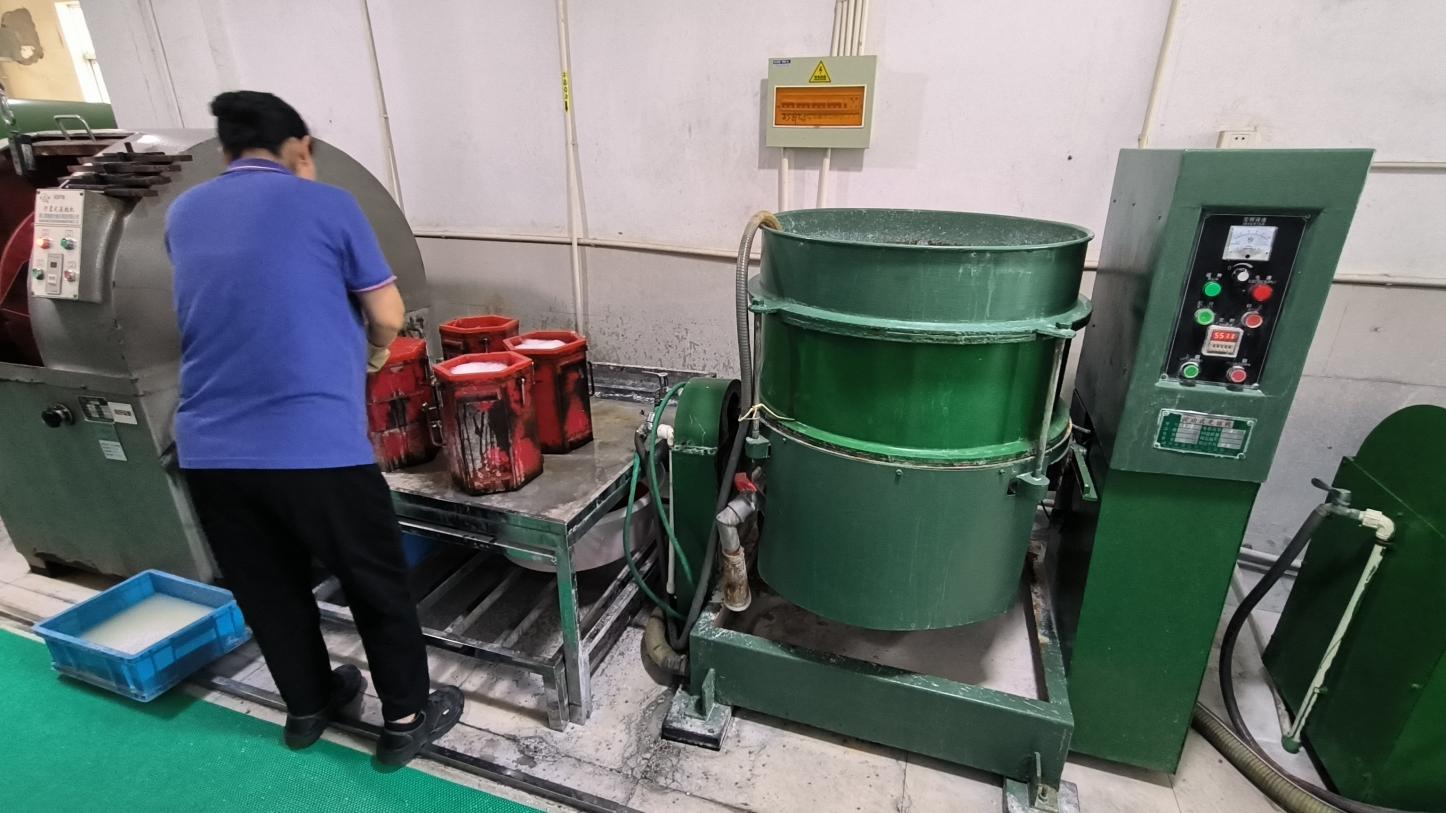
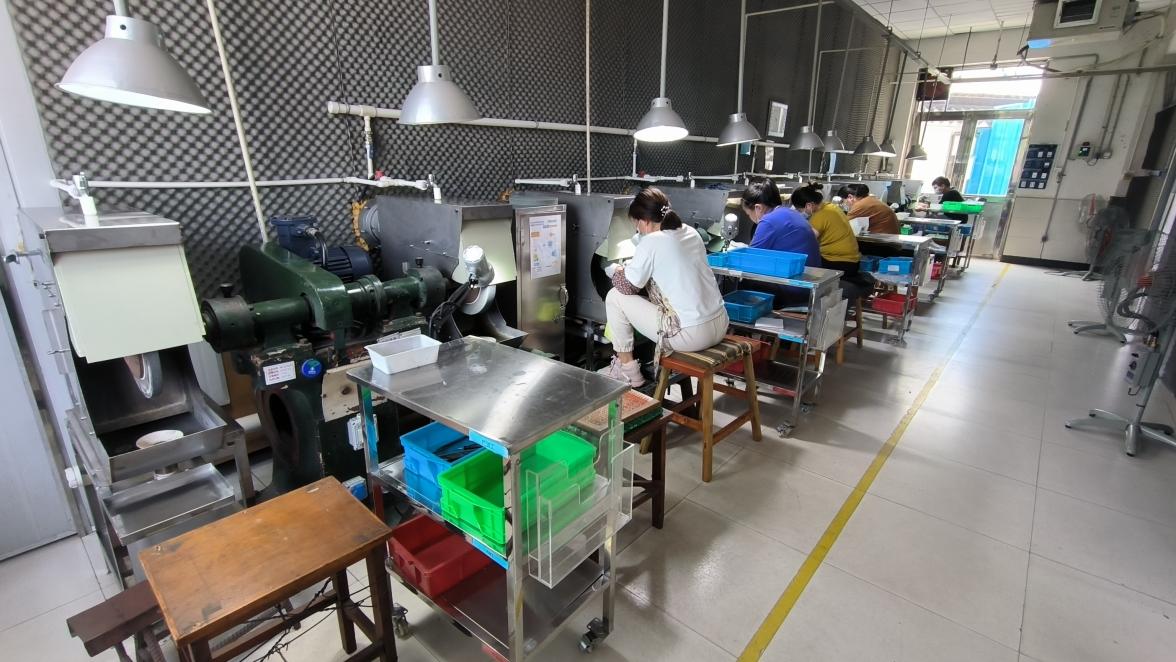
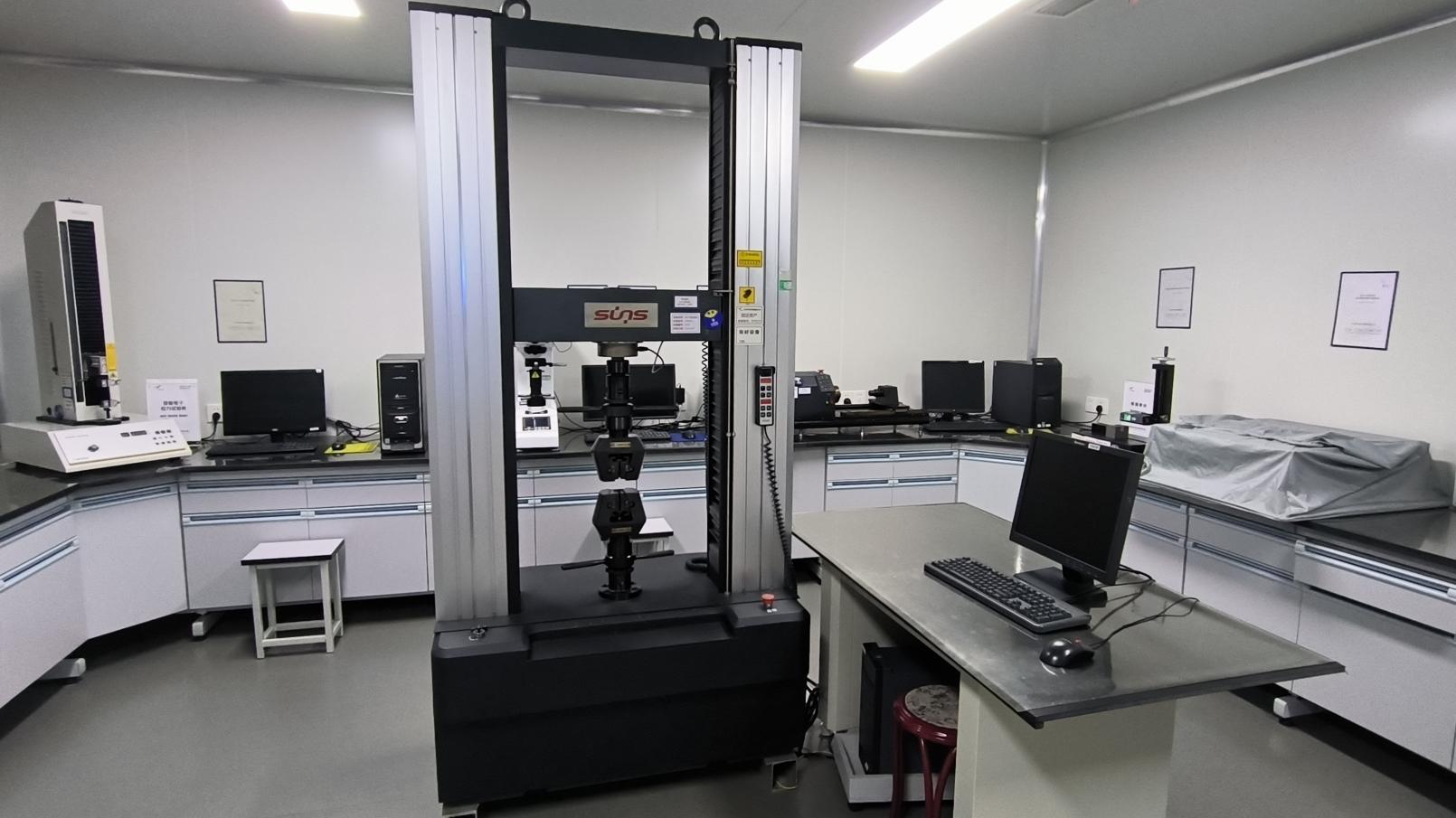
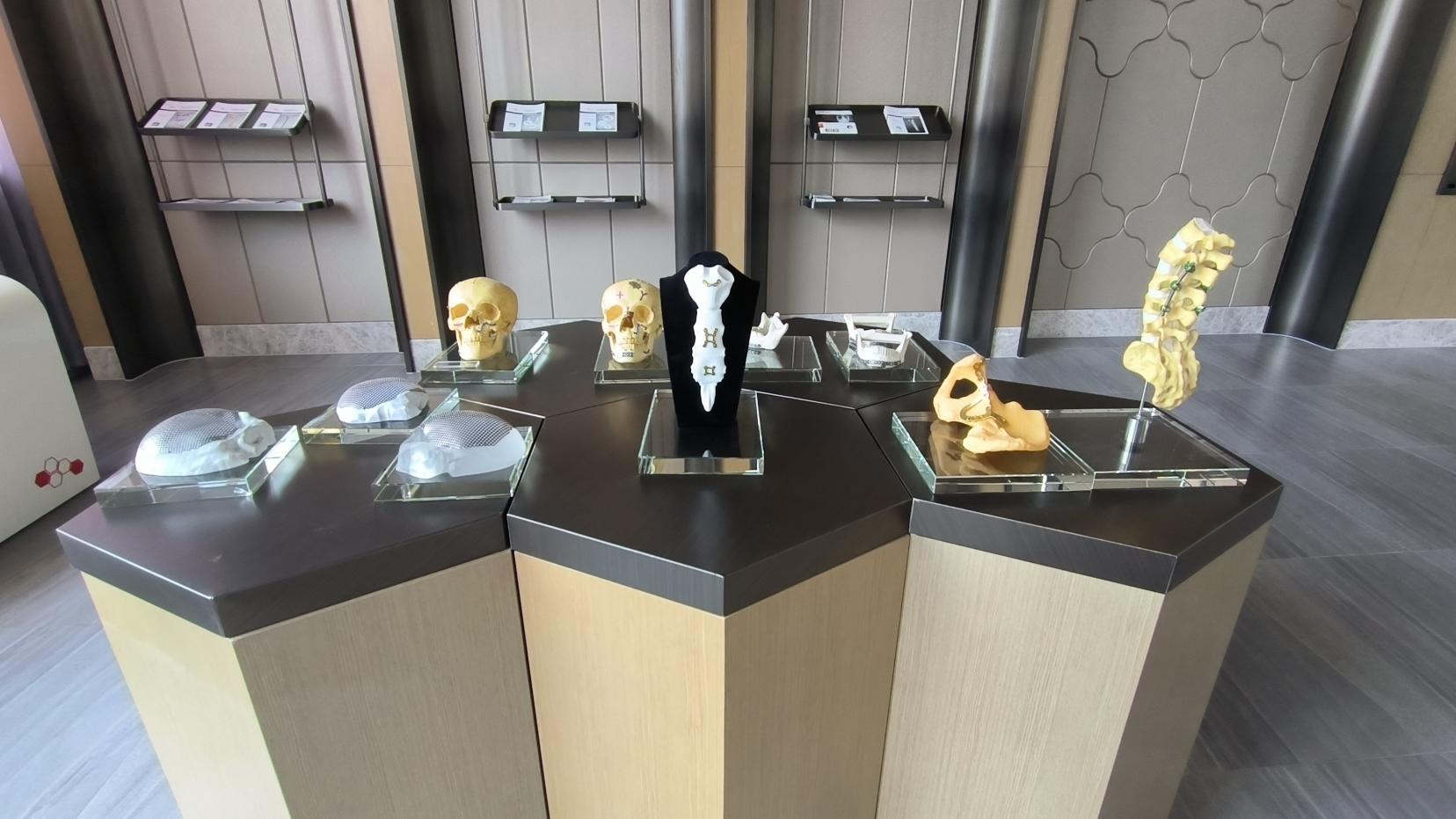
Exporting to over 160 countries requires a deep understanding of local medical device regulations, custom clearances, and biological safety validations.
Navigating the complex transition from MDD to CE MDR (Regulation EU 2017/745) within the European Union is a core component of our global export operations. Having secured 214 CE certificates, our technical dossiers comply fully with advanced requirements for Class IIb and Class III surgical implants.
For distributors in North and South America, we provide comprehensive technical documentation, including ISO 10993 biocompatibility profiles, USP Class VI compliance reports, and validated ethylene oxide (EO) sterilization residuals curves. Our established overseas offices in the United States and the Netherlands serve as regional liaison centers, helping distributors accelerate local health authority approvals.
Hernia repair requirements vary dramatically depending on the anatomical location, defect dimensions, and the chosen surgical approach.
Clinical Approach: Lichtenstein, TAPP (Transabdominal Preperitoneal), or TEP (Totally Extraperitoneal) procedures.
Mesh Solution: Standard flat sheets or 3D anatomical pre-shaped meshes. Our lightweight polypropylene meshes reduce foreign body sensation in the inguinal canal, minimizing the risk of postoperative groin paresthesia.
Clinical Approach: Open, laparoscopic IPOM (Intraperitoneal Onlay Mesh), or sublay reconstruction.
Mesh Solution: Large-pore composite structures with anti-adhesive barriers. These meshes prevent intestinal loops from adhering to the implant surface, limiting visceral complications.
Clinical Approach: Minimally invasive suture and patch reinforcement.
Mesh Solution: Semi-resorbable or composite circular patches. These patches provide targeted mechanical support over small fascial defects, optimizing local tissue integration.
A look at the future of soft tissue reconstruction: bioresorption, active drug delivery, and patient-specific implant models.
Our long-term R&D focus is centered on temporary scaffolds that guide tissue regeneration before degrading. By blending polymers like Poly L-Lactic Acid (PLLA), Polycaprolactone (PCL), and Polydioxanone (PDO), we are developing hernia meshes that maintain mechanical strength during the critical 6-to-12-week postoperative window, then fully dissolve once native collagen deposition is complete.
We are also exploring bioactive coatings, such as silver nanoparticle matrices and local anesthetics, designed to prevent biofilm formation and manage post-surgical pain without systemic drug delivery.
Modern clinical practices demand customization. Through advanced CAD modeling and medical scanning, our future product pipeline includes patient-specific 3D knitted structures. This technology eliminates the intraoperative trimming of flat mesh sheets, reducing both surgical time and material waste while ensuring a precise anatomical fit.
Providing essential guidance for procurement directors, regulatory managers, and hospital distribution networks.
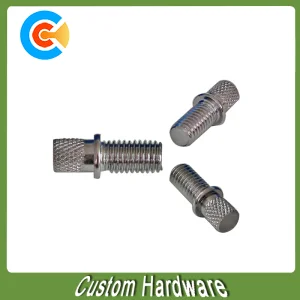
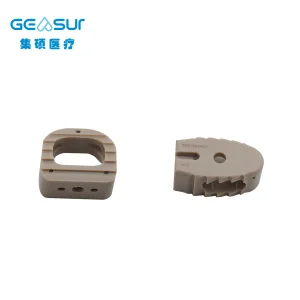
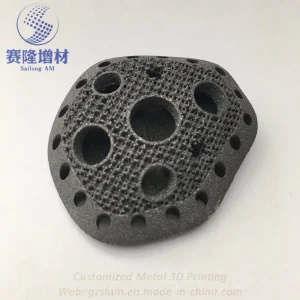
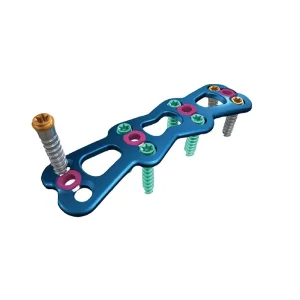
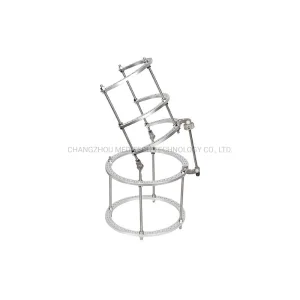
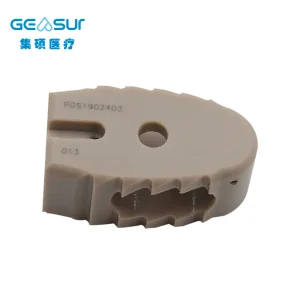
Explore our advanced hardware solutions, including anterior cervical plate systems, interbody fusion cages, and joint external fixators.