Blutree Orthopedic Implants
Blutree Orthopedic Implants
Blutree Orthopedic Implants
The global spinal implant market has undergone a paradigm shift, transitioning from rigid fixation techniques to motion-preserving technologies. At the heart of this evolution is the Facet Joint Implant. As a critical component in the treatment of facet arthropathy and degenerative disc disease, these implants are designed to restore spinal stability while preserving or mimicking natural biomechanics.
Currently, the supply chain for facet joint implants is concentrated among top-tier manufacturers in the USA, Europe, and increasingly, high-tech hubs in China. Top suppliers are no longer just "part makers"; they are clinical partners providing comprehensive surgical ecosystems. The market is bifurcated into two main segments:
Founded in 1999, our company stands as a pioneer in China's orthopedic implant sector. With local registrations in over 60 countries and strategic offices in the USA and the Netherlands, we provide the "Information Gain" and technical expertise required for high-stakes spinal interventions.
Moving beyond standard Titanium to 3D-printed porous structures and Carbon-PEEK composites that mimic the modulus of human cortical bone.
Patient-specific facet implants designed using AI algorithms to match the exact facet morphology of the individual, reducing adjacent segment stress.
Miniaturization of implants and delivery systems to allow for endoscopic and percutaneous placement, reducing recovery time by up to 40%.
The "Information Gain" in modern spine surgery suggests that fusion is not always the optimal endpoint. The next decade will see a surge in Total Facet Arthroplasty (TFA). Suppliers who can offer modular systems—allowing surgeons to choose between fusion and motion preservation intraoperatively—will dominate the market share.
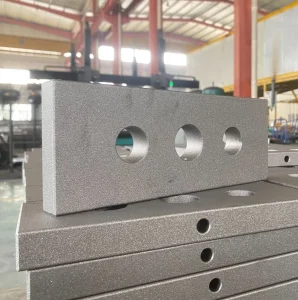
Our facility utilizes precision engineering to ensure every implant meets stringent ISO and CE standards.
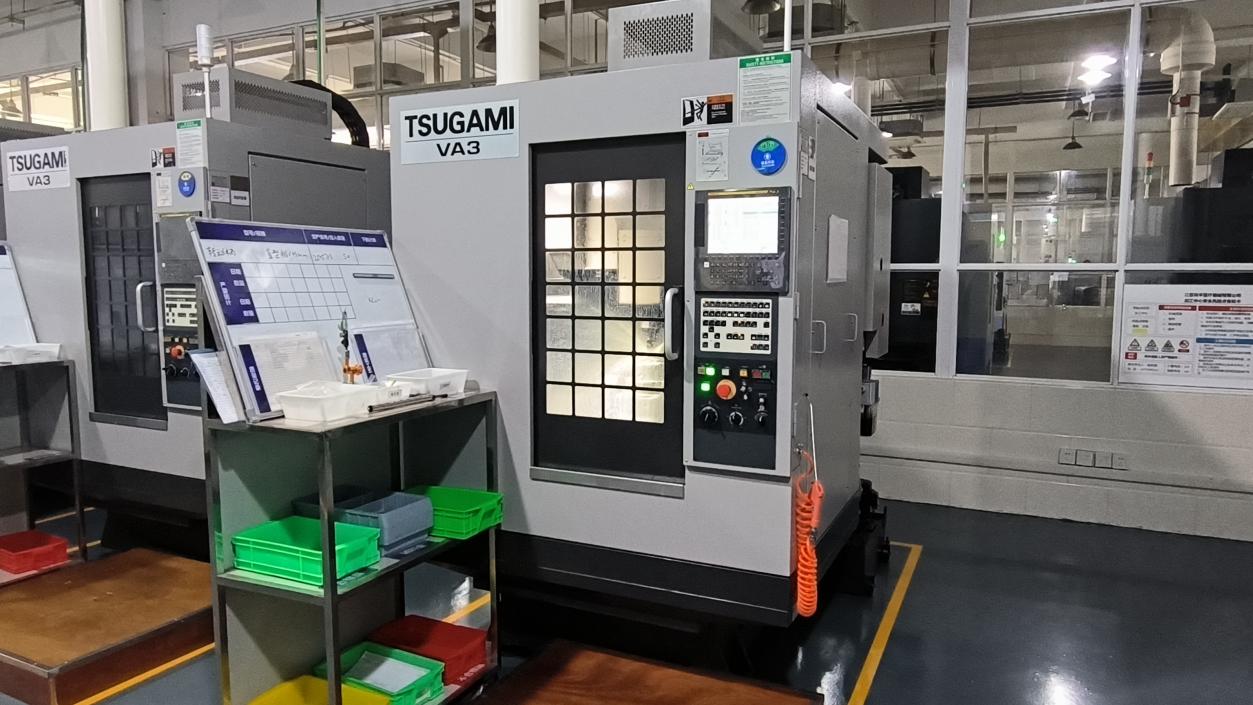

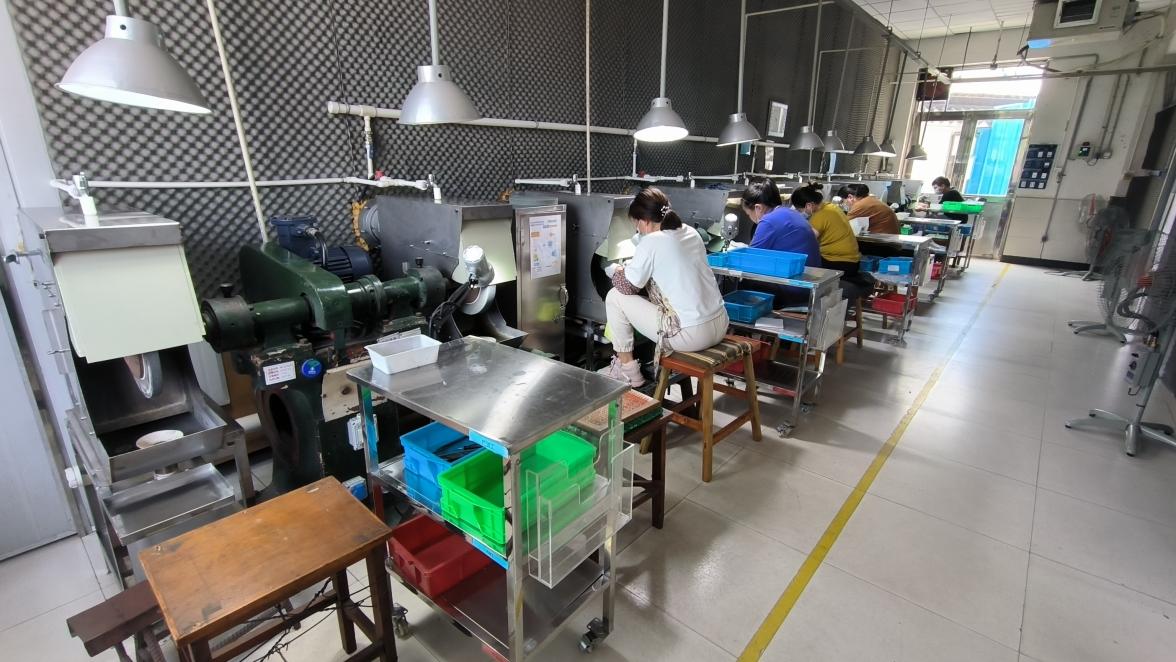
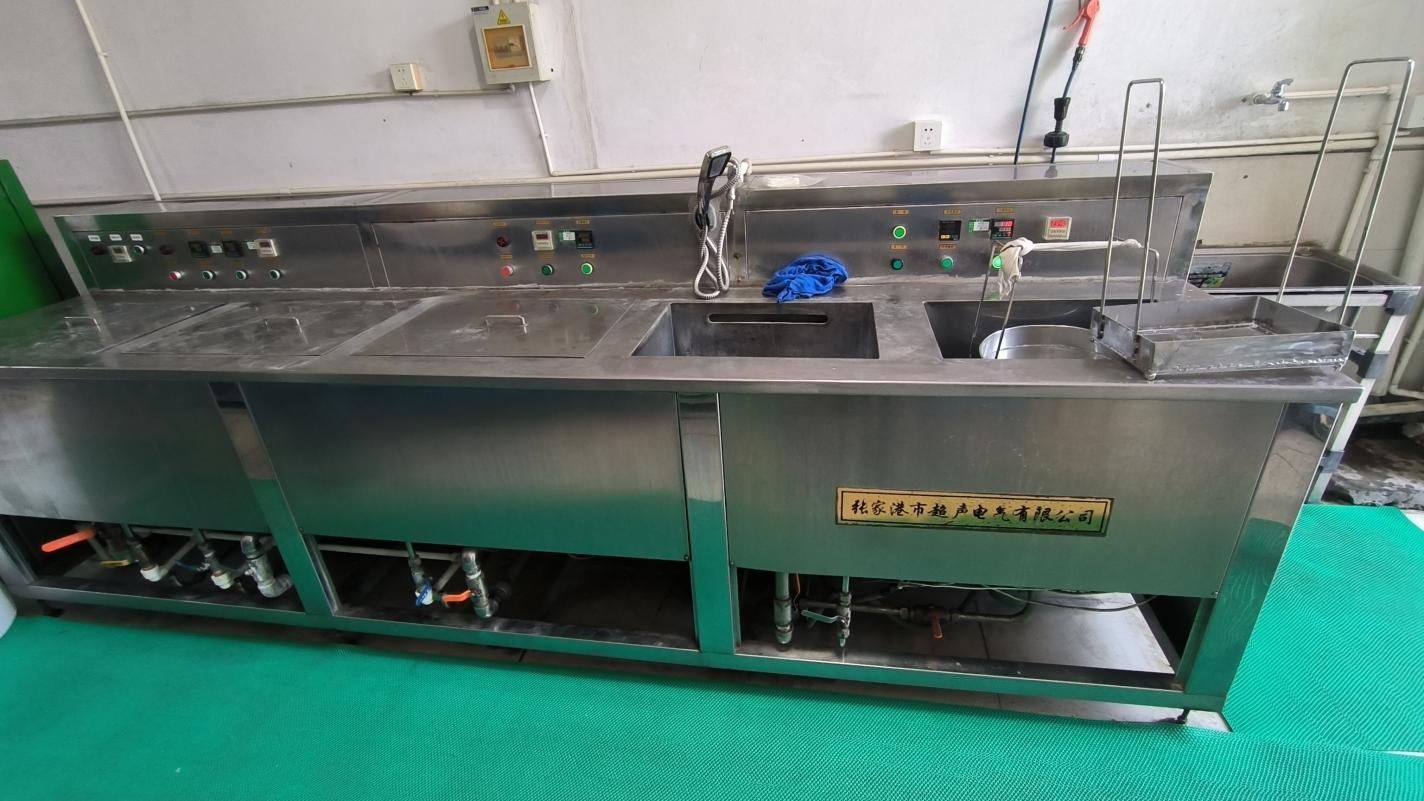
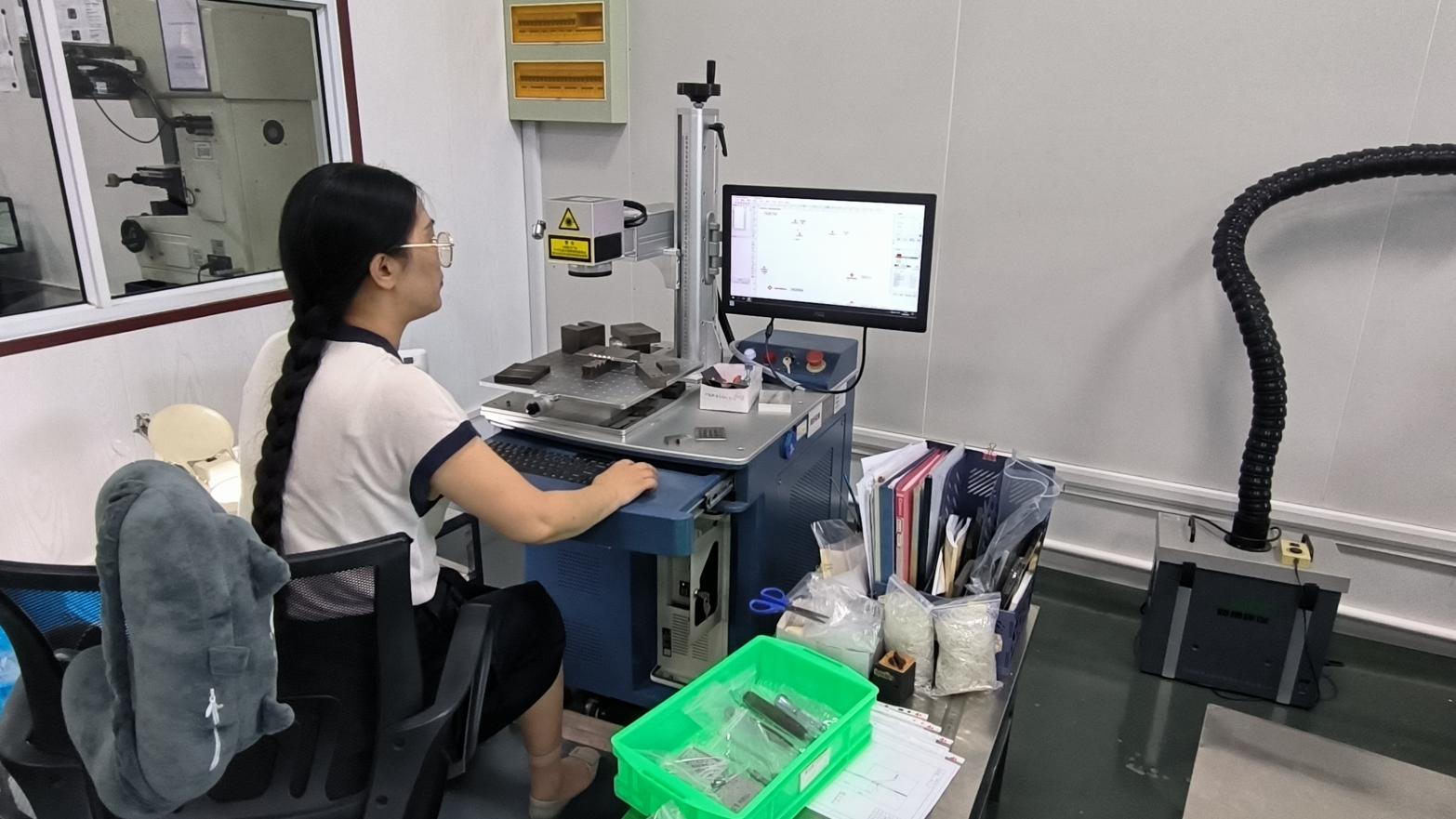
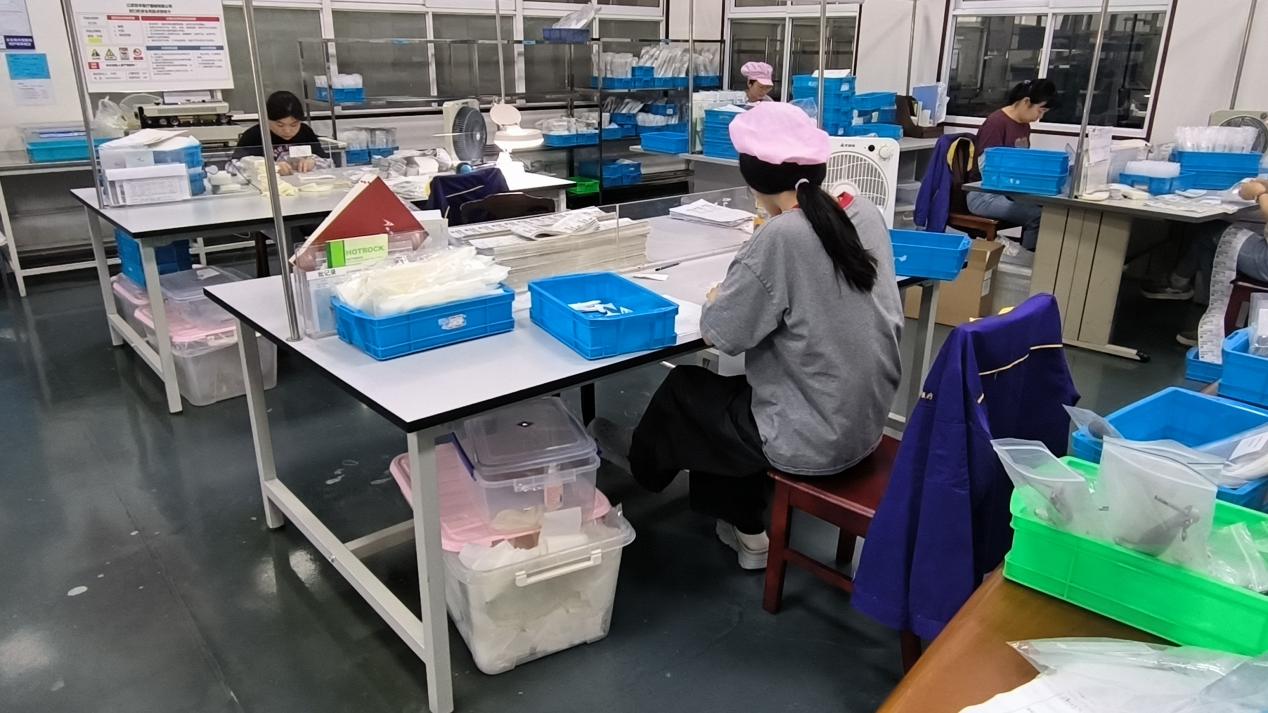
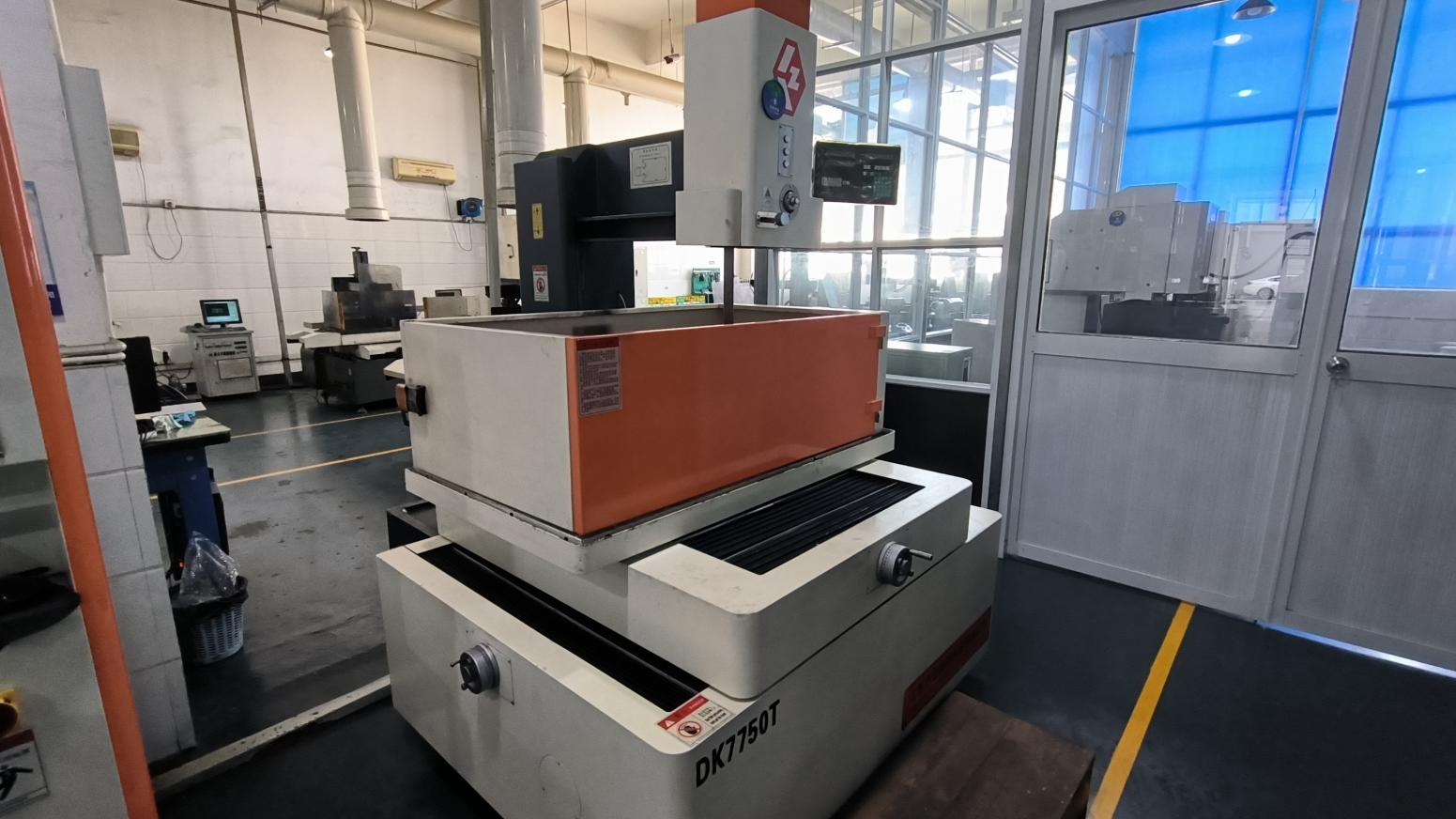
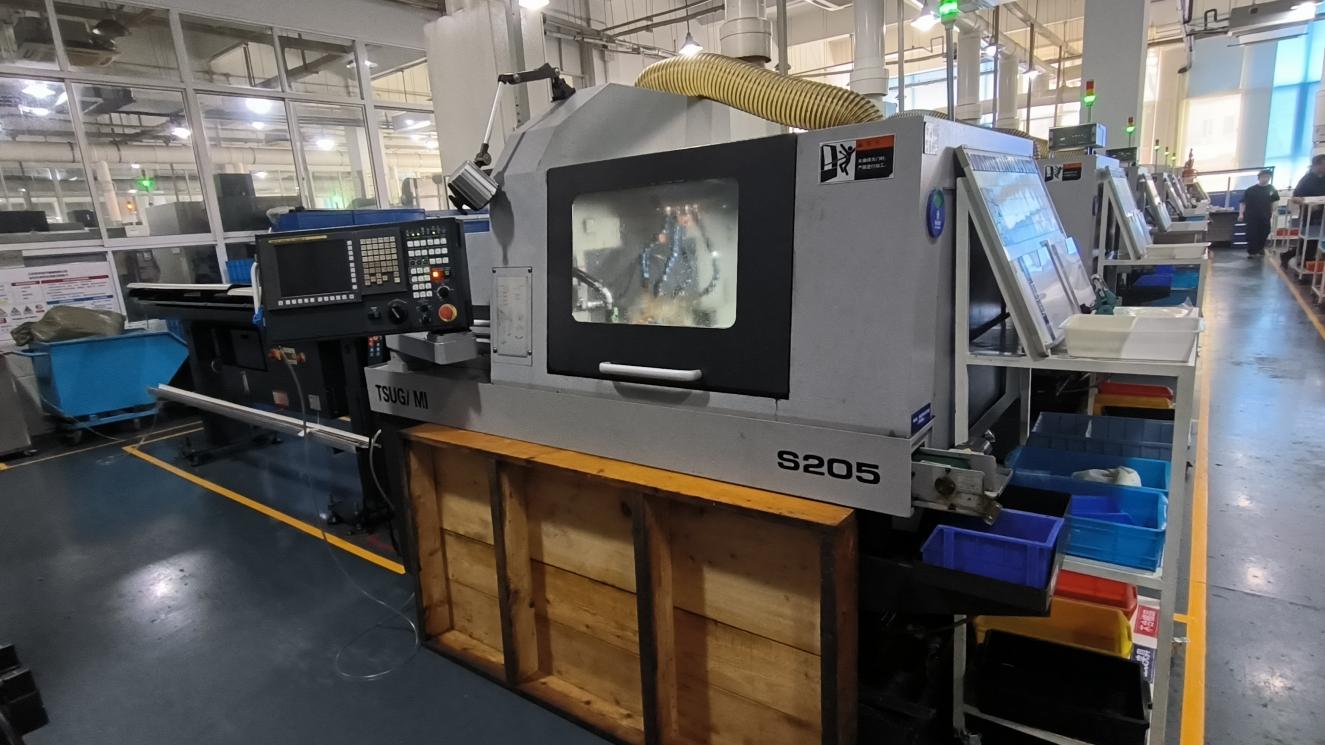
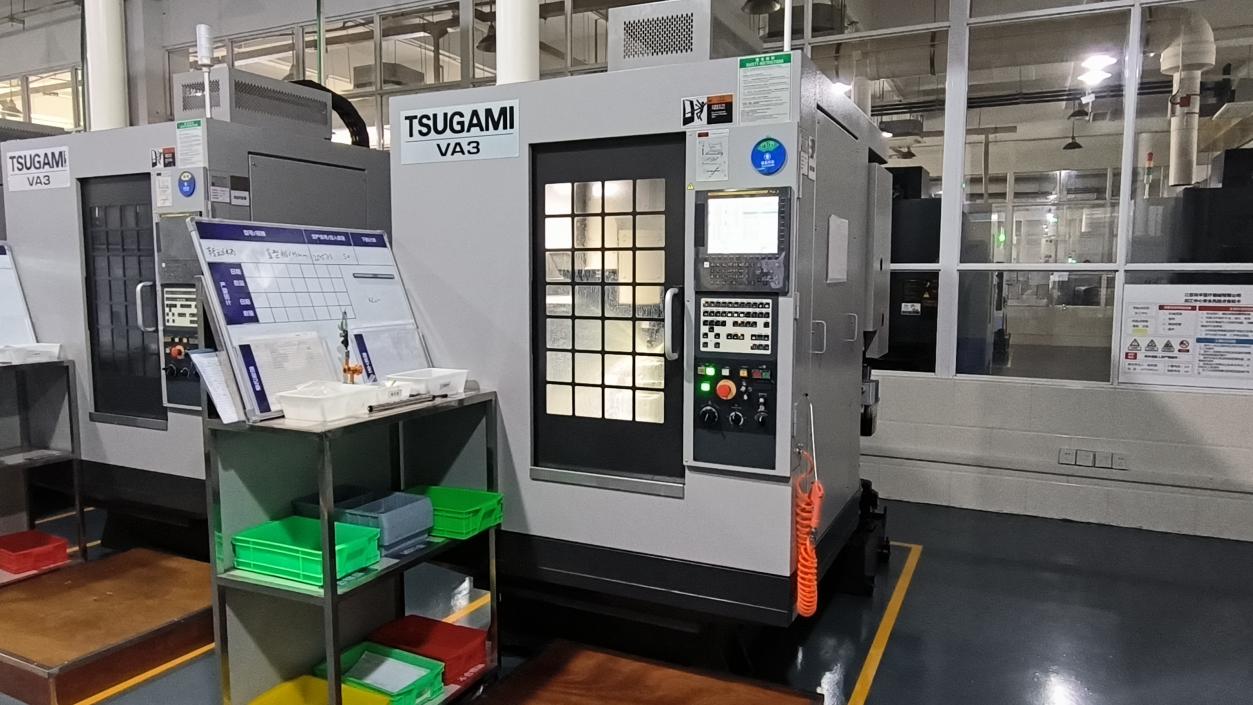
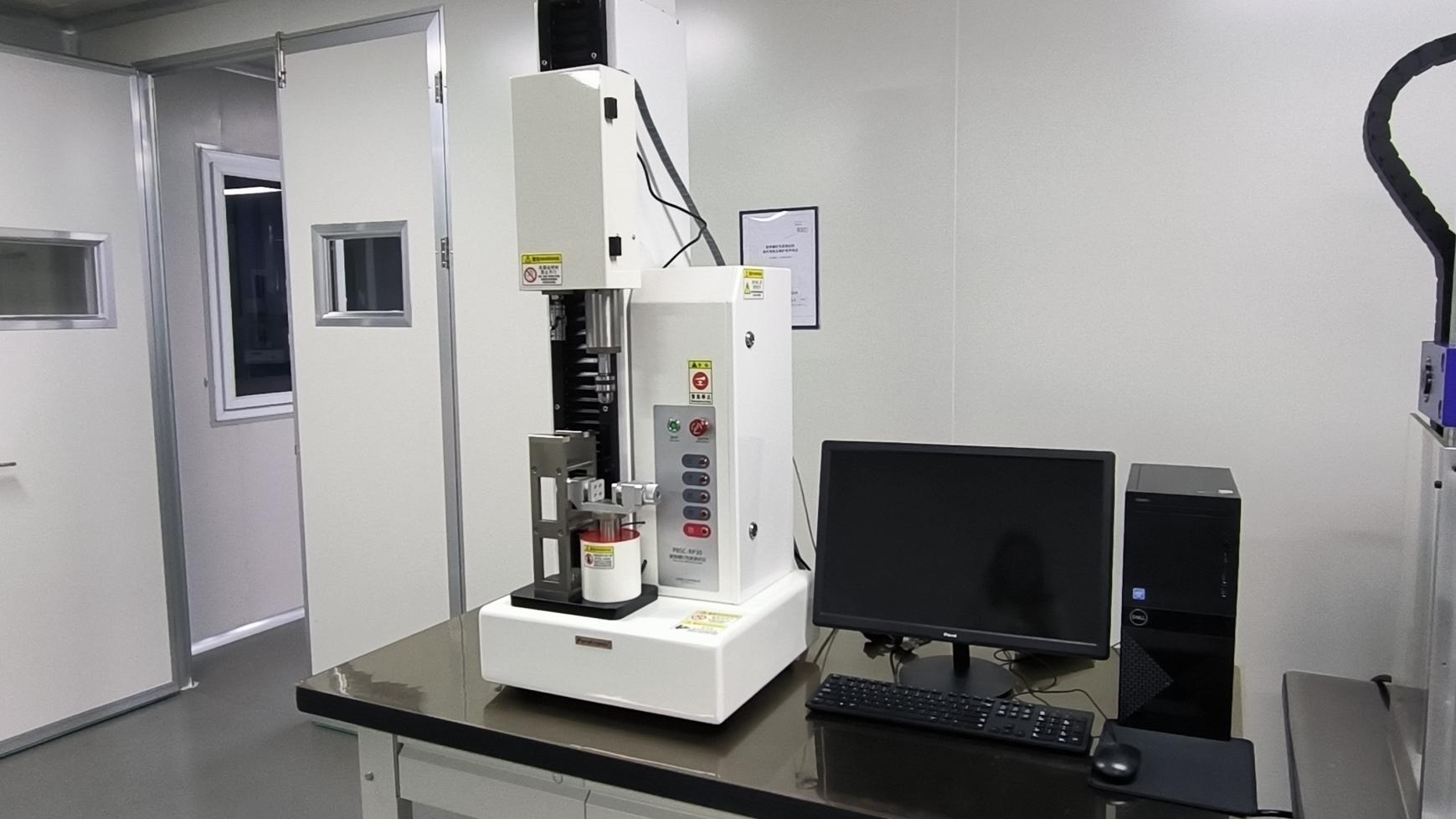
Top facet joint implant suppliers must navigate complex regulatory and clinical landscapes that vary significantly by region. For instance, in North America, there is a heavy emphasis on value-based care and outpatient surgery centers (ASCs), necessitating implants that are easy to use and cost-effective. In Europe, the MDR (Medical Device Regulation) has raised the bar for clinical data, favoring established suppliers with deep R&D roots.
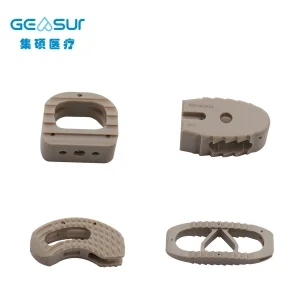
Most modern implants use Titanium Grade 5 (Ti-6Al-4V) for its biocompatibility and strength. PEEK (Polyetheretherketone) is often used in spacers to provide a modulus closer to natural bone, reducing the risk of subsidence.
Longevity is ensured through rigorous fatigue testing (simulating millions of cycles) and surface treatments like plasma spraying or acid-etching to encourage biological fixation.
Yes, most titanium-based facet implants are "MR Conditional," meaning they are safe for imaging under specific scanning parameters, which is vital for long-term patient monitoring.
OEM partners allow large medical brands to leverage specialized manufacturing expertise. With over 100 global OEM partners, we provide the scalability and quality control required for international distribution.