Blutree Orthopedic Implants
Blutree Orthopedic Implants
Blutree Orthopedic Implants
Explore our advanced orthopedic trauma, reconstruction, and surgical equipment inventory manufactured under strict ISO and CE compliant conditions.

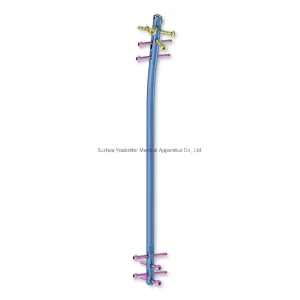
An in-depth look into the mechanical requirements, clinical efficacy, and technological paradigms of ligament reconstruction surgery.
In the landscape of modern sports medicine, particularly Anterior Cruciate Ligament (ACL) reconstruction, extracortical suspension fixation has evolved into a global gold standard. Originally pioneered to address the limitations of transfixation and interference screws, the Endobutton technology relies on cortical suspension to secure soft-tissue grafts within the femoral tunnel. By utilizing a low-profile titanium plate resting on the outer cortex of the lateral femoral condyle, orthopedic surgeons achieve exceptional pull-out strength, minimal tunnel widening, and reliable graft-to-bone healing.
As market research reveals, the demand for sports medicine devices is accelerating rapidly. Driven by the global surge in athletic participation, minimally invasive orthopedic surgeries, and aging active populations, high-precision Endobutton implants are critical to clinical outcomes. In this comprehensive whitepaper, we dissect the manufacturing engineering, testing validation, global supply chain capabilities, and local compliance requirements that distinguish the world's top 10 Endobutton factories and exporters.
Engineered with medical-grade titanium alloy (Ti-6Al-4V ELI) featuring chamfered edges to eliminate friction and micro-motion wear on polyester or ultra-high-molecular-weight polyethylene (UHMWPE) loops.
Modern clinical pathways dictate a preference between continuous loop configurations (ranging from 15mm to 60mm) and adjustable loop constructs that simplify graft placement and tensioning.
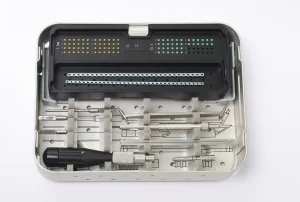
Top-tier exporters provide complete system solutions including pull-out sutures, passing sutures, and dedicated instrumentation kits designed to improve overall operating room efficiency.
Navigating quality, logistics, and supply chain transparency when choosing medical device factories.
Sourcing Class III medical implants globally demands deep diligence. Procurement heads at global healthcare institutions, national distributors, and OEM brands must navigate severe quality standards, intellectual property risks, and strict import regulations. When evaluating an Endobutton exporter, the criteria extend far beyond the unit price. Reliability of raw material batches, cleanliness of ISO Class 7 (10,000 class) cleanrooms, and traceability of sterilization lots (via Ethylene Oxide or Gamma irradiation) are the pillars of clinical safety.
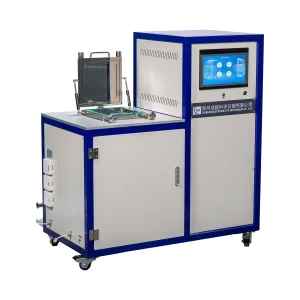
Furthermore, the physical characteristics of the Endobutton plate must undergo exhaustive testing. Under clinical stress, a poorly engineered plate can slide, bend, or trigger localized inflammation. The world's top factories invest heavily in state-of-the-art diagnostic and mechanical stress equipment to verify tensile strength, fatigue resistance under cycling loads, and surface roughness parameters.
A transparent look at the core manufacturing stages of surgical implants, highlighting the precise machinery employed.
The manufacturing journey of orthopedic devices requires zero-tolerance precision. Every stage is regulated, documented, and executed with high-tech machinery. Below, we outline the exact processes deployed by premium factories to turn medical-grade metals and polymers into life-changing surgical implants.
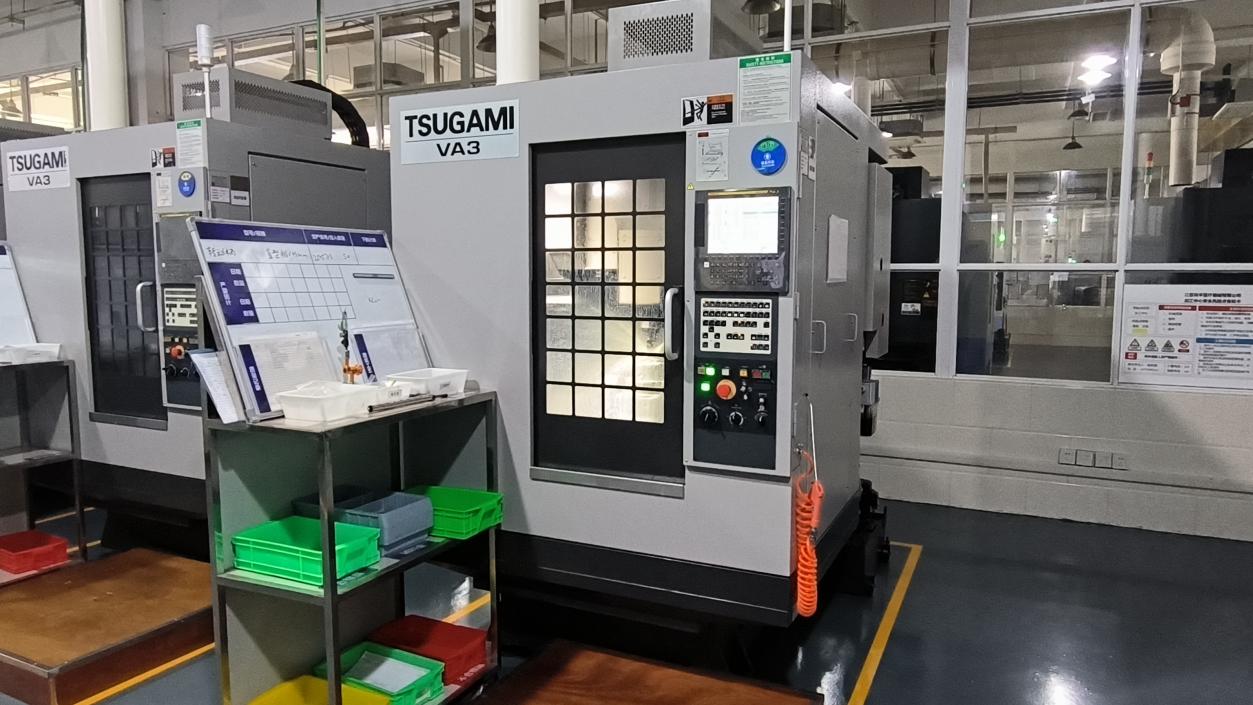
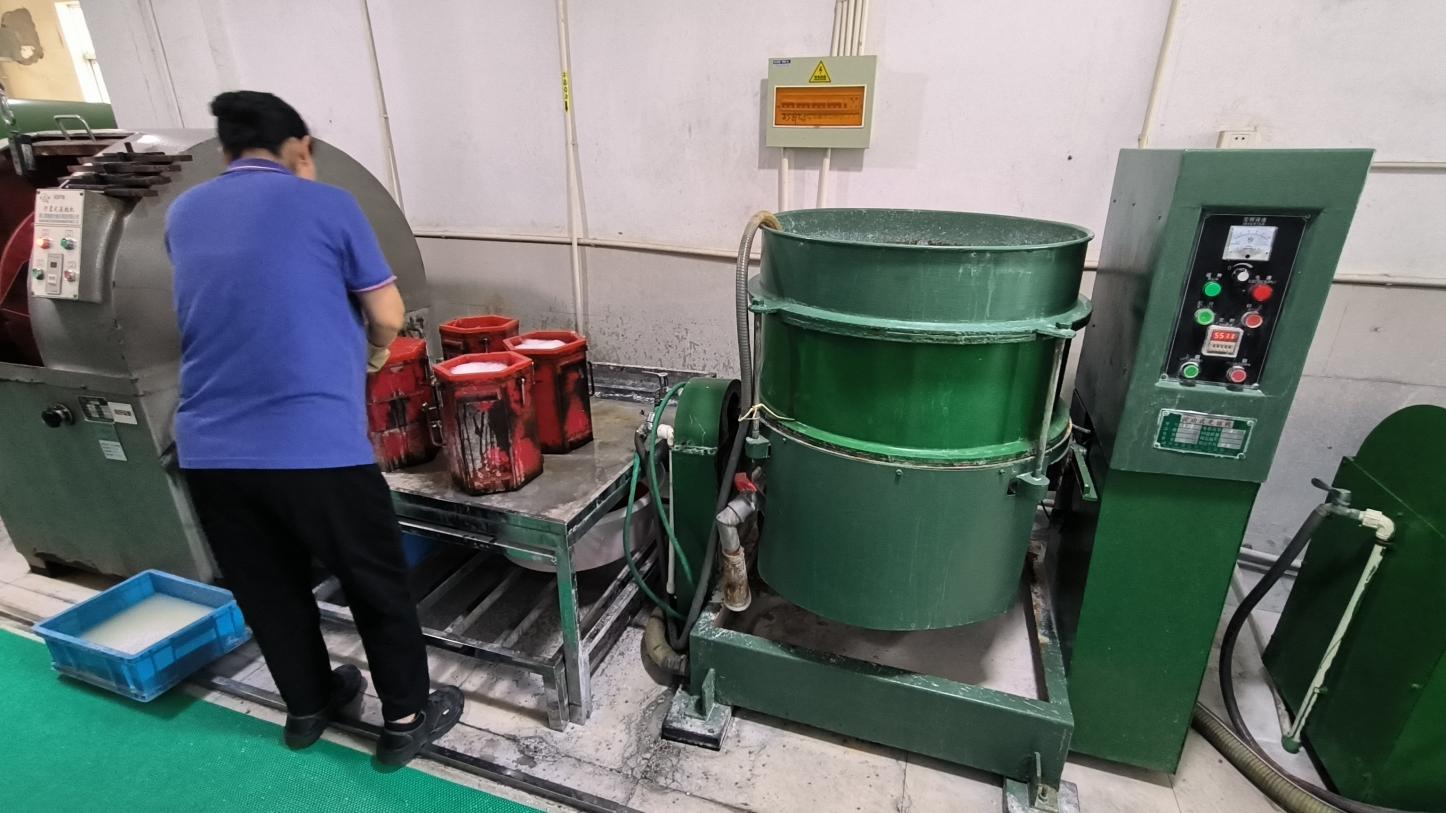
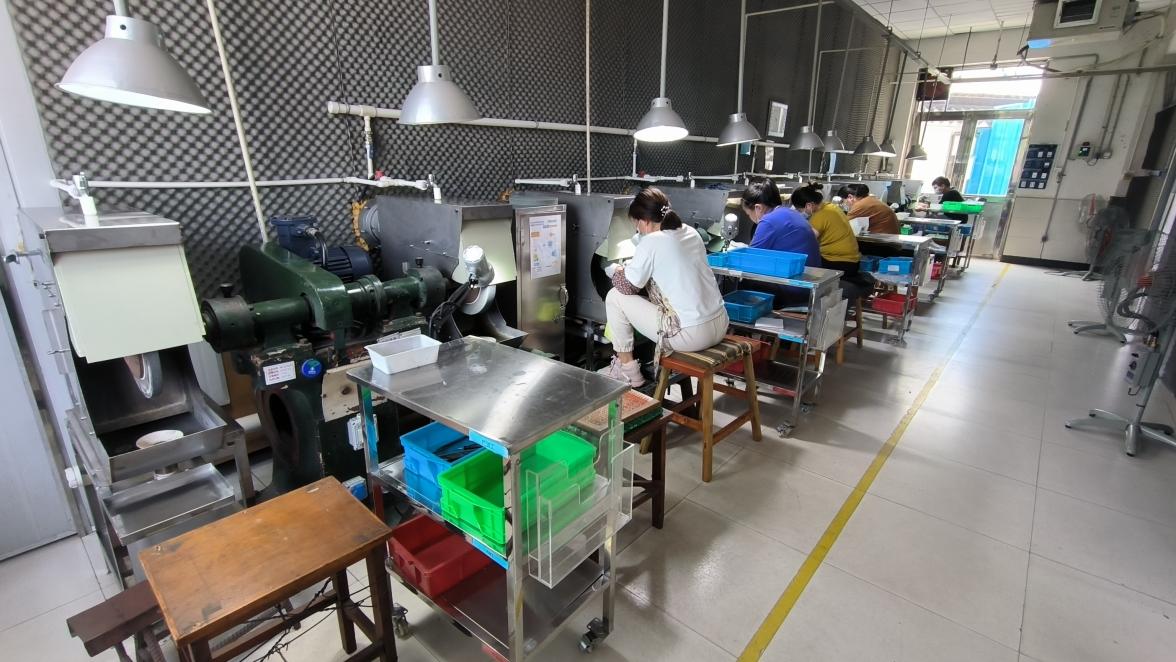
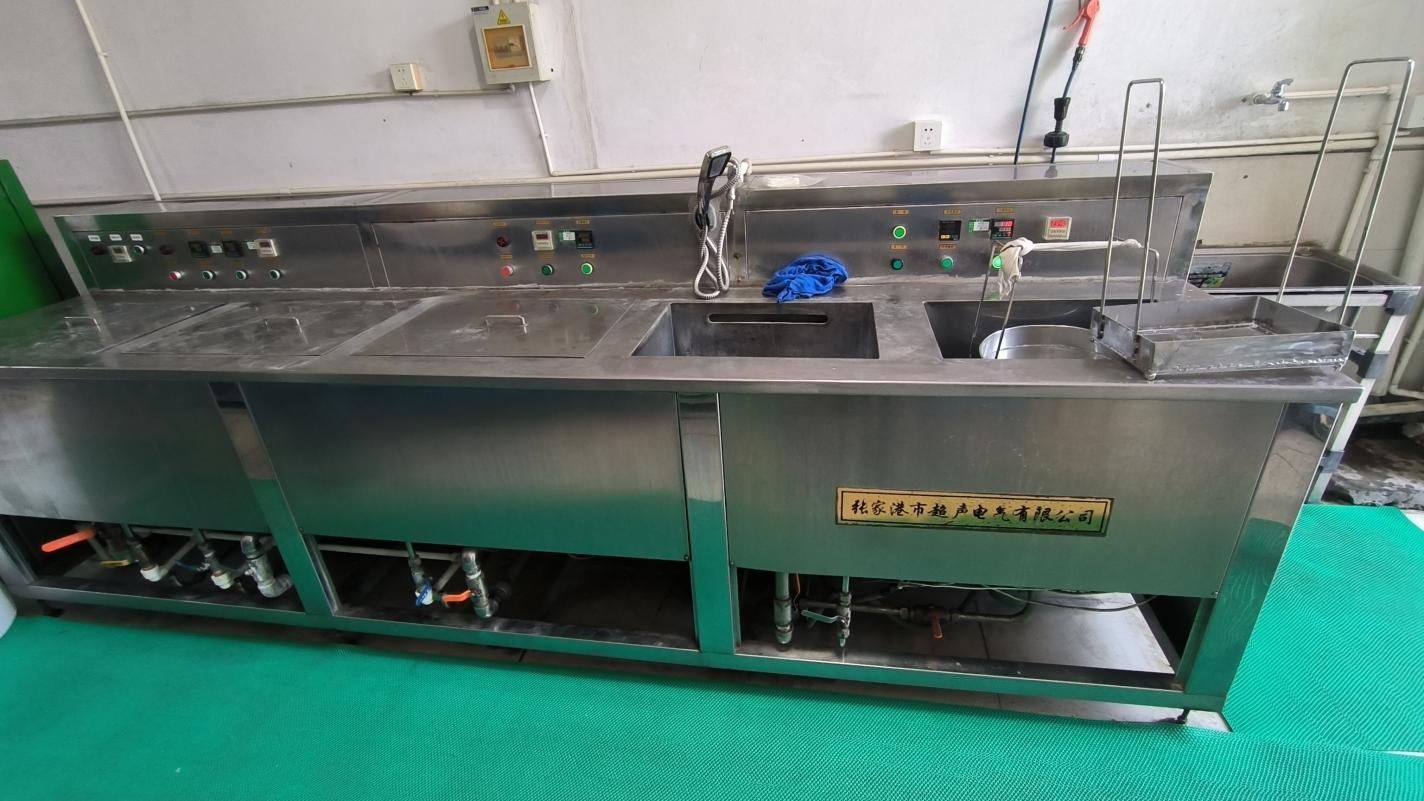
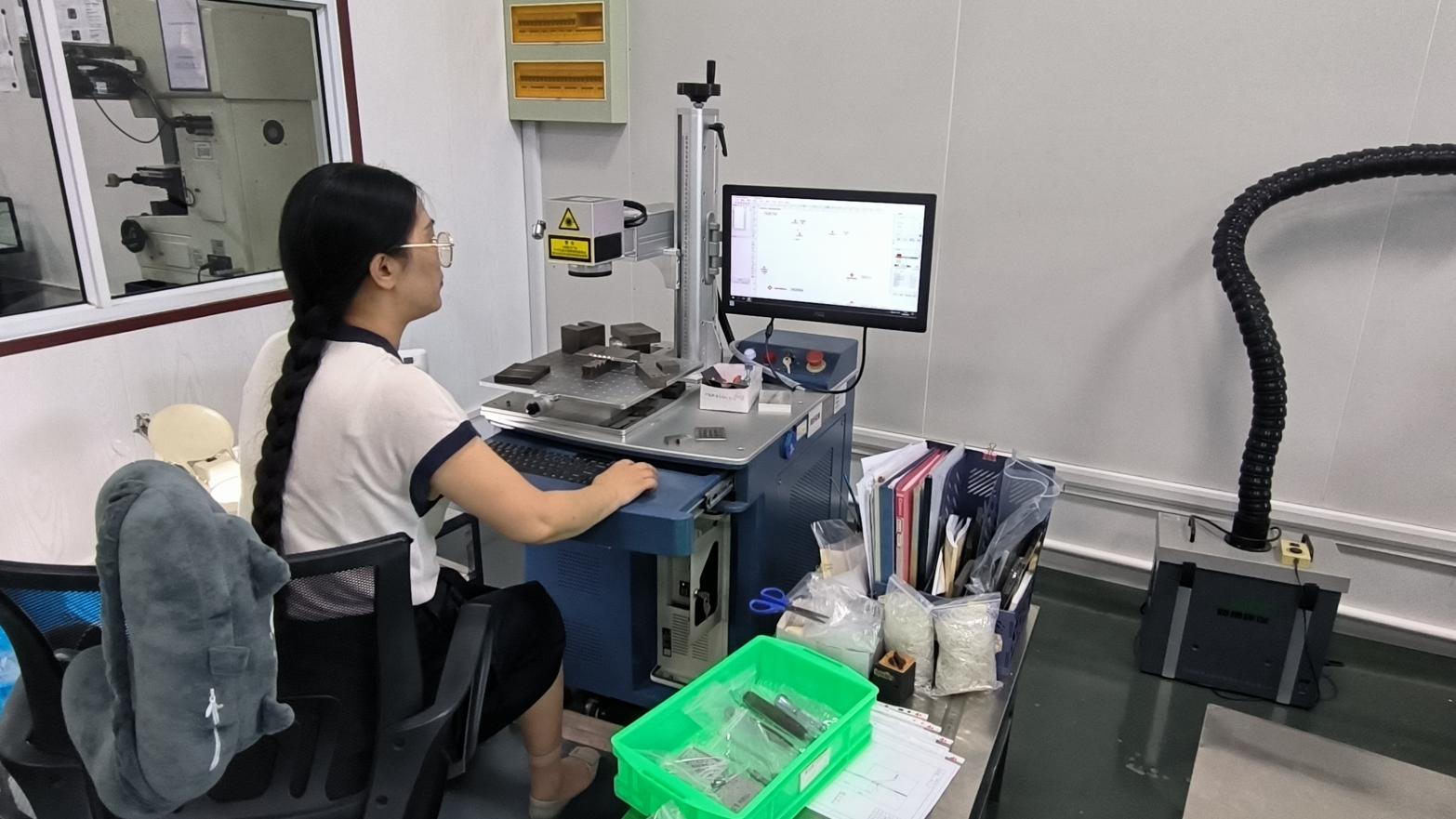
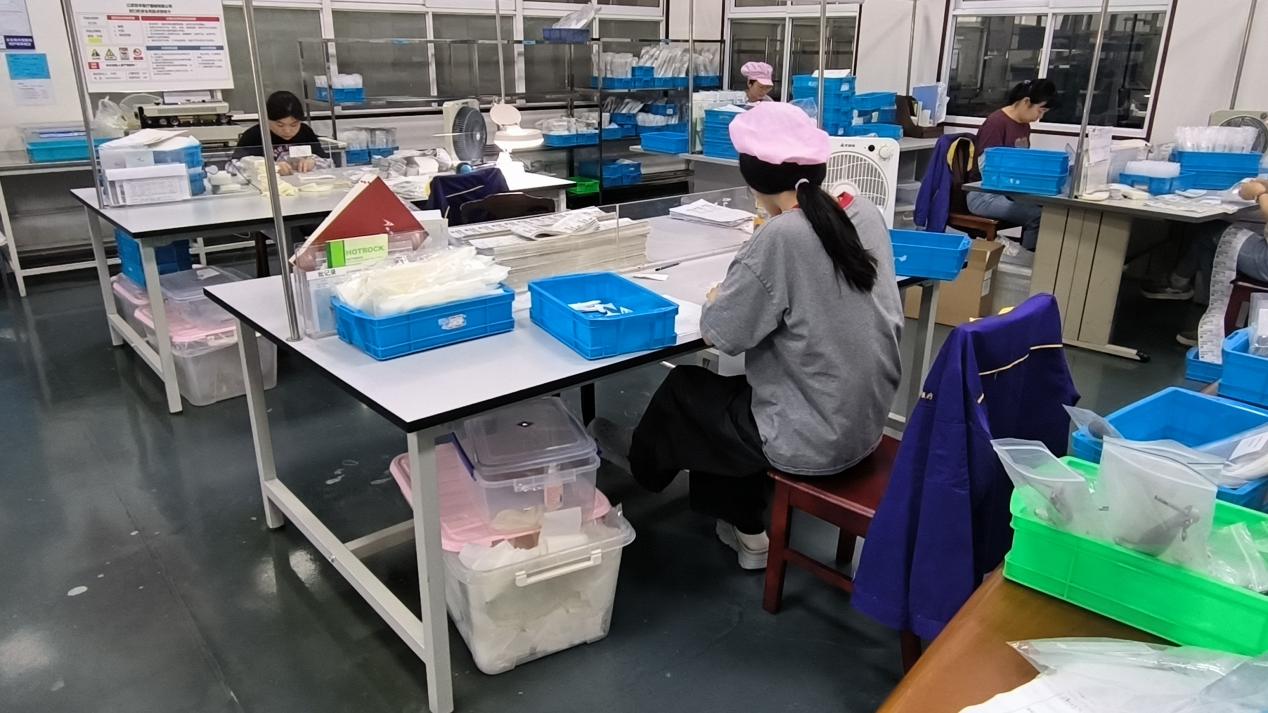
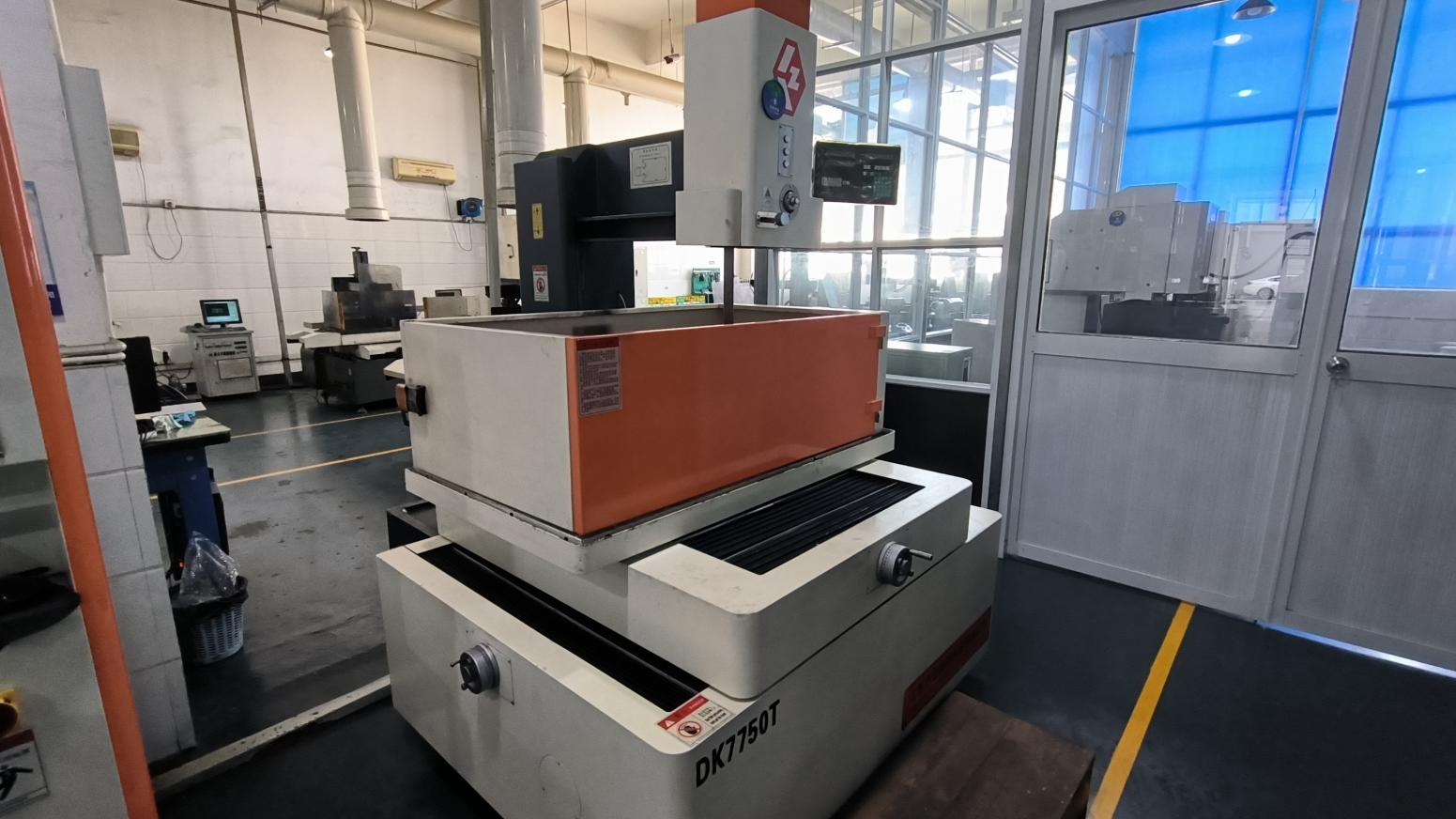
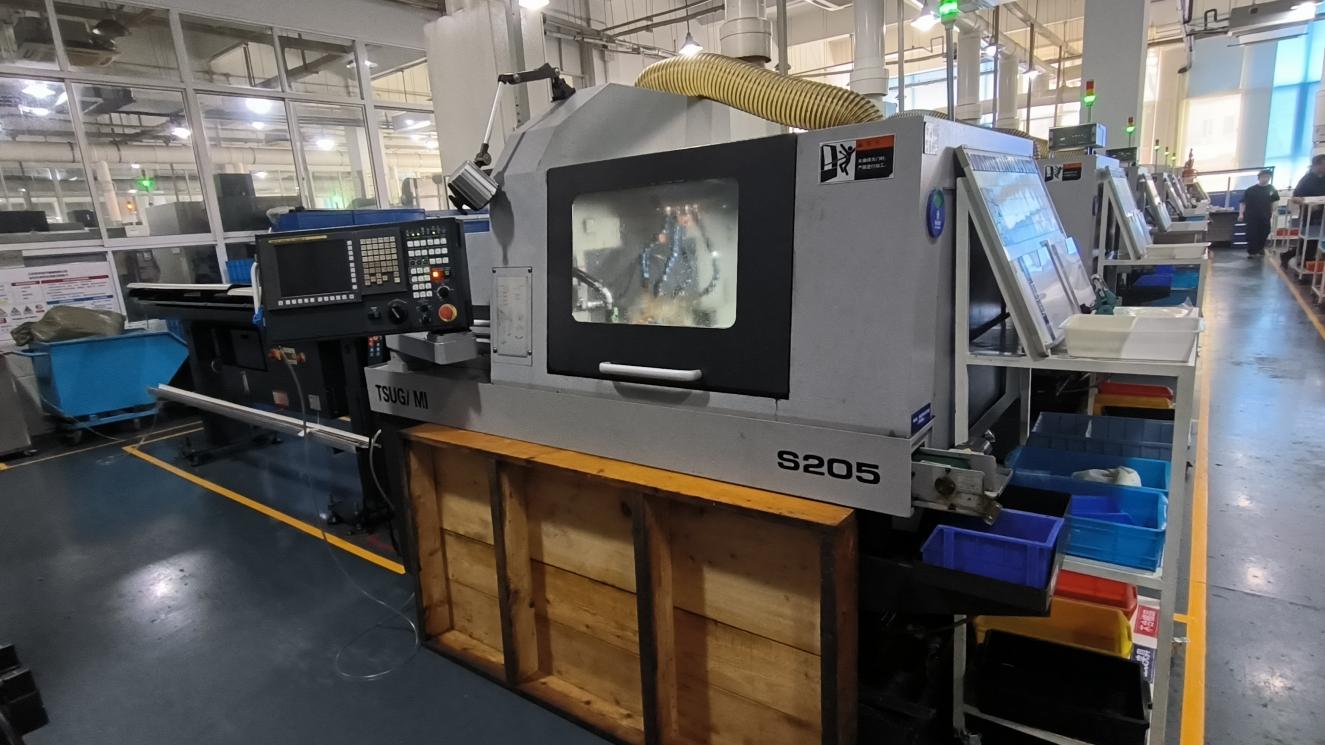
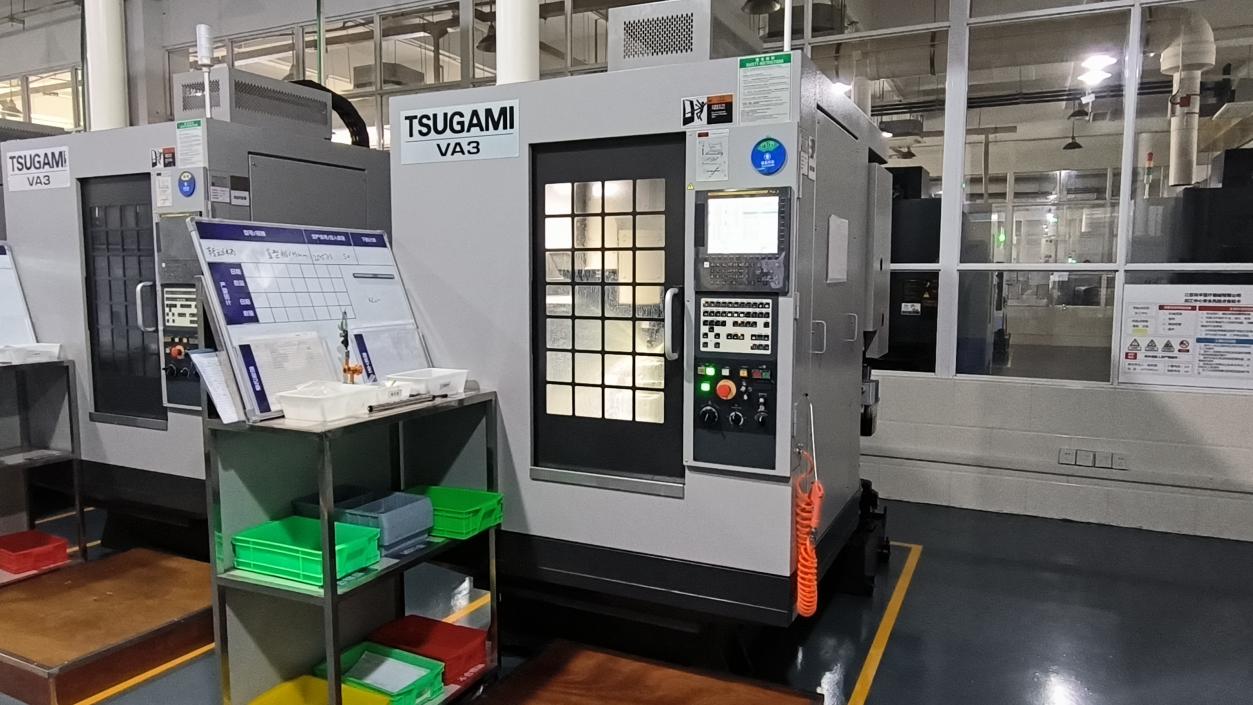
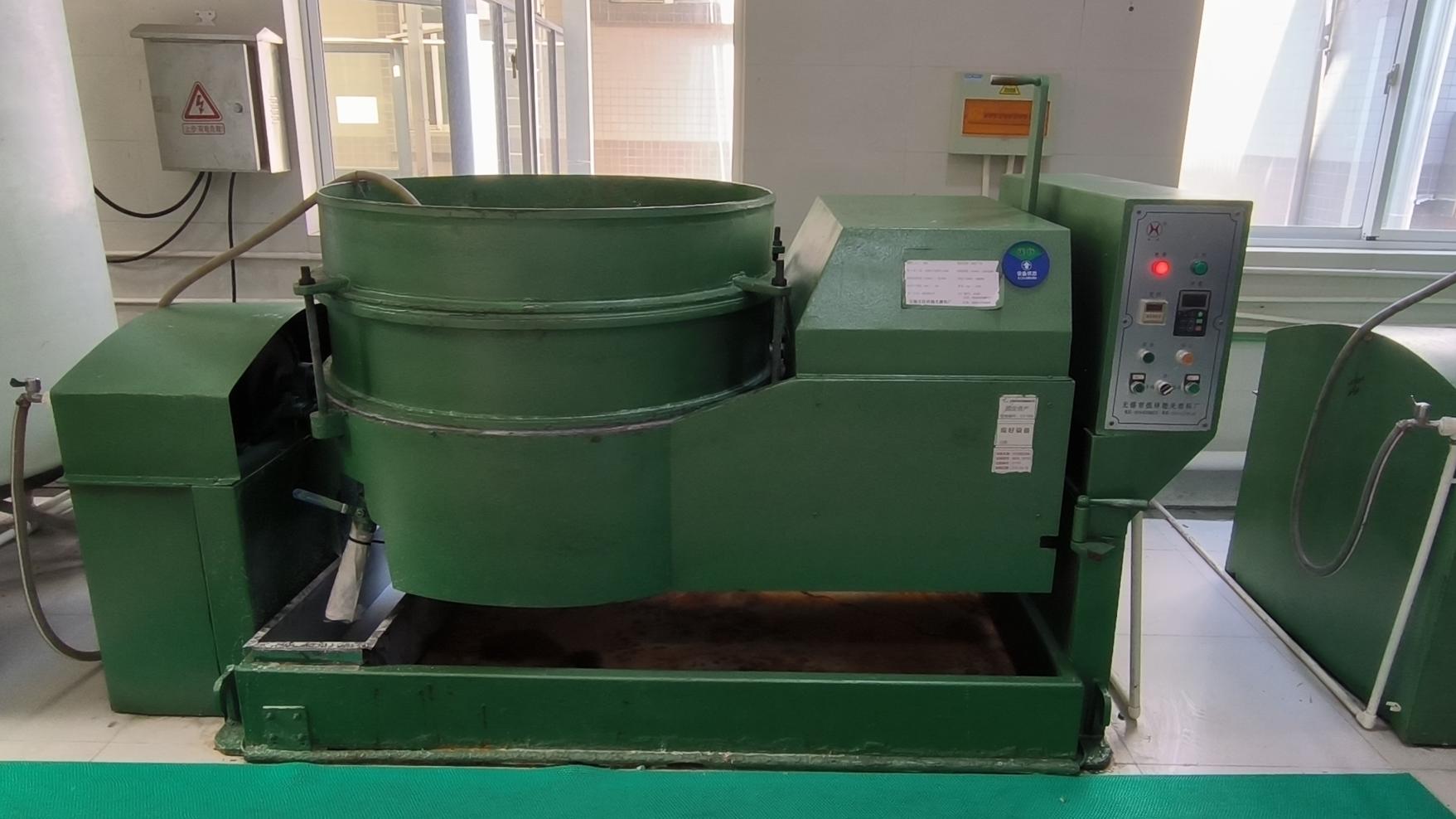
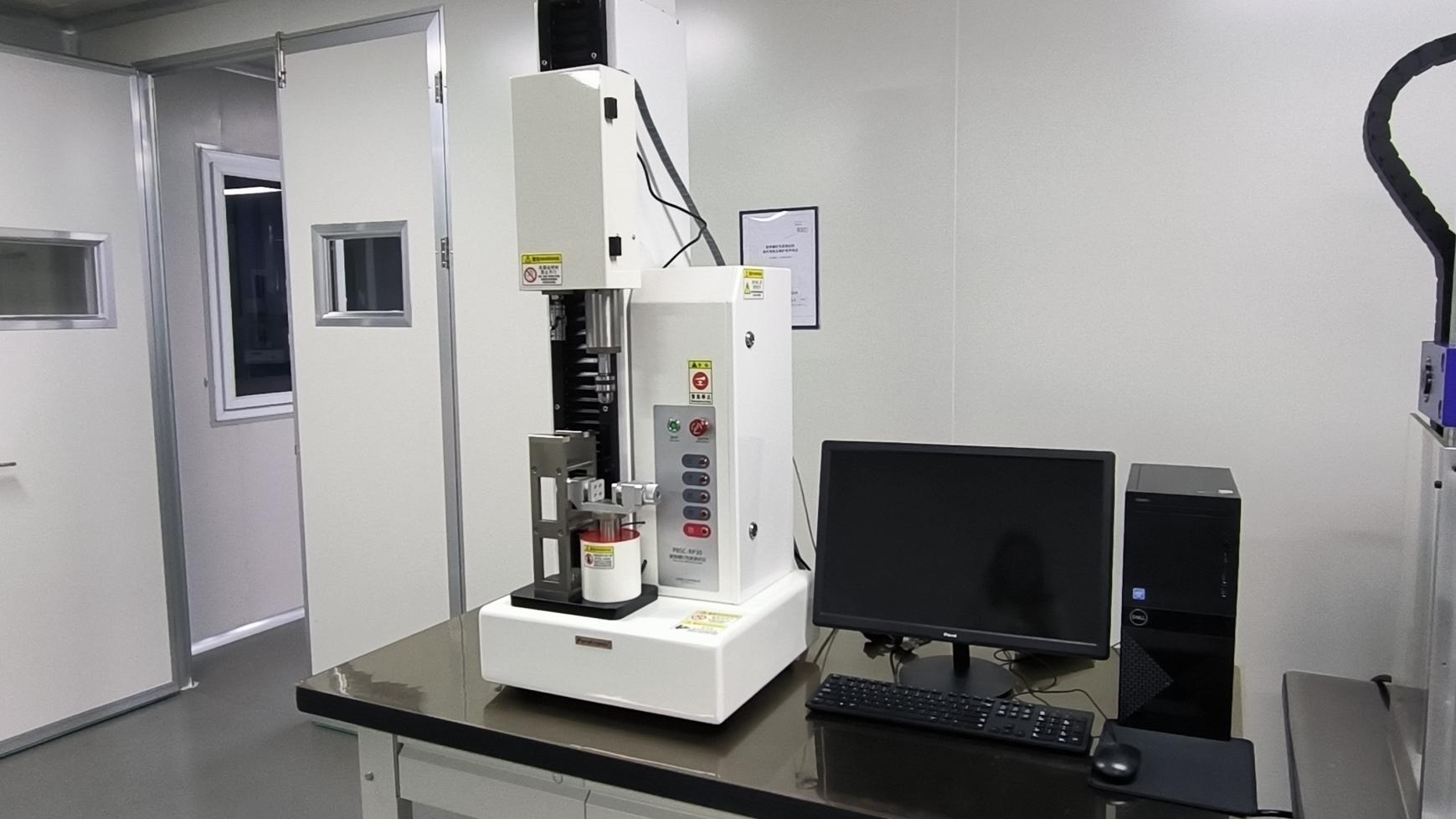
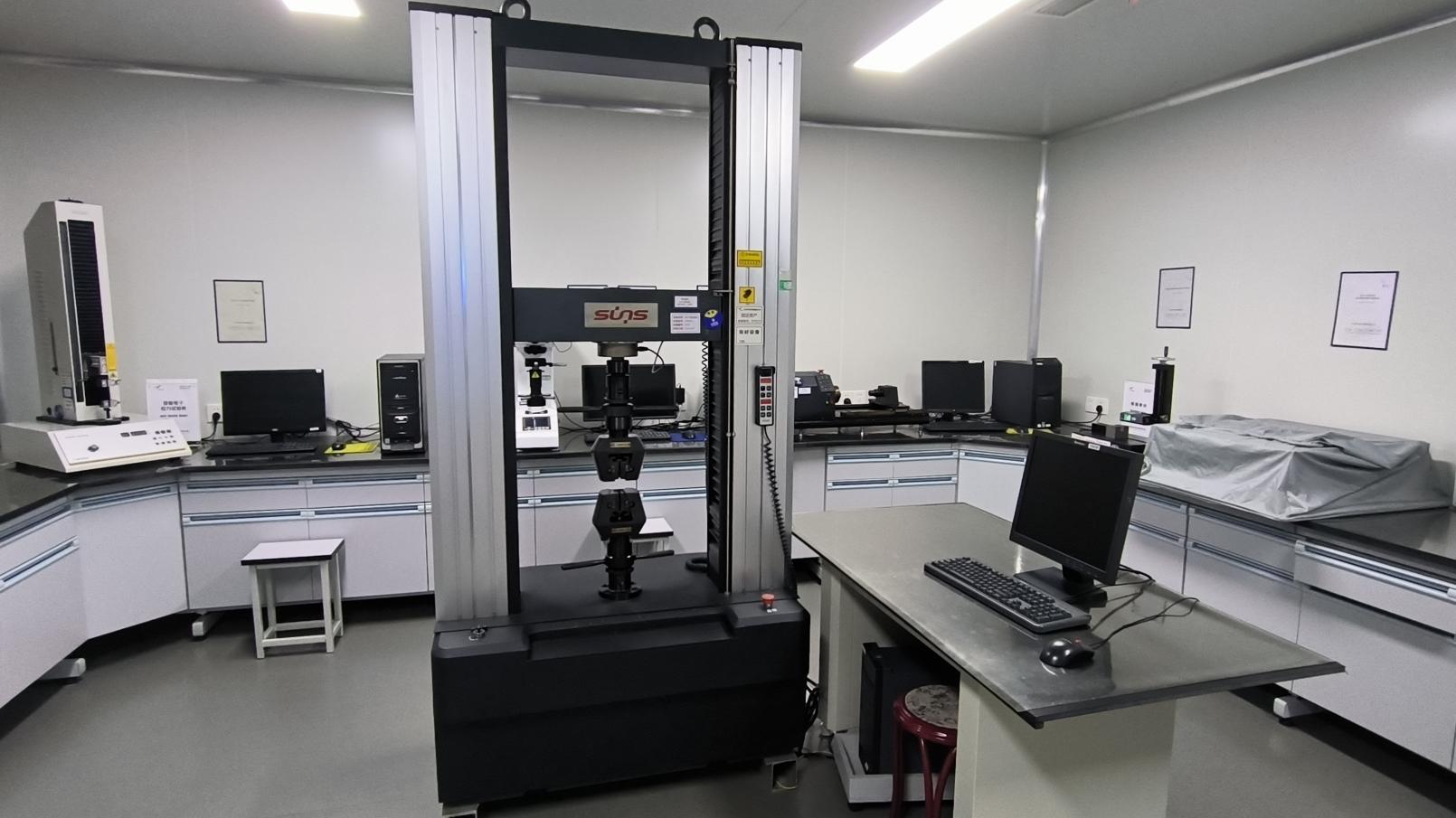
The production pathway incorporates the following key phases:
Why global medical companies partner with leading Chinese orthopedic hubs for OEM/ODM projects.
China's orthopedic supply chain has experienced a massive evolution over the last two decades. From initial roles as component sub-assembly providers, companies established in the late 1990s (such as our pioneer enterprise founded in 1999) have become global design powerhouses. China's industrial parks consolidate raw titanium metallurgy, polymer braiding science, ultra-precision tooling, sterile packaging, and high-throughput regulatory clearance into single medical clusters.
This industrial synergy drastically reduces manufacturing cycle times and costs while adhering to international compliance parameters. With a large local pool of bio-engineers and metallurgists, Chinese factories easily configure customized suture loop lengths, plate footprints, and custom packaging systems for global distribution networks.
Key highlights of China’s supply chain resilience include:
Aligning orthopedic implants with local surgical protocols and regulatory environments.
Surgical behaviors and regulatory paths differ substantially from region to region. In North America and Europe, there is a clear trend toward outpatient ACL reconstruction procedures. Here, orthopedic surgeons prioritize Adjustable Loop Endobuttons that allow one-handed tensioning and simplify graft placement, saving highly valued operating room minutes.
In contrast, many hospitals in the Asia-Pacific and Latin American markets prefer Continuous Loop Endobuttons (such as fixed loop sizes of 15mm, 20mm, 25mm, or 30mm) due to their predictable mechanical profile and long-term cost benefits in public healthcare systems. High-end exporters navigate these regional variations by providing tailored portfolios with localized registration support in over 60 countries and regions. Our localized branch structures across regions like the United States and the Netherlands help bridge communications between clinical specialists and manufacturing plants.
Leading the shift toward bio-interactive materials and smart orthopedic implants.
The next frontier of extracortical fixation lies in the integration of materials science with physiological regeneration. Leading R&D centers are presently investigating surface modifications of the titanium button plate to promote integration with surrounding periosteal tissues. These include plasma-sprayed hydroxyapatite (HA) coatings and modern Atomic Layer Deposition (ALD) systems, which apply nano-thin layers of biocompatible metal oxides to minimize localized bone resorption near the tunnel exit.
Additionally, modern suture loops are incorporating bio-active fibers. By embedding osteoinductive agents, growth factors, or anti-microbial peptides directly into the UHMWPE fibers, the next generation of Endobuttons will actively promote graft healing, reduce infection rates, and decrease patient recovery times.
A rigorous approach to regulatory compliance protects patients, doctors, and brand owners alike.
In the medical device industry, compliance is the absolute measure of trustworthiness. Class III surgical devices require verified biocompatibility, mechanical durability, and strict manufacturing traceability. Operating with a portfolio of 214 CE-certified products and local registrations in 60+ countries, our partner facilities ensure the highest level of regulatory readiness.
Our Quality Management Systems (QMS) are audited yearly against ISO 13485 (Medical Devices Quality Management) and EU MDR (European Medical Device Regulation) standards. Every step of the factory process—from raw material purchase and CNC tool wear tracking to cleaning validation, packaging integrity testing, and cleanroom air flow monitoring—is documented under strict Good Manufacturing Practices (GMP). This rigorous oversight ensures that every Endobutton exported globally meets the identical high-performance clinical benchmark.
Answering technical, commercial, and regulatory queries from clinical procurement partners.
Discover additional surgical fixation components, instruments, and orthopedic implants designed for complex trauma and joint reconstructive procedures.