Blutree Orthopedic Implants
Blutree Orthopedic Implants
Blutree Orthopedic Implants
Explore our high-precision orthopaedic implants and instruments engineered under strict international regulatory compliance. These products represent the state-of-the-art in trauma fixation, joint arthroplasty, and spinal fusion procedures.
Cervical discectomy—specifically Anterior Cervical Discectomy and Fusion (ACDF) and Cervical Artificial Disc Replacement (ADR)—stands as the clinical gold standard for addressing radiculopathy and myelopathy caused by cervical disc herniation, spondylosis, and spinal instability. As the global geriatric demographic expands and the incidence of occupational spine stress increases, the global demand for spinal instrumentation has reached unprecedented volumes.
Currently, the global spinal implants market is characterized by a transition from traditional rigid fusion systems to dynamic stabilization and zero-profile stand-alone devices. Major medical centers worldwide are prioritizing instrumentation that minimizes dysphagia, limits adjacent segment disease (ASD), and accelerates post-operative recovery. Sourcing professionals, hospital procurement committees, and orthopedic distributors require a thorough understanding of the top manufacturing hubs, export parameters, and technological shifts to optimize their clinical supply chain.
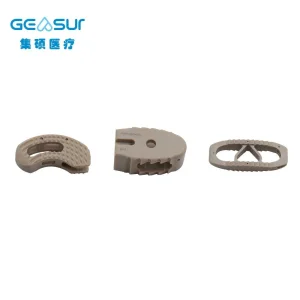
Modern cervical spacers feature anatomical convexity and high-porosity surfaces to facilitate early osseointegration and limit graft migration.
Integration of screws directly into the interbody spacer eliminates the need for bulky anterior plates, reducing post-operative dysphagia rates.
The combination of radiolucent PEEK cores with porous titanium endplates combines physiological modulus of elasticity with structural osteoconduction.
Founded in 1999, our enterprise is one of the earliest research and development organizations in China specializing in orthopedic implants. Over the last two decades, we have scaled our production to serve the international orthopedic market with premium surgical hardware.
Medical-grade orthopedic implants require extreme structural accuracy and biocompatibility. Our state-of-the-art facilities rely on automated machining, rigorous ultrasonic washing, cleanroom packing, and validation protocols that meet ISO 13485 and global CE requirements.
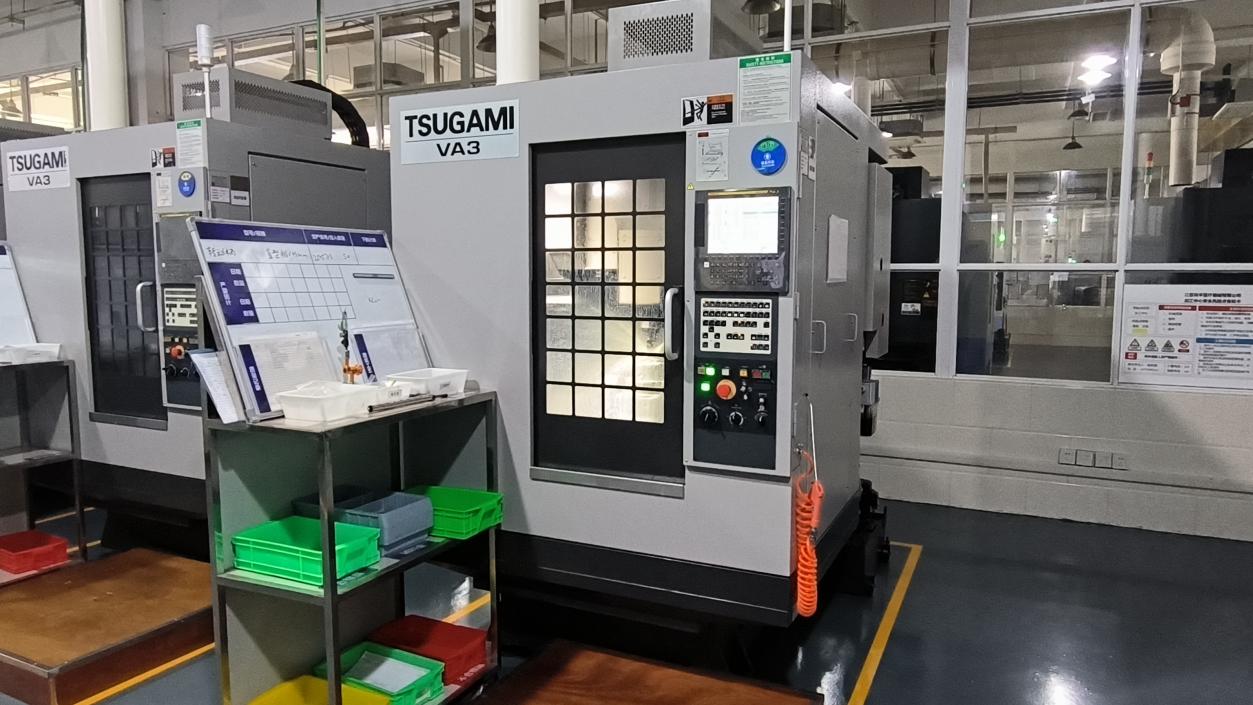
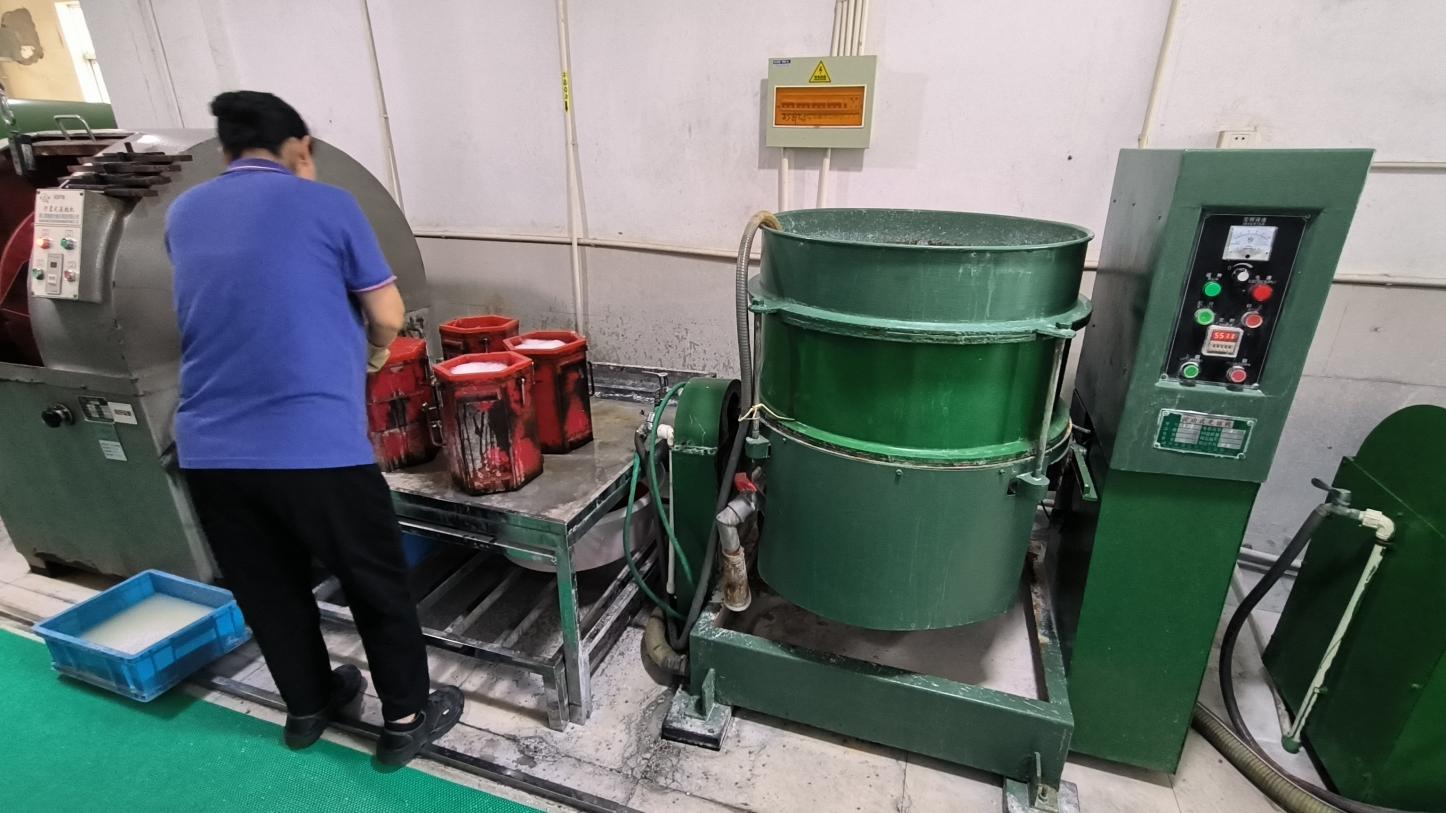
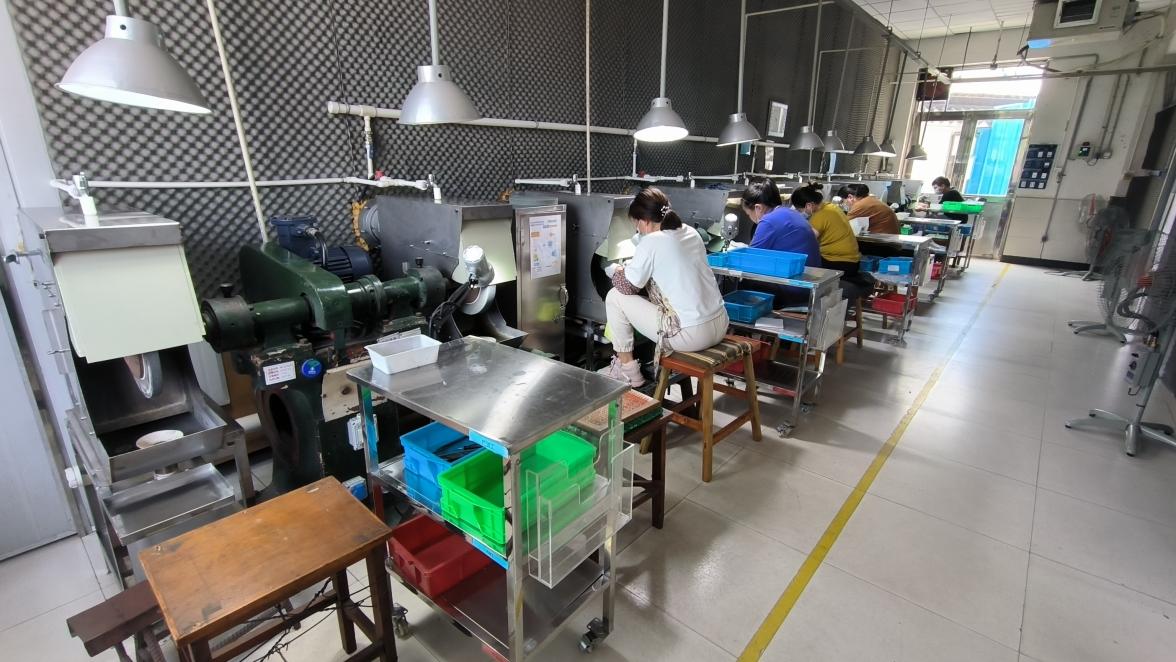
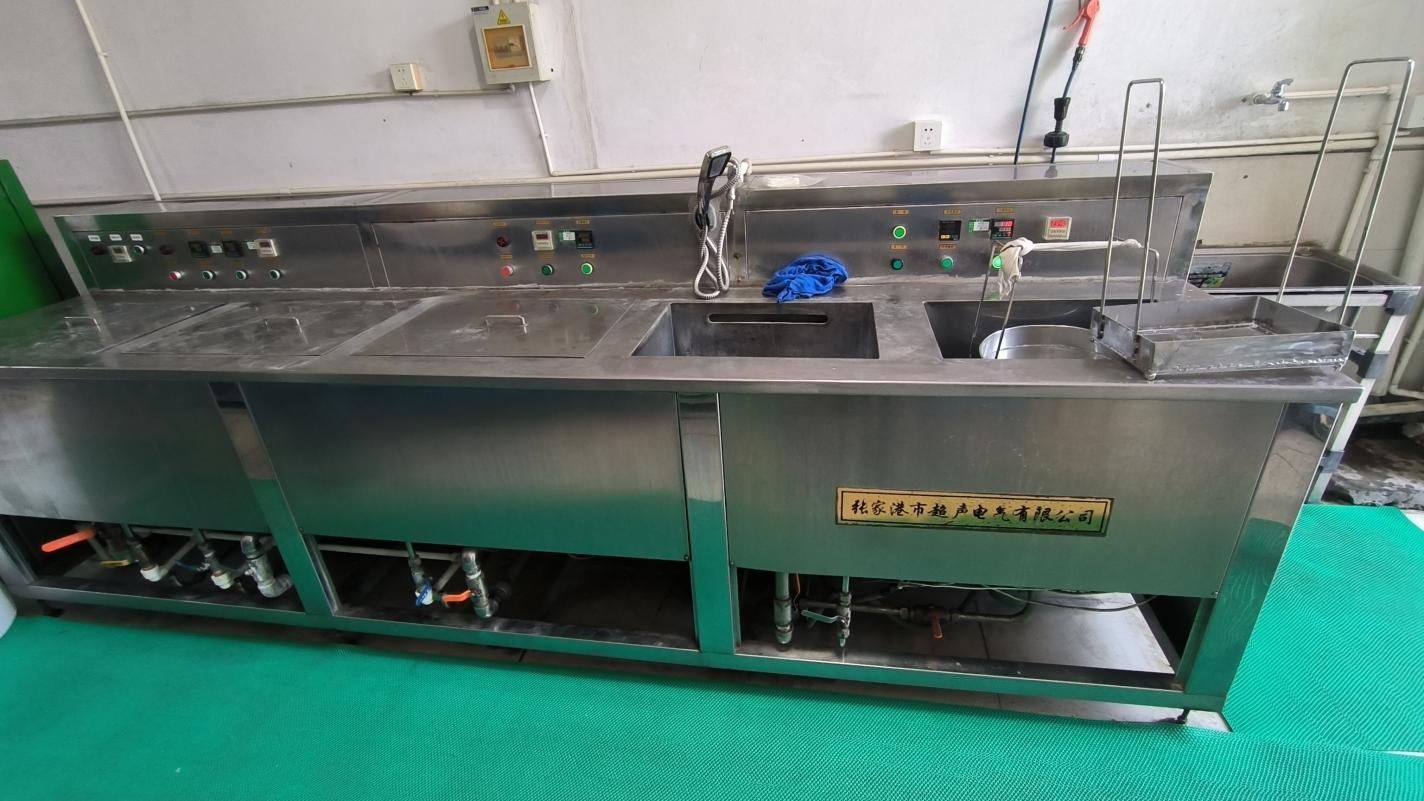
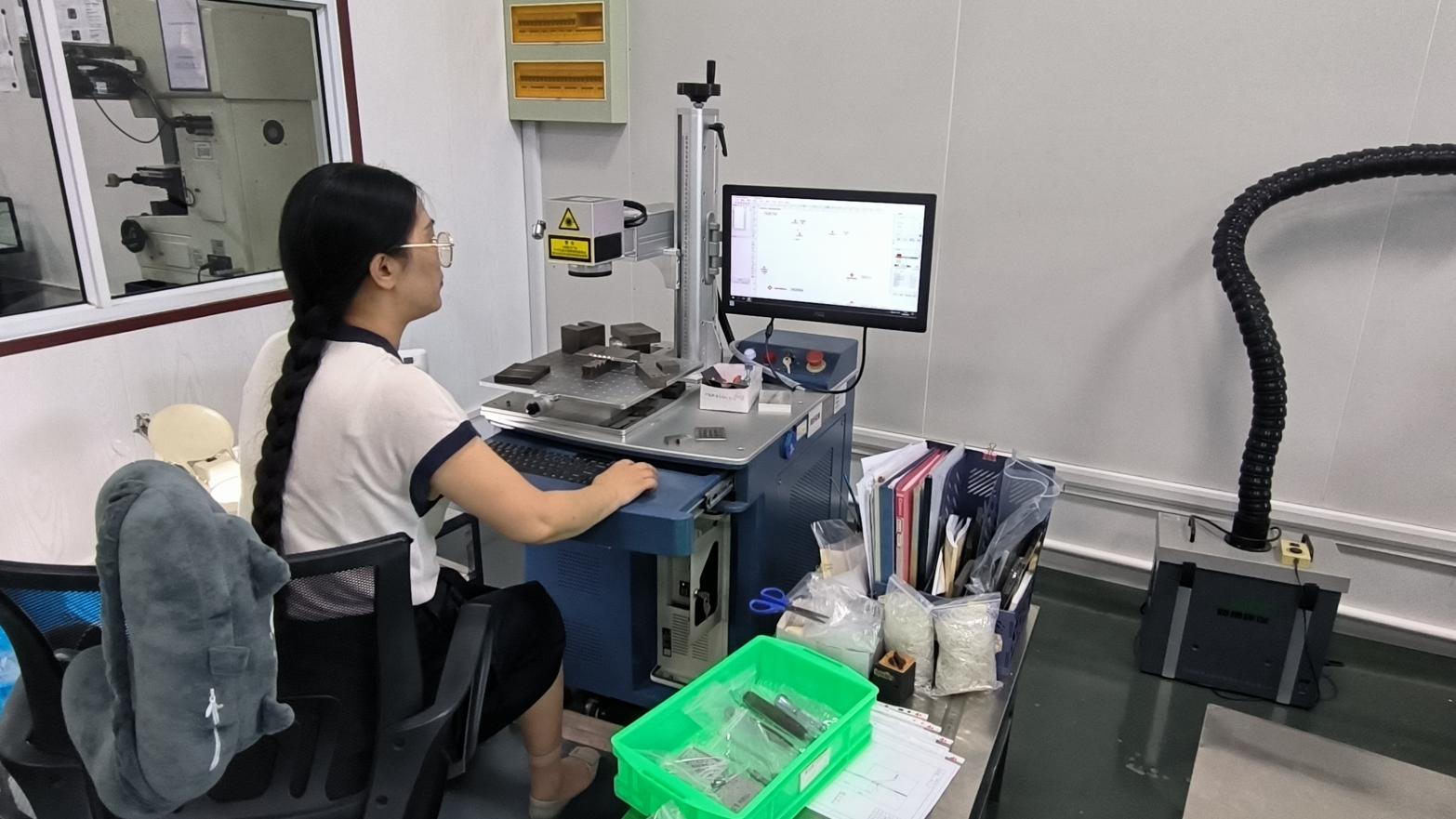
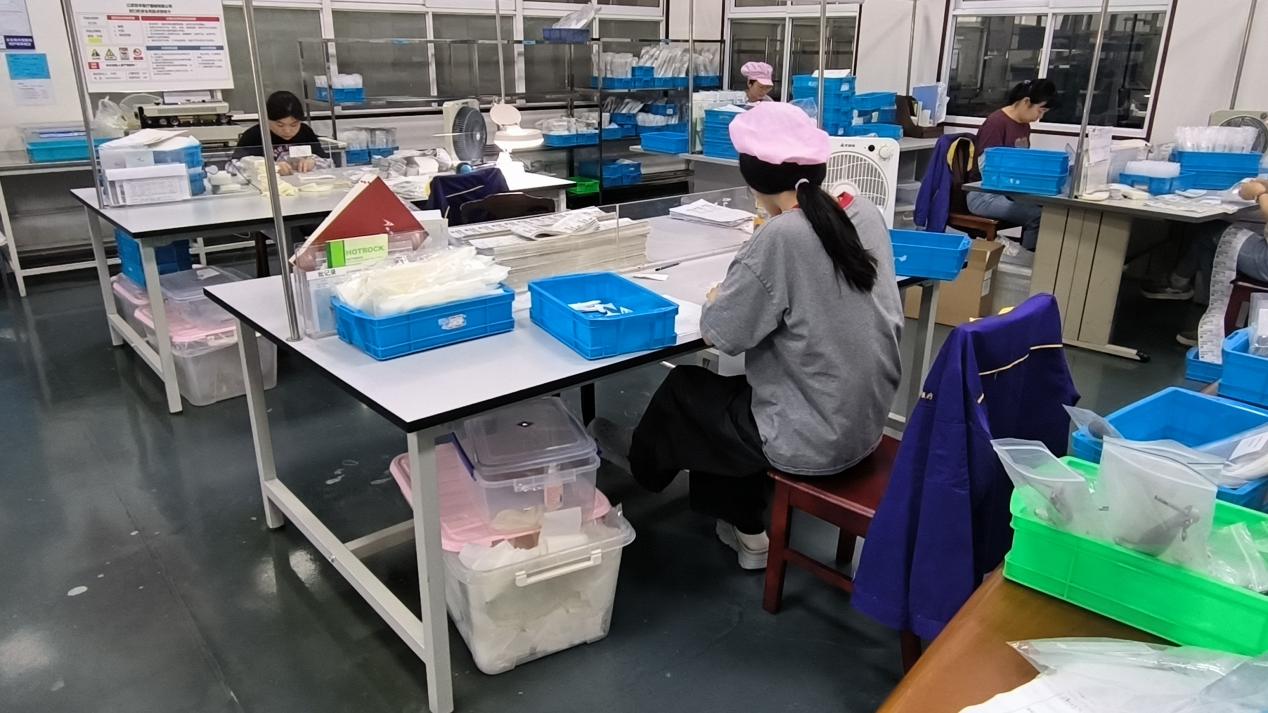

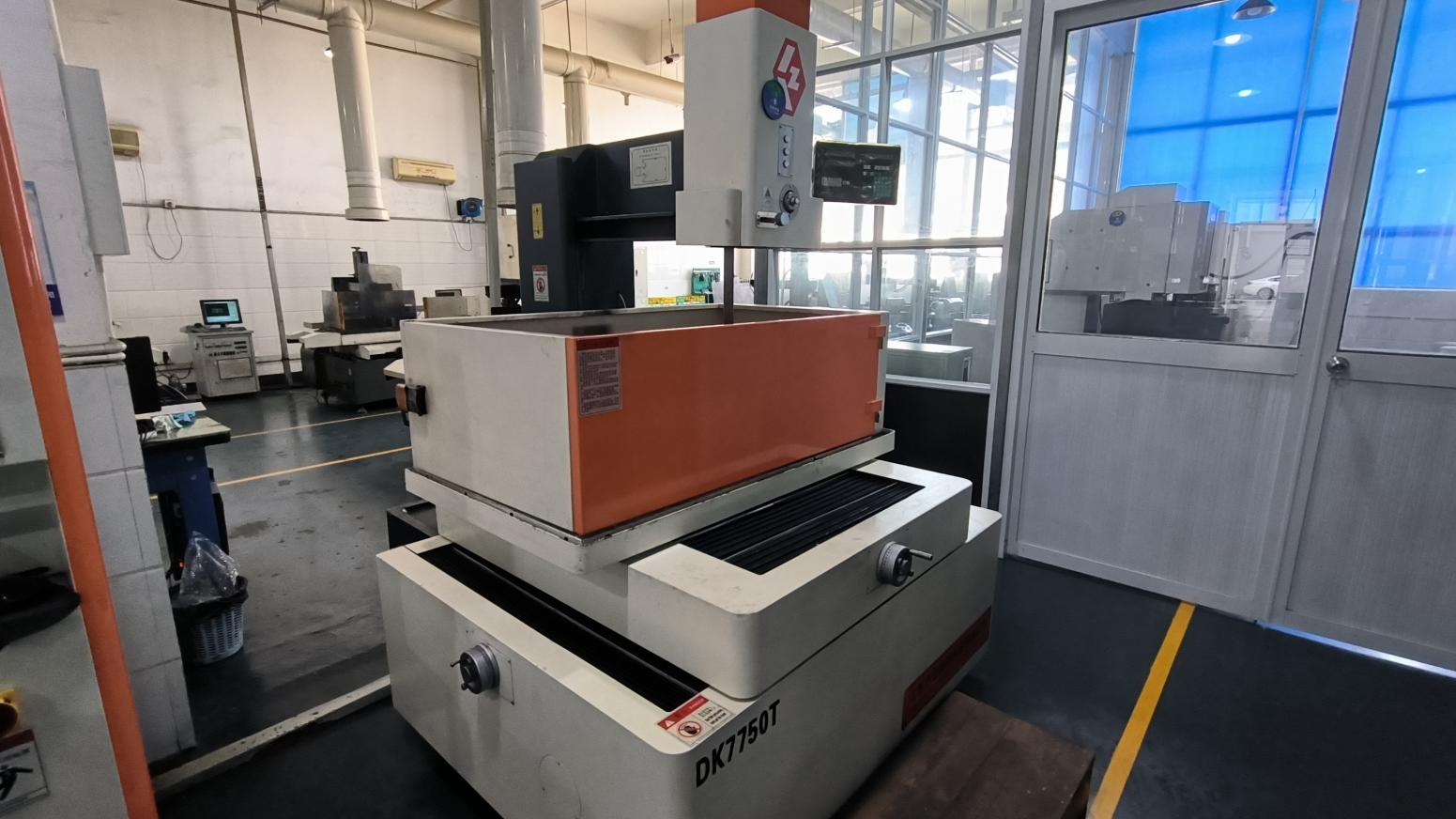
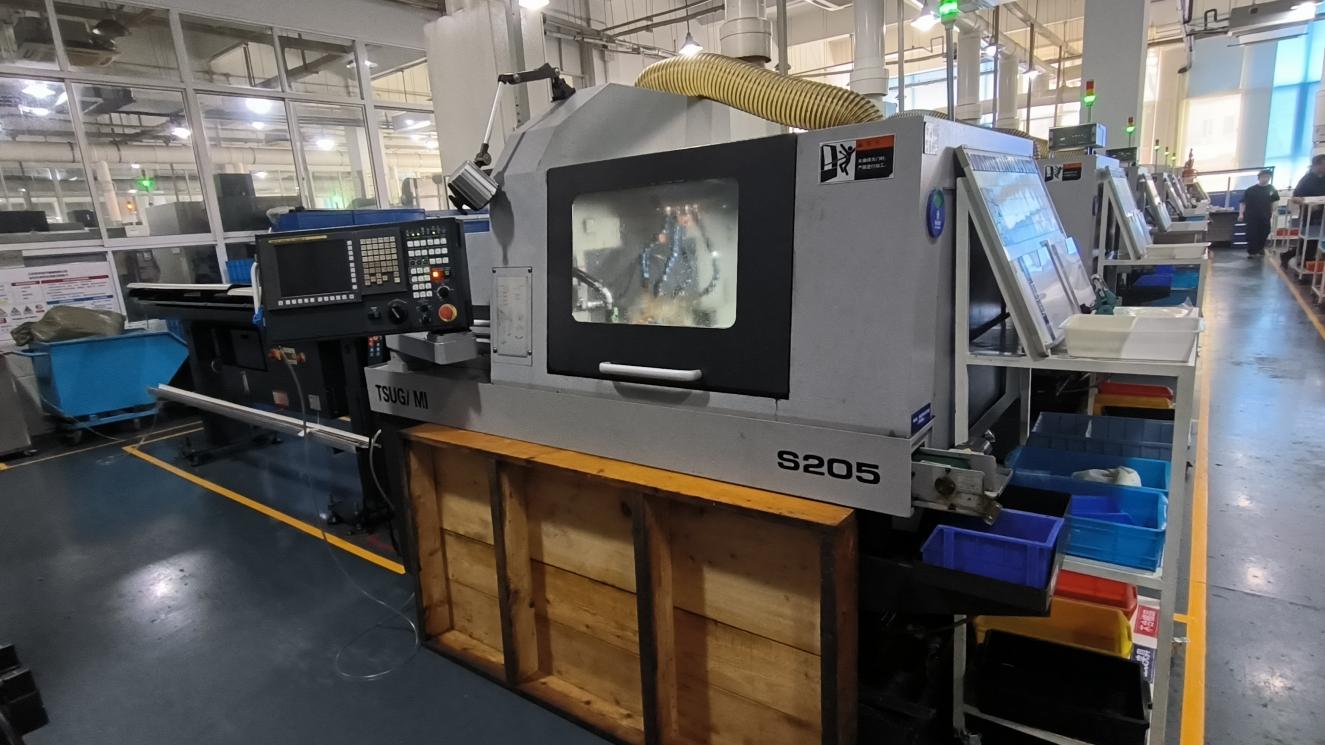
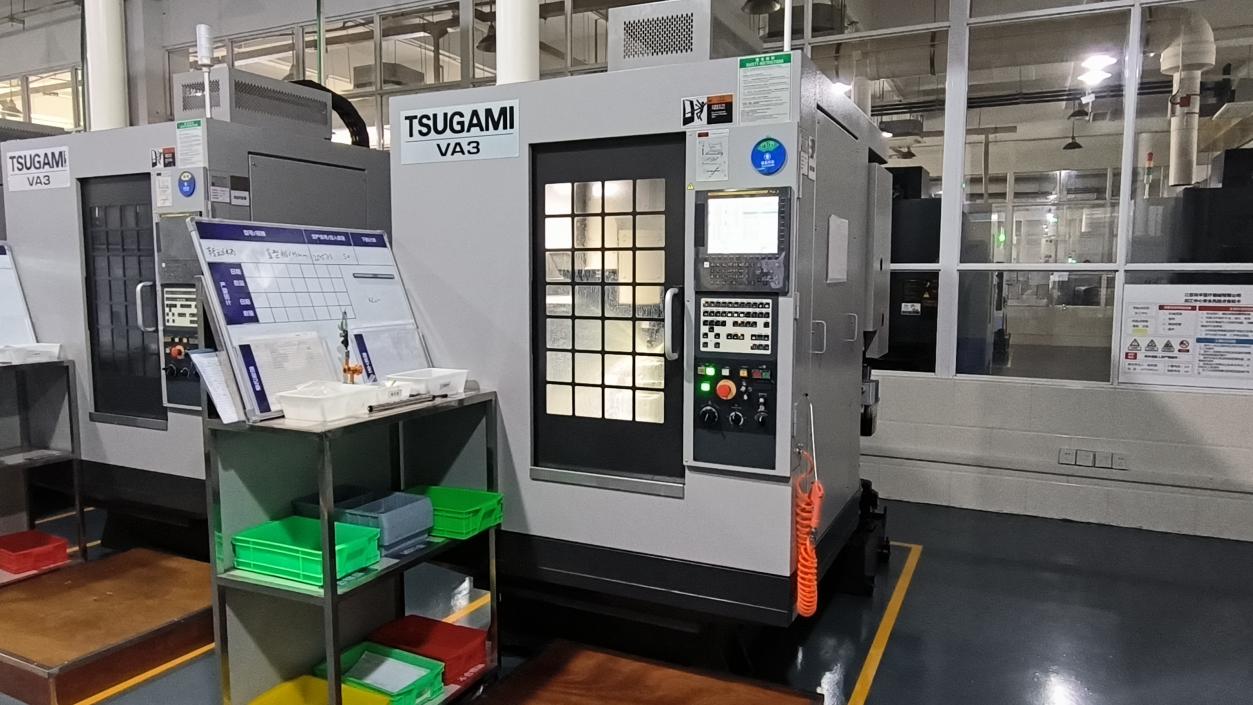
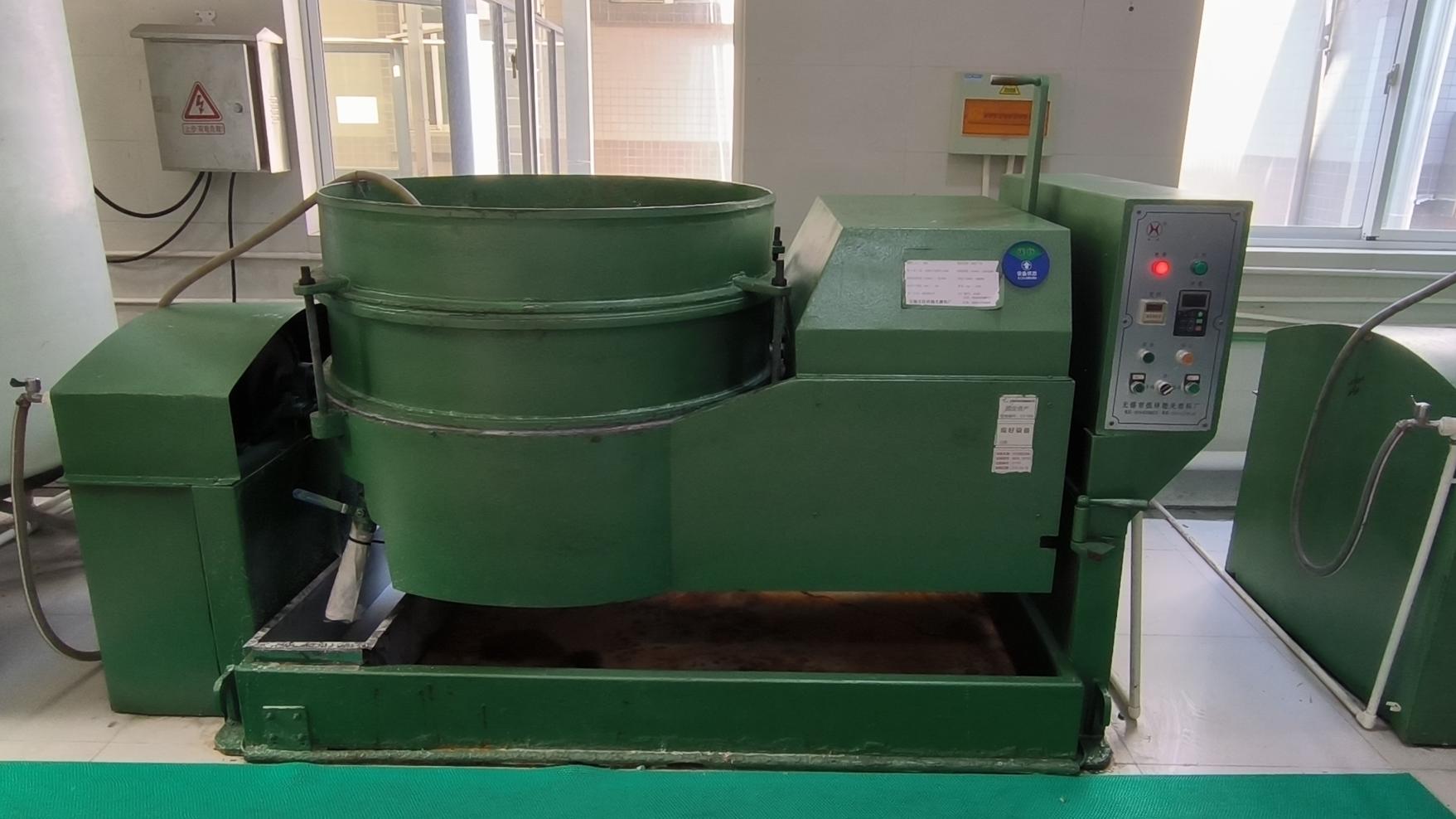
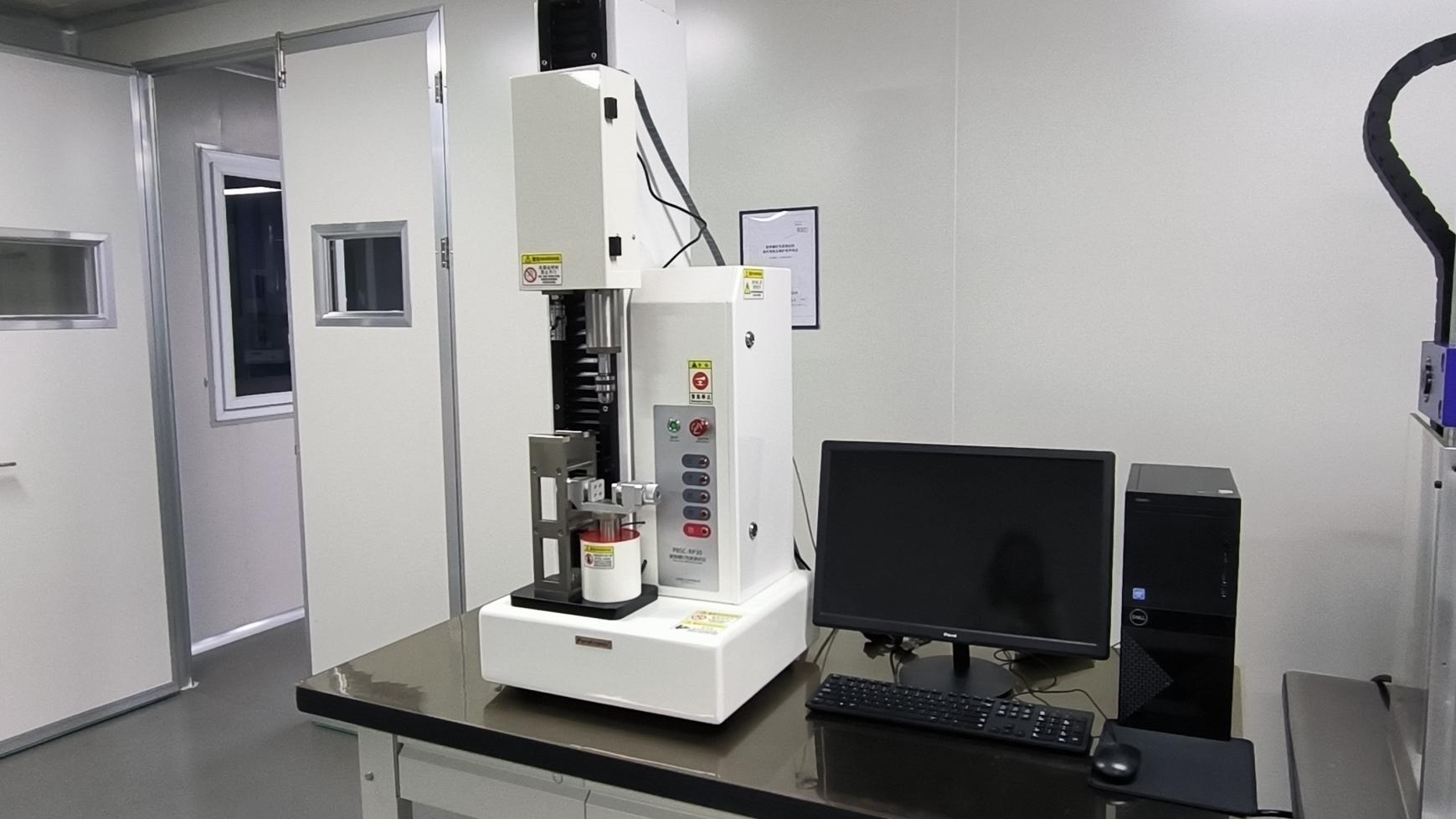
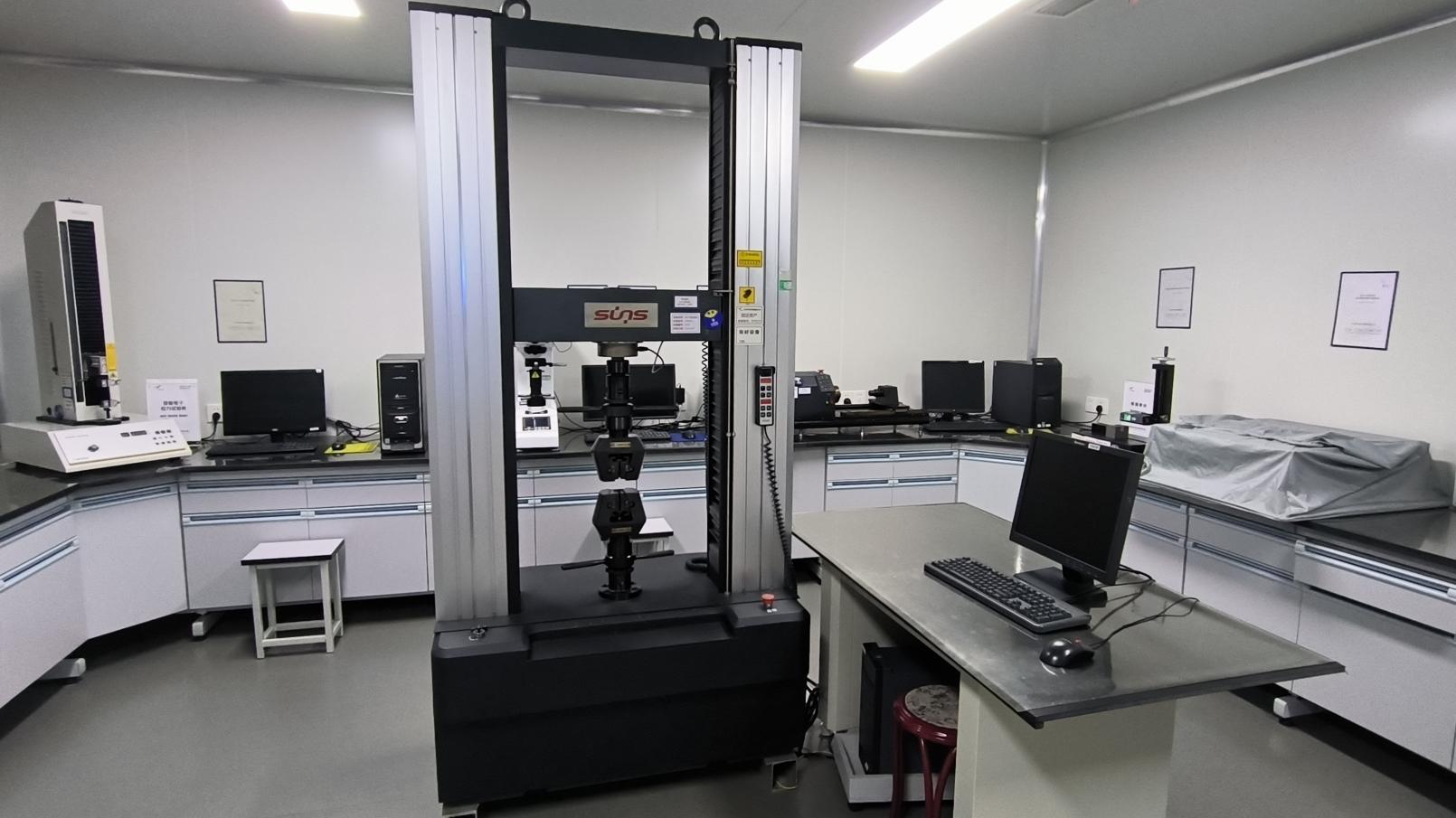
Our manufacturing centers feature high-end multi-axis CNC lathes and wire-cutting systems capable of sub-micron precision. Every batch of implants is subjected to comprehensive axial compression, static torsion, and dynamic fatigue tests (under ISO 12189 and ASTM F1717 guidelines) utilizing our in-house Durable Testing Machines and Tensile Testing Systems.
Sourcing cervical discectomy hardware requires matching clinical demand with appropriate metallurgical properties. The evolutionary curve of spinal materials focuses on minimizing elastic modulus mismatch between human bone and the implant, thereby mitigating stress shielding and subsequent subsidence.
Widely regarded as the industry standard for radiolucency. Under fluoroscopy, PEEK allows the surgeon to visualize bony fusion progression clearly. PEEK’s modulus of elasticity is highly similar to cortical bone, which minimizes stress shielding.
To address the bio-inert properties of PEEK, advanced factories apply micro-textured titanium coatings onto the PEEK core. This hybrid approach combines the radiolucency of PEEK with the superior early cellular attachment characteristics of titanium.
Representing the newest technological milestone, additive manufacturing generates open-porous geometries that mimic trabecular bone structure, supporting rapid capillary ingrowth and long-term mechanical stability.
For international distributors and orthopedic brands, selecting a manufacturing partner goes beyond basic cost structures. The following critical parameters evaluate manufacturing competency, regulatory positioning, and engineering maturity:
| Sourcing Parameter | Critical Requirement | Clinical / Operational Outcome |
|---|---|---|
| Regulatory Certificates | ISO 13485, CE MDR, US FDA 510(k) clearances | Ensures customs clearing, legality of regional sales, and patient safety. |
| Material Traceability | Certificates of Analysis (CoA) for raw titanium (Grade 5 ELI) and PEEK. | Eliminates risk of structural failures due to raw material impurities. |
| Tolerances & Precision | Dimensional tolerances of ±0.01 mm on threads and lock mechanism. | Ensures smooth intraoperative instrument mating and limits plate backing-out. |
| Sterilization Compatibility | Gamma radiation, Autoclave, or Ethylene Oxide (EtO) validation parameters. | Prevents nosocomial infections and ensures material integrity post-sterilization. |
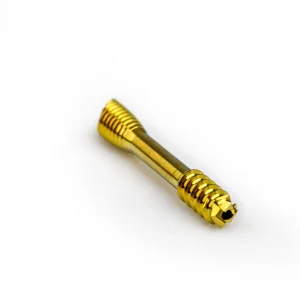
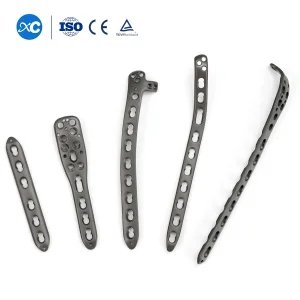
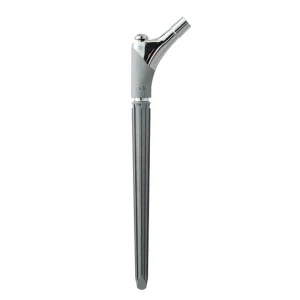
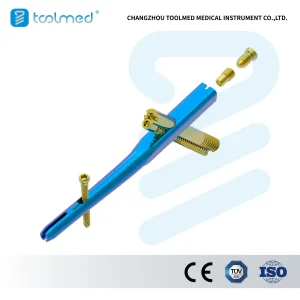
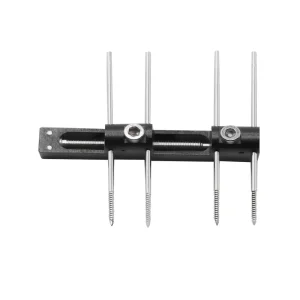
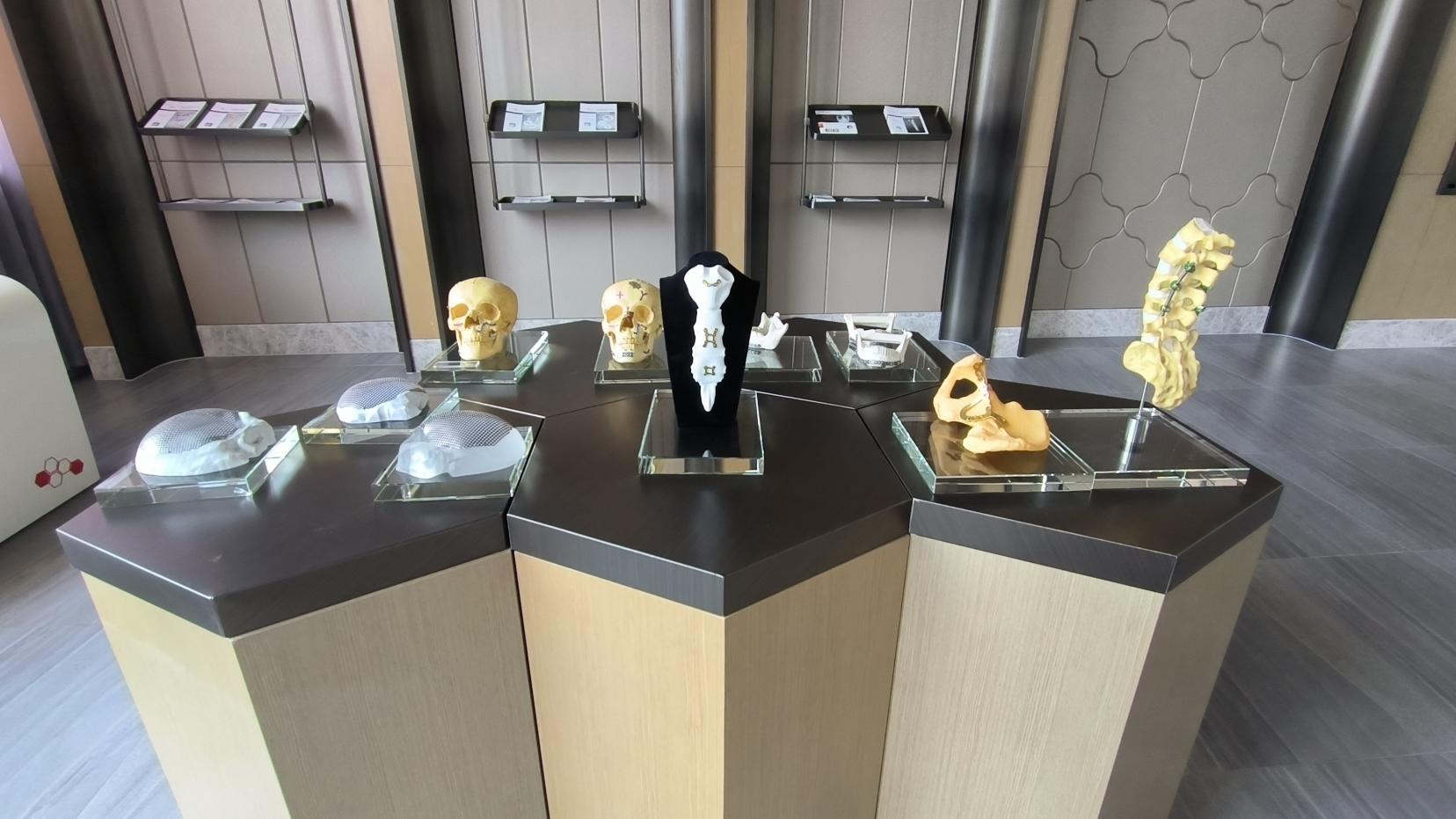
These systems represent our broader range of orthopedic hardware. They are engineered to facilitate precise surgical placement, stable spinal alignment, and reliable long-term fusion across complex reconstruction procedures.