Blutree Orthopedic Implants
Blutree Orthopedic Implants
Blutree Orthopedic Implants
High-precision internal fixation hardware, arthroscopy systems, and structural supports engineered for superior clinical outcomes and immediate anatomical stability.
Founded in 1999, our enterprise has pioneered medical-grade orthopedic implants and structural supports, establishing a resilient global supply footprint across 160+ nations.
The global orthopedic braces and supports ecosystem is undergoing a profound paradigm shift. Historically categorized as simple static immobilizers, modern orthopedic supports have evolved into sophisticated biomechanical interfaces. Driven by advancements in polymer chemistry, metallurgy, dynamic load distribution, and digital patient modeling, today's orthopedic devices must satisfy dual imperatives: providing immediate structural rigidity while encouraging early functional mobilization to accelerate osteogenesis and tissue repair.
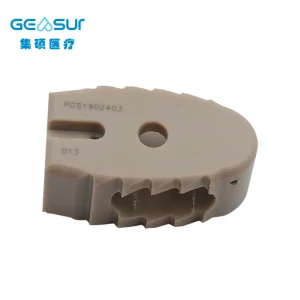
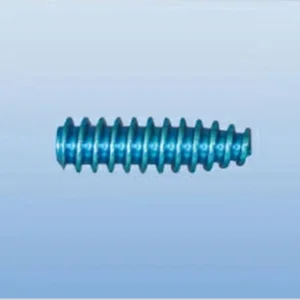
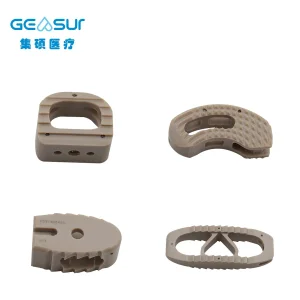
For global procurement executives, hospital networks, and medical device distributors, sourcing from tier-one factories is no longer merely a price-per-unit calculation. It requires a comprehensive evaluation of a manufacturer's material traceability, CNC machining capabilities, regulatory compliance frameworks (EU MDR, US FDA 510(k)), and continuous quality control. As clinical protocols increasingly favor minimally invasive procedures and dynamic rehabilitation, the demand for precise dynamic bracing, titanium-coated PEEK cages, cannulated interference screws, and multi-axial locking systems has surged globally.
Modern orthopedic braces feature multi-axial dynamic hinges and progressive compression zones designed to offload specific compartment stresses, protecting ligament grafts during early revascularization.
Navigating MDR (EU) 2017/745 and US FDA 510(k) requires rigorous clinical evaluation reports (CER), post-market surveillance (PMS) data, and automated device tracking via UDI implementation.
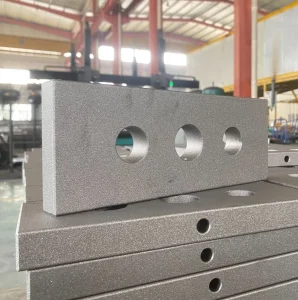
Utilizing high-precision Swiss-type CNC machines and multi-axis wire cutting, implants and structural braces achieve flawless surface finishes and tight dimensional tolerances required for micro-motion resistance.
The structural efficacy of medical braces and implants is intrinsically linked to biomaterial engineering. Tier-one suppliers are actively transitioning from legacy monolithic plastics toward advanced composite matrices and surface-modified titanium alloys. Understanding the elastic modulus, osseointegration dynamics, and fatigue limits of these materials is crucial for enterprise procurement specification.
| Material Classification | Modulus of Elasticity (GPa) | Tensile Strength (MPa) | Biocompatibility & Clinical Application |
|---|---|---|---|
| Titanium Ti-6Al-4V ELI | 110–114 GPa | 860–960 MPa | Exceptional fracture toughness; ideal for intra-medullary nails, pedicle screws, and high-load dynamic fixators. |
| PEEK (Polyetheretherketone) | 3.6–4.0 GPa | 90–100 MPa | Modulus closely matching human cortical bone; radiolucent properties make it ideal for TLIF/PLIF fusion cages. |
| Titanium Plasma Spray Coated PEEK | 3.8–4.2 GPa | 100–120 MPa | Combines PEEK’s elastic matching with titanium’s rapid direct bone-to-implant contact (osseointegration). |
| Medical Grade UHMWPE | 0.8–1.5 GPa | 40–50 MPa | Ultra-high molecular weight polyethylene provides near-zero friction coefficient for dynamic articular joint braces. |
Looking ahead, the integration of micro-electromechanical sensors (MEMS) into structural knee and spinal braces represents the next technological frontier. Wearable sensor arrays embedded within dynamic orthoses continuously measure gait symmetry, range of motion (ROM), flexional torque, and patient compliance. This real-time biometric telemetry feeds directly into cloud analytics, providing orthopedic surgeons with quantitative data to customize recovery protocols.
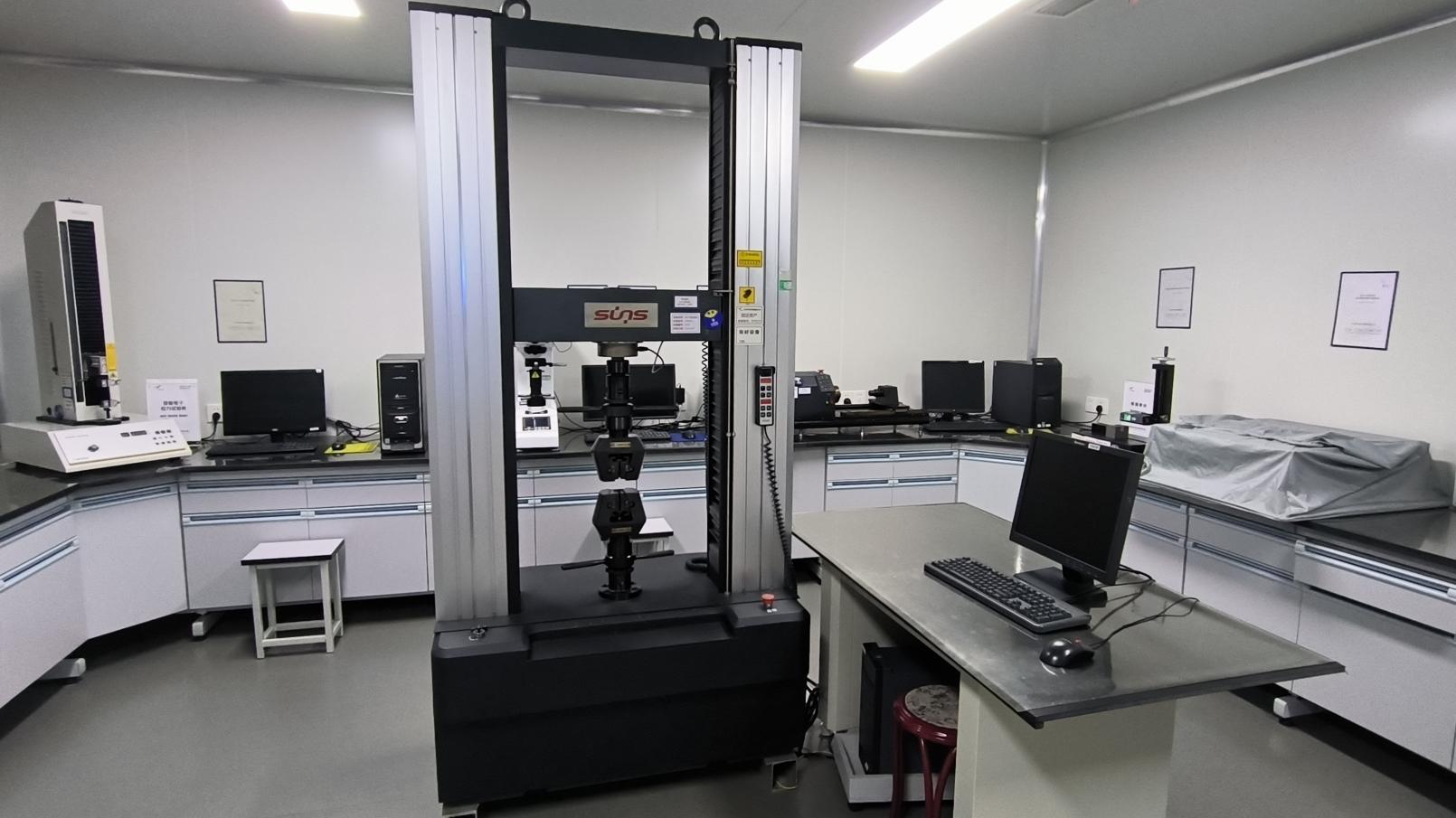
Inside our advanced manufacturing center: A step-by-step breakdown of how state-of-the-art CNC automation, precision surface treatment, and closed-loop quality assurance guarantee flawless zero-defect production.
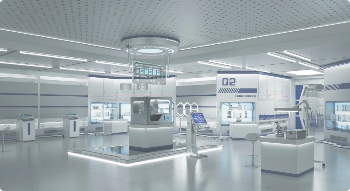

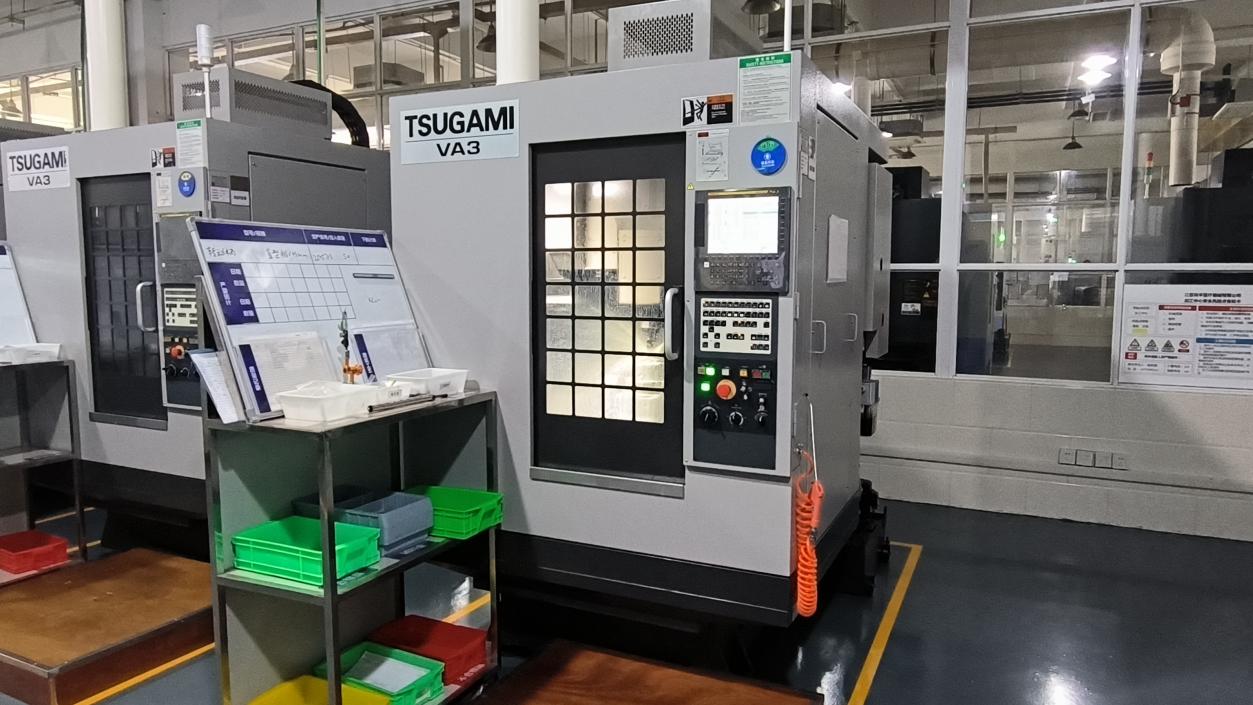
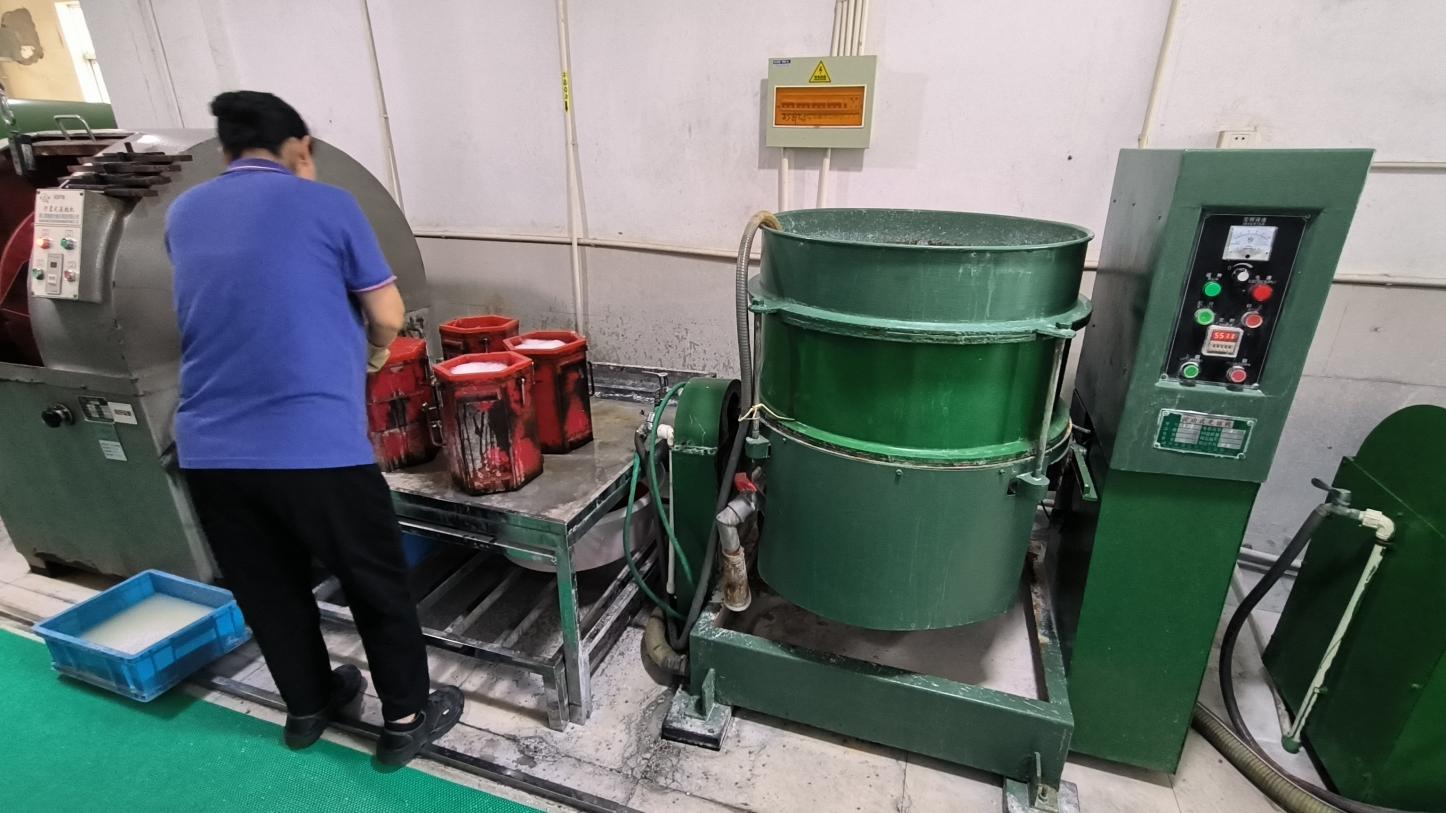
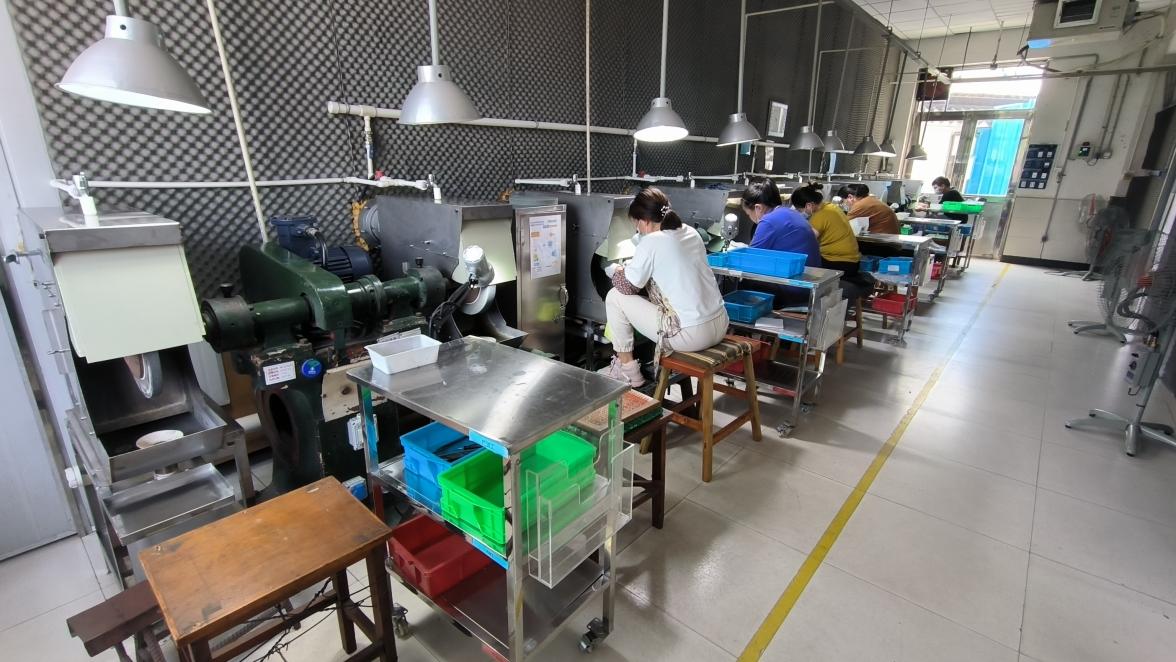
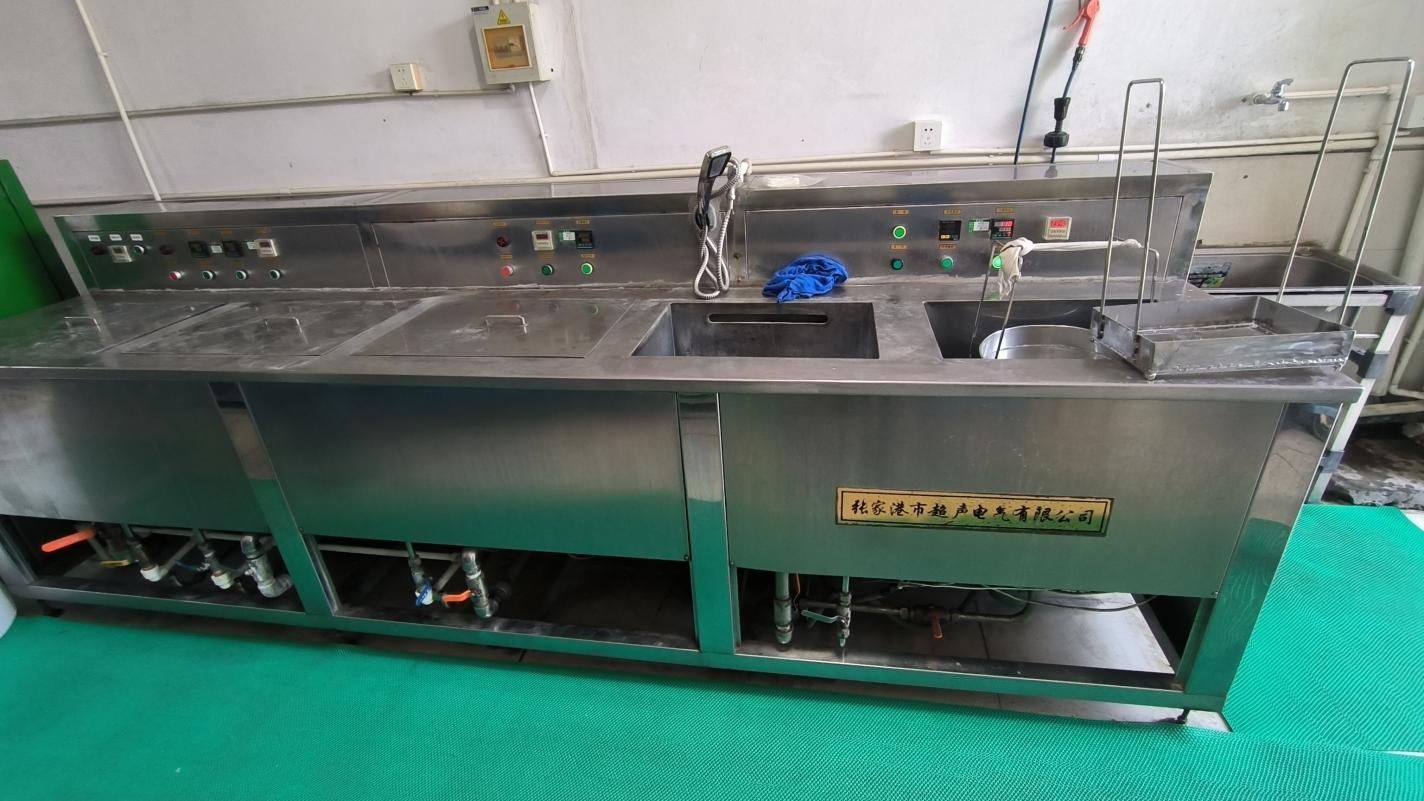
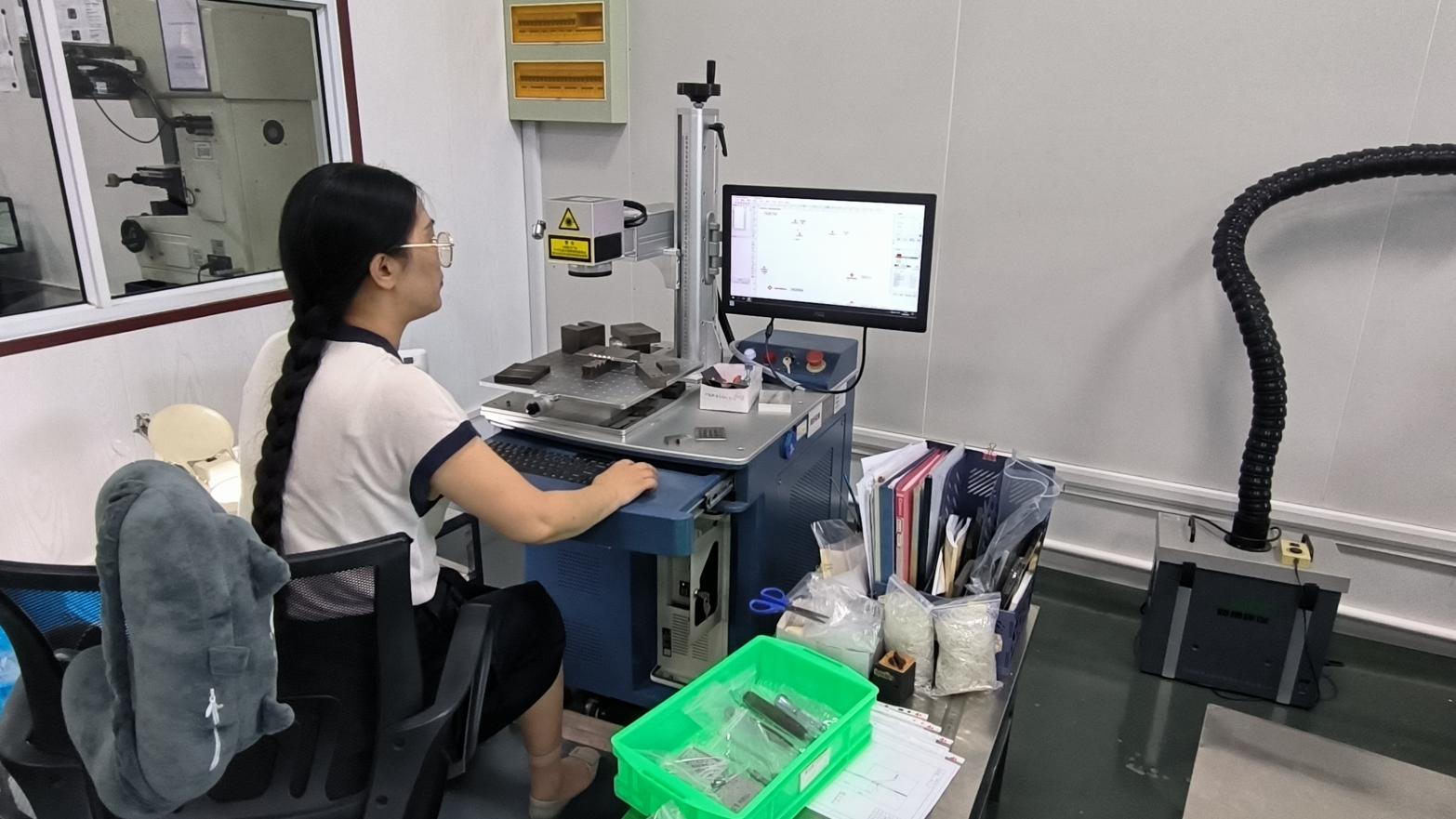
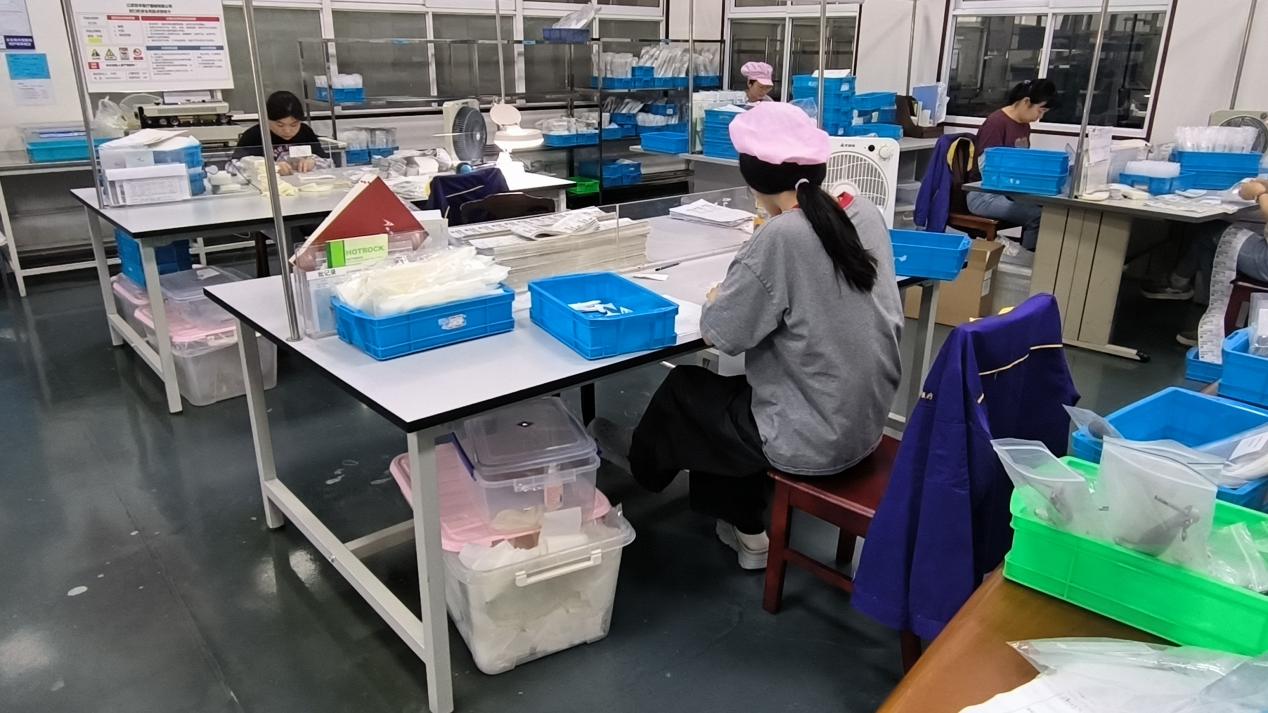
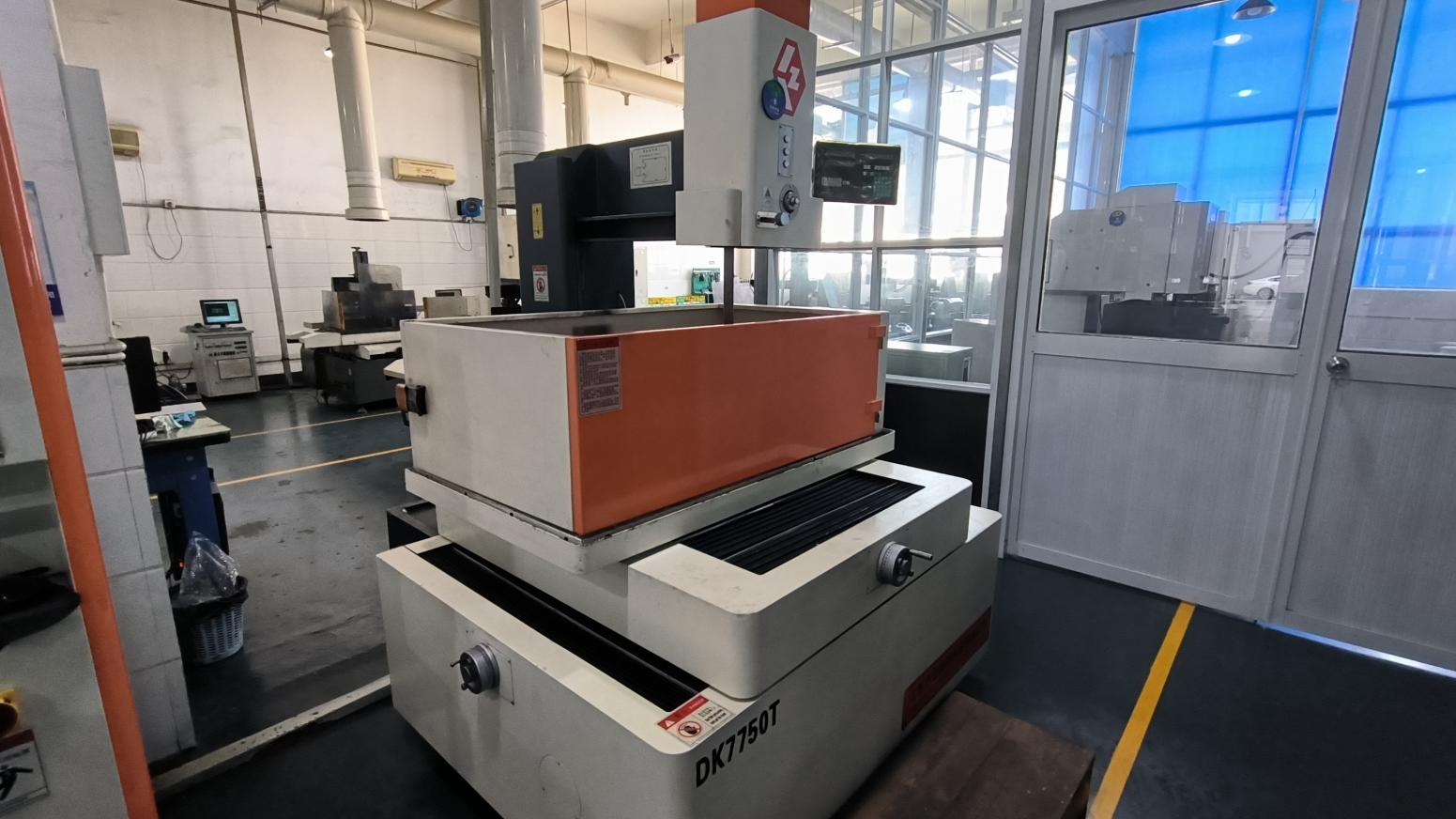
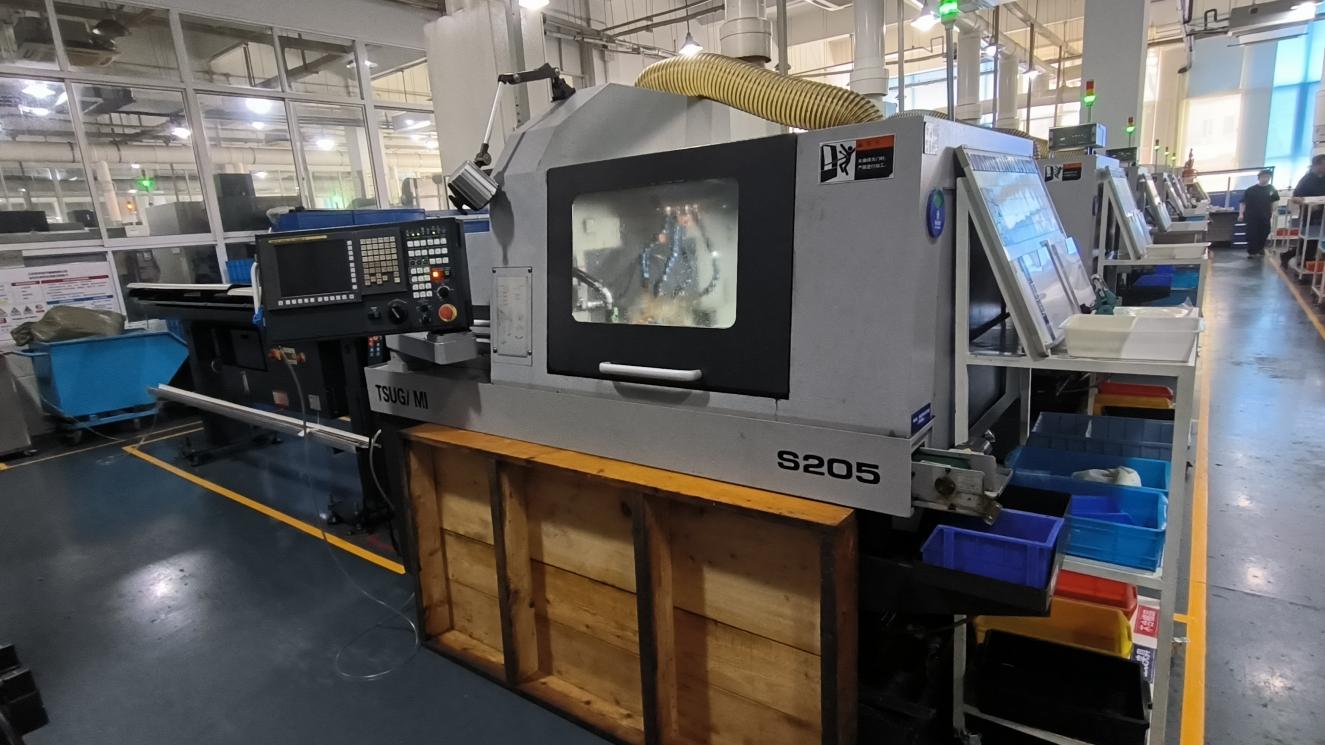
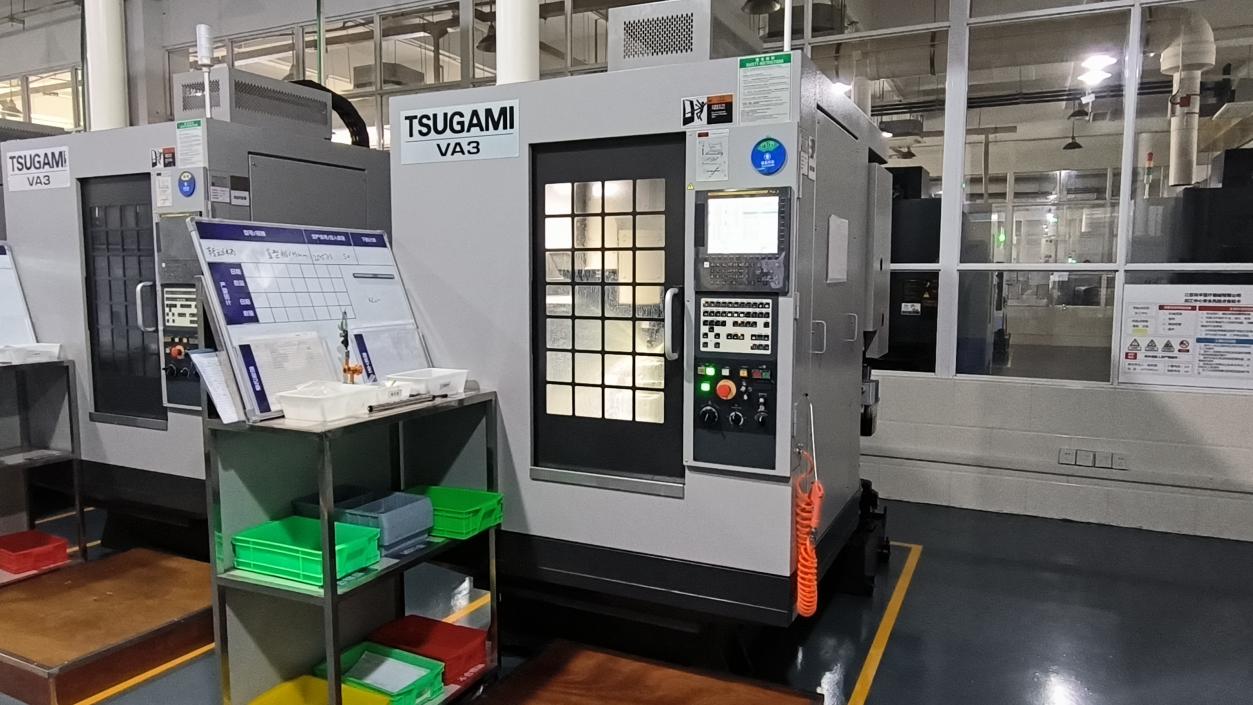
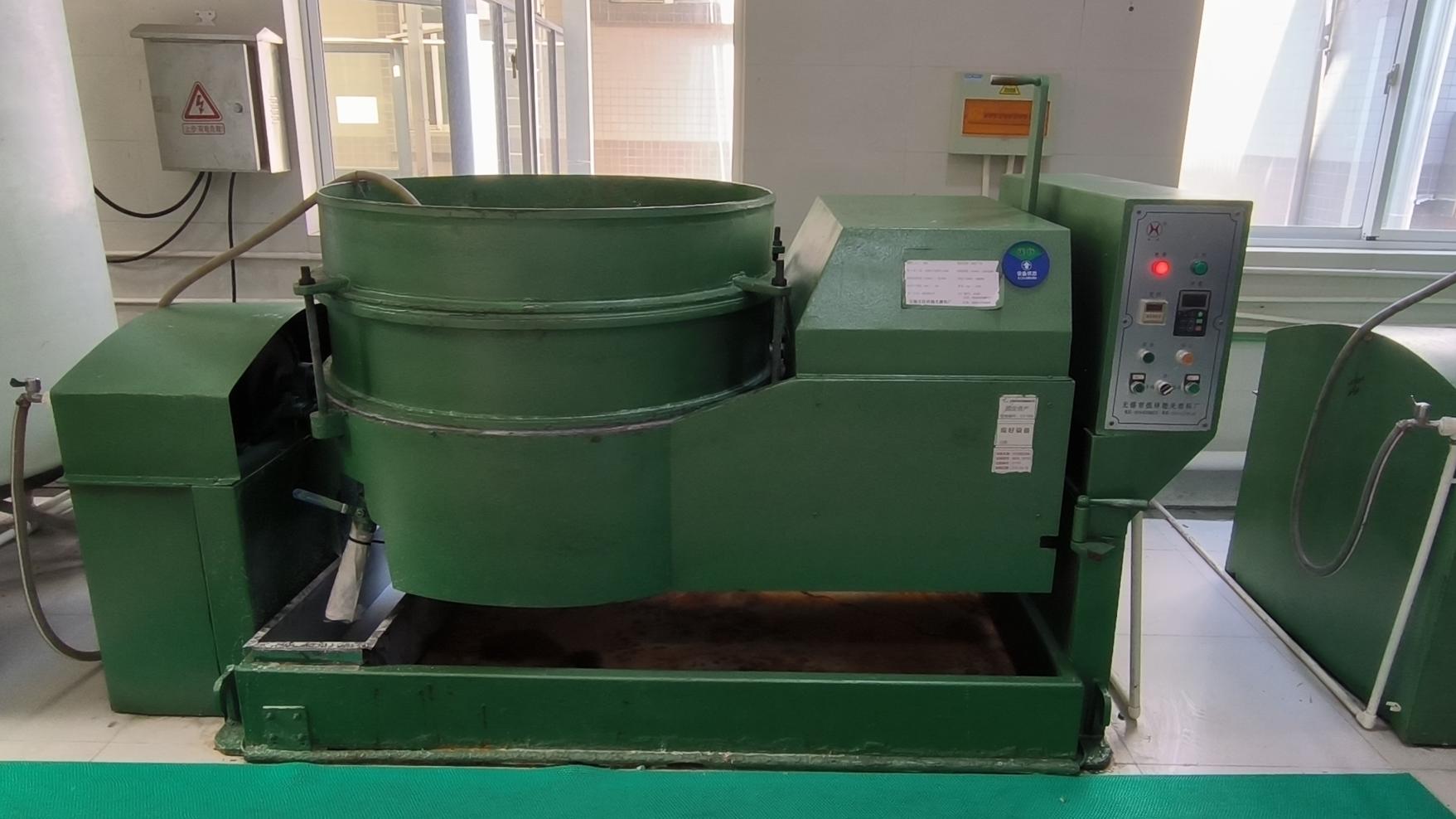
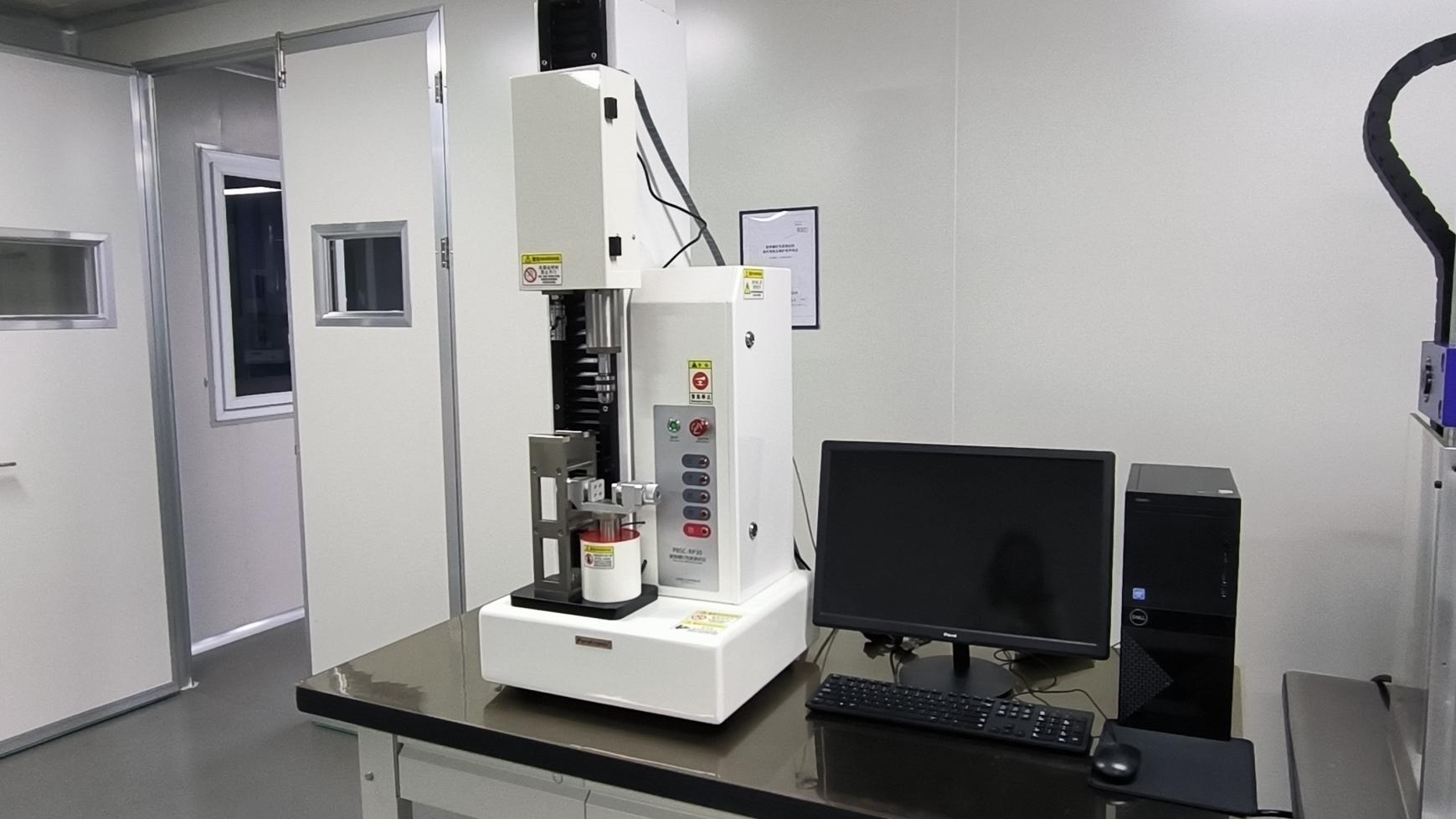
For international healthcare brands, procurement directors, and distributor networks, securing a reliable manufacturing partner involves mitigating operational, regulatory, and financial risks. China's integrated orthopedic manufacturing clusters provide unparalleled advantages in supply chain speed, raw material procurement, and scaling efficiency. However, converting these structural advantages into long-term market dominance requires a structured procurement protocol.
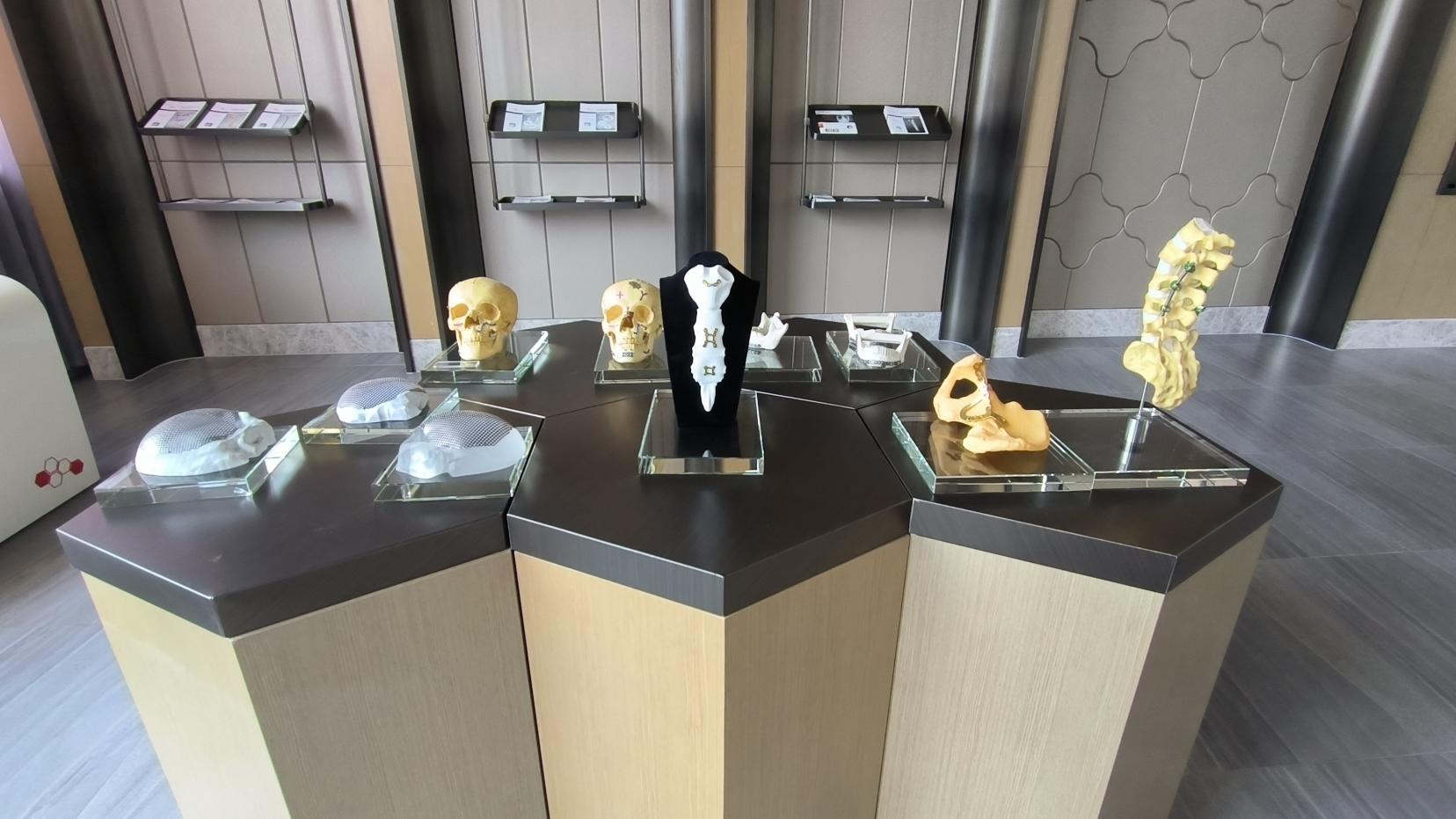
From initial CAD/CAM modeling to rapid prototyping within 72 hours, enterprise buyers can leverage our turnkey engineering department. Whether developing customized dial-adjustable dynamic weight systems or titanium PLIF fusion cages with patient-matched anatomical geometries, our engineering team ensures seamless design-for-manufacturability (DFM) execution.
Sourcing medical devices demands strict compliance with international quality benchmarks. Our production processes operate strictly under ISO 13485 QMS certification. Every production lot undergoes complete traceability documentation, including raw material heat numbers, spectral analysis, 3D coordinate CMM reports, and micro-hardness testing curves.
Explore our complete catalog of specialized fixation systems, maxillofacial implants, and trauma stabilization hardware designed for rigorous clinical environments.
Comprehensive answers to common technical, manufacturing, and regulatory inquiries from international procurement leaders and healthcare distributors.