 Blutree Orthopedic Implants
Blutree Orthopedic Implants
Blutree Orthopedic Implants
Explore our premium select range of biomechanical devices manufactured to clinical-grade standards with extreme tolerance levels.
An in-depth review of industrial procurement channels, OEM/ODM integrations, and clinical risk mitigations.
For modern hospitals and orthopedic providers, biomechanical devices must demonstrate uncompromising osteointegration profiles. Global procurement networks search for manufacturers utilizing grade 5 Titanium (Ti-6Al-4V) and medical-grade Polyetheretherketone (PEEK). Our processes guarantee strict raw material traceabilities from premium suppliers.
B2B distributors and medical product lines require highly customizable production infrastructures. By partnering with over 100 global OEM networks, we configure complex orthopedic configurations (including custom thread pitches, cannulated cores, and specialized surface finishes) to match diverse clinical criteria.
The regulatory shift from MDD to EU MDR (2017/745) has disrupted traditional supply lines. With 214 CE certificates and local registrations in 60+ countries, our facilities support smooth customs processes and assure patient-facing reliability in North America, Europe, and Asia-Pacific.
One of the primary challenges in structural biomechanics is the mismatch of elastic modulus between metallic implants and human cortical bone, commonly resulting in stress shielding. When a rigid metallic device bears the skeletal load, the surrounding biological bone tissue loses its functional mechanical stimuli, triggering localized resorption. This can lead to implant loosening, bone density degradation, and eventually revision surgery.
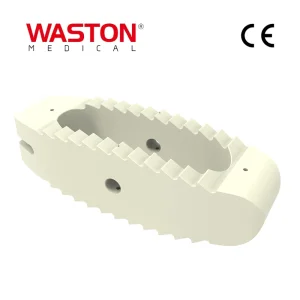
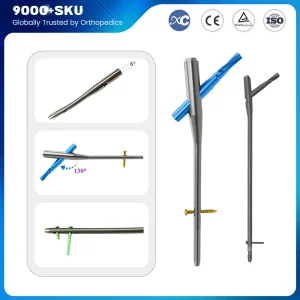
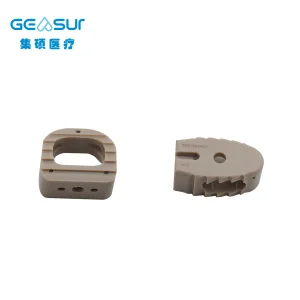
As a seasoned custom OEM exporter, we work directly with engineers to mitigate stress-shielding risks by optimizing implant geometry (e.g., introducing porous lattice designs using advanced selective laser melting) and employing composite material interfaces. For example, our PEEK (Polyetheretherketone) fusion systems match the natural elasticity of bone much closer than traditional stainless steel. Simultaneously, for high-load configurations like the PFNA Intramedullary Nails, specialized micro-grooving and anodization techniques promote immediate, secure anchoring while distributing mechanical strain dynamically along the anatomical axis.
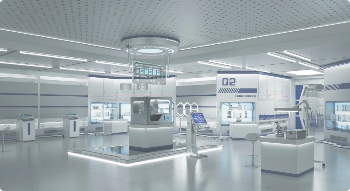
Integrating advanced automated CNC systems, surface treatments, and rigorous stress testing protocols to exceed international standards.
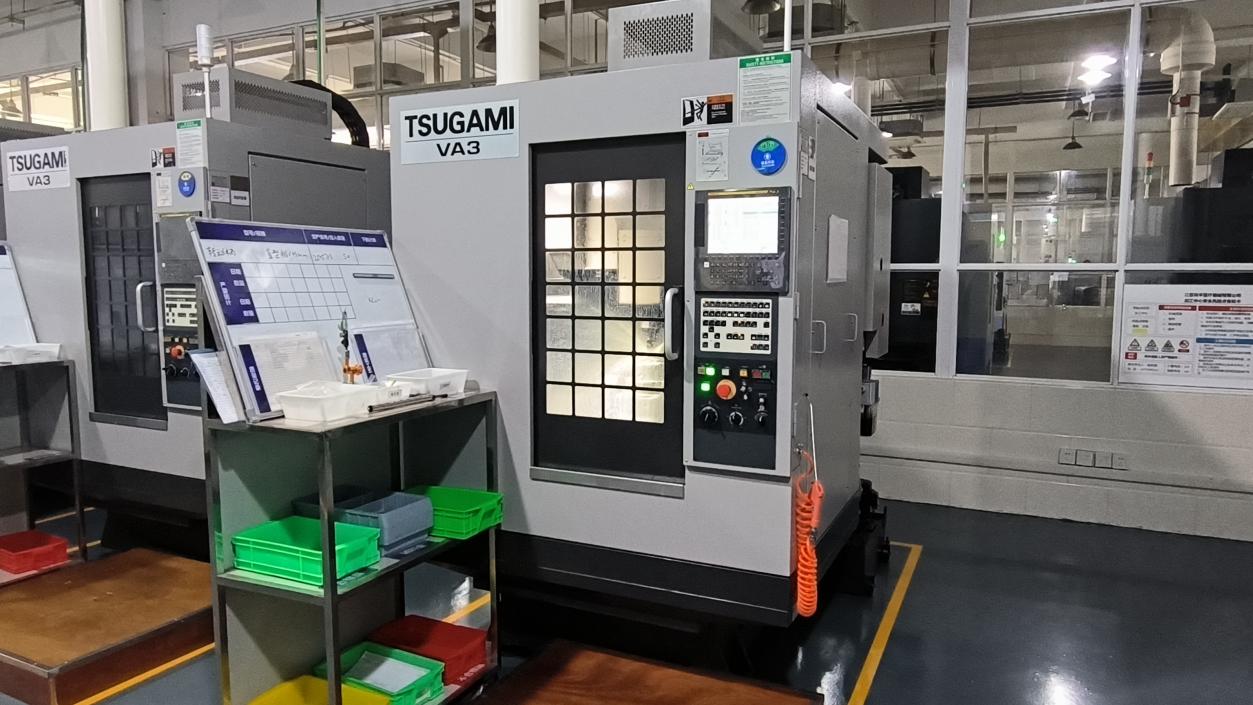 CNC Machining
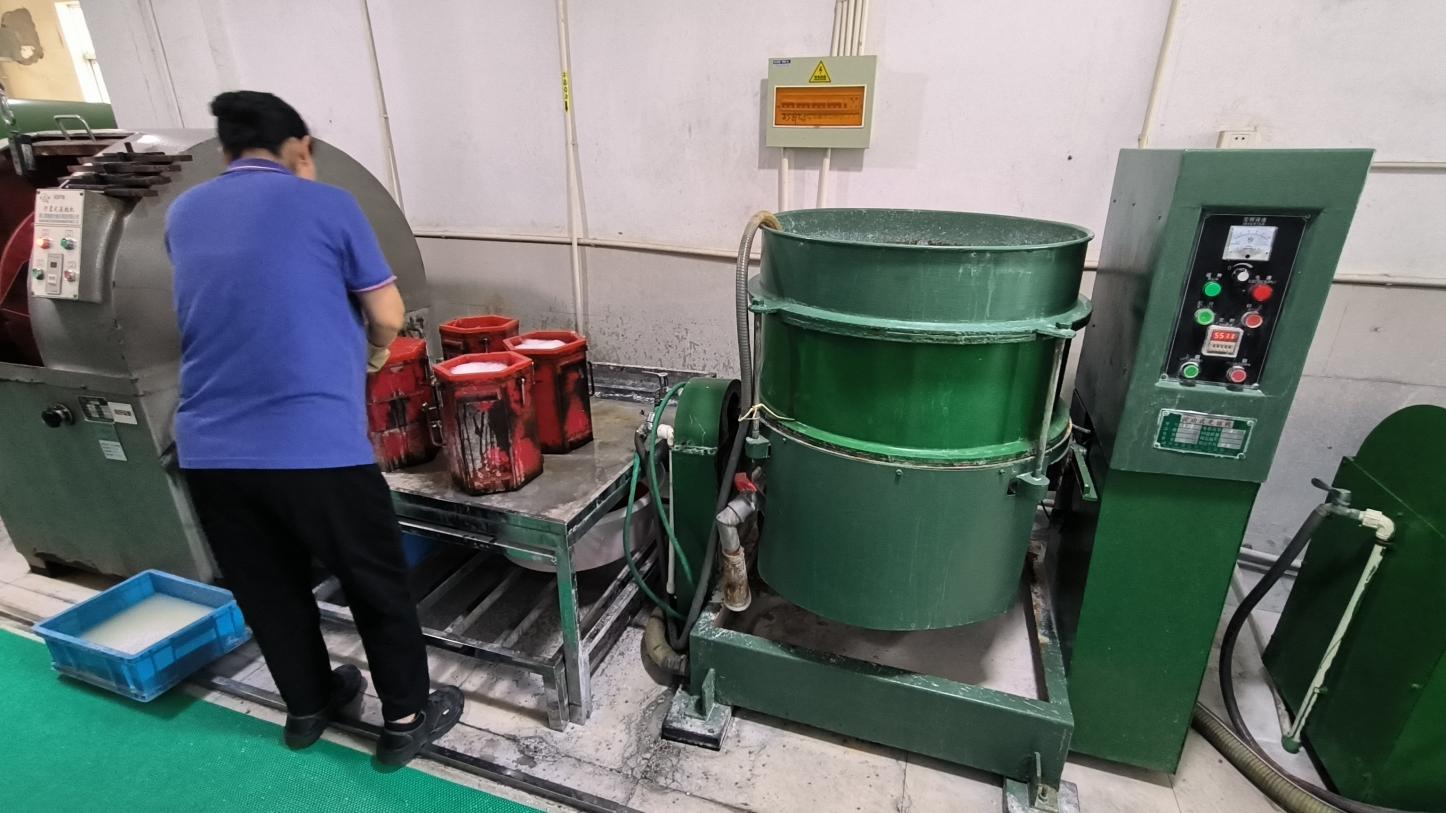 Tumbling
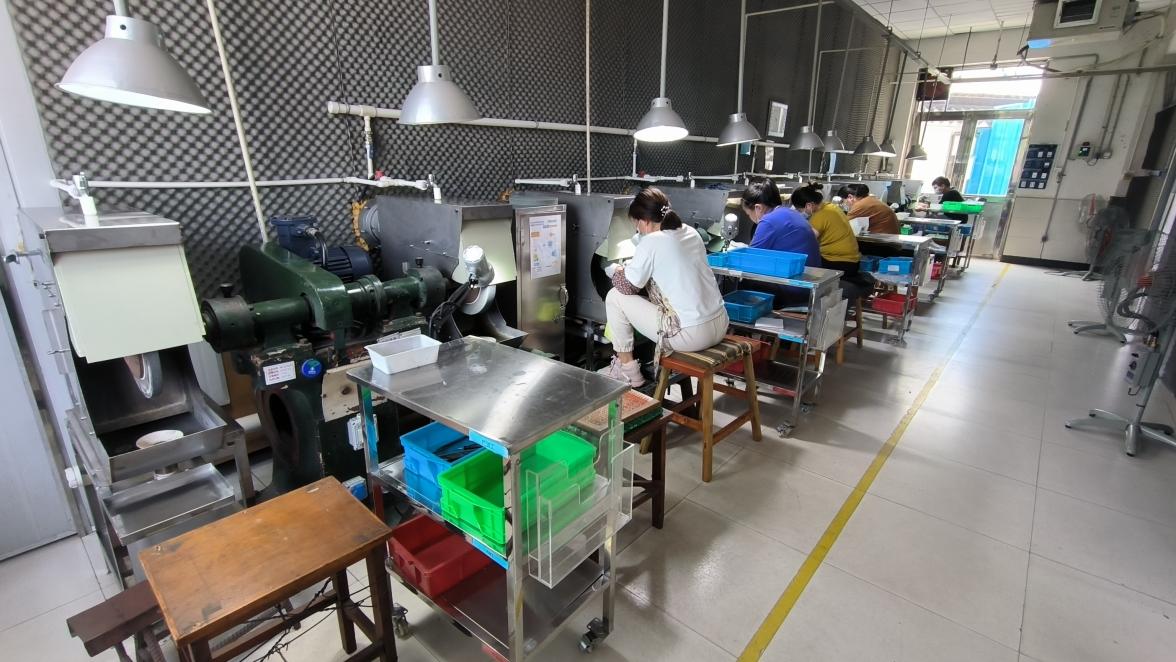 Polishing
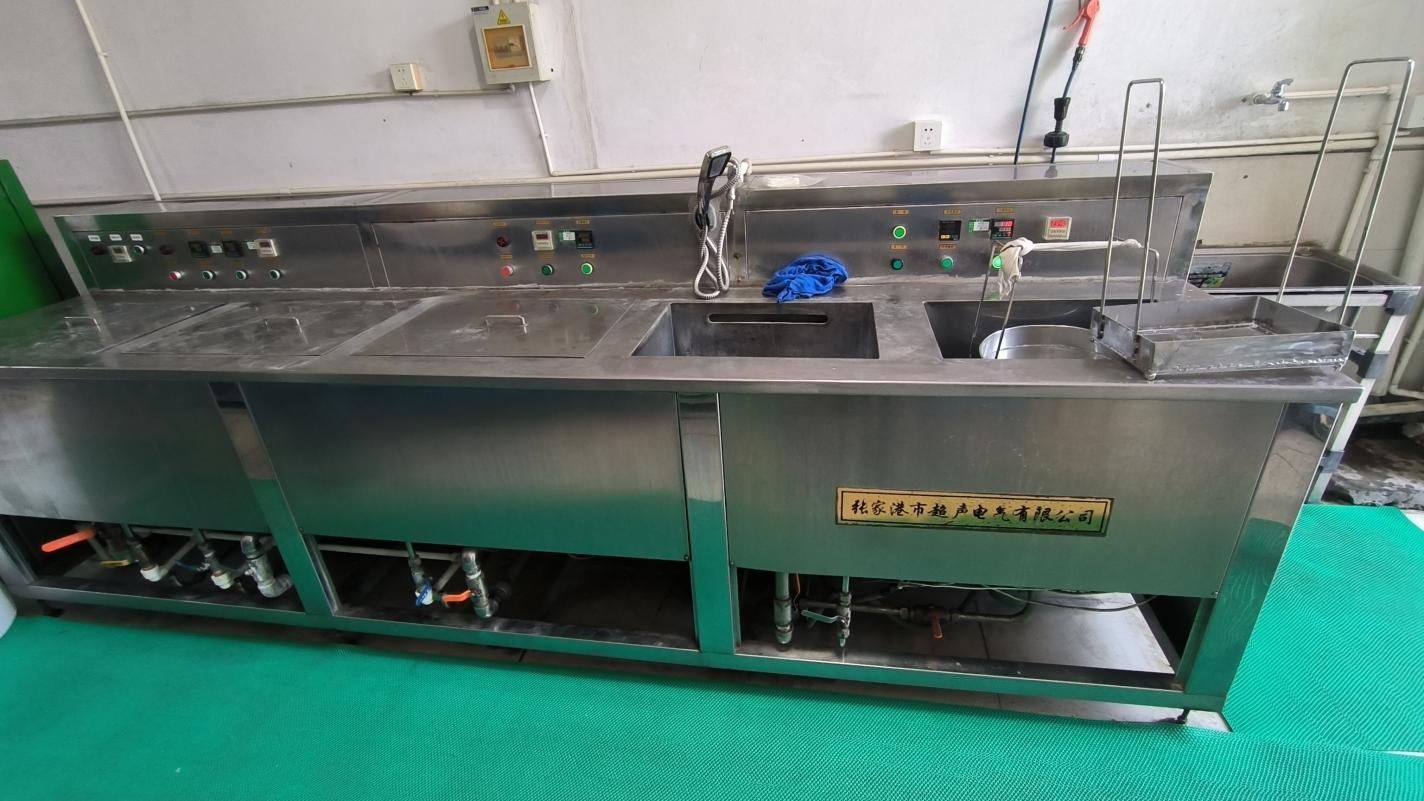 Washing
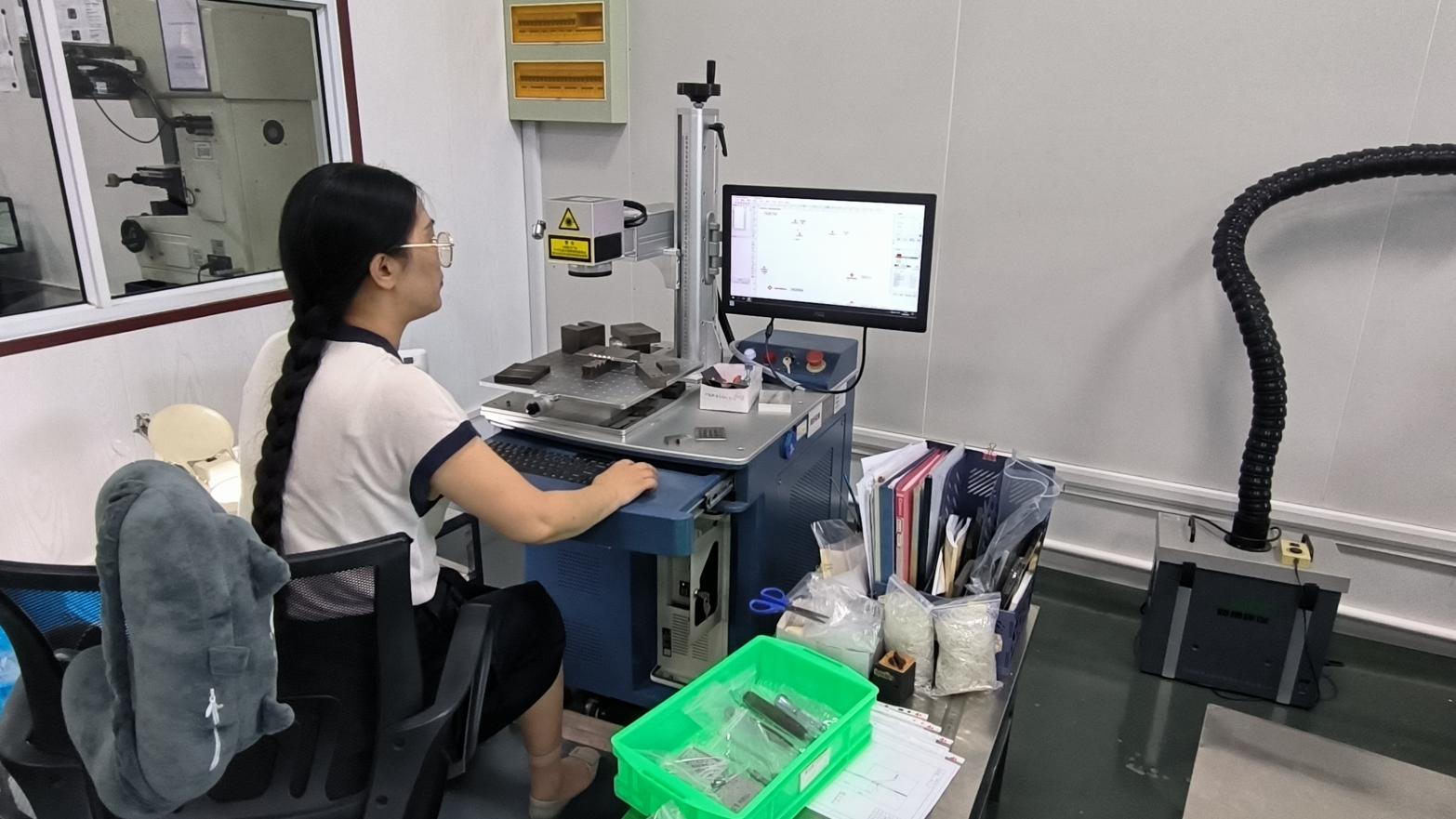 Checking (QA/QC)
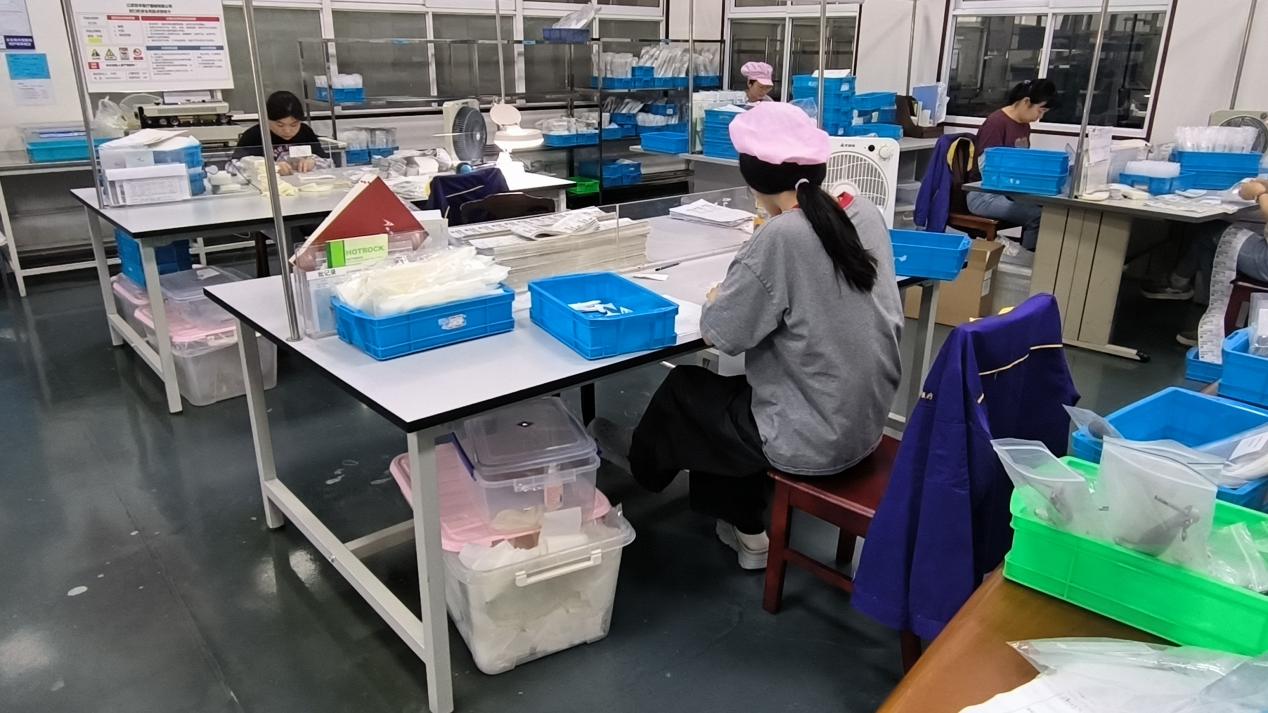 Packing
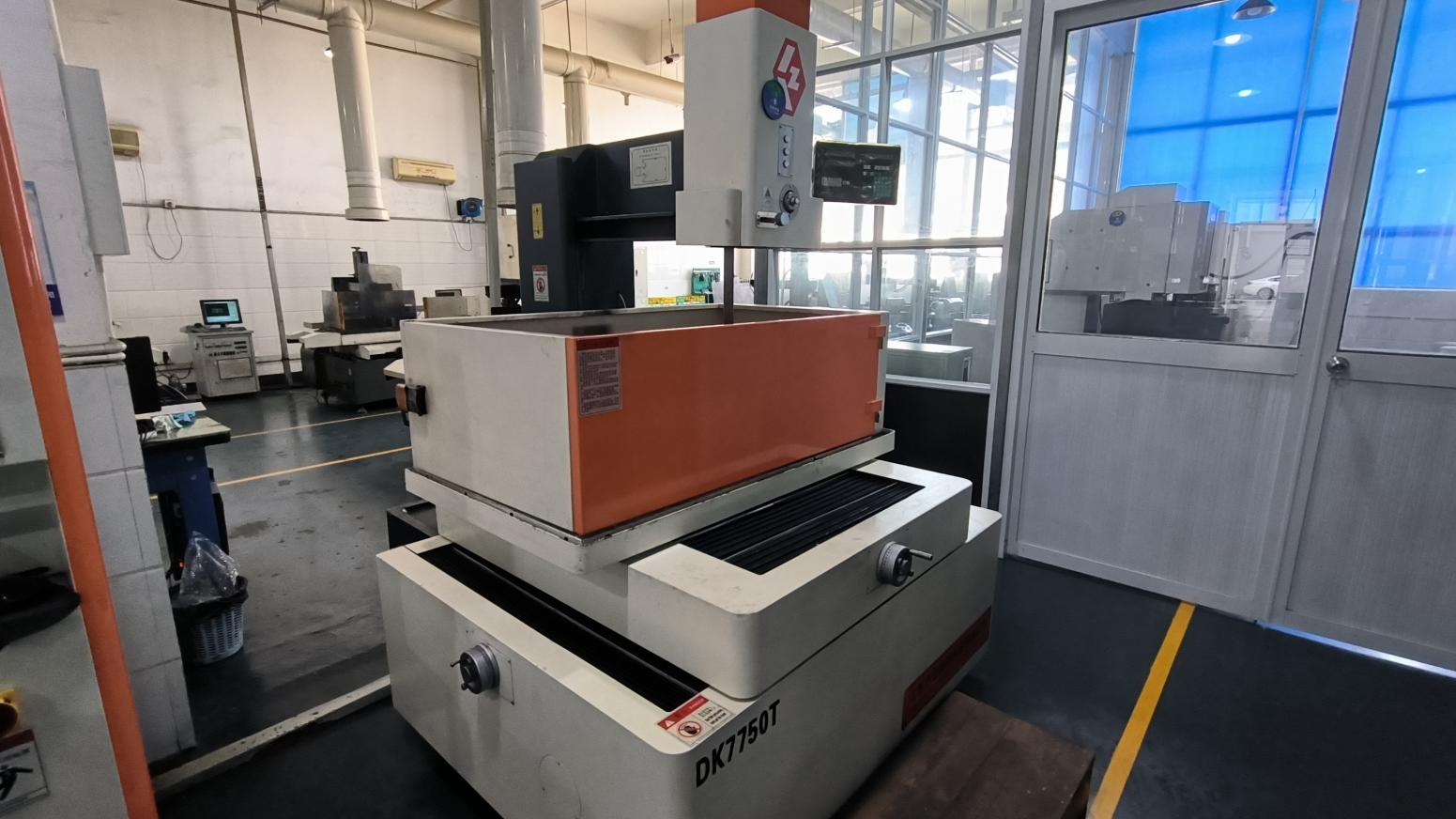 Wire Cutting
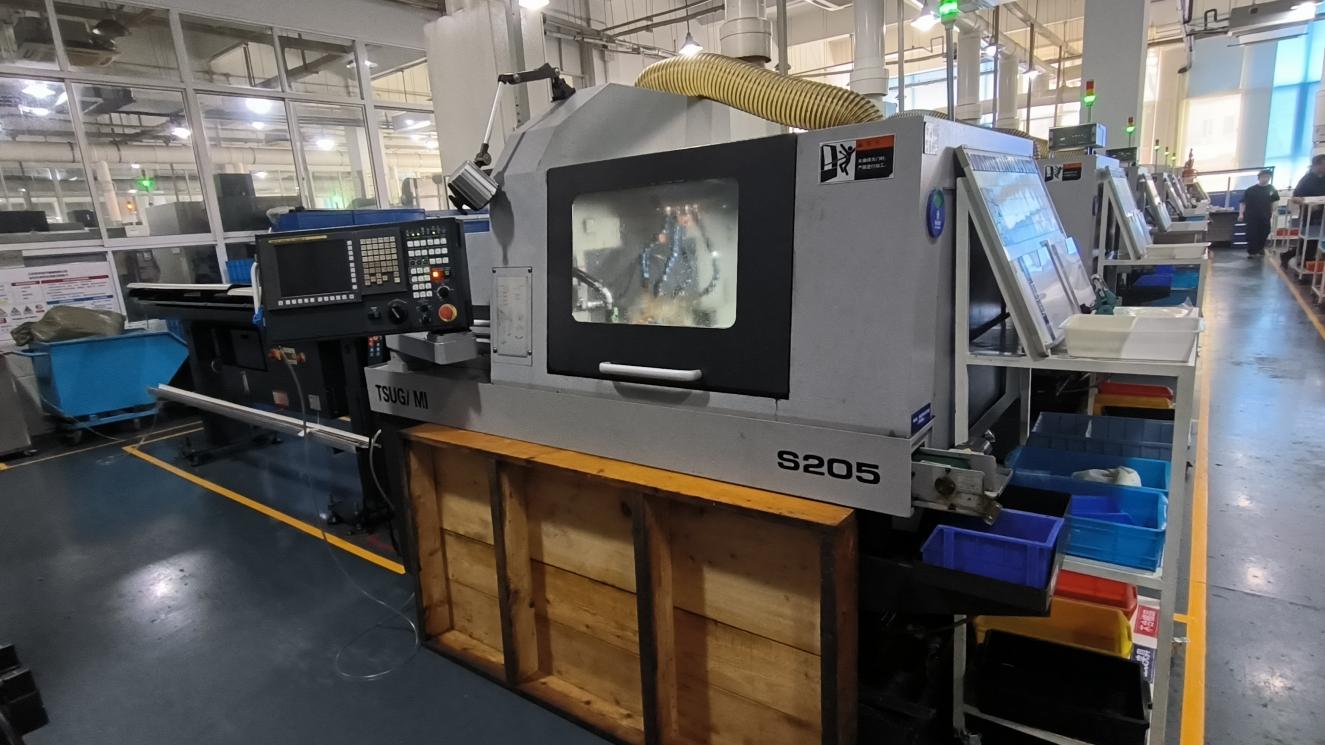 Slitting Machine
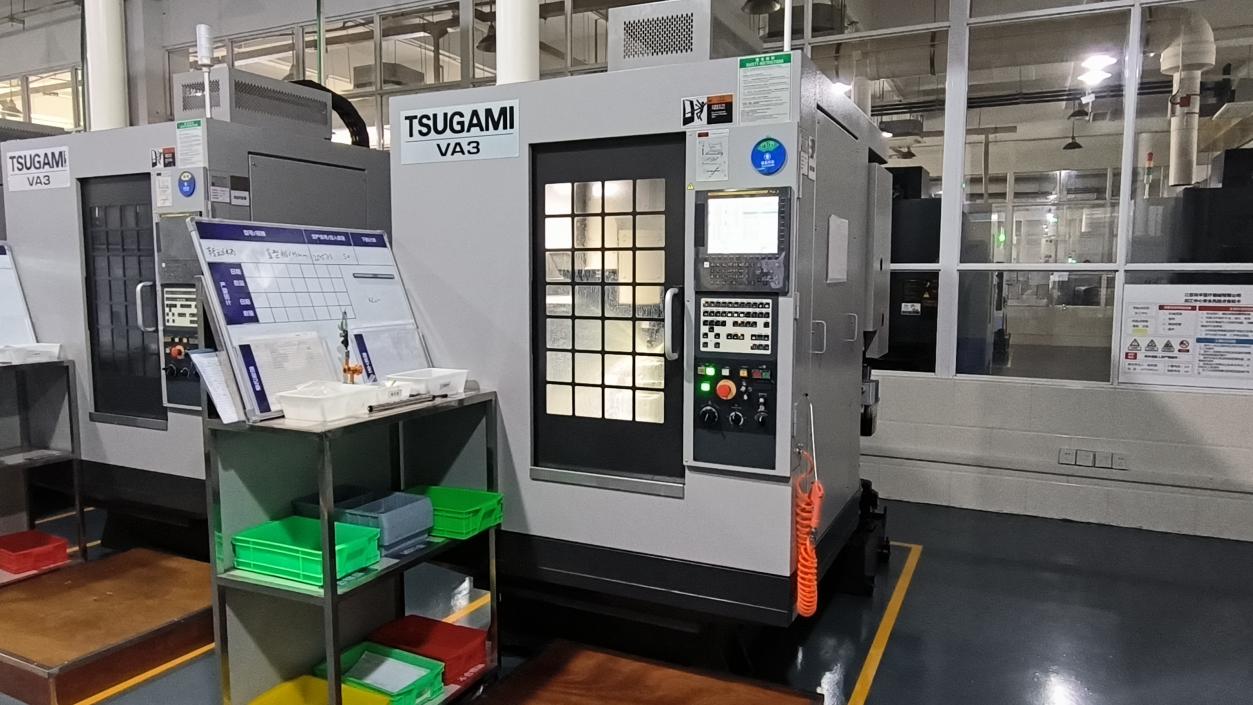 CNC Machining Center
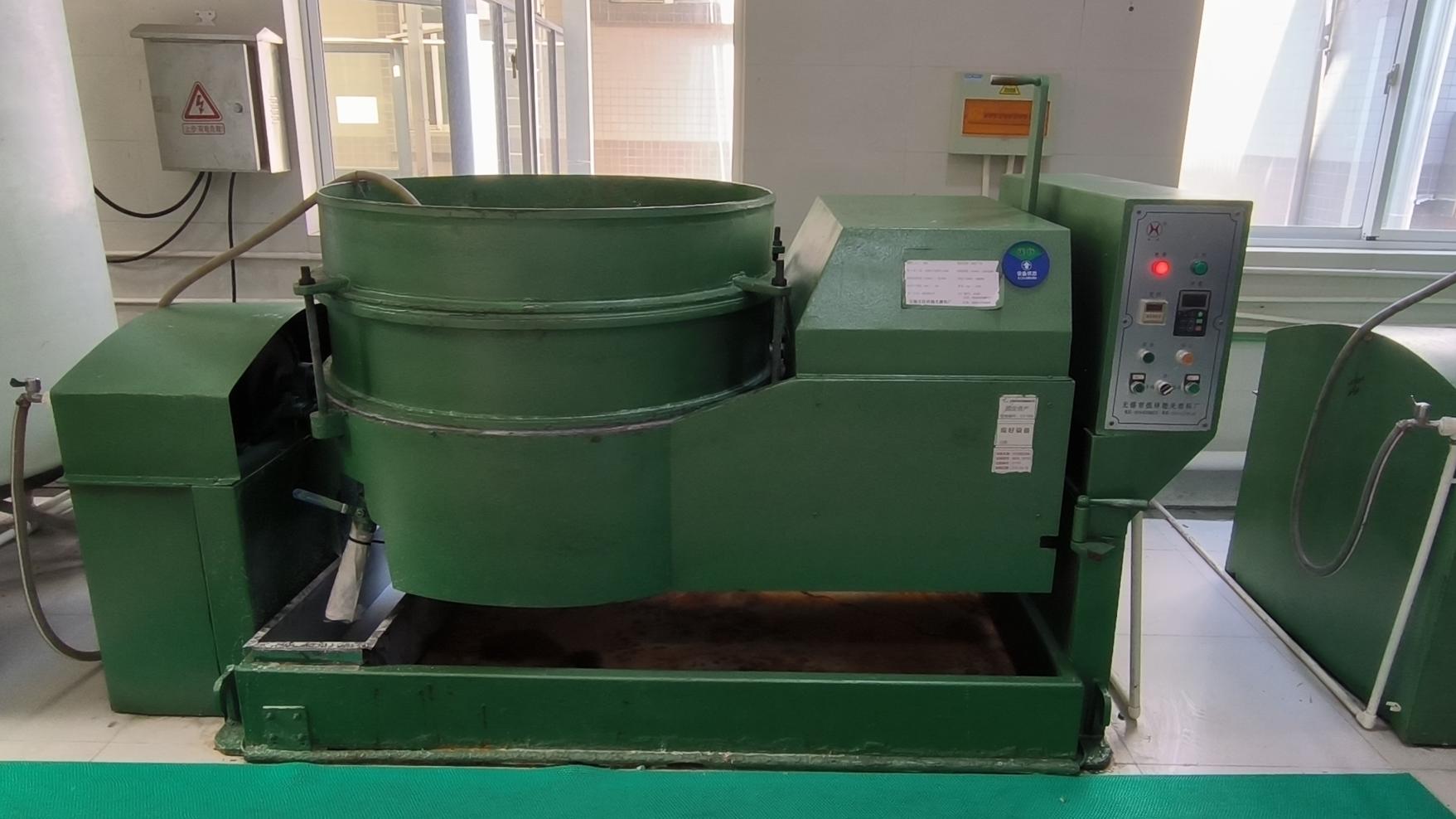 Tumbling Machine
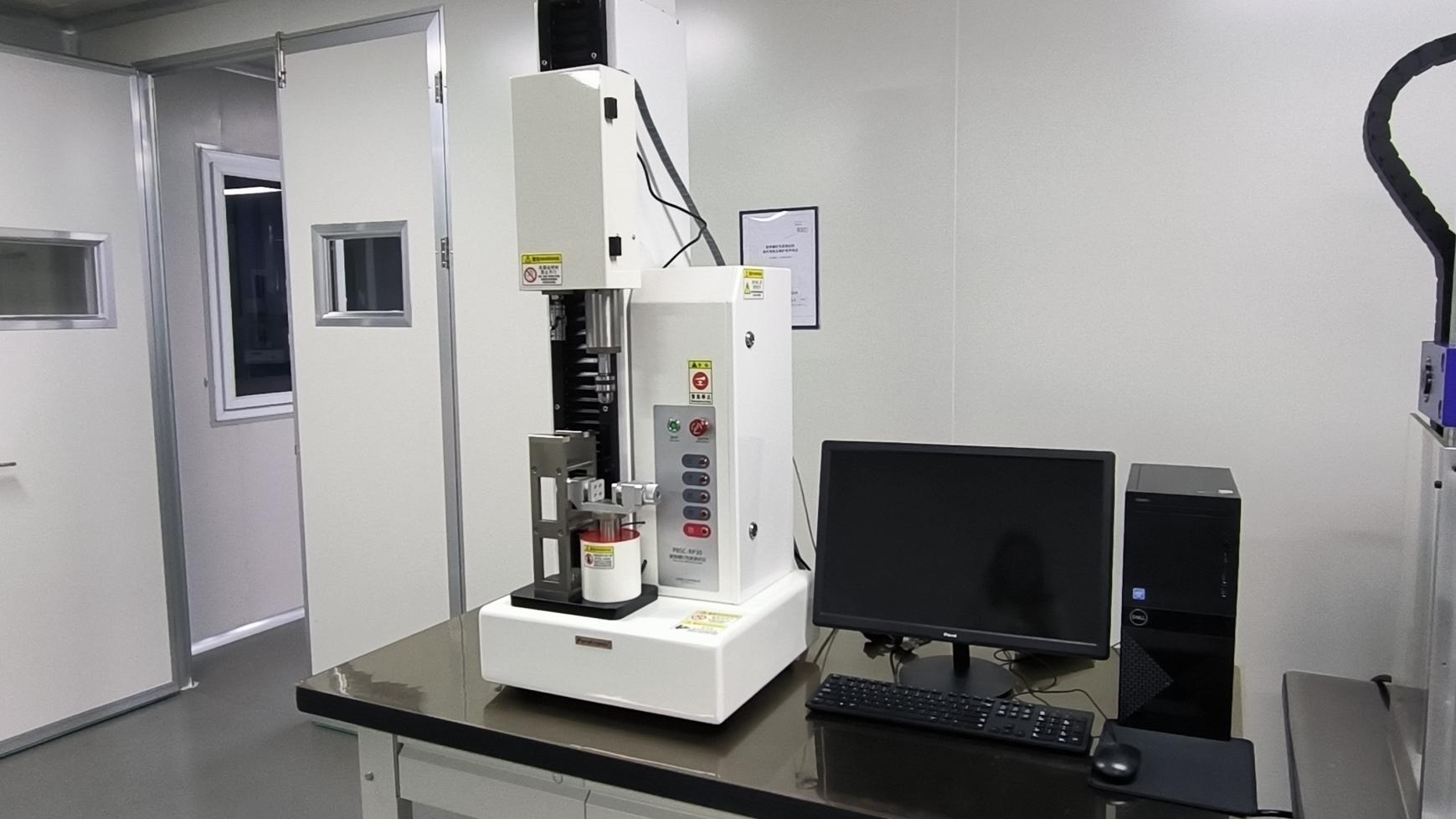
Measures compression failure points under simulation constraints.
Simulates millions of cycles of mechanical loading (axial & torsional fatigue test).
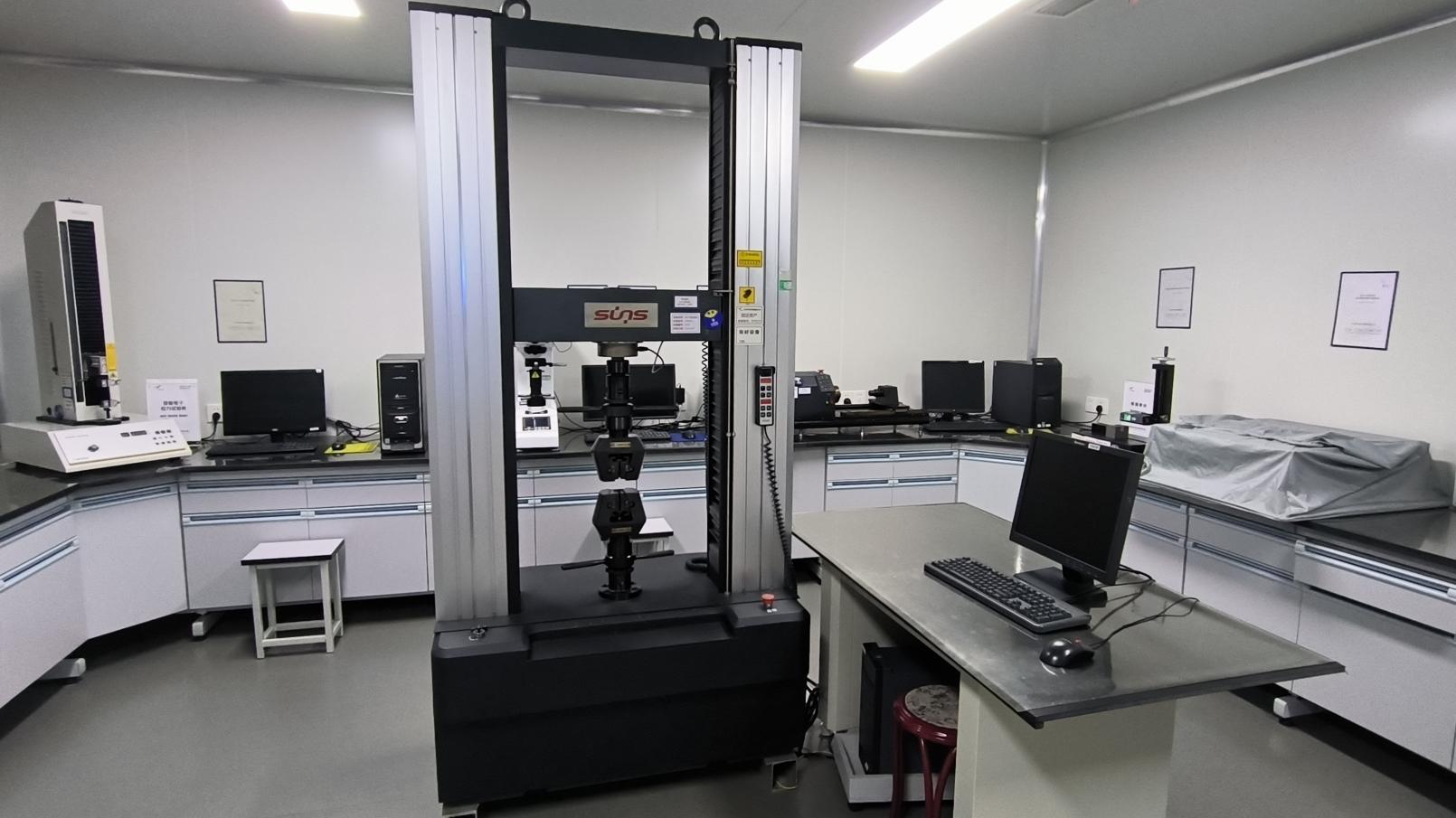
Validates material elongation and ultimate yield limits (UTM Systems).
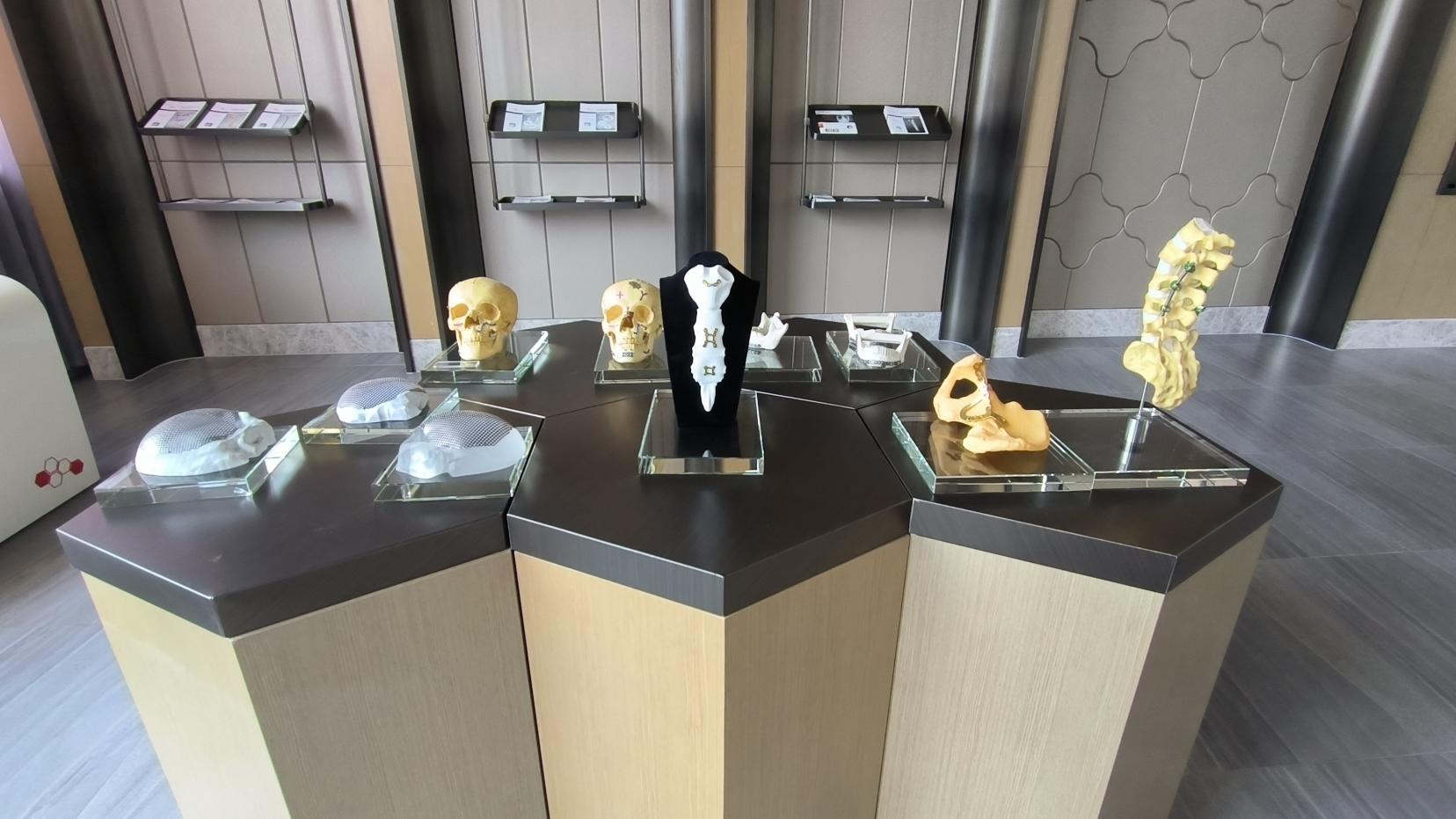
Discover our key R&D fields driving next-generation orthopedic solutions and clinical workflows.
Traditional metal hardware often requires a second extraction surgery. Our research into bioabsorbable PLA, PGA, and Magnesium Alloys ensures that transient components (like ACL fixation screws) naturally metabolize as healthy bone regenerates, minimizing overall patient recovery cycles.
By embedding miniature wireless piezoresistive sensors within hip and knee joint reconstructions, real-time stress data, wear rates, and intra-articular pressure levels can be directly monitored post-surgery, optimizing patient rehabilitation through IoT connectivity.
We are integrating selective acid etching and Plasma-Sprayed Hydroxyapatite (HA) coating lines. This creates microscopic surface topography that prompts rapid biological fixation, mimicking human bone anatomy for superior osseointegration.
Manufacturing critical trauma, spine, and joint implants demands strict adherence to rigorous engineering protocols. Standard grade titanium alloys, while highly bio-compatible, present extreme machining challenges. Due to low thermal conductivity and rapid work hardening, machining components like the Locking Compression Plates (LCP) requires high-precision toolsets, real-time cooling, and carefully calibrated feed rates to prevent micro-structural micro-fractures in the material.
Our manufacturing facility utilizes high-speed Swiss-type lathes and 5-axis CNC centers optimized for complex geometries. PEEK machining requires even greater thermal monitoring to prevent thermal stress deformation. Post-machining, all biomechanical components undergo automated tumbling, chemical validation, and clean-room packaging (Class 10,000 / ISO Class 7 equivalent) to ensure zero cross-contamination before shipping to our global OEM partners.
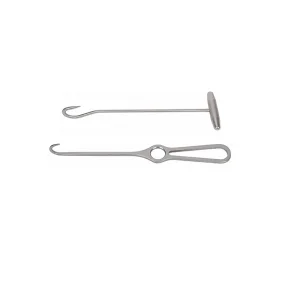
Examine our full-scale clinical catalog including spinal systems, external fixators, and specialized surgical equipment.
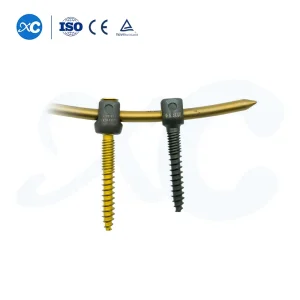
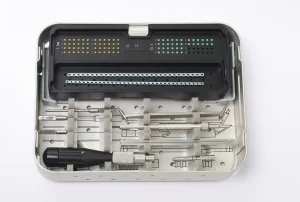

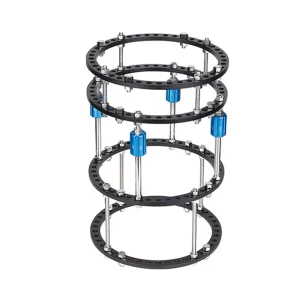
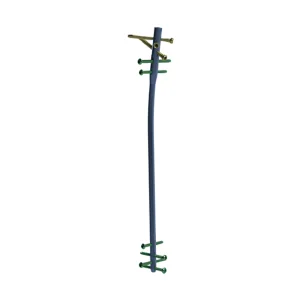
Ensuring compliance, regional registration speed, and cross-border logistics reliability.
Operating dedicated support offices in the United States and the Netherlands allows us to provide technical assistance across matching time zones. Our local specialists manage everything from import documentations to custom clearance issues.
We deploy robust double-barrier sterile packaging systems validated to ISO 11607. Leveraging Ethylene Oxide (EO) and Gamma Irradiation methods, our products arrive in sterile, ready-to-use conditions for direct hospital deployment.
Our commitment doesn't end at delivery. We maintain a proactive Post-Market Surveillance (PMS) framework that actively gathers performance feedback from clinical environments, ensuring continuous design updates and updates.
In the medical device export space, traceability is not optional. Every batch of titanium or PEEK received is subjected to spectroscopic analysis to confirm chemical composition compliance (ASTM F136 for titanium, ASTM F2026 for PEEK). Our internal quality system is certified under ISO 13485, running a continuous feedback loop from manufacturing metrics down to the surgical clean rooms.
Each shipment includes comprehensive documentation: Raw Material Mill Certificates, Biocompatibility Validation reports, EO Sterilization Process records, and complete dimensional inspection layouts. This level of verification prevents import delays and provides hospitals, regulatory authorities, and OEM brands complete confidence in their supply chain integrity.
Direct technical answers from our engineering team on materials, custom design, and global shipping policies.
We primarily utilize medical-grade Titanium Alloy (Grade 5, Ti-6Al-4V ELI conforming to ASTM F136), pure titanium (ASTM F67), PEEK-OPTIMA, and implant-grade Stainless Steel (316LVM, ASTM F138). These ensure biocompatibility, fatigue resistance, and osteointegration.
Clients submit their CAD designs (STEP/IGS files) or engineering drawings. Our engineering division reviews tolerances, conducts virtual stress testing via FEA (Finite Element Analysis), and designs custom CNC tooling patterns to secure production runs.
We hold ISO 13485:2016 Quality Management System certification. 214 of our catalog products carry valid CE certificates, and we maintain registration profiles with local ministries of health in 60+ countries to facilitate import approvals.
We perform fatigue limit testing (ASTM F543 for bone screws, ASTM F382 for bone plates), tensile strength evaluations, torque testing, and corrosion resistance checks. Certificates of conformance (CoC) accompany every batch.
For standard catalog alterations, delivery takes about 45 to 60 days. Complex custom OEM designs, requiring dedicated molding configurations, validation protocols, and custom packaging, generally take 75 to 90 days.
Through our dedicated overseas hubs in the United States and the Netherlands, we coordinate direct communications, rapid spare-parts distribution, and documentation support to ease import processes.
Yes, we offer both sterile-packaged configurations (Class 10,000 cleanroom packaged with double-pouch Tyvek sterilization bags) and non-sterile options, according to distributor requirements.
Each raw material lot receives a unique internal tracking code upon arrival. This code follows the product through CNC machining, polishing, clean-room wash, packaging, and sterilization, establishing complete traceability.