Blutree Orthopedic Implants
Blutree Orthopedic Implants
Blutree Orthopedic Implants
Discover our highly trusted line of arthroscopic reconstruction sets, orthopedic implants, and specialty surgical systems engineered to global standards.
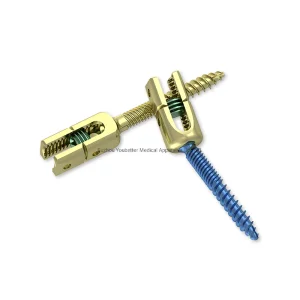
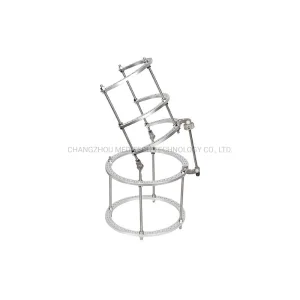
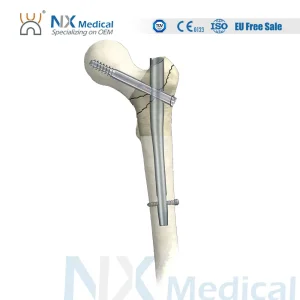
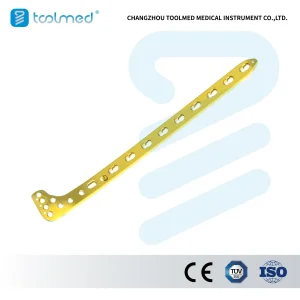
An authoritative analysis of regulatory demands, raw material innovations, and supply chain resilience for modern clinical orthopedics.
In the contemporary healthcare landscape, the demand for minimally invasive surgeries (MIS) has surged exponentially. Among these, arthroscopic procedures—specifically targeting reconstructive interventions in the knee, shoulder, hip, and small joints—have transitioned from localized operations to highly standardized clinical protocols. Because arthroscopic repairs involve operating through microscopic portals, the structural integrity, tactile feedback, and biocompatibility of the instrumentation are non-negotiable. As a leading arthroscopy instruments supplier, we understand that medical devices are more than mere assets; they are critical vectors of patient recovery and surgical efficacy.
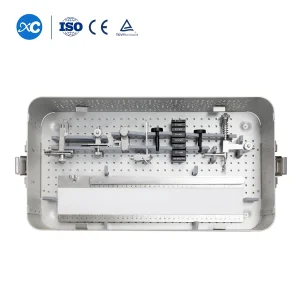
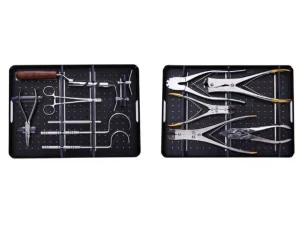
Modern sports medicine and trauma clinics require comprehensive instrumentation that reduces surgical duration while safeguarding mechanical stability. For instance, an Anterior Posterior Cruciate Ligament (ACL/PCL) Reconstruction Set must accommodate varying surgical styles, including "inside-out," "outside-in," and "all-inside" techniques. The instruments must deliver precise tibial and femoral tunneling, graft positioning, and absolute fixation security. B2B healthcare procurers, hospital administrators, and global distributors face unique challenges in balancing cost-efficiency with high E-E-A-T (Experience, Expertise, Authoritativeness, and Trustworthiness) standards. Choosing a supplier that integrates R&D, manufacturing, and direct regulatory compliance is the most effective method to mitigate clinical risks and secure long-term commercial returns.
Navigating EU MDR 2017/745, US FDA 510(k), and national registrations is essential. Our certified production facilities guarantee seamless market access across major global jurisdictions.
Utilizing premium medical-grade Titanium alloys (Ti6Al4V ELI) and Cobalt-Chromium-Molybdenum alloys. This guarantees high fatigue resistance and minimal galvanic corrosion inside intra-articular environments.
From custom patient-specific implants (PSI) to branded instrumentation kits, our vertical production line adapts dynamically to localized surgical preferences and institutional requirements.
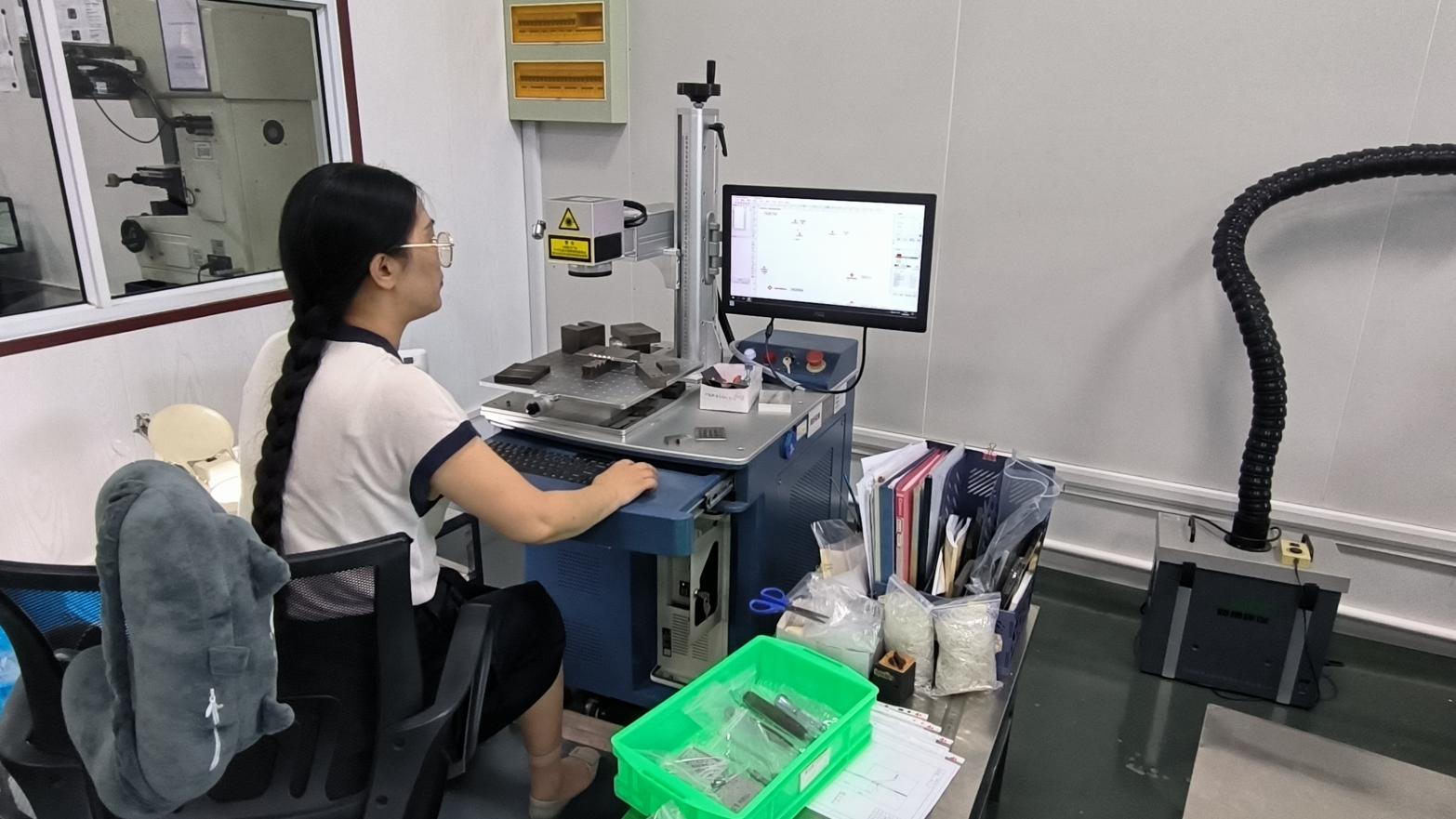
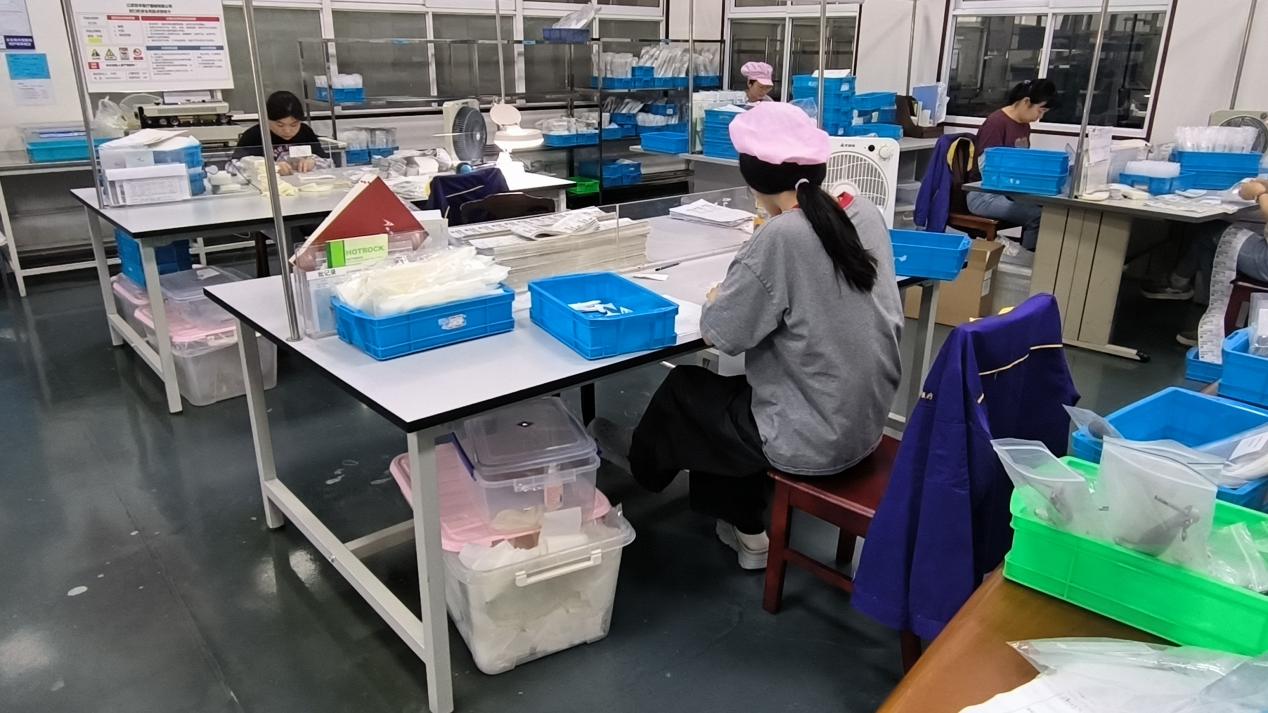
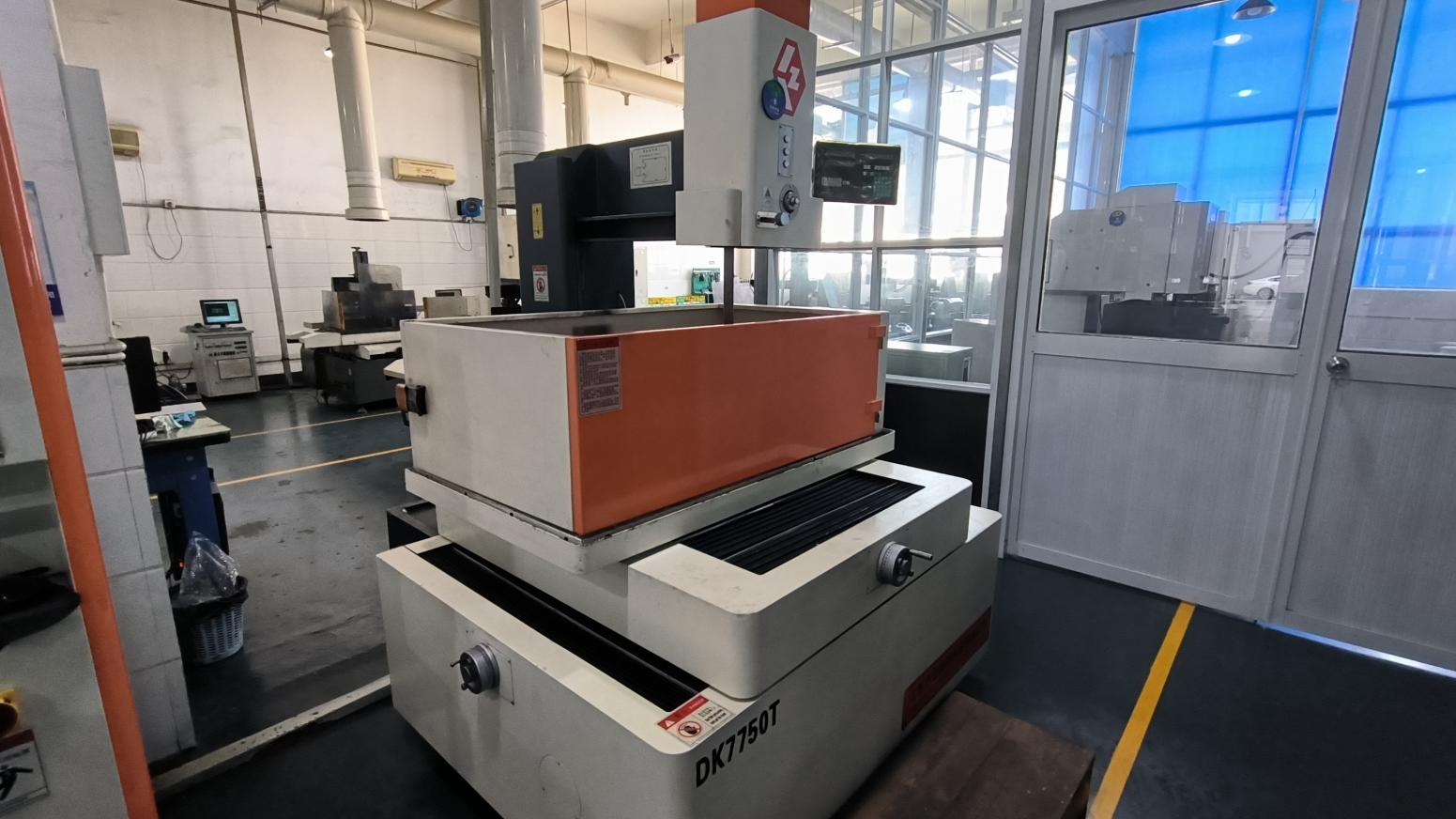
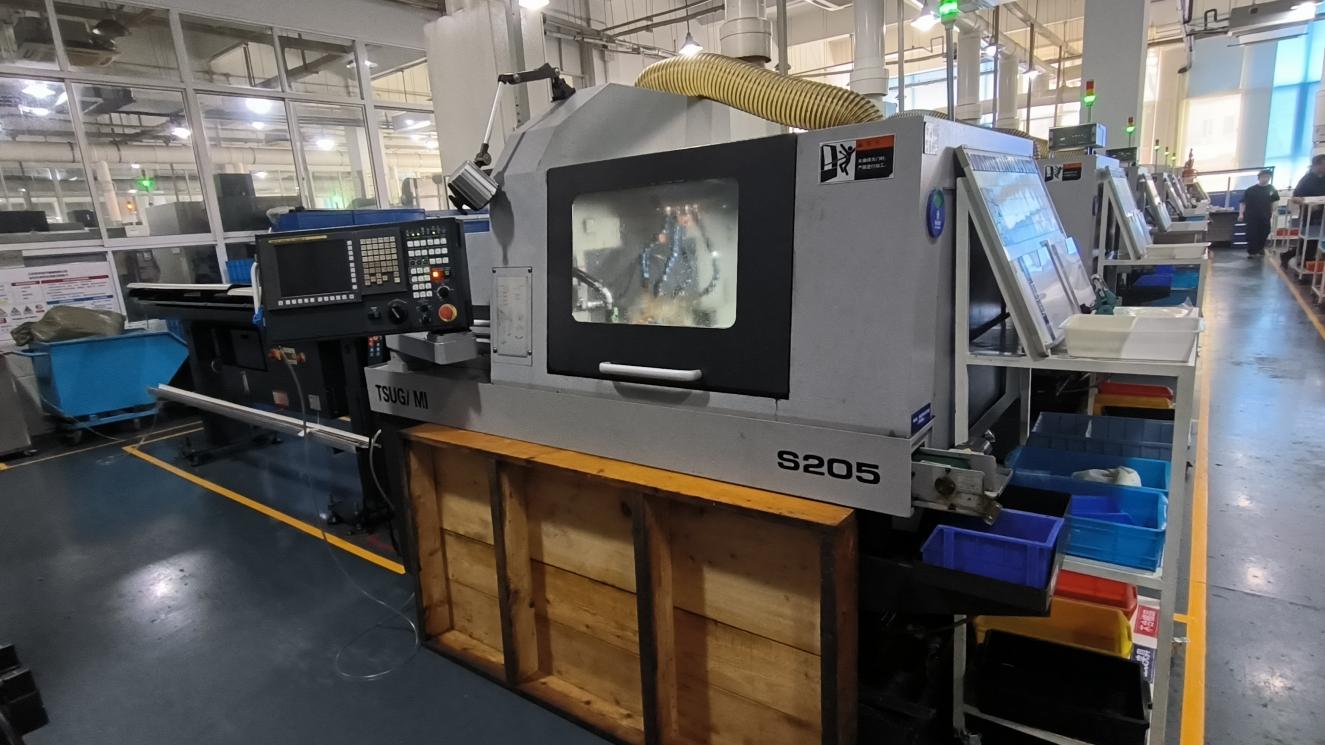
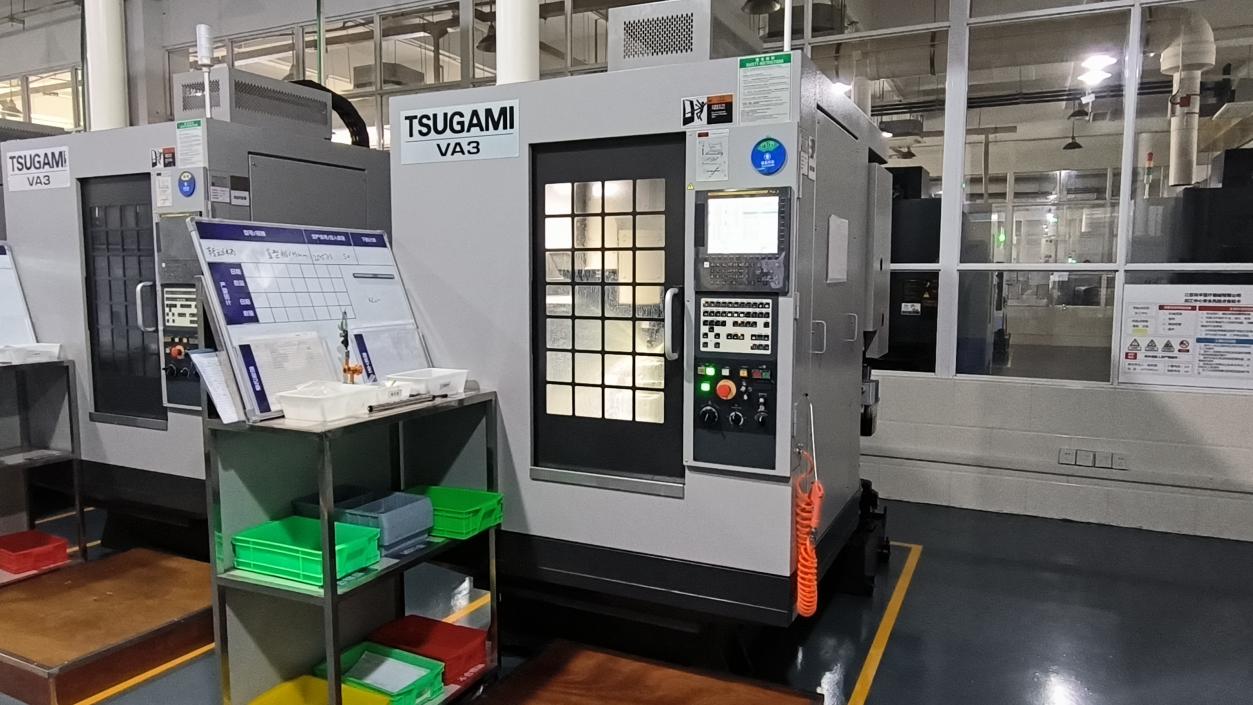
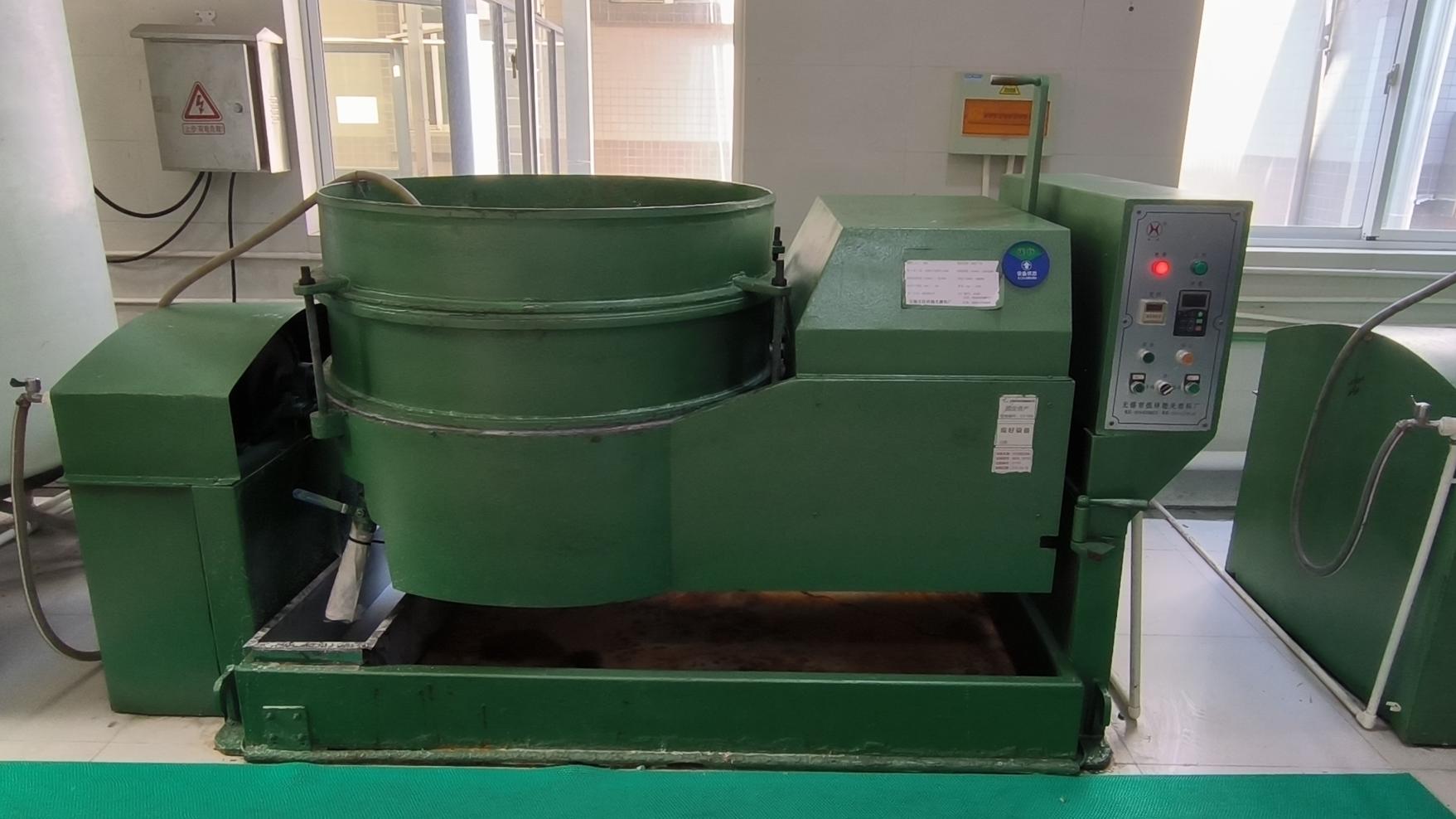
Our vertical manufacturing pipeline features precision CNC machinery, comprehensive metallurgical testing, and Class 100,000 cleanroom packaging.
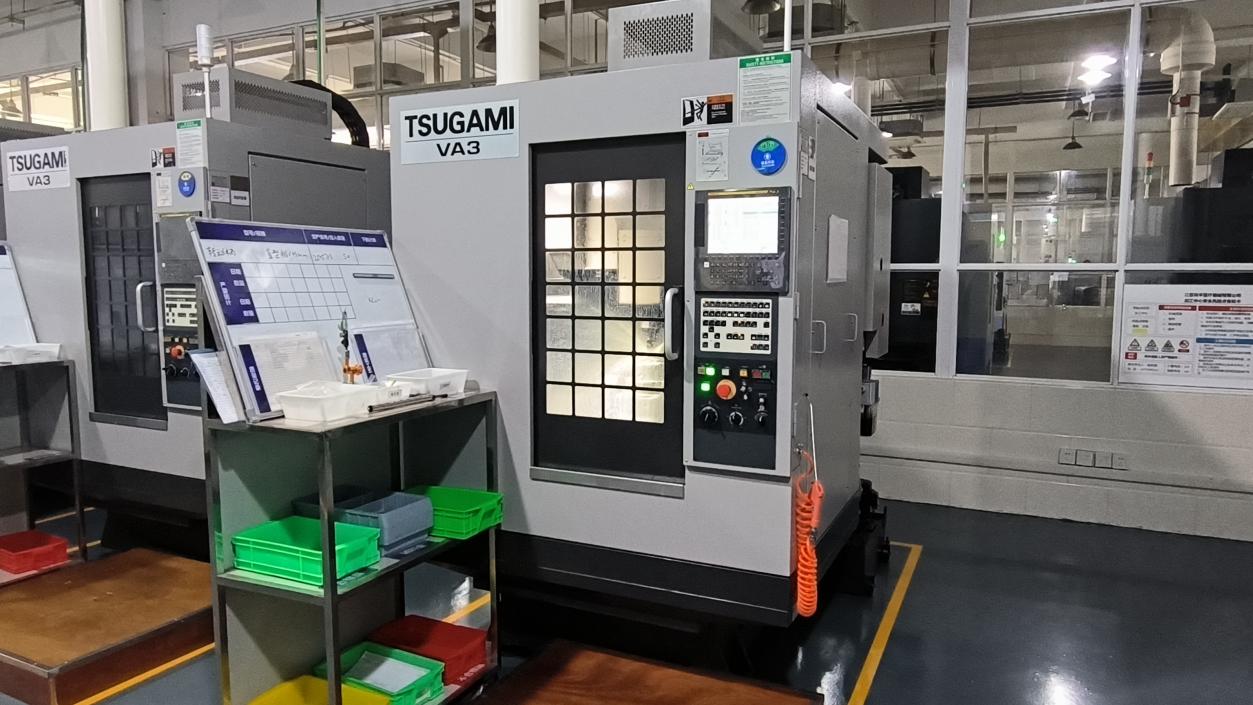
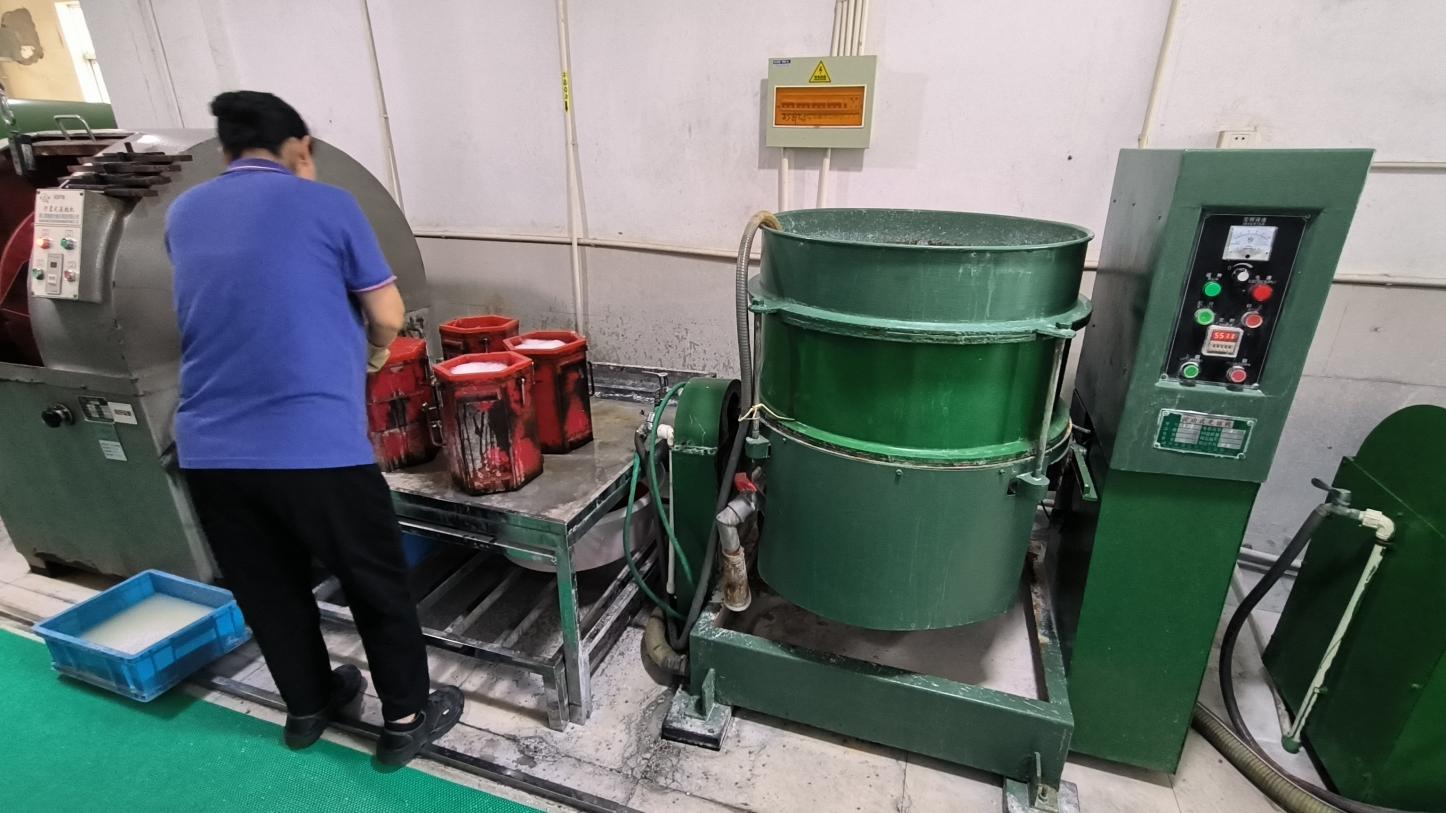
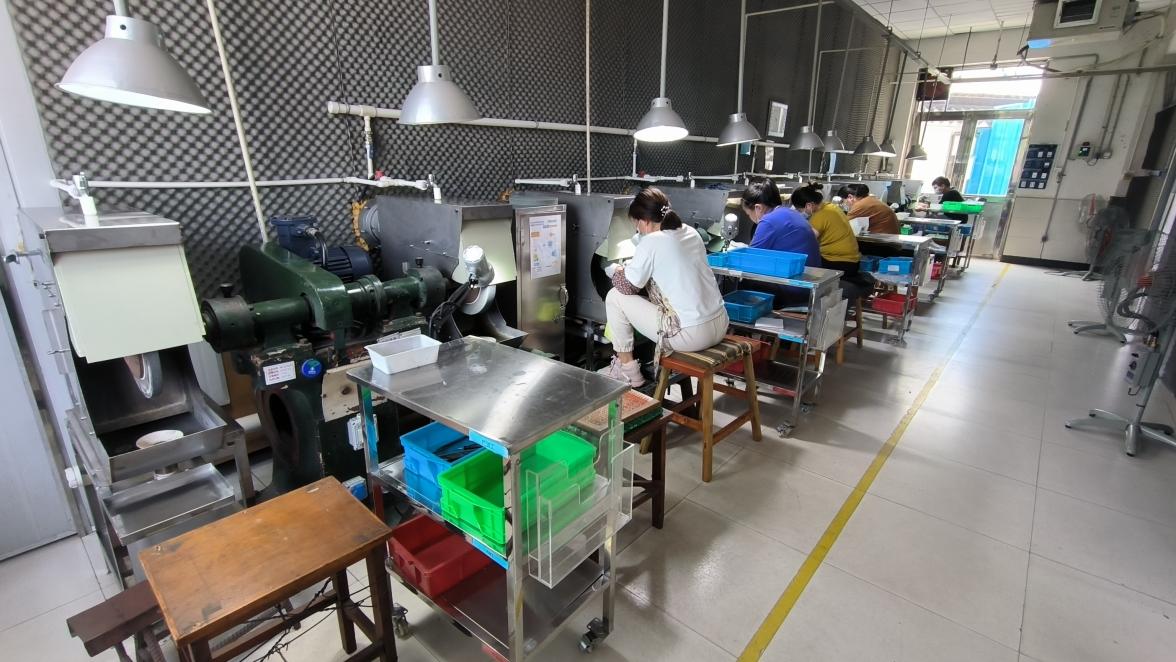
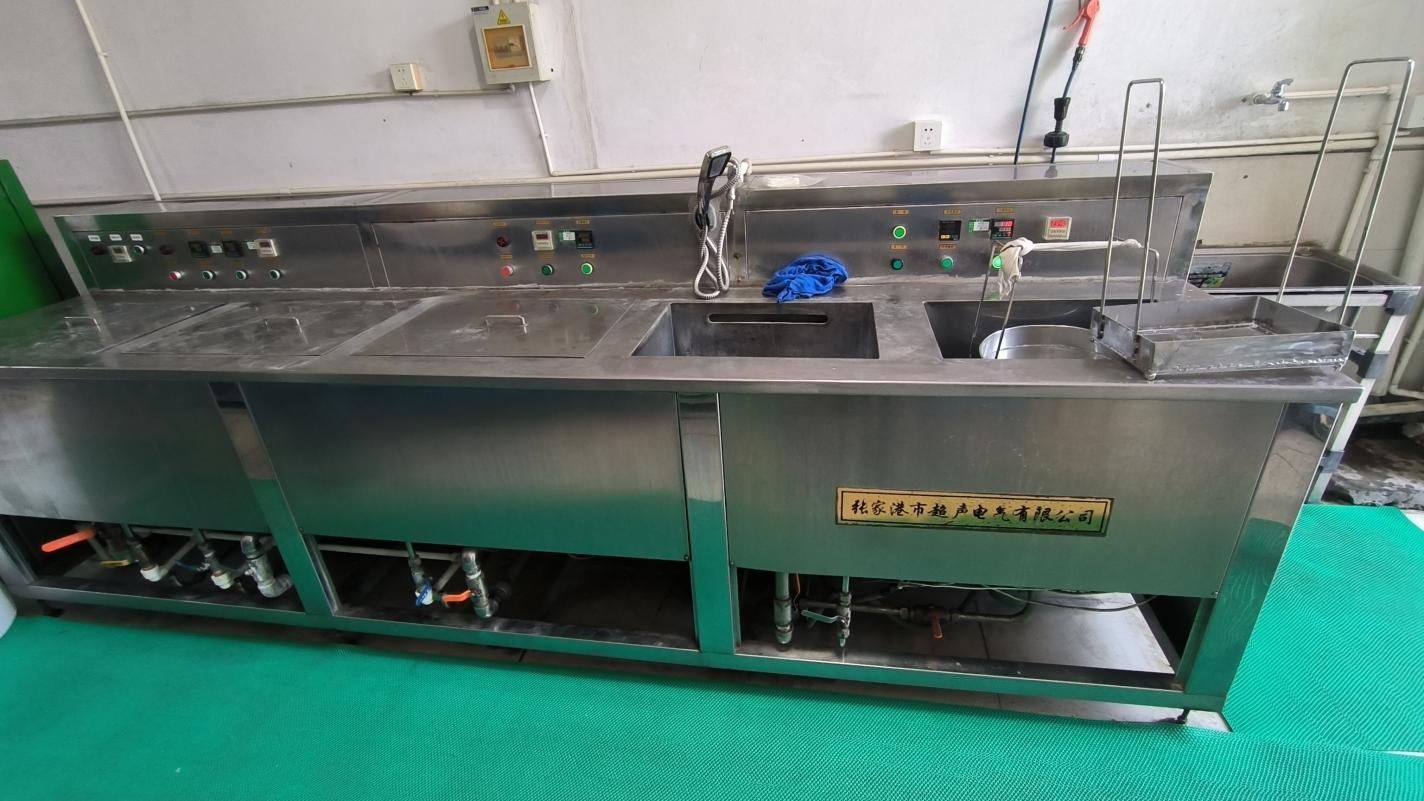
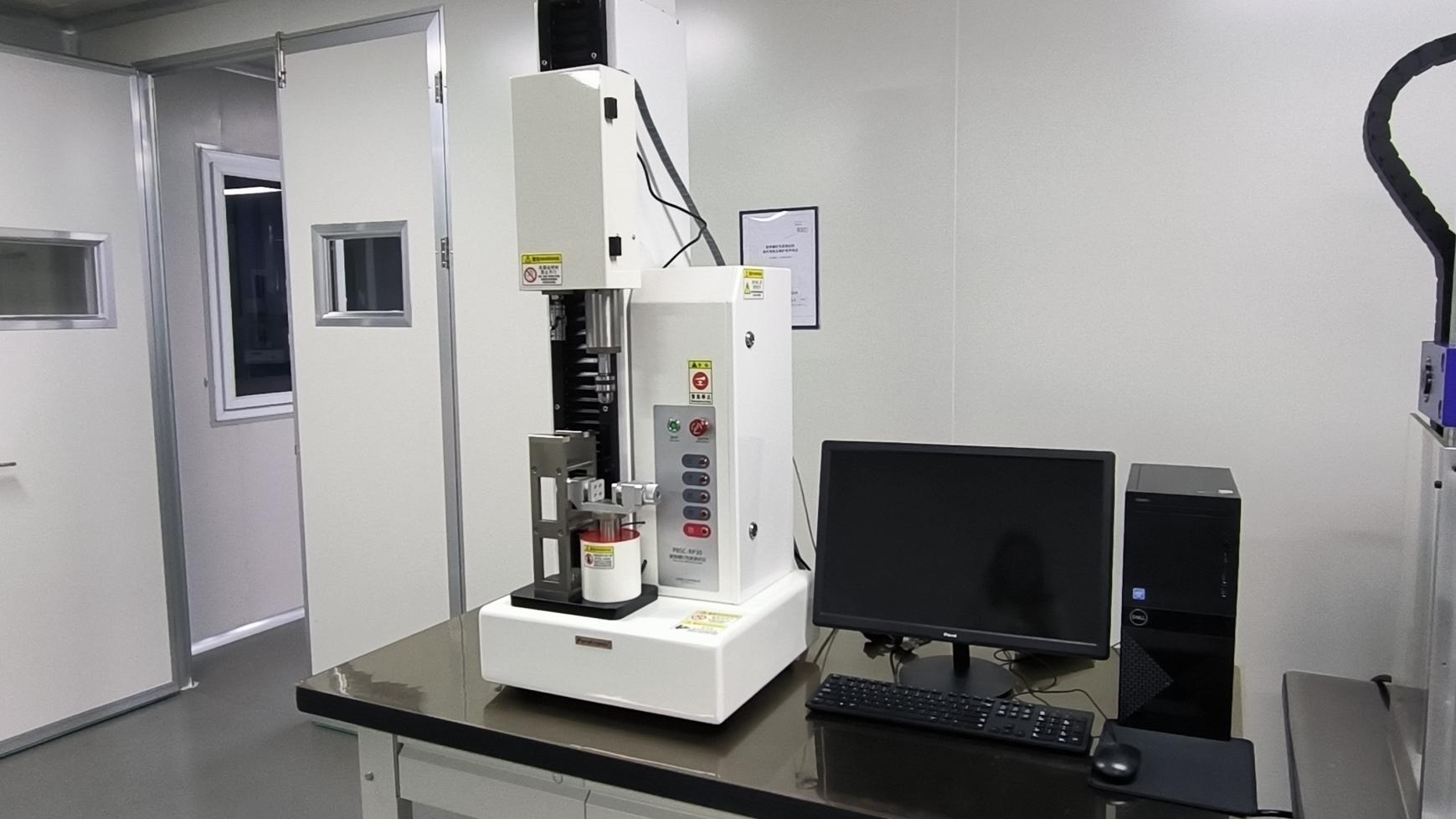
Verifies structural load capacity under extreme mechanical compression, mimicking native physiological joint stresses.
Measures cyclic wear-and-tear profiles, fatigue thresholds, and long-term lifespan projections for dynamic implant joints.
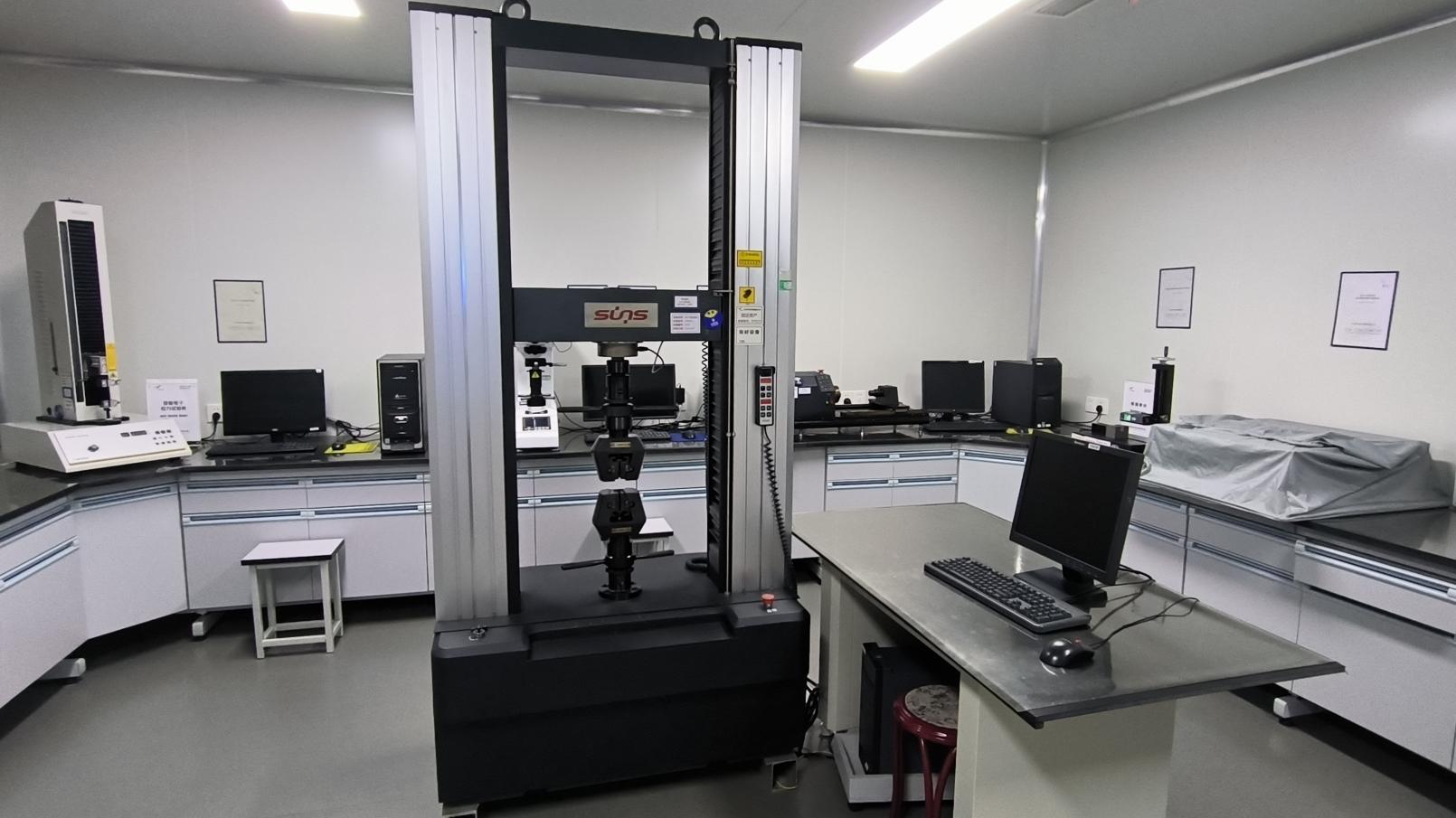
Calculates the absolute yield strength and ultimate elongation profiles of titanium mesh, suture anchors, and bone nails.
Understanding the clinical demand, localized support mechanisms, and the next-generation pipeline of smart orthopedic solutions.
In an era characterized by shifting geopolitical landscapes and supply chain bottlenecks, medical distributors and healthcare networks require robust, high-volume manufacturing partners. Working with an experienced arthroscopy instruments supplier minimizes lead times. Through our regional hubs in the United States and the Netherlands, we coordinate complex shipping schedules to ensure continuous supply. From emergency trauma kits to routine elective surgery consumables, our logistics operations utilize advanced barcode tracking and EDI integration to streamline procurement processes.
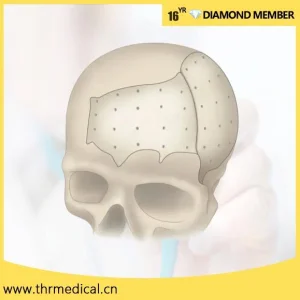
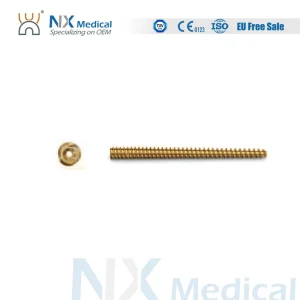
The success of arthroscopic and orthopedic interventions depends heavily on surface science and metallurgical formulation. Our titanium intramedullary interlocking nails and cannulated compression screws undergo precise surface anodization. This electrochemical technique enhances the native oxide layer, improving wear resistance, reducing ion release, and fostering superior osteointegration. Additionally, our cranial trauma meshes and maxillofacial plate systems are manufactured with micro-textured surfaces. This design facilitates fibroblast attachment and accelerates bone regeneration post-implantation.
No two human anatomies are identical. The medical industry is transitioning from standard sizing arrays to patient-specific reconstructions. Leveraging high-resolution CT and MRI datasets, our engineering teams design custom maxillofacial and orthopedic implants. These are built using selective laser melting (SLM) 3D-printing technologies. By manufacturing implants tailored to patient-specific geometries, surgeons can achieve superior alignment, preserve more native bone, and reduce post-operative complication rates. This clinical advantage translates into shorter hospital stays and improved patient satisfaction.
Looking ahead, the next frontier in arthroscopic surgery lies in the integration of smart sensors and robotic navigation systems. We are currently developing instrument arrays equipped with miniaturized inertial measurement units (IMUs) that provide real-time trajectory and depth feedback to robotic surgical arms. Furthermore, research into bioabsorbable polymers (such as high-tensile PLLA-HA composites) for suture anchors and interference screws will minimize secondary removal surgeries, offering a more bio-friendly path to soft-tissue-to-bone healing.
Answers to critical regulatory, engineering, and logistics questions from hospital procurement officers and global medical distributors.
Expand your clinical portfolio with our certified trauma, reconstruction, and veterinary orthopedic solutions.