Blutree Orthopedic Implants Blutree Orthopedic Implants

How to Verify Orthopedic Implant Suppliers Production Technology?

Time:2026-06-27 Author:Isabella
0%

When selecting orthopedic implant suppliers, understanding how to confirm the production technology of orthopedic implants suppliers is crucial. The quality of implants directly affects patient outcomes. Thus, the verification process should not be overlooked. Reliable suppliers must demonstrate their expertise in manufacturing techniques.

Evaluating production technology involves examining several factors. One should consider the materials used, the manufacturing processes, and the certifications held by suppliers. Engaging with suppliers can yield insights into their technological capabilities. However, it’s not always easy to discern this information. Some suppliers may overstate their expertise. Caution is necessary to avoid potential pitfalls.

Accurate information is vital for making informed choices. Conducting thorough research and seeking third-party validations can help. Transparency from suppliers can be a sign of reliability. Conversely, vague responses may indicate a need for deeper inquiry. Ultimately, ensuring the efficacy of orthopedic implants starts with understanding their production technology.
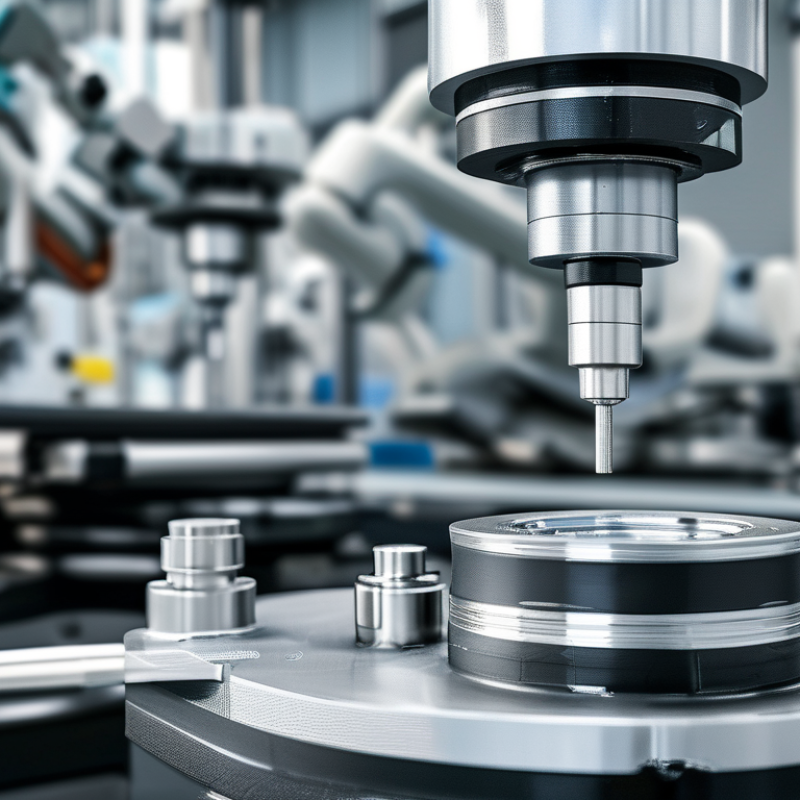
How to Verify Orthopedic Implant Suppliers Production Technology?

Identifying Key Production Technologies in Orthopedic Implant Manufacturing

Identifying key production technologies in orthopedic implant manufacturing is crucial. These technologies ensure the quality and reliability of implants. Advanced methods, such as additive manufacturing, have gained popularity. This technique allows for complex designs that traditional methods cannot achieve. It offers customization, creating implants tailored to individual patient needs.


Quality control processes are essential as well. Sophisticated inspection tools help verify product integrity. These tools include non-destructive testing and imaging techniques. Regular audits and compliance checks further enhance the production process. However, not all suppliers maintain rigorous standards, which raises concerns.


Innovation in materials is another focus area. Biocompatible materials and surface coatings improve implant longevity. However, achieving balance in cost and quality remains challenging. Suppliers must invest in research to stay competitive. Ensuring reliable partnerships can help navigate these complexities. Suppliers should clearly communicate their technology and processes to build trust.

Evaluating Supplier Certifications and Compliance Standards

When evaluating orthopedic implant suppliers, certifications play a crucial role. The ISO 13485 certification is vital; it ensures the supplier adheres to quality management principles. A study in the Journal of Orthopedic Research reported that over 75% of top implant manufacturers are ISO certified. This indicates a significant correlation between certification and product quality.

Compliance with regulatory standards is equally important. Suppliers should confirm they meet the FDA's Quality System Regulation (QSR). Non-compliance can result in severe penalties. Research shows that 30% of suppliers under scrutiny had significant gaps in meeting these regulations. To mitigate risks, companies should request documentation of compliance and conduct audits.

Furthermore, organizations need to assess suppliers’ adherence to safety standards like ASTM F 2781. This standard addresses fatigue resistance in orthopedic implants. A report from the American Academy of Orthopedic Surgeons highlighted that implants failing to adhere to these standards posed higher risks of complications. Regularly reviewing suppliers' compliance ensures ongoing reliability and safety in orthopedic solutions.

Assessing the Quality Control Processes in Production Facilities

When evaluating orthopedic implant suppliers, assessing quality control processes is crucial. Reliable manufacturers implement stringent measures to ensure that every product meets high standards. They often utilize advanced technologies such as automated inspection systems. This technology helps identify defects early in the production process.

Regular audits and assessments of manufacturing facilities are essential. These evaluations can reveal inconsistencies in production. Observing how a facility responds to quality issues can be insightful. It's important to understand that not all suppliers may have robust quality control. Some may fall short, leading to potential risks in patient safety.

Documentation plays a significant role in quality assurance. Suppliers should maintain detailed records of their production processes. These records provide transparency and allow for traceability. However, incomplete documentation can indicate weak quality control practices. Therefore, assessing these processes helps industry professionals choose trustworthy suppliers.

Production Technology Assessment for Orthopedic Implant Suppliers

Conducting Site Visits and Audits of Supplier Manufacturing Plants

Conducting site visits and audits of orthopedic implant suppliers' manufacturing plants is crucial for ensuring quality and safety. During these visits, it is essential to assess the facility's capabilities and processes. Observing the production line helps identify the technologies suppliers utilize. Verifying that modern equipment and techniques are in place can prevent future issues.

While on-site, auditors should focus on various aspects. Examining the cleanliness of the environment is vital. A sterile setting reflects a commitment to safety. Additionally, engaging with staff can provide insight into operational procedures. Are the workers well-trained? Do they understand their roles clearly? Such interactions can reveal the overall effectiveness of supplier training programs.

However, not all observations may present a positive picture. Some suppliers may have outdated technologies. Others might lack proper documentation practices. Identifying these shortcomings is critical. Continuous improvement should be a primary goal for the supplier. Seeking clarification on discrepancies fosters transparency. Addressing these issues can significantly enhance the reliability of orthopedic implants in the long run.

Reviewing Customer Feedback and Product Performance Data

When verifying orthopedic implant suppliers, analyzing customer feedback and product performance data is crucial. A report from the American Academy of Orthopedic Surgeons indicates that 30% of implant failures are linked to poor manufacturing practices. Buyers should seek detailed feedback from surgeons who use these products. Their insights can reveal whether implants meet safety and performance standards.

Understanding performance metrics is essential. Look for data related to post-operative complications, success rates, and longevity of implants. For instance, according to a recent study, implants with over 90% success rates are considered optimal. Suppliers should provide transparent access to this data. However, be cautious; not all suppliers maintain comprehensive records.

Tip: Regularly check online reviews and forums. They often highlight recurring issues. It's also wise to ask for references from past clients. Direct communication with healthcare professionals can uncover potential red flags. Remember, the best products often come with a history of consistent performance.

FAQS

: Why is identifying key production technologies important in orthopedic implant manufacturing?

: It ensures the quality and reliability of implants, which are crucial for patient safety.

What advanced manufacturing method has become popular in this field?

Additive manufacturing allows for complex designs and customization for individual patients.

How does quality control impact orthopedic implant production?

Quality control processes, including inspections, are vital to verify product integrity and prevent defects.

What technologies are used in quality control for implants?

Sophisticated inspection tools like non-destructive testing and imaging ensure high product standards.

Why is documentation important in quality assurance?

Detailed records provide transparency and traceability but incomplete documentation may indicate weaknesses.

What should be assessed during site visits to suppliers?

The facility’s cleanliness, modern equipment, and staff training effectiveness should all be evaluated.

How can auditors determine if a supplier maintains quality standards?

Observing their response to quality issues during audits reveals the reliability of their processes.

What challenges do suppliers face in materials innovation?

Balancing cost and quality while investing in research to remain competitive is a continuous challenge.

Why is engaging with staff important during site visits?

It helps understand operational procedures and the effectiveness of training programs for workers.

What is a common issue with some orthopedic implant suppliers?

Some may have outdated technologies or lack proper documentation practices, leading to potential risks.

Conclusion

In the process of understanding how to confirm the production technology of orthopedic implants suppliers, it is crucial to identify the key production technologies utilized in their manufacturing processes. This involves evaluating the suppliers' certifications and compliance with industry standards, as these factors play a vital role in ensuring the reliability and safety of the implants.

Additionally, assessing the quality control measures in place within the production facilities is essential. Conducting site visits and audits allows for a firsthand evaluation of the manufacturing environment, while reviewing customer feedback and product performance data can provide insights into the effectiveness of the suppliers’ production technologies and overall product quality. By following these steps, stakeholders can make informed decisions about the reliability of orthopedic implant suppliers.

Isabella

Isabella

Isabella is a dedicated marketing professional with a sharp focus on driving brand growth and engagement through strategic content creation. With an extensive background in digital marketing, she combines her passion for storytelling with her keen understanding of industry trends to deliver......