Blutree Orthopedic Implants Blutree Orthopedic Implants

What is a Trauma Instrument Kit and How to Choose One?

Time:2026-03-30 Author:Henry
0%

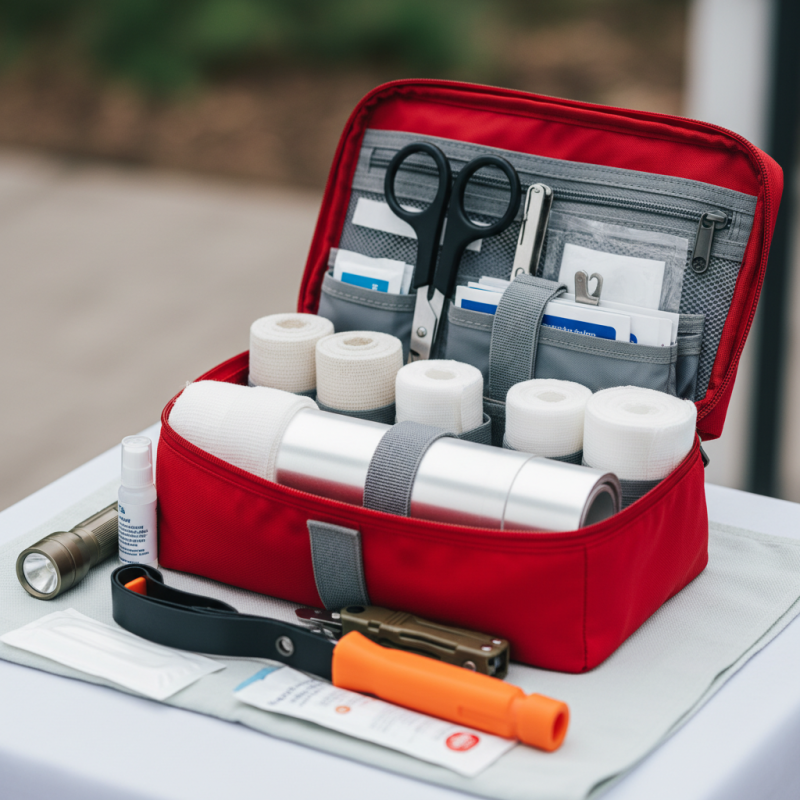
When it comes to emergency situations, a Trauma Instrument Kit is essential. It serves as the first line of defense in treating injuries. Understanding what a Trauma Instrument Kit contains can make a significant difference in critical situations. These kits typically include various tools, such as bandages, scissors, and splints. Each item has a specific purpose designed to stabilize patients until professional help arrives.

Choosing the right Trauma Instrument Kit is crucial. Consider the environment where you will use it. For outdoor activities, a compact kit might be ideal. In contrast, a more comprehensive kit could be necessary for hospitals or clinics. Pay attention to the quality of each instrument. Reliable tools ensure better outcomes in emergencies.

Reflection on personal experiences can guide your choice. Perhaps you’ve seen a kit that lacked essential items. This can highlight the importance of thorough research. Not all kits are created equal, and understanding your specific needs is vital. A well-chosen Trauma Instrument Kit can save lives when it matters most.
What is a Trauma Instrument Kit and How to Choose One?

What is a Trauma Instrument Kit and Its Importance in Emergency Care

A trauma instrument kit is essential in emergency care. It contains tools for immediate response to traumatic injuries. These kits are designed to provide fast and efficient treatment. This can mean the difference between life and death in critical situations. According to a 2021 report by the American College of Surgeons, timely intervention can reduce mortality rates significantly. In emergencies, every second counts.

When choosing a trauma instrument kit, consider the types of injuries commonly encountered. The National Trauma Data Bank indicates that most traumatic injuries involve bleeding, fractures, or airway obstruction. The kit should include items such as tourniquets, hemostatic dressings, and airway management tools. Each component plays a vital role in managing injuries effectively. However, many kits often lack essential tools for specific environments, like remote areas. This oversight warrants attention and can impact outcomes.

Additionally, training in using these tools is crucial. Reports show that over 50% of healthcare providers feel unprepared in trauma situations. Familiarity with the kit can greatly enhance efficiency during emergency care. It’s important to regularly review and update the contents of the trauma instrument kit. Adapting to evolving best practices in emergency medicine is key. Each kit should reflect both industry standards and the specific needs of the healthcare provider’s environment.

Key Components of a Trauma Instrument Kit: An Overview of Essential Tools

A trauma instrument kit is vital for emergency situations. It contains essential tools for immediate care. Understanding the key components can help you make an informed choice.

Essential tools include bandages, splints, and hemostatic agents. Bandages help control bleeding and protect wounds. According to the CDC, effective wound management reduces complications by 30%. Splints stabilize fractures, allowing for safer transport. Hemostatic agents accelerate blood clotting. These items can be life-saving during critical moments.

Another important component is tweezers and scissors. Tweezers help remove foreign objects. Scissors are essential for cutting clothing or bandages. A study by the American Red Cross emphasizes that quick access to these tools can significantly improve patient outcomes. Choosing the right kit involves assessing the types of injuries you may face. Consider your environment and risks. Portable kits are ideal for travel, while larger kits suit fixed locations.

Factors to Consider When Choosing a Trauma Instrument Kit for Different Scenarios

Choosing the right trauma instrument kit is crucial for first responders. Various scenarios demand different tools. Understanding these needs can save lives. Consider the environment where you'll use the kit. Urban settings may require compact designs, while wilderness areas benefit from more extensive supplies.

When selecting a kit, think about the types of injuries you might encounter. Data shows that over 90% of emergencies involve trauma. Essential items include bandages, scissors, and immobilization devices. These tools should be easy to access and use quickly.

Tips: Regularly inspect your kit for expired items. Keep it organized to save time during emergencies. Remember, a well-prepared kit reflects your readiness to act.

Some users find it challenging to assess their needs accurately. Relying solely on generic kits can lead to gaps in essential supplies. Evaluate your specific situation to enhance readiness. Tailoring your kit not only improves outcomes but also builds confidence in emergency responses.

Industry Standards and Guidelines for Trauma Instrument Kit Selection

Selecting a trauma instrument kit requires careful consideration of industry standards and guidelines. Various health organizations establish criteria to ensure safety and efficacy. It's essential to familiarize yourself with these guidelines, especially when the stakes are high in trauma situations.

The selection process typically examines the types of instruments included. Each kit should have essential components, such as scissors, forceps, and suturing tools. Look for kits that meet local regulations and international best practices. Quality matters greatly; inferior instruments can fail at critical moments.

While choosing a kit, reflect on your specific needs. The setting of use influences the choice. Not every kit fits every scenario. It's beneficial to consult professionals who understand these nuances deeply. Collecting their insights can guide you toward a more informed decision.

What is a Trauma Instrument Kit and How to Choose One?

Dimension Details
Purpose To provide essential instruments needed for trauma care.
Key Instruments Scissors, forceps, clamps, sutures, and scalpels.
Compliance Must adhere to local health regulations and industry standards.
Storage Conditions Should be stored in a clean, dry environment to prevent contamination.
Training Requirements Users must be trained in proper usage of the instruments.
Maintenance Regular inspections and sterilization are necessary.
Shelf Life Check manufacturer guidelines for expiration dates.
Customization Options Available upon request based on specific trauma care needs.

Comparative Analysis of Trauma Instrument Kits: Quality and Efficacy Ratings

When exploring trauma instrument kits, quality and efficacy become paramount. A thorough comparative analysis reveals various options, each suited for different situations. Some kits offer basic tools, while others include advanced instruments for complex trauma. Evaluating materials is essential. High-grade metals and durable plastics often indicate longevity.

Efficacy ratings vary based on user testimonials. Many professionals report significant benefits when using well-rated kits in emergency settings. Specific tools, like hemostatic devices, can determine outcomes in critical moments. However, not every kit performs similarly in diverse environments. Differences in design and tool variety influence the user experience.

Identifying the right kit requires careful consideration of intended use. Kits designed for wilderness emergencies differ from those meant for urban settings. The availability of multiple instruments can also affect usability. It’s vital to reflect on personal experiences and seek expert opinions. Balancing quality with practicality ensures a reliable choice that meets real-world needs.

Comparative Analysis of Trauma Instrument Kits: Quality and Efficacy Ratings

This bar chart compares the Quality and Efficacy ratings of five different trauma instrument kits, providing insights into their performance. The ratings are scored on a scale from 1 to 10.

FAQS

: What is a trauma instrument kit?

: A trauma instrument kit contains tools for immediate response to traumatic injuries in emergency situations.

Why is a trauma instrument kit important?

It provides fast and efficient treatment, crucial for saving lives in critical situations.

What should be included in a trauma instrument kit?

Kits should contain tourniquets, hemostatic dressings, and airway management tools to manage various injuries.

How can the environment affect the choice of a trauma kit?

Urban areas may need compact kits, while wilderness settings might require extensive supplies for different scenarios.

Why is training important for using a trauma kit?

Over 50% of providers feel unprepared in trauma situations; familiarity boosts efficiency during emergencies.

How often should a trauma kit be inspected?

Regular inspections are essential to check for expired items and ensure the kit is organized for quick access.

What common issue do users face when selecting kits?

Many struggle to accurately assess their needs, which can result in gaps in essential supplies.

What percentage of emergencies involve trauma?

Data indicates that over 90% of emergencies involve some form of trauma.

How can tailoring a kit improve emergency response?

Customizing your kit enhances readiness and can significantly improve outcomes during emergencies.

Conclusion

A Trauma Instrument Kit is a crucial component in emergency care, providing healthcare professionals with the necessary tools to manage severe injuries effectively. Understanding its importance involves recognizing how these kits facilitate rapid response in life-threatening situations. Essential tools typically included in a Trauma Instrument Kit encompass items like bandages, splints, and diagnostic equipment, each serving a specific purpose to stabilize patients until further medical assistance can be provided.

When selecting a Trauma Instrument Kit, factors such as the intended use, specific scenarios, and adherence to industry standards are vital. Evaluating the quality and efficacy of various kits through comparative analysis can guide users in making informed decisions tailored to their needs. Ultimately, a well-chosen Trauma Instrument Kit not only enhances the efficiency of emergency care but also improves patient outcomes in critical moments.

Henry

Henry

Henry is a dedicated marketing professional with a profound expertise in the company's offerings. With years of experience in the industry, he possesses an impressive understanding of the market dynamics and consumer behaviors that drive success. Henry is committed to sharing his insights through......