Blutree Orthopedic Implants
As we approach the 139th Canton Fair, the spotlight on femur locking plates is undeniable. Industry expert Dr. James Thompson, known for his extensive research in orthopedic innovations, states, "The evolution of femur locking plates signifies a shift towards better patient outcomes." This trend reflects not only technological advancements but also a growing commitment to surgical precision.
The Canton Fair is not just a trade event; it serves as a melting pot for cutting-edge medical equipment. The incorporation of AI features, like intelligent search capabilities, enhances the experience for buyers seeking femur locking plates. With over 1.5 million square meters of exhibition space, the efficiency of navigating this vast area is crucial for making informed decisions.
Despite these advancements, challenges remain. Many manufacturers still struggle with quality standards. Ensuring that femur locking plates meet strict certifications like ISO and CE can be confusing. The excitement around the showcase of femur locking plates must also navigate these complexities. An ongoing dialogue about improvements is essential as we explore this evolving market.
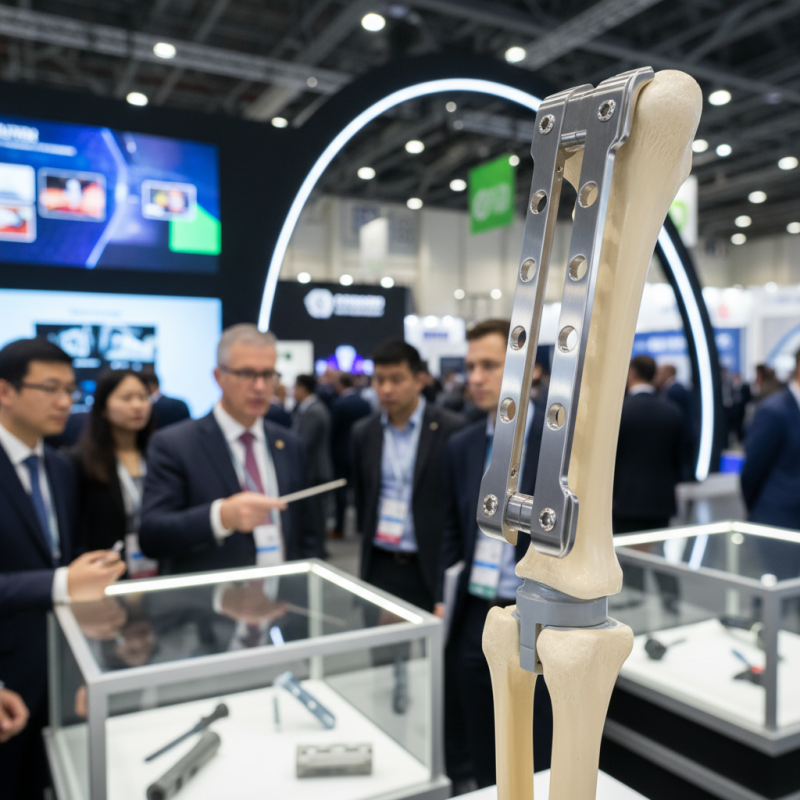
Femur locking plates are crucial in orthopedic surgeries. They provide stability to fractured bones, aiding in proper alignment. According to a recent report, these devices reduce healing time by 30%. This is significant for both patients and healthcare providers. Faster recovery translates to lower healthcare costs and improved patient satisfaction.
The design of femur locking plates has evolved. New materials are being used to enhance strength while minimizing weight. This is vital in reducing the strain on surrounding tissues. However, there is still room for improvement. Some plates can cause complications, like infection or irritation. Research indicates that nearly 15% of patients experience such issues post-surgery. This highlights the importance of careful selection and application by surgeons.
Patient feedback also shows mixed results. Some reported discomfort due to plate positioning. Others appreciated the quicker return to mobility. This discrepancy points to the need for ongoing advancements in design and technique. Improved materials and better educational resources can shape future trends in femur locking plates. Addressing these challenges is essential for enhancing overall outcomes.
The 139th Canton Fair showcased exciting innovations in femur locking plates. Attendees were captivated by the advancements in design and material. Many new products featured lightweight alloys and enhanced biocompatibility. These choices aim to support faster recovery and improved patient outcomes.
One standout innovation was the modular design. It allows for personalized fitting to different patient anatomies. Such adaptability can potentially reduce the surgery duration. However, challenges remain in standardization. Multiple sizes can complicate inventory management for medical facilities.
Another highlight was the introduction of polymer coatings. These coatings provide enhanced resistance to corrosion. Yet, the long-term durability of these coatings raises questions. Some experts expressed concerns about their performance over time. The balance between innovation and reliability is a crucial consideration. Overall, these trends reflect a significant focus on improving usability and patient care.
| Trend | Key Innovations | Material | Market Feedback |
|---|---|---|---|
| Enhanced Locking Mechanisms | New multi-locking screw designs for improved stability | Titanium and Stainless Steel Composites | Positive, with increased acceptance in surgical environments |
| Application-Specific Plates | Designs tailored for pediatric and geriatric patients | Biocompatible Polymers | Highly regarded for its flexibility and reduced trauma |
| Minimally Invasive Options | Innovations allowing for smaller incisions and quicker recovery | Lightweight Metals | Approval from surgeons for reduced operational time |
| 3D-Printed Custom Plates | Personalized solutions based on patient anatomy | Advanced Polymers and Metals | Positive feedback regarding fit and integration |
| Composite Materials | Integration of bioactive materials for better healing | Bioactive Glass and Other Composites | Encouraging responses, emphasizing healing rates |
The 139th Canton Fair highlighted several femur locking plate innovations. Exhibitors presented a range of advanced materials and designs. Some plates boasted enhanced stability features, showcasing a shift towards improved biomechanical performance. The increased emphasis on patient safety was evident. It's a response to ongoing discussions within the medical community regarding surgical outcomes.
During the exhibition, brands demonstrated various locking mechanisms. Some designs featured intuitive insertion tools, making them easier for surgeons to use. However, the effectiveness of these innovations remains debatable. Not all new features received universal acclaim from attendees. Feedback suggested that several designs might complicate rather than simplify the surgical process. This highlights a need for continuous improvement.
The aesthetic appeal of the showcased plates was also notable. Many featured sleek, modern designs that catch the eye. Yet, this focus on aesthetics could sometimes overshadow functionality. Ensuring that these plates perform optimally in real-world scenarios is crucial. Discussions among professionals revealed a desire for a more balance between design and practicality.
The 139th Canton Fair showcased exciting advancements in femur locking plate technologies. Innovations in materials are reshaping the orthopedic landscape. Biodegradable polymers and titanium alloys are now prominent. These materials promise durability and biocompatibility, essential for recovery. Lightweight designs reduce strain on the bone during healing. This innovation signals a shift towards patient-centric approaches in orthopedic care.
While these trends are promising, there are challenges. Some materials lack sufficient long-term data. The effectiveness of new coatings needs further validation. Questions remain about how these materials will perform in diverse conditions. Additionally, adapting designs for surgical ease remains a priority. Surgeons require reliable tools that enhance precision.
Interest in 3D printing is also notable. Customization is becoming more attainable. Printed plates can better fit unique anatomical structures. However, the integration of 3D printing in clinical settings requires careful consideration. Training and protocols are crucial. Balancing innovation with established practices is vital for successful implementation.
The femur locking plate market is experiencing significant growth in healthcare. This trend is driven by increasing surgical procedures and a rise in orthopedic injuries. As populations age, the demand for effective fracture fixation devices surges. Hospitals need reliable solutions. Femur locking plates offer stability and reduce recovery times.
Surgeons appreciate these devices for their ease of use. Many prefer them in complex cases. However, the market faces challenges such as high costs and limited access in some regions. Innovations in materials could address these issues. There is a continuous push for improvement, but not always enough focus on affordability.
Future outlook shows promising developments. Enhanced designs and biocompatible materials could attract new interest. Education around proper application remains essential. Still, the market may need more awareness in underserved areas. This could limit overall growth potential. Addressing these issues is crucial for the long-term success of femur locking plates.
: They are devices used in orthopedic surgeries to stabilize fractured bones and ensure proper alignment.
They can reduce healing time by 30%, leading to quicker recoveries for patients and lower costs for healthcare.
New designs use lightweight alloys and biodegradable polymers to enhance strength and reduce tissue strain.
Yes, about 15% of patients report issues such as infection or irritation after surgery.
Attendees saw modular designs for better fitting and polymer coatings for corrosion resistance.
Experts are unsure about their long-term durability and performance in varied conditions.
It allows for customized plates that fit unique anatomies, but requires careful integration and training.
Some patients feel discomfort from the plates, while others praise the faster return to mobility.
Mixed patient feedback and complications highlight the need for better designs and educational resources.
They need reliable tools that ensure precision and effectiveness, amidst ongoing material and design changes.
The article titled "Top Femur Locking Plate Trends at the 139th Canton Fair" provides a comprehensive overview of femur locking plates and highlights their critical role in orthopedic surgery. The discussion begins with the significance of these plates in stabilizing fractures, ensuring proper healing, and enhancing patient outcomes. Key innovations showcased at the Canton Fair include advancements in design that enhance strength and flexibility while minimizing surgical complications.
Furthermore, the article delves into emerging trends in materials and technologies utilized for femur locking plates, showcasing how modern advancements are improving performance and patient safety. A comparative analysis of leading brands highlights the competitive landscape, while also addressing market demand and the future outlook for femur locking plates in the healthcare sector. Overall, the trends emerging from this event indicate a promising future for femur locking plates in orthopedic practices.
