Blutree Orthopedic Implants
In the rapidly evolving field of orthopedic implants, understanding how to verify the real production scale of orthopedic implants makers is vital. Many factors contribute to the credibility of a manufacturer. Yet, the sheer volume of options can sometimes obscure the quality of products. Being informed is crucial for both patients and professionals.
Evaluating a manufacturer’s production scale involves various strategies. Inspection of facilities can reveal their actual capabilities. Analyzing production certifications is equally important; they often signify quality standards. Engaging in dialogue with company representatives can provide insights into their operational integrity. However, this doesn’t guarantee transparency.
Ultimately, verifying production scale requires a blend of keen observation and strategic questioning. Manufacturers may present polished images, yet true reliability often lies in the details. There is no perfect checklist; industries vary widely, making verification challenging at times. This complexity underlines the importance of adopting a critical approach when assessing orthopedic implant makers.
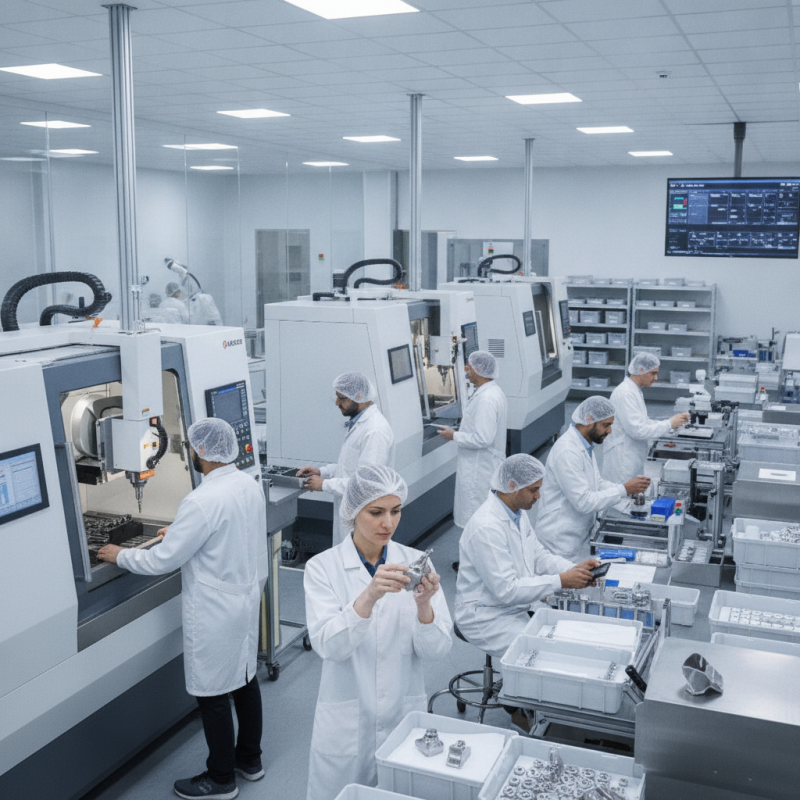
Understanding the production scale of implant manufacturers is crucial for quality assurance and market reliability. According to a report from the International Journal of Advanced Manufacturing Technology, nearly 70% of implant failures can be traced back to production inconsistencies. A manufacturer’s ability to maintain a controlled production scale directly influences the outcomes of surgical implants. Small-scale operations may lack the rigorous quality checks that larger facilities implement.
Production scale also dictates the availability of advanced technology and skilled labor. A study by MarketsandMarkets suggests that companies with greater manufacturing capacity invest 25% more in R&D. This leads to the development of innovative solutions, enhancing the safety and effectiveness of implants. Facilities producing high volumes can also achieve economies of scale, reducing costs and potentially passing savings to healthcare providers. However, data from the FDA indicates that rapid scaling may compromise quality processes if not managed carefully.
Not all manufacturers prioritize transparency regarding their production scale. Companies may present production capabilities in a way that elevates perceived reliability, yet fail to meet essential industry certifications. It's vital for stakeholders to conduct thorough evaluations, looking beyond surface-level claims. By understanding the production scale, surgical teams can make informed choices that ultimately impact patient care.
When evaluating the production capacity of implant makers, several key factors come into play. One critical aspect is their manufacturing capabilities. Look at the technology they use, including automation and quality control systems. Sophisticated machinery can enhance precision but requires skilled operators to function effectively. Assess their ability to scale production without compromising quality.
Another essential factor is workforce expertise. Having experienced engineers and technicians is vital for maintaining high production standards. Communication between departments also influences how efficiently production runs. A well-coordinated team can quickly address problems, increasing overall output.
Finally, consider the supply chain. A robust supply chain ensures that materials are available when needed, avoiding delays. Yet, even the best plans can go awry. Suppliers may falter, and unexpected fluctuations in material costs can arise. It's essential for implant makers to navigate these challenges successfully.
This bar chart illustrates the production capacity of implant makers over five years. The increase in units produced demonstrates the growth and scalability of production capabilities in the industry.
When assessing implant makers, quantitative analysis of production volumes is crucial. This involves examining metrics like output rates and manufacturing capabilities. Industry data from the International Society for Orthopaedic Surgery and Traumatology indicates that implant production can vary significantly, with some manufacturers producing over 1 million units yearly. Understanding these figures helps in comparing platforms.
Tip: Use industry benchmarks to compare production scales. This provides a clear context for your evaluations. Reports show that companies with higher automation tend to produce more efficiently, yet manual processes may be necessary for custom implants.
Another effective method is analyzing case studies and reports from industry leaders. These sources provide insights into production methods and volume statistics. Engage with these documents to discern trends and benchmarks over time. Research from the World Health Organization suggests that production fluctuations can indicate shifts in demand, affecting overall volumes.
Tip: Monitor market growth rates closely. A rise in the healthcare sector often correlates with increased implant demand. However, unexpected disruptions can lead to reduced outputs. Keep an eye on these market dynamics to evaluate manufacturers accurately.
When evaluating implant manufacturers, quality assurance processes are crucial. A report from the Global Medical Device Nomenclature Agency stated that 72% of implant failures relate directly to manufacturing defects. Thus, understanding a company's quality control is essential for healthcare providers.
Manufacturers should adhere to ISO 13485 standards. This indicates robust quality management systems. Regular audits and compliance checks are vital. A study from the Medical Device Innovation Consortium revealed that companies with frequent audits show a 40% reduction in defect rates. Transparency in testing methods is also important. Many manufacturers label their quality assurance techniques, but often lack detailed documentation.
Another critical aspect is the traceability of materials used in production. Materials must be sourced from certified suppliers. A report from the Institute of Biomedical Engineering highlights that poor material traceability leads to a 30% increase in recalled products. Thus, incomplete data on sourcing can reflect poor manufacturing practices. Evaluation of quality processes must involve more than surface-level checks; deeper scrutiny is necessary for truly reliable implants.
When evaluating implant makers, dive deep into their certifications and compliance standards. Valid certifications reveal a company’s commitment to quality. Look for ISO certifications, as they denote adherence to international quality management. CE marking in Europe indicates conformity with health, safety, and environmental protection standards. However, do not rely solely on documentation. Periodic audits can expose discrepancies between stated and actual practices.
Explore local regulations, as they vary widely. Understanding these nuances helps gauge a manufacturer’s credibility. Some facilities may meet international standards but fall short domestically. Investigate the FDA's list of approved manufacturers if you're in the United States. This list provides crucial insight into compliance.
Remember that certifications can sometimes be misleading. Some companies might display outdated or irrelevant credentials. Challenge this by seeking third-party audits or testimonials from other healthcare professionals. Understanding supply chains can uncover hidden complexities. By prioritizing transparency, you support credible manufacturers committed to patient safety.
| Tip Number | Tip Description | Certification Type | Compliance Standards | Documentation Needed |
|---|---|---|---|---|
| 1 | Review ISO Certifications | ISO 13485 | Quality Management | ISO Certificate |
| 2 | Check for FDA Approval | FDA 510(k) | Safety & Effectiveness | FDA Clearance Document |
| 3 | Inspect Manufacturing Facilities | GMP Certification | Good Manufacturing Practices | Facility Inspection Report |
| 4 | Verify Product Testing Procedures | EN ISO 14971 | Risk Management | Testing Protocols |
| 5 | Evaluate Traceability Systems | ISO 9001 | Quality Assurance | Traceability Logs |
| 6 | Review Clinical Trial Data | Clinical Study Reports | Clinical Evidence | Publications & Reports |
| 7 | Check Supplier Quality Management | ISO/TS 16949 | Automotive Quality | Supplier Audits |
| 8 | Assess Post-Market Surveillance | MDR Compliance | Regulatory Compliance | Post-Market Reports |
| 9 | Confirm Staff Qualifications | Professional Certifications | Personnel Competence | Training Records |
| 10 | Maintain a Robust Quality Control System | ISO 17025 | Testing & Calibration Labs | Quality Control Documentation |
: Production scale affects quality assurance and market reliability, impacting surgical outcomes significantly.
Nearly 70% of implant failures can be traced back to production inconsistencies.
Companies with greater capacity invest about 25% more in R&D, leading to innovative implant solutions.
Rapid scaling may compromise quality processes if not managed carefully, potentially affecting implant safety.
Stakeholders need to evaluate beyond surface-level claims and verify essential industry certifications.
Skilled engineers and technicians ensure high production standards and maintain quality control effectively.
Advanced technology enhances precision and efficiency but requires skilled operators to function effectively.
A robust supply chain prevents delays, but unexpected issues can disrupt production processes.
Examining output rates, industry benchmarks, and case studies provides valuable insights into production capacities.
Fluctuations in demand and unexpected disruptions can significantly affect overall implant production outputs.
To effectively understand how to verify the real production scale of orthopedic implants makers, it is essential to recognize the importance of production capacity in the manufacturing process. Evaluating key factors such as production volumes and operational efficiency will provide insights into a company’s capability. Techniques for quantitative analysis, including reviewing output metrics and timelines, play a significant role in assessing overall production scale.
Moreover, evaluating the quality assurance processes and the certifications held by implant manufacturers allows for a deeper assessment of their reliability and compliance with industry standards. By focusing on these elements, stakeholders can make informed decisions about implant makers, ensuring they select manufacturers that meet necessary quality and production benchmarks.
