Blutree Orthopedic Implants
In the realm of orthopedic surgery, the choice of implants plays a crucial role in patient outcomes. Understanding how to choose orthopedic implants for high-intensity clinical use is vital for surgeons. This process requires a blend of experience and knowledge. Surgeons must consider the specific demands of each patient's condition and lifestyle.
Orthopedic implants are designed to endure stress and provide stability. However, not all implants are created equal. Factors such as material, design, and intended use significantly impact their performance. Surgeons should evaluate the biological response of the implant materials, considering both short-term and long-term effects on the patient.
Selecting the right implant is not merely a technical decision. It requires a deep understanding of biomechanics and patient-specific factors. There are often trade-offs between durability and biocompatibility. Reflection on past experiences and outcomes can illuminate the decision-making process. Engaging in continuous education about new technologies and materials is also essential for optimal choices.
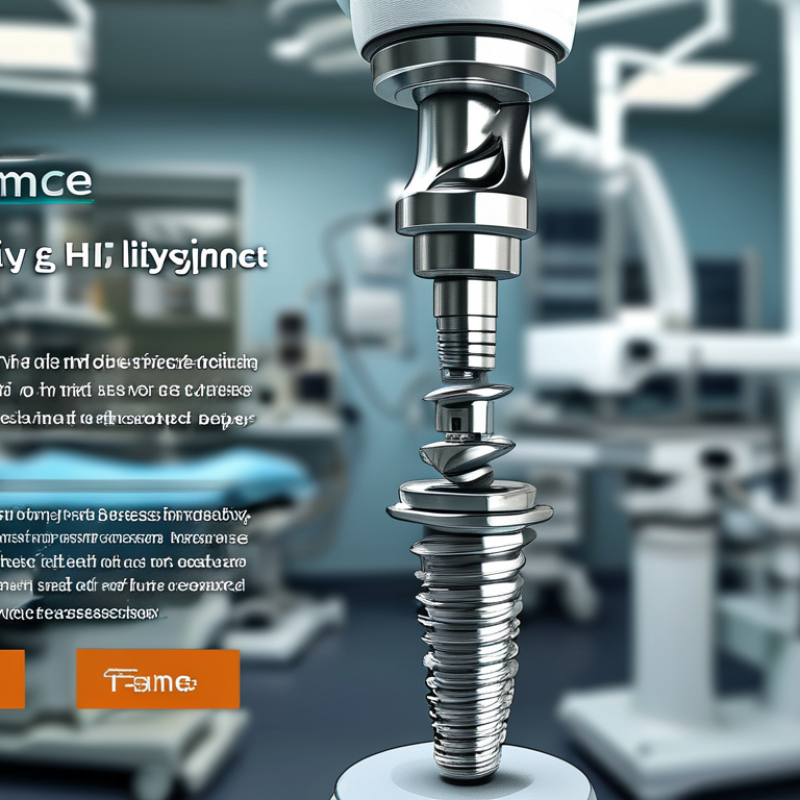
Selecting the right orthopedic implants is crucial for patients with active lifestyles. Several factors must be considered. Material choice plays a significant role. Implants made from titanium and cobalt-chromium alloys often offer strength and biocompatibility. However, there can be drawbacks, such as the risk of metal sensitivity in some individuals.
Design is equally important. Different implant shapes can impact durability and functionality. Consider the type of surgery and the patient's activity level. High-impact sports may require more robust implants. Engage with healthcare professionals about the best options. The experience of the surgeon can also affect the outcome.
Post-operative recovery is often overlooked. Patients need to be informed about the rehabilitation process. Some may rush through their recovery, leading to complications. A clear understanding of one’s limits is essential. Regular follow-ups with the medical team help ensure the implant is functioning correctly. Each patient's journey is different, requiring tailored advice and ongoing support.
When choosing orthopedic implants for intense activities, understanding the types available is crucial. Implants are not a one-size-fits-all solution. For athletes or those involved in heavy physical labor, specific options can optimize performance and recovery.
Metal implants, particularly those made from titanium, are often favored. Their strength and biocompatibility make them ideal for high-stress environments. They withstand considerable forces, reducing the chance of failure during intense use. Additionally, 3D-printed implants offer unique advantages. They can be customized to fit the patient’s anatomy, potentially improving comfort and function.
However, while selecting powerful implants, it’s vital to consider longer healing times. Some individuals may experience complications. The choice between materials requires careful reflection on lifestyle and potential risks. Regular follow-ups with a medical professional ensure that any issues are detected early. Focusing on the right type of implant tailored for specific needs can ultimately enhance mobility and quality of life.
| Implant Type | Material | Applications | Durability | Weight Limit |
|---|---|---|---|---|
| Titanium Plates and Screws | Titanium Alloy | Fracture Fixation | High | > 300 lbs |
| Cemented Hip Implants | Cobalt-Chromium | Hip Replacement | Very High | > 400 lbs |
| Intermedullary Nails | Stainless Steel | Long Bone Fractures | High | > 250 lbs |
| ACL Reconstruction Grafts | Autograft & Allograft | Knee Stability | Moderate to High | > 200 lbs |
| Spinal Fusion Devices | PEEK & Titanium | Spinal Stability | Very High | > 350 lbs |
When selecting orthopedic implants, material properties play a crucial role. The material must withstand intense stresses while ensuring biocompatibility. Metals like titanium and cobalt-chromium alloys are common choices. These materials offer excellent strength and durability, essential for high-impact activities.
Additionally, ceramics and polymers are gaining traction. Ceramics provide excellent wear resistance but can be brittle. Polymers, like ultrahigh molecular weight polyethylene, offer flexibility and a lower weight. However, they may wear down over time. It’s vital to assess each material's properties against the patient’s lifestyle and activity level.
Evaluating material performance under real-life conditions can be difficult. Factors like friction, wear, and potential allergic reactions require careful consideration. A thorough understanding of these properties can prevent potential failures in the long run. Ensuring a thorough assessment of these materials will enhance the success of orthopedic implants.
When evaluating a surgeon's experience with specific orthopedic implants, it's essential to consider several factors. Experience can have a significant impact on surgical outcomes. According to a study published in the Journal of Orthopedic Research, surgeons performing over 100 procedures with a specific implant exhibited a 15% lower revision rate compared to those with less experience. This data underscores the importance of selecting a surgeon familiar with the specific technology used.
Another important aspect is the surgeon's track record. A surgeon's outcomes are often linked to their familiarity with various implants. Research indicates that those who specialize in certain types of orthopedic devices tend to have better complication rates. It's worth noting, however, that not all surgeons have access to the same implants. This resource disparity can affect their ability to choose the best option for each patient. Moreover, surgeons who frequently attend training and workshops are more likely to stay updated on new techniques and advancements.
Engaging in open discussions with potential surgeons about their experience is crucial. Patients should ask about the number of similar surgeries performed and specific challenges faced. While a surgeon's experience with certain implants is vital, each case is unique. Therefore, patients must reflect on their specific needs and the nuances of their conditions when making decisions. This collaborative approach can lead to more informed and satisfactory outcomes.
Post-operative care is crucial for the longevity and functionality of orthopedic implants. Research indicates that nearly 20% of implants may fail within a decade due to improper post-operative management. This statistic underscores the significance of following tailored recovery protocols. Patients should adhere to prescribed rehabilitation exercises to enhance mobility and strengthen adjacent muscles. Additionally, maintaining a healthy diet rich in calcium and vitamin D can significantly aid in bone healing.
Monitoring for signs of infection is equally vital. Infections can compromise the structural integrity of implants. A study found that postoperative infections increase revision surgery rates by 50%. Regular follow-ups with healthcare providers enable prompt intervention if complications arise. Furthermore, patients must understand the importance of not overexerting themselves following surgery. Gradual increase of activity, as guided by a medical professional, can prevent undue stress on the implant.
While implants are engineered for durability, they are not immune to wear. Factors such as patient activity level and compliance with post-operative instructions greatly influence implant lifespan. The nuances of each patient's recovery journey highlight that even the best implants require a solid support system in their post-operative phase.
: Experience can significantly impact surgical outcomes. More procedures lead to lower revision rates.
Inquire about the number of similar surgeries performed and challenges faced during operations.
Proper care is essential. Poor management may lead to nearly 20% of implants failing within ten years.
Rehabilitation exercises enhance mobility and strengthen muscles around the implant for better recovery.
Infections can compromise implant integrity. They increase revision surgery rates by 50%, so early detection is crucial.
A healthy diet rich in calcium and vitamin D supports bone healing and overall recovery post-surgery.
Overexertion can stress the implant. Gradual activity increase is essential for a safe recovery.
No, surgeons may have limited access to certain implants. This can affect patient treatment options.
Surgeons who specialize tend to have better outcomes and lower complication rates with specific implants.
Patients must reflect on their specific conditions and collaborate with surgeons for tailored decisions.
When considering "How to choose orthopedic implants for high-intensity clinical use," several critical factors must be taken into account. Firstly, understanding the specific types of orthopedic implants available for intense activities is essential, as not all implants are designed to withstand the demands of high-performance environments. The material properties of implants play a significant role in their suitability, impacting durability, biocompatibility, and overall performance.
Additionally, evaluating the surgeon's experience with specific implants is crucial, as their familiarity can influence surgical outcomes and patient satisfaction. Lastly, effective post-operative care is vital for ensuring the longevity and functionality of the selected implant, as proper rehabilitation can significantly affect recovery and return to activity. By carefully considering these elements, surgeons and patients can make informed decisions regarding implant selection to optimize performance in high-intensity settings.
