Blutree Orthopedic Implants Blutree Orthopedic Implants

Why Do Premium Orthopedic Implants Cost More Than Standard Ones?

Time:2026-06-13 Author:Sienna
0%

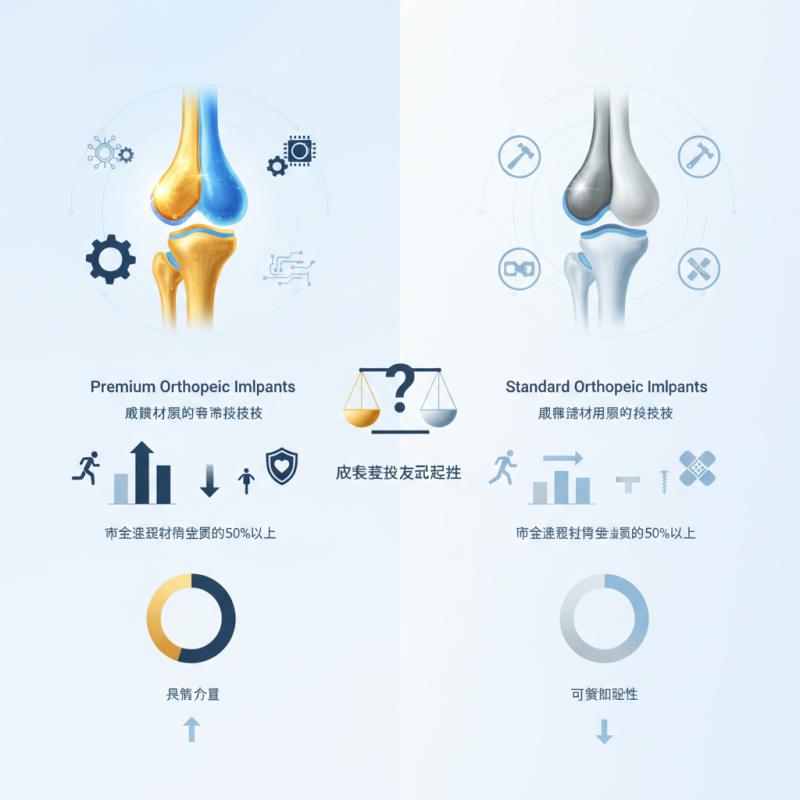
In the realm of orthopedic devices, the question arises: "Why do premium orthopedic implants cost more than standard ones?" According to a recent report by the Global Orthopedic Implant Market, premium implants often account for over 50% of total implant sales. This disparity in pricing is influenced by several factors, including advanced materials and cutting-edge technology. Premium implants typically utilize high-grade titanium or specialized polymers, enhancing their durability and compatibility.

Clinical studies reveal that patients receiving premium implants experience quicker recovery times and lower complication rates. For instance, a study published in the Journal of Bone and Joint Surgery indicated that premium implants reduced revision surgeries by up to 30%. Such data highlight the long-term value these products offer to both patients and healthcare systems.

However, the increased costs raise important questions about accessibility and equity in orthopedic care. The disparity may limit choices for patients, particularly in underfunded healthcare systems. This leads to a critical reflection on whether the benefits of premium quality can justify their higher price tags in diverse healthcare landscapes. The ongoing debate underscores the need for transparency in the pricing and performance of orthopedic implants.
Why Do Premium Orthopedic Implants Cost More Than Standard Ones?

Difference in Material Quality Between Premium and Standard Implants

When considering orthopedic implants, material quality plays a crucial role in their cost. Premium orthopedic implants are typically made from advanced materials that offer superior strength and durability. These materials, like titanium and specialized polymers, provide better biocompatibility. This means they integrate more effectively with the human body, leading to fewer complications.

Standard implants often use more basic materials that may not provide the same level of performance. They can be heavier or less durable, which may increase the risk of implant failure or the need for revision surgery. While standard implants might be less expensive, the trade-off can be significant. A lower upfront cost does not guarantee long-term affordability.

The nuances in material quality often reflect in patient outcomes. Complications from lower-quality implants can lead to extended recovery times and additional medical expenses. As patients seek the best possible results, understanding these material differences becomes vital. Higher-quality materials also tend to undergo more rigorous testing, offering an assurance that standard options may lack. The choice of implant ultimately impacts both health and overall quality of life.

Advanced Technology Utilized in Premium Orthopedic Implants

The realm of orthopedic implants has evolved significantly. Premium orthopedic implants leverage advanced technology not found in standard options. These cutting-edge techniques enhance the implant's performance and longevity. For instance, 3D printing allows for precise customization, ensuring a better fit for each patient. This personalization leads to improved outcomes and faster recovery.

Another crucial aspect is the materials used. Premium implants often incorporate biocompatible materials that promote healing and reduce the risk of rejection. Recent advancements include coatings that resist bacteria, which decreases infection rates. These features contribute to a higher cost but aim to provide patients with a safer, more effective alternative.

However, with all these innovations, some may wonder if the additional investment truly guarantees success. Not every patient may require such advanced options. It raises questions about the balance between cost and necessity. While the technology is impressive, reflecting on individual needs is essential when considering orthopedic implants.

Comparison of Costs for Premium vs Standard Orthopedic Implants

This chart illustrates the average costs associated with premium orthopedic implants compared to standard implants. The premium implants utilize advanced technology and materials that contribute to their higher price point.

Impact of Research and Development Costs on Implant Pricing

The cost difference between premium orthopedic implants and standard ones often stems from the extensive research and development (R&D) involved. High-quality implants require rigorous testing and innovation. This process aims to ensure safety and effectiveness. Researchers spend years developing materials that reduce risk. Advanced manufacturing techniques also contribute to the overall price. A significant part of any implant's cost goes towards these initial processes.

Creating new orthopedic technologies is not a quick task. Many R&D projects fail multiple times before achieving success. While some may question the need for higher-priced options, it is important to consider the potential for better outcomes. Effective implants can lead to quicker recoveries and enhanced patient mobility. Yet, not every premium option has been thoroughly tested or proven superior, leaving room for debate.

The price tag of an orthopedic implant reflects the investment in medical advancements. Patients sometimes struggle to understand why they pay more. Information on the actual benefits can help clarify the costs. Awareness of the R&D journey can foster more informed choices in healthcare.

Comparative Longevity and Performance of Premium vs. Standard Implants

The longevity and performance of orthopedic implants play a crucial role in patient outcomes. Premium orthopedic implants often feature advanced materials and design innovations. According to data from the American Academy of Orthopaedic Surgeons, these implants can last 10 to 15 years longer than standard models. This increased durability means fewer revision surgeries and better overall results for patients.

A study published in the Journal of Orthopaedic Research reports that premium implants show better wear resistance. A 30% improvement in wear characteristics results in reduced debris generation in the joint. This reduction significantly decreases the chances of inflammatory responses, which are common with standard implants. However, not all patients may benefit equally. Some individuals may experience complications due to their unique anatomical or health conditions.

Cost is a significant factor when considering implant types. Premium implants can be 50% more expensive upfront. However, when factoring in the potential costs of revision surgeries, the long-term investment may prove worthwhile. Despite the advantages, some healthcare providers still lean toward standard implants due to budget constraints. This is an area that warrants reevaluation, as patient-specific outcomes should ideally drive implant choices.

Regulatory and Certification Costs Affecting Implant Price Differences

When it comes to orthopedic implants, the price difference between premium and standard options often raises questions. One significant factor influencing cost is the extensive regulatory and certification requirements. Premium implants typically undergo a more rigorous approval process. This ensures higher safety and effectiveness standards are met, which can lead to increased costs for manufacturers.

Certification involves detailed testing and verification. Each implant must demonstrate its clinical benefits through comprehensive trials. These trials are costly and time-consuming, impacting the final product price. While standard implants may comply with basic regulations, premium implants are often supported by robust research data. This data enhances trust and reliability for healthcare providers and patients alike.

It's important to recognize that not all high-cost implants guarantee better outcomes. Some patients may opt for standard options and still experience successful results. However, the added assurance of rigorous testing with premium implants can justify the higher price for many. Making informed choices requires patients to evaluate both the certifications and their individual needs.

FAQS

: What materials are used in premium orthopedic implants?

: Premium implants often use advanced materials like titanium and specialized polymers, providing strength and durability.

Why do standard implants sometimes fail?

Standard implants may be made of less durable materials, increasing the risk of failure or need for revision surgery.

How does material quality affect recovery time?

Lower-quality implants can lead to longer recovery times and higher medical costs due to complications.

What is the role of 3D printing in premium implants?

3D printing allows for precise customization, improving the fit and leading to better patient outcomes.

Do higher costs of premium implants guarantee better results?

Not always. Some patients do well with standard implants, though premium options offer additional assurances.

What are the regulatory requirements for premium implants?

Premium implants undergo extensive testing for safety and effectiveness, which influences their higher cost.

How does biocompatibility impact implant success?

Biocompatible materials promote healing and reduce rejection risk, enhancing overall implant performance.

Is it necessary to choose advanced orthopedic implants?

It depends on individual needs. Not every patient may need the advanced features of premium implants.

What are the downsides of standard implants?

They can be heavier and less durable, potentially leading to complications and increased long-term costs.

How can patients make informed decisions about implants?

Patients should evaluate material quality, certification, and their specific needs before making a choice.

Conclusion

The question "Why do premium orthopedic implants cost more than standard ones" can be understood through several factors that contribute to their pricing. Firstly, premium implants are often made from higher quality materials, which enhance biocompatibility and durability. Additionally, they leverage advanced technologies that improve their design and integration with the human body, resulting in better patient outcomes.

Moreover, significant investments in research and development are required to innovate and improve these implants, adding to their overall cost. This is coupled with the expenses associated with meeting rigorous regulatory and certification standards, which ensure safety and effectiveness. Finally, studies indicate that premium implants tend to offer greater longevity and performance compared to standard options, justifying their higher price point in the long term.

Sienna

Sienna

Sienna is a skilled marketing professional with a deep expertise in our company’s core products and services. With a passion for innovation and detail, she plays a pivotal role in crafting insightful blog posts that not only highlight the unique features of our offerings but also provide valuable......