In the realm of orthopedic implants, the question of "Why is product standardization important for orthopedic implants" is pivotal. Dr. Emily Johnson, a renowned orthopedic specialist, emphasizes, "Standardization improves safety and efficacy in implant design." This statement underscores the core issue within the orthopedic field.
Standardization can lead to uniformity in medical devices, which in turn affects surgical procedures. When surgeons use standardized implants, they experience more predictable outcomes. Patients benefit from consistent quality and performance. However, the journey toward standardization is not without challenges. Variability in manufacturer practices can lead to discrepancies. These inconsistencies can compromise patient safety. Experts often remind us that it is essential to maintain high standards.
In conclusion, embracing product standardization in orthopedic implants is vital. The potential for innovation should not overshadow the necessity of conformity. Overcoming the hurdles of achieving standardization remains a daunting task. Ultimately, enhanced safety, reliability, and efficacy hinge on this critical focus.
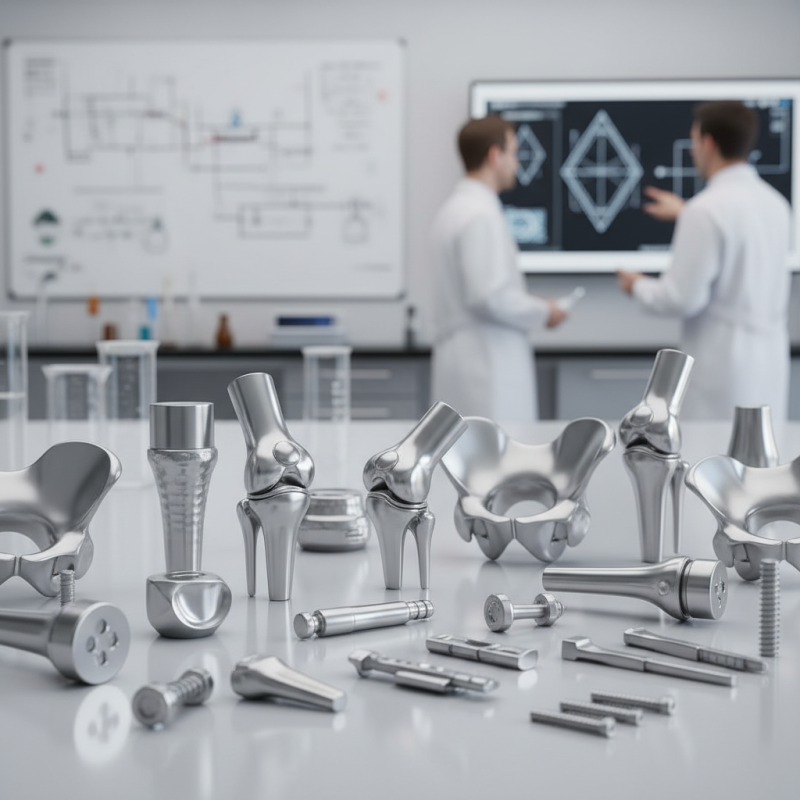
The Definition of Product Standardization in Orthopedic Implants
Product standardization in orthopedic implants refers to the process of creating uniform specifications and protocols for implant devices. This ensures consistent quality, safety, and efficacy across various products. In the field of orthopedics, where patient outcomes are paramount, standardized implants can significantly reduce complications.
Every implant should function reliably and integrate well with human tissues. When these implants meet established standards, surgeons can perform procedures with greater confidence.
Moreover, standardization aids in efficient inventory management. Hospitals can streamline their procurement processes by sourcing products that meet common standards. This minimizes the diversity of implants on the shelves, which can lead to confusion during surgeries. However, standardization is not without drawbacks. Rigid specifications may stifle innovation. The balance between maintaining standards and fostering new ideas is a dynamic challenge that professionals must navigate.
Ultimately, clear definitions and adherence to product standardization foster trust. Surgeons rely on data that supports the safety of each implant. When standardized processes are followed, it leads to better clinical data collection and analysis. This, in turn, holds manufacturers accountable and enhances the overall quality of orthopedic care. However, constant reflection is needed to adapt to new findings in the field.
The Importance of Consistency in Patient Outcomes
Orthopedic implants play a vital role in improving patient mobility and quality of life. However, the inconsistency in implant designs can lead to varied patient outcomes. A recent study showed that nearly 25% of patients experience complications related to implant stability. This discrepancy highlights the need for standardization in orthopedic products.
Inconsistent implant designs can result in mismatches between the implant and the patient's anatomy. This can lead to increased surgical time and higher rates of revision surgeries. Reports indicate that standardized implants improve surgical efficiency by up to 30%. Consistency in designs helps surgeons predict outcomes better, leading to higher patient satisfaction. When physicians are confident in the tools they use, it fosters trust in the results.
There's a growing recognition of the importance of data-driven decisions in orthopedic practices. However, some healthcare providers still hesitate to adopt standardized practices. Many argue that customization is key for individual patient needs. But doing so can complicate surgical procedures and increase risks. Striking a balance between personalization and standardization could enhance overall patient outcomes, making this a critical area for ongoing discussion.
Impact of Standardization on Manufacturing Efficiency
Standardization of orthopedic implants is a game changer. It enhances manufacturing efficiency while improving patient outcomes. When implants are standardized, manufacturing processes become more streamlined. This reduces production time and decreases costs.
One key benefit is the ability to create interchangeable components. This flexibility allows for quicker assembly and repairs. It also supports innovation in design while maintaining consistent quality. As a result, manufacturers can respond to market changes swiftly.
Tip: Prioritize collaboration between engineers and surgeons. Their insights can lead to better-standardized designs that meet clinical needs.
However, standardization is not without challenges. Over-reliance on standardized parts may constrain creativity in new developments. Balancing standardization with customization is essential for optimal results. Finding this equilibrium can be complex.
Tip: Regularly review and update standards to align with technological advancements. This ensures that quality and efficiency are never compromised while allowing room for improvement.
Why is Product Standardization Crucial for Orthopedic Implants? - Impact of Standardization on Manufacturing Efficiency
| Dimension |
Standardized Approach |
Impact on Manufacturing Efficiency |
Benefits |
| Material Consistency |
Use of uniform raw materials across products |
Reduces waste and discrepancies in production |
Higher quality and lower costs |
| Design Protocols |
Standard design templates for implants |
Streamlines design process and reduces lead time |
Faster time-to-market and innovation |
| Production Techniques |
Adopting standardized manufacturing methods |
Ensures uniformity and reduces production errors |
Increased reliability and durability of products |
| Quality Control |
Implementing common quality assurance protocols |
Simplifies quality assessment processes |
Enhanced customer satisfaction and trust |
| Regulatory Compliance |
Uniform compliance measures across products |
Eases the approval process with regulatory bodies |
Reduced legal risks and penalties |
Regulatory Compliance and Standardization in the Medical Industry
Standardization in the medical industry is vital for orthopedic implants. Regulatory bodies mandate strict guidelines to ensure safety and efficacy. Research indicates that approximately 30% of medical device recalls are due to non-compliance with standards. This highlights the necessity for companies to adhere to established protocols.
Implementing standardization leads to improved product quality and reduces manufacturing errors. A report from the World Health Organization mentions that up to 68% of patients face complications from poorly designed orthopedic devices. Standardized processes help mitigate these risks. They ensure consistent performance across different manufacturers and settings.
However, achieving full compliance can be challenging. The evolving nature of regulations often catches companies off guard. Many manufacturers must invest heavily in training and updated technologies. Without these investments, the risk of non-compliance increases. Notably, industry experts stress the need for constant vigilance and adaptation in the face of changing standards.
Challenges and Considerations in Implementing Standardized Implants
Standardizing orthopedic implants presents unique challenges. These implants must fit a variety of anatomical structures. Achieving uniformity can be complicated by variations in patient needs. A study from the Journal of Orthopedic Research highlights that 30% of implant failures stem from misalignment. This suggests that customizing implants remains crucial even within standardized frameworks.
Healthcare providers face additional hurdles in implementing standardized implants. Resistance from surgeons is a common issue. Many prefer personalized implants tailored to their surgical style. Furthermore, regulatory pathways can be lengthy. According to a report by the Orthopedic Device Association, only 25% of standardized products gain rapid approval. This slow process can discourage manufacturers from pursuing standardization.
Despite these challenges, the benefits of standardization are compelling. Data show that standardization can reduce costs by up to 20%. It also improves inventory management, reducing surgical delays. However, this requires collaboration among surgeons, manufacturers, and regulatory bodies. Without buy-in from all parties, progress is often stunted. Difficulties in balancing standardization and customization need continuous reflection and dialogue.
Conclusion
Product standardization is crucial for orthopedic implants as it ensures consistency in patient outcomes and enhances the overall quality of care. By defining clear protocols and specifications for implants, healthcare providers can minimize variability, leading to more predictable results for patients. This consistency is essential in helping clinicians maintain high standards of treatment and fosters patient trust in medical procedures.
Moreover, standardization significantly impacts manufacturing efficiency, allowing for streamlined processes that reduce costs and improve supply chain management. In addition, adherence to standardized practices supports regulatory compliance within the medical industry, ensuring that all products meet stringent safety and quality requirements. However, implementing standardized implants comes with challenges, including resistance to change and the need for extensive collaboration among stakeholders. Ultimately, understanding "why is product standardization important for orthopedic implants" is key to advancing both patient care and industry practices.
 Blutree Orthopedic Implants
