Blutree Orthopedic Implants
In the field of orthopedics, the choice of implants is crucial for patient outcomes. Dr. John Smith, a recognized expert in orthopedic surgery, emphasizes, "Selecting the right implants can significantly affect long-term recovery and functionality." This highlights the importance of understanding how to select orthopedic implants with long‑term performance stability.
Patients rely on these devices for pain relief and mobility. An improperly chosen implant can lead to complications, such as infection or implant failure. Longevity of orthopedic implants depends on various factors like material, design, and the surgeon's skill. Each case is unique, necessitating a personalized approach to implant selection.
Many surgeons face the challenge of balancing innovation with proven effectiveness. Keeping abreast of advancements in materials and techniques can be daunting. Nevertheless, reliable information is essential for making informed decisions. With expertise and research, healthcare professionals strive to improve outcomes. Evaluating options carefully ensures better stability and extends the lifespan of orthopedic implants.
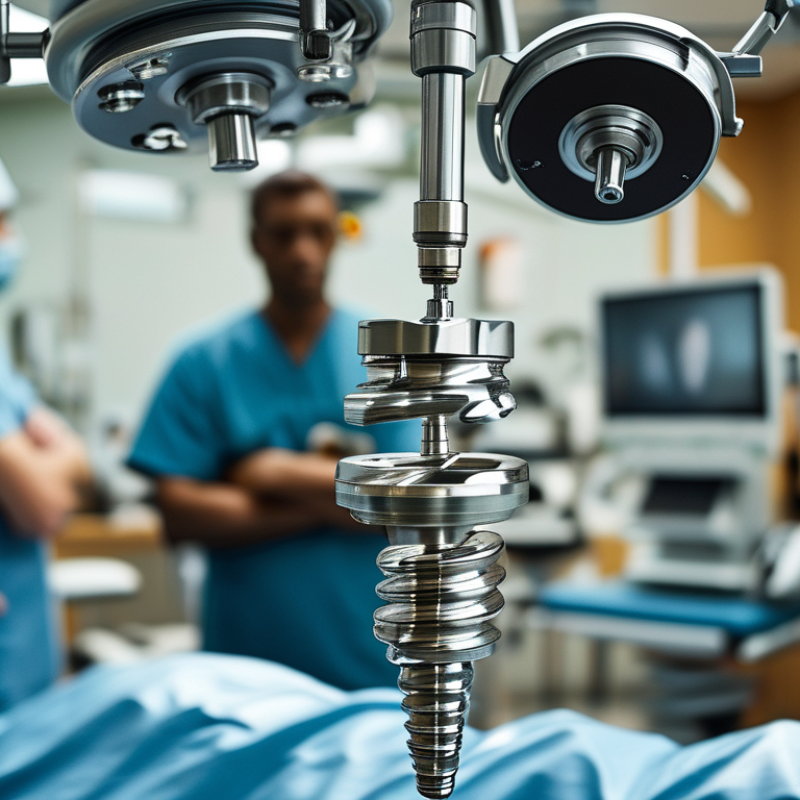
Orthopedic implants play a critical role in the process of bone healing. These devices, often made from materials like titanium or stainless steel, help stabilize fractures and allow for proper recovery. Research indicates that using high-quality implants improves healing times by up to 30%. This makes the choice of implants essential for long-term stability.
In bone healing, the implant serves as a scaffold. It provides necessary support while the bone re-grows. An unstable implant can result in complications like nonunion or malunion. Surprisingly, about 10-15% of bone fractures fail to heal properly without optimal support. Therefore, selecting the right implant type and size is vital.
Tips for choosing implants include consulting with experienced orthopedic surgeons. They can provide insights on material benefits and risks. Focus on the surgeon's experience with specific implants. Additionally, reviewing recent studies on implant success rates may reveal valuable data before making decisions. Continuous education about new developments in implant technology is crucial for patients and healthcare providers alike. This proactive approach can save time and improve outcomes.
When selecting orthopedic implants, longevity is a key concern for both patients and healthcare providers. Several factors affect how long these implants endure. Material composition plays a significant role. Titanium and cobalt-chromium alloys are commonly used due to their excellent corrosion resistance and strength. Research indicates that implants made from these materials have a failure rate of less than 5% over 10 years. This contrasts with other materials, which may degrade faster or lead to complications.
Surgical technique also impacts implant longevity. Proper alignment and fixation can enhance stability. For example, misalignment can lead to increased stress on the implant. Such issues may require revision surgeries, which come with their own risks. Studies show that approximately 20% of total joint replacements require further intervention within 15 years, highlighting the importance of surgical precision.
Patient factors cannot be overlooked. Age, weight, and activity level significantly influence implant durability. Obese patients, for instance, face higher wear rates due to increased stress on the implants. Additionally, active lifestyles may accelerate the degradation of the device. A clear understanding of these factors is crucial as they directly affect the success and longevity of orthopedic implants.
When selecting orthopedic implants, understanding the types available for various conditions is crucial. Common implants include plates, screws, and rods, each tailored for specific injuries and surgeries. According to a report from the American Academy of Orthopaedic Surgeons, about 22 million orthopedic procedures are performed annually in the U.S. This number highlights the importance of choosing the right implant for optimal recovery and long-term stability.
For fractures, metal plates and screws provide the necessary stability, allowing bones to heal correctly. In cases of joint replacement, titanium and cobalt-chromium implants are favored for their strength and biocompatibility. Research indicates that around 90% of patients experience significant improvement post-surgery when the appropriate implants are used. However, improper selection can lead to complications such as implant loosening or infection, emphasizing the need for careful consideration in implant choice.
Tip: Always discuss your specific condition with your healthcare provider. They can guide you in selecting the implant best suited to your needs. It’s essential to weigh the benefits versus potential risks of each implant type. Remember, not all implants are perfect; some may wear down faster than expected. Stay informed and advocate for your own health outcomes.
Selecting the right orthopedic implants is crucial for long-term stability. The materials used in these implants directly affect their strength and longevity. Titanium and cobalt-chromium alloys are common choices. They offer excellent biocompatibility and strength. Studies show that titanium implants can withstand stress and remain integrated with bone tissue for over 10 years.
However, not all materials perform equally under stress. Recent research indicates that on average, about 10% of implants may fail due to improper material selection. For instance, polyethylene can wear out quickly, leading to instability. This wear and tear can compromise the healing process. Statistics reveal that nearly 20% of patients may face complications if subpar materials are used.
The choice of materials is not just a technical decision; it reflects the expertise of the medical team. Ensuring the right materials and designs are matched to patient needs promotes better outcomes. Quality assessments of implant materials are essential. Poor choices can lead to less effective surgeries and increased revision rates. Understanding these material characteristics is vital. It should compel orthopedic professionals to prioritize quality in their implants.
This chart demonstrates the impact of various implant materials on stability and longevity. It highlights how different materials compare in terms of resistance to wear and potential for complications over time.
When it comes to orthopedic implants, long-term stability is crucial. Maintaining these implants requires informed practices. Studies show that about 20% of implant patients experience issues within ten years. Proper care and monitoring can significantly reduce these risks.
Regular check-ups are vital. Monitoring implant integrity through X-rays helps detect any complications early. Patients should remain vigilant about any discomfort or unusual symptoms. Research indicates that early detection can lead to a 30% better outcome in managing implant-related problems. Engaging with a specialist can ensure appropriate follow-ups are scheduled.
Hygiene is equally important. Keeping the surgical site clean prevents infections that can compromise implant stability. Adhering to prescribed rehabilitation protocols is essential for strengthening the surrounding tissues. Anecdotal reports indicate many patients overlook these aspects, leading to unforeseen complications. Taking a proactive approach can ensure long-term success with orthopedic implants and enhance the patient's quality of life.
| Aspect | Importance | Best Practices |
|---|---|---|
| Material Quality | High-quality materials reduce the risk of implant failure. | Choose implants made from biocompatible materials. |
| Surgical Technique | Proper techniques ensure correct placement and minimal complications. | Use advanced imaging and navigation technologies during surgery. |
| Regular Check-ups | Monitoring for signs of wear or infection is crucial for long-term stability. | Schedule annual follow-ups with an orthopedic specialist. |
| Patient Compliance | Following rehabilitation plans promotes proper healing and implant function. | Encourage patients to adhere strictly to post-operative care instructions. |
| Lifestyle Modifications | Avoiding high-impact activities can prolong implant life. | Advise patients on low-impact exercise options for maintaining fitness. |
: Common implants include metal plates, screws, and rods tailored for specific injuries or surgeries.
They provide stability, allowing bones to heal correctly after a fracture.
Titanium and cobalt-chromium implants are preferred for their strength and biocompatibility.
Research shows around 90% of patients see significant improvement when appropriate implants are used.
Yes, it can cause issues like implant loosening or infection, requiring careful consideration.
Titanium implants can withstand stress and integrate with bone tissue for over 10 years.
Nearly 20% of patients may face complications if subpar materials lead to instability.
Always discuss your specific condition with your healthcare provider for tailored guidance.
The materials directly affect the strength and longevity of the implant, influencing recovery.
Poor choices can lead to ineffective surgeries and increased rates of revision surgeries.
Orthopedic implants play a crucial role in the healing process of bones and are integral to ensuring long-term stability of orthopedic treatments. Understanding the factors that influence the longevity of these implants is essential for both patients and healthcare providers. Various types of orthopedic implants cater to different conditions, each designed to support specific healing requirements. The materials used in these implants significantly impact their stability and ability to endure over time, making it vital to consider them during selection.
When determining how to select orthopedic implants with long-term performance stability, one must consider best practices for their maintenance. Regular monitoring and adherence to recovery protocols enhance the durability of implants and contribute to successful long-term outcomes. By prioritizing the right choices in implant selection and maintenance, patients can improve their overall health and mobility outcomes following orthopedic interventions.
