 Blutree Orthopedic Implants
Blutree Orthopedic Implants
Blutree Orthopedic Implants
Finding the right training services from orthopedic implants manufacturers is crucial for healthcare professionals. These services ensure that surgeons and medical staff are well-equipped to use complex implants effectively. Dr. Emily Carter, an expert in orthopedic education, states, “Training transforms the way we approach implant technologies.” Her insights highlight the importance of rigorous training programs in enhancing technical skills.
Orthopedic implants manufacturers provide various training services. These can include hands-on workshops, simulation training, and online educational courses. Each of these services plays an essential role in bridging the knowledge gap. However, not all manufacturers offer the same training quality. It is vital to assess the effectiveness of these programs. The overwhelming options can be confusing for providers seeking the most relevant training for their teams.
In exploring "What training services do orthopedic implants manufacturers provide," one may find varying levels of support. Some programs excel in interactive formats, while others may fall short in delivering impactful content. Reflecting on this, it becomes clear that the right choice depends on thorough research and clear objectives. It's essential to seek manufacturers known for their commitment to comprehensive training.
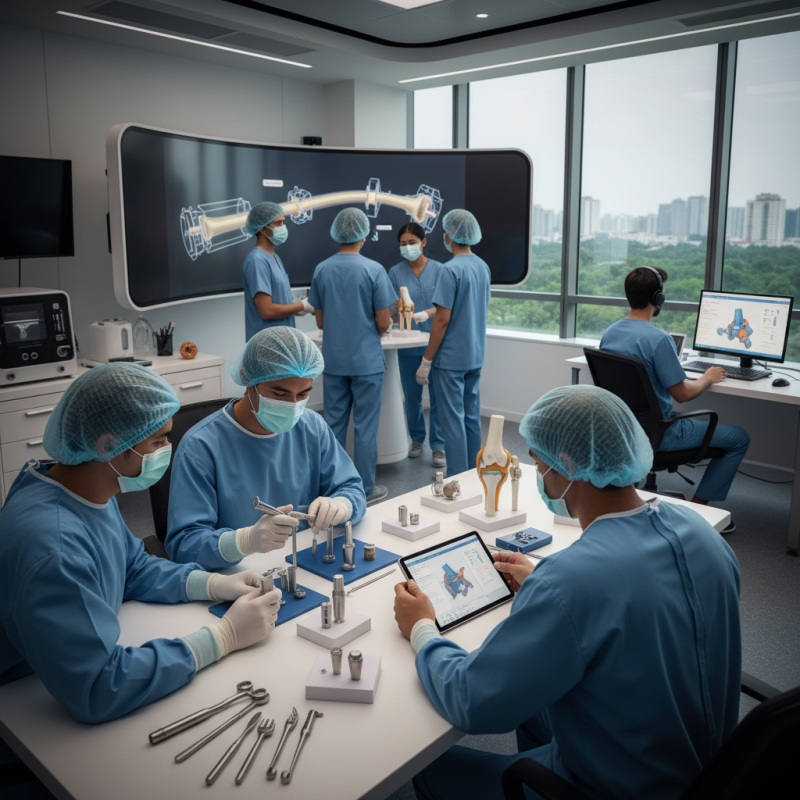
Identifying your training needs in orthopedic implants is crucial for effective implementation. Understanding the specific requirements of your facility or practice can greatly enhance patient outcomes. Evaluate the surgical techniques you currently use and identify gaps in knowledge. This step is often overlooked. However, addressing these gaps ensures your team is well-prepared.
Consider the variety of orthopedic implants available. Different procedures may require distinct types of implants. For instance, reconstructive surgeries may need comprehensive training on specific devices. Additionally, assess the skill levels of your surgical team. Are they familiar with the latest advancements? This reflection is vital. It helps tailor training that addresses both basic and advanced knowledge.
Training should not only focus on the technical aspects. It is also about understanding the underlying principles of biomechanics and material science. Engaging with manufacturers can provide insights into the latest technologies. However, this interaction should be based on transparent communication. Seek feedback from colleagues after training sessions. Reflecting on these experiences can reveal areas for further improvement. The goal is always to enhance surgical techniques and patient care.
: Focus on their training programs, quality assurance, and regulatory compliance. These factors greatly influence patient outcomes.
They educate surgeons on product specifics and enhance surgical techniques. This leads to better patient results.
Look for a structured follow-up process. Reflect on how the training impacts your knowledge and real-world application.
High-quality resources that combine theoretical and practical aspects. Clear instructions and hands-on practice are essential.
Experienced trainers ensure a higher standard of teaching. Their qualifications and engagement matter for effective learning.
Seek feedback from peers and consult professional orthopedic associations. Understanding offerings leads to better decision-making.
Engaging with fellow trainees allows for deeper understanding and shared insights. It facilitates a collaborative learning environment.
It helps identify gaps and improves program quality. Reliable programs incorporate ways to evaluate training effectiveness.
Trustworthy manufacturers should share their methods and outcomes. Transparency is key to assessing training quality.
While helpful, don't rely solely on online reviews. Engaging with previous trainees can provide clearer insights.
When seeking training services from orthopedic implants manufacturers, it is essential to start by identifying your specific training needs related to orthopedic implants. This helps to ensure that the training aligns with your professional requirements. Next, researching reputable manufacturers is crucial; it provides insights into their expertise and the training services they offer. A thorough evaluation of the training programs available is also important, as it allows you to compare methodologies, duration, and focus areas.
Furthermore, assessing the quality of the training materials and instruction is critical to guarantee a comprehensive learning experience. This includes reviewing the credentials of instructors and the format of training sessions. Finally, understanding the regulatory requirements for training in orthopedics is necessary to ensure compliance and enhance professional standards. Ultimately, by asking "What training services do orthopedic implants manufacturers provide," you can make informed decisions about your training journey in the field of orthopedics.
