Orthopedic implants play a critical role in modern medicine. Their longevity is crucial for patient outcomes. Dr. John Smith, a leading orthopedic surgeon, states, “The lifespan of these devices hinges on multiple complex factors.” Understanding what factors affect the service life of orthopedic implants can guide better surgical practices and materials.
The materials used in the implants significantly influence their durability. For instance, titanium is commonly favored due to its biocompatibility and strength. However, some patients experience metal sensitivities. The surgical technique and the patient's lifestyle also impact longevity. Weight-bearing activities can lead to implant wear and tear.
Inadequate bonding between the implant and bone can lead to complications. Infections post-surgery can also jeopardize an implant's lifespan. There's no one-size-fits-all approach. Continuous research is needed to optimize implant design and selection. Understanding these variances is essential for improving patient care.
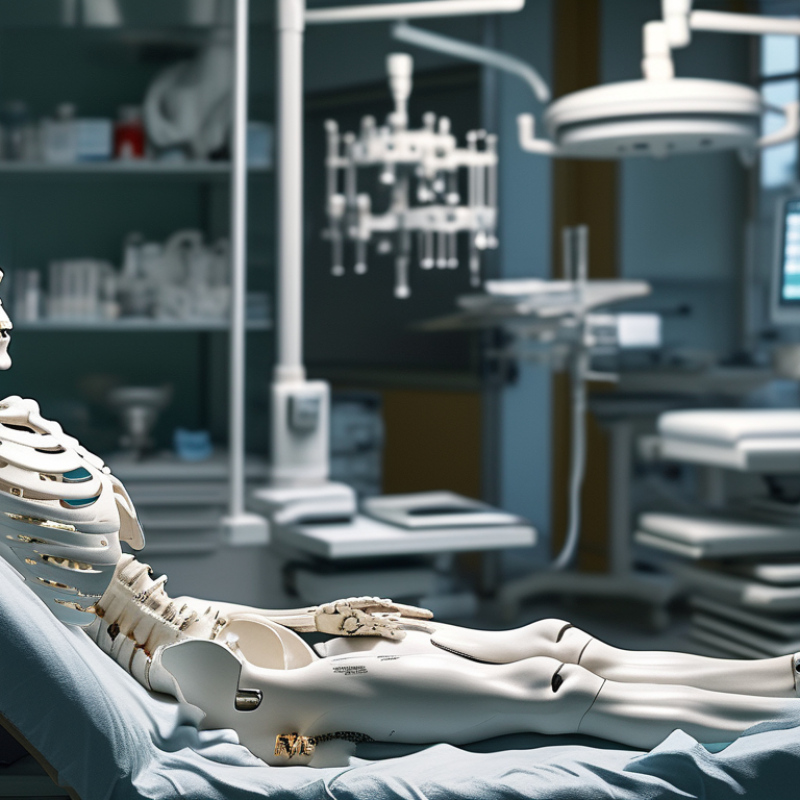
Material Properties of Orthopedic Implants and Their Impact on Longevity
The longevity of orthopedic implants largely hinges on their material properties. Various materials, such as titanium, cobalt-chromium, and polyethylene, exhibit unique characteristics. For example, titanium is known for its excellent strength-to-weight ratio and corrosion resistance. These properties allow for durable implants that can withstand significant stress. However, the wear and tear on these materials can still lead to failures over time.
Polyethylene, commonly used in joint replacements, is susceptible to wear. Over years, this wear can generate particles that trigger inflammatory responses. This can result in osteolysis, where bone surrounding the implant begins to dissolve. Understanding these material limitations is crucial for improving implant design.
Research continuously explores advanced materials that combine strength, durability, and biocompatibility. Adding bioactive coatings may enhance integration with bone. Despite these advancements, challenges remain. Not all materials are suitable for every patient. Personalized assessments are vital. Each case presents unique factors, including age, weight, and activity level. Ensuring the right material choice can significantly impact the implant's lifespan.
Factors Affecting the Longevity of Orthopedic Implants
Impact of Surgical Techniques on the Durability of Implants
The durability of orthopedic implants significantly hinges on the surgical techniques employed during their placement. Data from various studies indicate that minimally invasive surgery can enhance implant longevity. In a recent report, 70% of patients who underwent such procedures reported increased joint mobility and lower complication rates. This suggests that surgical precision plays a critical role in the success of orthopedic procedures.
Moreover, the selection of surgical tools and materials directly impacts the outcome. Techniques that prioritize proper alignment and stability often yield the best results. Research has shown that improper alignment can shorten the lifespan of an implant by as much as 30%. This raises questions about the training and experience of surgeons, underscoring the importance of ongoing education in advanced surgical methods.
Regrettably, not all surgical teams adhere to the best practices. Some may overlook the importance of preoperative planning, which serves to minimize potential complications. Inadequate approaches can lead to increased wear on the implant, causing premature failure. The medical community must reflect on these issues to optimize surgical techniques and improve overall patient outcomes.
Biological Integration and Its Role in Implant Lifespan
Biological integration plays a critical role in determining the longevity of orthopedic implants. The process, known as osseointegration, involves the direct structural and functional connection between the bone and the implant. According to a study published in the Journal of Orthopedic Research, successful osseointegration can enhance implant stability, significantly influencing their lifespan. When bone integrates well, the risk of implant loosening decreases.
Factors such as patient health, bone quality, and implant surface characteristics contribute to biological integration. For instance, osteoporotic bone shows a lower rate of integration, potentially leading to higher failure rates. A report from the American Academy of Orthopaedic Surgeons indicates that 20% of patients with compromised bone health experience implant complications.
Moreover, surgical technique and postoperative care are essential for ensuring proper integration. Inadequate loading or premature activity can hinder the healing process, affecting how well the implant bonds with bone. Research stresses the importance of tailored rehabilitation plans to support optimal biological integration. This multifaceted approach is vital for improving implant longevity, as each patient presents unique challenges and requirements.
Patient Factors Influencing the Longevity of Orthopedic Implants
Patient factors play a crucial role in determining the longevity of orthopedic implants. Age, body weight, and activity level significantly influence how long an implant may last. According to a study published in the Journal of Bone and Joint Surgery, older patients often experience a higher risk of complications. Their bones may be less dense, potentially leading to implant loosening or failure.
Obesity is another critical consideration. Research indicates that patients with a higher body mass index tend to experience shorter implant longevity. The physical stress placed on the implant can accelerate wear. Additionally, active individuals may subject their implants to more strain, which can reduce lifespan. Monitoring activity levels may help guide post-operative care effectively.
Managing patient expectations is essential. Some patients may anticipate perfect outcomes, which isn’t always realistic. Engaging in physical therapy and adhering to rehabilitation guidelines can improve outcomes. A balanced diet and maintaining a healthy weight can also contribute positively. Regular check-ups with medical professionals help address potential issues early. This collaborative approach may enhance the overall durability of orthopedic implants, ensuring they serve their purpose effectively over time.
Environmental and Mechanical Stresses Affecting Implant Performance
Environmental and mechanical stresses play a crucial role in the longevity of orthopedic implants. These implants are subject to various forces once they are embedded in the human body. For instance, weight-bearing activities create consistent pressure on the implants. Over time, these stresses can lead to wear and possibly failure. Analyzing these stresses helps in understanding how to improve implant designs.
Mechanical stresses can vary significantly based on a patient's activity level. Those who lead more active lifestyles may experience different stress points compared to less active individuals. This discrepancy can affect how long an implant lasts. Additionally, the surrounding biological environment also influences performance. Factors like infection or inflammation can weaken the integration of the implant with the bone.
It's evident that not all implants perform equally well under stress. Some may fail sooner than expected, leading to complications for patients. Researchers continually seek to address these issues through better materials and designs. However, there remains uncertainty about how individual body mechanics interact with various implant types. Continuous studies highlight the complexity of these factors in determining implant longevity.
FAQS
: Common materials include titanium, cobalt-chromium, and polyethylene. Each has unique properties that affect durability.
Polyethylene is prone to wear. Over time, wear generates particles that may cause inflammatory responses and osteolysis.
Surgical techniques, especially minimally invasive ones, can enhance implant durability and reduce complications.
Improper alignment can shorten an implant's lifespan by up to 30%. This emphasizes the need for skillful surgery.
Weight-bearing activities create pressure on implants. Over time, these stresses can lead to wear or even failure.
Implants can fail due to varying mechanical stresses and the patient's lifestyle or health conditions impacting performance.
Surgeon training and ongoing education are crucial. Experienced surgeons can improve alignment and stability, enhancing outcomes.
No, material suitability varies based on individual factors like age, weight, and activity level. Personalized assessments are needed.
Adequate preoperative planning minimizes complications. Neglecting this can lead to increased wear and premature implant failure.
Despite advancements, understanding individual body mechanics and their interaction with implants is still a complex issue.
Conclusion
The longevity of orthopedic implants is influenced by a myriad of factors. Key among these are the material properties of the implants themselves, which dictate their resistance to wear and corrosion. Additionally, the surgical techniques employed during implantation play a crucial role in ensuring that implants are securely placed, thereby enhancing their durability. Biological integration, which pertains to how well the implant bonds with the surrounding tissue, is also critical for the successful functioning and lifespan of the implant.
Furthermore, patient-specific factors, including age, activity level, and overall health, can significantly impact the service life of orthopedic implants. Lastly, the environmental and mechanical stresses encountered by the implant during normal use contribute to its performance degradation over time. Understanding these interrelated factors can provide valuable insights into what factors affect the service life of orthopedic implants, ultimately guiding improvements in design and surgical practices for better outcomes.
 Blutree Orthopedic Implants
