In the rapidly evolving orthopedic implants market, selecting reliable partners is crucial. According to a 2023 report by Orthopedic Journal, 60% of surgeons emphasize the importance of trusted suppliers. Making informed decisions on how to choose long-term partners for orthopedic implants supply can significantly impact patient outcomes and operational efficiency.
Dr. Sarah Chen, an expert in orthopedic supply chains, states, "The right partners not only deliver quality products but also bring innovative solutions." This highlights the necessity of aligning with manufacturers who understand emerging technologies and market demands. As healthcare systems become more complex, the need for collaboration is essential.
The journey to finding the right partners is not always straightforward. Transparency, communication, and the ability to adapt to market changes are vital. Some companies may struggle with inconsistent product quality or lack of support. Therefore, reflecting on past partnerships can provide valuable insights. Careful evaluation of potential partners can lead to better choices in an industry where reliability and trust are paramount.
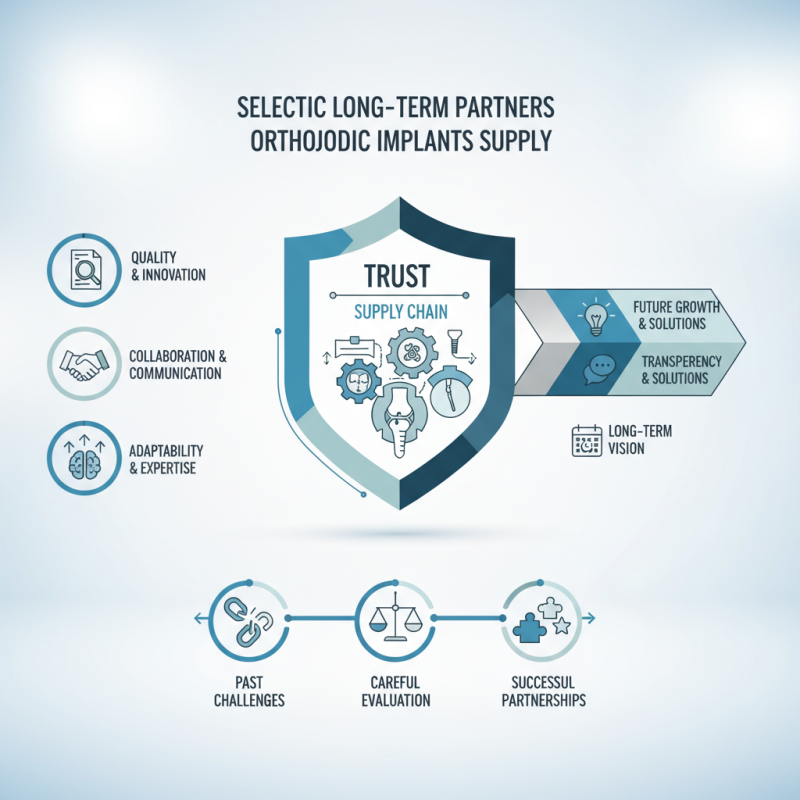
Criteria for Selecting Orthopedic Implant Suppliers
When selecting orthopedic implant suppliers, several key criteria should guide your decisions. Quality assurance is paramount. According to a 2021 report by the American Academy of Orthopaedic Surgeons, 85% of complications arise from inferior implant quality. Therefore, verifying certifications and adhering to international standards can mitigate risks significantly.
Another vital criterion is the supplier's track record. Analytics reveal that suppliers with over a decade in the market demonstrate higher reliability. Their experience often translates to better customer support and comprehensive product knowledge. Engaging in dialogue with existing clients can provide insights into their reliability and service capabilities.
Moreover, consider the supplier's innovation and research capabilities. A 2022 survey showed that 72% of hospitals prefer partnering with suppliers that invest in R&D. This can lead to the development of advanced materials, enhancing the longevity and performance of the implants. Balancing these criteria can enhance not just the quality of care you provide but also your operational efficiency in the long term.
Criteria for Selecting Orthopedic Implant Suppliers
Evaluating Supplier Experience and Expertise in Orthopedic Devices
Choosing the right partners for orthopedic implant supply is crucial. Evaluating suppliers on experience and expertise can shape patient outcomes. Focus on the historical performance of potential suppliers. Look for their track record in delivering devices that meet industry standards.
Experience is key. Suppliers should have years of working with orthopedic devices. Ask for case studies that demonstrate their capabilities. Check how they handle challenges. A reliable partner should show resilience and adaptability. Their response to issues is telling of their commitment.
Tips: Always ask for references. Reach out to other healthcare providers who have worked with them. Inquire about their support and training for new products. Pay attention to their innovation in design and technology. A partner that invests in development is likely to offer better solutions.
Ultimately, ensuring the right expertise can prevent future difficulties. Consider your long-term needs. Be aware that collaboration should evolve over time. Look for a supplier who can grow with your practice.
Assessing Quality Assurance Practices in Implant Manufacturing
In the orthopedic implant industry, quality assurance is paramount. Manufacturers must adhere to strict protocols to ensure patient safety. Many facilities undergo rigorous inspections and audits, but not all maintain the same standards. It's crucial for healthcare providers to evaluate the quality assurance practices of potential suppliers before entering a long-term partnership. A single oversight can lead to significant consequences, impacting both patients and healthcare facilities.
Beyond certifications and audits, the processes used in manufacturing should be transparent. Techniques like sterile processing and material sourcing require examination. Suppliers with an established track record often produce better, safer products. However, some companies may emphasize speed over reliability. This trade-off can lead to products that are less than ideal. A thorough understanding of the quality control processes is vital for informed decision-making.
Moreover, continuous monitoring of product performance post-implementation is essential. Feedback loops and post-market surveillance can reveal weaknesses that initial assessments may miss. Relying solely on initial data can blind companies to potential risks. The partnership should encourage ongoing assessment to adapt to any emerging issues. Cultivating a culture of quality assurance benefits both suppliers and healthcare providers in the long run.
Understanding Regulatory Compliance for Orthopedic Implant Supply
Regulatory compliance is crucial in the orthopedic implant supply chain. A recent report by the Global Industry Analysts indicates that the orthopedic implant market is projected to reach $59.5 billion by 2027. To remain competitive, suppliers must navigate complex regulatory landscapes. Compliance ensures that products are safe and effective, minimizing risks for patients and healthcare providers.
Understanding the unique requirements set forth by regulatory bodies, like the FDA in the U.S. and the European Medicines Agency in Europe, is essential. These agencies provide guidelines that govern implant design, manufacturing processes, and post-market surveillance. Non-compliance can lead to product recalls, hefty fines, or legal action. In fact, data suggests that 40% of medical device recalls in the past year were due to compliance failures.
While aiming for compliance, some challenges persist. Manufacturers often struggle to keep up with evolving regulations. Insufficient resources can lead to oversight or misinterpretation of rules. This gap highlights the importance of continuous education and training in regulatory standards. Building strong partnerships with regulatory experts can mitigate these issues and enhance compliance success. As the industry grows, so does the need for reliable, compliant supply chains.
Establishing Long-Term Relationships with Suppliers for Success
Building long-term relationships with suppliers is crucial in the orthopedic implants sector. According to a report by the Orthopedic Manufacturing Association, effective supplier partnerships can reduce costs by up to 30%. This statistic illustrates the financial benefits of fostering dependable connections. Collaboration leads to better product quality, innovation, and consistent supply.
Establishing trust is a crucial part of these relationships. Suppliers must understand your specific needs and clinical requirements. Regular communication can improve transparency, allowing both parties to address issues promptly. A shared vision can motivate suppliers to prioritize your demands. Continuous feedback and performance evaluations can help cultivate this trust over time.
Tips: Choose suppliers with a proven track record. Consider their history in delivering consistent quality. Also, assess their ability to scale operations as your needs grow. Remember, a strong partnership requires investment in relationship-building activities, like joint training sessions. This strategy may lead to better alignment of goals and expectations.
FAQS
: Supplier experience shapes patient outcomes and ensures devices meet industry standards.
Check their track record for delivering reliable orthopedic devices. Look for demonstrated capabilities.
Ask how they’ve handled past challenges. Their response shows commitment and resilience.
References from other healthcare providers can provide insights into support and training capabilities.
Strong partnerships can reduce costs and enhance product quality and innovation over time.
Regular communication fosters transparency and allows for prompt issue resolution, enhancing trust.
Assess how they can adapt to your growing needs. This is vital for long-term collaboration.
Joint training sessions and continuous feedback help align goals and build trust over time.
A supplier that prioritizes innovation is likely to provide better solutions and meet evolving needs.
No, it’s important to reflect on challenges and adapt together. Relationships may not always be flawless.
Conclusion
Choosing the right long-term partners for orthopedic implants supply is crucial for ensuring the success and reliability of orthopedic practices. When considering how to choose long-term partners for orthopedic implants supply, it is essential to evaluate various criteria, such as the supplier's experience and expertise in developing and manufacturing orthopedic devices. This not only helps in assessing the quality of the products but also ensures the partner can meet the specific needs of healthcare providers and patients.
Additionally, assessing the quality assurance practices of suppliers plays a vital role in maintaining high standards in implant manufacturing. Understanding regulatory compliance is equally important, as it guarantees that the implants meet safety and efficacy requirements. Building and maintaining strong, long-term relationships with suppliers can foster collaboration and innovation, ultimately leading to improved patient outcomes and sustained success in the orthopedic field.
 Blutree Orthopedic Implants
