Blutree Orthopedic Implants Blutree Orthopedic Implants

How to choose orthopedic implants for emergency medical supplies?

Time:2026-05-31 Author:Mason
0%

In emergency medical situations, the choice of orthopedic implants can be critical. How to select orthopedic implants for emergency medical supplies is a crucial question in trauma care. The right implant can significantly improve patient outcomes. Healthcare professionals must consider the nature of injuries and specific medical needs when making their selections.

Emergency scenarios often demand swift decisions. The limitations of time and resources can complicate this process. Knowledge of different implant types, their applications, and possible complications is essential. Decision-makers should have a solid understanding of both common and unique procedures. This knowledge reflects credibility and ensures better patient safety.

However, selecting the appropriate implants isn't always straightforward. It requires ongoing training and awareness of the latest advancements. It's vital to reflect on past experiences and learn from them. A well-informed team can navigate challenges in high-pressure situations. Consequently, making informed choices becomes easier, benefiting both medical staff and patients alike.
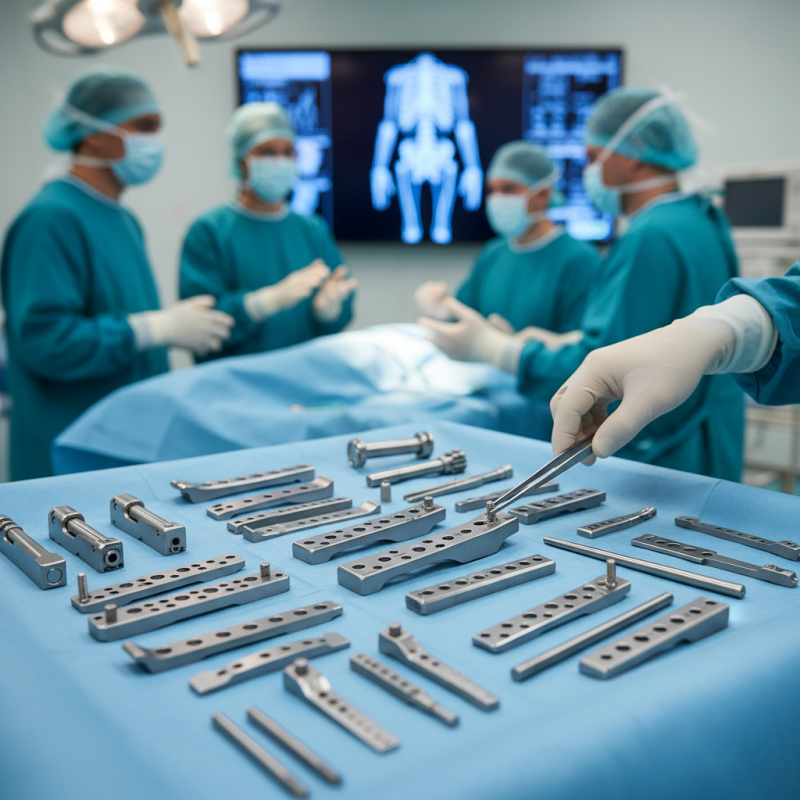
How to choose orthopedic implants for emergency medical supplies?

Understanding the Types of Orthopedic Implants Available for Emergencies

When it comes to emergencies, choosing the right orthopedic implants is crucial. Various types of implants are available, each designed for specific needs. For instance, plates and screws provide stability to fractured bones. These devices come in different sizes and materials. Surgeons often prefer titanium for its strength and biocompatibility. However, the exact choice can vary based on the injury.

Intramedullary nails are another option. They are often used in long bone fractures. This type of implant is inserted into the bone's medullary cavity. It allows for internal fixation, enabling faster recovery. Resorbable implants are also noteworthy. They dissolve over time, reducing the need for a second surgery. Yet, they might not be suitable for high-load situations.

In emergency settings, the availability of different implants can be limited. This is where decision-making can become challenging. The right implant should balance strength and flexibility. It’s essential to evaluate the specific condition. Using outdated or inappropriate implants can lead to complications. Continuous training and experience play a vital role in these decisions.

Key Factors to Consider When Selecting Orthopedic Implants

When selecting orthopedic implants for emergency medical supplies, key factors come into play. Understanding patient demographics is essential. Based on industry reports, the type of fractures and patient age significantly impact the choice of implants. For instance, younger patients may require more durable materials compared to elderly patients, who often present complex health issues.

Material selection should also consider biocompatibility and mechanical strength. Titanium and stainless steel are frequently used due to their reliability. Studies indicate that titanium implants offer a lower rate of infection and better integration with bone tissue. Yet, the cost can vary drastically, which is a challenge for healthcare providers.

Tips: Assess the environment. In emergency scenarios, the availability of sterile supplies is critical. Ensure all implants are sterilized properly. Lastly, staff training is vital. Knowledgeable staff can make informed decisions under pressure. Continuous education can reduce the likelihood of choosing inappropriate implants, leading to better patient outcomes.

Assessing Patient Needs and Conditions for Implant Selection

Choosing the right orthopedic implants for emergency medical supplies requires a thorough assessment of patient needs and conditions. Understanding the specific type of injury is crucial. For instance, fractures may require different implant types based on their location or severity. According to industry reports, proper fracture management can reduce surgery time by 25%. Implementing the correct implants can lead to better patient outcomes and shorter recovery periods.

Another key factor is patient demographics. Age, activity level, and overall health influence the selection process. A study revealed that older patients showed 40% higher implant failure rates when mismatched with their physical conditions. Each patient's profile should be considered in detail to ensure optimal recovery.

In emergency situations, time can be of the essence. However, rushing the assessment can lead to errors. The selection process requires careful observation and sometimes second opinions. Data indicates that misjudgments in implant choice can prolong recovery by up to 30%. Striking a balance between urgency and thoroughness is essential for effective treatment.

Evaluating Quality and Compliance Standards in Implants

When evaluating orthopedic implants for emergency medical supplies, quality and compliance standards are paramount. The FDA regulates these devices, ensuring they meet safety and efficacy benchmarks. According to a report by the Orthopedic Devices Association, less than 25% of implants pass initial quality tests. This statistic raises concerns about the reliability of available products.

Choosing implants with ISO 13485 certification is crucial. This standard indicates compliance with international quality management systems. Implants must also undergo rigorous biocompatibility testing, ensuring they do not induce adverse reactions in patients. Health institutions should routinely review these standards, as they are essential for patient safety.

Tips: Always verify compliance certificates. Look for third-party validation of quality claims. It’s also wise to stay updated with industry reports, as the landscape frequently changes with new discoveries and technologies. Regular reflection on current choices can lead to improved implant selection and patient outcomes. The quest for the best implants is ongoing; staying informed is a vital component of that journey.

Maintaining and Storing Orthopedic Implants for Emergency Use

Storing orthopedic implants properly is crucial for emergency medical supplies. Improper storage can lead to contamination or damage, rendering the implants unusable. Keep the implants in a clean, cool, and dry environment. Temperature fluctuations can compromise their integrity. Regular inspections can help identify any signs of wear or damage.

Tips for maintaining orthopedic implants include checking expiration dates. Many implants have a limited shelf life. Ensure that all implants are labeled clearly. Use moisture barriers to prevent corrosion. Maintain an organized inventory to avoid confusion during emergencies. Develop a routine for cleaning and sterilizing reusable implants.

It's essential to train staff on proper storage practices. Human error can lead to misplacement. Regular training sessions can improve awareness and adherence to protocols. Always involve a multidisciplinary team when reviewing storage processes. This leads to better communication and identification of potential issues. Emergency preparedness requires ongoing reflection and adjustment of methods to ensure efficiency and safety.

FAQS

: What factors are crucial when selecting orthopedic implants?

: Patient demographics, type of injuries, and age are essential factors to consider.

Why is material selection important in implants?

Biocompatibility and mechanical strength of materials like titanium and stainless steel are crucial for effectiveness.

How does patient age affect implant selection?

Younger patients often need more durable implants, while older patients may have complex health issues impacting choices.

What role does staff training play in implant selection?

Knowledgeable staff can make better decisions under pressure, potentially improving patient outcomes.

How does the type of fracture influence implant choice?

Different fractures require specific implants based on their location and severity for effective management.

What risks arise from rushing implant assessments?

Rushing can lead to errors, prolong recovery, and negatively impact patient health.

How can proper implant selection affect surgery time?

Correctly chosen implants can reduce surgery time by up to 25%.

What is the significance of sterile supplies in emergencies?

Availability of sterile supplies is critical to prevent infections and ensure patient safety.

How do patient health conditions impact implant outcomes?

Mismatches with patient conditions can lead to higher implant failure rates, especially in older patients.

Why is continuous education important for staff?

Ongoing training can enhance decision-making and reduce inappropriate implant selections in high-pressure situations.

Conclusion

When considering how to select orthopedic implants for emergency medical supplies, it is crucial first to understand the different types of implants available for various urgent medical situations. Each type serves specific needs depending on the nature of the injury and the patient's condition. Key factors such as the material, design, and intended use of the implants must also be carefully assessed to ensure they are suitable for emergency situations.

Additionally, evaluating the quality and compliance standards of the implants is paramount to guarantee patient safety and successful outcomes. Understanding the unique needs and medical conditions of each patient helps in making informed decisions. Lastly, proper maintenance and storage of these orthopedic implants are essential to ensure their reliability when needed most. By following these guidelines, healthcare providers can effectively choose suitable orthopedic implants for emergencies.

Mason

Mason

Mason is a seasoned marketing professional with a deep expertise in the company's offerings and a passion for driving brand awareness. With a strong background in digital marketing strategies, he has an innate ability to connect with diverse audiences and effectively communicate product benefits.......