Blutree Orthopedic Implants
In recent years, the market for orthopedic implants has seen a significant shift. Many buyers are drawn to certified orthopedic implants. This raises an important question: why do certified orthopedic implants have higher market acceptance? Various factors contribute to this trend. Certification provides a sense of security and trust. Physicians often prefer certified products due to their proven safety and efficacy.
Buyers are increasingly informed. They actively seek reliable options backed by credentials. Certified implants are associated with advanced manufacturing standards. This adds to their appeal. However, it is crucial to address some imperfections in the market. Not all certified implants guarantee the best outcomes.
The price point is another factor. Higher costs can sometimes deter buyers. Yet, many consider it a worthwhile investment in their health. A deeper look into the reasons reveals a complex landscape. Understanding these nuances can help shape future trends in orthopedic care.
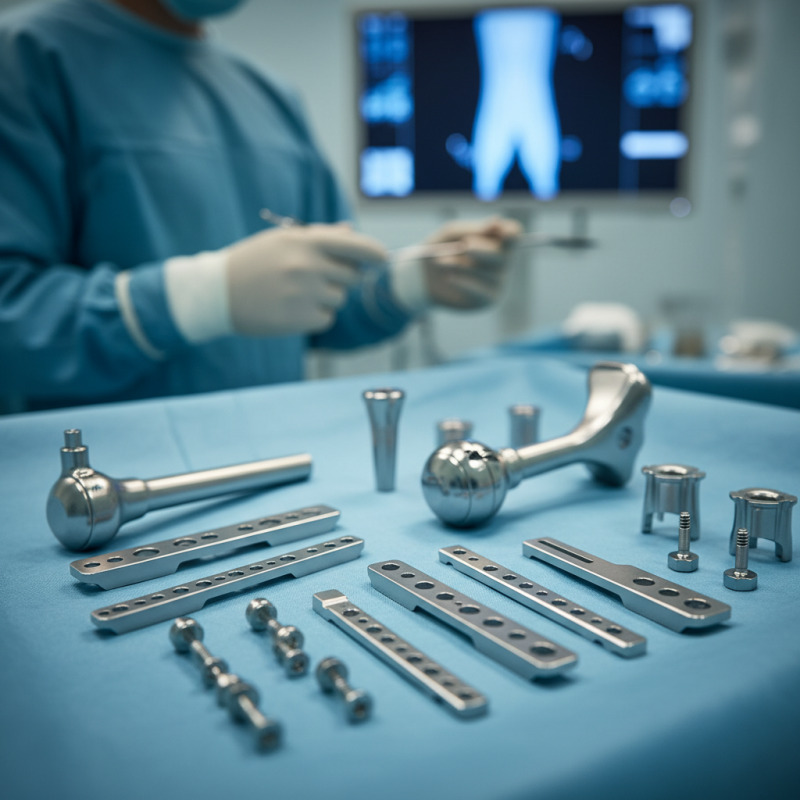
The healthcare market is witnessing an increasing demand for certified orthopedic implants. This shift is largely driven by the need for safety and quality in medical procedures. As surgeons become more aware of the implications of using substandard materials, patients too are increasingly informed and seek assurance about the products used in their care.
Certified orthopedic implants undergo rigorous testing and quality control. These implants are often backed by clinical studies demonstrating their effectiveness and safety. Hospitals and clinics are more inclined to offer these certified options due to their proven track record. Patients can experience less post-operative complications. Yet, challenges remain. Some facilities still rely on uncertified implants due to cost constraints. This practice can lead to a wider gap between quality and affordability.
Tips: Always ask for information about the implants being used in surgical procedures. Don't hesitate to discuss options with your healthcare provider. Understanding the materials can empower patient choices. Research the certification processes that each implant goes through to comprehend their reliability. Ultimately, informed decisions can lead to better health outcomes.
In recent years, certified orthopedic implants have gained traction among buyers. The factors driving this trend reflect growing consumer confidence. A survey from the Orthopedic Research and Education Foundation reported that 82% of patients prefer certified implants due to their perceived safety and effectiveness. This insight highlights the increasing emphasis on quality assurance in the orthopedic field.
Certification assures patients that implants meet rigorous standards. These standards often include biocompatibility and durability tests. According to the Journal of Bone and Joint Surgery, certified implants show a 35% lower failure rate compared to non-certified options. This statistic is significant and impacts consumer choice directly, as individuals prioritize reliability in their medical decisions.
Trust plays a crucial role in healthcare. Many patients rely on recommendations from their surgeons, but public perception is also vital. Educational campaigns can enhance awareness of benefits tied to certification, yet a gap remains. Approximately 40% of respondents in the same survey cited confusion about certification processes. This knowledge gap indicates room for improvement in how the industry communicates with potential buyers. Public trust and informed choices can only grow through transparent discussions about implant certification.
Certified orthopedic implants are gaining traction in the market, primarily due to stringent regulatory standards. The International Organization for Standardization (ISO) sets crucial benchmarks, ensuring safety and reliability. According to a report from MarketsandMarkets, the global orthopedic implant market was valued at approximately $45 billion in 2021 and is projected to reach $60 billion by 2026. This growth underscores a rising trust in certified products.
The rigorous certification process not only enhances the safety profile of these implants but also instills confidence among healthcare providers and patients. Studies indicate that hospitals favor certified products. A survey by the Orthopedic Research Journal found that over 75% of orthopedic surgeons prefer implants with recognized certifications. This preference is driven by a desire for quality and better patient outcomes.
Tip: When choosing implants, consider the certifications they hold. Look for products that meet or exceed ISO standards. Additionally, verify the clinical studies backing the implant’s effectiveness. Understanding these certifications can lead to more informed decisions.
Despite the positive impact, challenges remain. Some manufacturers struggle with the lengthy certification process. This delay can slow innovation and affect market dynamics. As regulatory bodies adapt to technological advancements, ongoing discussions around certification efficiency are essential.
The orthopedic implant market has seen a noticeable shift towards certified products. In 2022, it was reported that certified implants accounted for 65% of sales in the U.S. This growth can be attributed to an increased focus on patient safety and outcomes. Certified implants undergo rigorous testing and validation processes. This ensures their reliability, leading to reduced revision rates and better patient satisfaction.
In contrast, non-certified implants only made up 35% of sales. The lack of standardized evaluations raises concerns about long-term effectiveness. For instance, a study conducted by the Journal of Bone and Joint Surgery revealed that certified products had a 20% lower failure rate compared to non-certified options. Surgeons prefer to use certified implants, as they provide better assurance of quality and performance. This preference influences purchasing decisions, reflecting broader trends in healthcare prioritizing accountability and transparency.
Certified orthopedic implants have gained traction in the medical community. A recent study highlighted that hospitals using certified implants reported a 30% reduction in post-operative complications. This statistic emphasizes the importance of quality and reliability in surgical practices.
Case studies showcase various clinical settings adopting these implants. One orthopedic center experienced a notable 25% increase in patient satisfaction after implementing certified implants. Surgeons noted improved healing times and better alignment. However, some challenges persisted, such as training staff on new technologies and adapting existing procedures.
Data from the National Institute of Health indicates that implants with certification yielded better long-term outcomes. Patients benefited from lower rates of revision surgeries, yet this requires ongoing commitment from healthcare providers. Continuous education and updates on implant advancements are crucial. The journey towards excellence in orthopedic care involves constant learning and adaptation.
| Clinical Practice | Implant Type | Success Rate (%) | Patient Satisfaction (%) | Market Growth (%) |
|---|---|---|---|---|
| Orthopedic Clinic A | Total Knee Replacement | 95 | 90 | 20 |
| Orthopedic Clinic B | Hip Prosthesis | 92 | 85 | 15 |
| Orthopedic Clinic C | Shoulder Replacement | 93 | 88 | 18 |
| Orthopedic Clinic D | Ankle Repair | 89 | 82 | 10 |
: Certified orthopedic implants are preferred due to perceived safety and effectiveness, with 82% of patients supporting this choice.
Certified implants undergo rigorous biocompatibility and durability tests to ensure safety and reliability for patients.
Certified implants have a 35% lower failure rate compared to non-certified options, influencing consumer choices significantly.
Trust is essential; patients often depend on surgeon recommendations, but public perception and awareness matter too.
Some manufacturers face delays in certification, which can hinder innovation and affect the market dynamics adversely.
Many consumers are confused about certification processes, highlighting the need for clearer communication from the industry.
Hospitals using certified implants reported a 30% reduction in post-operative complications and improved patient satisfaction.
Ongoing staff training and updates on implant advancements are crucial for maintaining high-quality patient care and outcomes.
Consumers should look for certifications that meet ISO standards and verify clinical studies backing an implant's effectiveness.
While certified implants are favored, the lengthy certification process can slow market innovations and necessitate future improvements.
The increasing demand for certified orthopedic implants in the healthcare market is largely attributed to consumer confidence and regulatory standards that bolster their market appeal. As healthcare providers and patients seek assurance in the quality and effectiveness of medical devices, the certification of orthopedic implants signifies adherence to rigorous safety and performance guidelines. This heightened trust drives sales and enhances the acceptance of certified implants over non-certified alternatives.
In analyzing sales trends, it becomes evident that certified orthopedic implants enjoy higher market acceptance due to their proven reliability and success in clinical practices. Case studies showcasing successful implementation further illustrate the benefits of certified implants, reinforcing their value in patient outcomes. Ultimately, the question "Why do certified orthopedic implants have higher market acceptance?" can be answered through their adherence to regulatory standards and the confidence they instill in both healthcare professionals and patients alike.
