Blutree Orthopedic Implants Blutree Orthopedic Implants

What is a Cemented Hip Stem and How Does it Work?

Time:2026-03-20 Author:Liam
0%

A Cemented Hip Stem is a crucial component in hip replacement surgery. It acts as an anchor in the thigh bone, providing stability to the joint. According to Dr. Sarah Thompson, an orthopedic surgeon, "A Cemented Hip Stem can significantly improve mobility and quality of life for patients." This highlights the importance of this medical device.

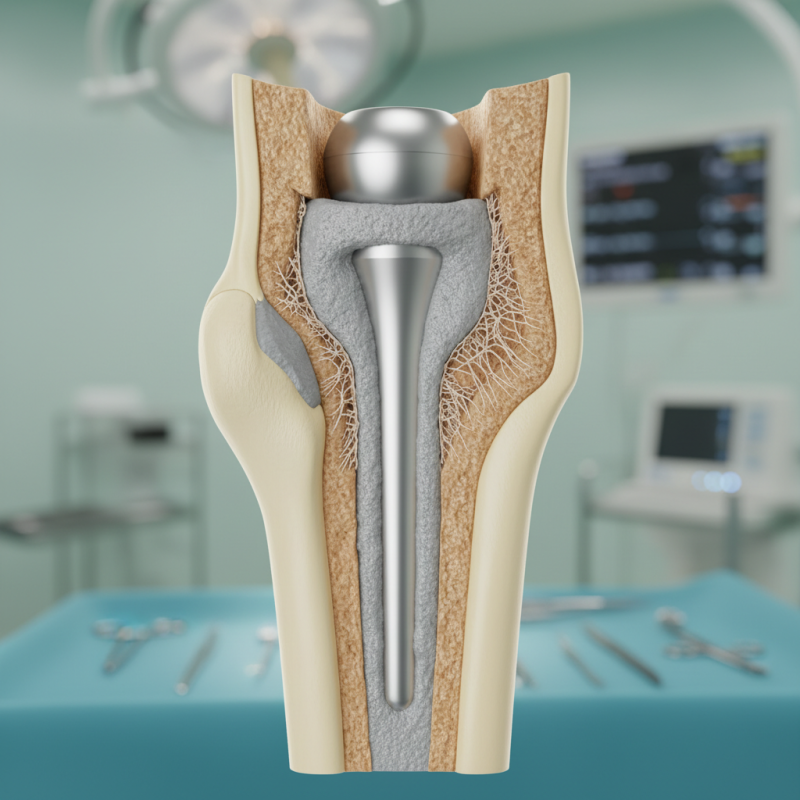
Cemented Hip Stems work by utilizing bone cement, which fills the space between the stem and the bone. This process allows for immediate loading, meaning patients can start rehabilitation sooner. However, the long-term durability of the cement can vary. Some patients may experience loosening of the stem over time.

While Cemented Hip Stems offer many benefits, surgical outcomes are not always perfect. Each patient's anatomy and condition can affect the success of the procedure. Therefore, it is essential to recognize that a Cemented Hip Stem may not be suitable for everyone. Continuous research and evaluation are necessary for improving these devices.
What is a Cemented Hip Stem and How Does it Work?

What is a Cemented Hip Stem?

A cemented hip stem is a type of orthopedic implant used in hip replacement surgeries. It is designed to stabilize the hip joint. The stem is made from metal and is inserted into the femur. Surgeons rely on a special type of bone cement to bond the stem securely to the bone. This method allows for immediate weight-bearing after surgery, which is crucial for recovery.

Research indicates that cemented stems are particularly effective for older patients. According to a report from the American Academy of Orthopaedic Surgeons, cemented stems have a 90% survival rate after ten years. This longevity is impressive but comes with considerations. Some studies suggest that complications, like cement breakage, may occur over time. This raises questions about the long-term viability of the cemented method.

Patient selection is critical for optimal results. While cemented stems can offer benefits, not every patient may experience the same outcomes. Younger, more active individuals might not benefit as much from this approach. As data continues to evolve, ongoing research will shed light on the ideal candidates for this type of hip implant. Balancing the benefits and possible drawbacks remains essential for effective treatment.

Historical Development of Cemented Hip Stems

The development of cemented hip stems began in the mid-20th century. Surgeons sought better methods for hip replacements. Before then, joint replacements faced significant challenges. Early artificial devices often failed, leading to patient discomfort.

The introduction of acrylic bone cement changed everything. This innovation provided strong fixation between the implant and bone. It was a game-changer for many orthopedic surgeons. The first cemented hip stems were simple, often lacking modern design features. Over time, their design evolved to improve stability and longevity.

Tips: When discussing surgery options, always consider patient-specific factors. Anatomy varies greatly among individuals. A thorough consultation with a surgeon is critical.

Today's designs are more sophisticated. They have developed models that are lighter and more durable. However, not every patient achieves the ideal outcome. Some may experience complications, which require additional intervention. Each case reveals a lesson in persistence and adaptation.

Materials Used in Cemented Hip Stem Construction

Cemented hip stems are crucial in hip replacement surgery. The materials used in their construction greatly impact outcomes. Generally, these stems are made from titanium alloys and cobalt-chromium. These metals provide strength and durability, necessary for withstanding daily stresses.

A report by the International Journal of Orthopedic Research highlighted that titanium has a lower modulus of elasticity. This property helps in reducing stress shielding and improving the integration with bone tissue. However, cobalt-chromium offers superior wear resistance. This is particularly important for younger patients who are likely to be more active post-surgery.

Despite the advanced materials, challenges remain. Cementing techniques can lead to complications. Improper mixing or application of bone cement might reduce the lifespan of the implant. Studies show that around 10-15% of cemented stems can develop issues within ten years. The importance of skilled surgeons cannot be overstated. Their expertise directly influences the success rates of these procedures.

Mechanism of Action: How Cemented Hip Stems Function

Cemented hip stems are crucial in orthopedic surgery. They provide stability and support for patients undergoing hip replacement. The mechanism of action lies in the use of polymethylmethacrylate (PMMA) cement. This acrylic material fills the space between the bone and the implant, creating a strong bond.

Studies show that cemented stems have excellent long-term outcomes. According to a report by the Journal of Bone and Joint Surgery, the survivorship rate of cemented hip stems can exceed 90% after 10 years. However, not all patients benefit equally. Factors like age, weight, and bone quality can affect the implant's performance.

The cemented technique allows for better load distribution. The cement absorbs stress and reduces micro-motion. But this method is not without challenges. Complications can arise, such as cement leakage or bone loss. Surgeons need to evaluate each patient carefully. A personalized approach can enhance the success of the procedure, highlighting the need for ongoing research and training in this area.

Advantages and Limitations of Cemented Hip Stems

Cemented hip stems are widely used in hip replacement surgeries. They are designed to provide stability by using a special bone cement to bond the prosthesis to the existing bone. This method is popular, but it comes with both advantages and limitations.

One key advantage of cemented hip stems is their immediate fixation. Patients often experience less postoperative pain and can start physical therapy sooner. Additionally, cemented stems may be beneficial for older patients with weaker bones. They provide a reliable solution for those who may not withstand the stresses of recovery from surgery without support.

However, there are limitations. Over time, the cement may loosen, leading to complications. Revisions can be more complex and challenging. Surgeons must carefully assess patient needs to choose the best option.

Tips: Always stay informed about your surgical options. Consult with your surgeon about the best choice for your lifestyle. Keeping open communication can help ensure a smoother recovery process. Pay attention to any signs of discomfort after surgery and report them promptly.

Cemented Hip Stem: Advantages and Limitations

The chart illustrates the advantages and limitations of cemented hip stems in total hip replacement surgeries. As shown, 75% of the aspects highlight the advantages such as immediate stability and a lower risk of dislocation, while 25% represent limitations including potential long-term fixation issues and the need for specialized surgical technique.

FAQS

: What is a cemented hip stem?

: A cemented hip stem is an implant used in hip replacement surgeries to stabilize the hip joint.

How does a cemented hip stem work?

It uses a special bone cement to bond securely to the femur, allowing immediate weight-bearing after surgery.

Who benefits most from cemented hip stems?

Older patients tend to experience better outcomes with cemented stems compared to younger, more active individuals.

What materials are used to make cemented hip stems?

Typically, they are made from titanium alloys and cobalt-chromium for strength and durability.

What issues can arise with cemented hip stems?

Possible complications include cement breakage, leakage, and improper cement application. These factors can impact the implant's lifespan.

How long can a cemented hip stem last?

Research shows a 90% survival rate after ten years, but individual results may vary based on several factors.

What is the role of the surgeon in this procedure?

The skill of the surgeon is critical, as proper technique can significantly influence the success and longevity of the implant.

Why is patient selection important?

Each patient’s age, weight, and bone quality affect outcomes; not every individual will benefit from a cemented hip stem.

What is the significance of ongoing research?

Continuous research is essential to identify optimal candidates for cemented stems and improve techniques and materials used.

Are there risks associated with using cemented hip stems?

Yes, patients may face issues, including complications that arise over time, highlighting the need for thorough evaluation.

Conclusion

A Cemented Hip Stem is a critical component in hip replacement surgeries, designed to securely anchor the artificial hip joint within the bone using a special type of bone cement. The historical development of cemented hip stems has shown significant advancements in surgical techniques and materials, evolving from early models to the sophisticated designs we see today. Commonly made from durable materials such as metal and polymer composites, these stems are engineered to provide stability and longevity.

The mechanism of action for cemented hip stems involves the bone cement filling microscopic gaps between the stem and the bone, creating a strong bond that facilitates weight-bearing activities. While cemented hip stems offer several advantages, such as immediate stability and ease of implantation, they also have limitations, including potential failure of the cement over time. Understanding these factors is essential for patients considering hip replacement options.

Liam

Liam

Liam is a dedicated marketing professional with a profound expertise in the industry, where he excels at highlighting the unique advantages of our core products. With a keen understanding of market trends and consumer needs, Liam frequently updates our company’s professional blog, providing......