Blutree Orthopedic Implants
The 2026 Canton Fair will serve as a significant platform for showcasing advancements in medical technology, including the Pelvic External Fixator. This innovative device plays a crucial role in orthopedic surgery and trauma care. Recent industry reports indicate that the global orthopedic device market is expected to reach $62 billion by 2026, highlighting the increasing demand for effective fixation devices.
During the fair, professionals can engage with suppliers who meet rigorous qualifications. The integration of AI technologies enables expedited searches for suppliers with necessary certifications like ISO and CE. This streamlining process is essential in navigating a vast exhibition space of 1.55 million square meters. However, the challenge remains: while technology improves efficiency, the industry must continuously evolve to address patient needs.
The presence of Pelvic External Fixators at the fair signifies a step toward enhancing trauma care. However, the industry's commercialization raises questions about access and affordability. Ensuring that these innovations are available for all patients is a concern that requires ongoing reflection and action. Balancing technological progress with ethical considerations is vital for future developments in orthopedic solutions.
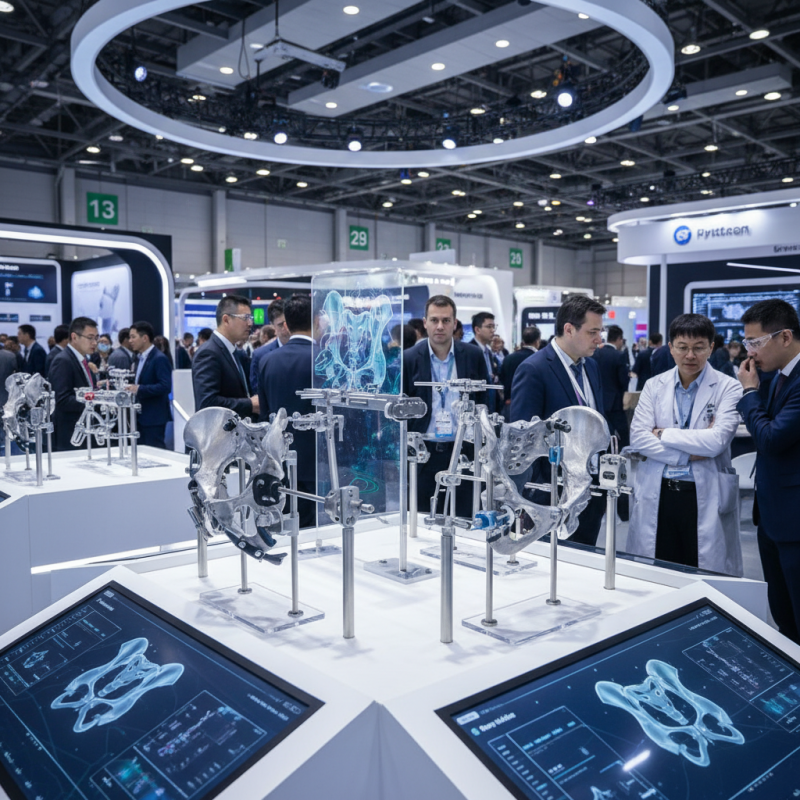
Pelvic external fixators play a crucial role in orthopedic surgery. They provide stabilization for patients with pelvic fractures. These devices are designed to maintain alignment during the healing process. A well-constructed fixator can significantly improve outcomes. Surgeons need to choose the right model based on the injury type.
At the 139th Canton Fair, several innovative designs showcase advancements in this field. Features like lightweight materials and adjustable settings enhance usability. However, challenges remain in achieving optimal patient comfort. Some designs have rigid components that can cause discomfort. Finding a balance between stability and comfort is essential.
Additionally, the fixation process requires precise application. Misalignment can lead to complications. Surgeons must be skilled in using these devices effectively. Continued training and development in this area are vital. Each innovation should be scrutinized for potential flaws. This reflection helps drive improvements in future designs.
Pelvic external fixators are gaining attention in modern medicine. They provide crucial support for patients with severe pelvic injuries. This innovative device stabilizes fractures and helps in the healing process. Many trauma cases require immediate intervention, and these fixators offer quick solutions. By anchoring to the pelvis, they allow for greater mobility compared to traditional casting.
However, challenges come with their use. Proper placement is essential to avoid complications. Misalignment can lead to prolonged recovery or additional surgery. Surgeons must balance stability and precision. These fixators may not be suitable for all patients. Those with certain health conditions must be evaluated carefully.
Patient feedback has been mixed. While many report improved mobility, some express discomfort. Adjustments may be needed to enhance comfort levels. Training for medical staff is vital to ensure effective application. As we move forward, the integration of pelvic external fixators can enhance trauma care, but there is room for improvement.
Pelvic external fixators have become increasingly important in modern medicine, especially in the field of orthopedic trauma. This chart illustrates the projected market growth of pelvic external fixators from 2019 to 2025, highlighting their rising significance in surgical treatments and patient care.
When evaluating pelvic external fixators, there are several key features to consider. These devices play a crucial role in stabilizing pelvic fractures. Look for fixators that offer adjustable fittings. This allows for a tailored fit to each patient’s anatomy. Customization is essential for effective healing. Adjustable pins also help in relieving pressure.
Another important feature is the material used in the fixator’s construction. High-quality materials can enhance durability. They can withstand the stresses involved in orthopedic procedures. Weight is another factor to note. Lightweight options can be beneficial, as they minimize discomfort for the patient.
It is also vital to consider the design of the fixator. A design that simplifies application can save valuable time in emergency settings. However, some designs can be overly complicated, leading to errors. The learning curve can be steep. Finding a balance between innovation and simplicity is critical. Making informed choices will ensure the best outcomes in treatment.
| Feature | Description | Importance |
|---|---|---|
| Material Quality | High-grade aluminum or titanium for durability and lightweight. | Ensures safety and longevity during use. |
| Adjustability | Easy adjustability for better fit and stability during treatment. | Allows customization for individual patient needs. |
| Weight Support | Can support substantial body weight without compromising stability. | Critical for safe immobilization of pelvic fractures. |
| Ease of Application | Simplified setup process for reducing surgical time. | Enhances efficiency in emergency situations. |
| Compatibility | Compatible with various imaging techniques and surgical tools. | Facilitates comprehensive treatment planning. |
| Corrosion Resistance | Protective coatings to resist body fluids and chemicals. | Increases device longevity and reduces infection risk. |
The 139th Canton Fair showcased various innovative products, including a remarkable pelvic external fixator. This product drew attention for its design and functionality. Medical professionals were eager to explore its potential applications. The fair displayed a variety of healthcare innovations, making it a hub for new advancements.
Attendees observed the pelvic external fixator's unique features during the demonstrations. The design aimed to enhance patient recovery and reduce complications. However, some visitors expressed concerns over its ease of use. Feedback from medical staff highlighted the need for improvements in user training.
Networking opportunities at the fair were immense. Suppliers and medical professionals exchanged ideas, fostering collaboration. Yet, some conversations felt rushed. Miscommunication sometimes occurred, highlighting a need for clearer discussions. Overall, the Canton Fair offered valuable insights and potential growth in the medical equipment sector.
As we look towards 2026, the evolution of pelvic external fixators is both exciting and pertinent. The upcoming trends focus on improving patient outcomes and enhancing usability for healthcare professionals. Experience has shown that patient comfort is crucial. Therefore, innovations may include redesigned components that reduce skin irritation.
One notable trend is the push towards lighter materials. These advancements could make the fixators easier to handle. However, the challenge lies in maintaining strength and durability. Not every new material has proven reliable under stress. That is a concern for many in the medical field.
Integration of smart technology is another exciting possibility. Imagine fixators with sensors that monitor healing progress. This concept sounds promising, yet many details need refinement. The connection between technology and patient care is still fragile. Collectively, these trends hint at a transformative journey but also highlight areas that require careful consideration and development.
: They stabilize patients with pelvic fractures during the healing process.
A well-chosen model enhances alignment and can improve recovery results.
Comfort can be an issue due to rigid components that may cause discomfort.
Precise application is critical; misalignment can lead to complications.
Continued training is vital for effective use and minimizing risks.
Innovations will focus on patient comfort and usability for medical staff.
Lighter materials may ease handling, but strength and durability are concerns.
Smart technology may allow monitoring of healing progress, but needs refinement.
Their insights help identify usability issues and highlight areas for improvement.
Yes, rushed conversations can lead to misunderstandings, affecting collaboration.
The article titled "2026 Best Pelvic External Fixator at 139th Canton Fair?" explores the critical role of pelvic external fixators in modern medicine, highlighting their significance in orthopedic trauma care and pelvic injuries. It delves into the essential features that make these devices effective, including stability, adjustability, and ease of use, which are crucial for positive patient outcomes.
Additionally, the article provides insights from the recent 139th Canton Fair, showcasing the latest innovations and advancements in pelvic external fixator technology. It also discusses future trends expected in 2026, emphasizing the potential improvements in design and functionality that can enhance surgical applications and patient recovery processes. Overall, the pelvic external fixator is positioned as a vital tool in contemporary medical practices, with ongoing developments promising to further elevate its effectiveness.
